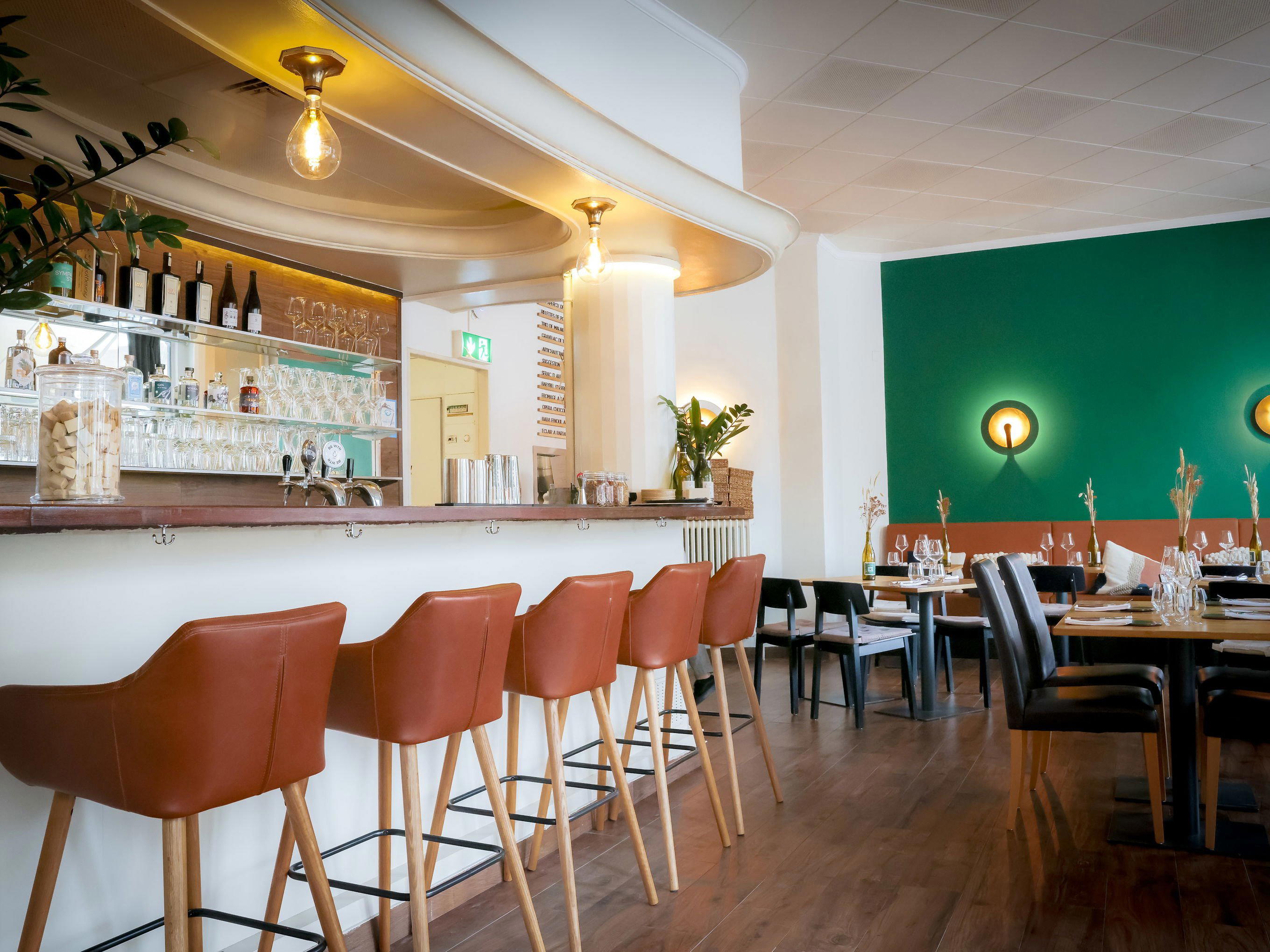
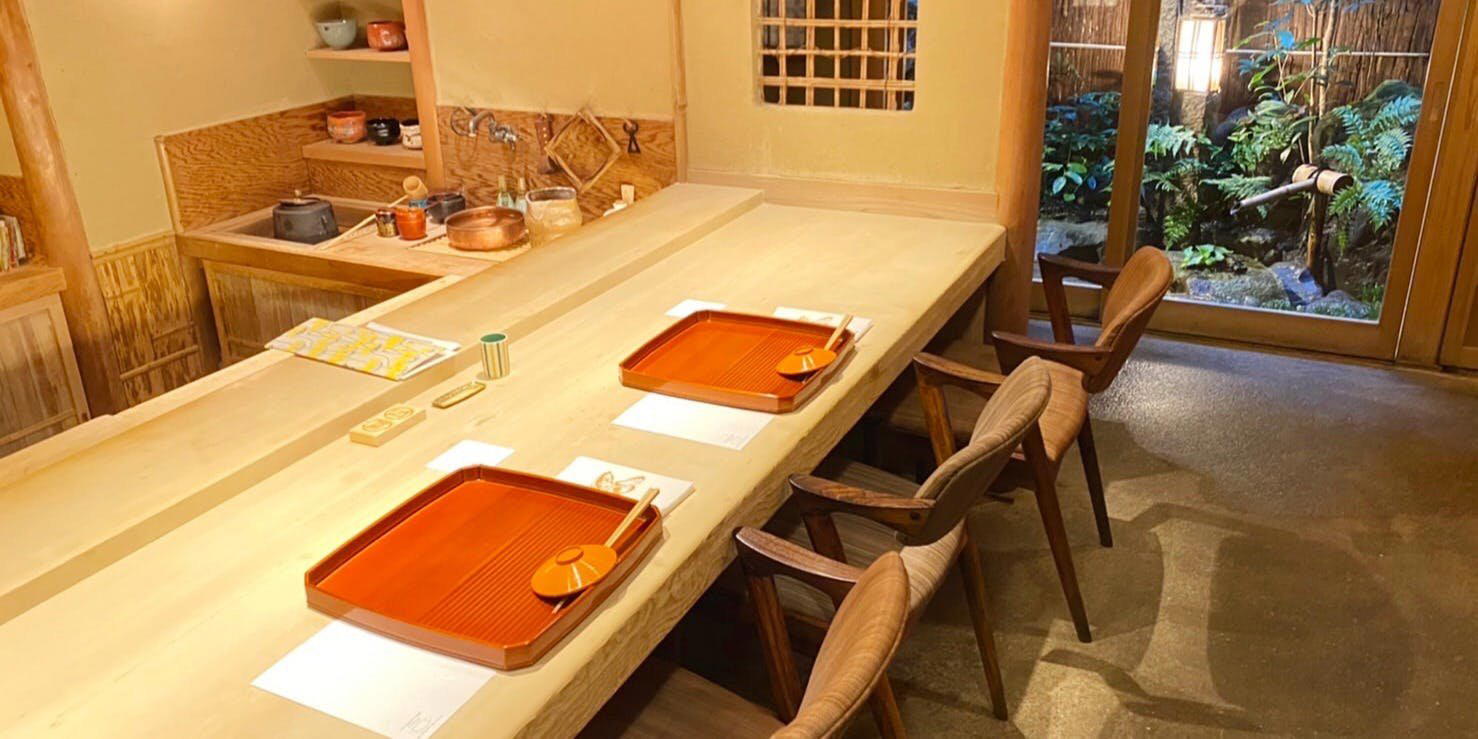
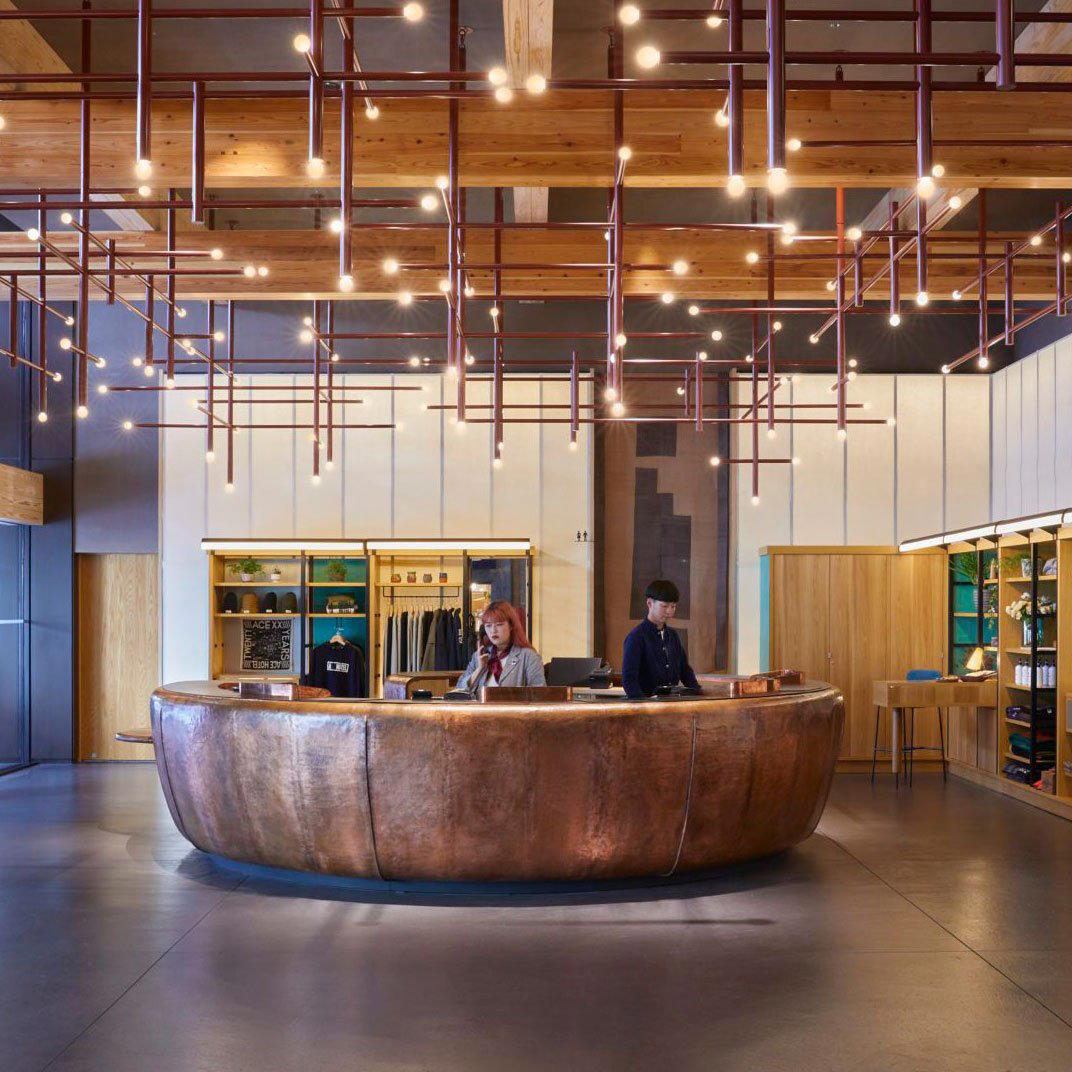
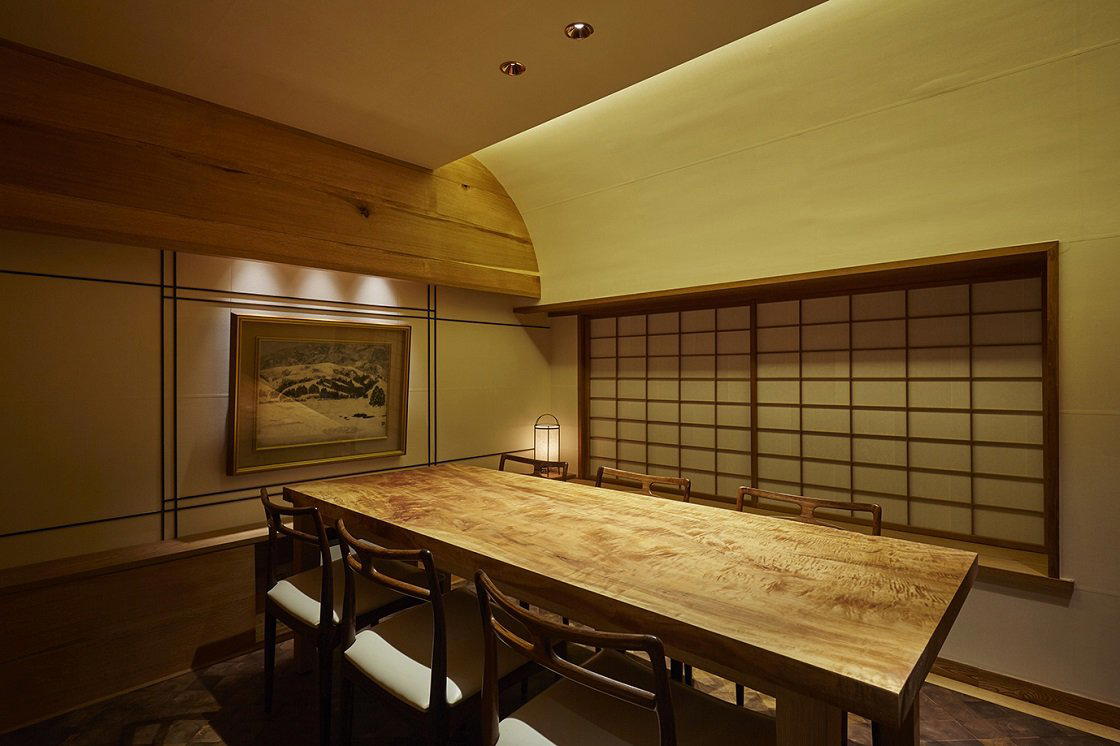
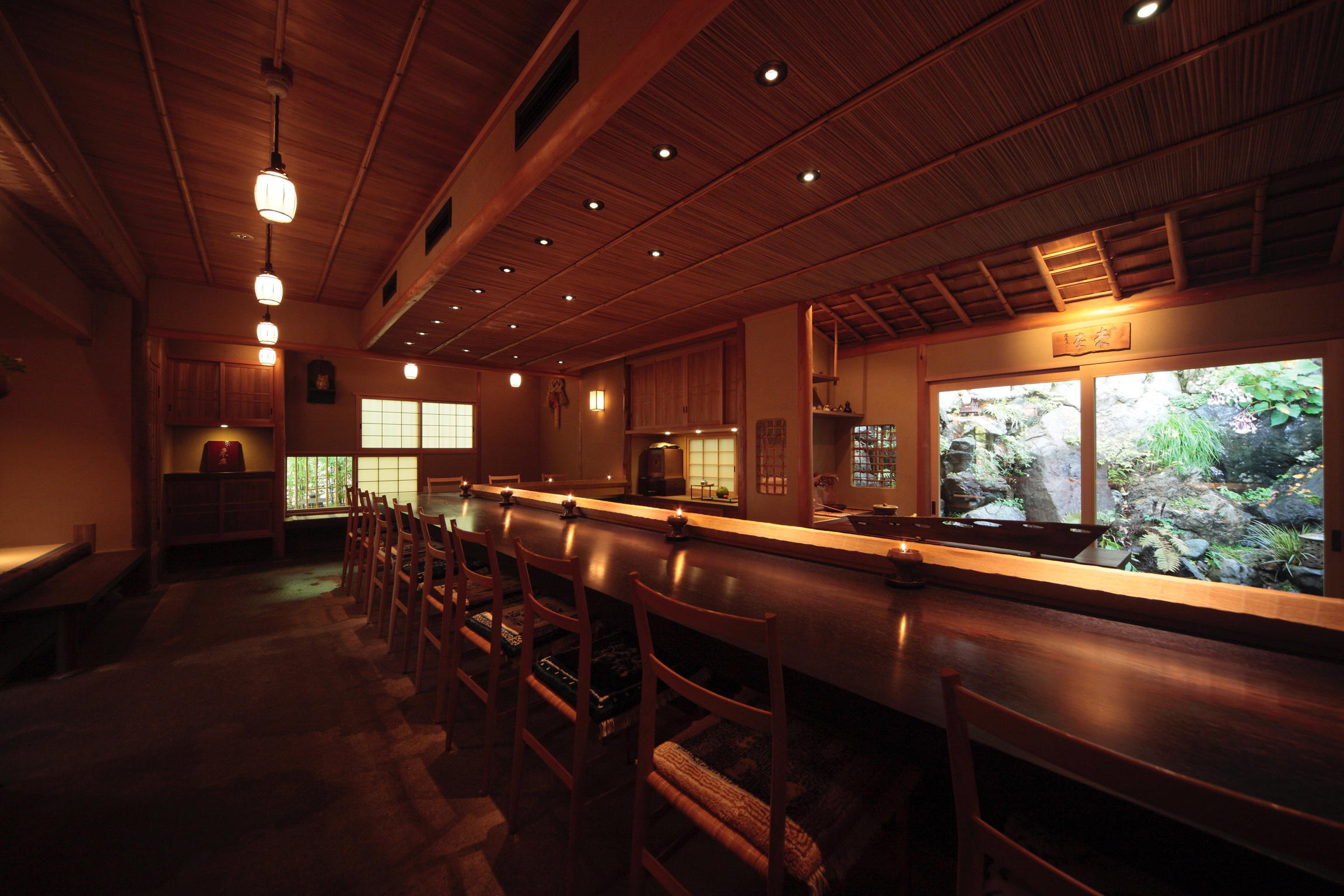
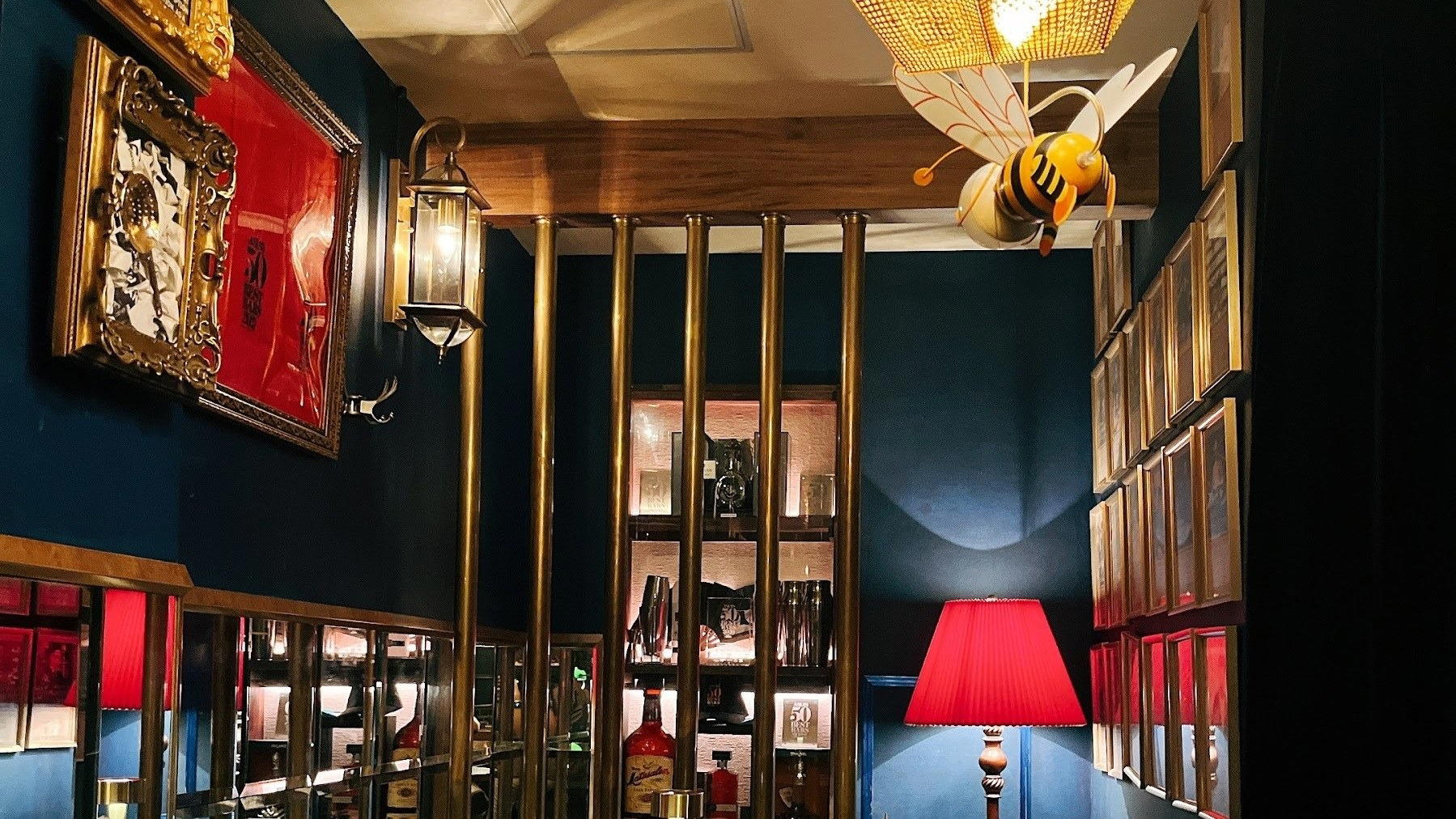
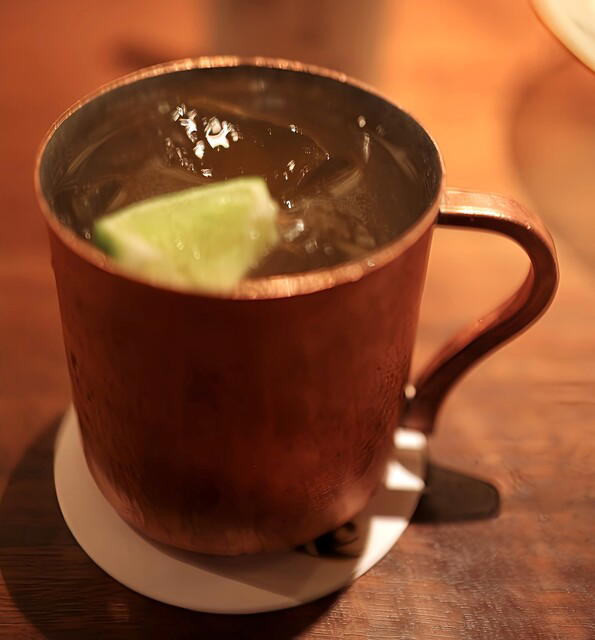
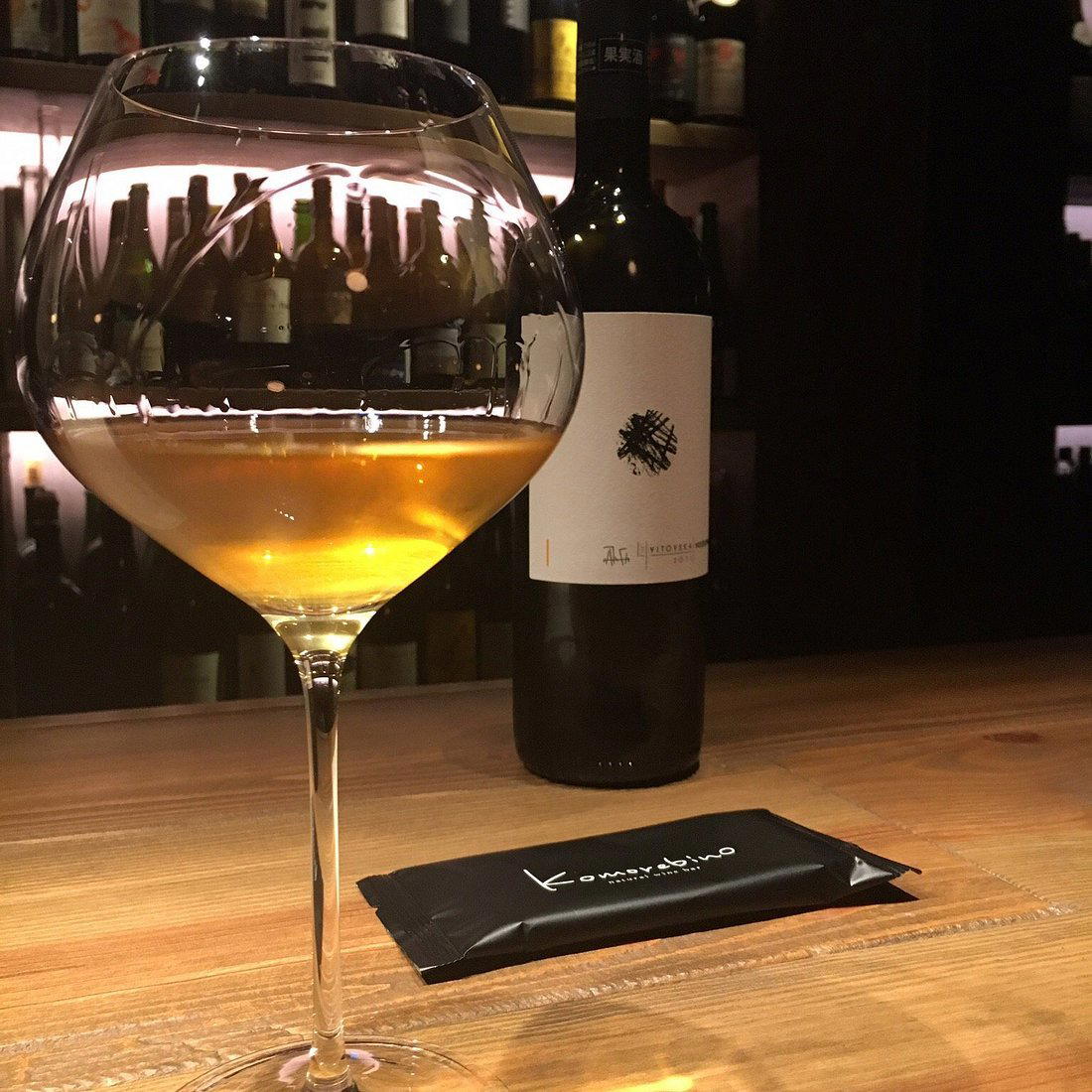
Our verdict
ほしぞら sits in Kyoto's 600-8021 postal district, a name that translates literally as 'starry sky' and signals the kind of quietly considered address that circulates by word of mouth rather than signage. The venue occupies a city where the distance between a neighbourhood izakaya and a three-Michelin-starred kaiseki counter can be a single alleyway, and where dining expectations are calibrated accordingly.

Pearl is the En Primeur Club membership app — saves, bookings, and concierge access live there. Same editors, same standards.
- Address
- 京都市, 京都府, 600-8021
- Directions
- Get directions
The menu
What to order
- ほそ
A City That Rewards Patience
Kyoto's dining culture operates on a different tempo from Tokyo or Osaka. The city's most talked-about tables rarely advertise; they accumulate reputation through repetition and referral, and the guest who arrives without prior knowledge of the local hierarchy will find the surface unremarkable. It is in this context that ほしぞら (Hoshizora, meaning 'starry sky') exists: an address in the 600-8021 district, a postcode that places it in the central Shimogyo ward, within reach of the older merchant quarters where some of Kyoto's most historically rooted restaurants have operated across generations.
Kyoto's central wards have seen considerable change over the past decade. The post-pandemic reconfiguration of tourism, the pressure of inbound demand from international travellers seeking high-end Japanese dining, and the parallel withdrawal of certain traditional operators from public-facing formats have reshaped what it means to open or maintain a restaurant here. Against that backdrop, the evolution of any individual address is inseparable from the evolution of the district itself.
How the Scene Around It Has Shifted
The kaiseki tier in Kyoto now occupies a narrower, more formalised band than it did twenty years ago. Houses like Gion Sasaki, Hyotei, and Kikunoi Honten anchor the upper bracket at ¥¥¥¥ price points with Michelin recognition and booking windows measured in months. Below them, a second tier of serious but less ceremony-heavy venues competes for a different guest: one who wants precision without the full choreography of a multi-hour kaiseki ritual. Mizai and Isshisoden Nakamura have each carved positions in that broader Japanese fine dining space, demonstrating that the city supports range across format and register.
What this structural context reveals is that any Kyoto restaurant operating in the current decade must position itself relative to a deeply established competitive field. The question is not simply whether the food is considered — it almost always is, in a city with this level of culinary infrastructure — but where within the hierarchy a given address places itself, and whether that positioning has held, shifted, or deliberately pivoted over time.
The Evolution Frame: What Changes in a Kyoto Address
In cities with Kyoto's dining density, the restaurants that survive across a decade or more do so by adapting to changes in guest expectation, sourcing conditions, and format norms, while maintaining enough consistency to retain their core audience. The evolution of ほしぞら as a named address in this ward follows that broader pattern. Japanese restaurant names carrying poetic imagery ('starry sky' being among the more evocative) tend to signal a deliberate aesthetic intent rather than a purely functional operation. The name alone positions the venue within a tradition of Japanese hospitality that values atmosphere and mood as primary, with food and service operating inside that frame.
The Shimogyo ward, where the 600-8021 address falls, has itself changed: historically a commercial and craft district, it has absorbed more hospitality-focused development as Kyoto's central zone has densified around tourism infrastructure. Restaurants that opened in this area before that densification occupy a different relationship to the neighbourhood than those that arrived after it. The direction of that evolution, and where ほしぞら currently sits within it, is the key intelligence a prospective visitor needs.
For comparative reference beyond Kyoto, the pattern of smaller, atmospherically named Japanese restaurants finding a dedicated following is visible in other cities. HAJIME in Osaka and Harutaka in Tokyo each demonstrate how a Japanese address can build sustained recognition on a combination of format discipline and accumulated guest loyalty. Further afield, akordu in Nara shows how a non-traditional cuisine can take root in a traditional Japanese city by reading local expectations carefully. Goh in Fukuoka provides another data point: a destination-tier Japanese address that built its profile outside the Tokyo-Kyoto axis.
Placing ほしぞら in the Wider Japanese Dining Map
Japan's restaurant culture is not uniform across its cities. The standards applied in Kyoto differ from those in Sapporo, where 夕佳亭山乃 represents a different regional register, or in Nanao, where 三本木 鵜川製 operates in a coastal context with its own sourcing logic. Takashima's 湖畔荘 and Nishikawa Machi's 庄羽根屋 each inhabit regional formats shaped by local tradition rather than metropolitan competition. Even non-Japanese comparisons matter for contextualising what 'fine dining evolution' looks like: Le Bernardin in New York City and Atomix in New York City show how restaurants in high-expectation cities manage the tension between staying current and preserving identity. Bistro Ange in Toyohashi and Birdland in Sakai complete the picture of how Japan's mid-tier cities host serious food operations outside the headline markets.
Kyoto, however, applies its own filter to all of this. The city's guests, whether domestic or international, arrive with a baseline expectation formed by decades of global coverage of kaiseki and Japanese hospitality. An address in the 600-8021 zone enters that frame immediately, whether it chooses to or not. See our full Kyoto restaurants guide for a broader map of where ほしぞら sits relative to the city's active dining tiers.
Know Before You Go
Address: 京都市, 京都府, 600-8021 (Shimogyo Ward, central Kyoto)
Booking: No confirmed booking method available; direct contact via in-person or local referral recommended given the absence of a listed website or phone number
Leading Approach: Cross-reference with the EP Club Kyoto guide for updated operational status before planning a visit
Frequently asked questions
What's the address for ほしぞら?
ほしぞら is located at 京都市, 京都府, 600-8021, Kyoto.
How does ほしぞら compare to other restaurants in Kyoto's 600-8021 dining district?
The 600-8021 postal area places ほしぞら in central Kyoto, a district where the concentration of serious dining rooms is higher than in most Japanese cities outside Tokyo.
What should I order at ほしぞら?
Given its Kyoto address in the 600-8021 postal district, the kitchen likely reflects the seasonal ingredient discipline central to the city's dining culture. check the venue's official channels before your visit to confirm current offerings and any set course structure.
Is ほしぞら reservation-only?
No booking policy is confirmed in available documentation for ほしぞら. That said, Kyoto's most sought-after tables at this address tier routinely require advance reservations, often weeks out. Attempting a walk-in without prior confirmation carries real risk, particularly during peak travel windows in spring and autumn.
What has ほしぞら built its reputation on?
ほしぞら sits within a Kyoto dining culture that rewards restraint and consistency over visibility. No specific awards are currently documented for ほしぞら, but its positioning in Kyoto's 600-8021 district places it within a neighbourhood with an established reputation for serious dining.
Can ほしぞら accommodate dietary restrictions?
Kyoto kitchens operating in this category frequently work within fixed seasonal frameworks, which can limit substitution flexibility. Communicating dietary requirements at the time of reservation, rather than on arrival, is strongly advised.
Fast Comparison
| Venue | Cuisine | Price | Awards | Notes |
|---|---|---|---|---|
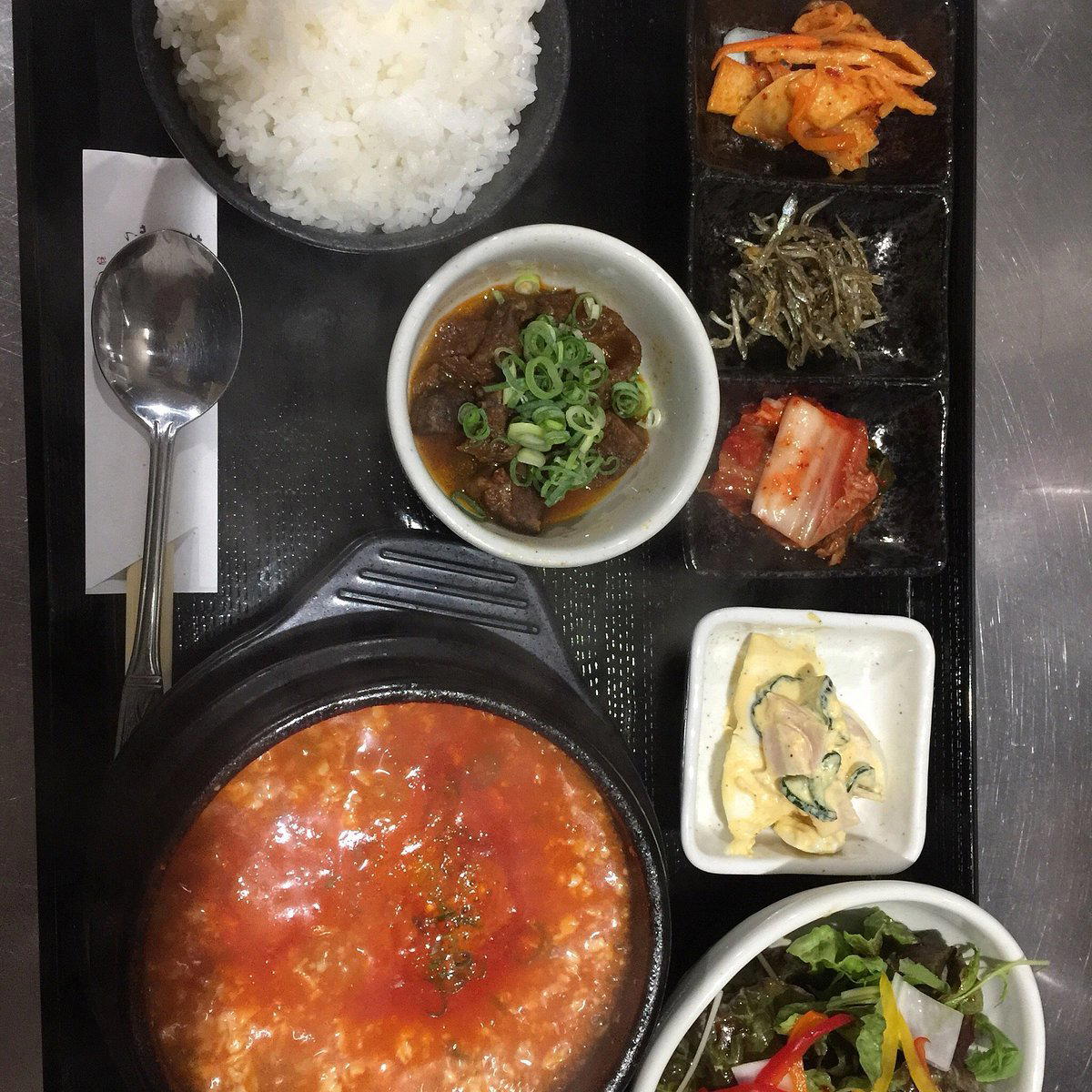
| ほしぞらThis venue — the venue you are viewing | Korean-style Yakiniku | $20–30 | Not listed | Not listed |
| Gion Sasaki | Modern Kaiseki | $300–500 | 3 Michelin Stars · La Liste Top Restaurants | Kaiseki, Japanese |
| cenci | Innovative Italian-Japanese Fusion | $100–150 | 1 Michelin Star · World's 50 Best #76 | Italian |
| Ifuki | Sumibi Kappo Kaiseki | $200–300 | 2 Michelin Stars · La Liste Top Restaurants | Kaiseki |
| Kyokaiseki Kichisen | Kyoto Kaiseki | $200–300 | 2 Michelin Stars · La Liste Top Restaurants | Japanese |
| Kyo Seika | Modern Chinese Fine Dining | $150–200 | 1 Michelin Star · Tabelog Bronze #216 | Chinese |