Angelo sits in Higashi-Gotanda, a Shinagawa neighbourhood where the dining scene rewards the visitor willing to move beyond central Tokyo's more trafficked corridors. With no published price range or awards on record, it occupies the kind of low-profile position that often signals a kitchen more focused on the plate than the press cycle. Verify hours and booking directly before visiting.
 Discover on Pearl
Pearl is the En Primeur Club membership app — saves, bookings, and concierge access live there. Same editors, same standards.
- Address
- Japan, 〒141-0022 Tokyo, Shinagawa City, Higashigotanda, 3 Chome−17−21 フェイム島津山 1F
- Phone
- +81364503458
- Website
- ristorante-angelo-tokyo.com
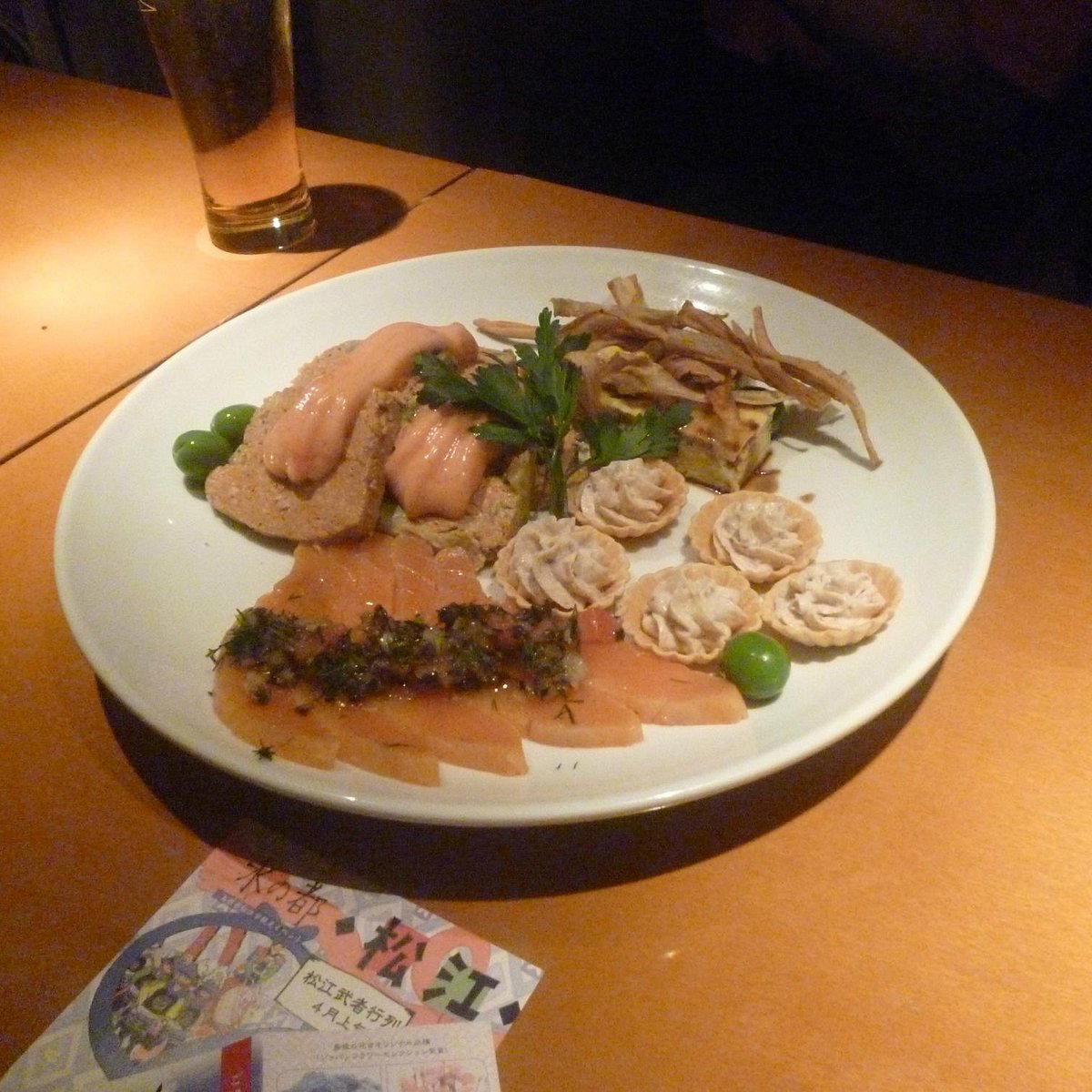
Angelo is a casual Italian pasta restaurant in Tokyo, priced at about $50 per person. The quieter residential and light-commercial pockets of Gotanda have developed a modest independent restaurant culture. Angelo, located on a ground-floor unit in Higashi-Gotanda 3-chome, sits inside that pattern.
A Neighbourhood Built for Regulars
To understand Angelo's positioning, it helps to understand what Gotanda is not. It is not the polished Michelin corridor of Ginza, where counters like Harutaka operate within a dense web of starred peers, and where price signals and awards act as a form of social currency. Nor is it the western-influence creative belt around Nishi-Azabu, where places like L'Effervescence and Sézanne position French-inflected cooking against a highly competitive international comparable set. Gotanda's restaurant culture is quieter and more local in character, which means a kitchen there is more likely to build its audience through word-of-mouth than through formal recognition cycles.
In a city where RyuGin and Crony operate with the full weight of critical apparatus behind them, Angelo's appeal lies in its neighborhood setting. Restaurants in this position are disproportionately represented in Tokyo's most interesting mid-tier and specialist dining, where the gap between ambition and visibility is often wider than in other cities.
The Sustainability Context: Tokyo's Quieter Ethical Kitchens
This movement is particularly active in smaller, independent restaurants operating outside the formal award system, where chefs have more latitude to absorb the cost inefficiencies that ethical sourcing can create in the short term. Tokyo's independent scene in neighbourhoods like Gotanda, Koenji, and Shimokitazawa has been a quieter incubator for this approach, in contrast to the higher-profile sustainability narratives emerging from internationally recognised venues such as L'Effervescence, a restaurant that has made its sourcing philosophy central to its public identity.
For restaurants without a published programme, the question is always whether ethical sourcing is a structural commitment or a byproduct of cooking from available local supply. In smaller neighbourhood venues in Tokyo, the latter is often true by default: proximity to local producers, smaller purchasing volumes, and a seasonal-by-necessity menu all reduce waste and carbon impact without requiring formal certification. Japan's broader food culture, with its deep respect for ingredient quality, its tradition of using whole product, and its aversion to waste encoded in concepts like mottainai, creates a baseline ethical orientation that operates independently of any explicit marketing position.
Tokyo's approach, particularly in neighbourhood restaurants, tends to be more embedded and less announced.
Japan's Independent Restaurant Geography
Angelo is one data point in a much wider geography of independent Japanese dining that stretches well beyond Tokyo. The country's regional restaurant culture is deep and often overlooked by visitors who concentrate on the capital. HAJIME in Osaka represents one pole of that geography: a highly formal, Michelin-recognised French-Japanese kitchen with a pronounced environmental philosophy built into its menu structure. At the other end sit smaller, less publicised venues in cities like Fukuoka, Nara, and Kyoto, where kitchens work with regional ingredients in formats that would not translate easily to a Tokyo setting. Further afield, venues such as Abon in Ashiya, affetto akita in Akita, Aji Arai in Oita, Ajidocoro in Yubari District, Akakichi in Imabari, and aki nagao in Sapporo illustrate how thoroughly Japan's dining culture distributes quality across its regional map.
Tokyo, for all its concentration of starred restaurants, is only one entry point into that system. Visitors who limit themselves to central Tokyo's premium corridors miss a significant portion of what Japanese restaurant culture actually looks like at ground level, and Gotanda, with its mix of working neighbourhoods and independent kitchens, sits closer to that ground level than most.
A Pricing-First Comparison
Comparable venues nearby, for context on price, style, and recognition.
| Venue | Cuisine | Price | Awards | Notes |
|---|---|---|---|---|
| AngeloThis venue — the venue you are viewing | Shinagawa, Casual Italian Pasta | $$$ | , | |
| Orlando | Meguro, Italian enoteca & restaurant | $$$ | , | |
| エリオ・ロカンダ・イタリアーナ | $$$ | , | Chiyoda, Authentic Southern Italian Trattoria | |
| PST Higashi Azabu | Minato, Modern Neapolitan Pizza | $$$ | , | |
| ARMONICO | $$$ | , | Shibuya, Modern Italian with Japanese Ingredients | |
| neo | Shibuya, Italian Standing Bar | $$$ | , |








At a Glance
- Hidden Gem
- Intimate
- Modern
- Date Night
- Casual Hangout
- Private Dining
- Sake Program
- Local Sourcing
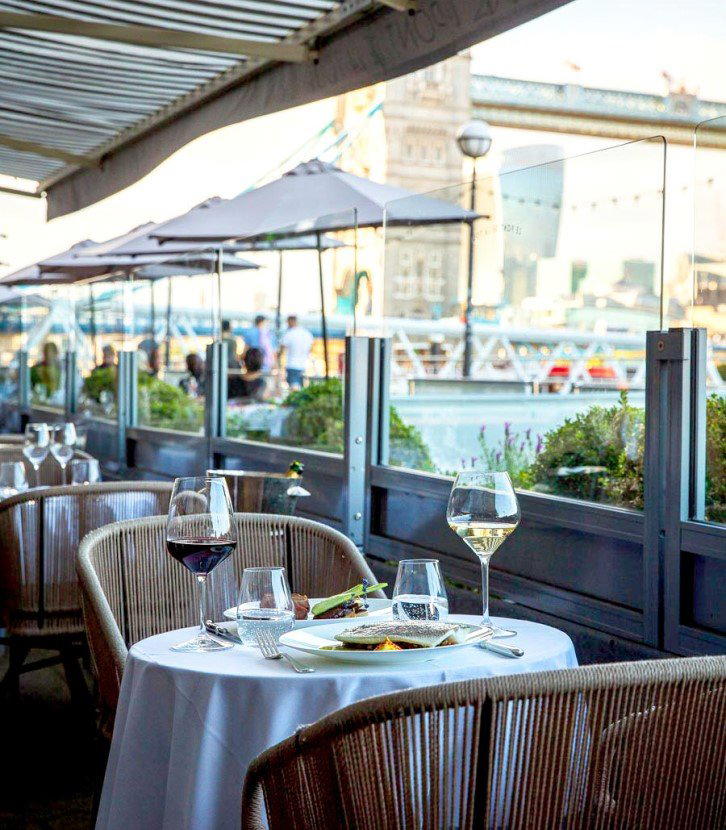
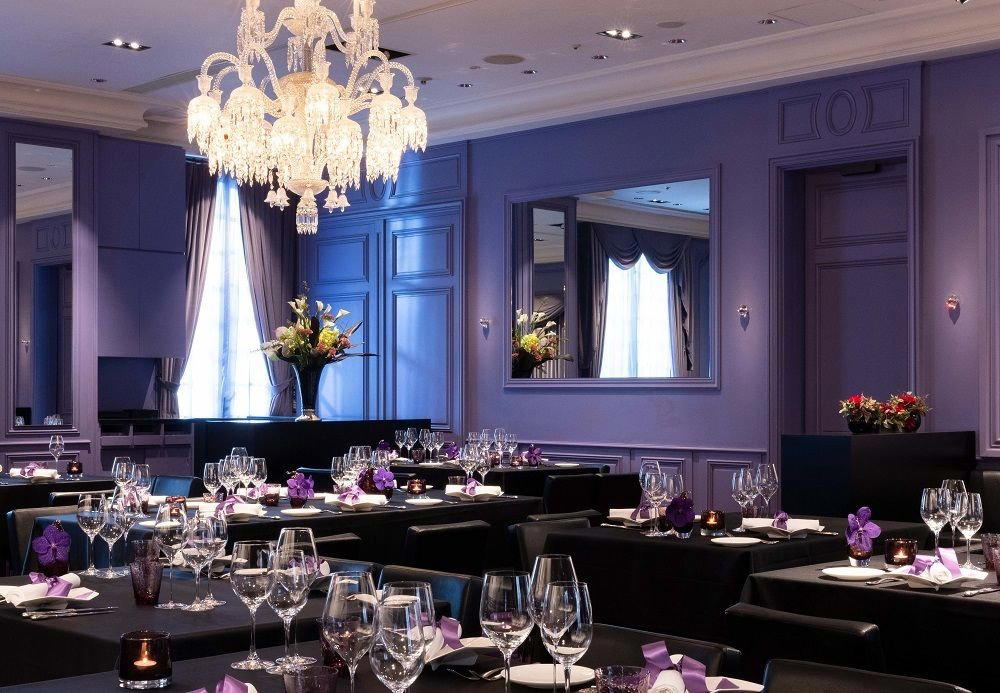
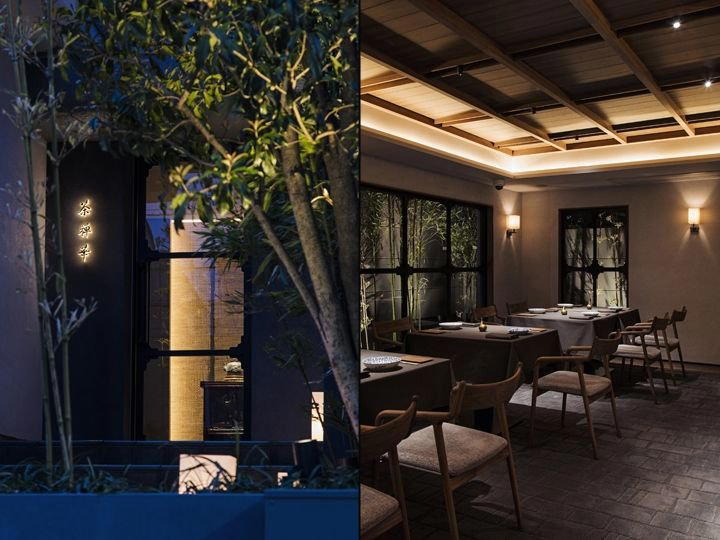
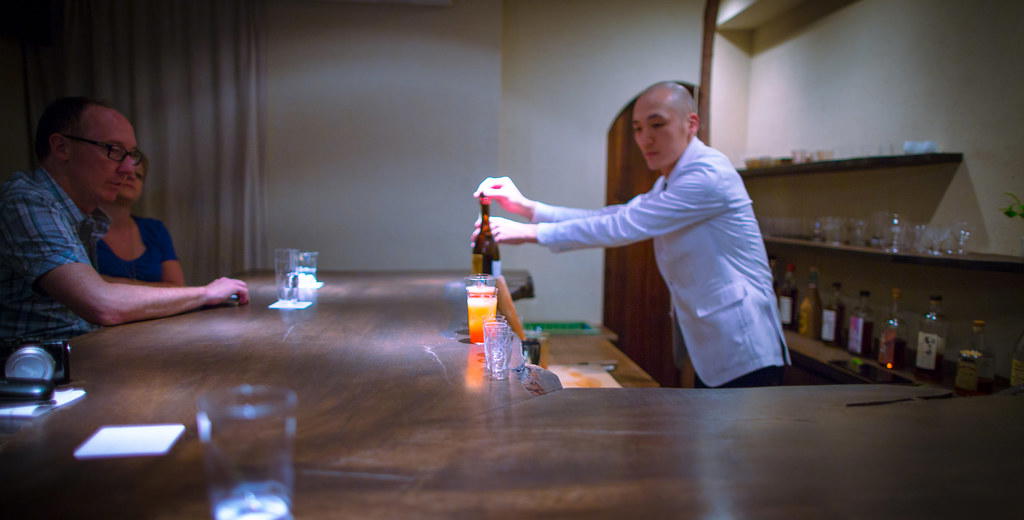
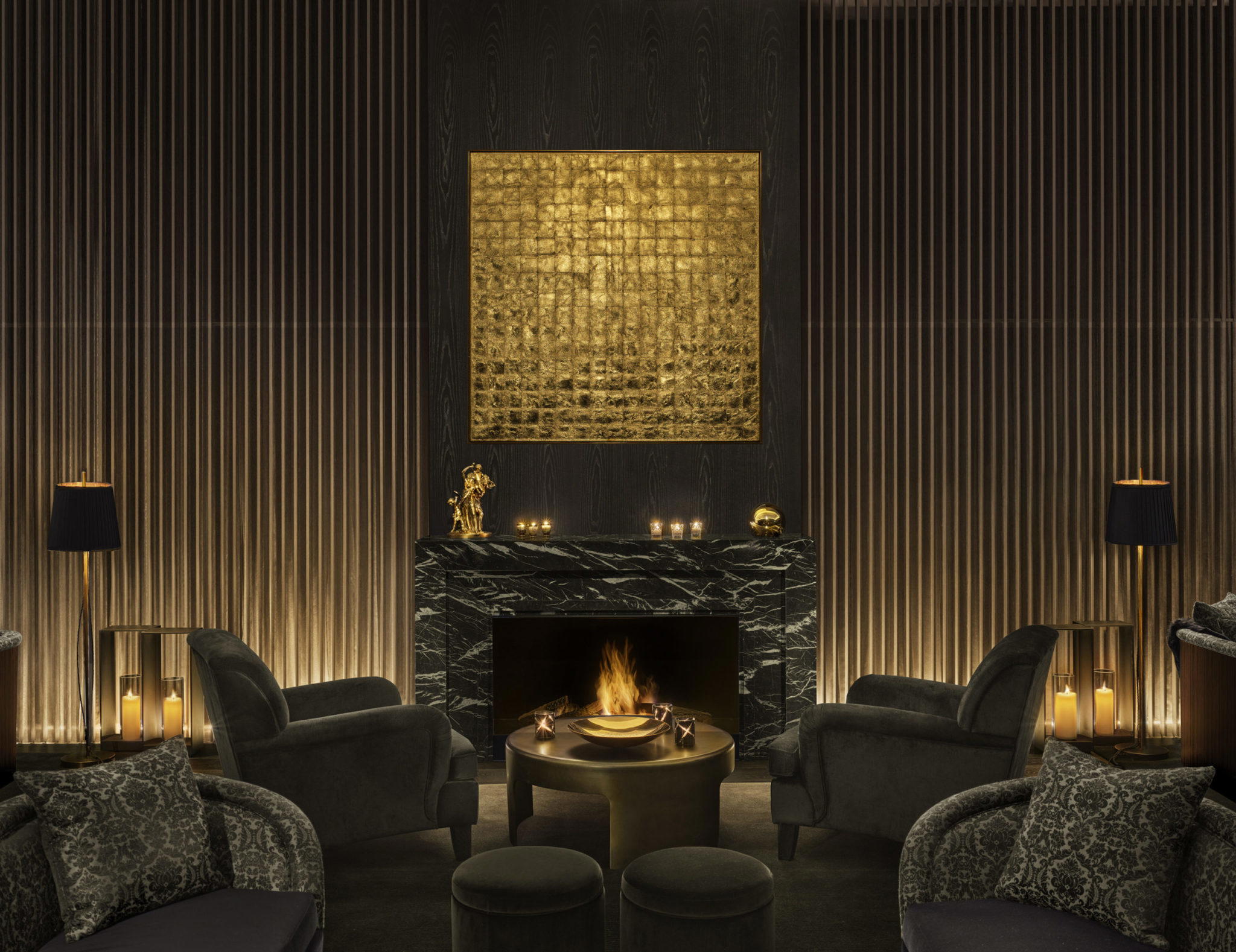
Vibrant and uniquely decorated interior with a stylish, casual hideout feel.