


1 Michelin Star · Tabelog 100 #66
Our verdict
Akiyama holds a Michelin star in Shirokane, one of Minato City's quieter residential quarters, and sits within Tokyo's broader kaiseki and high-end Japanese dining tier. it operates at the level where cellar depth and seasonal precision are expected rather than exceptional. A disciplined choice for serious diners working through Tokyo's one-star field.

Pearl is the En Primeur Club membership app, where members save venues, book tables and use the concierge.
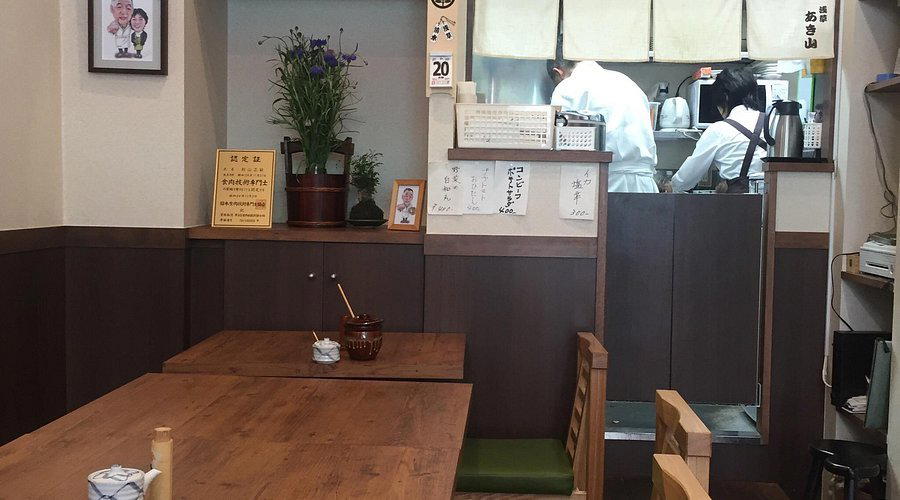
Shirokane's Quiet Tier
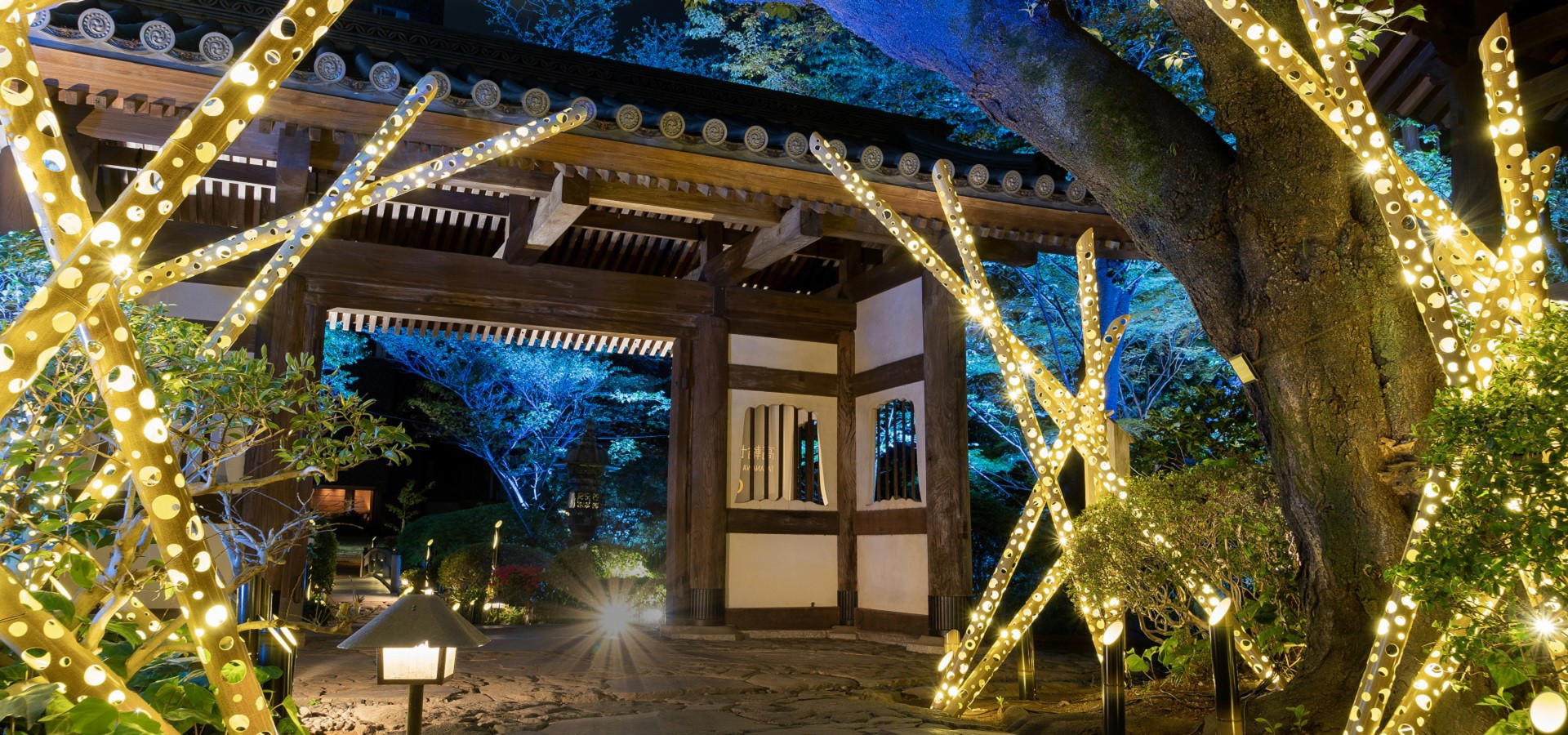
Tokyo's premium Japanese dining scene has long been split between high-visibility addresses in Ginza and Roppongi and a quieter residential circuit running through Minato City's southern wards. Shirokane belongs to the latter. The neighbourhood's low-rise streets and restrained commercial character attract a particular kind of operator: smaller rooms, deliberate pacing, and a clientele that already knows where it's going. Akiyama, at 6 Chome-5-3 Shirokane, sits inside this pattern. Approaching along the neighbourhood's residential blocks, there is no marquee signage or street-level spectacle. The entrance reads like most serious Japanese restaurants at this tier: understated to the point of requiring attention.
This kind of address signals something specific in Tokyo dining terms. The city's Michelin infrastructure rewards precision over theatre, and the one-star tier in residential Minato is occupied by rooms where the cooking does the work. Akiyama earned its 2024 Michelin star within that context, placing it in a cohort that includes other Minato and inner-Tokyo one-star Japanese restaurants where seasonal ingredients and technical discipline are the primary language.
Where the Wine Angle Enters the Room
At the ¥¥¥¥ tier of Tokyo Japanese dining, the wine and beverage program is no longer an afterthought. The kaiseki and high-end Japanese restaurant category in this city has spent the past decade building serious cellars, partly because the international diner demographic expects them and partly because the food-and-drink pairing conversation has matured considerably. Venues like Azabu Kadowaki and Kagurazaka Ishikawa operate within that same tier and have developed cellar programs that sit alongside rather than beneath the kitchen's ambitions.
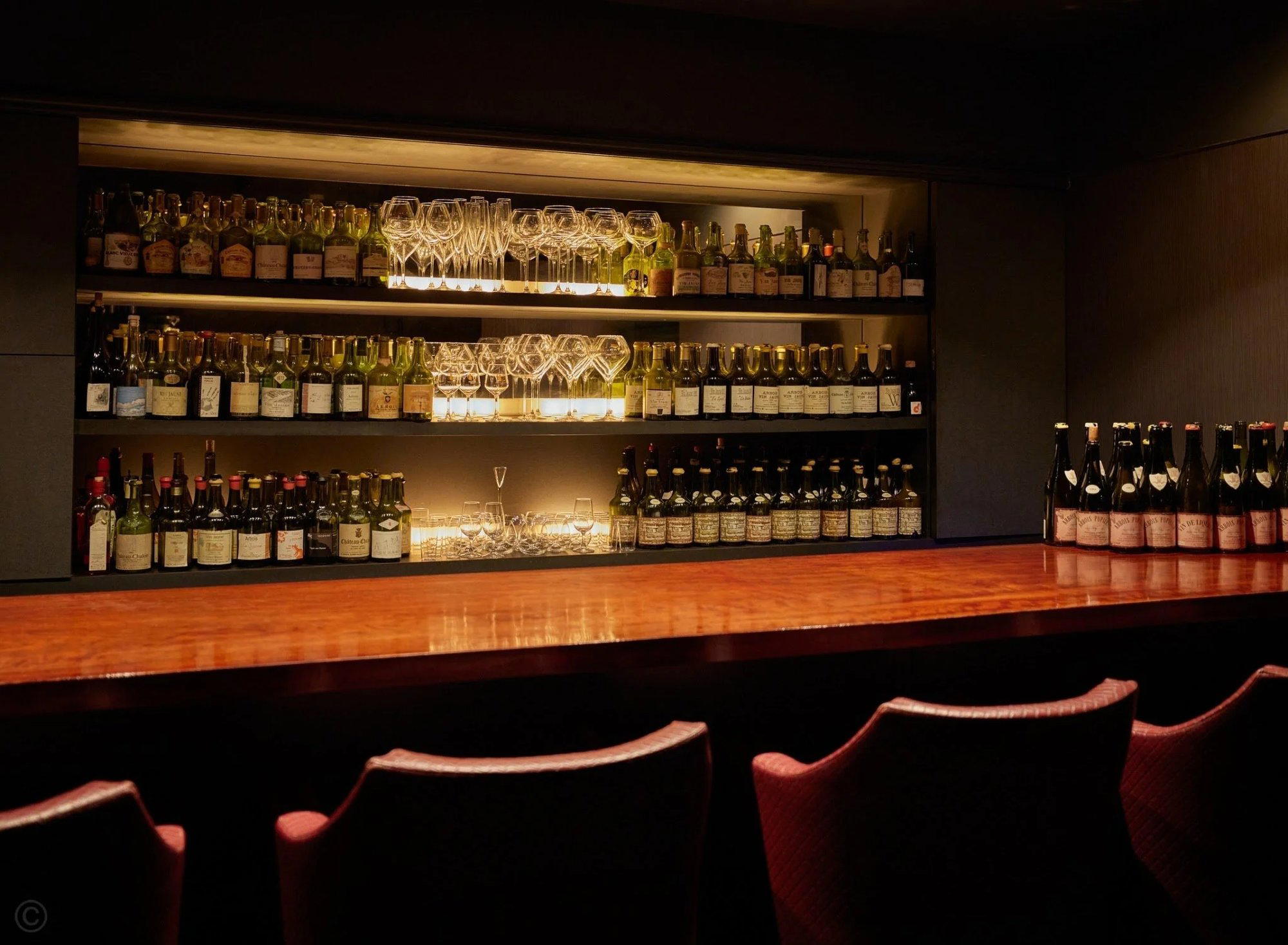
The broader Tokyo one-star Japanese field increasingly treats the beverage question as a marker of seriousness. Sake pairing remains the dominant mode at many counters, with a selection of junmai daiginjo and aged koshu positioned against each course sequence. But Burgundy and Champagne have moved steadily into serious Japanese rooms over the past decade, and at the ¥¥¥¥ price point, a restaurant that cannot speak coherently to both traditions is working at a disadvantage. The expectation at Akiyama's level is a program that can meet a knowledgeable diner wherever they arrive, sake, Japanese whisky, or old-world wine, without stumbling.
For context on what this tier demands: three-star kaiseki rooms like Gion Sasaki in Kyoto and Tokyo's own RyuGin have set a high reference point for pairing discipline in Japanese high cooking. One-star rooms in residential Tokyo are not competing directly with that tier, but they inherit the expectation it has created. The serious diner arriving at a Minato one-star with a wine question expects a considered answer.
The Competitive Set at This Price Point
Tokyo's ¥¥¥¥ Japanese dining bracket is large and internally differentiated. At the leading end sit three-star operations like Harutaka in sushi and RyuGin in kaiseki, where the per-head spend and booking lead times are substantially higher. One-star venues at ¥¥¥¥ occupy a distinct middle position: the price signals serious intent, but the experience is not necessarily scaled to the three-star format. Some rooms in this tier run omakase sequences with limited covers; others operate slightly larger dining rooms with a la carte flexibility.
Within Tokyo's one-star Japanese tier, Myojaku and Ginza Fukuju offer useful reference points for format and positioning. Jingumae Higuchi operates slightly differently, with a French-inflected sensibility that places it in a separate competitive bracket. The comparison is useful precisely because it illustrates how the one-star tier in Tokyo is not monolithic: cuisine style, neighbourhood, and format all vary considerably within the same price band. Akiyama's Shirokane address places it toward the residential, local-facing end of the spectrum rather than the international tourist circuit of Ginza.
For diners building a multi-city Japan itinerary, the context extends further. HAJIME in Osaka and Kashiwaya Osaka Senriyama represent different regional expressions of premium Japanese dining, while akordu in Nara shows how the high-end dining scene now extends well beyond the major city centres. Goh in Fukuoka, 1000 in Yokohama, and 6 in Okinawa extend that pattern to less-visited cities. Isshisoden Nakamura in Kyoto holds its own authoritative position in the kaiseki canon. Akiyama sits as one entry point into a broader Japan dining circuit that rewards planning.
Cuisine and Seasonal Logic
Japanese cuisine at the one-star level in Tokyo operates on a seasonal calendar that the kitchen takes seriously as a structural principle rather than a marketing positioning. Spring brings tai and bamboo shoots; summer runs toward ayu and young vegetables; autumn introduces matsutake and game; winter centres fatty yellowtail and root vegetables. This rhythm is not unique to any single restaurant, it is the operating logic of serious Japanese cooking at this price tier across the country.
What differentiates one-star rooms within this shared framework is execution precision and sourcing discipline. Akiyama's 2024 Michelin recognition places it in the tier where the inspectors have found both. At ¥¥¥¥, the expectation is that the seasonal logic will be legible in every course sequence.
Planning a Visit
Shirokane sits within Minato City, accessible via the Shirokane-Takanawa or Shirokanedai stations on the Toei Mita Line and Tokyo Metro Namboku Line. The address at 6 Chome-5-3 is in the さくら白金 building, ground floor. Booking channels and hours are not publicly listed in detail, so the most reliable approach is direct contact once you have confirmed the reservation window. At this price and recognition tier, advance booking is standard practice across the Tokyo one-star field, walk-in availability is not a working assumption. Dress expectations in rooms of this type tend toward smart casual at minimum, though formal is never out of place.
For broader planning across Tokyo's dining and hospitality scene, our full Tokyo restaurants guide maps the city's main dining tiers and neighbourhoods. Our Tokyo hotels guide, bars guide, wineries guide, and experiences guide complete the city picture for visitors building a full itinerary.
Frequently asked questions
What dish is Akiyama famous for?
At the one-star kaiseki and high-end Japanese tier, menus shift seasonally and the concept of a fixed signature dish is less relevant than at more format-driven restaurants. The Michelin recognition in 2024 points to consistent technical execution across the seasonal menu rather than to a single anchor preparation. Diners curious about current menu focus should confirm directly with the restaurant at the time of booking.
Comparison Snapshot
| Venue | Cuisine | Price | Awards | Notes |
|---|---|---|---|---|
| AkiyamaThis venue (the venue you are viewing) | Seasonal Japanese Kappo | $200–300 | 1 Michelin Star · Tabelog 100 #66 | Not listed |
| Harutaka | Edo-Style Omakase Sushi | $200–300 | 3 Michelin Stars · World's 50 Best #76 | Sushi |
| RyuGin | Modern Kaiseki | $500+ | 3 Michelin Stars · World's 50 Best #41 | Kaiseki, Japanese |
| L'Effervescence | Modern French with Japanese Influences | $200–300 | 3 Michelin Stars · World's 50 Best #69 | French |
| HOMMAGE | Modern French with Japanese Influences | $150–200 | 2 Michelin Stars · World's 50 Best #78 | Innovtive French, French |
| MAZ | Innovative Peruvian-Japanese Fusion | $150–200 | 2 Michelin Stars · World's 50 Best #28 | Innovative |
Recognition history
Dated appearances from independent guides and award organizations, with the underlying list record or original source where available.
Michelin 1 Star
Michelin
Opinionated About Dining Top Restaurants in Japan Recommended
Opinionated About Dining
Tabelog 100 #66 · No. 66
Tabelog · Tabelog 100 - Japanese cuisine - TOKYO - 2025
Continue exploring
More in Tokyo
Restaurants in Tokyo
All restaurants in Tokyo →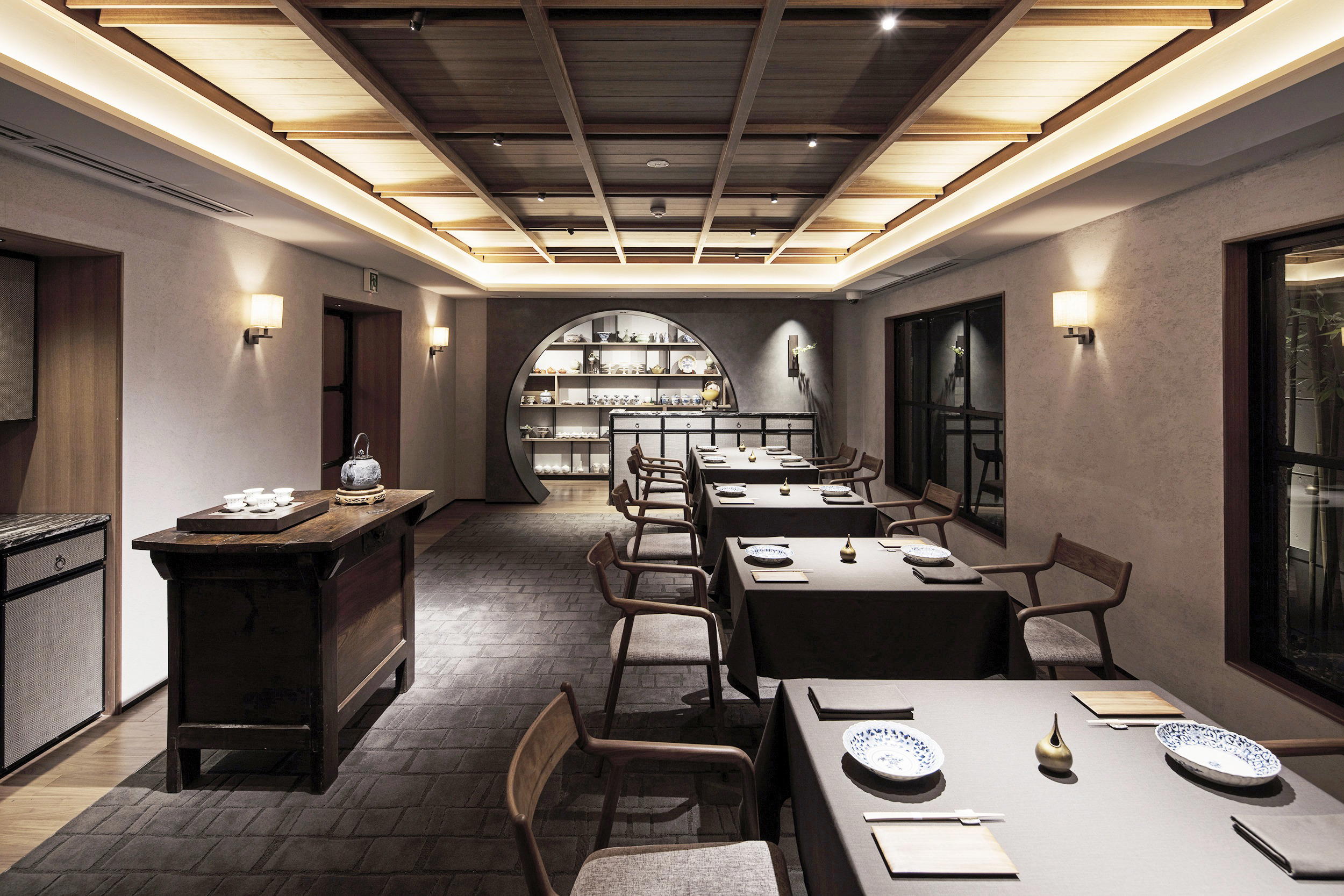
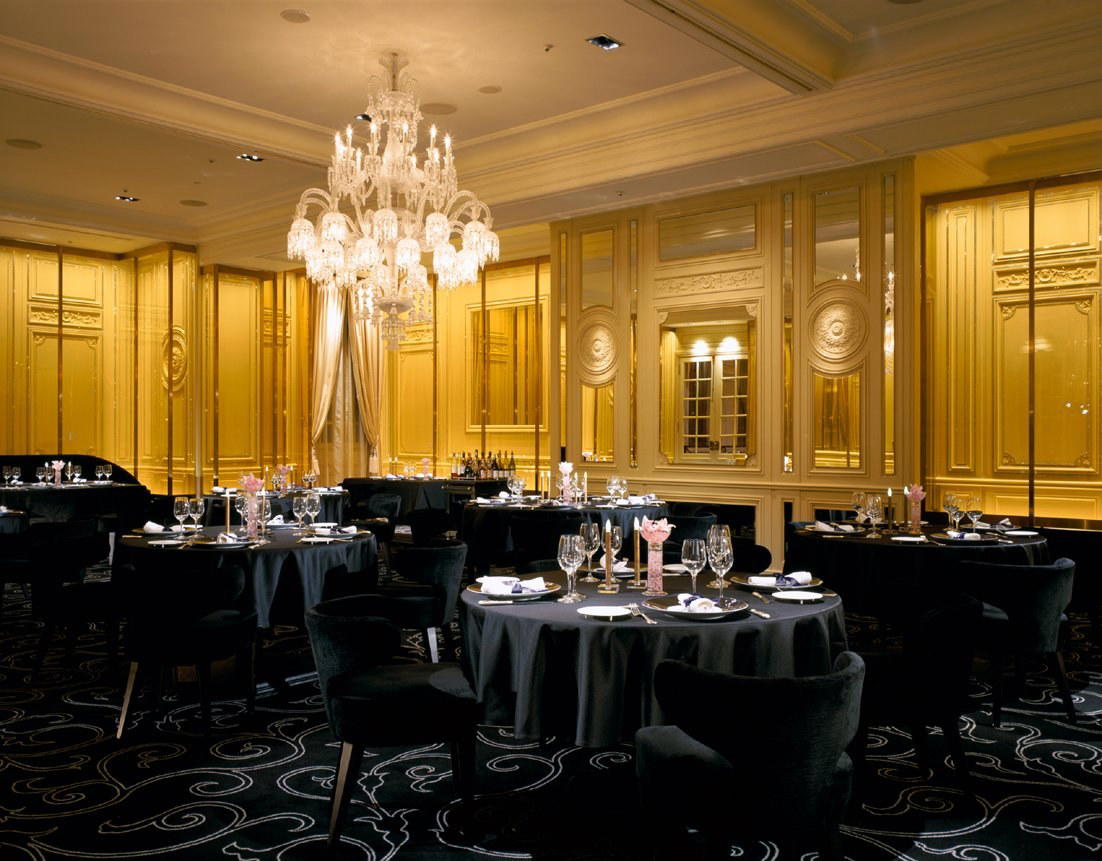

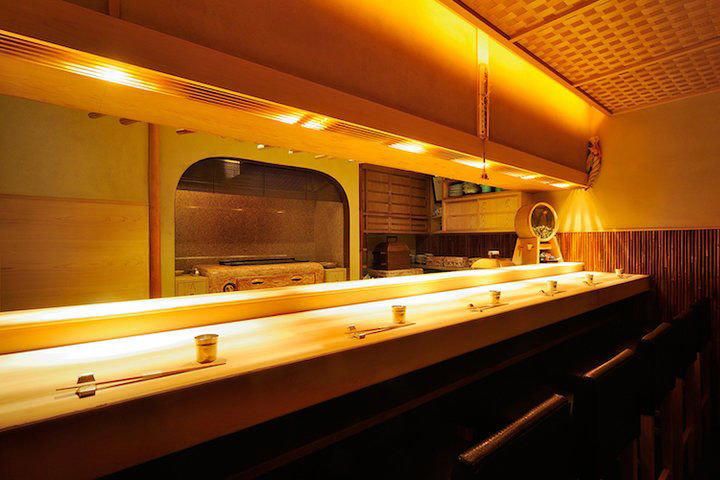

Bars in Tokyo
All bars in Tokyo →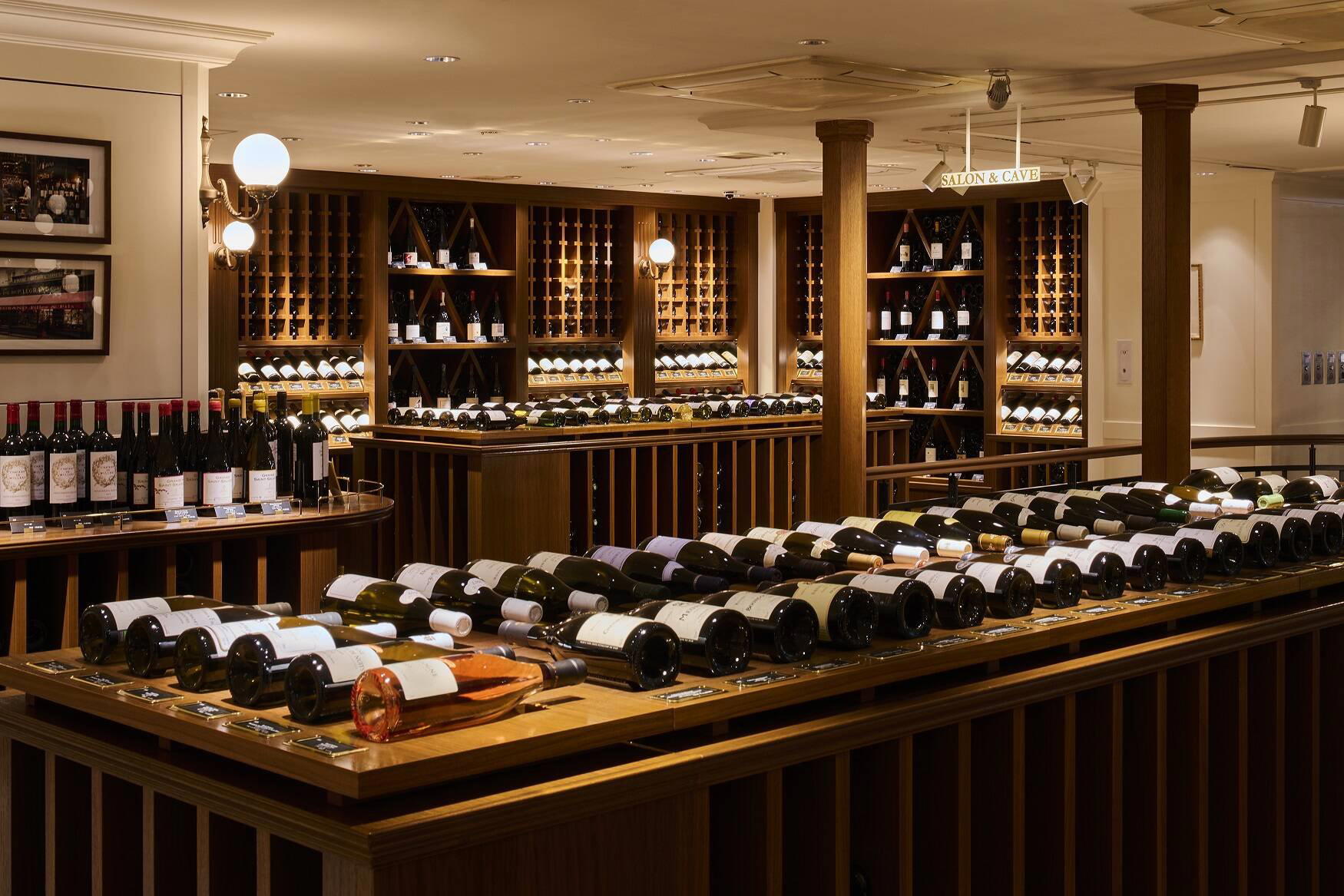






Details
- Elegant
- Intimate
- Sophisticated
- Relaxed
- Special Occasion
- Date Night
- Chefs Counter
- Open Kitchen
- Sake Program
- Local Sourcing
- Omakase
- Counter Dining
- Sake
Current opening hours
- Monday
- 6–11 PM
- Tuesday
- 6–11 PM
- Wednesday
- 6–11 PM
- Thursday
- Closed
- Friday
- 6–11 PM
- Saturday
- 6–11 PM
- Sunday
- 6–11 PM
Hours can change for holidays and private events. Hours as of .
Relaxed and stylish counter seating with seasonal artwork, indigo-dyed washi paper walls, and copper plate backdrop creating a calming, sophisticated atmosphere.