
1 Michelin Star
Our verdict
Inside the Imperial Hotel's lower ground floor, Torakuro applies French technique, consommé, confit, over Japanese foundations of dashi and char-grilling, a formula that earned a Michelin star in 2024. The collaboration between the Imperial Hotel and Ishikawa Group produces cooking with clear institutional backing and a service philosophy rooted in more than a century of Tokyo hospitality. Reservations are advisable for this Chiyoda address.

Pearl is the En Primeur Club membership app, where members save venues, book tables and use the concierge.
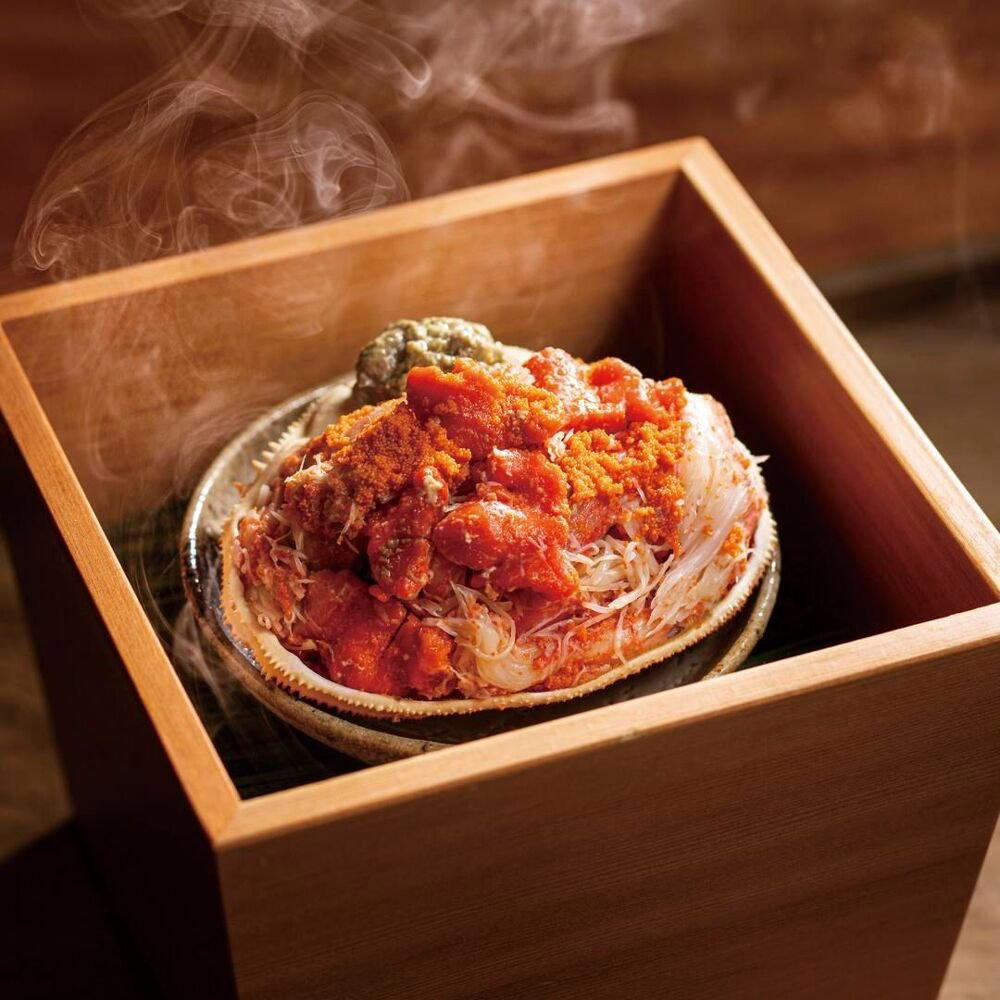
Where Two Institutions Meet at the Pass
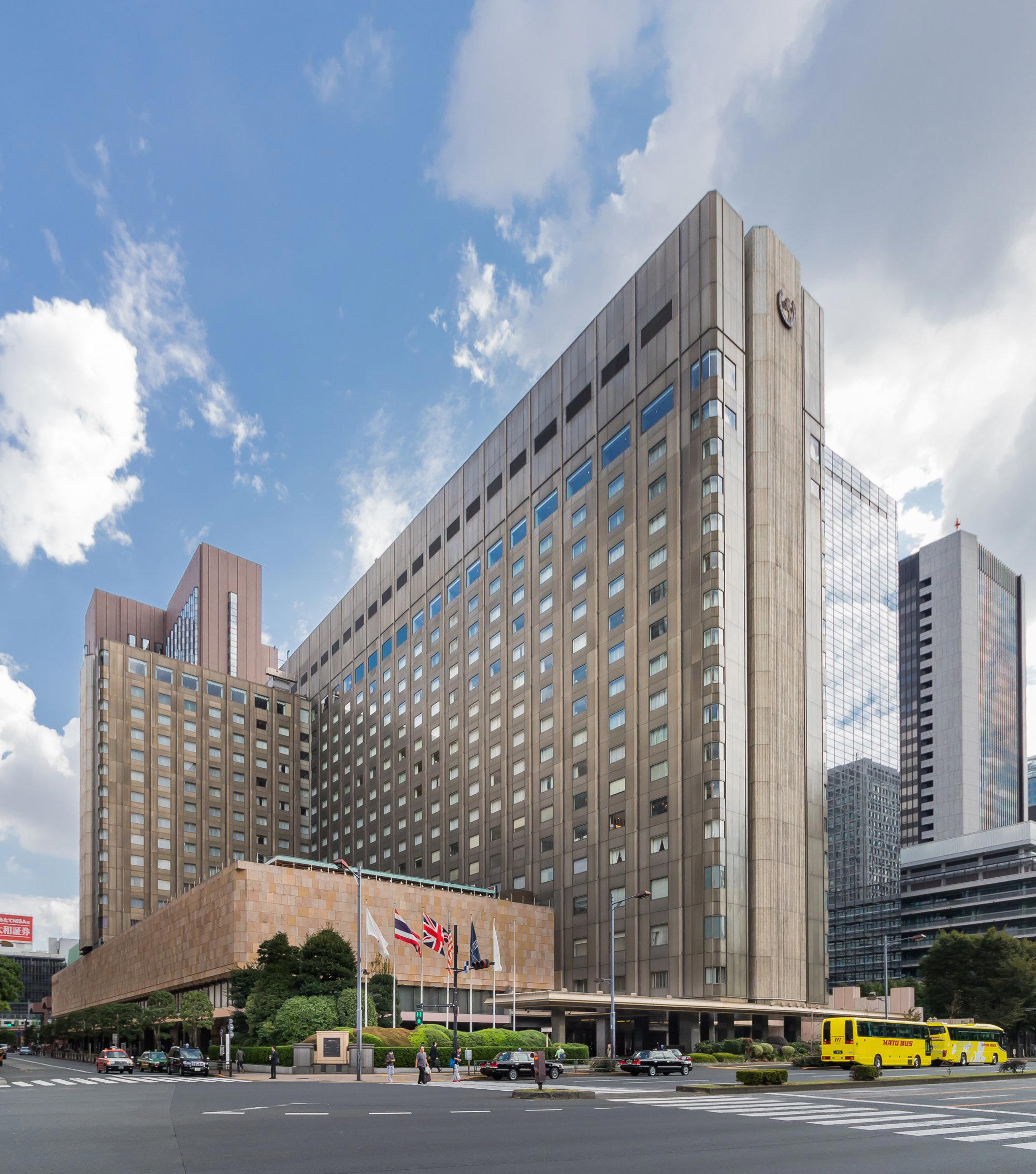
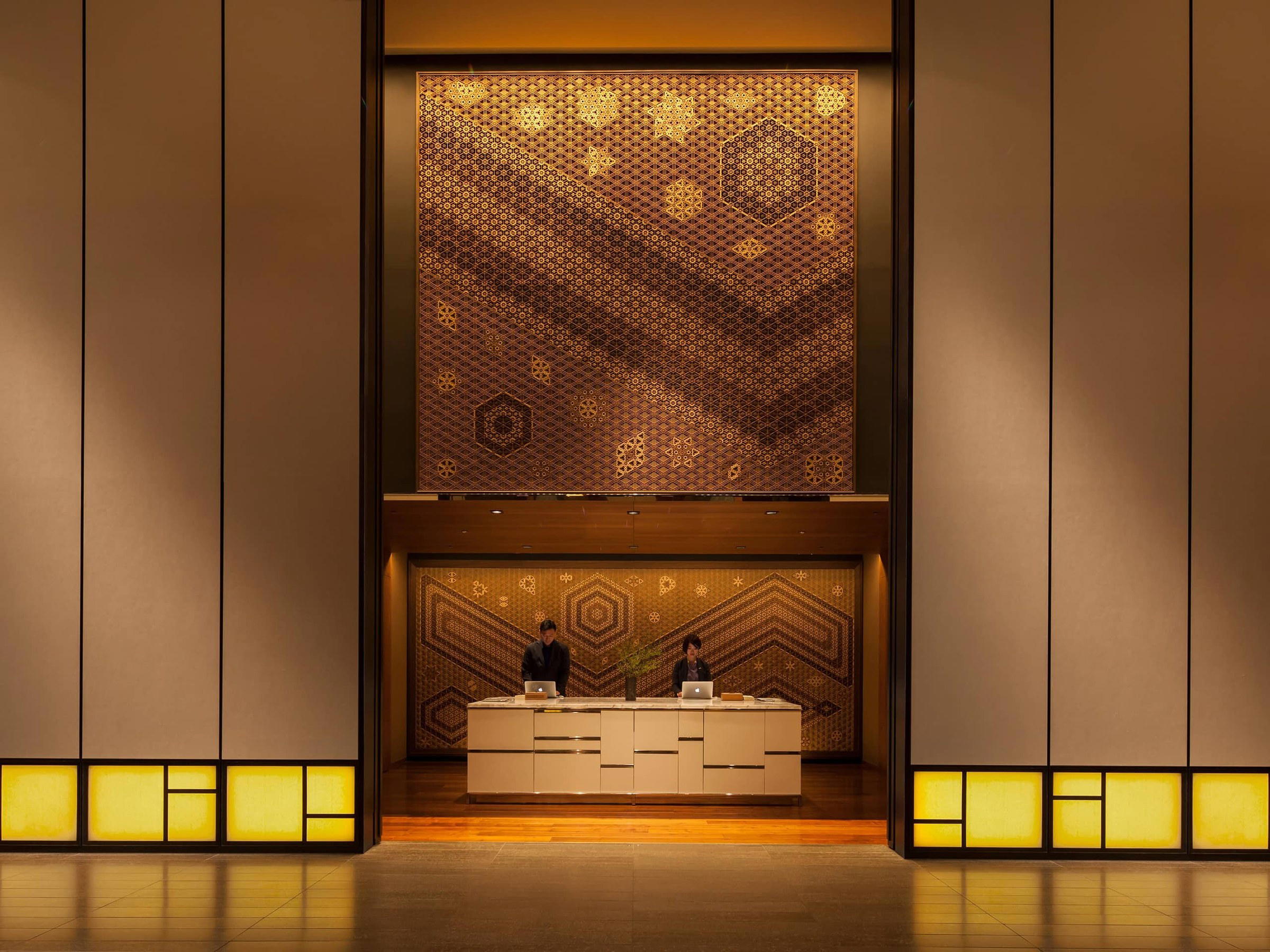
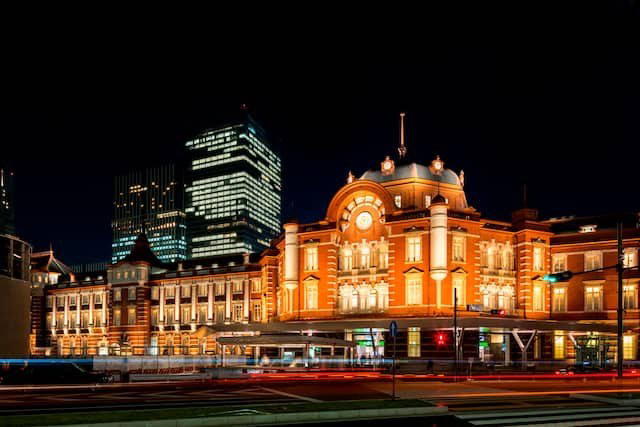
The lower ground floor of the Imperial Hotel in Chiyoda has been a site of serious Japanese hospitality since the hotel's Meiji-era founding. That weight of institutional history matters when reading Torakuro, the joint venture between the Imperial Hotel and the Ishikawa Group, because the cooking here is not an experiment in fusion so much as a deliberate statement about what Japanese cuisine becomes when two organisations with complementary philosophies share a kitchen. The Michelin Guide awarded Torakuro a star in 2024, placing it inside a competitive bracket of Tokyo restaurants where French-Japanese cross-pollination operates at the highest technical level.
Tokyo's ¥¥¥¥ tier for Japanese cuisine with French influence is a well-populated space. Restaurants like Kagurazaka Ishikawa, the flagship of the same Ishikawa Group behind Torakuro, have long demonstrated that kaiseki and French precision can occupy the same menu without either tradition losing its coherence. At the Torakuro level, diners are paying for technical depth across both systems, not novelty. The 2024 star signals that Michelin's inspectors found that depth present and consistent.
The Logic of French Technique on Japanese Foundations
The kitchen at Torakuro works from a stated credo: French techniques including consommé clarification and confit are laid over Japanese foundations of dashi stock and char-grilling. This is not an unusual pairing in Tokyo, Jingumae Higuchi and Azabu Kadowaki occupy adjacent territory, but the specific institutional framing here shapes how the combination reads. Where independent chefs bringing French training back to Japan tend to express personal narrative through their menus, Torakuro's mandate comes from two organisations with long track records. The Ishikawa Group's motto, "growth and happiness for the future," runs alongside the Imperial Hotel's own operating principle of tradition and innovation as co-travellers. Both organisations arrived at the same destination from different starting points.
Consommé and dashi share a structural purpose: both are clarified, deeply flavoured stocks that act as carriers for other ingredients rather than centrepieces in themselves. A kitchen that can execute both well is demonstrating precision at the stock level, where the difference between correct and excellent is hardest to mask. The pairing of confit technique with char-grilling follows similar logic, two methods of extending and concentrating flavour through controlled application of fat and heat, one French, one Japanese, producing results that are distinct rather than interchangeable. A menu built on these foundations has a technical spine that Michelin inspectors have historically found credible across the French-Japanese tier.
On the Wine List and Drinks Programme
Hotel dining at the ¥¥¥¥ level in Tokyo brings particular expectations around the cellar. The Imperial Hotel maintains one of Tokyo's more historically significant wine programmes, and a restaurant in its lower ground floor benefits from the infrastructure that history implies. French-Japanese cooking at Torakuro's level typically demands a list that can move between Burgundian whites for dashi-forward courses and structured reds or aged Champagnes for confit and char-grilled preparations.
What the institutional context does suggest is that the drinks programme is unlikely to be an afterthought. Hotels with the Imperial's standing in the Tokyo hospitality hierarchy, and restaurant partners with the Ishikawa Group's credentials, generally invest in service staff who can read a menu and guide a pairing. The service philosophy the Imperial traces back to founder Eiichi Shibusawa, "serve the customer courteously and you create a memory for a lifetime", has historically translated into a front-of-house culture where wine and beverage guidance forms part of the hospitality rather than a transaction.
For a comparable approach to the cellar in a different neighbourhood context, Ginza Fukuju and Myojaku offer reference points on how Tokyo's ¥¥¥¥ tier handles the drink side of high-spec Japanese menus.
The Imperial Hotel Address in Context
Chiyoda's Uchisaiwaicho address places Torakuro inside a district where the concentration of institutional buildings, government offices, major banks, the hotel itself, shapes the clientele and the rhythm of the dining room. This is not a neighbourhood where restaurants thrive on foot traffic from passing tourists; the lunch and dinner business at addresses like this runs on corporate entertaining, long-standing hotel guests, and the kind of Tokyoite who plans meals around occasion rather than impulse. That context is useful for reading the service register, which at Torakuro carries the formal hospitality codes the Imperial has developed over more than a century of operating at the top of the city's hotel tier.
For diners building a broader Tokyo programme, the full picture of what the city offers in Japanese cuisine, hotels, bars, and experiences is available through our full Tokyo restaurants guide, our full Tokyo hotels guide, our full Tokyo bars guide, our full Tokyo wineries guide, and our full Tokyo experiences guide. Those planning to extend their trip across Japan will find French-Japanese and kaiseki traditions explored at comparable depth at HAJIME in Osaka, Gion Sasaki in Kyoto, Isshisoden Nakamura in Kyoto, Kashiwaya Osaka Senriyama, akordu in Nara, Goh in Fukuoka, 1000 in Yokohama, and 6 in Okinawa.
Planning Your Visit
Torakuro sits within the Imperial Hotel's main building at 1-1-1 Uchisaiwaicho, Chiyoda City, on the basement level. The ¥¥¥¥ price bracket aligns it with Tokyo's upper tier of hotel dining, where meals with drinks typically run well into five figures in yen. The hotel's central Chiyoda location is accessible from Hibiya and Uchisaiwaicho stations.
Frequently asked questions
What are the signature dishes at Torakuro?
The kitchen at Torakuro operates from a framework of French technique applied to Japanese foundations: consommé and confit methods working alongside dashi stock preparations and char-grilling. The most useful approach is to ask when booking or on arrival which preparations leading express the French-Japanese dialogue the kitchen is built around. Given the Michelin star awarded in 2024 and the Ishikawa Group's involvement, the sourcing and preparation of stock-based courses is likely where the kitchen's technical case is most clearly made.
Do I need a reservation for Torakuro?
At the ¥¥¥¥ tier in Tokyo, Michelin-starred hotel restaurants generally require advance booking, and Torakuro follows that pattern. The Imperial Hotel's institutional standing means the dining room serves a mix of in-house hotel guests and external diners, which can compress availability at peak hours and on weekends. Booking through the Imperial Hotel directly is the standard route. The restaurant's address inside one of Tokyo's most recognised hotel buildings means walk-in access is unlikely to produce a table at dinner service, and the investment the kitchen represents is better matched by planning ahead rather than treating it as a casual drop-in address.
Where the Accolades Land
A quick peer reference to anchor this venue in its category.
| Venue | Cuisine | Price | Awards | Notes |
|---|---|---|---|---|
| TorakuroThis venue (the venue you are viewing) | Modern Japanese Kaiseki | $300–500 | 1 Michelin Star | Not listed |
| Harutaka | Edo-Style Omakase Sushi | $200–300 | 3 Michelin Stars · World's 50 Best #76 | Sushi |
| RyuGin | Modern Kaiseki | $500+ | 3 Michelin Stars · World's 50 Best #41 | Kaiseki, Japanese |
| L'Effervescence | Modern French with Japanese Influences | $200–300 | 3 Michelin Stars · World's 50 Best #69 | French |
| HOMMAGE | Modern French with Japanese Influences | $150–200 | 2 Michelin Stars · World's 50 Best #78 | Innovtive French, French |
| MAZ | Innovative Peruvian-Japanese Fusion | $150–200 | 2 Michelin Stars · World's 50 Best #28 | Innovative |
Recognition history
Dated appearances from independent guides and award organizations, with the underlying list record or original source where available.
Michelin 1 Star
Michelin
Full recognition history (2 entries)
Michelin 1 Star
Michelin
Continue exploring
More in Tokyo
Restaurants in Tokyo
All restaurants in Tokyo →

Bars in Tokyo
All bars in Tokyo →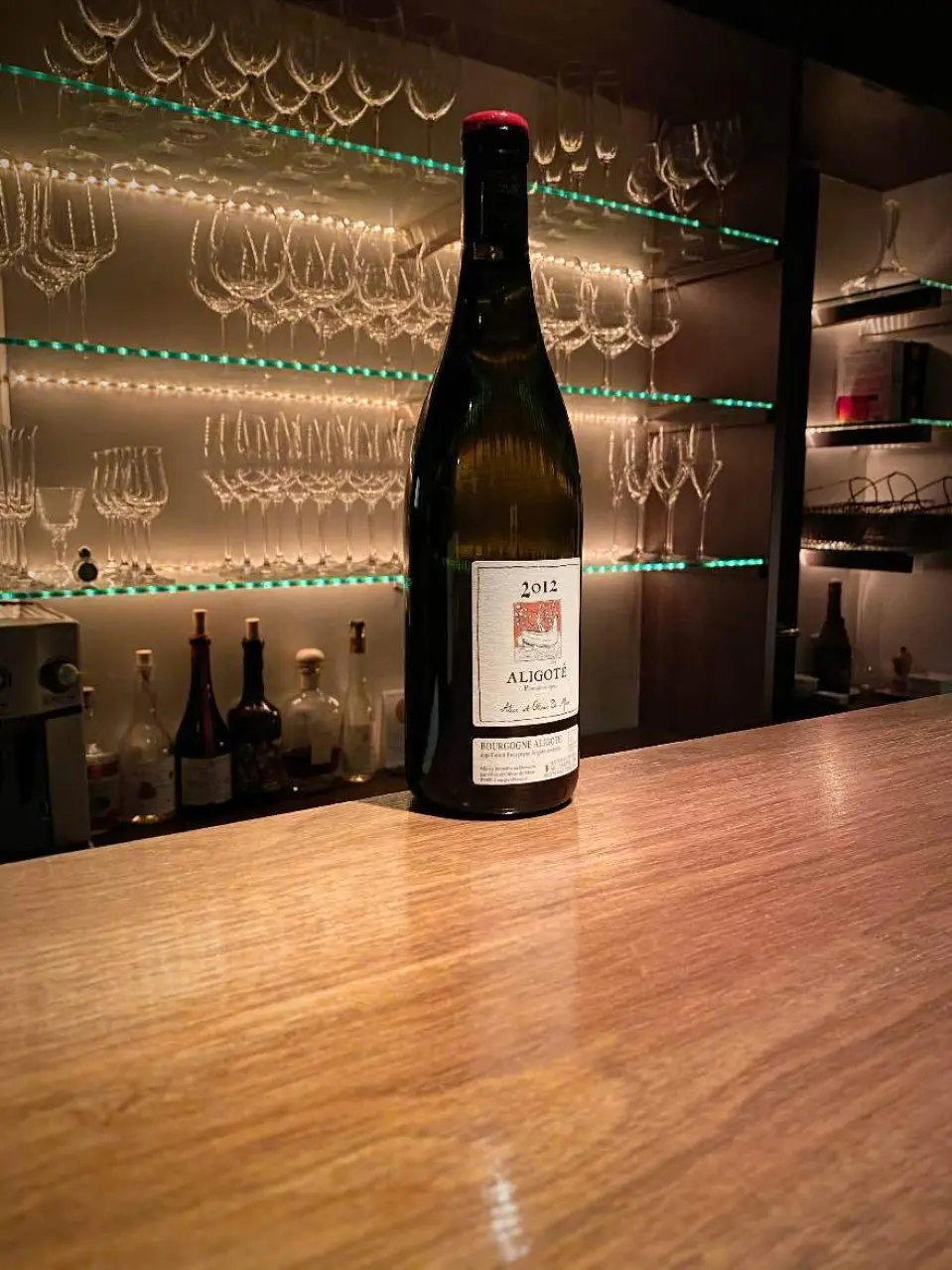
Details
- Elegant
- Sophisticated
- Intimate
- Special Occasion
- Business Dinner
- Chefs Counter
- Open Kitchen
- Private Dining
- Hotel Restaurant
- Sake Program
- Omakase
- Counter Dining
- Allergy Accommodating
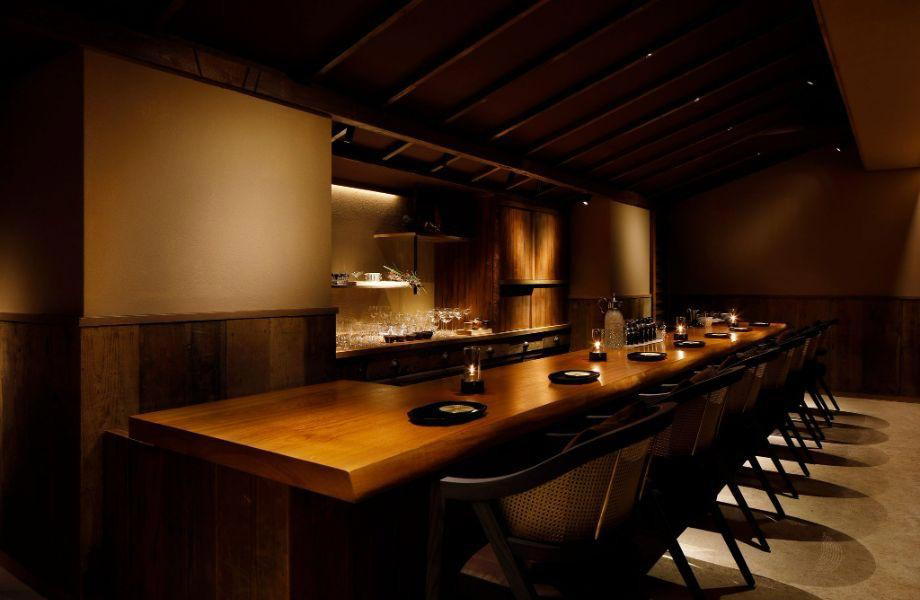
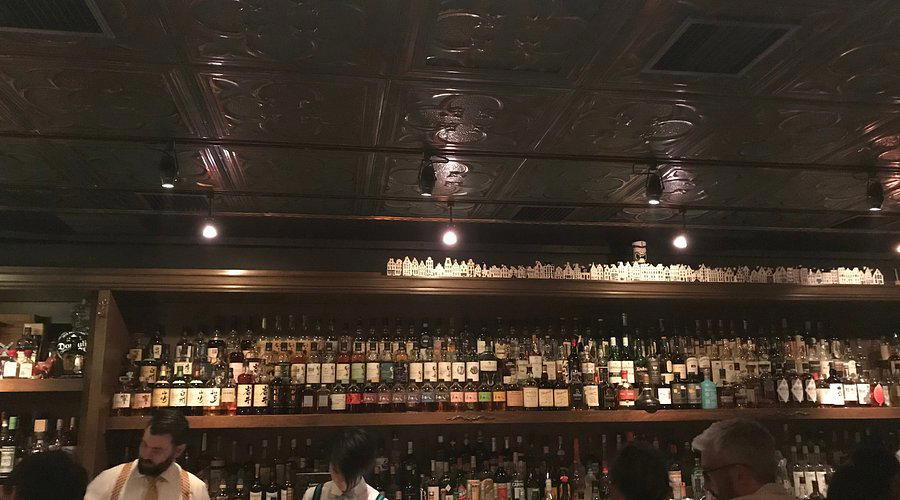
Warm and wonderful atmosphere with excellent service in an elegant hotel basement setting.