

1 Michelin Star · Tabelog 100 #14
Our verdict
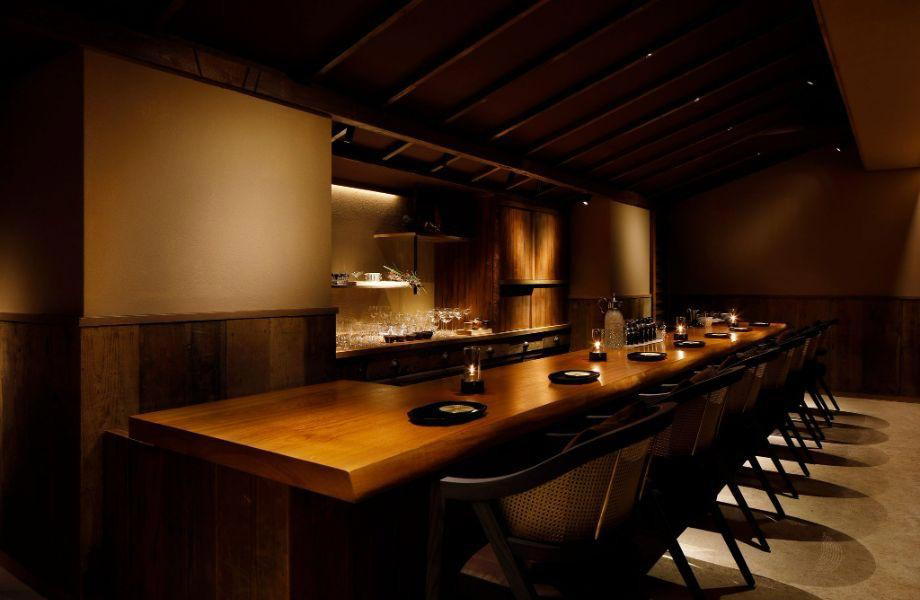
In Higashi-Azabu, Oryori Tsuji occupies a basement room of cypress and adze-hewn ceilings where the cooking follows an austere logic: seasonal ingredients presented without artifice, their natural flavours left to carry the full weight of the meal. A Michelin one-star recognition in 2024 confirms what the kitchen has long argued, that restraint, applied rigorously, is its own form of ambition.

Pearl is the En Primeur Club membership app, where members save venues, book tables and use the concierge.
The Austere Tradition Behind Oryori Tsuji
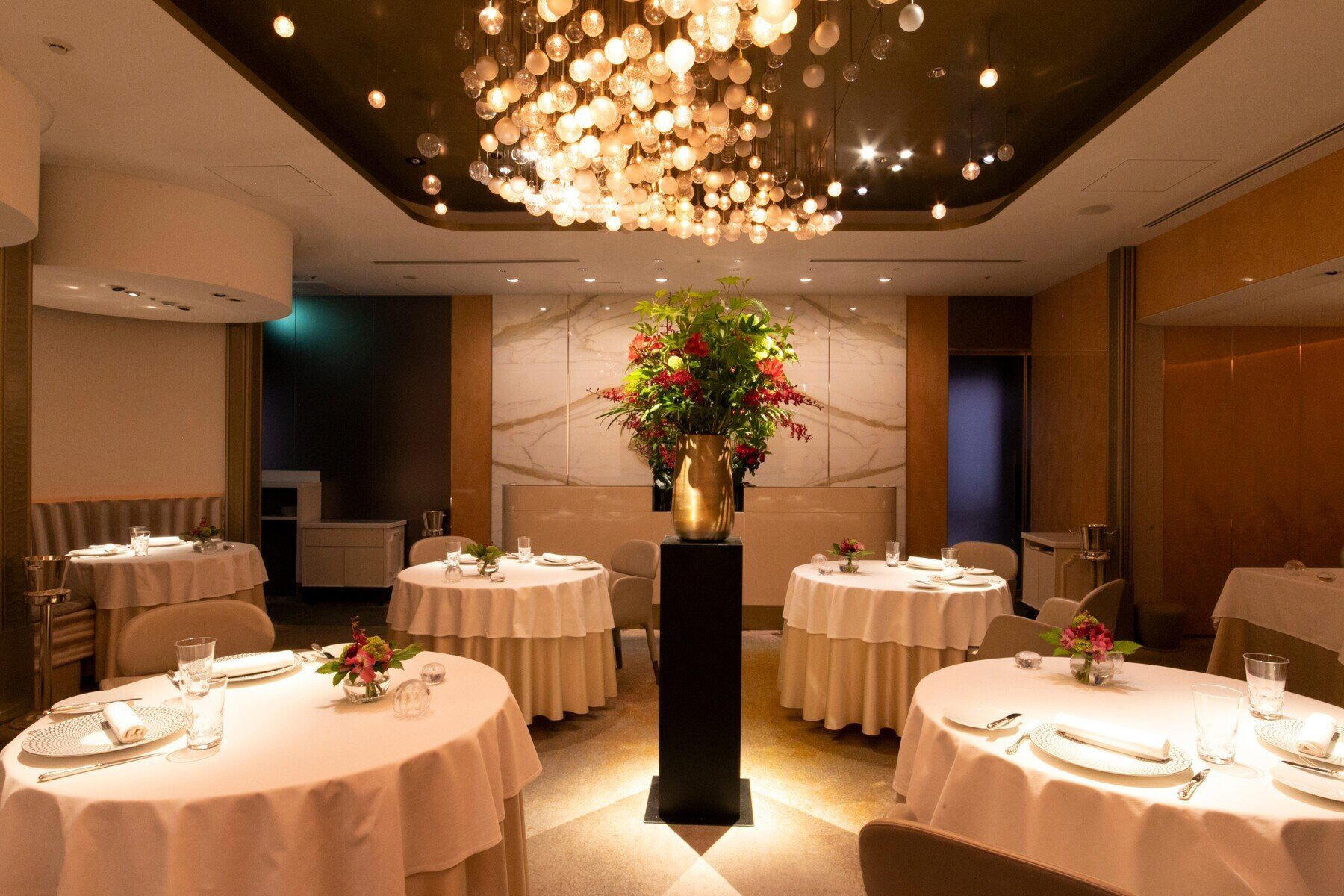
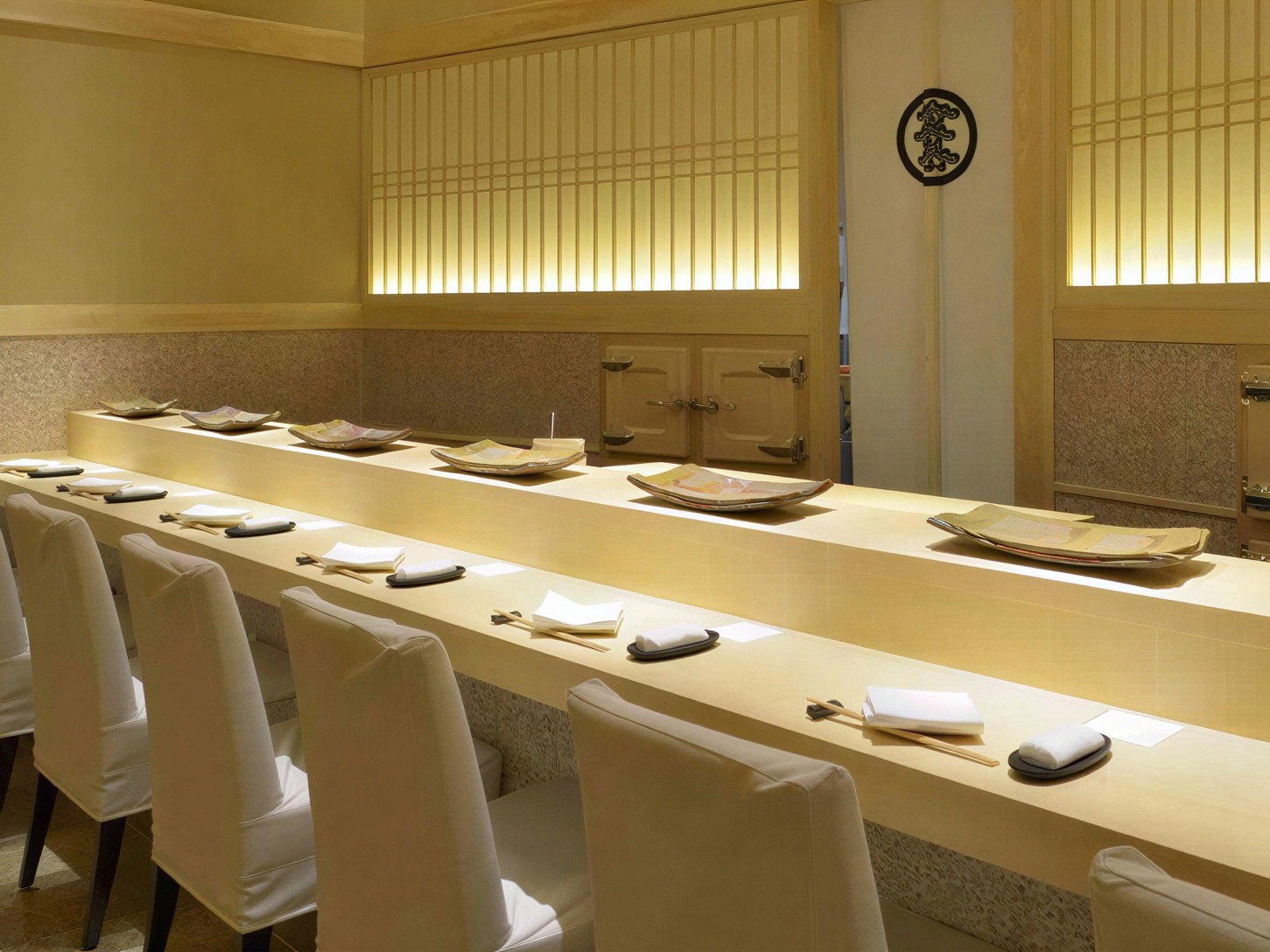
Japanese haute cuisine has always had two competing impulses. One tends toward spectacle, the lacquered presentation box, the gold-leaf garnish, the multi-course format engineered for visual impact. The other moves in the opposite direction entirely, toward a cooking discipline so stripped of ornament that its difficulty becomes almost invisible. Oryori Tsuji, in the basement of a low-key building in Higashi-Azabu, belongs firmly to the second school. The room announces the philosophy before the food arrives: a cypress counter, walls of clay, ceilings worked with an adze rather than sanded flat. The textures are deliberate. The roughness is the point.
Minato City's Azabu district has long maintained a concentration of serious Japanese restaurants operating at the higher end of the price tier Azabu Kadowaki among them, and Oryori Tsuji fits within that geography while setting itself apart by the degree of its understatement. Where neighbouring counters might deploy theatrical presentation as a selling argument, here the menu describes its own contents as "simple fare." That phrase is not false modesty. It is a position statement.
Reading Restraint as Technique
Kaiseki and kaiseki-adjacent cooking in Tokyo at the ¥¥¥¥ tier tends to cluster around a recognisable set of moves: seasonal progression through multiple courses, named techniques from the Kyoto tradition, and presentation that signals the cost of the meal through visual elaboration. Kitchens at venues like Kagurazaka Ishikawa and Ginza Fukuju work within that framework at a high level. Oryori Tsuji operates within the same price bracket but declines most of those signals.
The Michelin Guide's description of the kitchen is instructive. Sashimi is wrapped in kombu, a technique that draws moisture from the fish while transferring subtle marine salinity from the seaweed, altering texture and flavour without any visible intervention at the table. Wanmono, the clear soup course that functions in kaiseki as a kind of palate-calibration exercise, is presented with broth of notable transparency. The effort is real; the evidence of it is deliberately suppressed. Michelin awarded one star in 2024 on this basis, noting that "results are all the more impressive for the effort paid where few will notice." That is a precise description of a specific culinary philosophy, not a consolation prize.
The kombu-wrapping technique, known as kobujime, illustrates the editorial angle of this kitchen well. It is a method with deep roots in Japanese preservation culture, developed before refrigeration as a means of extending the life of delicate fish. In its contemporary application at Oryori Tsuji, it functions not as a preservative but as a flavour-transfer mechanism, layering umami from the seaweed into the fish without changing its form. The technique is invisible on the plate. The result is perceptible in the taste. This is, in condensed form, the kitchen's operating logic.
Season Without Theatrics
Michelin commentary on Oryori Tsuji specifies that "sense of season flows entirely from the taste and aroma of the food", a distinction worth holding onto. In much of Tokyo's premium Japanese dining, seasonality is expressed through visual cues: a maple leaf placed on the plate, a vessel chosen for its autumn colour, a garnish that signals the month. These are legitimate aesthetic choices, and skilled kitchens deploy them meaningfully. But they also function as legibility shortcuts, making the seasonal intent of a dish readable at a glance.
Oryori Tsuji removes those shortcuts. The seasonal argument is made through the ingredient itself, its taste, its aroma, its particular texture at a given moment in the year. This places a greater burden on sourcing, because there is nothing decorative to compensate for an ingredient that is past its peak. It also places a greater burden on the diner's attention. The room, with its unfinished materials and absence of visual distraction, is partly engineered to support that attention. The setting is not decorative; it is functional.
Tokyo's broader restaurant scene has produced a number of kitchens working in this register. Myojaku and Jingumae Higuchi represent adjacent positions in the city's serious Japanese dining tier, each with a distinct approach to ingredient-forward cooking. Outside Tokyo, the same philosophical current runs through Gion Sasaki in Kyoto and Isshisoden Nakamura, both operating within kaiseki's formal structure while maintaining focus on ingredient quality over elaboration. Kashiwaya Osaka Senriyama represents a comparable sensibility in Osaka. Oryori Tsuji is part of a tradition, not an anomaly within it.
The Physical Room as Context
Basement dining in Tokyo carries a specific set of associations. The subterranean format often signals either extreme intimacy, a counter experience where the exclusion of natural light focuses attention entirely on the food, or a kind of deliberate withdrawal from the city above. Oryori Tsuji uses the format for the latter reason. The cypress counter and clay walls are materials chosen for their sensory neutrality and their connection to Japanese craft traditions that predate the modern restaurant. Adze-hewn surfaces are not smooth; they retain the marks of the tool that shaped them. In a room designed to remove distraction, the decision to keep that evidence in place is a considered one.
Higashi-Azabu sits within the broader Minato City ward, a short distance from the embassy district and the more internationally-facing dining options of Roppongi. The neighbourhood operates at a lower register than its proximity to that area might suggest, residential, quieter, with a concentration of serious dining that has not been marketed aggressively to international visitors. For context on other accommodation and evening options in the area, our full Tokyo hotels guide covers the range of options across the city, and our full Tokyo bars guide addresses what precedes or follows a dinner of this kind. For a complete view of serious Japanese restaurants at this tier, our full Tokyo restaurants guide maps the field.
Japan's wider dining geography for kitchens in this register includes HAJIME in Osaka, akordu in Nara, Goh in Fukuoka, 1000 in Yokohama, and 6 in Okinawa. For Tokyo's broader food culture including wineries and experiences, our full Tokyo wineries guide and our full Tokyo experiences guide provide further context.
Know Before You Go
- Address: 3 Chome-3-9 Higashiazabu, Minato City, Tokyo 〒106-0044, basement level (地下1階)
- Price tier: ¥¥¥¥
- Recognition: Michelin One Star (2024)
- Cuisine type: Japanese (ingredient-forward, kaiseki-adjacent)
- Booking: Contact details not publicly listed; reservation through third-party dining platforms or hotel concierge is the reliable route
- What to expect: A counter format in a basement room with natural materials; the menu describes itself as simple fare and means it
Frequently asked questions
What do people recommend at Oryori Tsuji?
The kitchen does not publish a fixed menu, and the Michelin record does not name specific dishes available for ordering. What the Guide does identify are two preparations that illustrate the kitchen's method: sashimi dressed through kobujime, the technique of wrapping fish in kombu to transfer umami and adjust texture, and wanmono, the clear soup course, made with broth of notable clarity. Both are preparations where the quality of the result is inseparable from the quality of the ingredient. Given the price tier and the one-star recognition, the reasonable expectation is a seasonal progression built around whatever the kitchen judges to be at peak condition on a given day. Diners at comparable counters in Tokyo, Azabu Kadowaki, Myojaku, typically encounter a similar omakase-style format at this tier, where the chef's selection replaces a menu in the conventional sense.
The Quick Read
| Venue | Cuisine | Price | Awards | Notes |
|---|---|---|---|---|
| Oryori TsujiThis venue (the venue you are viewing) | Traditional Kaiseki | $300–500 | 1 Michelin Star · Tabelog 100 #14 | Not listed |
| Harutaka | Edo-Style Omakase Sushi | $200–300 | 3 Michelin Stars · World's 50 Best #76 | Sushi |
| RyuGin | Modern Kaiseki | $500+ | 3 Michelin Stars · World's 50 Best #41 | Kaiseki, Japanese |
| L'Effervescence | Modern French with Japanese Influences | $200–300 | 3 Michelin Stars · World's 50 Best #69 | French |
| HOMMAGE | Modern French with Japanese Influences | $150–200 | 2 Michelin Stars · World's 50 Best #78 | Innovtive French, French |
| MAZ | Innovative Peruvian-Japanese Fusion | $150–200 | 2 Michelin Stars · World's 50 Best #28 | Innovative |
Recognition history
Dated appearances from independent guides and award organizations, with the underlying list record or original source where available.
Michelin 1 Star
Michelin
Tabelog 100 #14 · No. 14
Tabelog · Tabelog 100 - Japanese cuisine - TOKYO - 2025
Full recognition history (3 entries)
Michelin 1 Star
Michelin
Continue exploring
More in Tokyo
Restaurants in Tokyo
All restaurants in Tokyo →
Bars in Tokyo
All bars in Tokyo →




Details
- Elegant
- Quiet
- Intimate
- Sophisticated
- Classic
- Business Dinner
- Special Occasion
- Celebration
- Private Dining
- Sake Program
- Garden
- Tasting Menu
- Sake Program
Current opening hours
- Monday
- 6–10:30 PM
- Tuesday
- 12–2 PM, 6–10:30 PM
- Wednesday
- 6–10:30 PM
- Thursday
- 12–2 PM, 6–10:30 PM
- Friday
- 6–10:30 PM
- Saturday
- 12–2 PM, 6–10:30 PM
- Sunday
- Closed
Hours can change for holidays and private events. Hours as of .
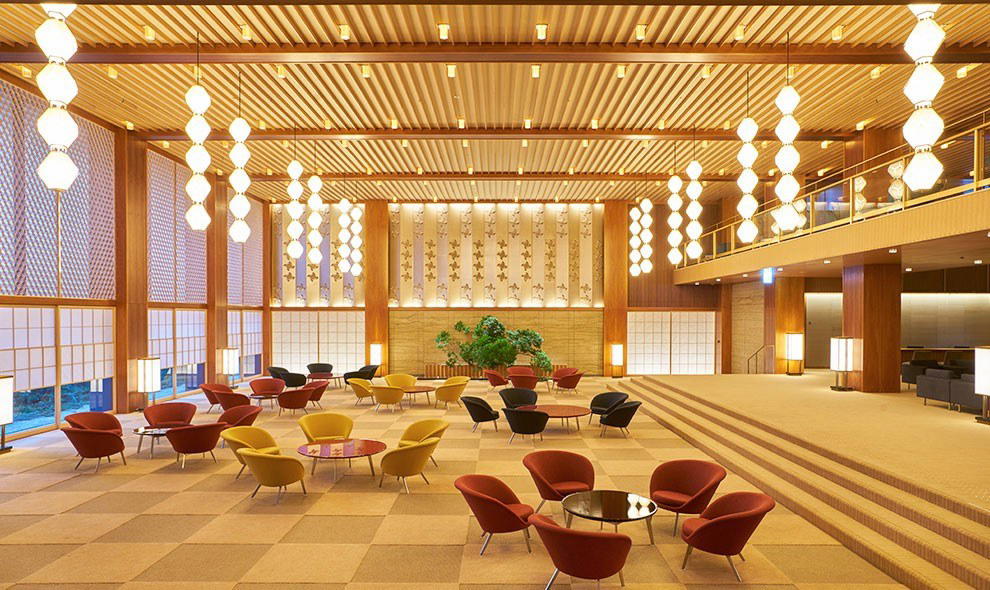
Tranquil tea-house simplicity with adze-hewn ceilings, cypress counters, earthen walls, and private rooms featuring inner gardens, creating a relaxing and warm wooden atmosphere.