里山イタリアン AJIKURA
Our verdict
In rural Shimane Prefecture, 里山イタリアン AJIKURA occupies a corner of Japan where Italian cooking meets satoyama agricultural tradition. The restaurant draws on the produce of Onan Town's surrounding hills and fields, positioning regional ingredient sourcing as the editorial through-line of its menu. For travelers willing to venture into Ochi District's interior, it offers a dining format built around place rather than prestige.

Pearl is the En Primeur Club membership app — saves, bookings, and concierge access live there. Same editors, same standards.
- Address
- 3123-4 Yakami, Onan Town, Ochi District, Shimane 696-0103, Japan
- Phone
- +81855952093
- Hours
- Mon ClosedTue–Sun 11:30 AM–2:30 PM, 5:30–8 PM
- Website
- si-ajikura.com
- Directions
- Get directions
- Booking
- Book on TableCheck
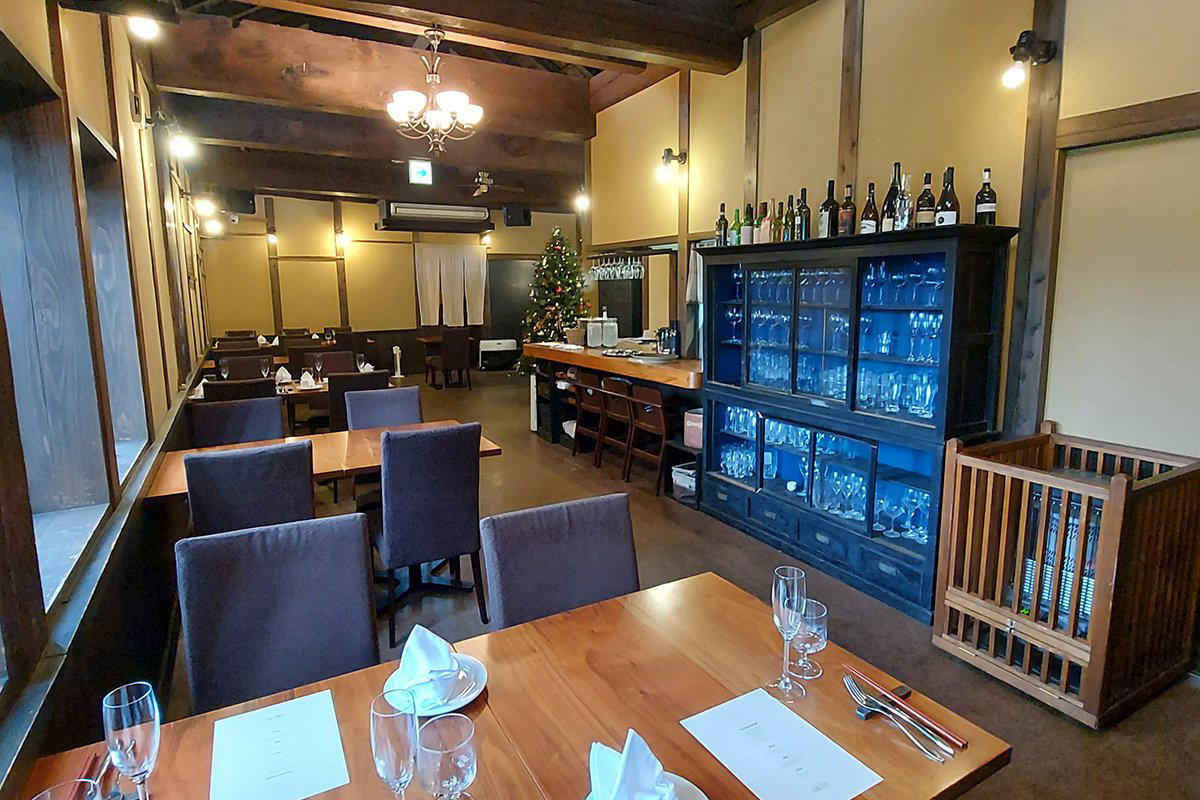
Where the Satoyama Meets the Italian Table
Shimane Prefecture sits at the far western edge of Honshu, a region that most international travelers skip in favor of Hiroshima or Kyoto. Ochi District, in the prefecture's interior, is more rural still: a stretch of river valleys, forested hillsides, and small agricultural towns where the concept of satoyama — the cultivated landscape between mountain wilderness and flat farmland — shapes how people eat, grow, and think about food. It is in this context that 里山イタリアン AJIKURA operates, and the venue's name makes the editorial argument explicit before a guest even arrives. Satoyama Italian: the framing is geographic and agricultural, not chef-driven or cuisine-category driven.
The address, 3123-4 Yakami, Onan Town, places the restaurant inside a community of a few thousand residents, hours from the dense urban dining circuits of Osaka or Tokyo. Getting there requires a deliberate decision: a train to Hamada or Matsue, then a car or local bus into the district's interior. For comparison, HAJIME in Osaka or Harutaka in Tokyo sit inside cities with dense transport networks and high-volume tourism infrastructure. AJIKURA operates outside all of that, which means the journey itself is part of the dining calculus.
The Ingredient Argument: What Satoyama Sourcing Actually Means
Italian cuisine exported to Japan has followed a familiar arc. In the 1990s and 2000s, it landed primarily in urban centers, anchored by imported pantry goods and a framework built around European references. Over the past decade, a parallel movement developed: restaurants that apply Italian technique to Japanese regional produce, treating the local agricultural calendar as the menu's actual structure. This approach is now well-documented in cities, akordu in Nara is one example of a rurally-inflected Italian program operating in a secondary Japanese city, but AJIKURA pushes the logic further into genuine agricultural territory.
The satoyama model, as a sourcing philosophy, is not purely romantic. It describes a specific ecological zone where managed forests, terraced fields, and small-scale animal husbandry have coexisted for centuries. Produce that comes out of this system tends to be grown in smaller quantities, often by aging farming families, and distributed through informal local networks rather than commercial wholesale channels. When a restaurant in Onan Town frames itself around that supply chain, it is making a concrete claim about traceability and seasonality that restaurants in central Tokyo or Osaka cannot replicate without significant logistical effort. Whether AJIKURA's sourcing runs to that depth is not confirmed in available documentation, but the naming convention and location make the orientation clear.
Italian cuisine is, structurally, well-suited to this kind of hyper-local adaptation. Its foundational logic, good olive oil, acid, salt, fire, and whatever the land produces, is flexible in a way that kaiseki's codified structure is not. A restaurant applying Italian grammar to Shimane's chestnuts, river fish, mountain vegetables, and local beef does not require doctrinal compromise; it simply requires sourcing discipline and technique. That is the premise AJIKURA appears to be working from.
Ochi District in the Context of Rural Japanese Dining
Rural Japan has developed a small but serious category of destination restaurants that attract visitors primarily on the strength of their ingredient provenance and regional specificity. This is a different value proposition from the Michelin-starred urban counters represented by places like Gion Sasaki in Kyoto or Goh in Fukuoka, where the density of accolades and the precision of a chef's trained lineage carry most of the editorial weight. In the rural format, the land does more of that work.
Shimane itself has a documented agricultural character that supports this framing. The prefecture produces Oki beef, a range of mountain vegetables, and river fish from the Gonokawa system. It is also home to one of Japan's most significant sake brewing cultures, which signals the kind of agricultural infrastructure, grain quality, water provenance, craft production, that tends to support serious food culture at the local level. Travelers who have followed Japan's rural dining movement through properties like 湖畔廃墟 in Takashima or sought out regional specificity at 鳥羽屋 in Nishikawa Machi will recognize the pattern AJIKURA is operating within.
It is worth comparing this to the trajectory of rurally-grounded Italian restaurants in other high-context food cultures. At the international level, places like Le Bernardin in New York City or Atomix in New York City represent the urban end of the spectrum: technically rigorous, award-documented, and embedded in dense competitive sets. AJIKURA operates at the opposite pole, where the competitive set is defined by geography and sourcing honesty rather than critical accolades.
Planning a Visit: Practical Considerations
Ochi District is not a day-trip destination from Osaka or Hiroshima. The most practical base for visitors combining this region with broader Shimane Prefecture travel is Matsue, which offers Shinkansen-adjacent access and serves as the prefecture's cultural hub. From there, Onan Town requires approximately 90 minutes by car through mountain roads. Visitors planning to eat at AJIKURA would benefit from building a multi-day Shimane itinerary that includes Izumo Taisha, the Adachi Museum of Art in Yasugi, or the Iwami Ginzan Silver Mine, the region's most significant heritage draws, rather than treating the meal as a standalone excursion.
Because contact details and booking procedures are not available in current documentation, travelers should search directly for the restaurant's current reservation channels before planning around it. Rural Japanese restaurants at this scale frequently operate with limited covers and require advance booking by phone or through local tourism intermediaries. Given the distance involved, confirming availability before building a travel itinerary around the visit is practical necessity, not optional due diligence.
For travelers building a broader regional dining itinerary across western and central Japan, our full Ochi District restaurants guide maps the area's dining options in more detail. Additional context on rural Japanese dining formats can be found through venues like 一本木 古川製 in Nanao, 夕日丘乃 in Sapporo, and bodai in 那智勝浦町, each of which engages with regional produce in a distinct way. Comparable format signals appear at Bistro Ange in Toyohashi and Birdland in Sakai, both regional programs operating outside Japan's primary dining cities. For island-context dining that shares a similar off-circuit character, Cafe Naoshima Konichiwa in Naoshima and Blue Ocean Steak in Nakagami District offer useful reference points. The Denko Sekka in Hiroshima entry is relevant for travelers routing through the San'in coast before heading into Shimane's interior.
Frequently asked questions
Is 里山イタリアン AJIKURA a family-friendly restaurant?
The satoyama setting in Onan Town, Ochi District — surrounded by rural Shimane countryside — tends to suit a quieter, considered dining experience rather than a high-energy family outing. Nothing in the restaurant's profile suggests it is oriented toward children, and the destination nature of the location (a deliberate drive from any urban centre) points to an audience primarily interested in the ingredient-led cooking. Families with older children who travel for food are a better fit than those with young ones.
What's the overall feel of 里山イタリアン AJIKURA?
AJIKURA occupies the overlap between rural Japanese farmhouse culture and the Italian trattoria tradition, set at address 3123-4 Yakami in Onan Town deep in Shimane Prefecture. The satoyama concept — drawing ingredients from the managed woodland and agricultural zones between mountain and village — gives the room a grounded, seasonal character rather than a formal fine-dining register. Expect a pace that matches the landscape outside: deliberate, unhurried, and tied to what the surrounding area is producing at any given moment.
How far in advance should I plan a visit to 里山イタリアン AJIKURA in Ochi District, Shimane?
AJIKURA sits in Onan Town within Ochi District, one of the more remote parts of Shimane Prefecture, and reaching it requires a deliberate travel plan rather than a spontaneous detour. Accommodation in the immediate area is limited, so visitors combining AJIKURA with broader Shimane itineraries — Matsue, Izumo, or the Oki Islands — should build the restaurant into their routing well ahead of travel. Given the small-scale, satoyama-sourced format typical of destination rural kitchens in Japan, seating capacity is likely limited and advance reservation is advisable.
What do people recommend at 里山イタリアン AJIKURA?
In satoyama-style dining, the menu shifts with what local producers and foragers supply, so repeating a specific order from a previous visit is rarely possible. The stronger approach is to arrive without a fixed agenda and let the kitchen's current sourcing dictate the meal.
Comparable Spots, Quickly
Comparable venues nearby, for context on price, style, and recognition.
| Venue | Cuisine | Price | Notes |
|---|---|---|---|
| 里山イタリアン AJIKURAThis venue — the venue you are viewing | Satoyama Italian | $50–100 | Not listed |
| En Boca | Wood-Fired Vegetable Pizza | Not listed | Karuizawa |
| ふらっと - Flatt's by the sea | Noto Italian with Fermentation | Not listed | Noto |
| il sogno (イル・ソーニョ) | 軽井沢野菜のイタリアントラットリア | Not listed | 星野エリア (Hoshino Area) |
| ルシュルシュル | Ingredient-Focused Italian | $100–150 | Nakagyo-ku |
| イプシロン | Italian Trattoria | $50–100 | Naka |
Continue exploring
More in Ochi District
Restaurants in Ochi District
Browse all →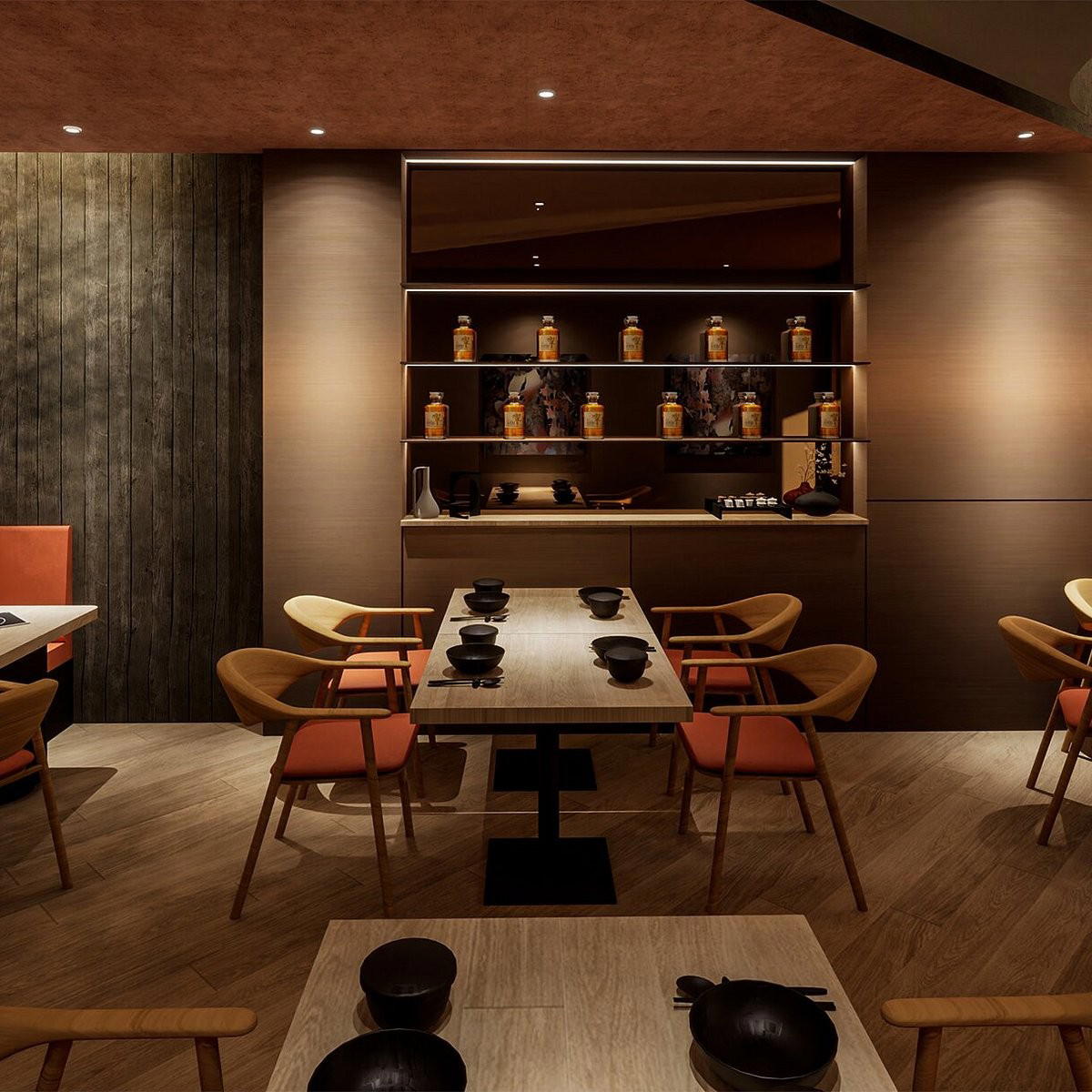
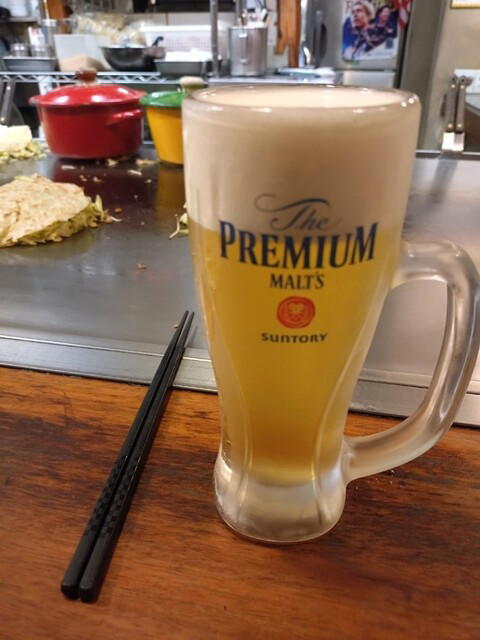
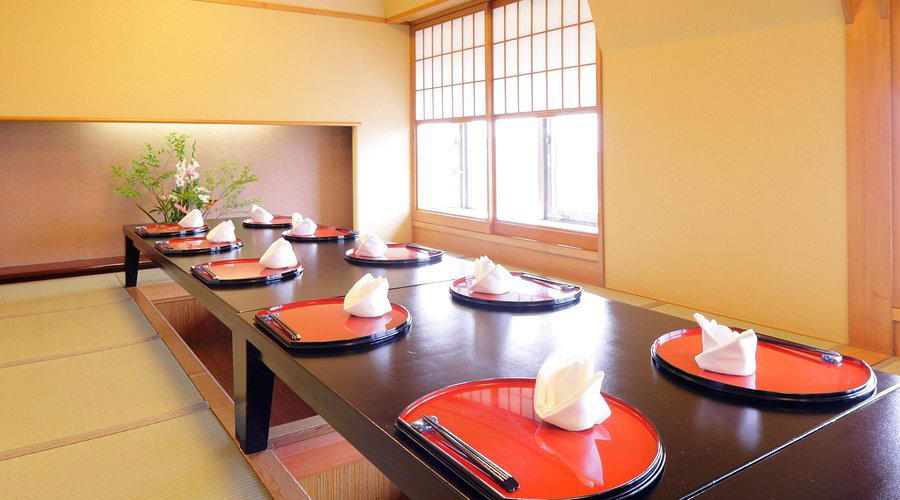
Bars in Ochi District
Browse all →

Details
- Rustic
- Cozy
- Scenic
- Special Occasion
- Date Night
- Standalone
- Local Sourcing
- Mountain
- A La Carte
Current opening hours
- Monday
- Closed
- Tuesday
- 11:30 AM–2:30 PM, 5:30–8 PM
- Wednesday
- 11:30 AM–2:30 PM, 5:30–8 PM
- Thursday
- 11:30 AM–2:30 PM, 5:30–8 PM
- Friday
- 11:30 AM–2:30 PM, 5:30–8 PM
- Saturday
- 11:30 AM–2:30 PM, 5:30–8 PM
- Sunday
- 11:30 AM–2:30 PM, 5:30–8 PM
Hours can change for holidays and private events. Last verified .
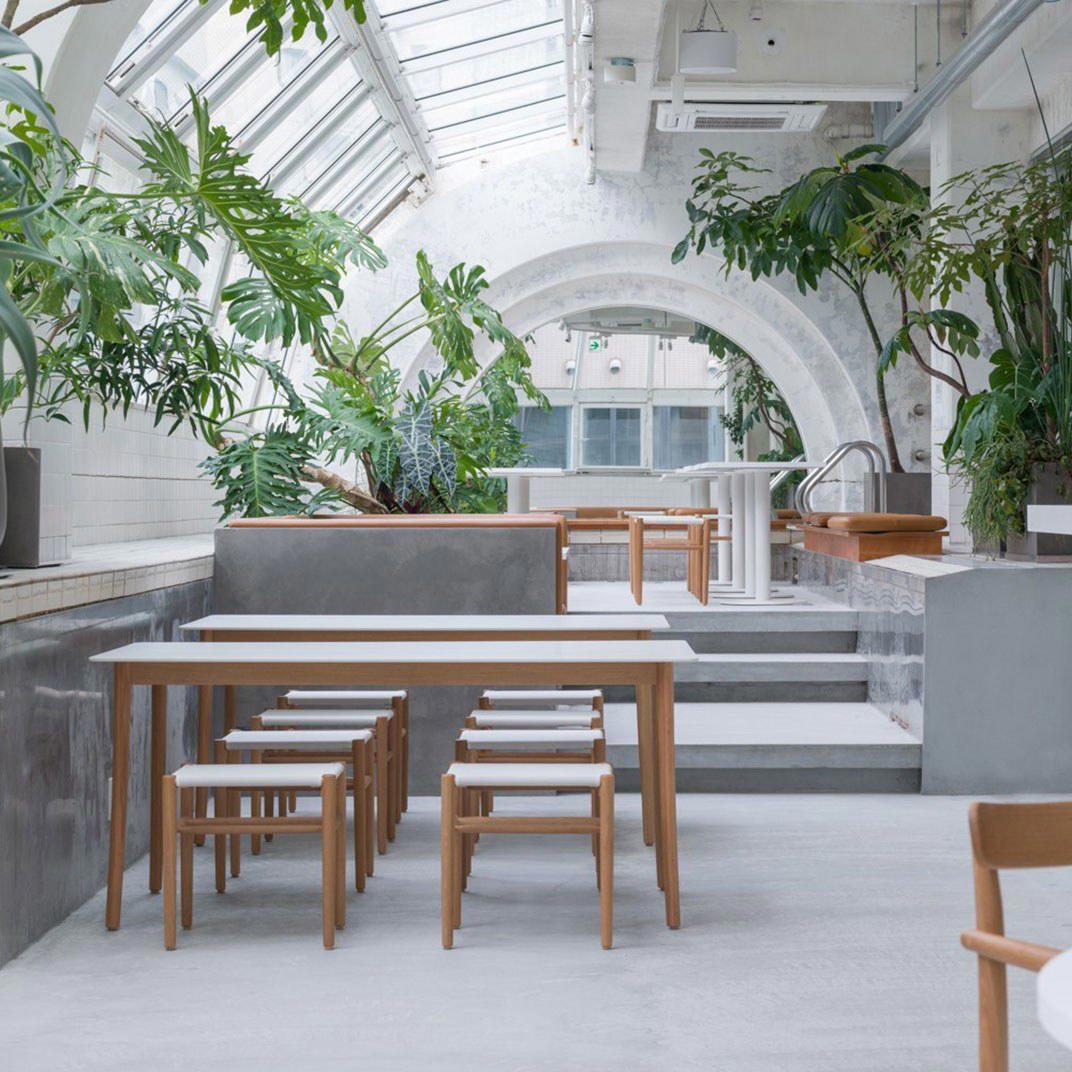
Rustic and relaxing atmosphere set in rich natural surroundings with cozy seating for 30.