Our verdict
イプシロン sits in Hiroshima's Naka Ward dining corridor, where the city's most considered restaurants tend to cluster. The name itself, epsilon, the fifth letter of the Greek alphabet, signals a kitchen that thinks in sequences and systems rather than single statements. For visitors working through Hiroshima's serious dining options, it belongs in the same conversation as the city's other destination-level addresses.

Pearl is the En Primeur Club membership app, where members save venues, book tables and use the concierge.
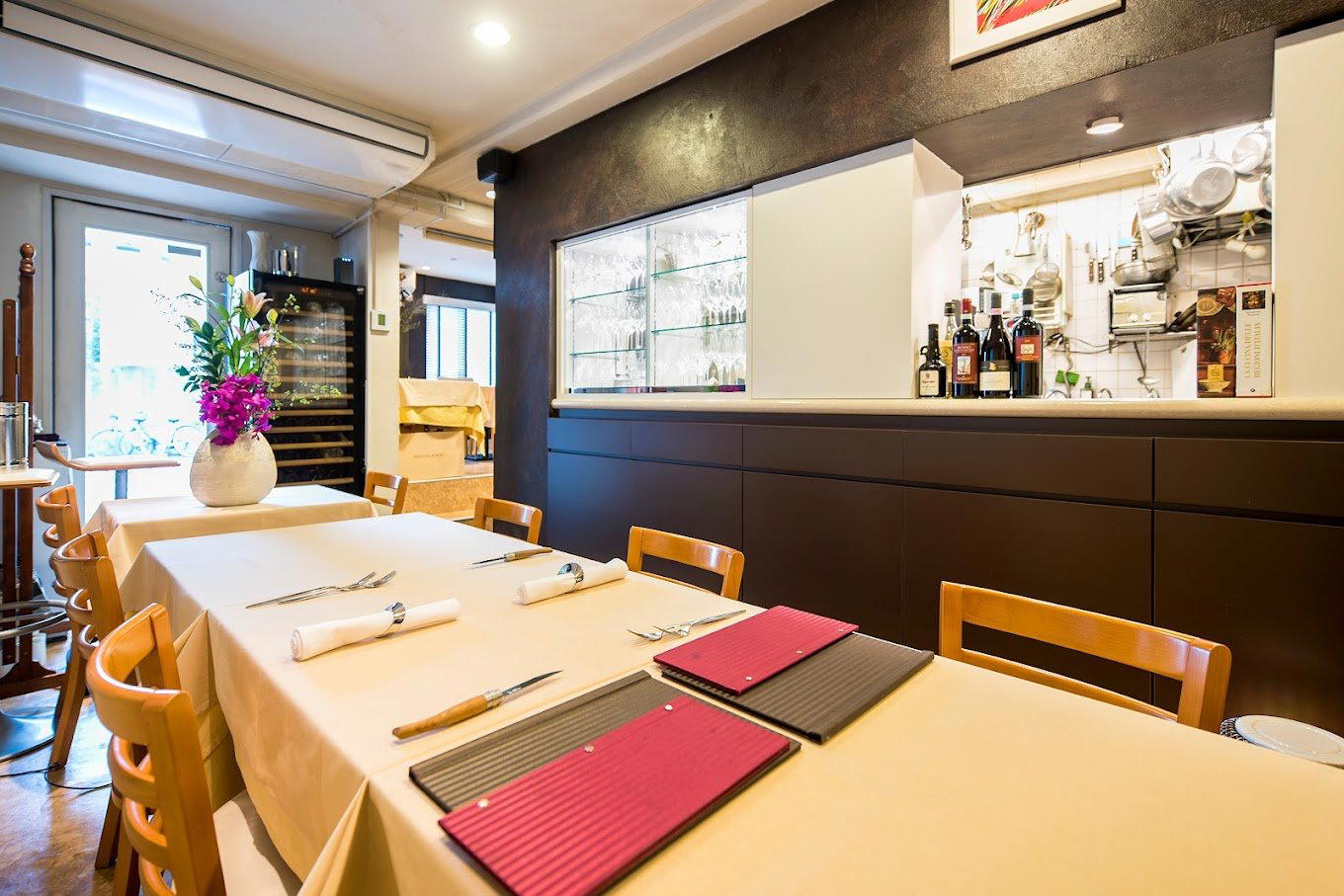
Where Hiroshima's Formal Dining Settles Into Its Own Register
Naka Ward is where Hiroshima concentrates its more deliberate restaurant culture. The streets around Tokaichimachi carry a particular density of places that take the meal seriously, not as spectacle, but as architecture. イプシロン sits at 2 Chome-9-25 Tokaichimachi, inside this corridor, and the address alone places it in a specific peer conversation. This is not the waterfront or the tourist approach to Peace Memorial Park. This is a dining district for people who have already decided what kind of evening they want.
The name is worth pausing on. Epsilon, the fifth letter of the Greek alphabet, suggests a kitchen that thinks in terms of sequence and position rather than isolated impression. In a city where kaiseki tradition and French-influenced contemporary cooking have long coexisted, a restaurant that names itself after a structural marker in a series is making a quiet argument about how food should be organised and experienced. Menu architecture, in that context, is not incidental, it is the point.
The Logic of the Menu: Structure as Statement
Across Japan's serious restaurant tier, how a menu is sequenced tells you as much about the kitchen's philosophy as any individual dish. The most rigorously constructed menus, whether at kaiseki houses or European-format tasting rooms, treat each course as a variable in a larger equation. Pacing, temperature contrast, protein weight, acidic punctuation: these decisions accumulate into an argument that the diner receives over two or three hours. At venues operating at this level, the menu is less a list of dishes than a score.
イプシロン's name reinforces this reading. Epsilon appears in mathematics and physics as a symbol for a small but non-negligible quantity, a reminder that precision at the margin matters. Kitchens that think this way tend to produce menus where the transitions between courses carry as much weight as the courses themselves. The move from a light opening to a more textured mid-section, the decision about when to introduce richness and when to cut it with something bright: these are the structural choices that separate a composed menu from a collection of dishes.
For context, Hiroshima's broader dining scene places this kind of attention in productive company. Addresses like Chiso Sottakuito and Eizan represent the city's more traditional Japanese formats, while CHILAN and Denko Sekka occupy different positions along the contemporary spectrum. MASUKI, operating in the JPY 20,000–29,999 range, signals where the city's premium Chinese tier sits.
Hiroshima as a Dining City: The Broader Frame
Hiroshima is regularly underestimated as a dining destination relative to Kyoto or Tokyo, but that underestimation is increasingly hard to sustain. The city has produced a generation of serious restaurants that draw on local producers, Seto Inland Sea seafood, Hiroshima oysters, local sake breweries, while maintaining technical ambition that aligns with what Michelin and the broader critical establishment reward in Japan's regional cities. The guide has had a sustained presence in Hiroshima, and the restaurants that have attracted attention there tend to share a certain quality: they are not trying to replicate what exists in Osaka or Tokyo, but are instead developing something that reads as specifically local.
Comparison points exist across Japan's regional fine dining tier. HAJIME in Osaka represents the highest formal ambition of the Kansai region. Gion Sasaki in Kyoto operates within Kyoto's rigorous kaiseki tradition. Goh in Fukuoka and akordu in Nara show how smaller regional cities are building credible fine dining identities. Hiroshima fits this pattern, and イプシロン sits within it. Beyond the major conurbations, venues in cities like Nanao, Sapporo, and Takashima further illustrate how Japan's serious restaurant culture has distributed itself well beyond its capital. Harutaka in Tokyo remains a useful reference for what the upper end of the national tier looks like, but regional restaurants are increasingly setting their own terms.
Planning the Visit
Tokaichimachi is accessible from Hiroshima Station and the central tram network, with Hatchobori and Fukuromachi stops both within walking range of the address. Naka Ward's dining cluster means that a meal here can anchor a broader evening rather than requiring a detour. Visitors combining this with the city's other serious addresses, see our full Hiroshima restaurants guide for the broader picture, should plan their booking sequence in advance rather than making arrangements on arrival. Dress expectations at Hiroshima's more considered restaurants tend toward smart casual at minimum; arriving underdressed reads as inattention in a room that has paid close attention to everything else. Comparable formats at venues like Birdland in Sakai or Nishikawa Machi suggest that regional Japanese fine dining maintains these standards consistently. For international visitors contextualising this against European formats, Le Bernardin and Atomix in New York represent the kind of structural menu thinking that finds its Japanese equivalent here.
Frequently asked questions
Where exactly is イプシロン?
イプシロン is located at 2 Chome-9-25 Tokaichimachi, Naka Ward, Hiroshima, 730-0805, Japan, Hiroshima.
Is イプシロン in Hiroshima easy to reach by public transport?
The venue's address at 2 Chome-9-25 Tokaichimachi in Naka Ward is accessible via Hiroshima's central tram network, with Hatchobori and Fukuromachi stops both within walking distance. Hiroshima Station, the city's main rail hub, connects to the tram lines that serve the Tokaichimachi area directly. The central location makes イプシロン one of the more accessible formal dining addresses in the city.
What should I eat at イプシロン?
Specific menu details for イプシロン are not publicly listed, which is consistent with many of Hiroshima's more deliberate restaurant formats where the kitchen dictates the progression. Given the venue's address in Tokaichimachi, Naka Ward, the centre of Hiroshima's concentrated formal dining scene, expect a structured menu rather than an à la carte selection. Contacting the restaurant directly before your visit is the most reliable way to understand what's currently being served.
What's the best way to book イプシロン?
No booking link or phone number is publicly listed for イプシロン at this time. For restaurants of this character in Naka Ward, reservations typically go through direct contact via telephone or a third-party Japanese reservation platform such as Tableall or Omakase. If you are visiting from abroad, enlisting your hotel concierge in Hiroshima is often the most effective route, particularly for venues where communication is conducted in Japanese.
What's the defining dish or idea at イプシロン?
The defining idea at イプシロン appears to be menu structure itself: in Japan's serious restaurant tier, how a progression is sequenced signals the kitchen's philosophy as clearly as any individual plate. The venue's position in Tokaichimachi places it alongside Hiroshima's more considered restaurant culture, where the meal is treated as a composed whole rather than a collection of independent orders. Specific signature dishes are not on public record.
Can イプシロン handle vegetarian requests?
No dietary accommodation policy is publicly documented for イプシロン. At structured-format restaurants in Hiroshima's Naka Ward, dietary requirements are generally best communicated at the point of reservation rather than on the night. Given that the menu format appears set rather than à la carte, early notice is advisable to ensure the kitchen has room to adjust.
Should I splurge on イプシロン?
Pricing for イプシロン is not publicly listed, so a direct cost-benefit comparison against other Hiroshima venues is not possible here. What is clear is that its address in Tokaichimachi, Naka Ward places it within Hiroshima's more deliberate, formal dining tier, a bracket where the spend tends to reflect the kitchen's ambition and the structure of the experience. If a composed, sequenced meal in a serious setting is what you are after in Hiroshima, the category is right.
Awards and Standing
Comparable venues nearby, for context on price, style, and recognition.
| Venue | Cuisine | Price | Awards | Notes |
|---|---|---|---|---|
| イプシロンThis venue (the venue you are viewing) | Italian Trattoria | $50–100 | Not listed | Not listed |
| ブルッティ エ ブォーニ | Hidden Gem Italian Pasta | $30–50 | Not listed | Higashi |
| DIRETTO | Wood-Fired Italian | $100–150 | Tabelog 100 #77 | Naka |
| pizza juicy | Italian Pizza Restaurant | $30–50 | Tabelog 100 #6 | Naka |
| Napul | Neapolitan Pizza & Italian | $20–30 | Tabelog 100 #29 | Nishi |
| Takotsubo (割烹 たこつぼ) | Traditional Japanese Kappo | $100–150 | Not listed | Naka-ku |
Continue exploring
More in Hiroshima
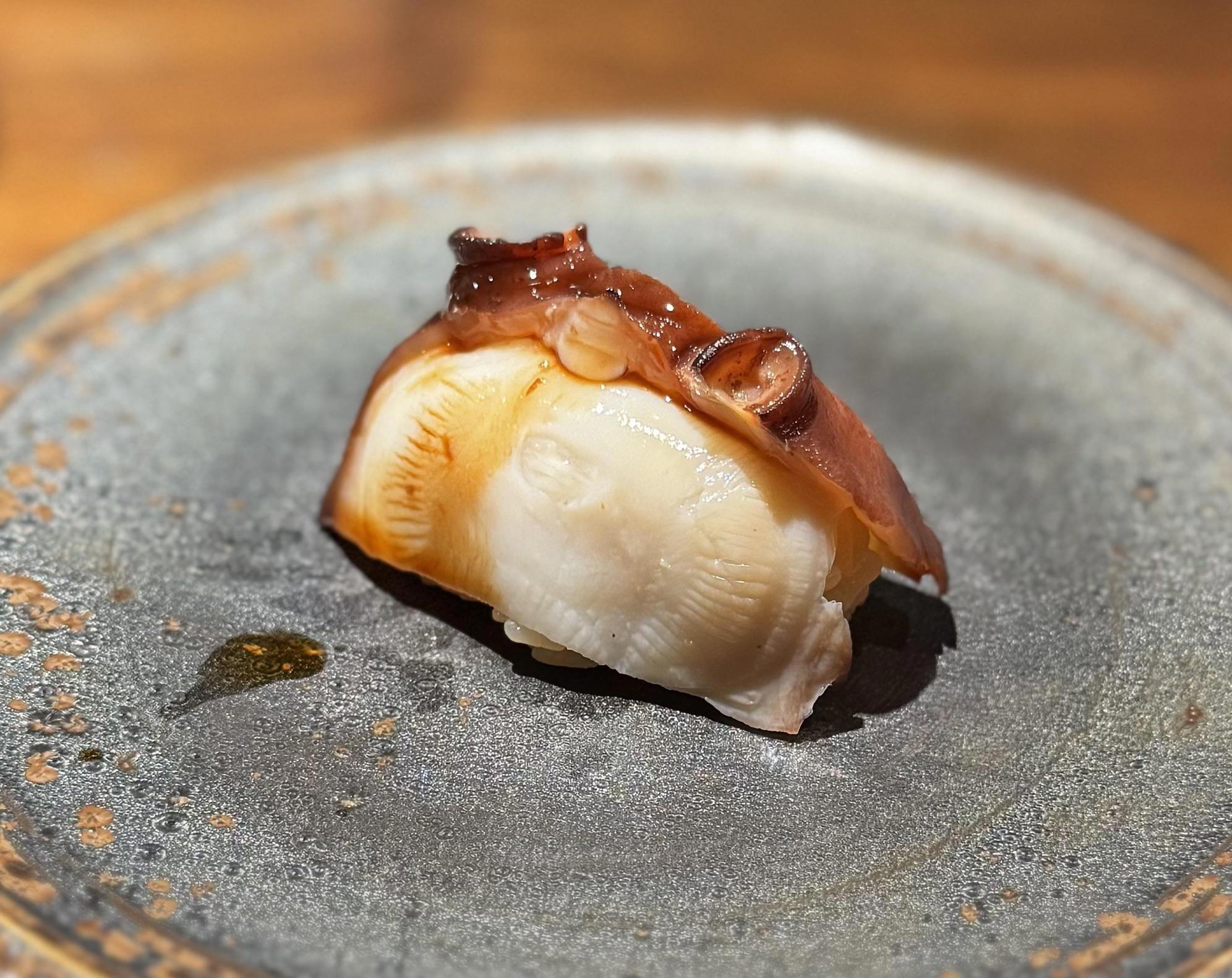
Restaurants in Hiroshima
All restaurants in Hiroshima →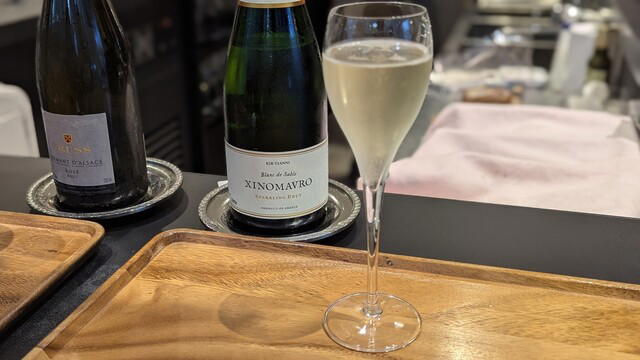
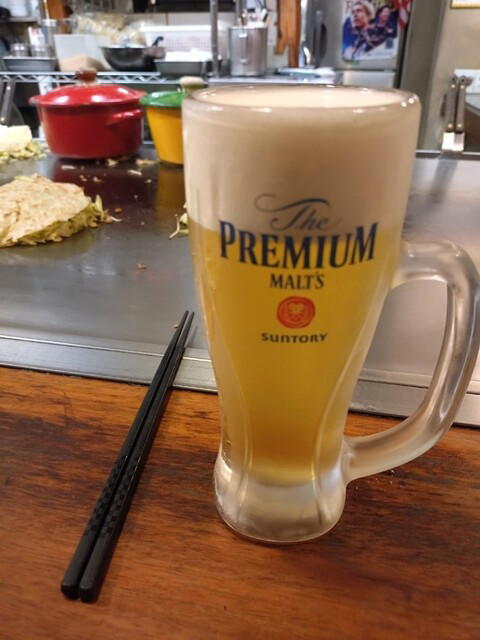
Bars in Hiroshima
All bars in Hiroshima →
Details
- Elegant
- Intimate
- Romantic
- Date Night
- Special Occasion
- A La Carte
Current opening hours
- Monday
- Closed
- Tuesday
- 12–3 PM, 6–10:30 PM
- Wednesday
- 12–3 PM, 6–10:30 PM
- Thursday
- 12–3 PM, 6–10:30 PM
- Friday
- 12–3 PM, 6–10:30 PM
- Saturday
- 12–3 PM, 6–10:30 PM
- Sunday
- 12–3 PM, 6–10:30 PM
Hours can change for holidays and private events. Last verified .