Our verdict
On a quiet side street in Nakagyō-ku, ルシュルシュル occupies a second-floor address in a Kyoto machiya district where the building fabric itself signals intent. The restaurant sits within a dining scene that has long treated restraint as craft, and its Fuyachō address places it in a neighbourhood shaped by centuries of merchant culture and refined, close-quarters hospitality.

Pearl is the En Primeur Club membership app — saves, bookings, and concierge access live there. Same editors, same standards.
- Address
- 中京区麩屋町通二条下る尾張町225 第二ふや町ビル, 京都市, 京都府, 604-0822
- Directions
- Get directions
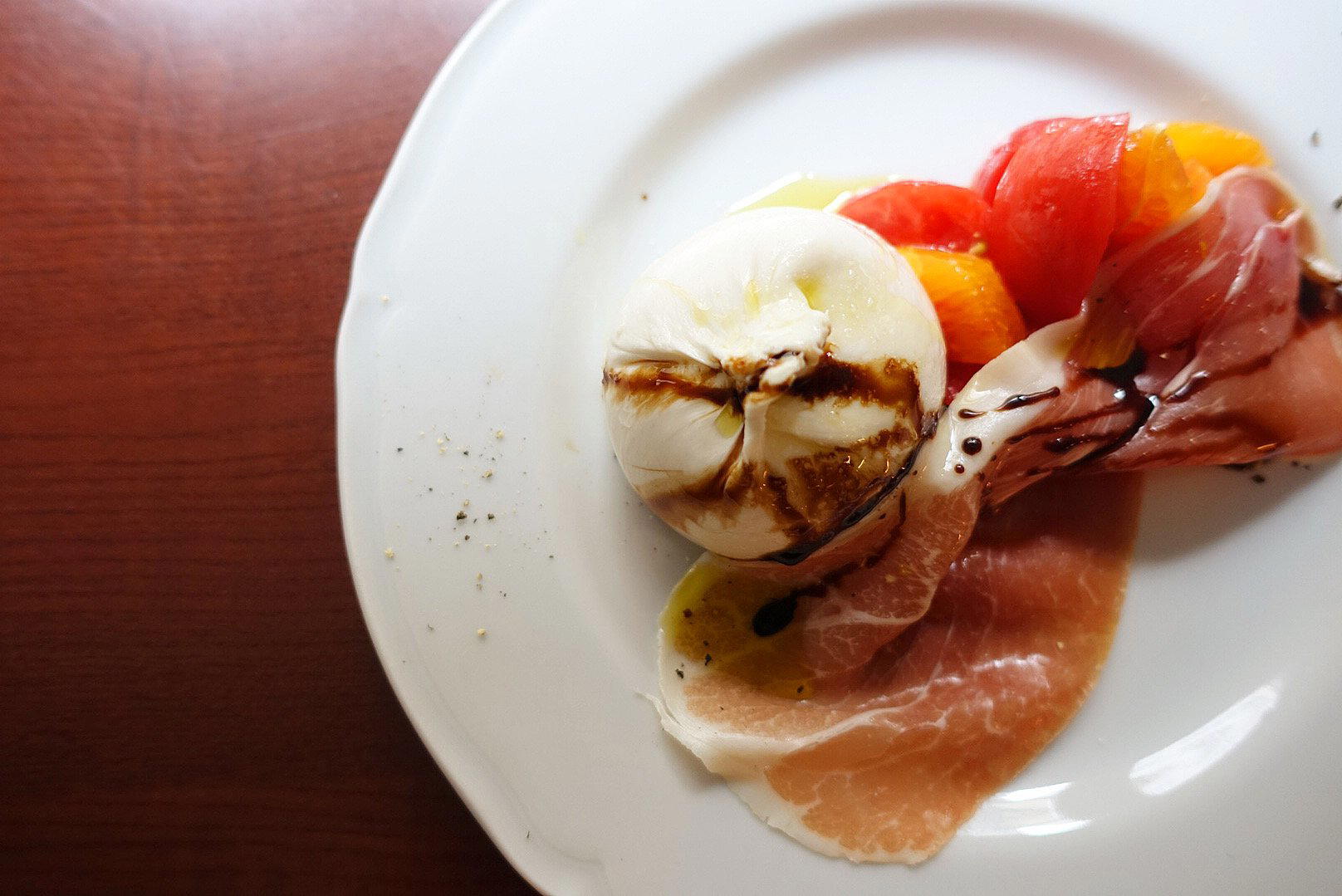
A Street That Sets Expectations
Fuyachō-dōri, the narrow corridor running south from Nijō in Kyoto's Nakagyō-ku, is not the kind of address that announces itself. The buildings along this stretch are compressed, their street presence modest by design. That compression has historically been a feature rather than a flaw: the machiya townhouse format was built for a merchant class that conducted serious business behind unassuming facades. Dining rooms that occupy these addresses tend to inherit that sensibility. A reservation in this district carries an implied contract with the guest: you arrive ready to pay attention.
ルシュルシュル holds a second-floor position in the Daini Fuyachō Building at 225 Owari-chō, a detail worth noting because upper-floor restaurants in Kyoto's older blocks operate differently from street-level rooms. There is a deliberate pause in the approach, a moment on the stairs before the dining space reveals itself. In a city where the threshold between street and restaurant is often treated as part of the experience, that transition carries weight.
Kyoto's Dining Register and Where This Address Sits
Kyoto's restaurant culture is unusually stratified, even by Japanese standards. At the top tier, kaiseki houses like Gion Sasaki, Hyotei, Kikunoi Honten, and Mizai operate within a formalized progression of seasonal courses that can take decades to master and a comparably long time to fully read as a diner. Below that, a second tier of smaller, less classified rooms has expanded considerably over the past two decades, often drawing on kaiseki principles without committing to its full ceremonial apparatus. Isshisoden Nakamura represents the long-established end of that tradition, while newer entrants occupy positions that are harder to categorize by format alone.
ルシュルシュル sits within Nakagyō-ku, a ward that functions as the city's commercial and culinary middle ground, distinct from the heritage density of Gion or the tourist corridor along Kawaramachi. Restaurants in this zone tend to serve a local and regional clientele that is less guided by international recognition lists and more attuned to word-of-mouth within specific professional and social circles. That is a different kind of pressure from Michelin scrutiny, and it shapes what gets served and how.
Across the broader Kansai region, this pattern of small, address-specific restaurants operating with minimal online presence but sustained local loyalty appears in Osaka, Nara, and beyond. HAJIME in Osaka and akordu in Nara each demonstrate how individual rooms can build significant reputations through format discipline and consistency rather than scale. The principle holds in Kyoto at every price tier.
The Cultural Logic of the Fuyachō Address
Nakagyō-ku's dining identity is inseparable from its commercial history. The ward was, for centuries, the trading heart of Kyoto, the zone where fabric merchants, lacquerware dealers, and wholesale houses sustained a parallel hospitality economy. Restaurants in this district were not primarily tourist infrastructure; they existed to feed people who worked nearby and to entertain the business relationships those trades required. That function oriented kitchens toward a specific kind of cooking: precise, seasonal, calibrated to repeated visits rather than single occasions.
That orientation still registers in the neighbourhood. A restaurant at a Fuyachō address is operating inside a cultural assumption that the guest knows something, that they are returning rather than discovering, and that the meal does not need to explain itself through elaborate production. Whether ルシュルシュル adheres strictly to that ethos or positions itself in contrast to it is precisely the kind of question a visit resolves. What the address establishes, before the meal begins, is the framework within which that question gets asked.
For context on how Japanese dining rooms in smaller formats operate across the country, rooms like Goh in Fukuoka and Harutaka in Tokyo demonstrate the range of approaches available within a single national tradition. Japan's regional dining culture is not homogeneous, and the Kyoto variant carries specific expectations around seasonality, visual restraint, and the pacing of hospitality that differ from what you encounter in those other cities. Internationally, rooms like Le Bernardin in New York City and Atomix in New York City represent how that emphasis on precision and cultural grounding translates into different culinary registers.
What Sparse Data Signals
The absence of a listed phone number, website, price range, and hours for ルシュルシュル is itself informative. Restaurants in Kyoto that operate without a public web presence or listed contact details generally belong to one of two categories: they are either too new to have built that infrastructure, or they rely entirely on referral and repeat business and have made a deliberate decision to remain off the searchable grid. In either case, the booking process typically runs through personal introduction or through a hotel concierge with established local relationships.
This is not uncommon at the upper end of Kyoto's dining hierarchy, where the relationship between host and guest is sometimes treated as a precondition of the meal rather than its context. The same pattern appears in other parts of Japan's more discreet dining culture, from ä¸æ¬æ å·å¶ in Nanao to å¤ä»å±±ä¹ in Sapporo and æ¹é庵 in Takashima. Rooms like åºç¾½å± in Nishikawa Machi and Birdland in Sakai further illustrate how Japan's provincial dining culture maintains this kind of quiet, referral-dependent operation. At a location like 225 Owari-chō, that opacity signals seriousness rather than inaccessibility.
For those approaching Kyoto's dining scene from outside the country, our full Kyoto restaurants guide maps the city's key dining zones and explains which booking approaches work for which type of room. Bistro Ange in Toyohashi offers a useful counterpoint from Japan's mid-tier regional dining culture, illustrating how different the expectations and access models become as you move across the country's dining spectrum.
Know Before You Go
- Address: 中京区麩屋町通二条下る尾張町225 第二ふや町ビル, Kyoto (Nakagyō-ku, Fuyachō-dōri, second floor)
- Neighbourhood: Nakagyō-ku, between Nijō and Oike, within the historic Fuyachō merchant district
- Booking: No public website or phone number listed; approach via hotel concierge or direct introduction
- Hours: Not publicly listed; confirm through your booking contact
- Price: Not publicly listed; budget for the mid-to-upper range typical of small Nakagyō-ku rooms
- Getting there: Closest subway access is Kyoto Shiyakusho-mae on the Tōzai Line; Fuyachō is a short walk north
Frequently asked questions
What should I order at ルシュルシュル?
The most reliable approach is to let the kitchen lead: small Kyoto rooms at this address level typically operate on a set format where the sequence is fixed and seasonal, with little or no à la carte option. Arrive with no fixed expectations about particular dishes, and the experience tends to resolve itself on its own terms.
Can I walk in to ルシュルシュル?
Walk-ins are unlikely to be viable at a room with no public contact details and a second-floor address that is not visible from the street. Kyoto's smaller, referral-dependent restaurants generally do not hold capacity for unannounced guests, particularly in Nakagyō-ku where the clientele skews toward regular and known visitors. Your hotel concierge is the most practical first point of contact for access.
Is ルシュルシュル suitable for non-Japanese speakers visiting Kyoto?
Smaller Kyoto rooms operating without a public website or English-language presence often rely on intermediaries for overseas guests. A Kyoto hotel concierge with strong local ties can help establish initial contact and, where necessary, assist with language during the booking process. Arriving with some knowledge of Japanese dining customs and seasonal expectations will read well at a Fuyachō-dōri address, where the cultural register of the neighbourhood is part of the hospitality framework.
Cuisine Context
| Venue | Cuisine | Price | Awards | Notes |
|---|---|---|---|---|
| ルシュルシュルThis venue — the venue you are viewing | Ingredient-Focused Italian | $100–150 | Not listed | Not listed |
| Gion Sasaki | Modern Kaiseki | $300–500 | 3 Michelin Stars · La Liste Top Restaurants | Kaiseki, Japanese |
| cenci | Innovative Italian-Japanese Fusion | $100–150 | 1 Michelin Star · World's 50 Best #76 | Italian |
| Ifuki | Sumibi Kappo Kaiseki | $200–300 | 2 Michelin Stars · La Liste Top Restaurants | Kaiseki |
| Kyokaiseki Kichisen | Kyoto Kaiseki | $200–300 | 2 Michelin Stars · La Liste Top Restaurants | Japanese |
| Kyo Seika | Modern Chinese Fine Dining | $150–200 | 1 Michelin Star · Tabelog Bronze #216 | Chinese |
Continue exploring
More in Kyoto
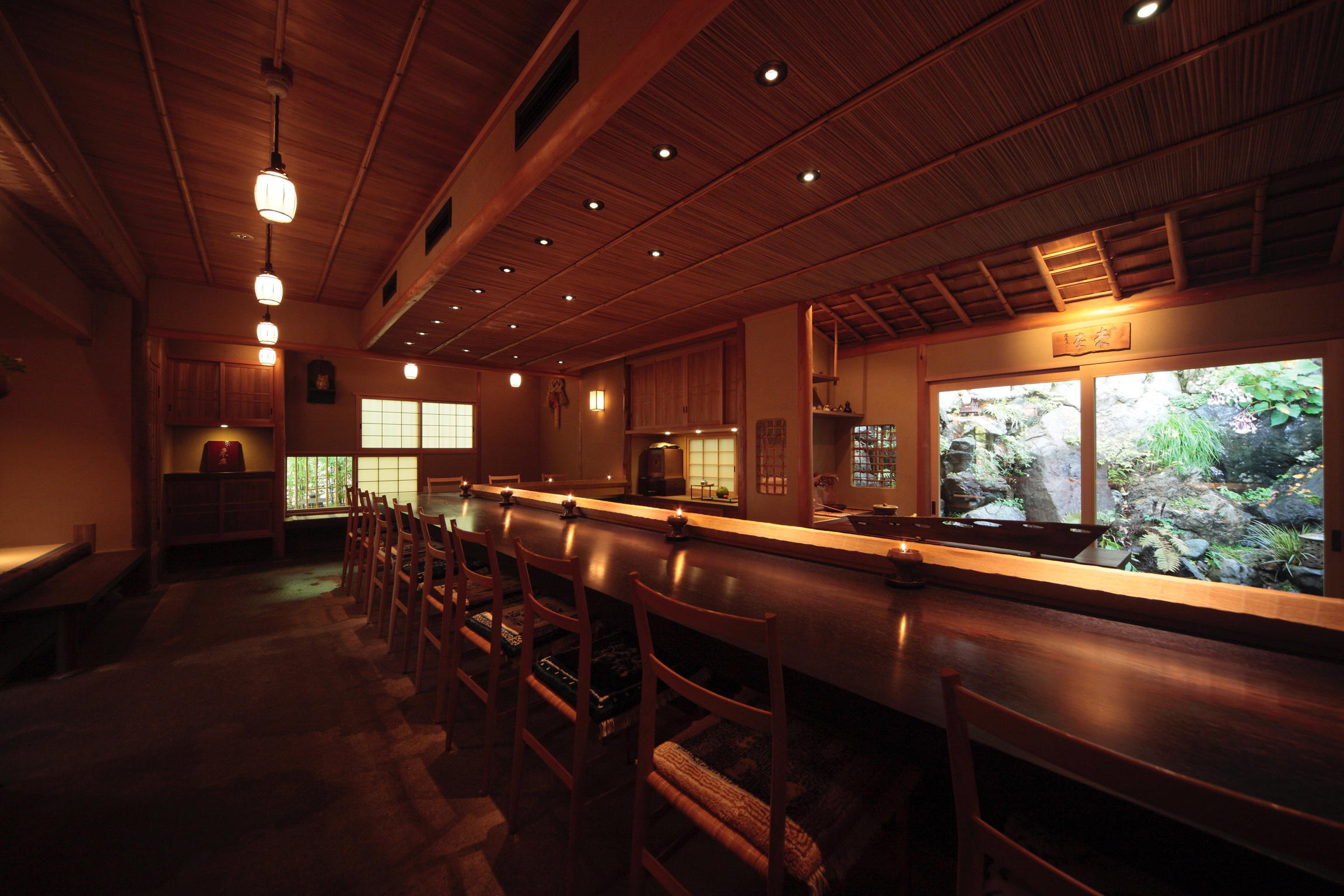
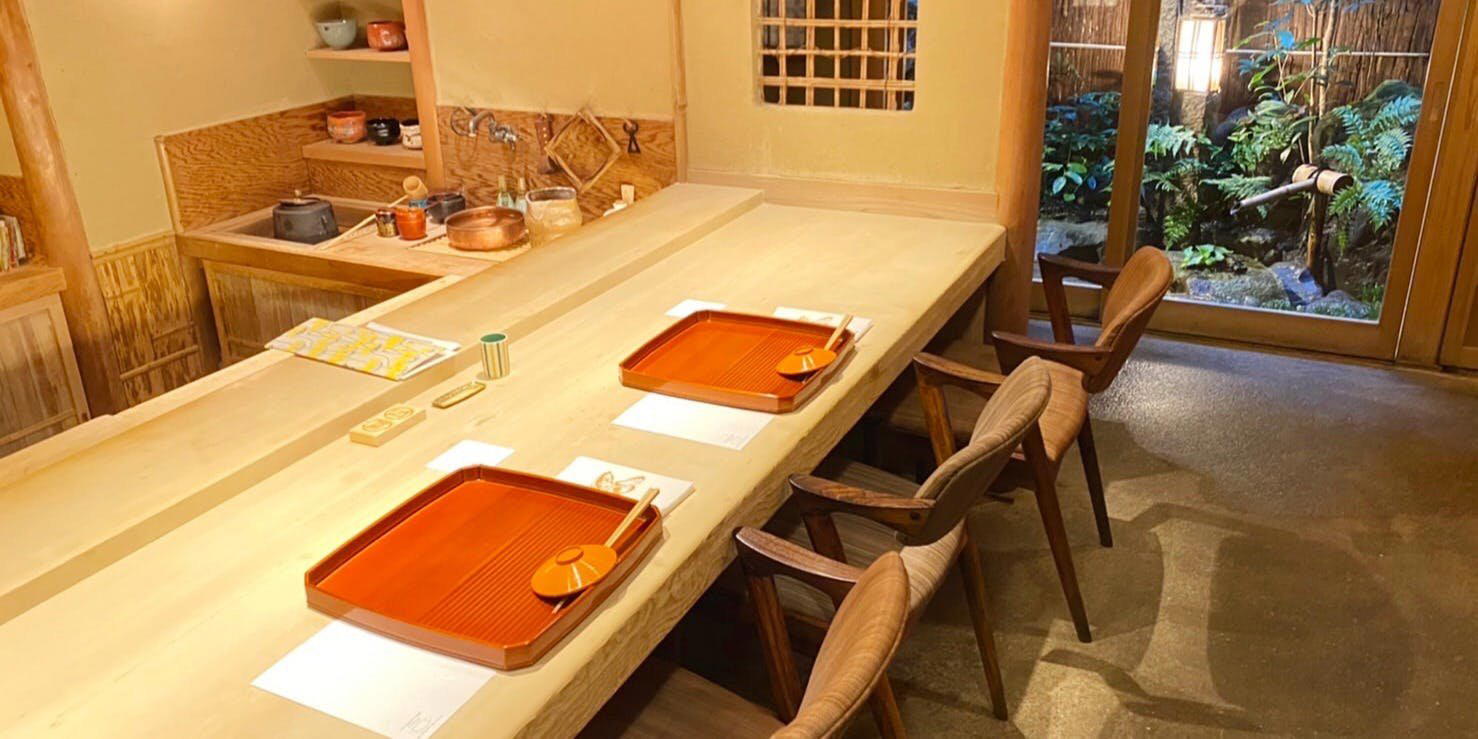
Restaurants in Kyoto
Browse all →
Bars in Kyoto
Browse all →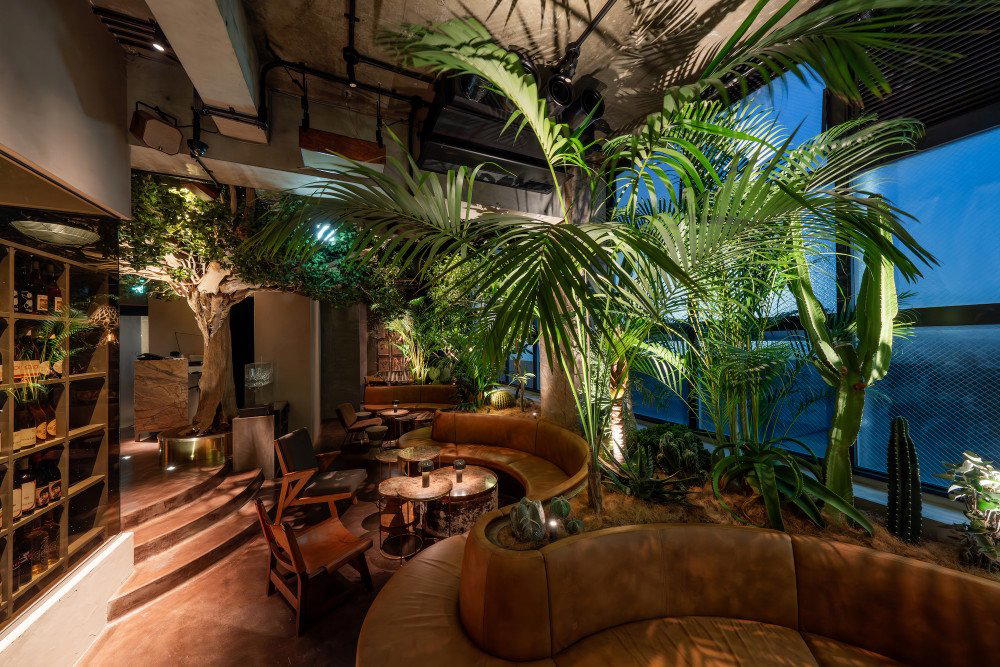
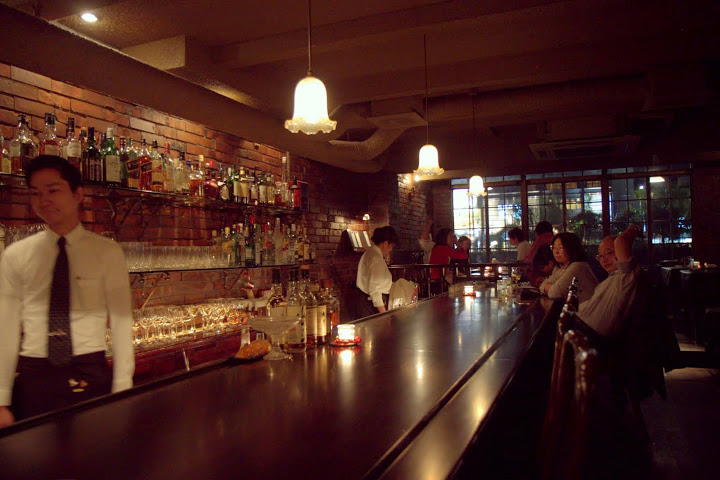
Hotels in Kyoto
Browse all →
Wineries in Kyoto
Browse all →
Details
- Elegant
- Intimate
- Sophisticated
- Date Night
- Special Occasion
- Extensive Wine List
- A La Carte