Our verdict
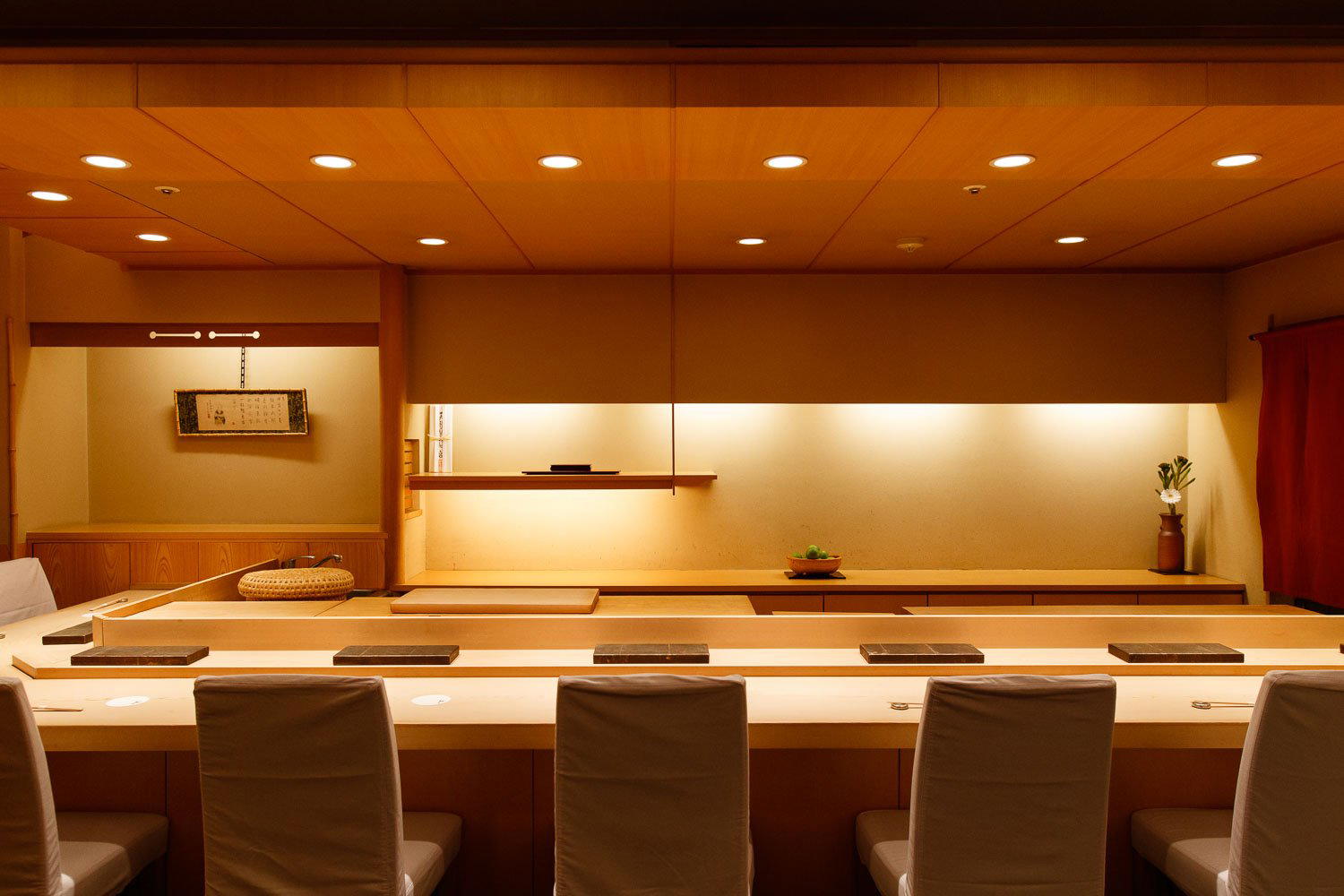
Located in Sapporo's Chuo Ward, 奥一翠 sits within a dining district where kaiseki, sushi, and specialty counters compete at serious price points. The venue's Minami 3-jo address places it at the centre of the city's most concentrated fine-dining corridor, comparable in density to comparable urban peers across Japan's regional cities.

Pearl is the En Primeur Club membership app — saves, bookings, and concierge access live there. Same editors, same standards.
- Address
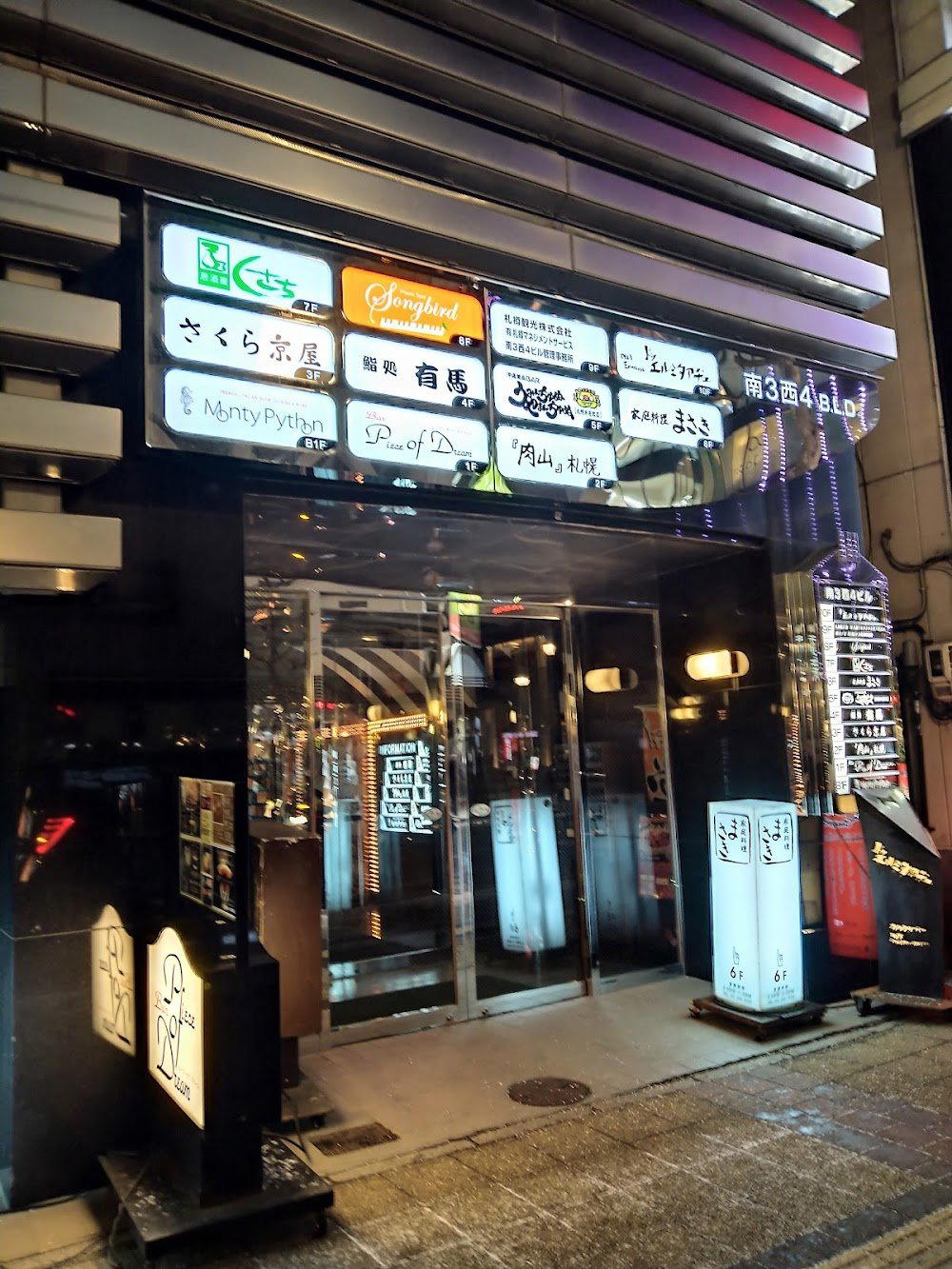
- Japan, 〒060-0063 Hokkaido, Sapporo, Chuo Ward, Minami 3 Jonishi, 3 Chome−丁目 地下 一 階
- Phone
- +815058704980
- Website
- gekkaoh.com
- Directions
- Get directions
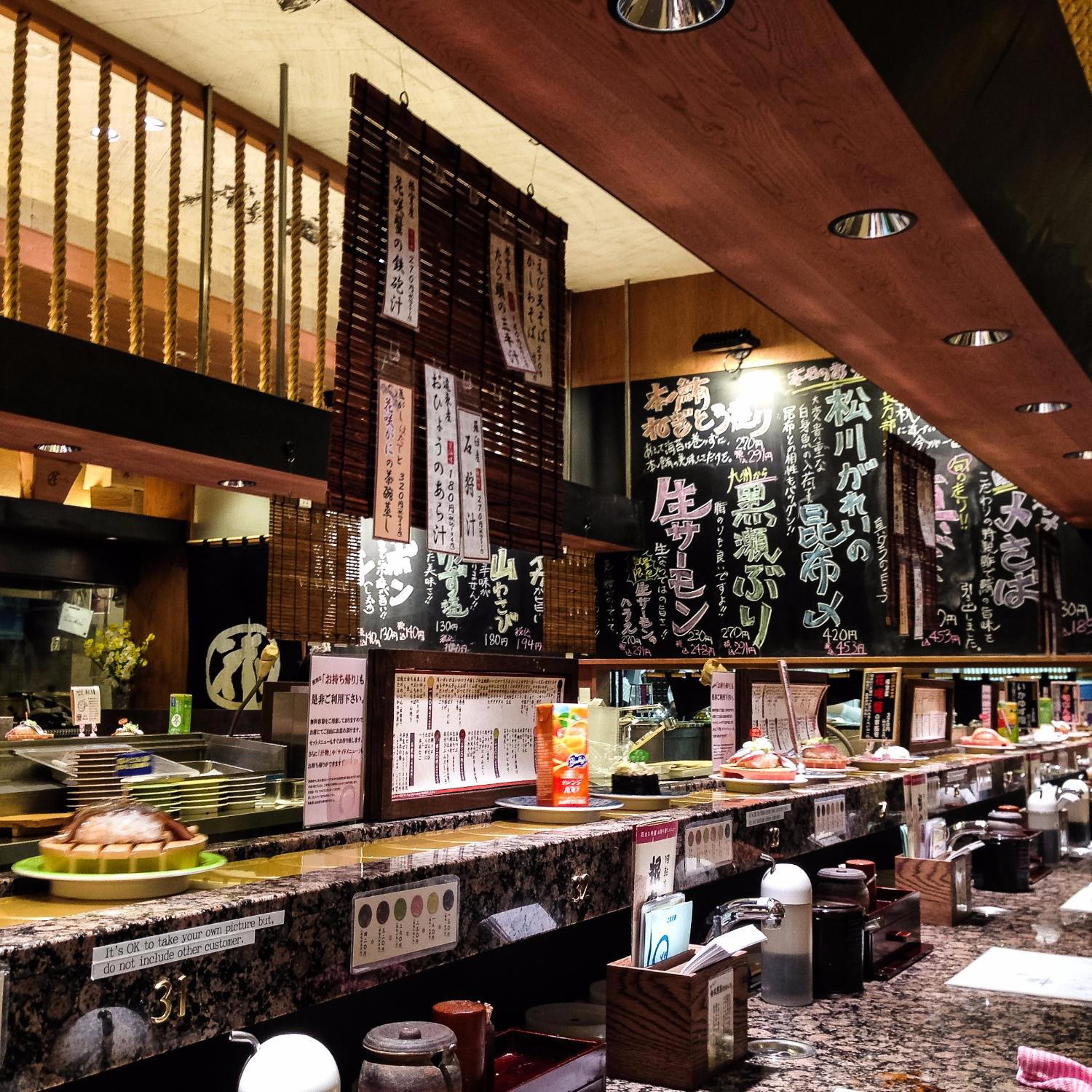
Chuo Ward and the Logic of Sapporo's Fine-Dining Core
Sapporo's premium restaurant scene does not sprawl the way Osaka's or Tokyo's does. It concentrates. Chuo Ward, and specifically the blocks around Minami 3-jo, functions as the city's most densely packed corridor of serious dining — sushi counters, kaiseki rooms, and specialty formats stacked within walking distance of one another. This geography shapes how venues here operate: proximity to peers creates a calibration effect, where pricing, format, and quality signals are benchmarked against neighbours rather than against the broader Hokkaido market. 奥一翠 sits inside that corridor, at 3-chome on Minami 3-jo Nishi, which places it squarely in the part of Chuo Ward where the decision between one door and the next is a genuine editorial choice for the diner.
That concentration also means the neighbourhood carries context before you arrive. Walking the block in the evening, you pass the kind of discreet signage and warm-lit interiors that signal a certain register of hospitality — places that assume you made a reservation, that expect you to stay two hours or more, that treat the meal as an event rather than a transaction.
How Sapporo's Dining Tier Compares to Japan's Regional Cities
Japan's regional fine-dining scenes have developed at different speeds and in different directions. Fukuoka built density early, partly through proximity to Kyushu's agricultural and seafood networks. Kyoto's reputation rests on kaiseki tradition with documented lineages going back generations, venues like Gion Sasaki in Kyoto operate within that framework of formal seasonal cuisine with deep institutional roots. Osaka pushed French-Japanese hybrids and creative tasting formats, with HAJIME in Osaka representing the ambitious end of that register. Nara produced quieter, ingredient-led work, as seen at akordu in Nara.
Sapporo's position is distinct. Hokkaido's agricultural and marine resources, dairy, seafood, vegetables grown in cooler, longer-season conditions, give the city's serious kitchens a supply advantage that most Japanese regional peers cannot match. Hairy crab, sea urchin, Hokkaido wagyu, and cold-water fish arrive at counters here with shorter supply chains than anywhere else in Japan. That ingredient access has supported the growth of specialty formats: crab-focused counters, sushi rooms that source exclusively from the island's waters, and multi-course menus built around what the season actually produces at this latitude.
The Minami 3-jo Address and What It Signals
In Sapporo, the Minami 3-jo strip functions the way certain streets do in any city that has developed a recognisable fine-dining identity: the address carries expectation before the meal begins. Venues that choose this location are not optimising for foot traffic or casual walk-ins, the surrounding streets are not primary retail corridors.
For the diner arriving from outside Hokkaido, the neighbourhood logic matters practically. Chuo Ward's concentration means that a two- or three-night Sapporo itinerary can be built almost entirely within walking distance of Minami 3-jo, with venues spanning sushi, kaiseki, ramen, and specialty formats all reachable without a taxi. That compactness is a structural advantage over cities where premium dining disperses across distant neighbourhoods. Tokyo's Harutaka, for instance, see Harutaka in Tokyo, occupies a different urban logic entirely, embedded in a megalopolis where the distance between serious venues can mean thirty minutes of transit.
Reading the Gaps in Available Data
Cuisine type, chef name, price range, awards, seat count, and booking method are all unconfirmed at the time of writing. That absence is itself informative. It suggests either a venue that operates outside the channels that generate formal recognition data, no Michelin listing, no active international press profile, or one that is new enough that the documentation has not yet caught up with the operation. Both cases are common in Sapporo, a city whose fine-dining tier has historically been underlisted relative to its actual quality density.
For context on what serious dining in this Chuo Ward neighbourhood looks like across confirmed peers: Japanese fine-dining formats in this district typically run multi-course kaiseki or omakase structures, with meal durations of ninety minutes to three hours depending on format. Counter seating is the norm at the more serious end. Reservation lead times at comparable Sapporo venues range from two weeks to two months depending on the format and the season, with summer and snow season (February, for the Sapporo Snow Festival) creating predictable pressure on availability. The our full Sapporo restaurants guide maps the broader landscape with confirmed data for venues across price tiers.
Diners drawn to the wider Hokuriku and Tohoku circuits, where venues like 一本木 石川県 in Nanao, 湖邑庵 in Takashima, and 原羽鶴屋 in Nishikawa Machi represent quieter regional formats, will recognise a similar dynamic: venues that sit in areas with strong ingredient provenance but limited international documentation. Comparable situations arise outside Japan too, at places like Birdland in Sakai, Bistro Ange in Toyohashi, and Goh in Fukuoka, where regional identity and ingredient access shape the offer more than formal award recognition does. At the recognised international end of the spectrum, venues like Le Bernardin in New York City and Atomix in New York City demonstrate how documentation and institutional recognition eventually consolidate around serious operations, but that process takes time and often requires international press attention that regional Japanese venues rarely attract early.
Planning a Visit
If you are building a Sapporo itinerary around confirmed-data venues, the full guide at our full Sapporo restaurants guide provides current listings with booking intelligence across the city's main formats.
Frequently asked questions
What's 月下翁's location?
月下翁 is located at Japan, 〒060-0063 Hokkaido, Sapporo, Chuo Ward, Minami 3 Jonishi, 3 Chome−丁目 地下 一 階, Sapporo.
What's the signature dish at 奥一翠?
The restaurant sits on Sapporo's Minami 3-jo strip in Chuo Ward, a block associated with focused, chef-led cooking. Cross-referencing current Japanese dining guides or contacting the venue directly will give you accurate menu detail.
Do they take walk-ins at 月下翁?
Reservations are recommended for 月下翁 in Sapporo. Confirm current policy via the venue's official channels.
What's the standout thing about 月下翁?
月下翁 is best approached by focusing on the core concept and signature offerings.
What if I have allergies at 月下翁?
Dietary accommodations can vary. Flag restrictions in advance via the venue's official channels.
Compact Comparison
Comparable venues nearby, for context on price, style, and recognition.
| Venue | Cuisine | Price | Awards | Notes |
|---|---|---|---|---|
| 月下翁This venue — the venue you are viewing | Chūō, japanese | Not listed | Not listed | Not listed |
| 〇鮨 | Hokkaido Sushi Omakase | $100–150 | Tabelog 100 #20 | Chūō, Hokkaido Sushi Omakase |
| Sushi Sohei | Edomae Omakase with Hokkaido Seafood | $200–300 | Tabelog Bronze #417 | Chūō, Edomae Omakase with Hokkaido Seafood |
| Teppanyaki Ishikari | Teppanyaki & Wagyu Steakhouse | $100–150 | Tabelog 100 #82 | Chūō, Teppanyaki & Wagyu Steakhouse |
| Japanese cuisine Komatsu | Modern Japanese Kaiseki | $150–200 | Tabelog Bronze #198 | Chūō, Modern Japanese Kaiseki |
| はなれ味重 | Traditional Kaiseki | $50–100 | Not listed | Chūō, Traditional Kaiseki |
Continue exploring
More in Sapporo
Restaurants in Sapporo
Browse all →
Details
- Elegant
- Sophisticated
- Special Occasion
- Small Plates