
Japanese cuisine Komatsu places Sapporo’s kaiseki tradition in a quieter Maruyama register, closer to forest-edge retreat than downtown dining room. Its Tabelog Award 2026 Bronze recognition, repeated Tabelog 100 Japanese cuisine EAST selections, and 16-seat scale put it in the city’s serious seasonal Japanese bracket rather than the casual Hokkaido seafood lane.
Pearl is the En Primeur Club membership app — saves, bookings, and concierge access live there. Same editors, same standards.
- Address
- 8 Chome-4-26 Maruyama Nishimachi, Chuo Ward, Sapporo, Hokkaido 064-0944, Japan
- Phone
- +81 11-303-6495
- Website
- nihonryori-komatsu.jp
- Directions
- Get directions
 Saves & bookings on Pearl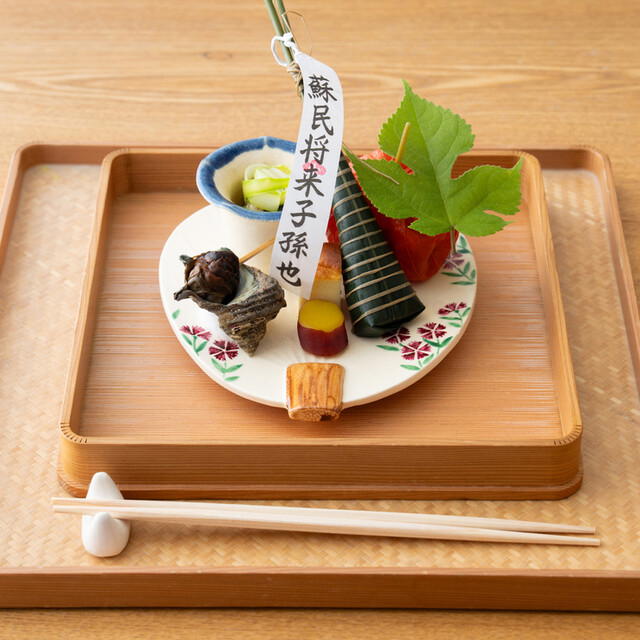
Maruyama changes the tempo before the meal begins. Sapporo’s central grid gives way to slopes, trees, and residential calm, and that setting matters for kaiseki: the format asks for attention, not spectacle. Japanese cuisine Komatsu belongs to the part of the city where Japanese dining is less about market abundance on display and more about sequence, temperature, season, and restraint.
That distinction is useful in Sapporo, a city many visitors approach through crab, miso ramen, soup curry, and seafood counters. Those categories explain one side of Hokkaido appetite; kaiseki explains another. It turns the region’s seasons into a formal progression, with the meal structured around pacing and balance rather than a single headline ingredient. For travellers using Our full Sapporo restaurants guide, this is the lane to consider when the question is not where to eat Hokkaido, but how Hokkaido can be interpreted through classical Japanese form.
Seasonal Japanese cooking in Sapporo's quieter register
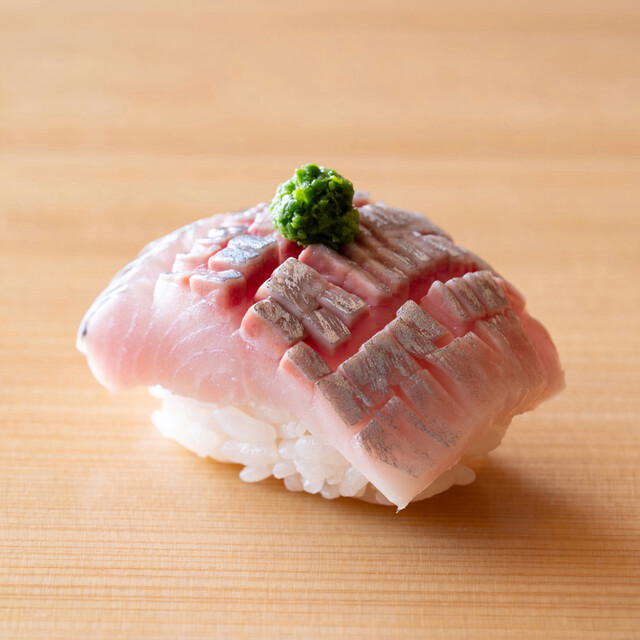
Kaiseki has always been a discipline of editing. The sequence usually privileges seasonality, vessels, texture, and the movement from lighter to deeper flavours, but its power depends on proportion. In Sapporo, that discipline can read differently from Kyoto or Tokyo because the surrounding pantry carries colder-water fish, dairy country, mountain vegetables, and a northern sense of season change. The stronger kitchens do not need to advertise that difference loudly; the regional identity is more convincing when it sits inside the structure.
The public recognition places the restaurant in a serious competitive bracket. It was named a Tabelog Award 2026 Bronze winner and selected for Tabelog 100 Japanese cuisine EAST in 2025, with previous selections in 2023 and 2021. Those signals matter because Sapporo’s premium Japanese dining scene is smaller and less internationally mapped than Tokyo’s. A Bronze award and repeated list selection suggest consistency across more than a single season of attention.
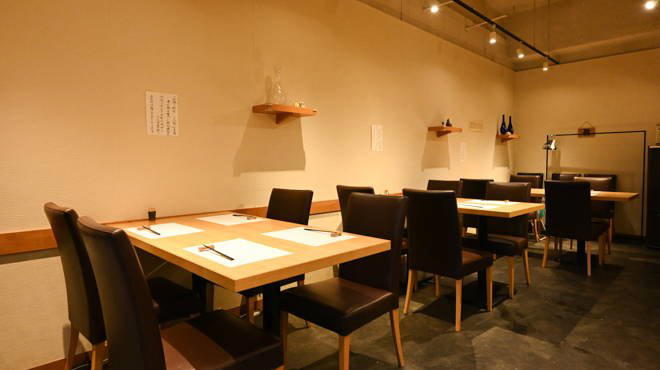
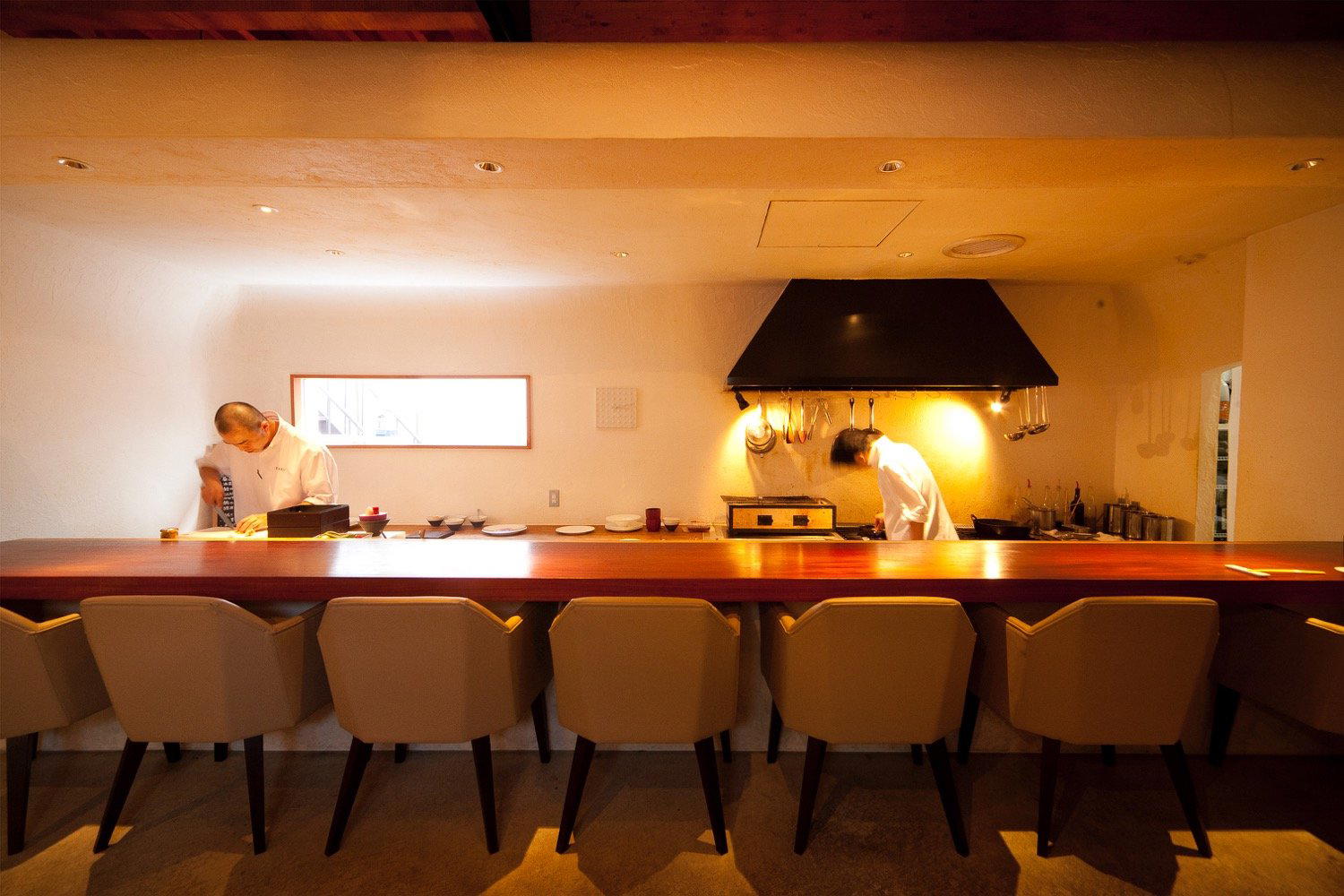
Scale also shapes the experience. With 16 seats, the restaurant operates in the intimate end of formal Japanese dining, where pacing and room control are part of the value. This is not the democratic energy of a ramen counter such as 175°DENO Tantanmen Sapporo kitaguchi ten, nor the comfort-driven curry orbit represented by [Curry Senmon Ten] Maruyama Kyoju., Ajanta Indo Curry Ten, or Ajanta Sohonke. The appeal is narrower, more formal, and more dependent on whether the diner wants a composed seasonal meal rather than a single-dish destination.
Why Maruyama suits the kaiseki format
Maruyama is a useful counterpoint to Sapporo Station and Susukino. It has enough polish to support destination dining, but it lacks the hard commercial rhythm of the entertainment districts. For kaiseki, that is an advantage. The neighbourhood’s residential feel and proximity to green space create a slower frame around the meal, which suits a cuisine built on pauses, transitions, and small calibrations.
Japanese cuisine Komatsu’s house-restaurant character also places it closer to retreat dining than hotel dining. That difference is not cosmetic. In a hotel restaurant, luxury often arrives through staffing scale, table spacing, and service infrastructure; in a small standalone room, the focus tightens around the meal’s sequence and the behaviour of the room. Private rooms are not part of the format, so the better fit is a group comfortable with a shared dining atmosphere and a meal that rewards concentration.
The beverage frame is classical rather than experimental: sake, shochu, and wine. That range is sensible for kaiseki in Hokkaido, where sake can move with seafood and broths, shochu can handle earthier courses, and wine gives diners another route through a longer meal. The point is not novelty. It is having enough range to follow a multi-course structure without turning the beverage program into the main event.
Where it fits in a Sapporo itinerary
Sapporo rewards contrast. A serious kaiseki meal sits better when the rest of the itinerary does not try to repeat the same register. Bread and pastry culture has its own following in Hokkaido, which makes Aigues Vives a useful counterweight on another day. Casual noodle and curry addresses show the city’s everyday appetite; formal Japanese dining shows how northern ingredients can be absorbed into ceremony.
For visitors building a wider trip, the restaurant makes sense as the composed dinner around which less formal meals can orbit. Pair it with neighbourhood exploration rather than a rushed schedule. Sapporo’s hospitality map is spread across dining, bars, hotels, and winter-season demand, so planning through Our full Sapporo hotels guide, Our full Sapporo bars guide, Our full Sapporo wineries guide, and Our full Sapporo experiences guide helps separate a destination meal from the rest of the city’s moving parts.
The comparison beyond Sapporo is not about copying Kyoto ceremony or Tokyo precision. It is about how Japanese cuisine travels through place. Readers following the category across Japan can compare the Sapporo expression with -Grilled beef Sukiyaki- KAMAKURA TANUKIAN 鎌倉 たぬき庵 in Kamakura. 鮪と炭火焼き うお炭 秋葉原店 in Tokyo.cafe in Osaka.know in Kumamoto, (Shoku) Vietnam in Kawasaki, [ki:] in Kyoto, and Beppu Hirokado, Japanese Cuisine in Oita. Even Cocoro, Japanese Cuisine in Auckland is a useful reminder that Japanese dining changes meaning when ingredients, audience, and setting shift.
The editorial case is clear: choose this for a composed Japanese meal in Sapporo where the season is handled through form rather than abundance alone. The awards and small-room format justify treating it as a planned anchor, not an afterthought between ramen and seafood. Diners looking for looseness may be happier elsewhere; diners interested in kaiseki’s quiet logic will understand why Maruyama is the right setting.
Quick Comparison
Comparable venues by cuisine and price in the same metro.
| Venue | Cuisine | Price | Notes |
|---|---|---|---|
| Japanese cuisine KomatsuThis venue — the venue you are viewing | Modern Japanese Kaiseki | $$$$ | Not listed |
| Hokkaido Yakiniku Kita Ushi | High-end Hokkaido Wagyu Yakiniku | $$$$ | Chūō |
| Suyama | Kyoto Kaiseki | $$$$ | Kita |
| Nukumi | Contemporary Kaiseki | $$$$ | Chūō |
| Mieda | Modern Japanese Fine Dining | $$$$ | Chūō |
| Sushi Tanabe | Traditional Japanese Omakase | $$$$ | Chūō |
Recognition history
Dated appearances from independent guides and award organizations, with the underlying list record or original source where available.
Tabelog Bronze #198
Tabelog
Tabelog 100 #51 · No. 51
Tabelog · Tabelog 100 - Japanese cuisine - EAST - 2025
Continue exploring
More in Sapporo
Restaurants in Sapporo
Browse all →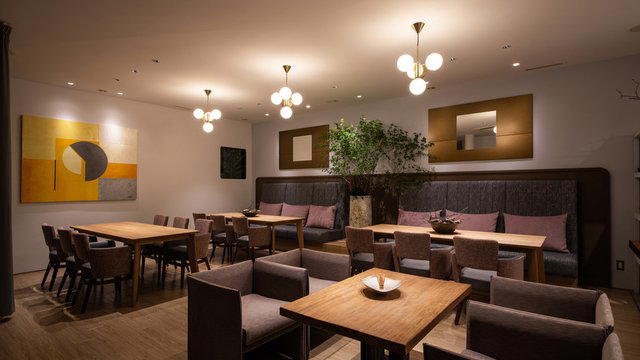
At a Glance
- Modern
- Elegant
- Intimate
- Sophisticated
- Minimalist
- Special Occasion
- Date Night
- Open Kitchen
- Sake Program
- Local Sourcing
- Garden
Current opening hours
- Monday
- 12–9:30 PM
- Tuesday
- 12–9:30 PM
- Wednesday
- 12–9:30 PM
- Thursday
- 12–9:30 PM
- Friday
- 12–9:30 PM
- Saturday
- 12–9:30 PM
- Sunday
- 12–9:30 PM
Hours can change for holidays and private events. Last verified .
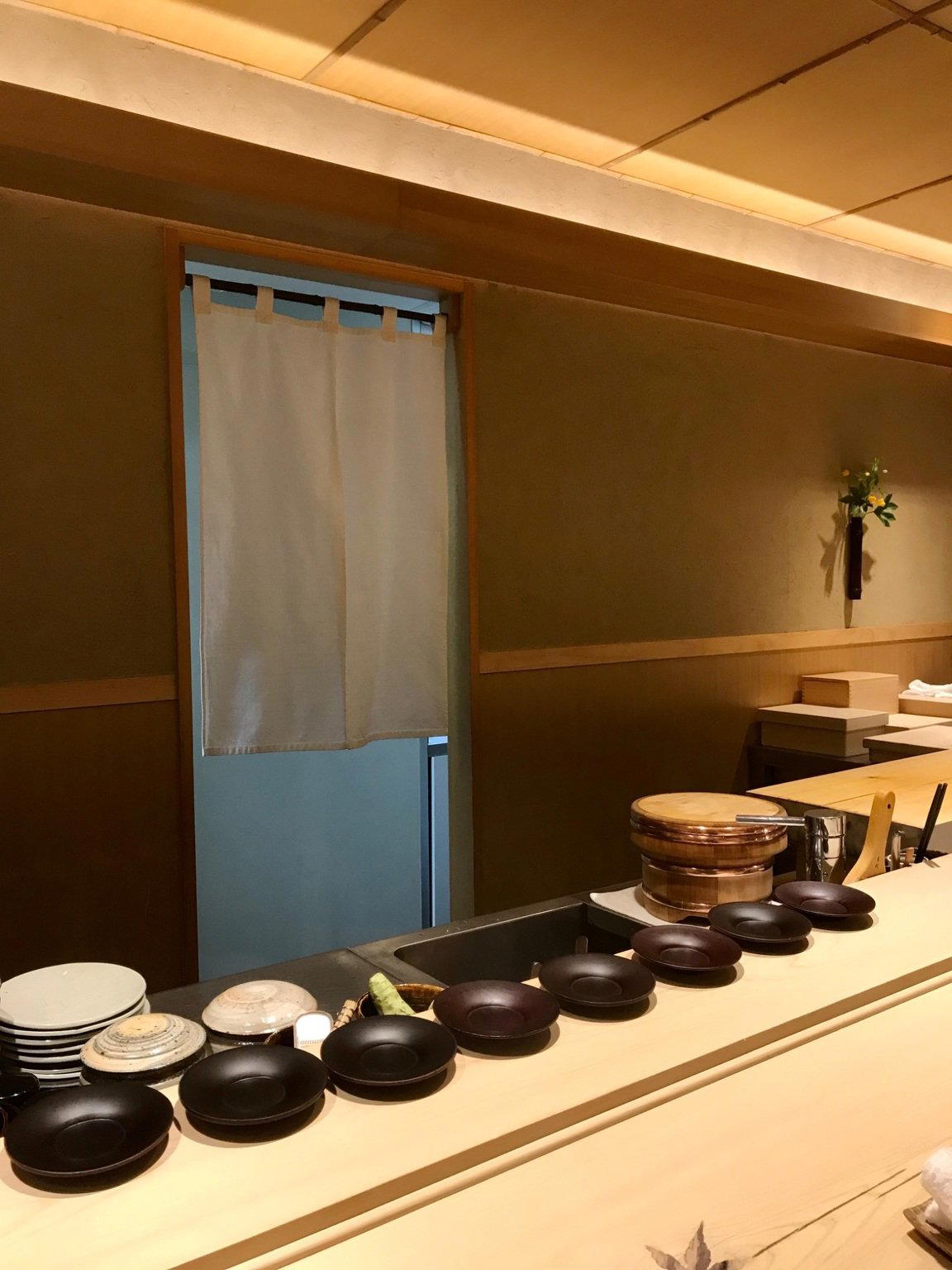
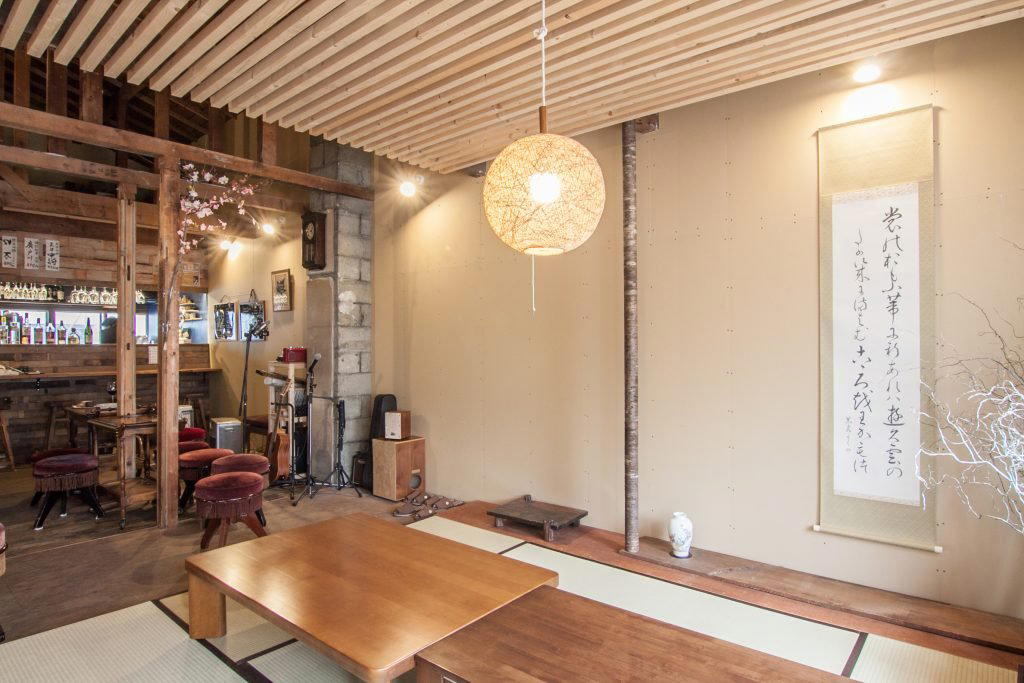
Minimalist modern interior with floor-to-ceiling windows overlooking a serene forest and courtyard, creating a relaxing seasonal atmosphere.