Our verdict
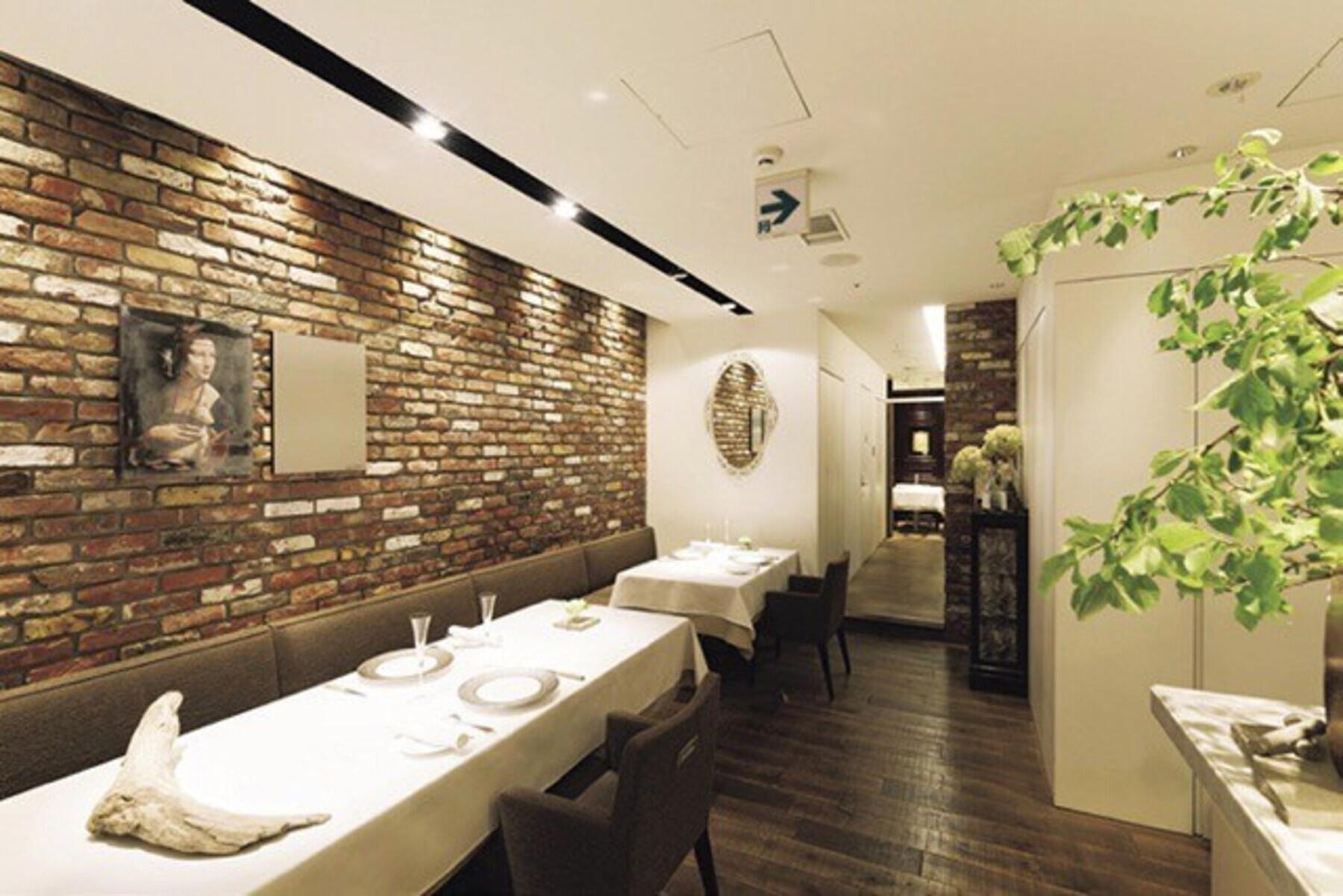
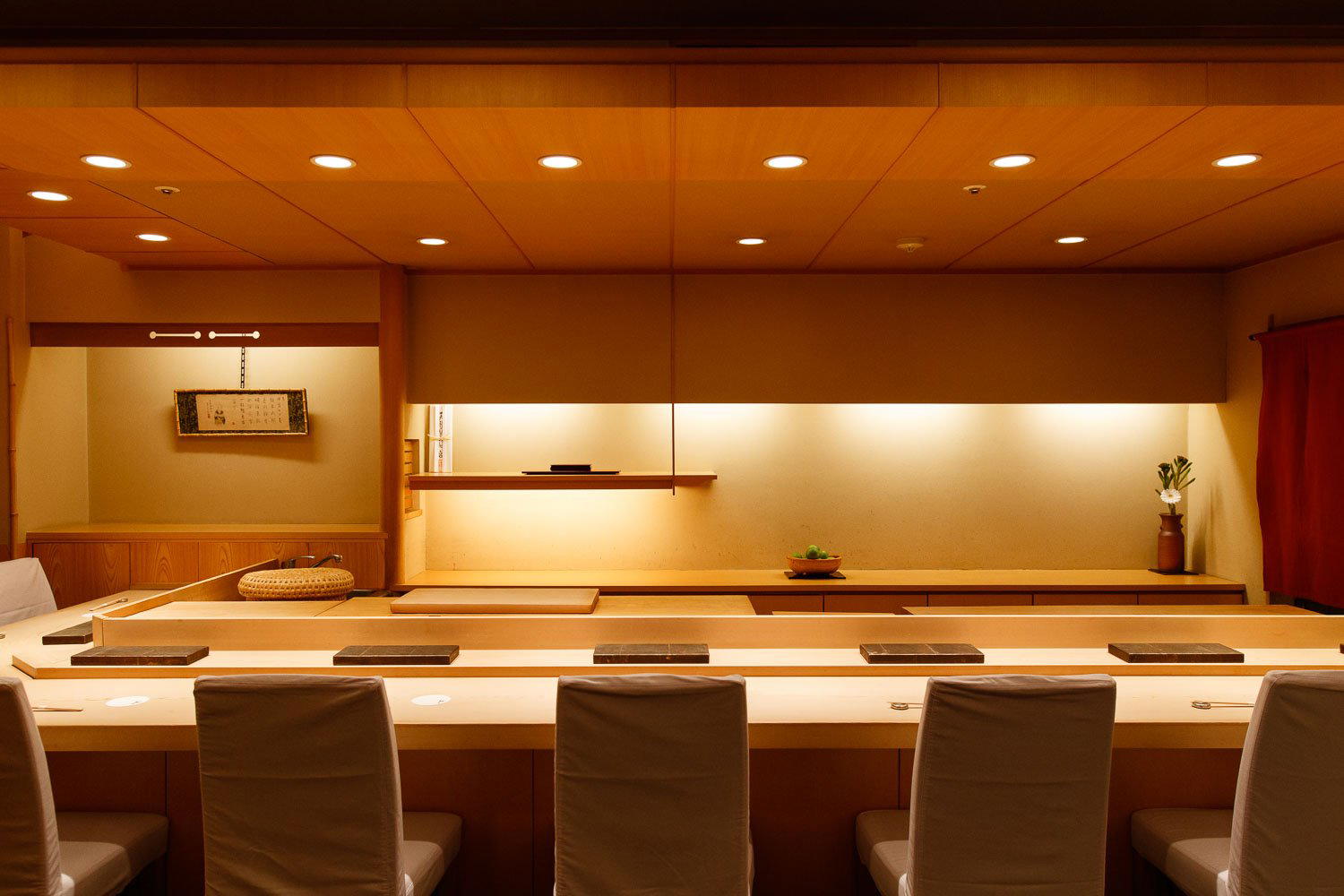
On the fifth floor of a Chuo Ward building in central Sapporo, はなれ味重 occupies the quieter, more considered end of Hokkaido's dining spectrum. The name signals deliberate distance from the mainstream — hanare, meaning a detached room or retreat — and the address places it steps from Susukino, one of Japan's densest entertainment districts, yet atmospherically removed from it. Booking intelligence and local knowledge are the primary tools for getting through the door.

Pearl is the En Primeur Club membership app — saves, bookings, and concierge access live there. Same editors, same standards.
- Address
- Japan, 〒060-0063 Hokkaido, Sapporo, Chuo Ward, Minami 3 Jonishi, 3 Chome−3 5F
- Phone
- +81112616999
- Hours
- Mon–Sat 6–11 PMSun Closed
- Website
- gdiningsapporo.com
- Directions
- Get directions
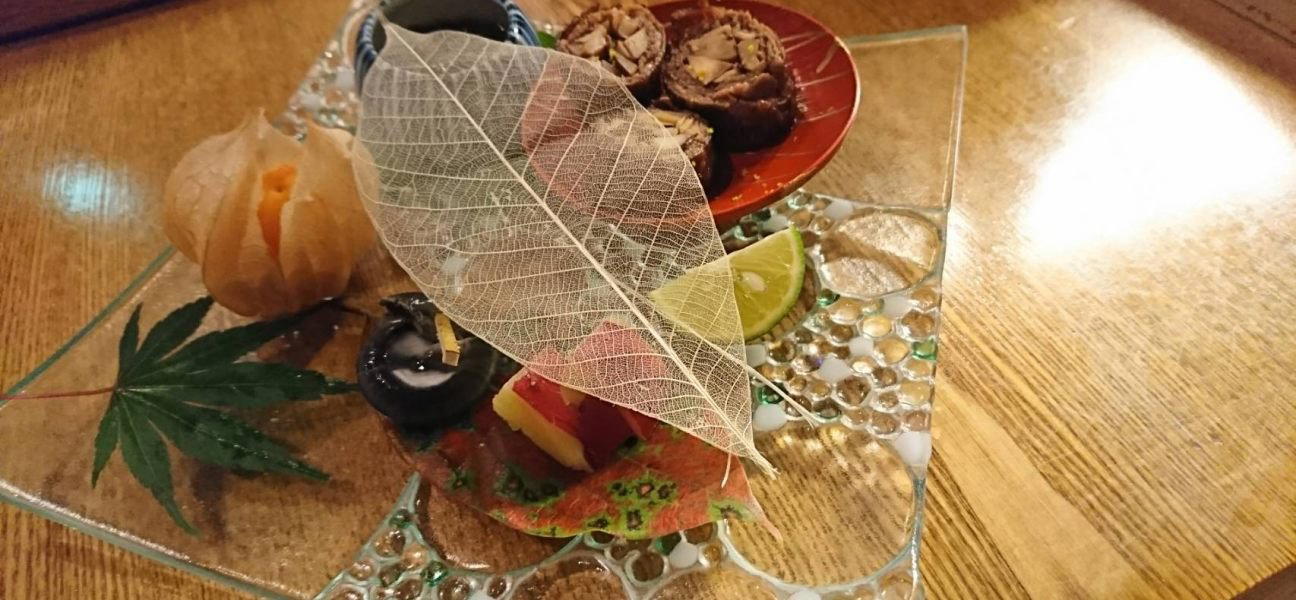
Finding Distance in the Middle of Sapporo
Sapporo's dining character is shaped by two competing forces: the city's raw ingredient abundance — Hokkaido produces some of Japan's most prized seafood, dairy, and produce — and the commercial density of Susukino, the entertainment district that dominates Chuo Ward's lower grid. The restaurants that earn the most sustained local regard tend to resolve that tension by placing themselves geographically inside the noise and atmospherically outside it. はなれ味重, on the fifth floor of a building near Minami 3 Jo Nishi 3-chome, is structured around exactly that logic. The name itself, hanare, meaning a detached annexe or private room, signals intent before you arrive. Fifth-floor dining rooms in Japanese cities function differently from street-level ones: the elevator ride creates a psychological threshold, and by the time the doors open, the room has already done part of its work.
Chuo Ward contains the highest concentration of serious dining in Sapporo, from the kaiseki rooms near Tanukikoji to the sushi counters clustered around Susukino. Within that concentration, venues on upper floors of mid-block buildings occupy a specific niche: they are not flagging for walk-in traffic, which means their clientele is largely pre-committed, and the atmosphere carries a corresponding level of quiet intent. For context on how Sapporo's premium dining grid is arranged, our full Sapporo restaurants guide maps the key neighbourhoods and dining tiers across the city.
The Booking Question
The editorial angle most useful to a first-time visitor here is logistical, not descriptive. With venue-specific booking data unavailable in the public record, the practical approach follows the pattern common to serious smaller restaurants in Hokkaido's capital: contact is typically by phone or in-person inquiry, reservation windows are shorter than the major omakase counters but tighter than casual restaurants, and walk-in availability is the exception rather than the rule, particularly on weekends and during Hokkaido's peak travel seasons.
Sapporo draws the heaviest inbound traffic between June and August (the summer festival and lavender season) and December through February (ski season feeding from Niseko and the Snow Festival in early February). Restaurants in Chuo Ward that operate at this price and format tier generally see compression in availability during both windows. If visiting during either period, the practical approach is to contact the venue as early as possible in your planning sequence rather than treating it as a same-week decision. This mirrors the booking discipline required at comparable addressed venues across Japan's regional cities, the Hanakoji Sawada (Kaiseki) counter in Sapporo, for instance, operates on a similarly invitation-adjacent basis that rewards early planning.
Where はなれ味重 Sits in Sapporo's Dining Tier
Sapporo's serious restaurant scene is not as internationally legible as Tokyo or Kyoto, but it operates on a similar structural logic: a thin upper tier of destination-level rooms, a thicker middle tier of technically accomplished specialists, and a broad base of casual Hokkaido comfort eating. The upper tier is anchored by venues with Michelin or international recognition, including Arima (Sushi), which holds Michelin standing, and kaiseki operations that draw on the same Hokkaido seasonal ingredient calendar that defines fine dining across the island.
That is a common positioning for serious Japanese dining venues that prioritise local regulars over tourist footfall, a structural choice, not a limitation. Comparable positioning appears at Higebozu and Hidetaka in the same city, and at a broader set of regional Japanese addresses that have chosen depth over reach. Nationally, the dynamic is visible at venues like Goh in Fukuoka and Gion Sasaki in Kyoto, where the room's reputation circulates primarily through word of mouth and local knowledge rather than international guide placements.
Hokkaido's Ingredient Advantage and What It Means for the Table
Hokkaido accounts for a disproportionate share of Japan's agricultural and seafood output: uni from Rishiri and Rebun islands, hairy crab from the Okhotsk Sea, Wagyu from Kamishihoro, dairy and lamb from the central plains, and a spring-to-autumn vegetable calendar that changes the table more visibly than in any other major Japanese city. Restaurants that take that ingredient base seriously, particularly those operating in smaller, more deliberate formats, tend to build menus around what is available that week rather than what is fixed on a printed card.
This is the seasonal discipline that distinguishes the best of Hokkaido's dining from its mainland peers. At venues like aki nagao in Sapporo, the Hokkaido ingredient calendar drives menu construction in ways that reward repeat visits across the year. The same logic applies to how you should time a visit to any serious Sapporo dining address: spring brings sansai mountain vegetables and early sea urchin; autumn is the crab and salmon season; winter compresses the ingredient palette but intensifies what remains. Visiting in February, during Snow Festival week, means you are competing with the city's highest annual foot traffic for a smaller pool of reservation slots.
Placing This in a Broader Japan Context
For readers building a Japan itinerary that extends beyond Sapporo, the comparison set is instructive. The tier of deliberate, locally embedded Japanese restaurants that require planning and local knowledge to access extends through the archipelago: Harutaka in Tokyo, HAJIME in Osaka, and akordu in Nara each sit in this conversation in their respective cities, venues where the booking process is as much a signal of the experience level as the food itself. Internationally, the discipline of planning around destination dining, rather than discovering it on arrival, is the approach that structures visits to places like Le Bernardin in New York City and Atomix in New York City. The logic transfers: at a certain tier, the reservation is the first act of the experience.
Planning Your Visit
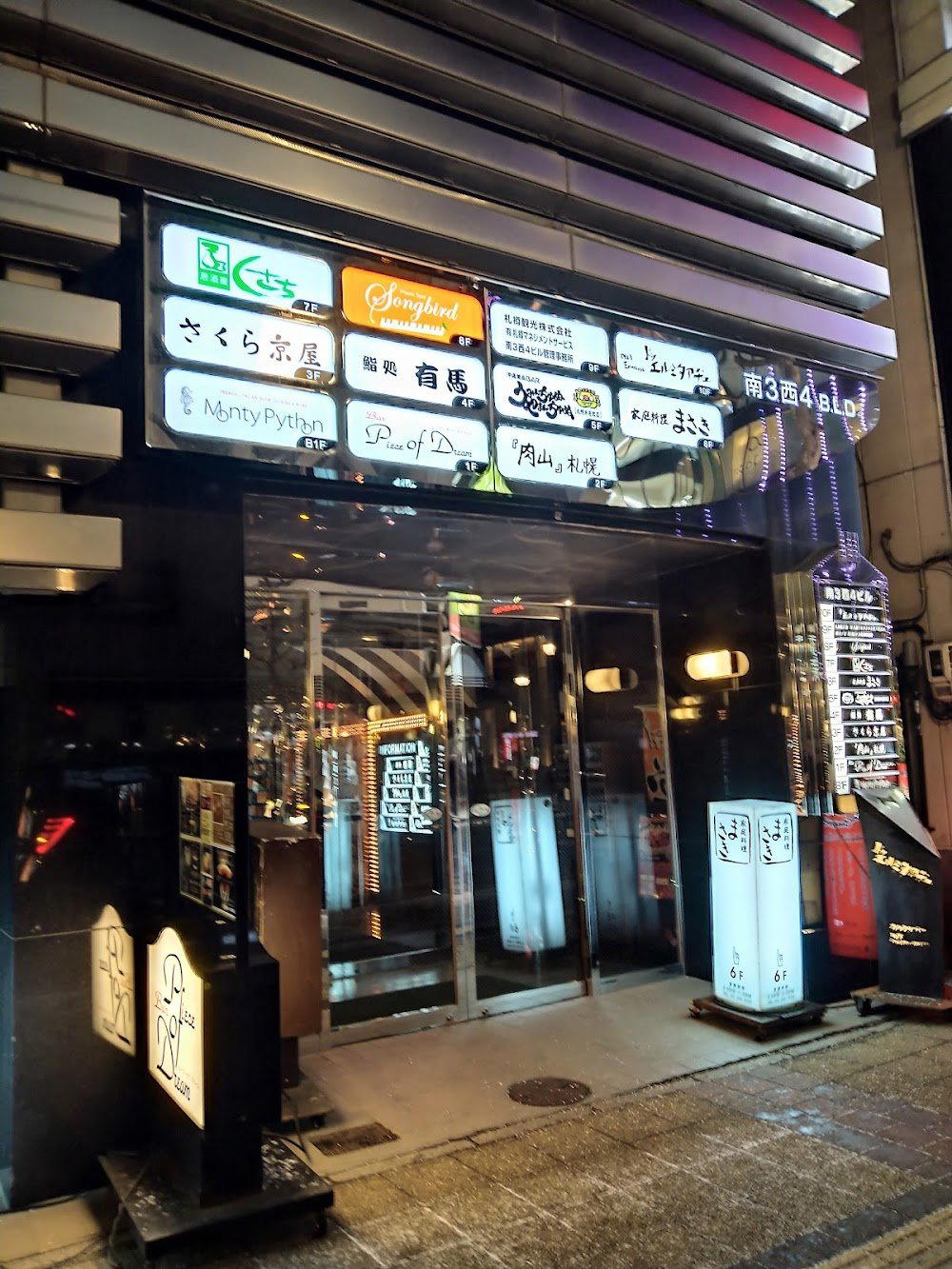
はなれ味重 is located at 3-3 Minami 3 Jo Nishi, Chuo Ward, Sapporo, a Chome address that places it in the commercial core, accessible from Susukino Station on the Namboku Line or Odori Station within a short walk. The fifth-floor location means the entrance is not street-visible, so confirming the building and floor in advance is worth the step. Visitors planning a broader Sapporo dining sequence should treat this alongside comparable addresses, Hanakoji Sawada, Arima, as part of an advance-planned block rather than a flexible add-on.
Frequently asked questions
Does はなれ味重 work for a family meal?
はなれ味重 is located on the 5th floor of a building in Sapporo's Chuo Ward, a setting that typically signals an intimate, adult-oriented dining room rather than a casual family environment. The commercial core address near Susukino is convenient, but the format appears oriented toward composed, deliberate dining.
What's the vibe at はなれ味重?
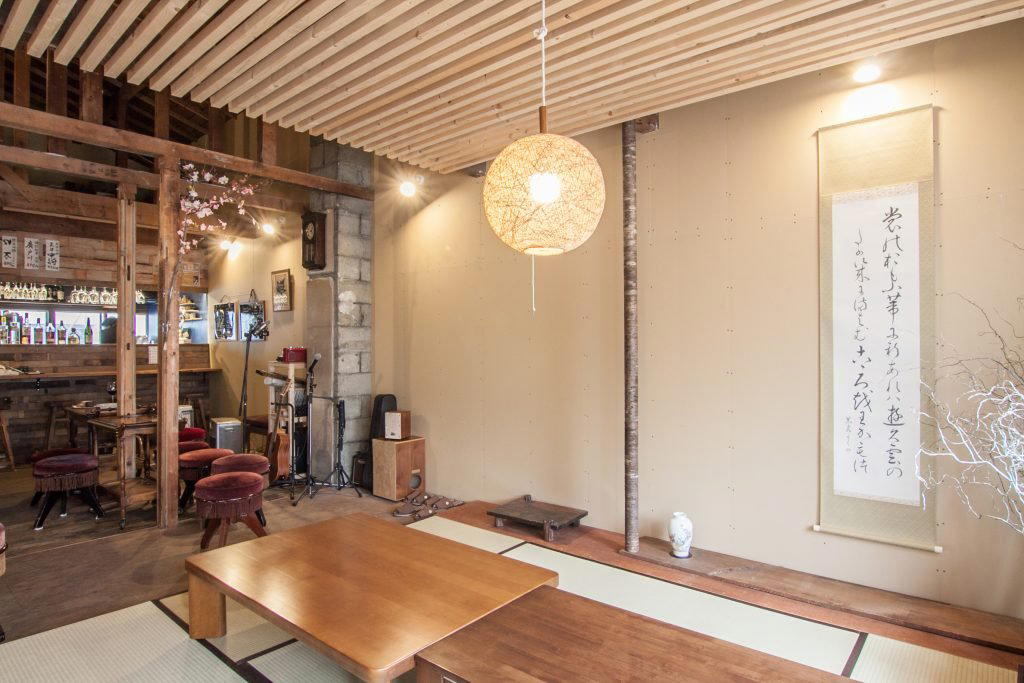
The name はなれ (hanare) translates loosely to 'detached space' or 'retreat,' which signals intentional separation from street-level noise — a common architectural choice among Sapporo's more considered dining rooms. A 5th-floor Chuo Ward address reinforces that sense of remove from the commercial bustle below.
Where exactly is はなれ味重 in Sapporo, and how do I get there?
はなれ味重 is on the 5th floor at 3-3 Minami 3 Jo Nishi, Chuo Ward, Sapporo — a central Chome address within walking distance of Susukino Station on the Namboku and Toei subway lines. The Chuo Ward placement puts it in the heart of Sapporo's commercial and dining core, where the majority of the city's upper-tier restaurants are concentrated. Look for the building entrance rather than street-level signage, as fifth-floor venues in this district rarely advertise at grade.
What's the must-try dish at はなれ味重?
What is clear is that the restaurant operates within Hokkaido's ingredient ecosystem, which means the surrounding supply of seafood, dairy, and seasonal produce from one of Japan's most productive agricultural regions likely shapes what arrives at the table. Confirming the current menu directly with the venue is the most reliable approach.
What's the address for はなれ味重?
はなれ味重 is located at Japan, 〒060-0063 Hokkaido, Sapporo, Chuo Ward, Minami 3 Jonishi, 3 Chome−3 5F, Sapporo.
Is はなれ味重 reservation-only?
The 5th-floor Chuo Ward location and the positioning within Sapporo's deliberate dining tier suggest walk-in availability may be limited, particularly on weekends.
Peers in This Market
Comparable venues nearby, for context on price, style, and recognition.
| Venue | Cuisine | Price | Awards | Notes |
|---|---|---|---|---|
| はなれ味重This venue — the venue you are viewing | Traditional Kaiseki | $50–100 | Not listed | Not listed |
| 日本料理 潤花 | Traditional Japanese Kaiseki | Not listed | Not listed | Chūō |
| ç°ä¹ é® | Traditional Japanese Omakase | Not listed | Not listed | Chūō |
| Dosan Youniku Kappou Lamb Pirika | Japanese Lamb Kappou | $50–100 | Tabelog 100 #97 | Chūō |
| 鮨菜 和喜智 | Traditional Hokkaido Omakase | $200–300 | Tabelog Bronze #432 | Chūō |
| Kin Zushi | Traditional Sapporo Sushi Counter | $50–100 | Tabelog 100 #12 | Chūō |