
Tonkatsu Meguro Kogane belongs to Tokyo’s serious everyday tonkatsu tier: counter-led, compact, and recognized by Tabelog 100 Tonkatsu in 2021, 2022, 2024, and 2026. Its Meguro Station setting matters, placing a specialist pork-cutlet meal inside a commuter district rather than a destination dining enclave.
Pearl is the En Primeur Club membership app — saves, bookings, and concierge access live there. Same editors, same standards.
- Address
- Japan, 〒141-0021 Tokyo, Shinagawa City, Kamiosaki, 3 Chome−3−4 平井ビル 1F
- Phone
- +81 3-6450-2984
- Website
- tonkatsu-kogane.jp
 Saves & bookings on Pearl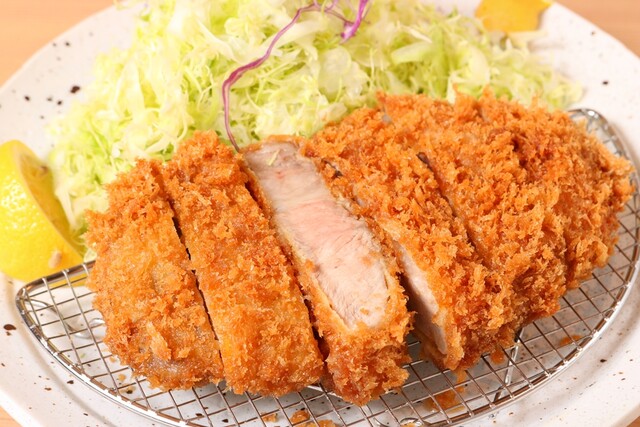
Meguro’s east side does not announce itself with theatre. Office workers, station traffic, apartment blocks, and small ground-floor dining rooms set the rhythm. In that context, tonkatsu has a particular Tokyo usefulness: it is structured, filling, technically demanding, and quick enough to sit between errands without feeling casual in the careless sense. Tonkatsu Meguro Kogane fits that pattern, a compact pork-cutlet specialist where the appeal is not spectacle but discipline within a neighbourhood that values efficiency.
Tokyo has long treated tonkatsu as a serious single-subject cuisine. The format looks simple from a distance, breaded pork with rice, cabbage, sauce, and soup, but the category rewards control: meat selection, breading, frying temperature, resting time, and service pace all matter. Recognition on Tabelog 100 Tonkatsu in 2021, 2022, 2024, and 2026 places this address inside a curated national conversation about the genre, not merely among convenient station restaurants.
Meguro gives the tonkatsu counter a commuter-district edge
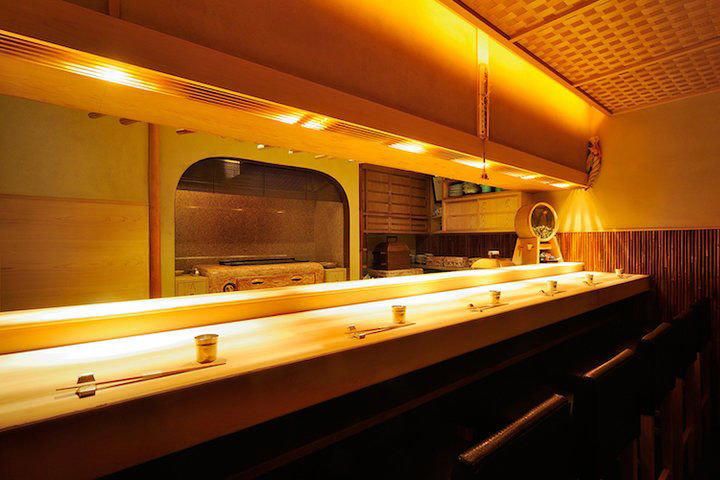
Location shapes the meal here. Meguro is not Ginza’s high-spend sushi corridor or Ebisu’s dinner-heavy social circuit; it is a practical interchange with enough residential density to support focused restaurants that regulars can fold into the week. That makes the tonkatsu counter feel less ceremonial than omakase, but not less exacting. The room’s small scale and counter seating put the cooking process close to the diner, which suits a cuisine where timing is the point.
The comparison within Tokyo is useful. Yakitori specialists such as 124. KAGURAZAKA (Yakitori), 12/10 Shinjuku ten, Yakitori Abe, and Tori-Shiki build meals around skewers, pacing, smoke, and chef-controlled sequence. Tonkatsu is a different contract: the decision is narrower, the plate lands as a set, and the judgment is concentrated in one central cutlet. Meguro’s version of this experience suits diners who want the craft of a specialist counter without committing the evening to a longer tasting format.
That narrowness is part of the genre’s strength. Tokyo diners often separate categories with precision: curry houses, udon rooms, yakitori counters, sushi bars, and tonkatsu shops each carry their own expectations. Konpira Chaya operates in a similar everyday price tier, while a restaurant such as Ristorantino Rubero belongs to a higher spend bracket and a different dining grammar altogether. Tonkatsu Meguro Kogane sits in the lane where repeatability, speed, and consistency are the measures that matter.
The plate is about pork, frying, and restraint rather than menu theatre
The defining idea is tonkatsu as a focused craft rather than a broad Japanese menu. The listed categories are tonkatsu, cafeteria, and bento, with sake also noted, but the gravitational center is pork cutlet. This matters because Tokyo has many restaurants that serve fried items as part of a wider offering; specialist tonkatsu houses are judged more closely. A 3.65 Tabelog score and repeated Tabelog 100 Tonkatsu selections indicate that the restaurant has cleared the category’s demanding local filter.
There is no need to dress this up as luxury. The value lies in a format that turns a modest dish into a technical test. In a city where high-end dining can become a race for scarcity, a disciplined tonkatsu counter offers another kind of seriousness: a short menu logic, a limited room, and an expectation that the kitchen’s work is visible in texture, temperature, and pacing rather than in rare ingredients or theatrical plating.
The bento element also says something about place. In Tokyo, boxed lunches are not an afterthought when a kitchen’s main product travels well enough to serve office and home routines. Bento reservations are accepted by phone, which ties the restaurant to the neighbourhood’s daily patterns as much as to destination dining. For visitors, that is the more interesting reading: this is not a restaurant built only for itineraries, but one that makes sense because Meguro has the weekday demand to sustain it.
How to place it in a Tokyo eating itinerary
The smart use case is targeted, not sprawling. This is a focused stop for diners who care about Japanese comfort food at specialist level and want a meal near a major station without drifting into chain convenience. It pairs well with a day that already passes through Meguro, Shirokanedai, Ebisu, or Gotanda, rather than requiring a cross-city detour solely for lunch or dinner.
For a broader Tokyo food plan, treat this as one category marker among several. Compare its single-dish concentration with seafood-led casual dining such as . 鮪と炭火焼き うお炭 秋葉原店, curry-focused rooms such as 3 Chome no Curry Ya San, and visual café culture at 2D Cafe. The point is not to rank them against one another; it is to understand how Tokyo rewards narrow specialization across price levels and neighbourhoods.
Readers building a wider route can use Our full Tokyo restaurants guide alongside Our full Tokyo hotels guide, Our full Tokyo bars guide, Our full Tokyo wineries guide, and Our full Tokyo experiences guide. For context beyond Tokyo, compare how single-subject Japanese dining travels through -Grilled beef Sukiyaki- KAMAKURA TANUKIAN 鎌倉 たぬき庵 in Kamakura.cafe in Osaka.know in Kumamoto, (Shoku) Vietnam in Kawasaki, [Curry Senmon Ten] Maruyama Kyoju. in Sapporo, and [ki:] in Kyoto. Outside Japan, Jōdo Saké Bar in Los Angeles and Onigiri Time in Pasadena show how Japanese formats shift when removed from their native daily-use setting.
Fast Comparison
Comparable venues side-by-side for orientation.
| Venue | Cuisine | Price | Notes |
|---|---|---|---|
| Tonkatsu Meguro KoganeThis venue — the venue you are viewing | Traditional Tonkatsu (Hayashi SPF Pork) | $$ | Not listed |
| たんたん亭 本店 | Traditional Japanese Ramen | $$ | Hamadayama |
| Toyama Shiroebitei (富山白えび亭) | Toyama White Shrimp Tempura Bowls | $$ | Marunouchi |
| Kinozen | Traditional Japanese Sweets | $$ | Kagurazaka |
| Yukinoshita Pancake | Japanese Thick Pancakes & Shaved Ice | $$ | Ginza |
| Tonkatsu Ouryu | Tonkatsu specialist | $$ | Minato |
Recognition history
Dated appearances from independent guides and award organizations, with the underlying list record or original source where available.
Tabelog 100 #2 · No. 2
Tabelog · Tabelog 100 - Tonkatsu - 2026










At a Glance
- Cozy
- Classic
- Solo
- Family
- Casual Hangout
- After Work
- Group Dining
- Standalone
- Local Sourcing
Current opening hours
- Monday
- 11 AM–2 PM, 5:30–9 PM
- Tuesday
- 11 AM–2 PM, 5:30–9 PM
- Wednesday
- 11 AM–2 PM, 5:30–9 PM
- Thursday
- 11 AM–2 PM, 5:30–9 PM
- Friday
- 11 AM–2 PM, 5:30–9 PM
- Saturday
- 11 AM–2 PM, 5:30–9 PM
- Sunday
- 11 AM–2 PM, 5:30–9 PM
Hours can change for holidays and private events. Last verified .
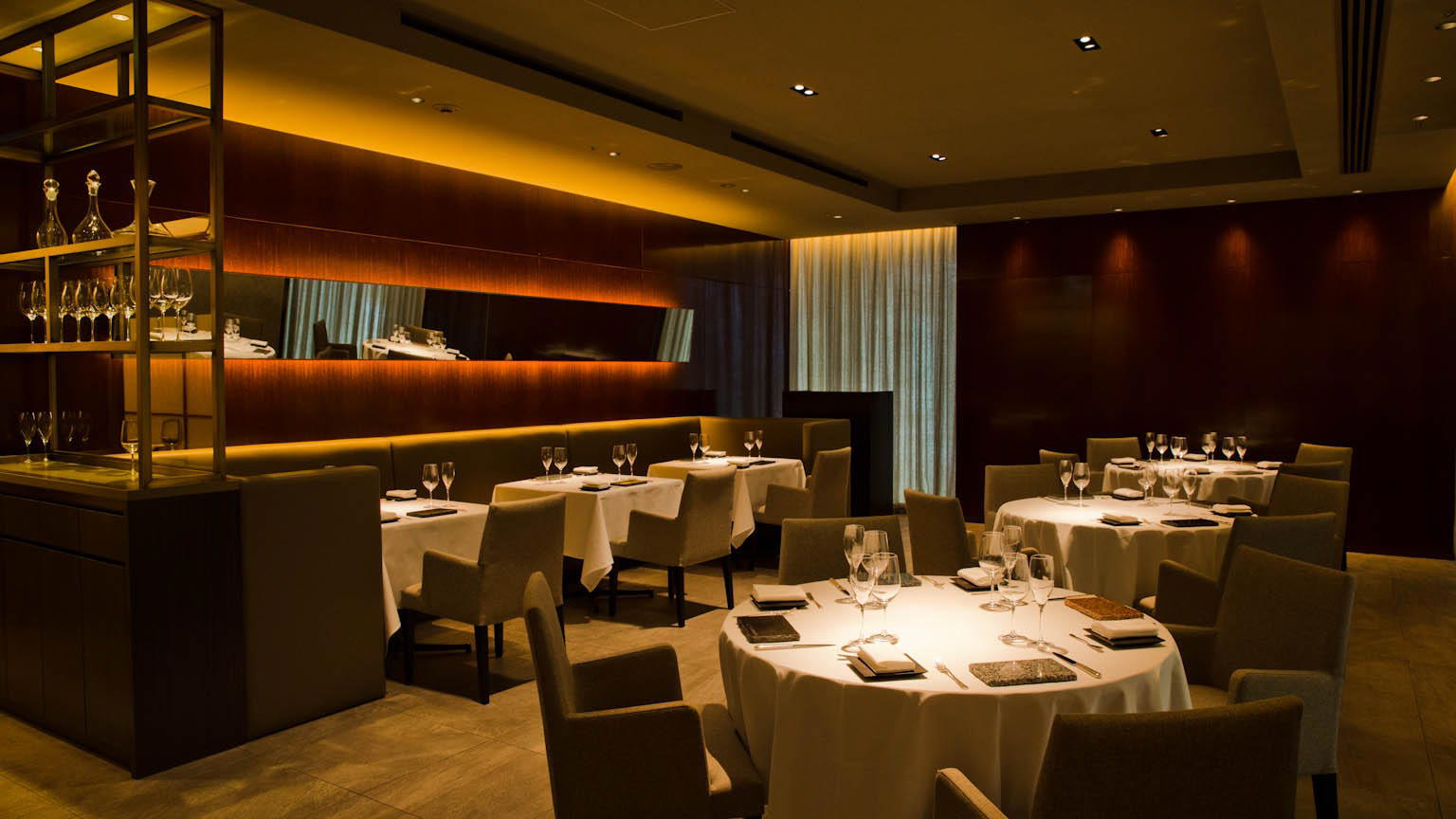
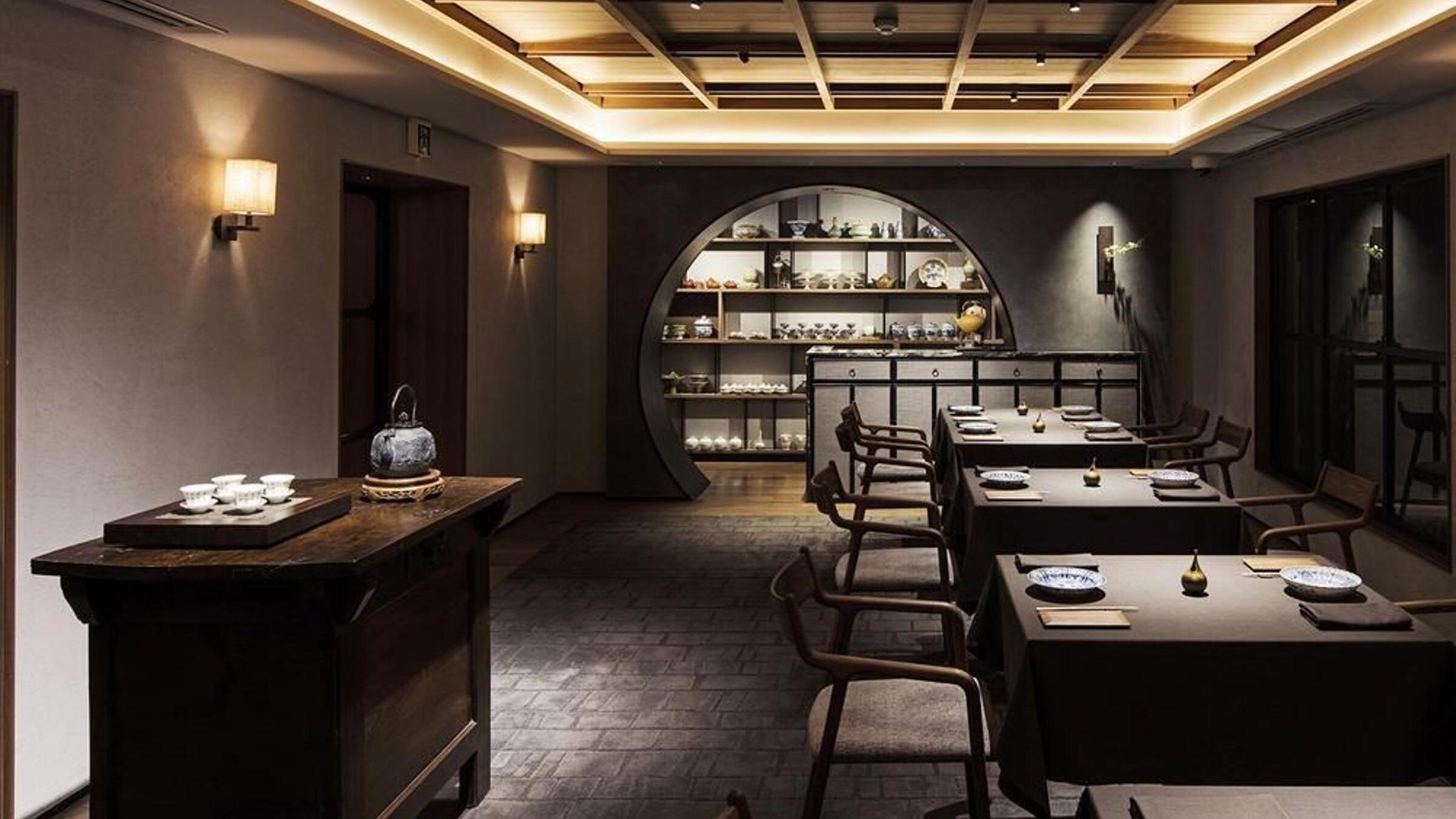
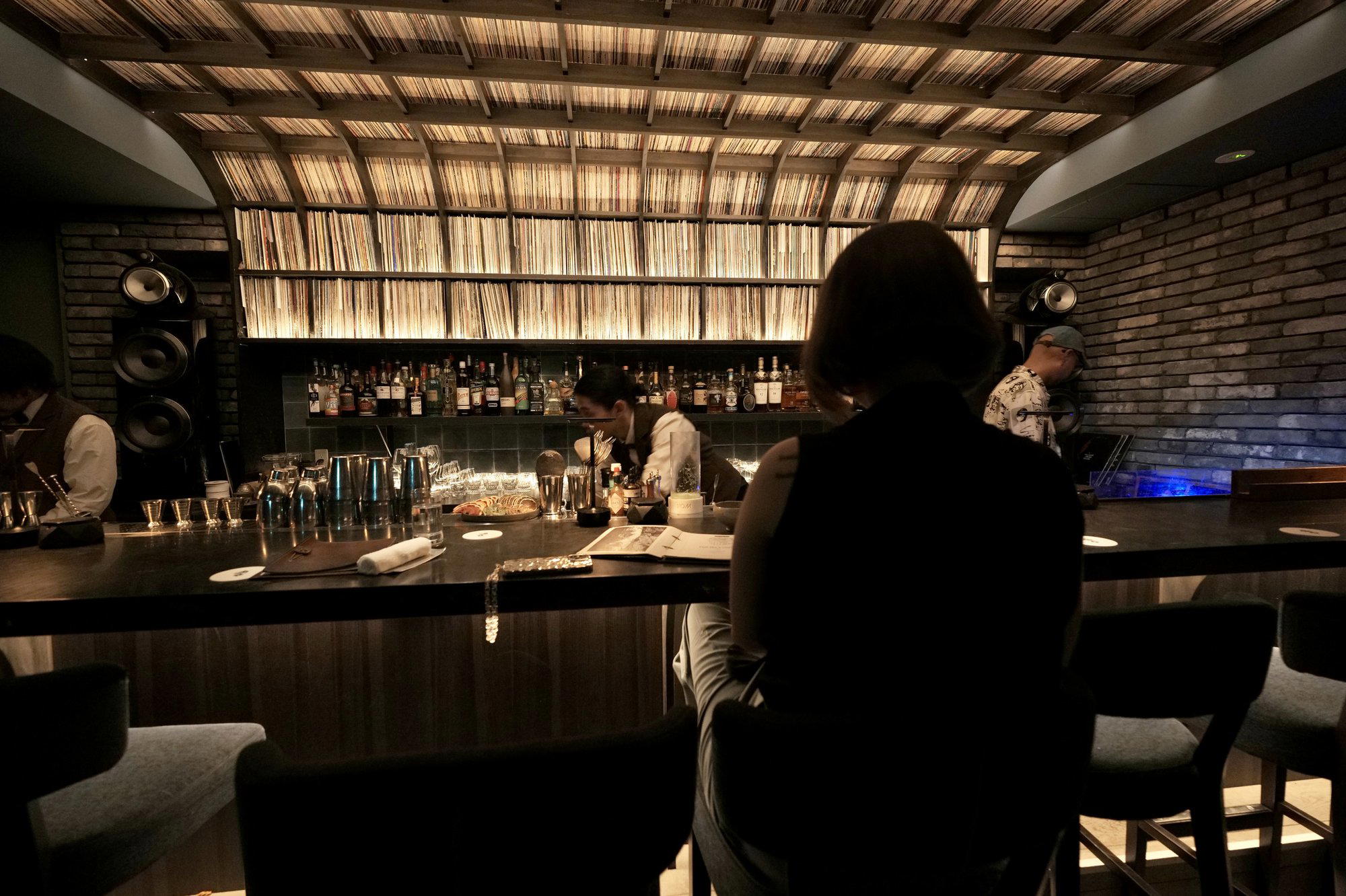
Simple, relaxed counter-focused tonkatsu shop with a long, narrow interior; JAZZ plays in the background and the space feels warmly lit, casual, and comfortable rather than formal.