Google: 4.4 · 150 reviews

ラ・トゥーエル occupies a second-floor address in Kagurazaka, Shinjuku City, placing it within one of Tokyo's most historically layered dining districts. The restaurant sits in a neighbourhood where French culinary tradition has put down unusually deep roots in Japan, making it a reference point for understanding how Western technique and local sensibility have converged over decades in this city.
Pearl is the En Primeur Club membership app — saves, bookings, and concierge access live there. Same editors, same standards.

Kagurazaka and the Long Arc of French Cooking in Tokyo
Few neighbourhoods in Tokyo carry the same Franco-Japanese freight as Kagurazaka. The district's association with French cuisine dates to the postwar decades, when the area's cobblestone lanes and ryotei culture attracted a different kind of restaurateur: one drawn to the overlap between French precision and Japanese seasonal discipline. That convergence, now so common across the city that it barely registers as a concept, was genuinely experimental here first. ラ・トゥーエル, located on the second floor of the Borgo Ōjime building at 6-8 Kagurazaka, Shinjuku City, operates inside that tradition and is leading understood through it.
The address itself does editorial work. A second-floor room on a Kagurazaka side street is not the staging ground for spectacle dining. It signals a different compact with the guest: the kind of deliberate understatement that Tokyo's French mid-tier has long used to separate itself from the hotel dining rooms and Roppongi showpieces that occupy a noisier register. Compare this positioning to the high-visibility French addresses elsewhere in the city, and the Kagurazaka room reads as a studied choice rather than a constraint.
How the French Category Has Shifted Around It
To understand where ラ・トゥーエル sits today, it helps to map what has happened to French dining in Tokyo across the past two decades. The category once sorted cleanly into Michelin-starred formal houses and casual bistros, with relatively little in between. That middle has since fragmented significantly. Chefs returning from stages in France, or trained under alumni of the grandes maisons, began opening tighter, more personal rooms, many of them in residential or mixed-use districts rather than hotel towers. Kagurazaka absorbed a disproportionate number of these openings, partly because rents allowed it and partly because the neighbourhood's existing French identity gave new addresses a ready context.
The comparison set for a Kagurazaka French room today is genuinely wide. At the formal end, L'Effervescence and Sézanne hold Michelin recognition and operate at price points that place them in a different conversation. Crony represents the innovative-French tier, where technique is present but the format is deliberately less ceremonial. ラ・トゥーエル's positioning relative to these addresses depends on details, including price, format, and seat count, that the current record does not confirm. What the address and building type do suggest is a room calibrated for regulars rather than destination diners arriving on a single visit.
The Evolution Question: What Changes and What Holds
The editorial angle that matters most for any established Kagurazaka room is evolution: specifically, how the kitchen has responded to three distinct pressures that have reshaped French dining in Japan since the 2000s. The first pressure is ingredient nationalism, the gradual shift toward Japanese producers supplying French kitchens with domestic proteins, dairy, and vegetables rather than imported European goods. The second is technique hybridisation, where kaiseki sequencing logic, Japanese knife work, and dashi-based saucing have entered French menus not as novelty but as structural elements. The third is format compression, the move from multi-course ceremonial dining toward shorter, more flexible menus that accommodate Tokyo's working schedule.
How any individual restaurant has moved through these three pressures tells you more about its current direction than a static description of its menu ever could. Rooms that resisted hybridisation and held to classical French orthodoxy occupy one position in the market. Rooms that absorbed all three pressures now look quite different from their founding formats, sometimes to the point where the French label functions more as a lineage claim than a live description. For context on how high-end Japanese kitchens have approached similar evolution questions, RyuGin in Roppongi and Harutaka at the sushi counter offer useful reference points, though from different genre positions entirely.
Beyond Tokyo, the evolution dynamic plays out differently in other Japanese cities. HAJIME in Osaka and Gion Sasaki in Kyoto represent the Kansai region's distinct approach to French-Japanese synthesis, one where the kaiseki structural influence is often more overt. Goh in Fukuoka shows how a regional city can develop its own inflection of the genre. Even in smaller markets, the pressure to define a kitchen's relationship to French tradition is evident: akordu in Nara approaches it from a Basque angle. For a national picture, the range of Japanese fine dining is further illustrated by addresses including 一本杉川島制 in Nanao, 古々路山乃 in Sapporo, 湖畔荘 in Takashima, and 蔵羽屋 in Nishikawa Machi. International reference points for the French fine dining tier more broadly include Le Bernardin in New York City and, for a Korean-inflected take on the tasting menu format, Atomix in New York City. Regional Japanese dining in less-discussed categories also surfaces at Birdland in Sakai and Bistro Ange in Toyohashi.
Placing This Restaurant in the Current Tokyo Picture
Kagurazaka's French identity is not static. The neighbourhood has seen closures, format shifts, and new openings at a pace that reflects Tokyo's broader dining churn. Rooms that were considered defining addresses a decade ago have either closed, relocated, or pivoted toward more casual formats. The ones that persist tend to do so because they have accumulated a regular clientele that returns on a frequency that commercial dining in most other cities would consider unusual. That loyalty dynamic is worth understanding before visiting: a Kagurazaka French room that has been operating for several years is likely doing so because its kitchen has built something the neighbourhood's residents value in a specific, repeated way, not because it is optimised for one-off visits from out-of-town diners.
For a fuller orientation to where ラ・トゥーエル fits within Tokyo's broader dining offer, the EP Club Tokyo restaurants guide maps the city's key dining districts and price tiers in detail.
Planning a Visit
Location: 6-8 Kagurazaka, Shinjuku City, Tokyo, second floor of the Borgo Ōjime building. Access: Kagurazaka Station (Tokyo Metro Tozai Line) is the nearest rail access, with Iidabashi Station (JR, Yurakucho, Namboku, and Tozai lines) also within walking distance. Reservations: Specific booking method and lead time are not confirmed in current data; given the neighbourhood format, direct contact or a dining concierge is the standard approach for rooms of this type. Dress: Not confirmed; Kagurazaka French rooms typically expect smart casual at minimum. Budget: Price range not confirmed; use the comparison set above and the district context to calibrate expectations before visiting.
Where the Accolades Land
A quick comparison pulled from similar venues we track in the same category.
At a Glance
- Cozy
- Elegant
- Intimate
- Classic
- Date Night
- Business Dinner
- Special Occasion
- Extensive Wine List
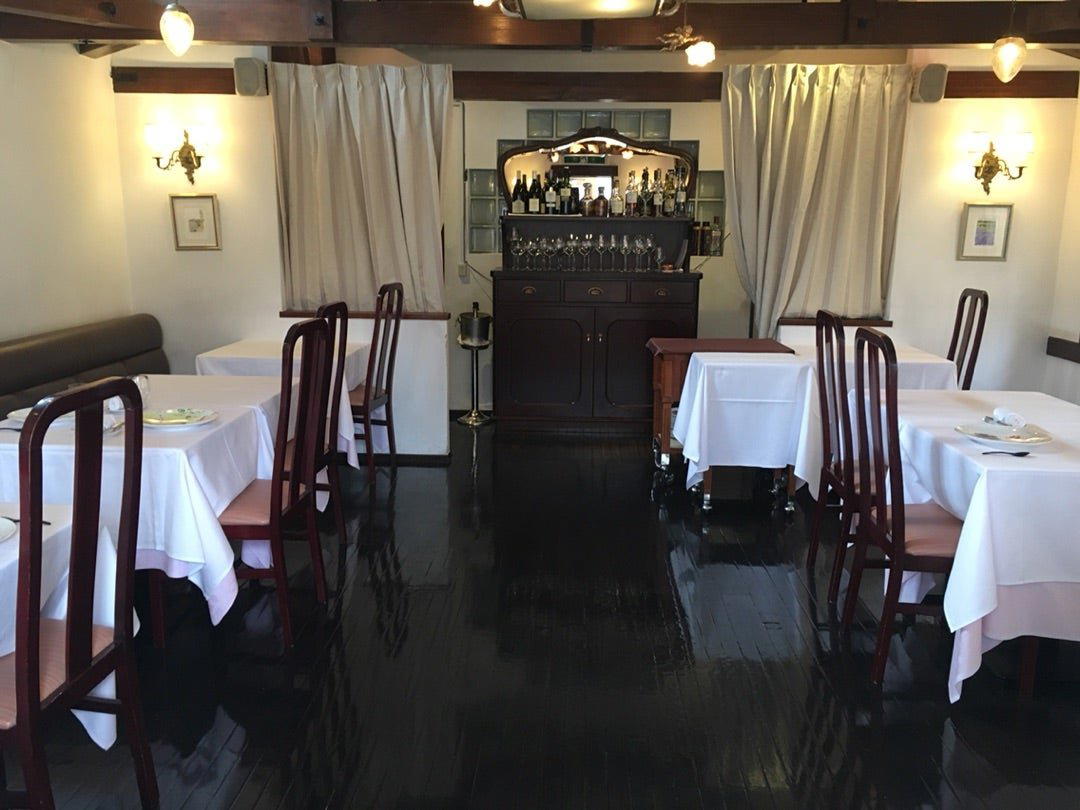
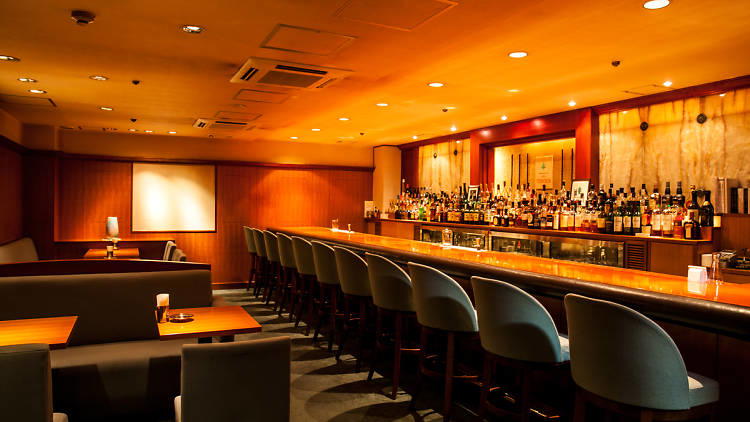
Cozy and relaxing space with a French shop-like interior in a quiet, historic corner of Kagurazaka.