Tabelog 100 #100
Our verdict
ベッキ occupies a ground-floor unit in Chuo Ward's Kego neighbourhood, one of Fukuoka's quieter residential-commercial pockets. With minimal data in the public record, it sits in the city's less-documented dining tier, the kind of address that circulates through local recommendation rather than international press. Visitors planning a meal should confirm details directly before booking.

Pearl is the En Primeur Club membership app, where members save venues, book tables and use the concierge.
Kego and the Quiet Middle of Fukuoka's Dining Map
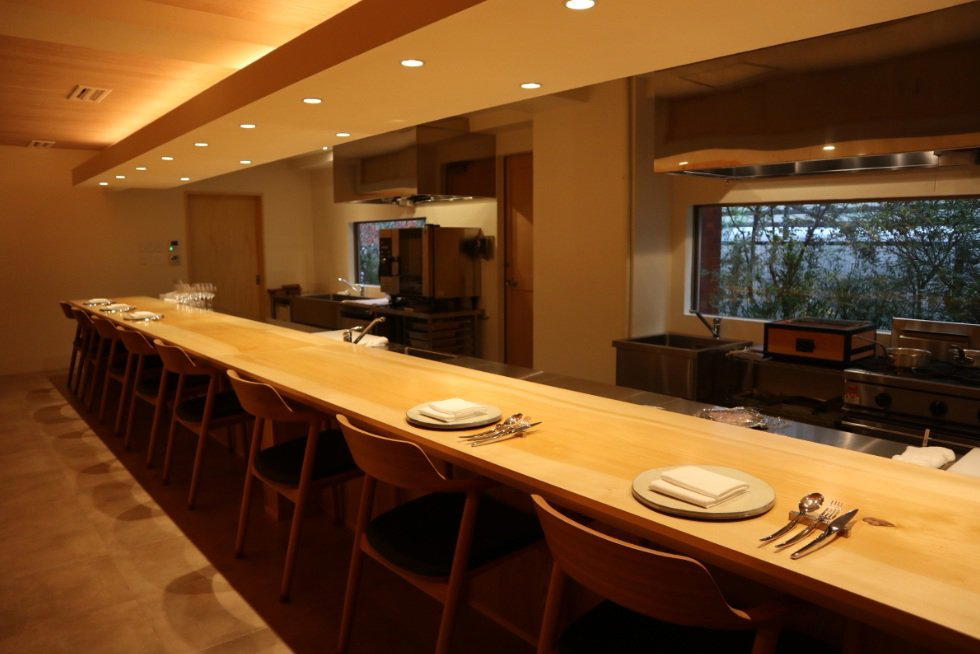
Fukuoka's restaurant conversation tends to cluster at two poles: the Michelin-tracked counters of Hakata and Daimyo, and the ramen and yakitori stalls that define the city's street-level reputation. Between those two poles sits a broader, less-documented tier of neighbourhood restaurants in Chuo Ward's residential grid, addresses that serve a largely local clientele and rarely appear in foreign-language press. ベッキ, located at 2 Chome-2-11 in the Kego district of Chuo Ward, belongs to that middle tier. The building, Shambor Kego 103, is a low-rise residential-commercial structure of the kind common to this part of the ward, a format that in Japan often signals a certain deliberate quietness about the dining experience inside.
Kego sits close to the Akasaka and Tenjin transit corridors, placing it within easy reach of central Fukuoka without being inside the densest part of the commercial core. Restaurants in this band of the ward tend to attract regulars rather than tourists, and their longevity depends more on consistency and personal trust than on awards recognition or social media visibility. That dynamic shapes how diners find them: through local recommendation, repeat visits, and word of mouth rather than through guidebook shortlists.
What the Venue's Position Tells You
In cities like Fukuoka, where dining is genuinely broad and the tier below Michelin visibility can still be substantive, a restaurant's address and format often say more than its public data record does. That is not unusual for this part of Fukuoka, and it is not a mark against the venue, it is a description of how a specific type of Japanese restaurant operates.
For context, consider the spread of Fukuoka's dining options accessible through EP Club's coverage. At the upper end, Goh (French) and Chikamatsu (Sushi) represent Fukuoka's most formally recognized tier. Asago and Beef Taigen (Beef泰元) occupy distinct mid-range positions. Bekk offers another point of comparison in the same broader neighbourhood.
The Team Dynamic at Neighbourhood Scale
In larger, more formally structured restaurants, the interplay between kitchen, floor, and beverage service is an explicit editorial subject. At the scale of a small Kego address, that dynamic compresses: the person taking your order may be the same person who sourced the ingredients, and the distinction between chef and front-of-house can dissolve entirely. This compression is one of the defining qualities of Japan's smaller neighbourhood restaurants, and it produces a different kind of service relationship than you find at a counter with a dedicated sommelier and multiple brigade members.
That model is common across Japan's mid-tier dining scene. At addresses like this, the intelligence that at a larger venue would be distributed across specialists, wine knowledge, menu explanation, pacing, is typically held by one or two people who have developed deep familiarity with their regular guests. The tradeoff is that the experience can feel more personal and less formally curated.
Comparable dynamics appear at addresses across Japan's regional cities. HAJIME in Osaka and Gion Sasaki in Kyoto show what the fully realized version of that integrated team approach looks like at the highest tier. akordu in Nara represents the model at a smaller, more intimate scale, closer to the format that neighbourhood restaurants in residential wards tend to operate. Harutaka in Tokyo demonstrates how a counter format concentrates that team intelligence at the highest level of sushi craft.
Planning a Visit
The practical reality of visiting ベッキ is that publicly available information is limited. That friction is not unusual for this tier of Japanese restaurant, but it is worth accounting for before building an itinerary around the address.
The Kego district is accessible from Tenjin Station and Akasaka Station, both within walking distance, making the location practical once you have confirmed the venue's hours and current operating status. For visitors building a broader Fukuoka itinerary, our full Fukuoka restaurants guide covers the city's dining range with more complete data on venues where booking logistics are confirmed.
For reference on the broader Japanese regional dining scene that contextualizes venues like this, EP Club also covers addresses across the country's less-visited prefectures: 一本木 柏川制 in Nanao, 夕佳亭山之 in Sapporo, 湖邊庵笹 in Takashima, and 庄羽屋 in Nishikawa Machi. Each of those venues illustrates how Japan's regional dining fabric extends well beyond the cities that attract international press coverage.
For travellers whose Fukuoka visit is part of a broader Japanese tour that ends in a long-haul flight, comparison with international fine dining addresses can help calibrate expectations across tiers: Le Bernardin in New York City and Atomix in New York City represent what the most formally structured end of that comparison looks like, while Birdland in Sakai and Bistro Ange in Toyohashi sit closer to the scale of neighbourhood dining that ベッキ appears to represent.
Frequently asked questions
How do I find ベッキ?
ベッキ is located at Japan, 〒810-0023 Fukuoka, Chuo Ward, Kego, 2 Chome−2−11 シャンボール警固 103, Fukuoka.
Where exactly is ベッキ located in Fukuoka, and what does the neighbourhood tell you about the restaurant?
ベッキ is at 2 Chome-2-11 Kego, Chuo Ward, Fukuoka, inside the シャンボール警固 building, unit 103. Kego sits between the commercial density of Tenjin and the residential streets of Yakuin, a zone where Fukuoka's working neighbourhood restaurants operate largely outside the press circuit. That placement, away from the Hakata and Daimyo clusters that attract most dining coverage, is itself a signal about the restaurant's likely scale and audience.
What should I order at ベッキ?
No menu is publicly documented for ベッキ, and the restaurant has no website listing dishes or courses. Given its Kego neighbourhood context in Fukuoka's Chuo Ward, the format is likely compact and kitchen-led. Visiting without a fixed agenda and following the staff's direction is the practical approach here.
Is ベッキ reservation-only?
No booking platform, phone number, or website is currently traceable for ベッキ at its Kego address in Chuo Ward. That absence points toward either walk-in access or word-of-mouth reservation through direct contact. Arriving early or asking a local contact to make an introduction is the most reliable path.
What's the signature at ベッキ?
What the Kego, Fukuoka address does suggest is a neighbourhood-scale operation where a tightly defined daily offering is more common than a broad printed menu. The specifics remain best confirmed on the ground.
Can ベッキ accommodate dietary restrictions?
With no menu, website, or phone number publicly available for ベッキ in Kego, Fukuoka, there is no documented policy on dietary accommodations. Smaller neighbourhood restaurants in Chuo Ward tend to have limited flexibility compared to larger hotel dining rooms. Flagging restrictions before arrival, through whatever contact route you find, is advisable.
Is a meal at ベッキ worth the investment?
What its Kego address in Chuo Ward does indicate is a neighbourhood-scale proposition rather than a high-ticket tasting menu format. The investment is likely modest; the return depends on what you find.
Quick Comparison
Comparable venues nearby, for context on price, style, and recognition.
| Venue | Cuisine | Price | Awards | Notes |
|---|---|---|---|---|
| ベッキThis venue (the venue you are viewing) | Modern Italian Omakase | $100–150 | Tabelog 100 #100 | Not listed |
| KYuNii | Creative Italian with Japanese influences & natural wine | $50–100 | Tabelog 100 #42 | Chūō |
| クッカーニャ | 会員制イタリアン | Not listed | Not listed | Chūō |
| Pizzeria Da Gaetano Yakuin ten | Authentic Neapolitan Pizzeria | $30–50 | Tabelog 100 #54 | Chūō |
| Teppanyaki Sazanka | Teppanyaki & Wagyu at Hotel Okura Fukuoka | $100–150 | Tabelog 100 #97 | Hakata |
| Ristorante Kubotsu | Modern Italian using seasonal Kyushu ingredients | $150–200 | Tabelog 100 #68 | Chūō |
Recognition history
Dated appearances from independent guides and award organizations, with the underlying list record or original source where available.
Tabelog 100 #100 · No. 100
Tabelog · Tabelog 100 - Italian - WEST - 2025