

Tabelog 100 #41
Our verdict
Bekk sits in Kitakyushu's Tanga district, a 12-seat Italian counter that has earned Tabelog Bronze Awards in both 2025 and 2026 alongside selection in the Tabelog Italian WEST 100. The kitchen works with a seasonal Kyushu ingredient framework expressed through Italian technique, with dinner averaging JPY 20,000–29,999. Reservation-only format and a strict cancellation policy signal the seriousness of its kitchen commitments.

Pearl is the En Primeur Club membership app, where members save venues, book tables and use the concierge.
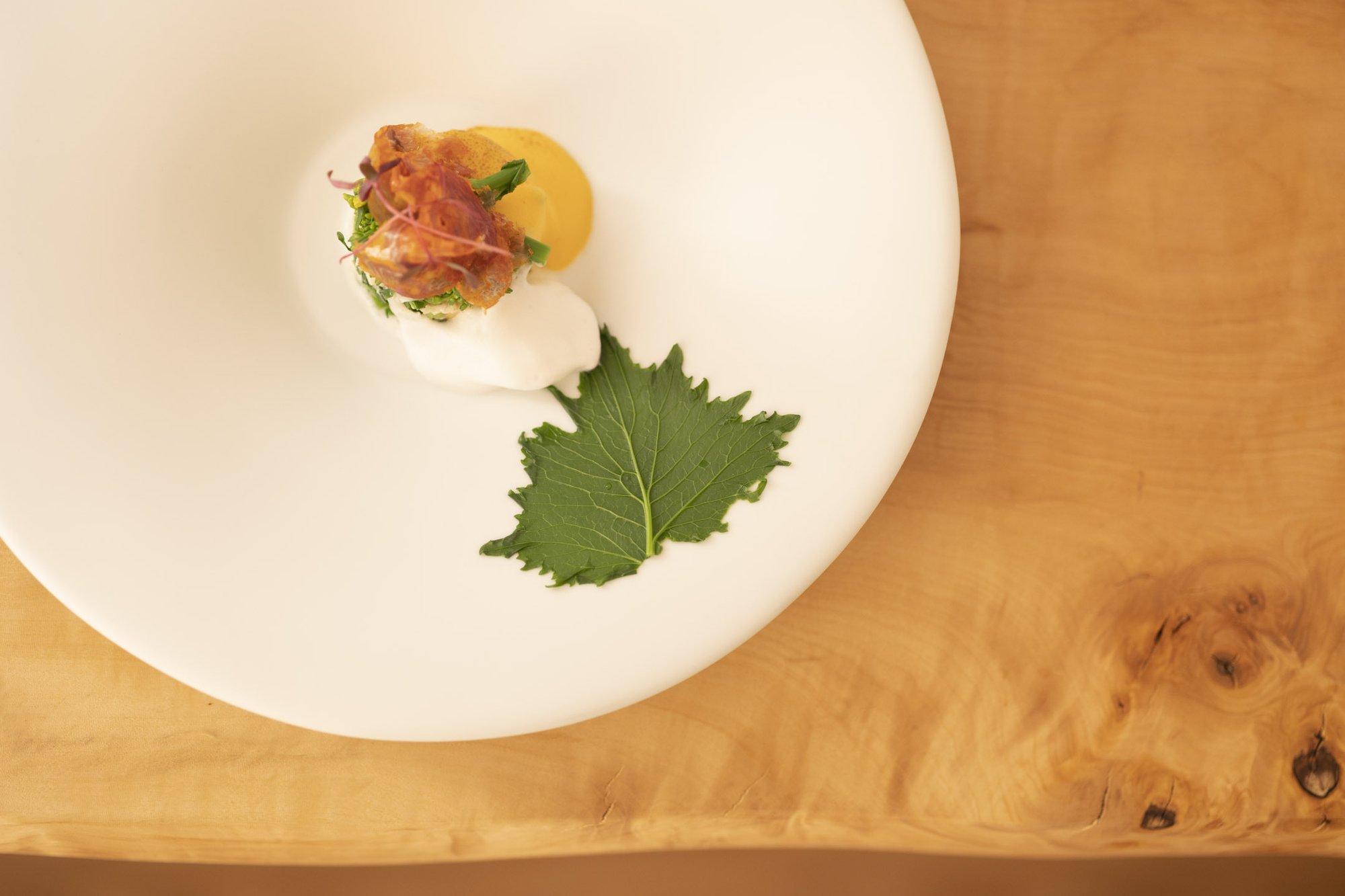
Italian Cooking Grounded in Kyushu's Produce Seasons
Western Japan's Italian restaurant scene occupies a particular position in Japan's broader conversation about how European technique absorbs local ingredient culture. In cities like Fukuoka and Kitakyushu, where proximity to Kyushu's fishing ports, mountain farms, and coastal producers gives kitchens unusual raw-material advantages, the most credible Italian addresses have shifted away from replicating a Roman or Milanese reference point and toward something harder to name: Italian grammar applied to ingredients that could only come from this region. Bekk, operating out of a compact ground-floor space in Kitakyushu's Tanga district, sits squarely in that current. It holds a Tabelog score of 4.21, a Tabelog Bronze Award for both 2025 and 2026, and a place in the Tabelog Italian WEST 100 for 2025, peer credentials that position it alongside the stronger Italian addresses across the entire western half of Japan, not just within its immediate neighbourhood.
The Room: Twelve Seats and a Clear Hierarchy of Attention
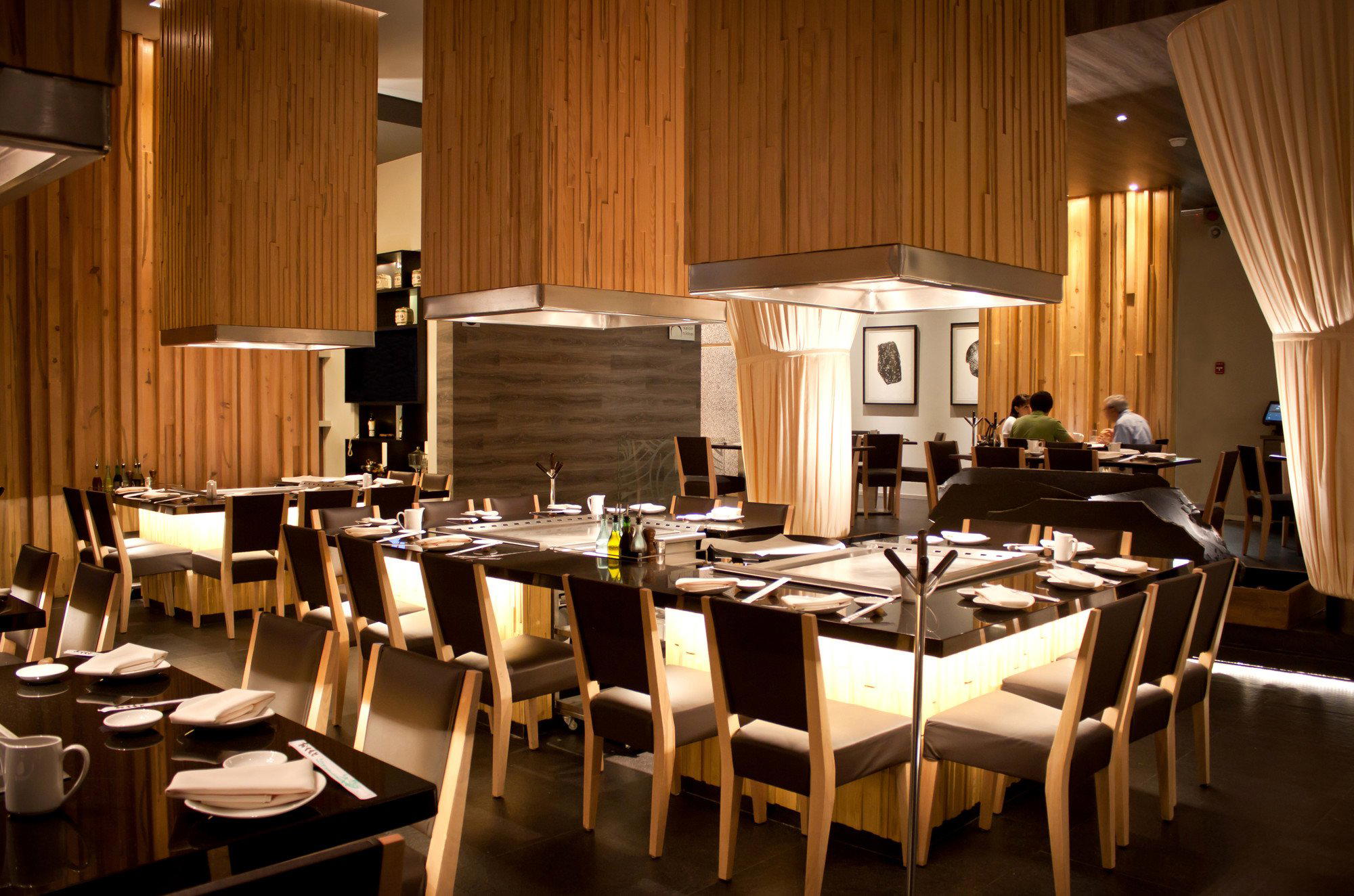
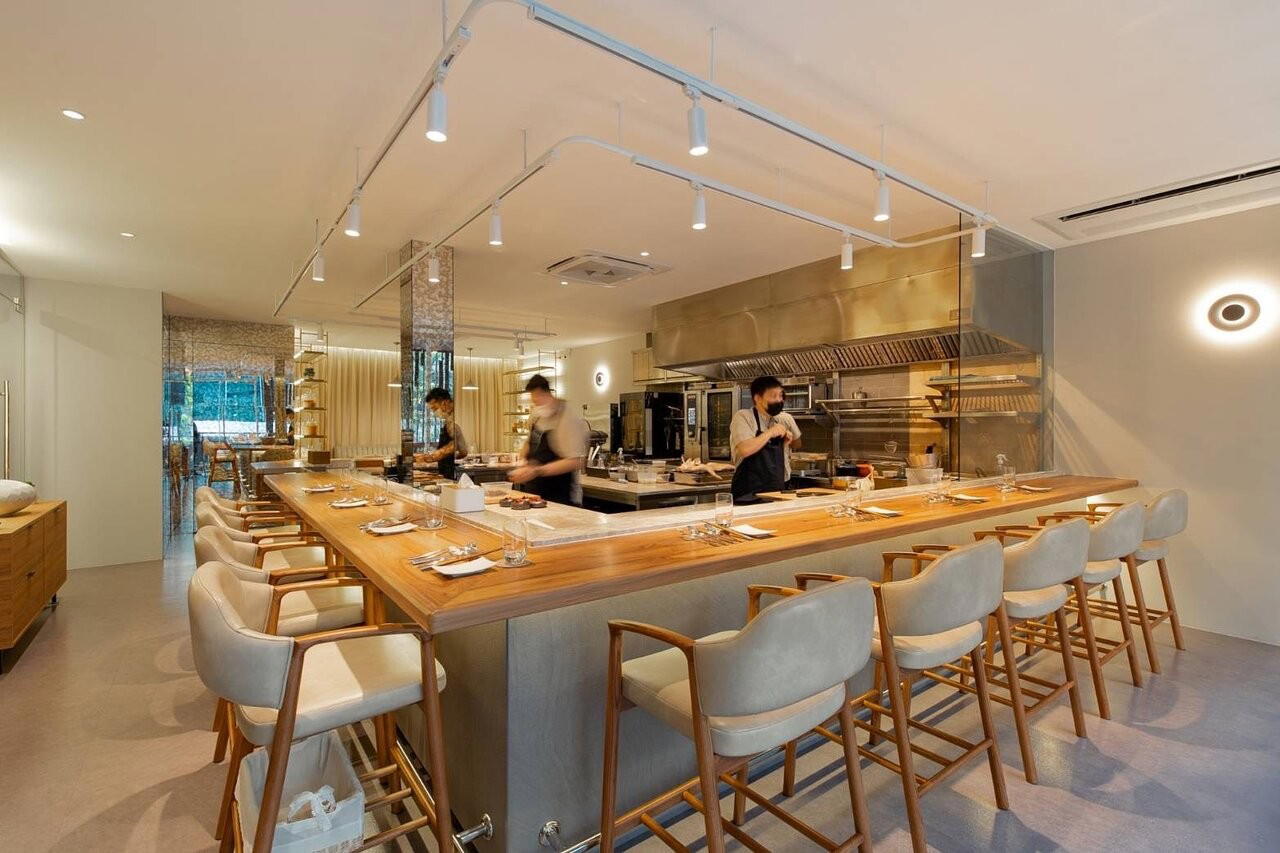
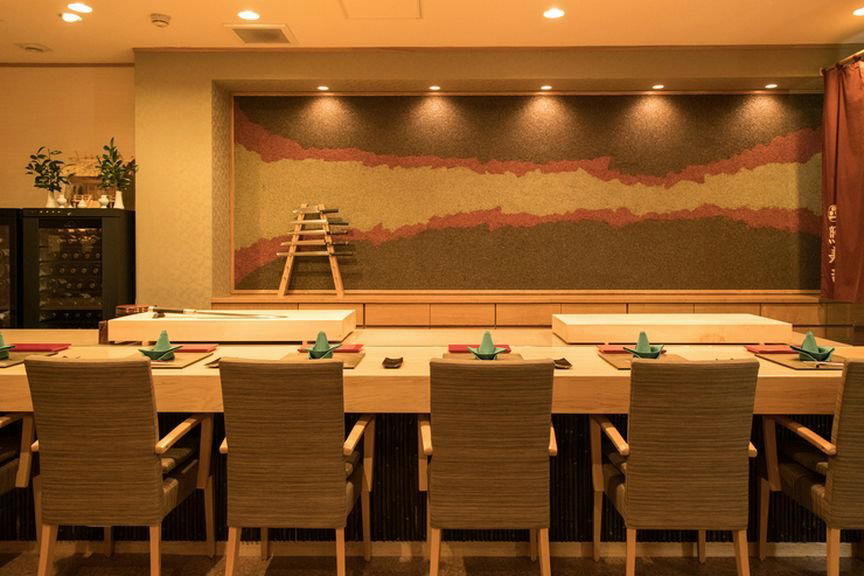
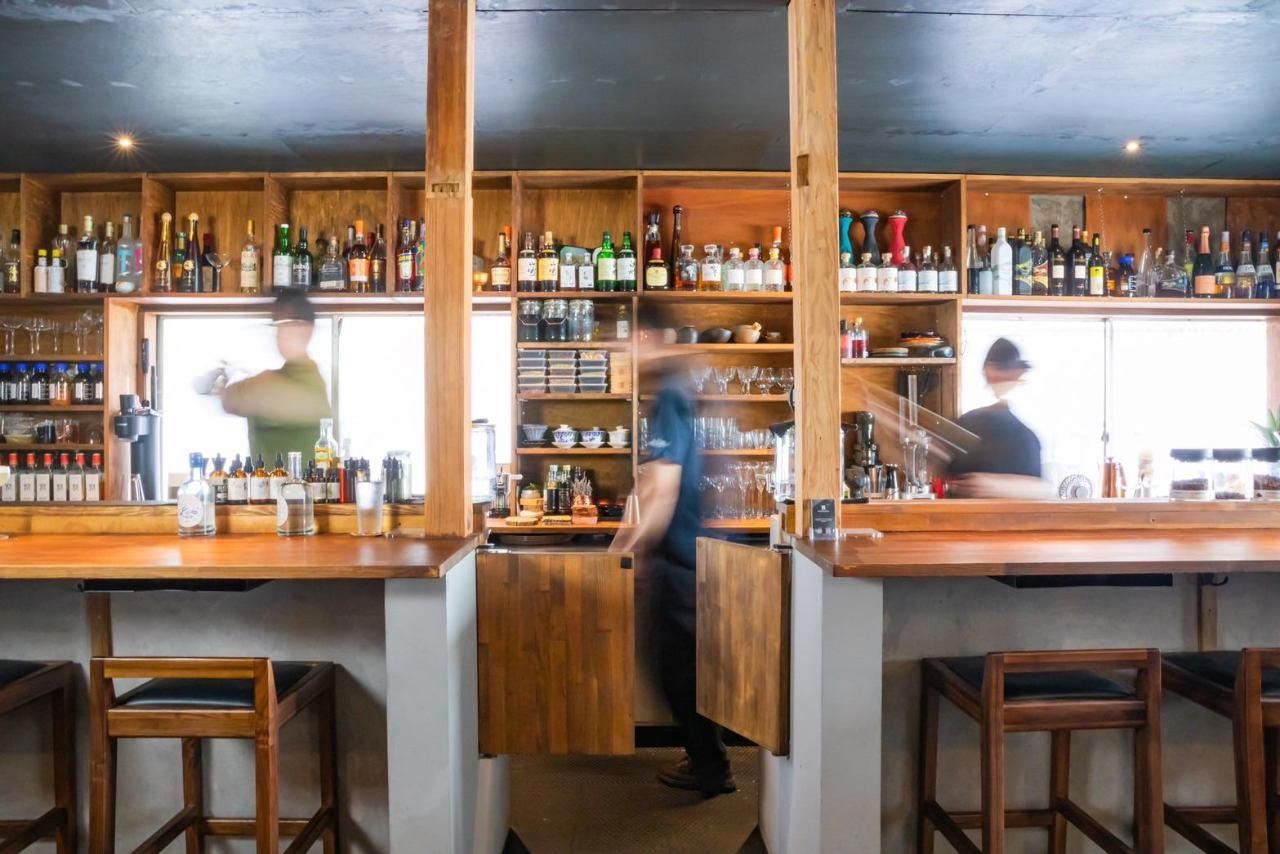
The physical logic of Bekk reflects the priorities of this kind of cooking. Twelve seats total, six at a counter, six in a private room, keeps the kitchen in direct relationship with almost every guest in the house. Counter dining in Japan carries its own set of social contracts: you are close enough to register the sequence of preparation, the pacing decisions, the moment a dish is adjusted. That dynamic, familiar from high-end omakase sushi or kaiseki counters, is less common in Italian formats, where the cuisine's European origins tend toward larger rooms and separated kitchen work. The counter at Bekk imports that attentive, small-batch sensibility into an Italian frame, which aligns it with a small number of innovative Italian formats across Japan, such as CUCCAGNA in Fukuoka, that have absorbed Japanese hospitality conventions into otherwise European cooking structures.
The private room accommodates up to six guests and can be arranged at the time of reservation for those who prefer a separated setting. For families bringing children of elementary school age or younger, the venue directs them specifically to the private room, a practical arrangement that keeps the counter focused while remaining genuinely accommodating. The space carries a smart-casual dress code, and the request to avoid strong perfume is a standard consideration at counters where ingredient aromas and wine service are central to the experience.
Fish-Forward, Seasonally Anchored Italian
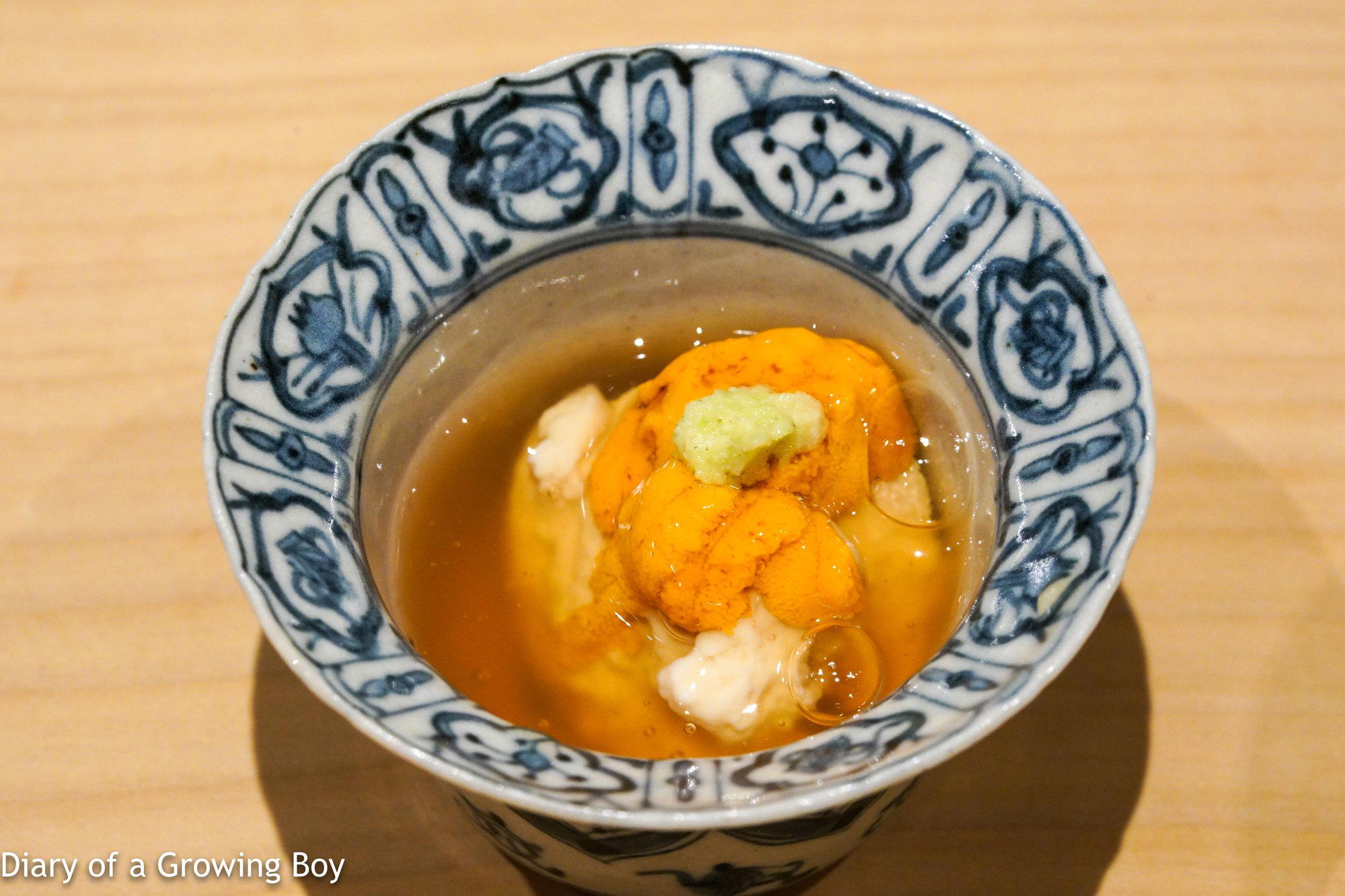
Kyushu's coastline produces some of Japan's most-cited seafood, and Bekk's listed food emphasis is specifically fish. That orientation makes culinary sense in this geography: the waters around the northern Kyushu coast, including the Kanmon Strait that separates Kitakyushu from Honshu, supply a range of species that shift across the seasons in ways that allow a serious kitchen to rebuild its course structure without repeating itself. Italian technique has a long tradition of treating fish with discipline, Venetian and Ligurian coastal cooking both built identities around the interaction of quality seafood with restraint in preparation. A kitchen operating on that principle in Kitakyushu, with access to local producers the menu notes explicitly, is working in an established tradition while transposing it into a specific regional ingredient context.
The course price carries a note that it may shift slightly depending on daily ingredient availability. That policy, alongside a cancellation fee of 50% from two days before the reservation and a full charge for same-day cancellations or reduced party sizes, signals that the kitchen purchases ingredients specifically for each booking. This is not the operational model of a casual trattoria, it is closer to the commitment structure of serious omakase or kaiseki venues, where pre-purchased, season-specific ingredients make last-minute changes genuinely costly to absorb. For guests, that also means what arrives at the table was acquired with their specific visit in mind.
Kitakyushu's Position in the Fukuoka Prefecture Dining Map
The broader Fukuoka prefecture dining conversation tends to concentrate on Hakata and Tenjin, where density of restaurants per capita and tourism visibility is highest. Kitakyushu, and Kokura specifically, sits slightly apart from that centre, less covered in international food media but with its own serious restaurant culture built around a locally focused dining public. The Tanga market area, adjacent to Bekk's location near Tanga Station on the Kitakyushu Monorail, has functioned as a food and produce hub for the district for decades, and the restaurant's address in that neighbourhood reflects an intentional proximity to ingredient supply rather than a tourism-oriented positioning decision.
Within the Fukuoka prefecture category, Bekk's Italian designation distinguishes it from the French-leaning and Japanese-dominant venues that populate the best of the awards tables. Kitakyushu's award-recognised Italian presence is a shorter list than Hakata's, which makes Bekk's consistent Tabelog recognition across 2025 and 2026 more significant as a signal: it is holding a position that has few direct local peers. For context on the wider range of recognised dining across Fukuoka prefecture, see our full Fukuoka restaurants guide. Those planning a multi-day itinerary can also reference our full Fukuoka hotels guide, our full Fukuoka bars guide, our full Fukuoka wineries guide, and our full Fukuoka experiences guide.
Where Bekk Sits in the Japanese Innovative Italian Category
Across Japan, a specific category of Italian restaurant has emerged over the past fifteen years that uses Italian structure as a vehicle for Japanese ingredient philosophy rather than as an end in itself. HAJIME in Osaka operates at the far end of that spectrum, where French-Italian technique and Japanese aesthetic produce something that no longer fits cleanly into either tradition. akordu in Nara works a regional ingredient narrative through a European lens. Bekk's Tabelog categorisation as Italian, Pasta, and Innovative places it in that same broader conversation, though at a price and scale that reads more as a focused neighbourhood restaurant than as a destination concept venue.
For comparison within Fukuoka's most-decorated dining, Goh represents the French side of the high-end western-technique-in-Fukuoka question, while Chikamatsu and Chiso Nakamura anchor the Japanese-tradition end. Asago occupies the space between Japanese ingredients and contemporary format. Bekk's position among that group is as the serious Italian option, a gap that exists in most Japanese cities outside Tokyo and Osaka but that few venues fill at this award tier. The global equivalent of this fish-focused, producer-sourced Italian counter model appears in different forms elsewhere: Le Bernardin in New York City built its entire identity around seafood discipline within European technique, and Atomix in New York City demonstrates how Korean fine dining absorbed similar counter-format precision. In Japan specifically, Harutaka in Tokyo, Gion Sasaki in Kyoto, 1000 in Yokohama, and 6 in Okinawa each illustrate how small-capacity, ingredient-focused formats have proliferated at serious price points across every major Japanese city.
Planning Your Visit
Bekk operates Tuesday closed, Wednesday dinner-only (18:00–21:30), and Monday, Thursday through Sunday for both lunch (from 11:50) and dinner (18:00–21:30). Lunch averages JPY 10,000–14,999; dinner sits at JPY 20,000–29,999, with a 10% service charge applied. The restaurant is reservation-only, walk-ins are not part of its operating model. Reservations can be made via the venue website at bekk-kokura.jp. Guests should notify the kitchen of allergies or dietary preferences at the time of booking, and private room requests also need advance coordination. Major credit cards are accepted (VISA, Mastercard, JCB, AMEX, Diners); electronic money and QR code payment are not. There is no on-site parking. The nearest transit access is a three-minute walk from Tanga Station on the Kitakyushu Monorail, or a ten-minute walk from JR Kokura Station. A sommelier is on staff, and the wine program carries a specific emphasis. English-language menus are available.
Frequently asked questions
Is Bekk good for families?
Bekk accepts children, but the venue applies a specific condition: guests bringing children of elementary school age or younger are placed in the private room, which seats up to six. You will need to flag this at the time of reservation. The 12-seat format, six counter, six private table, means the kitchen can accommodate families without disrupting the counter experience.
How would you describe the vibe at Bekk?
Kitakyushu carries a different register than Hakata's tourist-facing dining strip, and Bekk fits that context: a 12-seat room in the Monatelier building off Uomachi, dress code smart casual, no strong perfume. The Tabelog score of 4.21 and back-to-back Bronze Awards in 2025 and 2026 position it as a serious destination rather than a neighbourhood stopgap. Expect focus over spectacle.
Is Bekk award-winning?
Bekk has received recognition including:
What should I order at Bekk?
Bekk runs course-format only, there is no à la carte selection. The kitchen is specifically noted for its fish emphasis, drawing on Kyushu's coastline and adjusting the menu to seasonal produce availability, which means the course price can shift slightly depending on what the kitchen sources that day. Dinner courses run JPY 20,000–29,999; lunch lands at JPY 10,000–14,999. A 10% service charge applies.
Pricing, Compared
Comparable venues nearby, for context on price, style, and recognition.
| Venue | Cuisine | Price | Awards | Notes |
|---|---|---|---|---|
| BekkThis venue (the venue you are viewing) | Creative Italian with Kyushu Ingredients | $100–150 | Tabelog 100 #41 | Not listed |
| F ridge | Intimate Italian Wine Bar | $50–100 | Tabelog 100 #71 | Chūō, Intimate Italian Wine Bar |
| Ristorante Kubotsu | Modern Italian using seasonal Kyushu ingredients | $150–200 | Tabelog 100 #68 | Chūō, Modern Italian using seasonal Kyushu ingredients |
| TTOAHISU | Japanese-French Fusion Fine Dining | $100–150 | Tabelog Bronze #492 | Chūō, Japanese-French Fusion Fine Dining |
| ベッキ | Modern Italian Omakase | $100–150 | Tabelog 100 #100 | Chūō, Modern Italian Omakase |
| AKAMIYACOWSI | Steakhouse / Yakiniku | $50–100 | Tabelog 100 #4 | Chūō, Steakhouse / Yakiniku |
Recognition history
Dated appearances from independent guides and award organizations, with the underlying list record or original source where available.
Opinionated About Dining Top Restaurants in Japan Recommended
Opinionated About Dining
Tabelog 100 #41 · No. 41
Tabelog · Tabelog 100 - Italian - WEST - 2025
Full recognition history (3 entries)
Tabelog Bronze
Tabelog
Continue exploring
More in Fukuoka
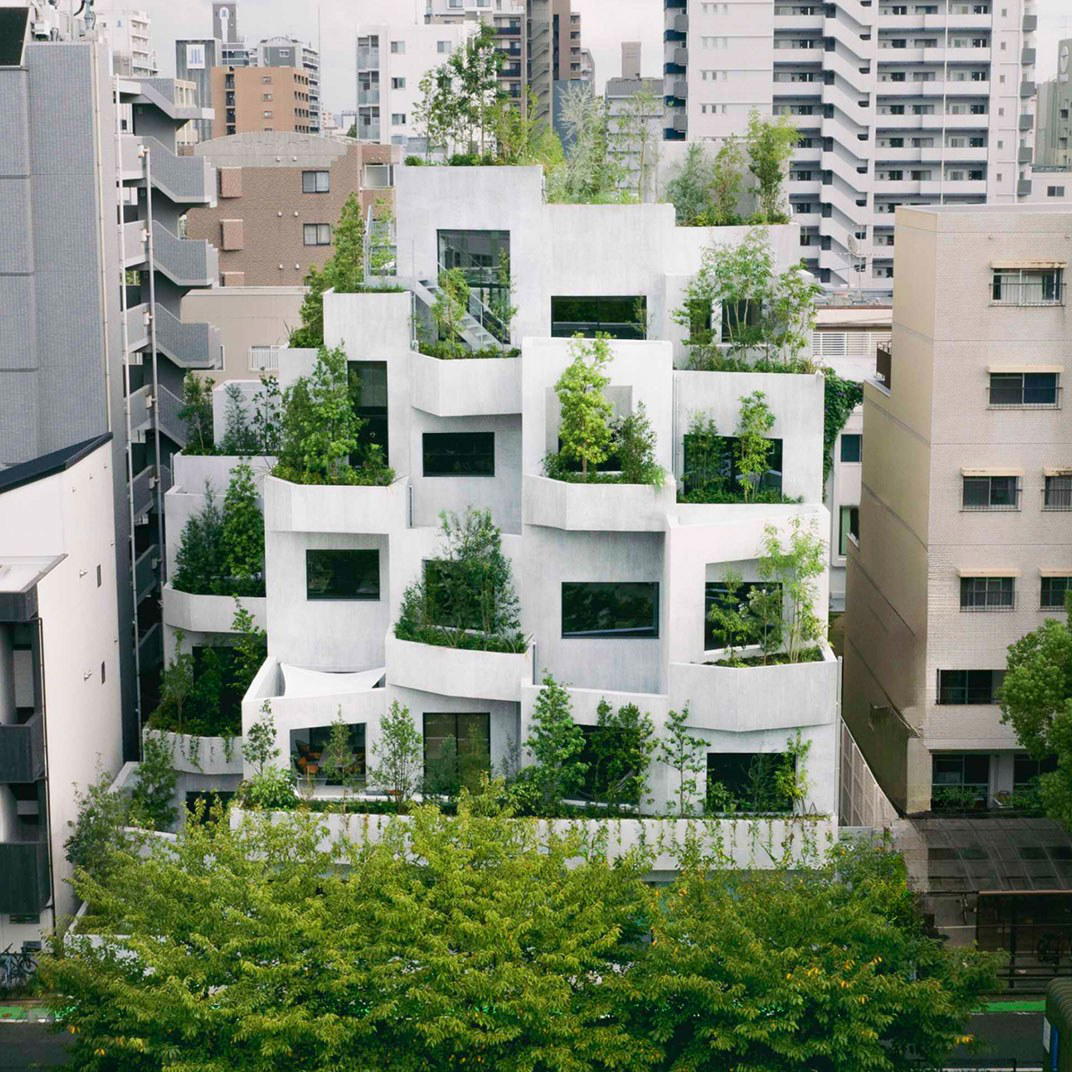
Bekk
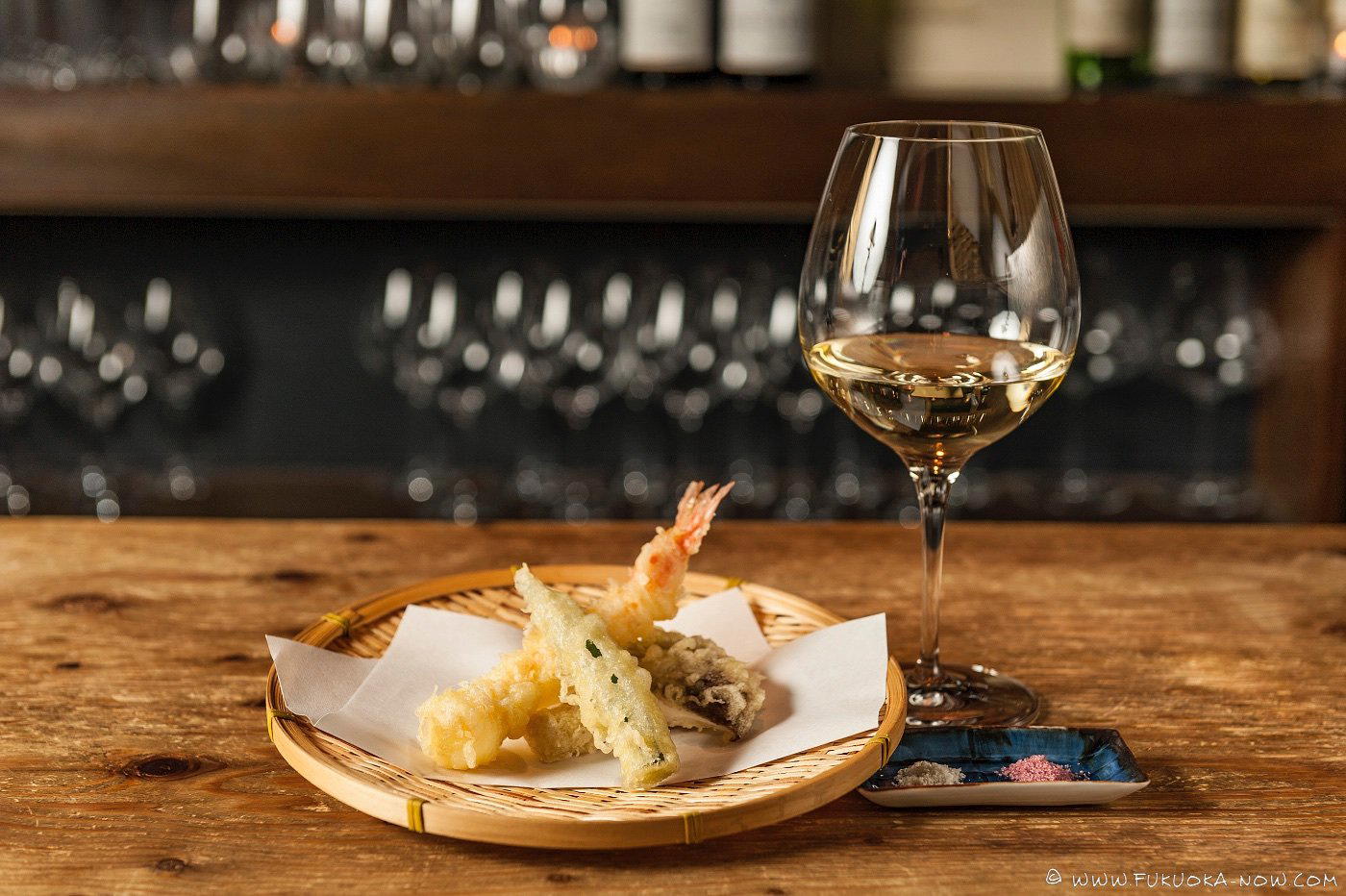
The wine
- Wine program
- Deep wine list
- Extensive wine list
- Sommelier-led
Details
- Elegant
- Relaxed
- Sophisticated
- Date Night
- Special Occasion
- Private Dining
- Extensive Wine List
- Sommelier Led
- Local Sourcing
- A La Carte
- Wine
- Allergy Accommodating
Current opening hours
- Monday
- 12–2 PM, 6–10 PM
- Tuesday
- Closed
- Wednesday
- 6–10 PM
- Thursday
- 12–2 PM, 6–10 PM
- Friday
- 12–2 PM, 6–10 PM
- Saturday
- 12–2 PM, 6–10 PM
- Sunday
- 12–2 PM, 6–10 PM
Hours can change for holidays and private events. Hours as of .
Stylish and relaxing space with counter and private room seating for an intimate dining experience.