

Tabelog Bronze #80
Our verdict
Fukuoka’s serious sushi circuit is compact, counter-led, and shaped by apprenticeship rather than spectacle. Gahoujin 我逢人 belongs to that small Nishinakasu tier: a six-seat counter with Tabelog Bronze recognition from 2023 through 2026, Tabelog Sushi WEST 100 selection, and OAD Japan recommendation, aimed at diners who read sushi through discipline, pacing, and fish work rather than theatrics.

Pearl is the En Primeur Club membership app, where members save venues, book tables and use the concierge.
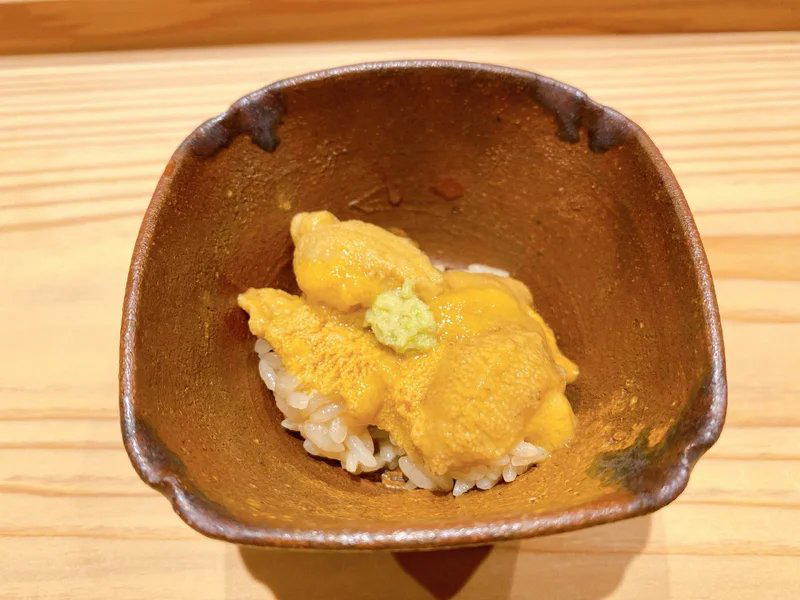
Nishinakasu is Fukuoka’s useful contradiction: central yet discreet, polished without Ginza-style frontage, and close enough to the river district to feel nocturnal before dinner begins. Here, the serious sushi counter is less arrival drama than concentration: a small room, a counter, fixed courses, and the quiet pressure of being watched as closely as the fish. Gahoujin 我逢人 sits within Fukuoka’s tradition of compact, high-discipline sushi, where scale is deliberately narrow and the meal depends on timing, temperature, rice, knife work, and confident repetition.
Fukuoka has never needed to imitate Tokyo to be a credible sushi city. Its argument is different: access to Kyushu waters, diners who understand fish without lectures, and a counter culture that rewards restraint. The city’s stronger sushi rooms tend to be small, reservation-led, and technically conservative in the productive sense. Against louder luxury formats, the cues are almost severe. The room tells the diner to pay attention.
A six-seat counter in Fukuoka's apprenticeship-led sushi tier
The useful way to read this restaurant is through apprenticeship and lineage, not biography. Japanese sushi at this level is built on shokunin discipline: long repetition before authorship, inherited gestures before flourish, and a master-student structure that treats consistency as expression. Chef Diago Sakai’s counter belongs to that grammar. The point is not personality at the center of the meal, but how a small sushi room compresses training into service, course by course.
That matters in Fukuoka because the city’s sushi hierarchy is dense for its size. Sushi Gyoten, Chikamatsu, Sushi Karashima, Morita, and Kotan each point to a city where serious sushi is not a single-address proposition. The competitive set is counter culture itself: low seat counts, high repeat demand, careful fish sourcing, and the expectation that diners understand the etiquette of a room where six people can change the service mood.
Gahoujin’s trust signals are unusually clear for this scale. It holds The Tabelog Award Bronze for 2023, 2024, 2025, and 2026, appears in Tabelog Sushi WEST 100 for 2022 and 2025, and is recommended in Opinionated About Dining’s 2026 Japan restaurant list. These recognitions differ, but together place the restaurant in a durable category rather than a short-lived new-opening surge. Tabelog’s 2026 score is listed at 4.17, weighty in Japan because the platform’s upper range is compressed and diner-driven.
Why the room size changes the meal
Six seats create a different restaurant economy. There is no back row, anonymous corner, or way for service to become generalized. Pacing has to be exact because the room moves as one organism. A delay, question, late arrival, or casual diner can alter the rhythm for everyone. That is why small Japanese sushi counters can feel formal even without grandeur. The formality is structural.
The format also changes how to judge the cooking. In a larger restaurant, range can impress: many dishes, visual staging, elaborate transitions. In a six-seat sushi room, repetition exposes weaknesses. Rice temperature, seasoning, fish handling, and the sequence between otsumami-style opening and nigiri-led progression have little cover. Fukuoka diners tend to judge this well because fish is not an imported luxury idea here; it is part of the region’s everyday food intelligence, sharpened at the high end.
The price bracket reinforces the point. Lunch and dinner are listed in the JPY 30,000 to JPY 39,999 range, with review-based dinner spend shown higher. That is serious special-occasion territory for Fukuoka, but not the same psychological category as the highest Tokyo trophy counters. The value question is not quantity or display. It is whether the diner wants an intimate Kyushu sushi counter where awards, scale, and format all point toward precision rather than ceremony.
How to place it within a Fukuoka eating itinerary
For travelers, Nishinakasu works well as a dining anchor between Tenjin’s commercial pull and Nakasu’s after-dark gravity. The neighborhood is compact enough to pair with a bar or hotel plan, though a sushi counter of this seriousness is better treated as the main event. Fukuoka rewards that scheduling. Its strongest food experiences are often concentrated in small formats: sushi counters, yakitori rooms, noodle shops, and sake-led addresses where repetition has produced authority.
Readers comparing categories across the city can use Our full Fukuoka restaurants guide for the broader dining map, then place the evening alongside Our full Fukuoka hotels guide and Our full Fukuoka bars guide. The wider city pages for Our full Fukuoka wineries guide and Our full Fukuoka experiences guide are useful for building a trip around more than dinner, though sushi remains one of the clearest ways to understand Fukuoka’s high-end food culture.
The restaurant makes the strongest case for diners who already like counter sushi and understand that the appeal is cumulative. A first-time luxury diner seeking visible abundance may find the format austere. A sushi-literate traveler will read that austerity as confidence: six seats, repeated Bronze recognition, and a city context where peer pressure is serious. In Fukuoka, that combination says more than a long menu could.
For broader Japan planning, contrast this Kyushu sushi counter with other formats across the country: 3110, Sushi in Tokyo, AKA to SHIRO, Sushi in Osaka, -Grilled beef Sukiyaki- KAMAKURA TANUKIAN 鎌倉 たぬき庵 in Kamakura. 鮪と炭火焼き うお炭 秋葉原店 in Tokyo.cafe in Osaka.know in Kumamoto, (Shoku) Vietnam in Kawasaki, and [Curry Senmon Ten] Maruyama Kyoju. in Sapporo. The comparison clarifies the point: Fukuoka sushi is not trying to be encyclopedic. At this level, it is about compression, discipline, and the quiet authority of a counter that leaves little room for error.
Frequently asked questions
Can I bring kids to Gahoujin 我逢人?
Those details are not published. The restaurant is reservation-only, with a six-seat counter in Fukuoka and limited time slots, which points to a tightly managed dining room. Check the venue's official channels for the latest details.
What should I expect atmosphere-wise at Gahoujin 我逢人?
Expect a compact counter room rather than a broad dining hall: Gahoujin has six seats, private rooms, and a reservation-only format in Nishinakasu, Fukuoka. The setting reads as controlled and quiet, with smart-casual dress, non-smoking service, and the kind of focus that suits a sushi counter with Tabelog Bronze recognition.
How would you describe the cuisine at Gahoujin 我逢人?
Gahoujin 我逢人 serves Sushi cuisine.
What is Gahoujin 我逢人 known for?
Gahoujin 我逢人 is primarily known for Sushi in Fukuoka.
In Context: Similar Options
Nearby venues at a similar price tier for orientation.
| Venue | Cuisine | Price | Awards | Notes |
|---|---|---|---|---|
| Gahoujin 我逢人This venue (the venue you are viewing) | Seasonal Sushi Omakase | $200–300 | Tabelog Bronze #80 | Not listed |
| torila | Yakitori | Not listed | Tabelog Bronze #471 | Chūō |
| Sushi Karashima | Kyushu-Style Edomae Omakase | $200–300 | Tabelog Bronze #165 | Chūō |
| Nakahan | Cha-Kaiseki Omakase | $200–300 | Not listed | Chūō |
| Sushi Sakai | Edomae-style Omakase Sushi | $300–500 | La Liste Top Restaurants · Tabelog Silver #114 | Chūō |
| Teppanyaki Sazanka | Teppanyaki & Wagyu at Hotel Okura Fukuoka | $100–150 | Tabelog 100 #97 | Hakata |
Recognition history
Dated appearances from independent guides and award organizations, with the underlying list record or original source where available.
Opinionated About Dining Top Restaurants in Japan Recommended
Opinionated About Dining
Tabelog Bronze #80
Tabelog
Full recognition history (6 entries)
Opinionated About Dining Top Restaurants in Japan Ranked #345
Opinionated About Dining
Tabelog Bronze
Tabelog
Tabelog 100 #67 · No. 67
Tabelog · Tabelog 100 - Sushi - WEST - 2025
Opinionated About Dining Top Restaurants in Japan Ranked #354
Opinionated About Dining
Continue exploring
More in Fukuoka
Restaurants in Fukuoka
All restaurants in Fukuoka →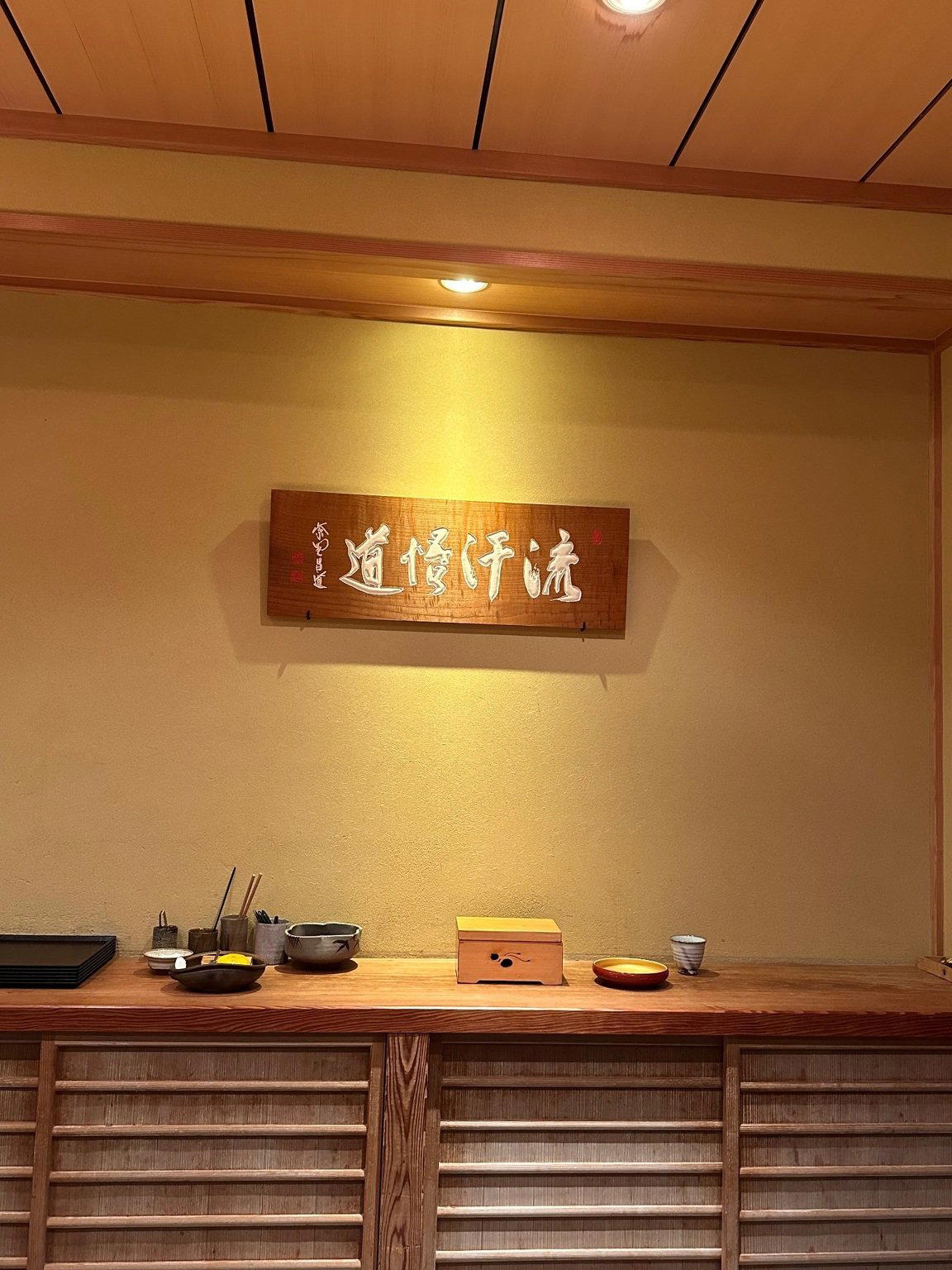
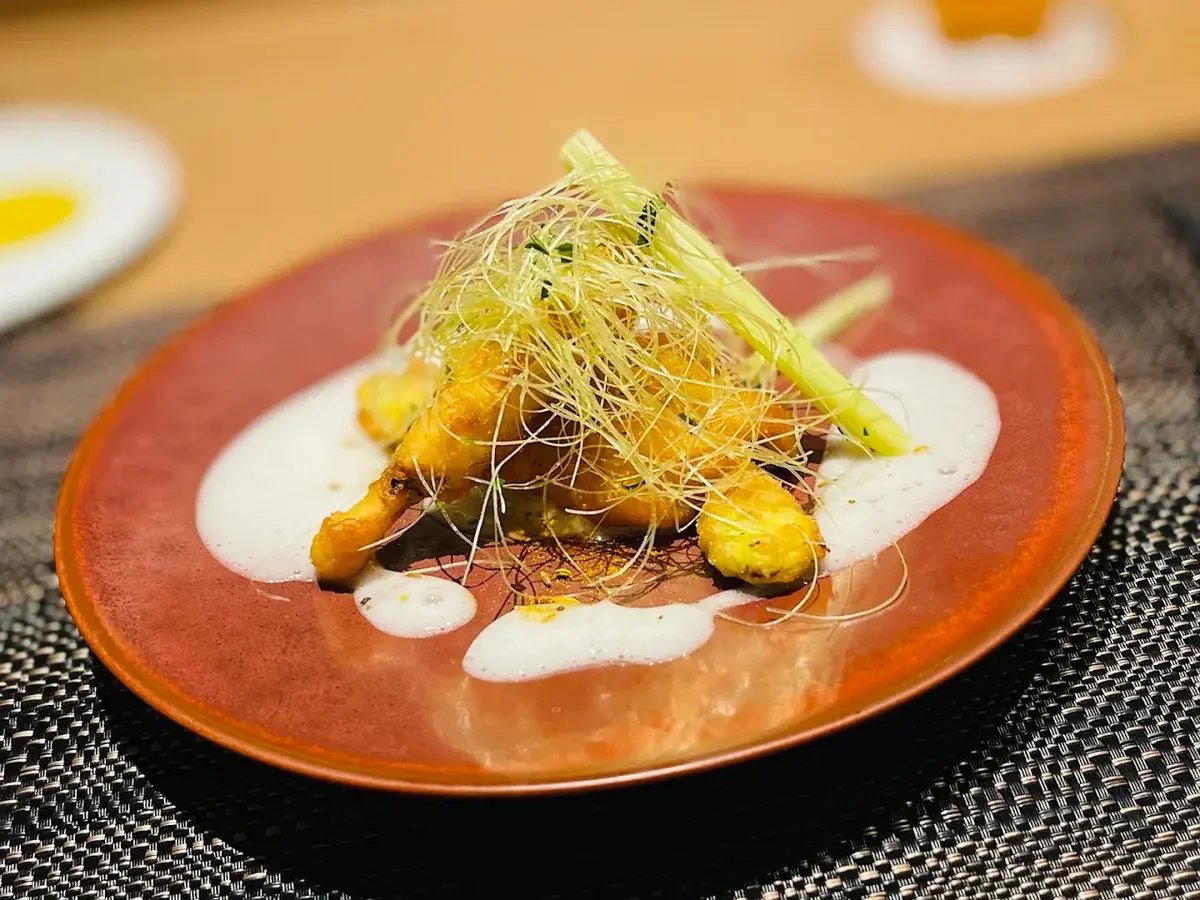
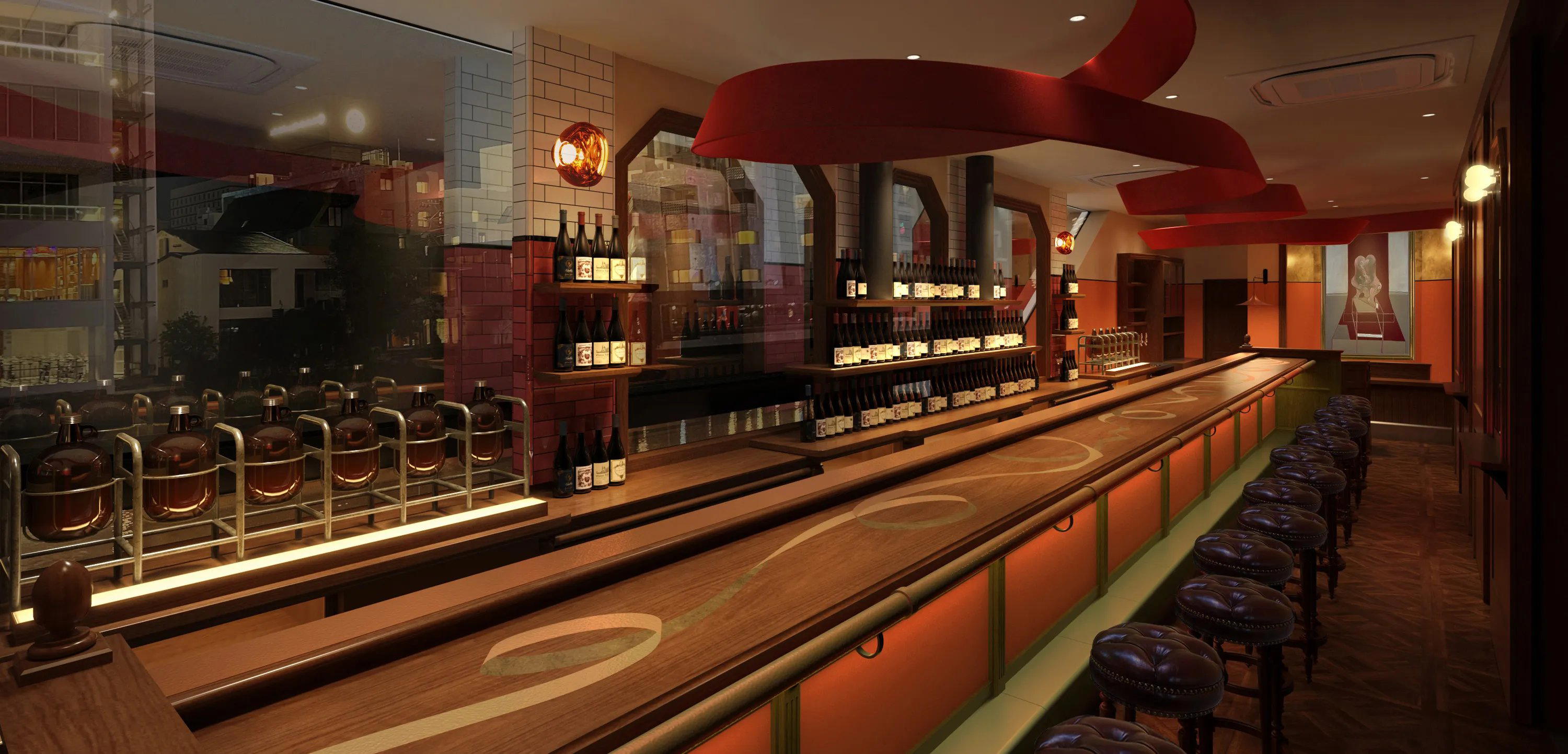
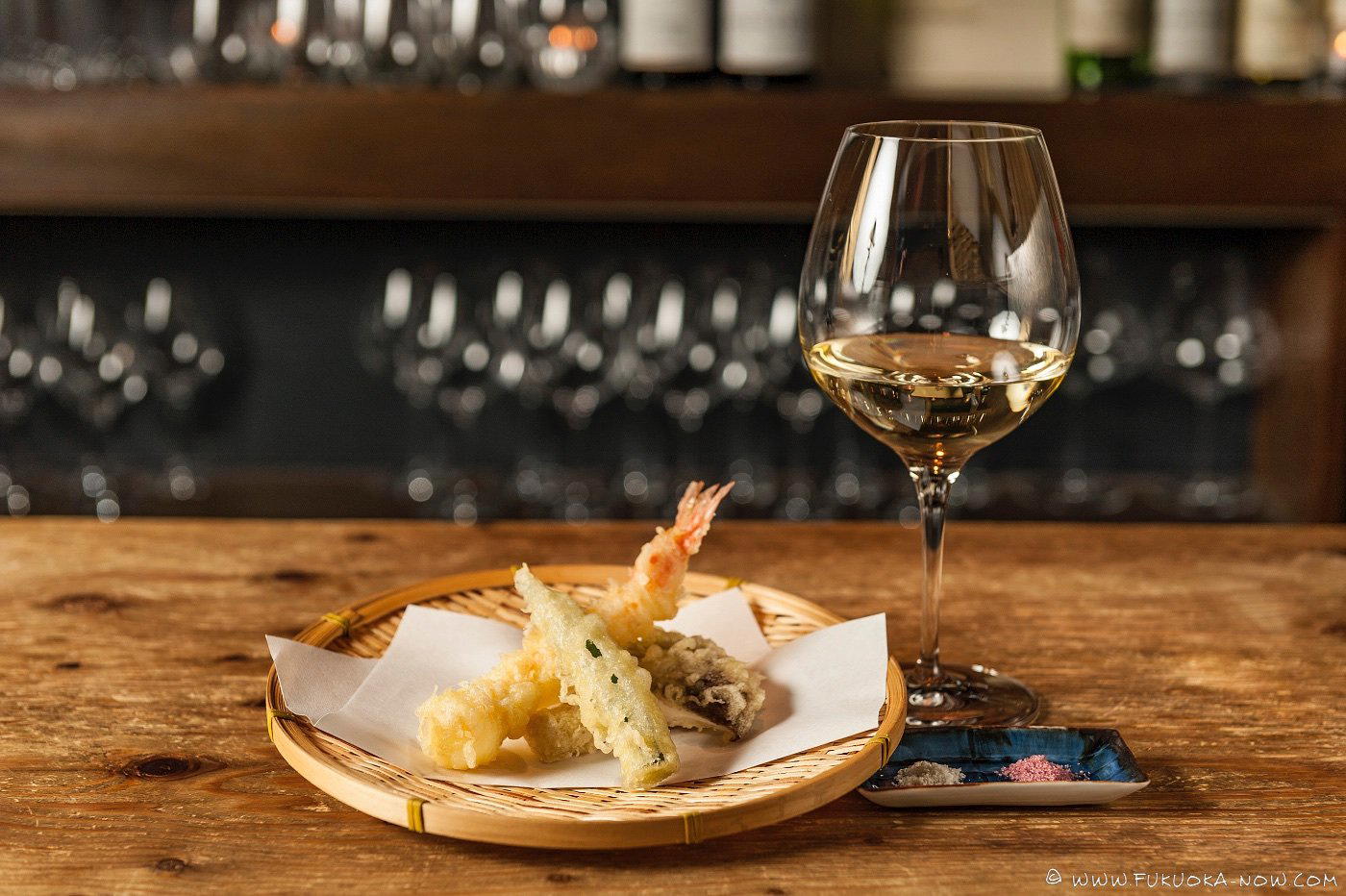
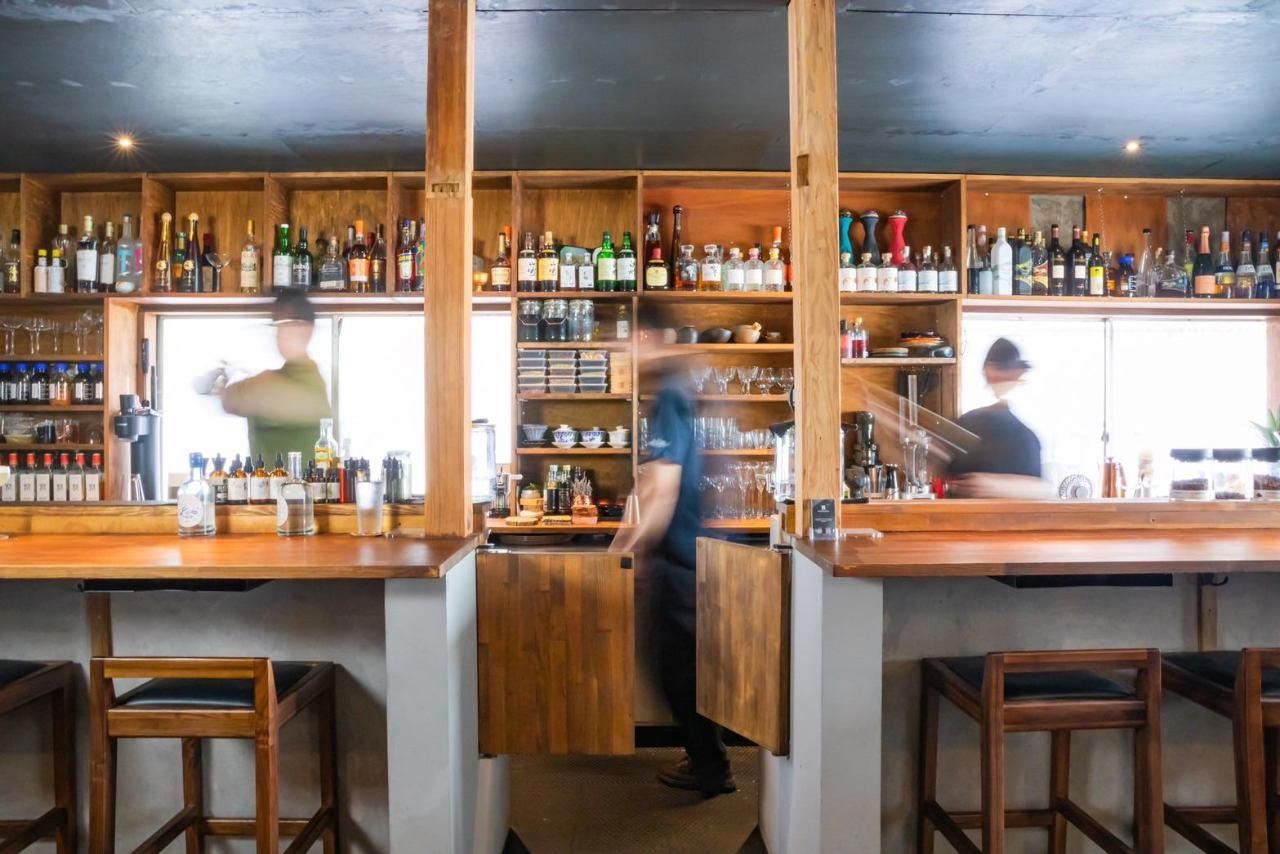
Details
- Elegant
- Intimate
- Sophisticated
- Classic
- Cozy
- Date Night
- Special Occasion
- Business Dinner
- Chefs Counter
- Private Dining
- Sake Program
- Local Sourcing
- Omakase
- Counter Dining
- Sake
Current opening hours
- Monday
- Closed
- Tuesday
- 6–8 PM, 8:30–10:30 PM
- Wednesday
- 11 AM–1 PM, 1:30–3:30 PM, 6–8 PM, 8:30–10:30 PM
- Thursday
- 11 AM–1 PM, 1:30–3:30 PM
- Friday
- 11 AM–1 PM, 1:30–3:30 PM, 6–8 PM, 8:30–10:30 PM
- Saturday
- 11 AM–1 PM, 1:30–3:30 PM, 5–7 PM, 7:30–9:30 PM
- Sunday
- Closed
Hours can change for holidays and private events. Hours as of .
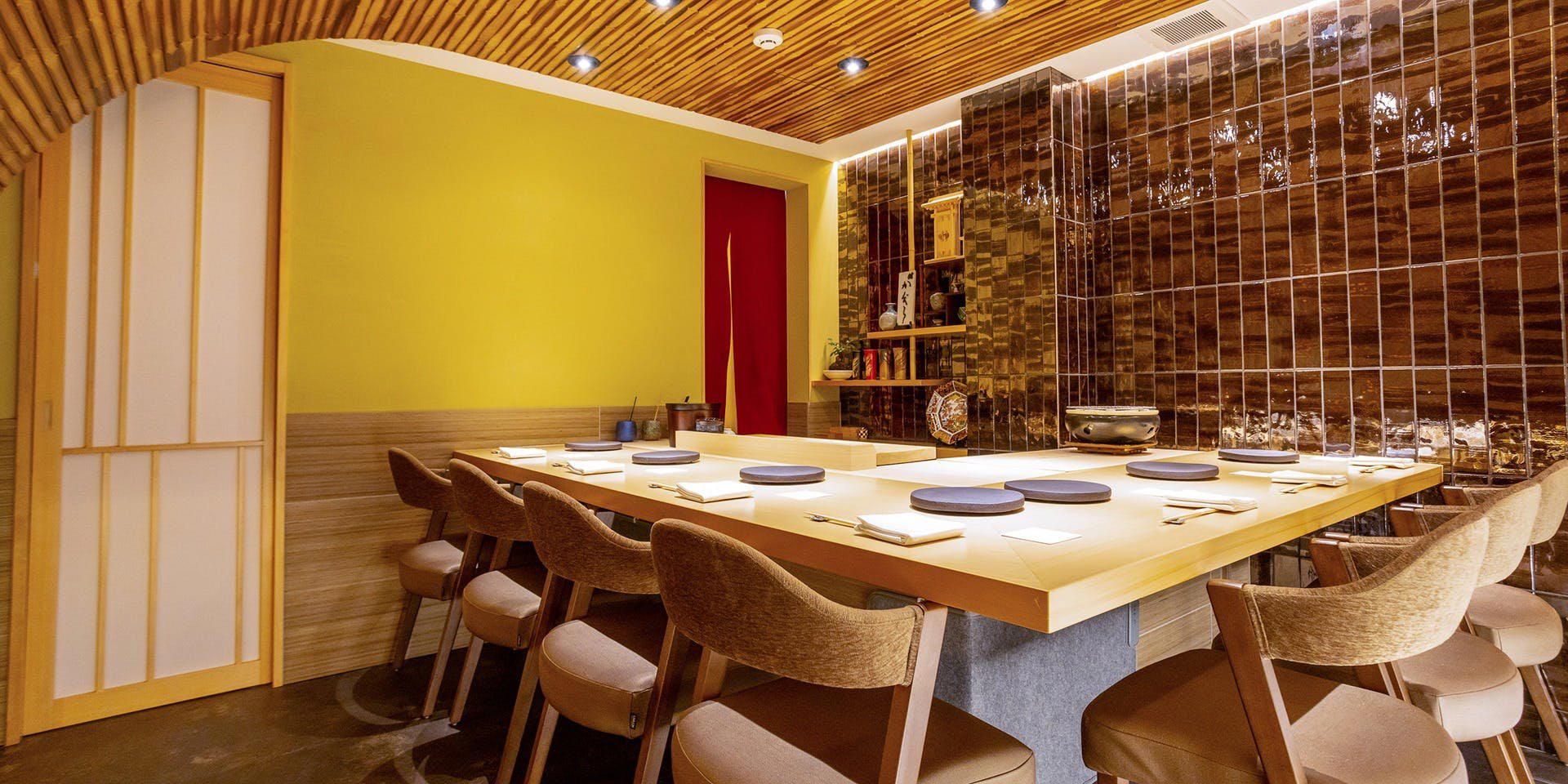
Calming traditional Japanese sukiya-style interior with elegant private rooms and natural light in some spaces, creating a tranquil and sophisticated atmosphere.