

Tabelog Silver #74
Our verdict
Matsuyama belongs to Kyushu’s small-counter dining culture rather than Fukuoka’s louder ramen-and-yatai image. The six-seat counter in Kitakyushu is built around Japanese cuisine with a creative edge, fish-led sourcing, sake, shochu and wine, with Kenichi Matsuyama attached to a room recognized by Tabelog Silver in 2026 and OAD’s 2026 Japan Recommended list.

Pearl is the En Primeur Club membership app, where members save venues, book tables and use the concierge.
The menu
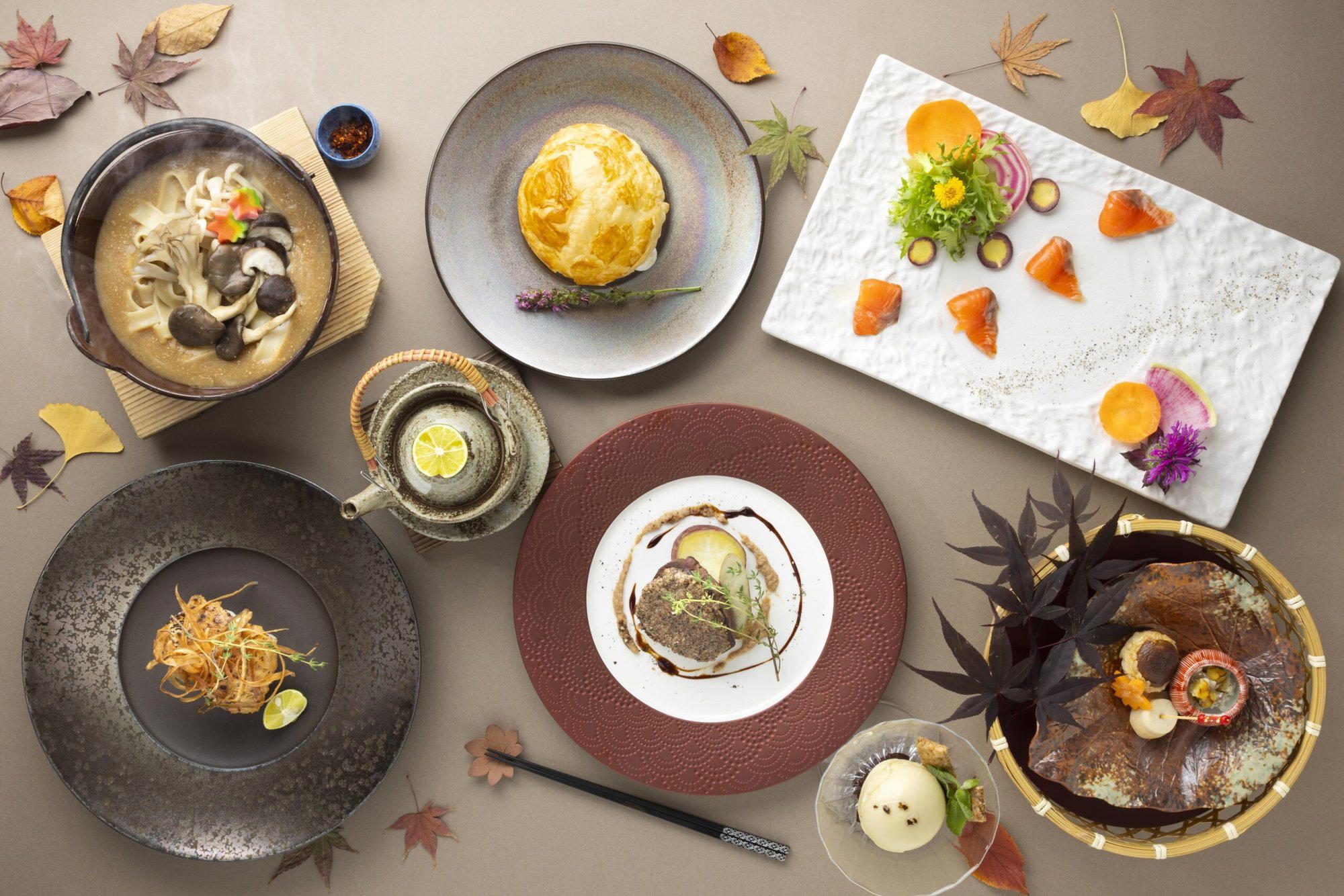
What to order
- Crab dressing
- Charcoal-grilled Chateaubriand
- Clay pot rice with local condiments
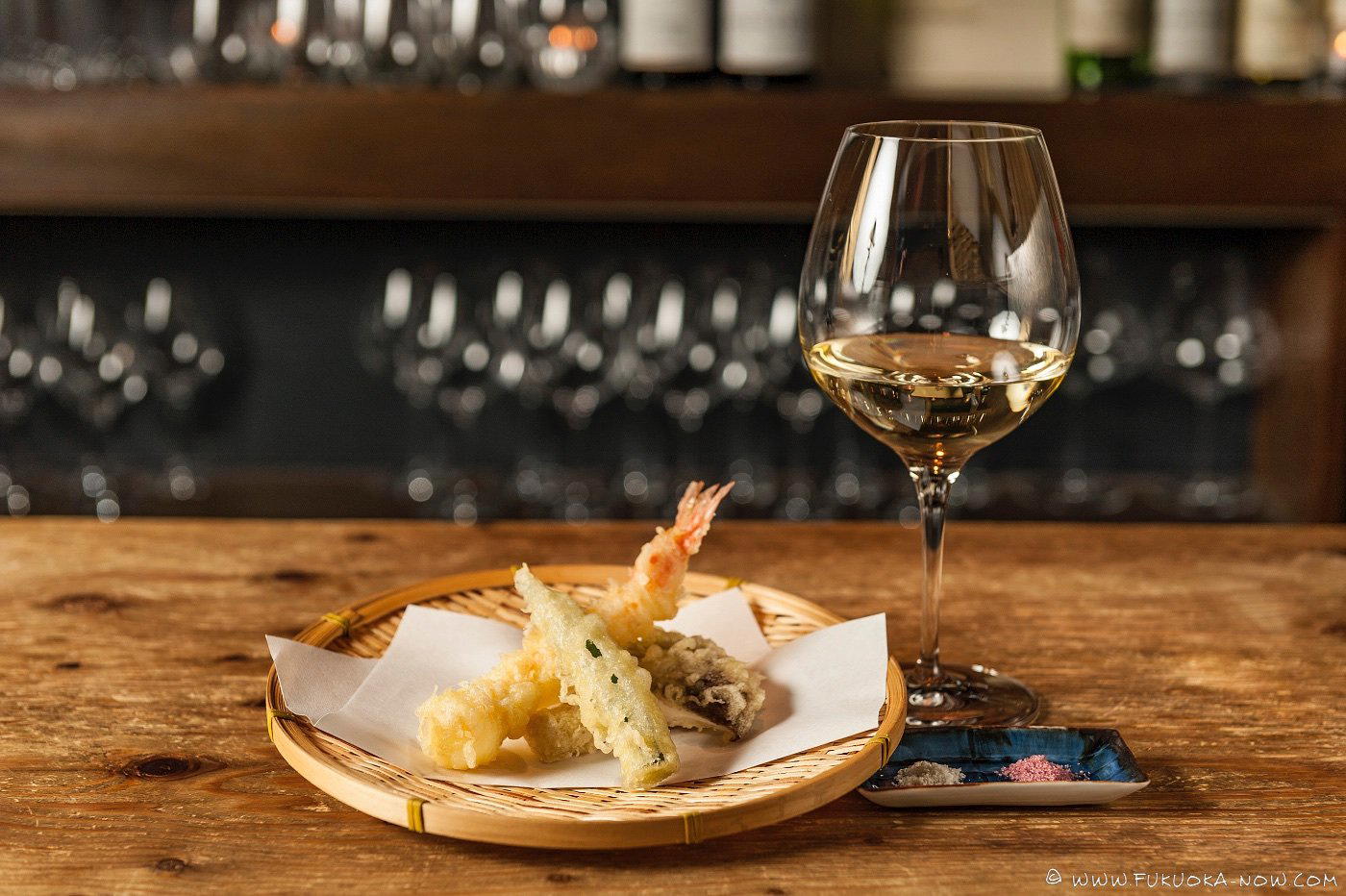
- Bamboo shoot tempura
Approaching a serious counter in Kitakyushu is a different proposition from walking into central Fukuoka’s louder food districts. The rhythm is smaller, more residential, and more deliberate: a house-restaurant setting, a six-seat counter, and a format that gives the meal little room to hide behind scale. Matsuyama sits in that Kyushu tradition of compact, reservation-only Japanese dining, where the room is not designed for turnover and the food has to justify the attention placed on each course.
That matters because Fukuoka’s national dining image is often reduced to noodles, street stalls and late-night appetite. The stronger reading is wider. Kyushu has deep fish markets, a serious sake and shochu culture, and a dining public comfortable with high-spend counters outside the obvious tourist routes. This is where Matsuyama becomes interesting: not as a grand urban dining room, but as evidence that the region’s refined Japanese cuisine extends well beyond Hakata’s better-known circuits.
Fish-led Japanese cooking at a six-seat counter
The useful lens here is sourcing, especially seafood. The restaurant is categorized as Japanese cuisine and creative, with a stated focus on fish, and that combination points to a style in which seasonality is not decorative language but the structural logic of the meal. In high-level Japanese cooking, fish selection determines pacing: raw preparations, steamed or grilled courses, soup, rice and finishing dishes all depend on what the kitchen chooses to foreground. At a counter this small, the supply chain has a direct impact on the guest experience because the kitchen is cooking for a handful of seats rather than buffering demand across a large dining room.
Kyushu gives that format a useful advantage. Fukuoka sits between inland produce routes and serious coastal supply, while Kitakyushu has its own industrial-port identity rather than the polished hospitality shorthand attached to central Fukuoka. The result is not rural romanticism. It is a practical dining geography: access to fish, a local drinking culture that includes sake and shochu, and enough distance from the tourist center to make the room feel targeted at diners who plan around the meal.
The counter format also changes how creative Japanese cooking reads. At larger restaurants, “creative” can become a catch-all for genre drift. At six seats, the term is more disciplined. Technique, ingredient order and drink pairing have to carry the argument. The presence of sake, shochu and wine on the drinks side suggests a meal built for Japanese structure but not limited to a single drinking script. For travelers who usually associate Fukuoka dining with speed and informality, this is a useful corrective: the region’s serious tables can be quiet, expensive and highly controlled without borrowing Tokyo’s posture.
Recognition places it in Japan's serious small-restaurant tier
The trust signals are unusually clear. Matsuyama received a Tabelog Award Silver in 2026, after Silver recognition in 2025, 2024 and 2022, and Bronze recognition in 2023, 2021 and 2020. It was also selected for Tabelog 100 Japanese Cuisine WEST in 2025, 2023 and 2021. Opinionated About Dining included it in its 2026 Top Restaurants in Japan Recommended list, with earlier Japan placements including #149 in 2025 and #211 in 2024. For a six-seat restaurant outside central Fukuoka, that pattern matters more than a single accolade.
Japanese restaurant rankings can over-reward visibility in Tokyo and Kyoto, but repeated recognition in western Japan is a different signal. It shows sustained local and national attention, not a one-season spike. In practical editorial terms, Matsuyama belongs in the same planning category as other high-commitment counters: meals arranged ahead, limited seating, and a price tier that asks the diner to treat the evening as the main event rather than a stop between bars.
Kenichi Matsuyama is the named chef, but the more important point is how chef-led authorship functions in this category. Small Japanese counters tend to compress purchasing, prep, service rhythm and guest interaction into a narrow field of control. That can make them less forgiving than larger restaurants, but also more coherent. The restaurant opened in 2011, which gives the recognition history additional weight: this is not a newly discovered address riding novelty, but a room that has had time to settle into its own audience.
Where it fits in a Fukuoka itinerary
For travelers building a food-focused trip, Matsuyama is not a casual add-on to a Tenjin or Hakata night. It is better understood as a Kitakyushu anchor meal, especially for diners who want to see how Fukuoka Prefecture’s dining culture changes outside the city-center frame. The better itinerary pairs central Fukuoka’s breadth with one planned counter meal farther out, rather than trying to force every serious reservation into the same evening circuit.
That contrast is the value. Fukuoka’s dining identity is broad enough to include South Indian cooking at 106 South Indian Fukuoka tenjin ten, spice-driven modern cooking at Afterglow, local Japanese rooms such as Aji Dokoro Taro Gen Sougyou ten, seafood-focused everyday dining at Aji Furai Shokudo Kaba, and long-running local comfort at Aji no Katsueda. Read against that spread, Matsuyama represents the prefecture’s quieter high-spend end: fewer seats, longer meals, tighter control over ingredients and pacing.
Use the broader city pages to set the trip around it: Our full Fukuoka restaurants guide, Our full Fukuoka hotels guide, Our full Fukuoka bars guide, Our full Fukuoka wineries guide and Our full Fukuoka experiences guide give the surrounding context. For wider Japan and Asia dining reference points, EP Club also covers -Grilled beef Sukiyaki- KAMAKURA TANUKIAN 鎌倉 たぬき庵 in Kamakura. 鮪と炭火焼き うお炭 秋葉原店 in Tokyo.cafe in Osaka.know in Kumamoto, (Shoku) Vietnam in Kawasaki, [Curry Senmon Ten] Maruyama Kyoju. in Sapporo, Antonio's, Western in Manilla and Australian Dairy, Western in Hong Kong.
The editorial call is clear: this is for diners who prioritize ingredient-led Japanese cooking over convenience. Fukuoka has easier meals, louder meals and cheaper meals. Matsuyama asks for a narrower kind of attention, and that is exactly why it belongs on a serious Kyushu dining map.
Frequently asked questions
What are the operating hours at Matsuyama?
Hours at Matsuyama: Hours: Monday 12–2:30 pm, 6–10:30 pm Tuesday 12–2:30 pm, 6–10:30 pm Wednesday Closed Thursday Closed Friday 6–10:30 pm Saturday 12–2:30 pm, 6–10:30 pm Sunday 12–2:30 pm, 6–10 pm.
What's Matsuyama's location?
Matsuyama is located in Fukuoka.
What cuisine category does Matsuyama fall under?
Matsuyama serves Western cuisine.
What is Matsuyama known for?
Matsuyama is primarily known for Western in Fukuoka.
Price Lens
Comparable venues nearby, for context on price, style, and recognition.
| Venue | Cuisine | Price | Awards | Notes |
|---|---|---|---|---|
| MatsuyamaThis venue (the venue you are viewing) | Seasonal Kyushu Kaiseki Omakase | $300–500 | Tabelog Silver #74 | Not listed |
| Gahoujin 我逢人 | Seasonal Sushi Omakase | $200–300 | Tabelog Bronze #80 | Chūō, Seasonal Sushi Omakase |
| Chikamatsu | Edomae Sushi Omakase | $200–300 | La Liste Top Restaurants · Tabelog Gold #5 | Chūō, Edomae Sushi Omakase |
| Imoto | Modern Kyoto Kaiseki | $200–300 | Tabelog Bronze #133 | Chūō, Modern Kyoto Kaiseki |
| 一本木 石橋 | Japanese Kaiseki-Sushi Omakase | $100–150 | Not listed | Chūō, Kappo-Style Kaiseki |
| Sushi Karashima | Kyushu-Style Edomae Omakase | $200–300 | Tabelog Bronze #165 | Chūō, Kyushu-Style Edomae Omakase |
Recognition history
Dated appearances from independent guides and award organizations, with the underlying list record or original source where available.
Opinionated About Dining Top Restaurants in Japan Recommended
Opinionated About Dining
Tabelog Silver #74
Tabelog
Full recognition history (7 entries)
Opinionated About Dining Top Restaurants in Japan Ranked #149
Opinionated About Dining
Tabelog 100 #60 · No. 60
Tabelog · Tabelog 100 - Japanese cuisine - WEST - 2025
Tabelog Silver
Tabelog
Opinionated About Dining Top Restaurants in Japan Ranked #211
Opinionated About Dining
Opinionated About Dining Top Restaurants in Japan Highly Recommended
Opinionated About Dining
Continue exploring
More in Fukuoka
Restaurants in Fukuoka
All restaurants in Fukuoka →
Details
- Elegant
- Minimalist
- Intimate
- Sophisticated
- Quiet
- Special Occasion
- Celebration
- Chefs Counter
- Open Kitchen
- Sake Program
- Sommelier Led
- Local Sourcing
- Farm To Table
- Omakase
- Counter Dining
- Sake Pairing
- Pescatarian Friendly
- Allergy Accommodating
Current opening hours
- Monday
- 12–2:30 p.m., 6–10:30 p.m.
- Tuesday
- 12–2:30 p.m., 6–10:30 p.m.
- Wednesday
- Closed
- Thursday
- Closed
- Friday
- 6–10:30 p.m.
- Saturday
- 12–2:30 p.m., 6–10:30 p.m.
- Sunday
- 12–2:30 p.m., 6–10 p.m.
Hours can change for holidays and private events. Hours as of .
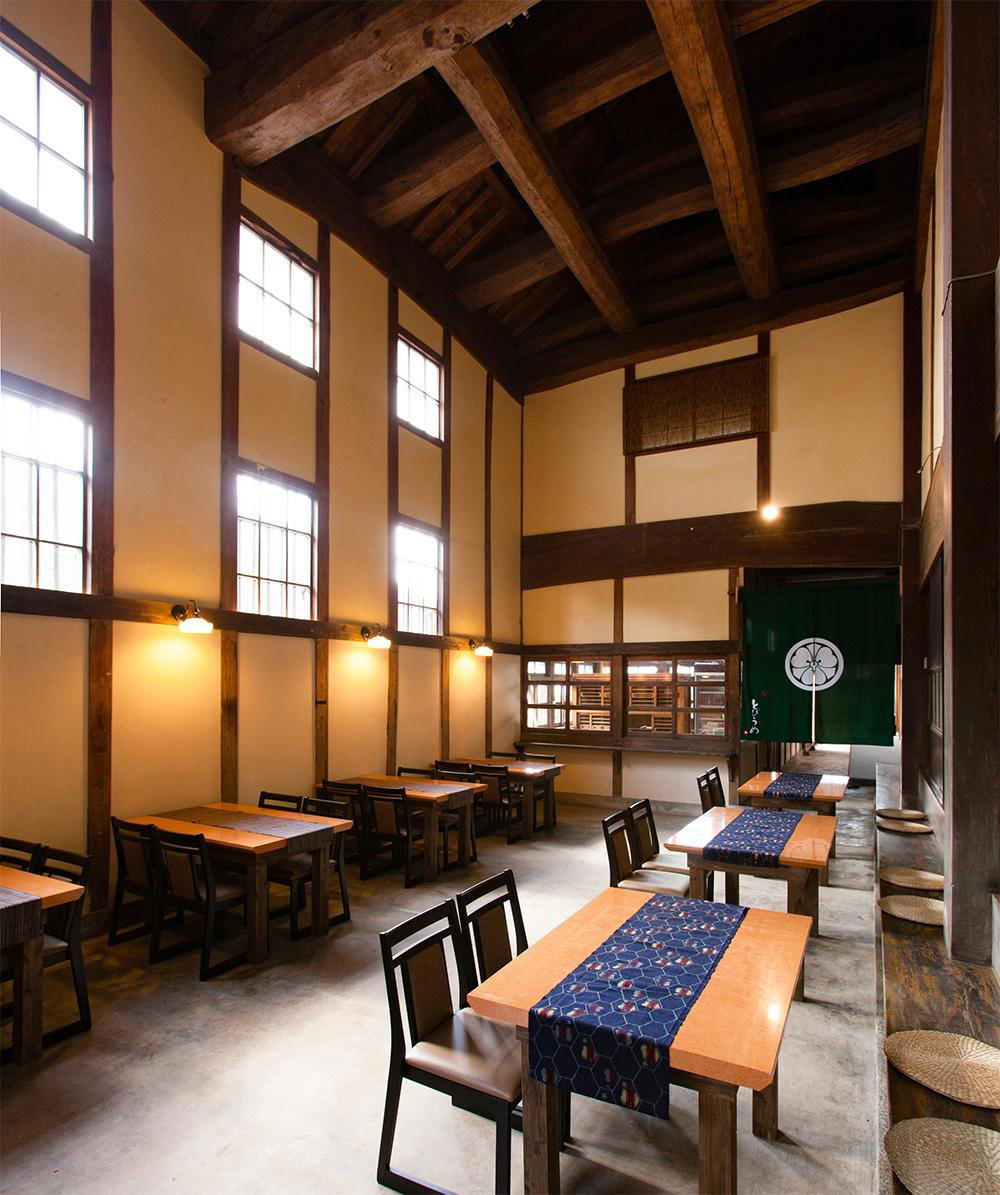
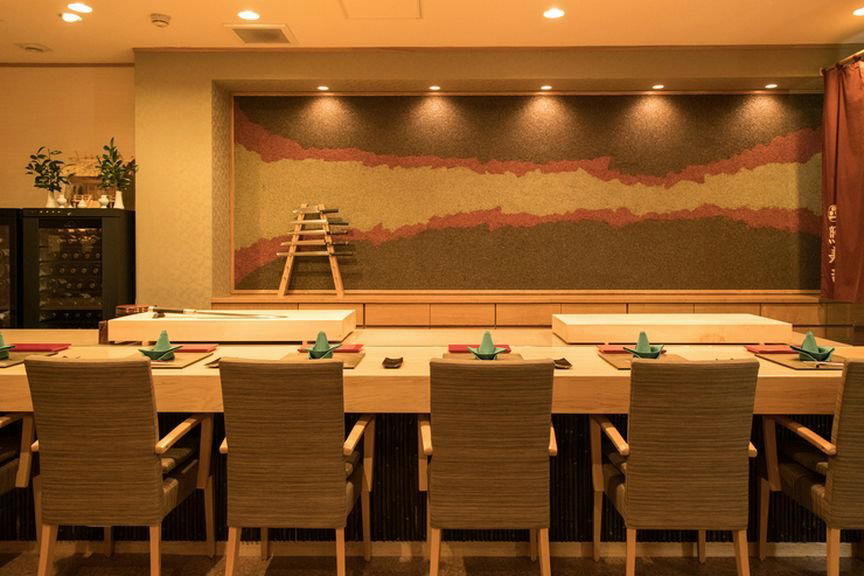
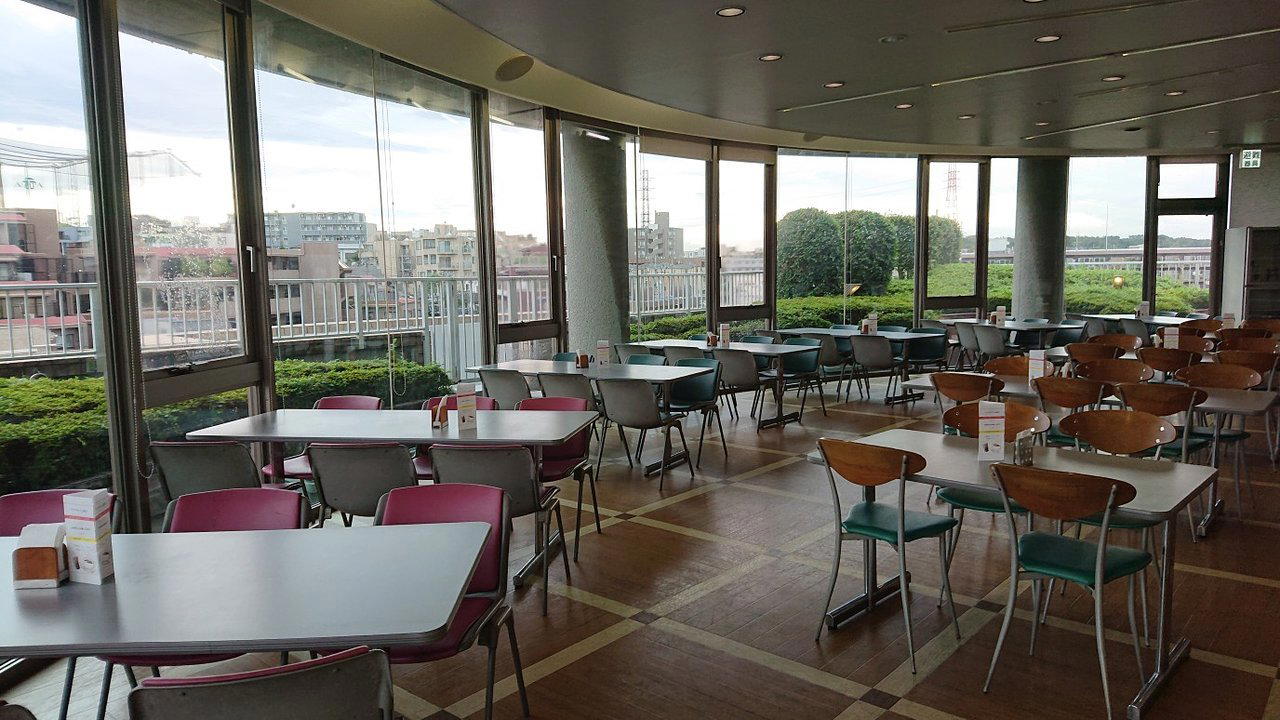
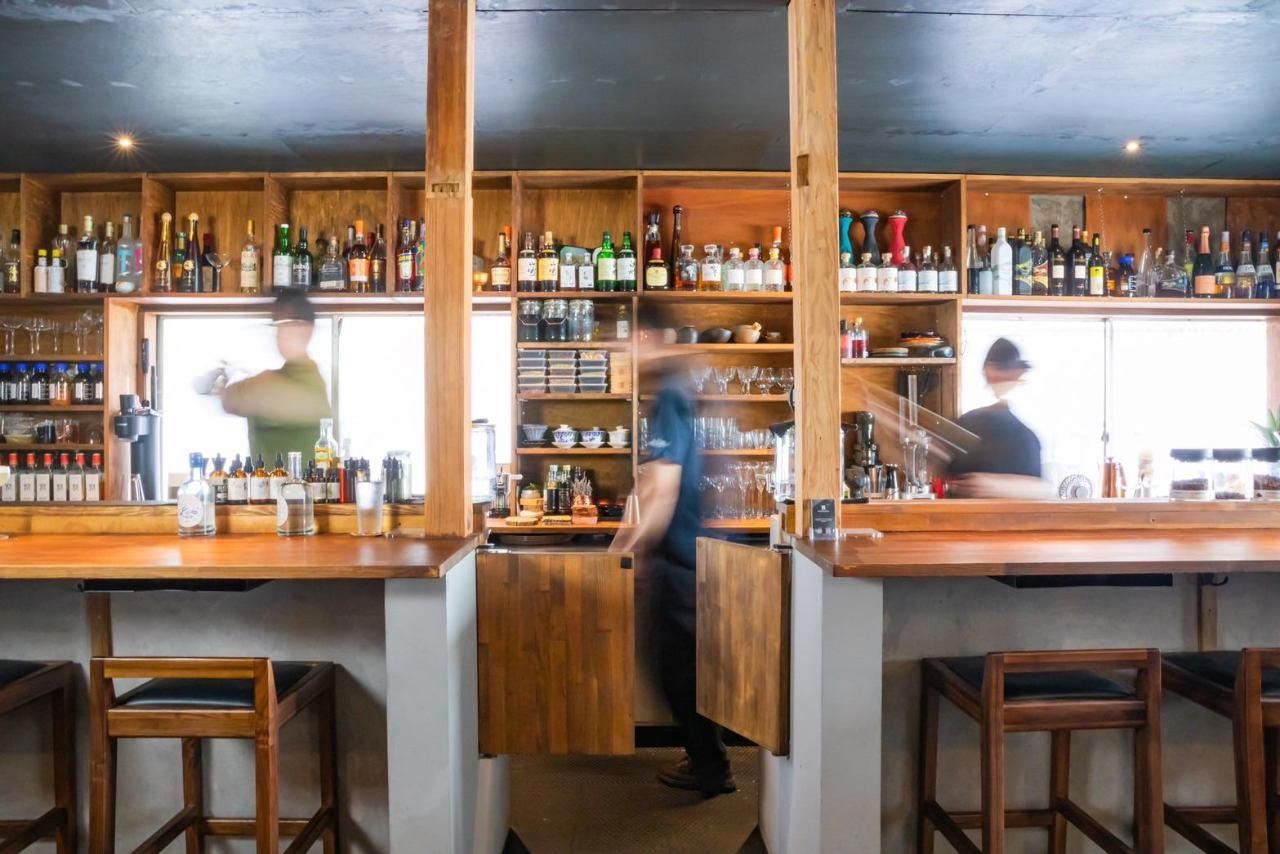
Minimalist interior with modern masonry exterior, featuring Shikoku Aoishi stones and wood furnishings by local artisans; warm, intimate counter setting focused entirely on the chef's artistry.