
Michelin Selected
NOT A HOTEL FUKUOKA occupies a residential address in Chuo Ward, operating as a Michelin Selected property within a brand concept that blurs the boundary between private house and hotel. The format sits in a small but growing tier of design-led Japanese properties where architecture and spatial intimacy matter more than lobby scale. For Fukuoka, it represents one of the more considered entries in the city's premium accommodation picture.

Pearl is the En Primeur Club membership app — saves, bookings, and concierge access live there. Same editors, same standards.
- Address
- 2 Chome-3-34 Omiya, Chuo Ward, Fukuoka, 810-0013, Japan
- Website
- notahotel.com
- Directions
- Get directions
When a Hotel Refuses the Category
Japan has developed a particular genre of accommodation that resists conventional hotel logic. Rather than lobbies, concierge desks, and numbered corridors, these properties operate more like privately owned residences made temporarily available — spaces where the architecture is the experience and scale is deliberately constrained. NOT A HOTEL, as a brand concept, sits squarely in this tradition. The Fukuoka outpost, at 2 Chome-3-34 Omiya in Chuo Ward, carries that identity into one of Japan's most confidently food-forward cities, earning Michelin Selected status in the 2025 hotel guide in the process.
Michelin's hotel selection process does not award stars to accommodation the way it does to restaurants, but inclusion in the Selected tier is a meaningful credential. It signals that the inspectorate found the property worthy of the guide's readership, which skews toward travellers with high expectations of space, service consistency, and design coherence. For a property operating outside conventional hotel formats, that validation carries particular weight.
Design as the Entire Argument
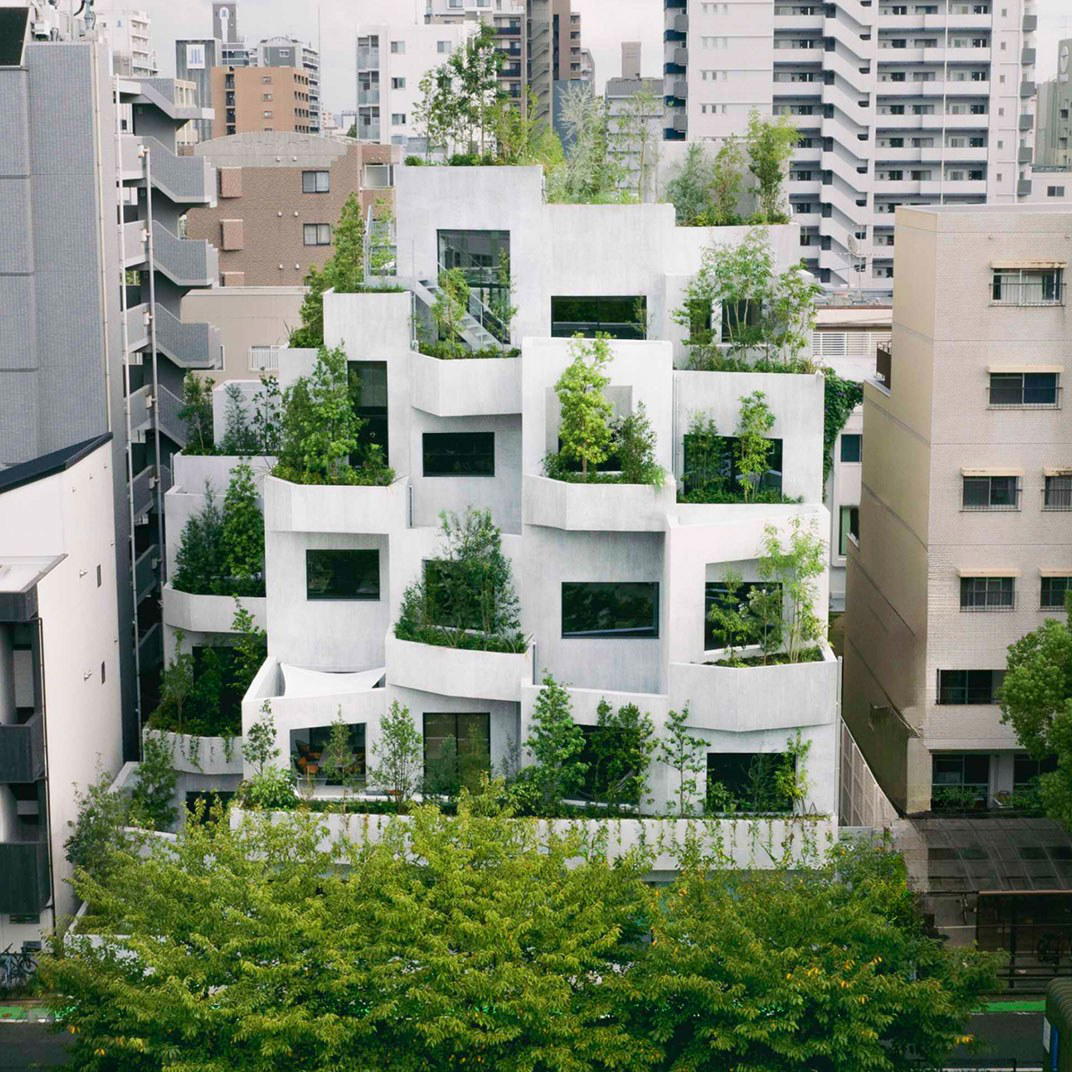
The NOT A HOTEL brand was built on a single architectural premise: that a stay should feel like borrowing someone's house rather than checking into a standardised room. Properties in the group tend to commission or occupy buildings with strong design identities, and the spatial experience — how light moves through the rooms, how materials are chosen, how the building relates to its surroundings, is the primary product being sold.
In Japan's premium accommodation tier, this approach has real precedent. Properties like Benesse House in Naoshima have demonstrated for decades that art and architecture can sustain an entire hospitality proposition without the infrastructure of a traditional hotel. Zaborin in Kutchan uses material restraint and landscape positioning to similar effect. NOT A HOTEL Fukuoka operates in that same niche: low key count, high design investment, the implicit understanding that guests are not looking for amenities volume but spatial quality.
Chuo Ward is Fukuoka's central administrative and commercial district, and Omiya sits within a residential texture that keeps the property away from the hotel-heavy corridors near Hakata Station. That address choice is itself a design decision: placing a stay within a neighbourhood rather than adjacent to transit infrastructure changes how guests relate to the city entirely.
Fukuoka's Accommodation Tier and Where This Property Sits
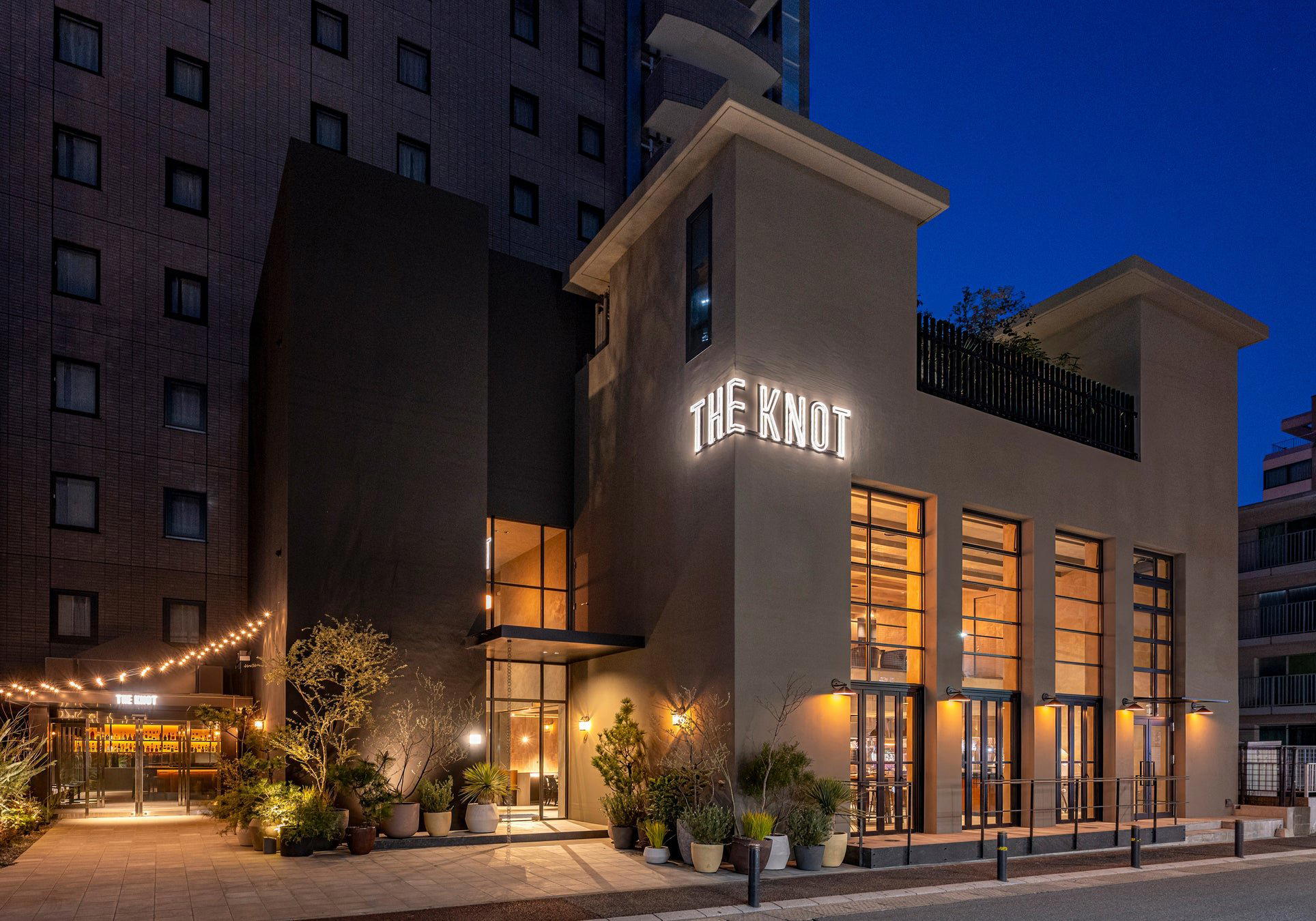
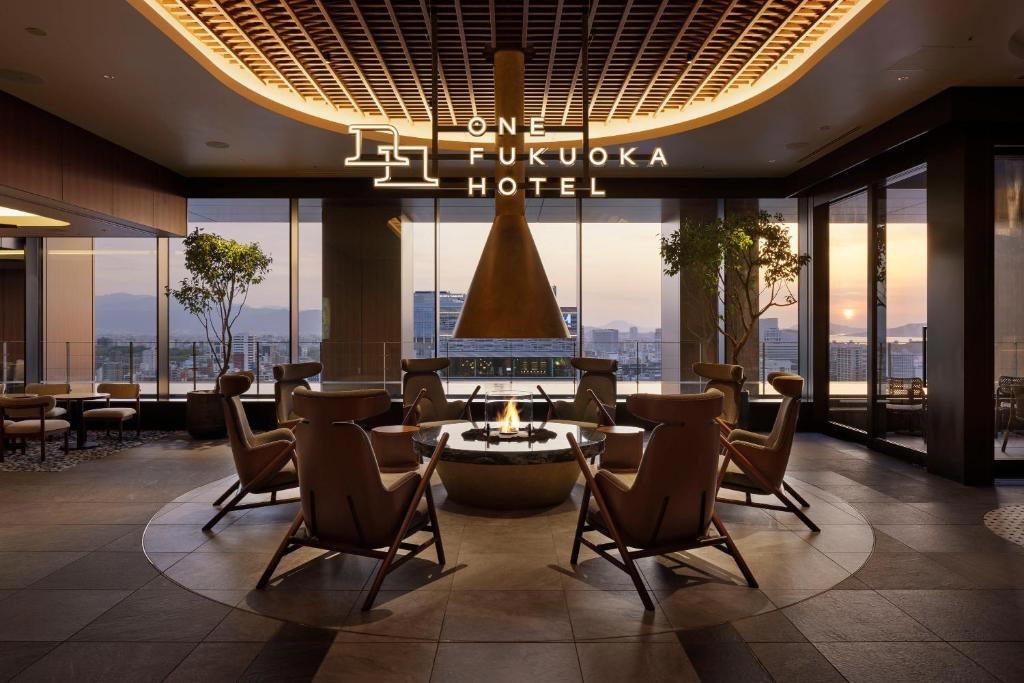
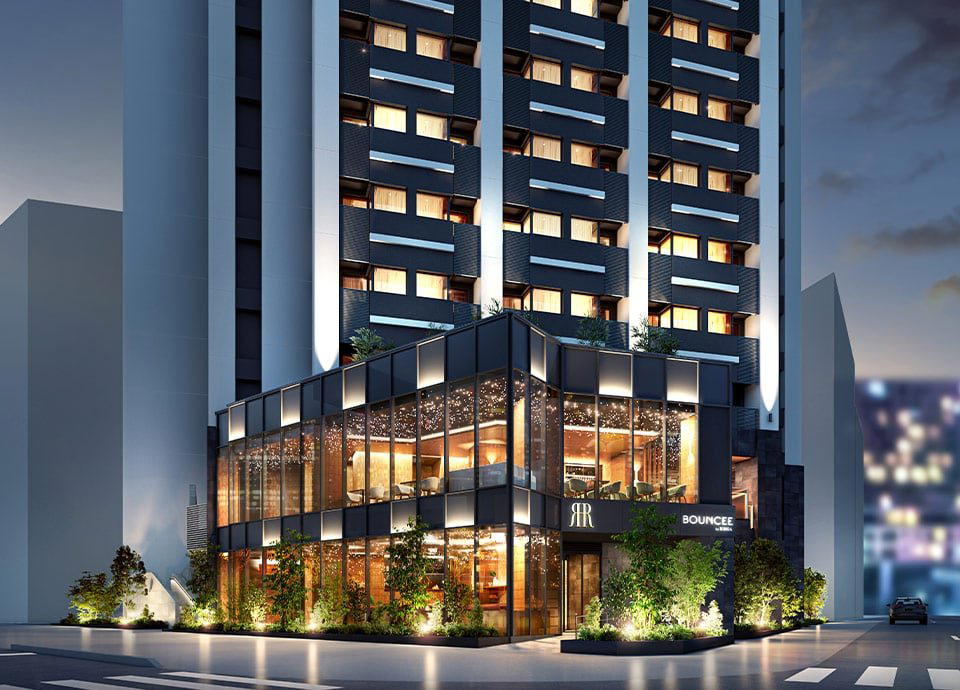
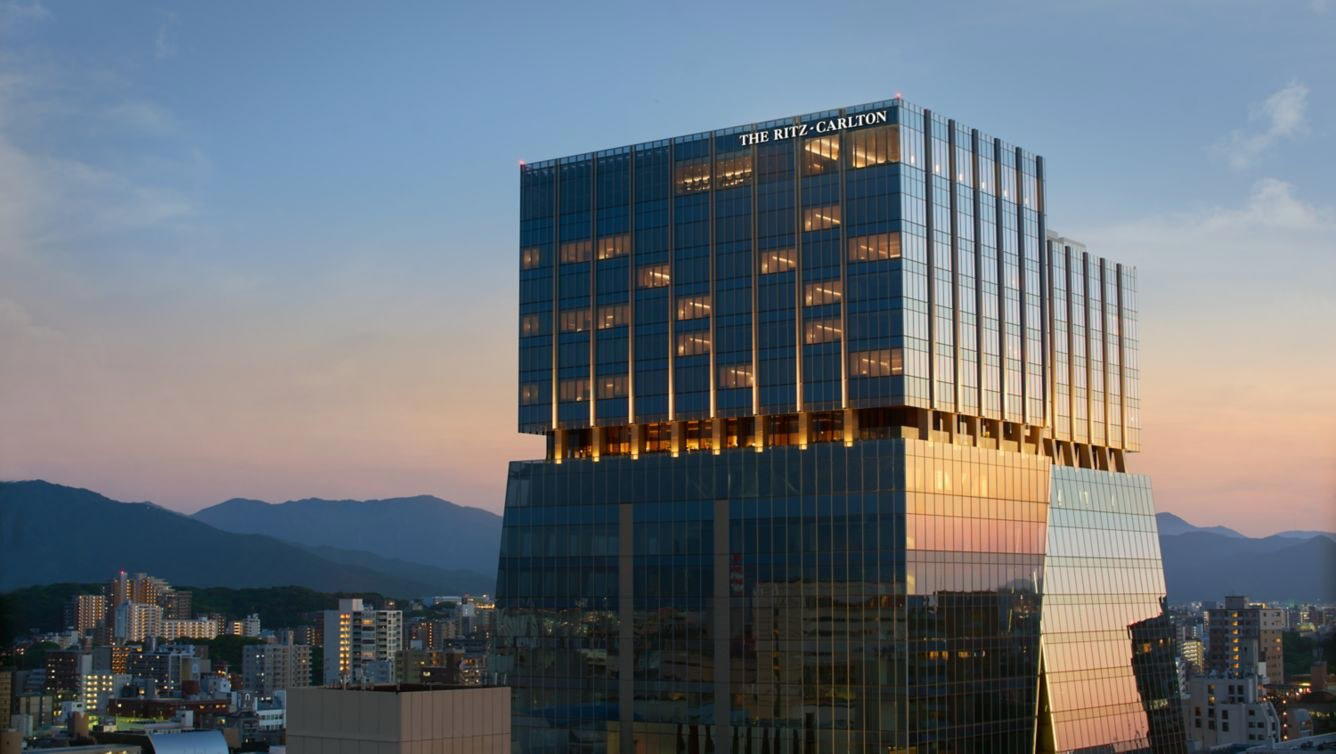
Fukuoka's premium hotel options have broadened considerably in recent years. The Ritz-Carlton Fukuoka occupies the international luxury brand segment, with the full-service infrastructure that implies. ONE FUKUOKA HOTEL and WITH THE STYLE FUKUOKA represent design-conscious properties working within more recognisable boutique hotel formats. Snow Peak YAKEI SUITE brings an outdoor brand's material vocabulary into hospitality. Hilltop Resort Fukuoka takes a resort positioning.
NOT A HOTEL Fukuoka occupies a different position in this set. Its competitive reference points are not other Fukuoka hotels but other NOT A HOTEL properties across Japan, and more broadly the cohort of architecturally distinctive small Japanese stays that treat the building itself as the primary draw. Guests choosing this property are typically comparing it not against the Ritz-Carlton's service infrastructure but against other design-led formats: the ryokan tradition updated, or the private-villa model applied to an urban context.
Across Japan, that niche has produced some of the most considered hospitality experiences available. Gora Kadan in Hakone, Asaba in Izu, and Nishimuraya Honkan in Kinosaki-cho all operate at the intersection of architectural intention and hospitality discipline. Kamenoi Besso in Yufu, just east of Fukuoka in Oita Prefecture, shows what the format looks like in a hot-spring context. NOT A HOTEL Fukuoka applies related logic to an urban residential setting.
The City Context
Fukuoka is frequently assessed as one of Japan's most liveable cities, with a food culture that punches well above its population size. Hakata ramen, mentaiko, and a dense concentration of izakayas and specialist counters make it a serious dining destination independent of its hotel offer. For design-led travellers, the city also sits within easy reach of Kyushu's broader cultural circuit. Jusandi in Ishigaki and Halekulani Okinawa extend the travel radius south toward the Ryukyu islands for those building longer itineraries.
For guests arriving in Japan from further afield and considering where NOT A HOTEL Fukuoka sits in a wider Japan routing, it makes natural sense as a southern anchor. HOTEL THE MITSUI KYOTO, Bvlgari Hotel Tokyo, or Amanemu in Mie represent the kind of design-serious properties that occupy adjacent positions in a premium Japan itinerary. Fufu Nikko, Fufu Kawaguchiko, and Satoyama-Jujo in Niigata fill out the range of considered small properties around the country's main islands.
For full context on dining and stays across the city, see our Fukuoka guide.
Planning a Stay
NOT A HOTEL properties typically operate on a booking model that differs from standard hotel reservation platforms. Given the brand's house-style format and limited key count, availability tends to be constrained and advance planning is advisable. The Chuo Ward address places guests within a central but residential pocket of Fukuoka, accessible to both the Hakata transit hub and the Tenjin commercial district on foot or by a short taxi. Because the property does not publish standard room categories in the conventional sense, prospective guests are advised to approach the brand directly for configuration and rate details. Michelin Selected status in the 2025 guide is the primary third-party validation currently on record.
Those whose reference points extend to international property formats rather than purely Japanese ones may find useful comparisons in The Fifth Avenue Hotel in New York City, Badrutt's Palace Hotel in St. Moritz, or Hotel de Paris Monte-Carlo, each of which, in its own market, demonstrates how a strong architectural and spatial identity can anchor an accommodation proposition independent of service volume.
Comparable Venues
Comparable venues nearby, for context on price, style, and recognition.
| Venue | Cuisine | Price | Awards | Notes |
|---|---|---|---|---|
| NOT A HOTEL FUKUOKAThis venue — the venue you are viewing | Condominium-style hotel functioning as both vacation home and hospitality venue, designed for informed travelers seeking residential comfort with hotel services. | Not listed | Michelin Selected | Not listed |
| THE LUIGANS Spa & Resort | Mexican-inspired modern resort in a quasi-national park | $200–300 | Michelin Selected · World Luxury Hotel Awards WLHA Regional Winner | Higashi |
| Snow Peak YAKEI SUITE | luxury glamping resort | Not listed | Michelin Selected | Minami |
| Hilltop Resort Fukuoka | Urban ryokan-inspired resort with contemporary Japanese design. | $100–200 | Michelin Selected | Chūō |
| WITH THE STYLE FUKUOKA | Contemporary boutique hotel with Art Deco architecture and Palm Springs-inspired mid-century modern furnishings, positioned as an urban resort for informed travelers. | $500–750 | Michelin Selected · World Luxury Hotel Awards WLHA Regional Winner | Hakata |
| ONE FUKUOKA HOTEL | Modern Japanese sky-high urban retreat | $300–500 | Michelin Selected · World Luxury Hotel Awards WLHA Global Winner | Chūō |
Recognition history
Dated appearances from independent guides and award organizations, with the underlying list record or original source where available.
Michelin Selected
Michelin
Details
- Modern
- Sophisticated
- Minimalist
- Quiet
- Business Trip
- Weekend Escape
- Design Destination
- Private Dining
- Garden
- Wi Fi
- Restaurant
- Bar
- Sauna
- Hot Tub
- Bicycle Rental
- Concierge
- EV Charging
- Room Service
- Elevator
- Wheelchair Accessible
Contemporary and serene with verdant greenery enveloping the concrete facade, creating a tranquil residential atmosphere while maintaining urban connectivity; individually curated spaces with premium furnishings and thoughtful design details.