


La Liste Top Restaurants · Tabelog Silver #114
Our verdict
Sushi Sakai holds a Tabelog Silver Award for 2026 and a Tabelog score of 4.56, placing it among western Japan's most recognised omakase counters. Ranked #18 in Japan by Opinionated About Dining in 2025, the 12-seat counter in Nishinakasu operates on reservation-only two-hour sessions with multilingual reservations available. The drink program is sommelier-led, with a noted focus on sake and wine.

Pearl is the En Primeur Club membership app — saves, bookings, and concierge access live there. Same editors, same standards.
- Address
- Japan, 〒810-0002 Fukuoka, Chuo Ward, Nishinakasu, 3−20 LANEラウンドビル 2F
- Phone
- +81 92-726-6289
- Hours
- Mon ClosedTue 6–8 PM, 8:30–10:30 PMWed 11 AM–1 PM, 1:30–3:30 PM, 6–8 PM, 8:30–10:30 PMThu 11 AM–1 PM, 1:30–3:30 PMFri 11 AM–1 PM, 1:30–3:30 PM, 6–8 PM, 8:30–10:30 PMSat 11 AM–1 PM, 1:30–3:30 PM, 5–7 PM, 7:30–9:30 PMSun Closed
- Website
- sakai-sushi.jp
- Directions
- Get directions
- Booking
- Book on TableCheck
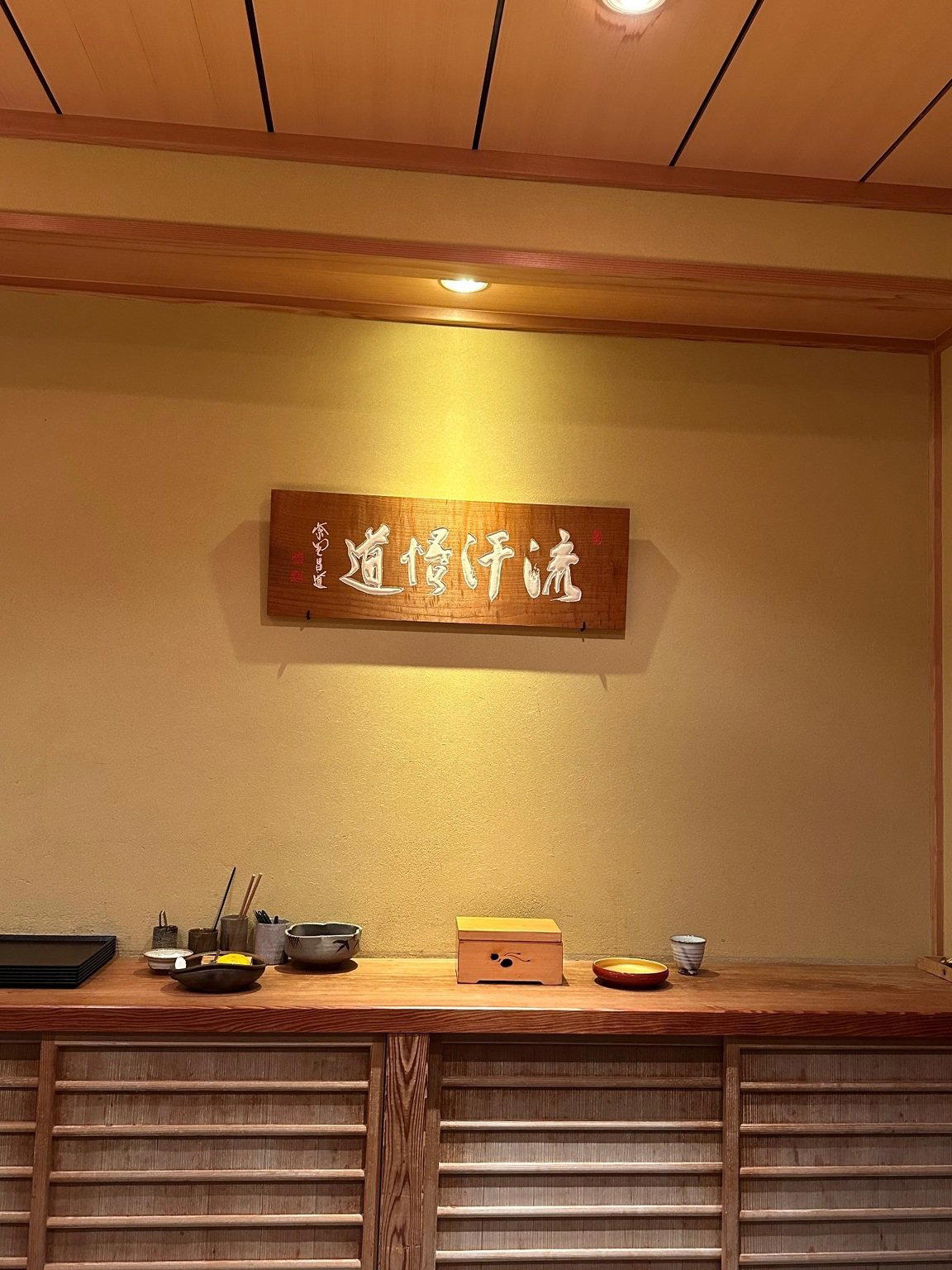
Fukuoka's Omakase Tier and Where Sushi Sakai Sits Within It
Japan's regional sushi scene has matured significantly over the past decade, and Fukuoka now fields a small group of omakase counters that compete credibly with Tokyo's upper bracket. The city's access to Genkai Sea fish — delivered directly through Fukuoka's own wholesale infrastructure — gives western Japan sushi at this level a sourcing argument that is geographic rather than aspirational. Sushi Sakai sits firmly in Fukuoka's premium omakase tier, with a Tabelog score of 4.56, a 2026 Silver Award, and three consecutive Tabelog Gold years (2024, 2025, and previously 2022 and 2020) forming a track record that is unusual outside the largest Japanese cities. Opinionated About Dining, which draws on a large pool of sophisticated diner votes rather than anonymous inspectors, ranked it #15 in Japan in 2023, #16 in 2024, and #18 in 2025, a range that speaks to consistent performance at a national level. La Liste, which aggregates critic and guide data across sources, awarded it 97 points for 2026, up from 83.5 in 2025, a notable upward movement.
A Trajectory Rather Than a Fixed Point
The editorial angle here is evolution, because Sushi Sakai's award history is not static. The counter first appeared at Silver level in the Tabelog Awards in 2017, moved to Gold in 2018, held that Gold status through 2020 and 2022, dipped to Silver in 2021 and 2023, returned to Gold in 2024 and 2025, and sits at Silver again for 2026. Read superficially, that oscillation might suggest inconsistency. Read more carefully against the Tabelog scoring methodology, where Gold requires a score above 4.5 and Silver a score in the 4.3–4.5 range, but the overall score of 4.56 has held, it looks more like a counter that has stayed at the ceiling of what regional Japanese dining typically achieves, with award category movement driven partly by the competitive recalibration of the pool rather than by any decline in the restaurant itself.
The Tabelog Sushi WEST "100" selections in 2021, 2022, and 2025 reinforce this reading. That list is assembled specifically for western Japan's sushi scene, and repeated inclusion confirms a position that is both durable and geographically specific. Fukuoka's sushi identity has always been somewhat separate from the Tokyo-centric omakase conversation, and Sushi Sakai's consistent presence in that western-Japan canon is part of what makes it worth examining as a barometer of where the city's premium sushi tier currently stands. For context on how this fits within Fukuoka's broader dining picture, see our full Fukuoka restaurants guide.
The Counter Format and What It Demands of Diners
Counter sushi at the JPY 40,000–49,999 price point, with review-based data suggesting actual spend frequently reaching JPY 50,000–79,999, operates on a different logic from a restaurant where you order à la carte and control the pace. The 12-seat counter at Sushi Sakai runs in two-hour sessions, structured around a fixed omakase format. Sessions are staggered through the day: on the most fully scheduled days (Wednesday and Friday), four sittings run from 11:00 through to a 20:30 start, each with a two-hour window. Tuesday operates evening-only, with sittings at 18:00 and 20:30. Thursday runs lunch sessions only. Saturday offers four slots spread across midday and evening. The counter is closed on Sundays, Mondays, and public holidays.
That schedule is worth reading carefully before booking, because the rhythm is more varied than many omakase counters of equivalent standing, which typically run two fixed evening sessions. The availability of both lunch and dinner sittings on most open days, something less common at counters in this price range, gives visiting diners somewhat more flexibility than the Tokyo premium tier usually allows. The reservation desk handles English, Japanese, and Chinese inquiries, operating between 10:00 and 18:00, which reduces one of the practical barriers that deters international visitors from booking directly. Only credit cards are accepted (VISA, Mastercard, JCB, AMEX, and Diners); electronic money and QR code payments are not.
Nishinakasu: A Neighbourhood That Shapes the Experience
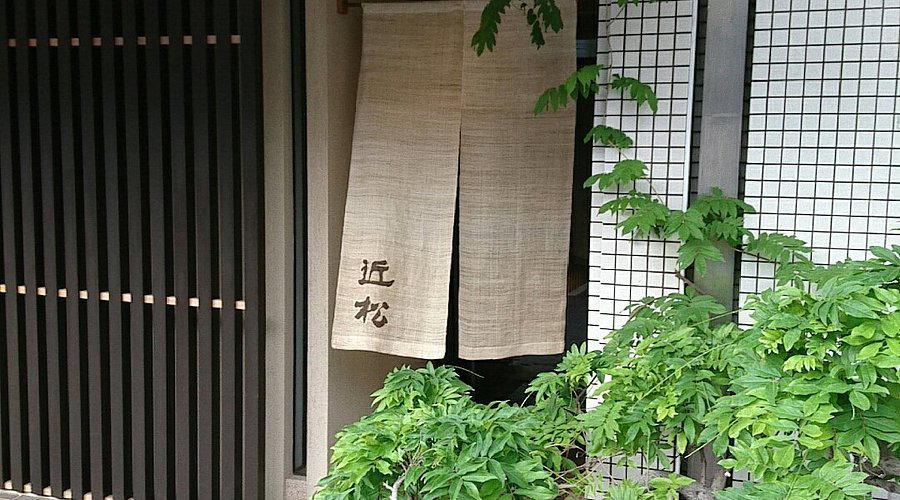
The physical approach to Sushi Sakai is worth noting because it reflects something broader about how Fukuoka's premium dining operates. Nishinakasu is not a neighbourhood that performs its culinary status loudly. Positioned between the Naka River and Tenjin, it sits close to the Nakasu entertainment district without sharing its neon intensity, and the LANE Round Building that houses the counter on its second floor is set back from the street with bamboo plantings at the front, a layout that requires checking an exterior photo before arriving, since the building entrance is not visible from the road. The subway connections are direct: Nakasu-Kawabata Station on the airport line is approximately 13 minutes on foot from Exit 1, and Tenjin-Minami Station on the Nanakuma Line is about 10 minutes from Exit 5.
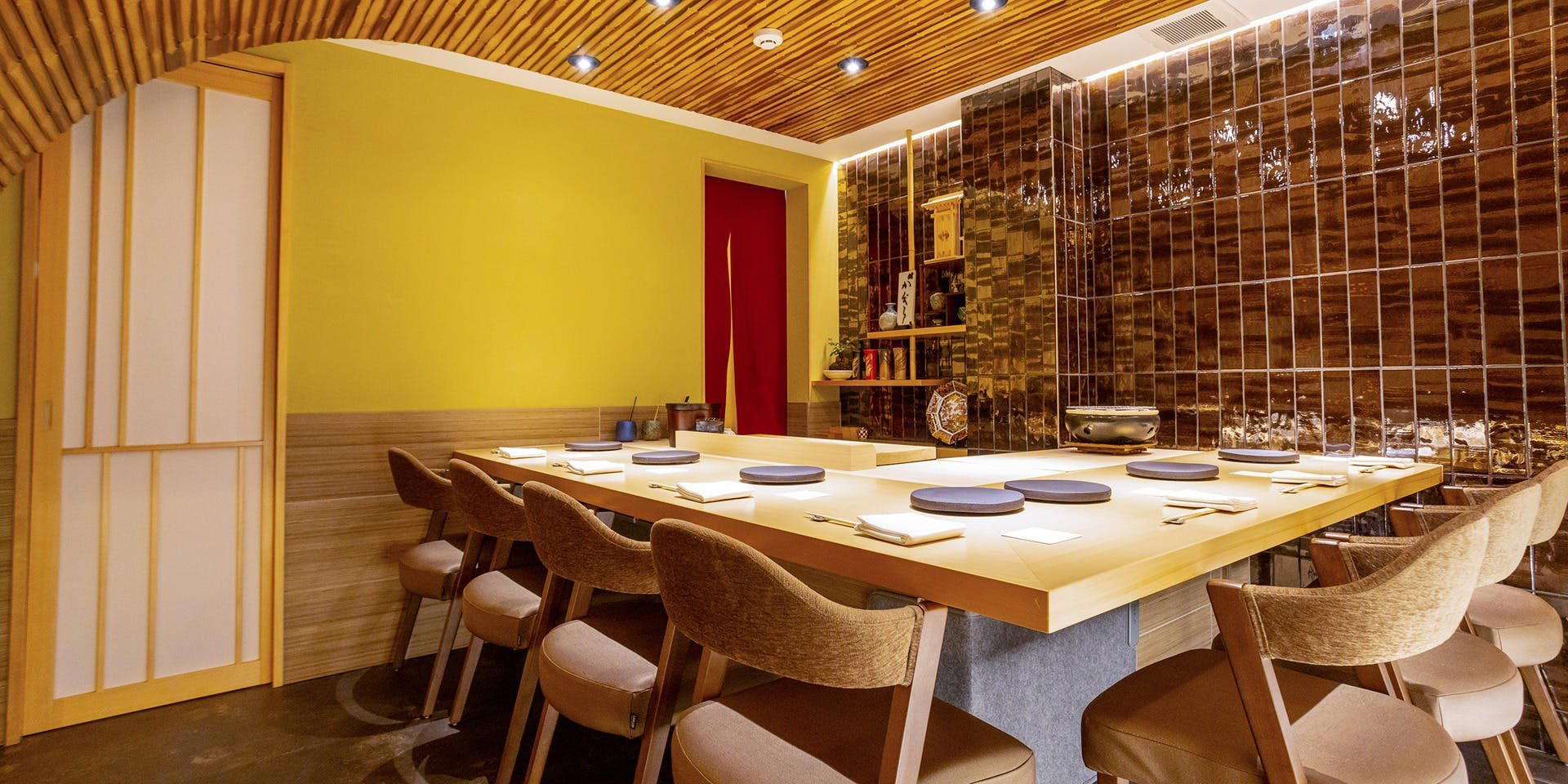
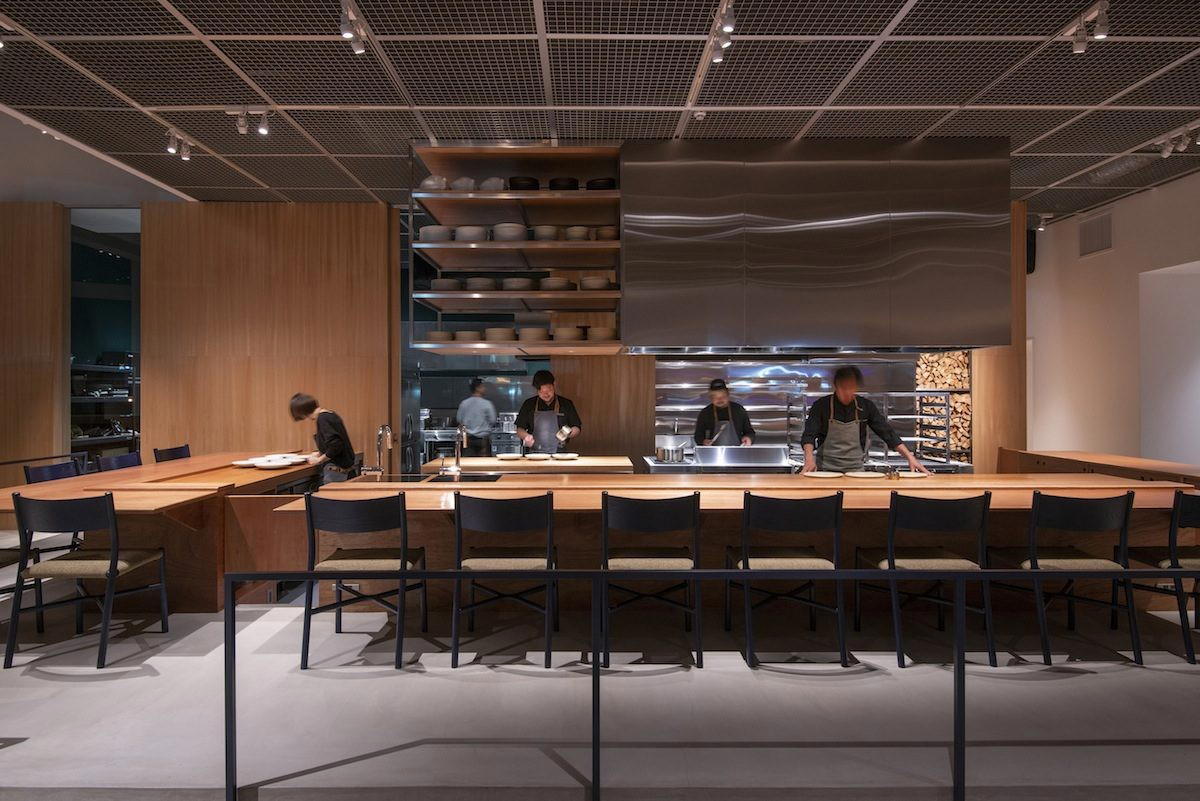
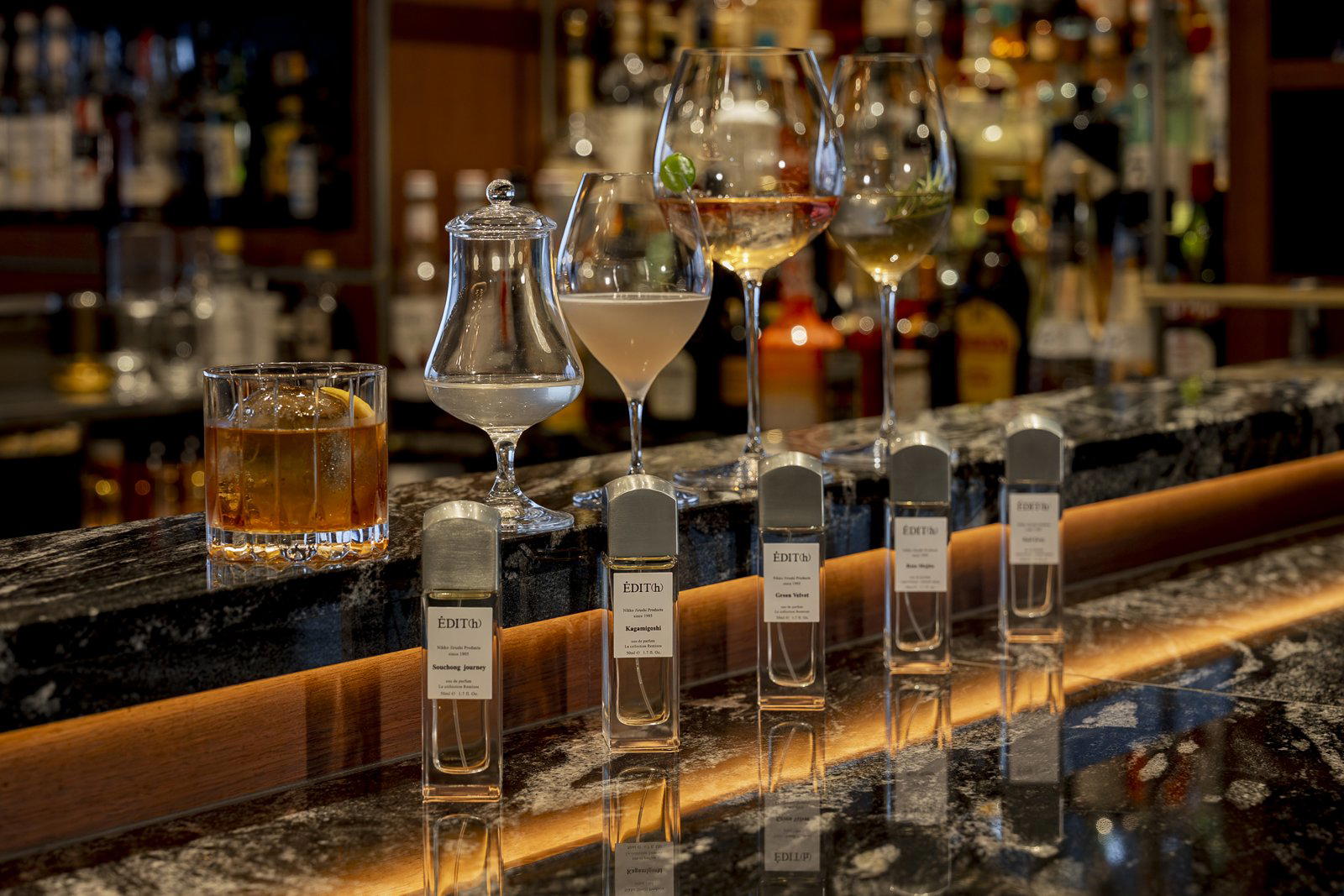
That slightly withdrawn physical presence is consistent with the omakase format itself, where the restraint of the environment is part of the offer. The space is described as relaxing rather than theatrical, with counter seating and no private rooms. The entire room can be reserved for private use, which aligns with the solo-dining and small-group orientation that characterises serious counter dining in Japan. Smart casual dress is expected. The drink program extends beyond sake to include wine and shochu, with a sommelier on the floor, notable for a sushi counter, where sake curation is standard but wine pairing remains less common.
Fukuoka Sushi in Comparative Context
Within Fukuoka's current sushi scene, Sushi Sakai occupies the upper price bracket alongside Chikamatsu, while the city's broader Japanese dining spectrum includes kaiseki and specialist formats at venues like Chiso Nakamura and Asago, along with French-influenced work at Goh and contemporary European approaches at Bekk. That range matters for trip planning, because Fukuoka now supports an itinerary that can move between formats and price points without the repetition that a single-cuisine city sometimes forces. For those travelling with interests beyond restaurants, our full Fukuoka hotels guide, bars guide, and experiences guide provide broader context, with a wineries guide also available for reference.
The premium sushi counter format is not exclusive to Japan's largest cities, and Sushi Sakai is useful evidence for that argument. The Opinionated About Dining rankings place it consistently inside Japan's top 20, which means it benchmarks against Tokyo and Kyoto operations rather than merely regional ones. The same platform's recognition of Gion Sasaki in Kyoto and akordu in Nara illustrates that this national tier now includes a handful of non-Tokyo counters that can hold their own on scoring grounds. Sushi Sakai's presence in that group, sustained across multiple years rather than achieved in a single cycle, is the more substantive signal. Beyond Japan, the broader omakase format has spread internationally, with reference points including Ginza Sushiko in Los Angeles and Edomae Sushi Matsuki in Bratislava, as well as domestic Japanese operations such as 1000 in Yokohama and 6 in Okinawa.
Planning a Visit
Reservations are required and can be made by contacting the restaurant directly at 092-726-6289 during the 10:00–18:00 reservation window. Multilingual support in English, Japanese, and Chinese is available at that number. The counter seats 12, and given the award history and national recognition, lead times are likely to be substantial, particularly for weekend and evening sessions. Address for navigation: 福岡県福岡市中央区西中洲3-20 LANEラウンドビル 2F; the building entrance is accessed from within the premises rather than directly from the street, so checking the exterior photo via the venue website at sakai-sushi.jp before arriving avoids confusion on approach.
Frequently asked questions
What days is Sushi Sakai closed?
Hours at Sushi Sakai: Hours: Monday Closed Tuesday 6–11 pm Wednesday 11 am–3:30 pm, 6–11 pm Thursday 11 am–3:30 pm Friday 11 am–3:30 pm, 6–11 pm Saturday 11 am–3:30 pm, 5–10 pm Sunday Closed.
Reputation Context
Comparable venues nearby, for context on price, style, and recognition.
| Venue | Cuisine | Price | Awards | Notes |
|---|---|---|---|---|
| Sushi SakaiThis venue — the venue you are viewing | Edomae-style Omakase Sushi | $300–500 | La Liste Top Restaurants · Tabelog Silver #114 | Not listed |
| Tenzushi Kyomachi | Modern Kyushu-style Omakase Sushi | $300–500 | La Liste Top Restaurants · Tabelog Silver #141 | Kokura |
| torila | Yakitori | Not listed | Tabelog Bronze #471 | Chūō |
| Imoto | Modern Kyoto Kaiseki | $200–300 | Tabelog Bronze #133 | Chūō |
| Yakiniku Sudou Haruyoshi | Premium Omakase Yakiniku | $150–200 | Tabelog Bronze #424 | Chūō |
| Sushi Soejima | Seasonal Kyushu Sushi Omakase | $150–200 | Tabelog 100 #46 | Hakata |
Recognition history
Dated appearances from independent guides and award organizations, with the underlying list record or original source where available.
La Liste Top Restaurants
La Liste
Opinionated About Dining Top Restaurants in Japan Ranked #22
Opinionated About Dining
Tabelog Silver #114
Tabelog
Full recognition history (10 entries)
Tabelog Bronze #534
Tabelog
La Liste Top Restaurants
La Liste
Opinionated About Dining Top Restaurants in Japan Ranked #18
Opinionated About Dining
Tabelog Gold
Tabelog
Tabelog 100 #5 · No. 5
Tabelog · Tabelog 100 - Sushi - WEST - 2025
Opinionated About Dining Top Restaurants in Japan Ranked #16
Opinionated About Dining
Opinionated About Dining Top Restaurants in Japan Ranked #15
Opinionated About Dining
Details
- Elegant
- Intimate
- Sophisticated
- Classic
- Special Occasion
- Date Night
- Chefs Counter
- Sake Program
- Extensive Wine List
- Sustainable Seafood
- Omakase
- Counter Dining
- Sake
- Wine
- Pescatarian Friendly
Current opening hours
- Monday
- Closed
- Tuesday
- 6–8 PM, 8:30–10:30 PM
- Wednesday
- 11 AM–1 PM, 1:30–3:30 PM, 6–8 PM, 8:30–10:30 PM
- Thursday
- 11 AM–1 PM, 1:30–3:30 PM
- Friday
- 11 AM–1 PM, 1:30–3:30 PM, 6–8 PM, 8:30–10:30 PM
- Saturday
- 11 AM–1 PM, 1:30–3:30 PM, 5–7 PM, 7:30–9:30 PM
- Sunday
- Closed
Hours can change for holidays and private events. Last verified .
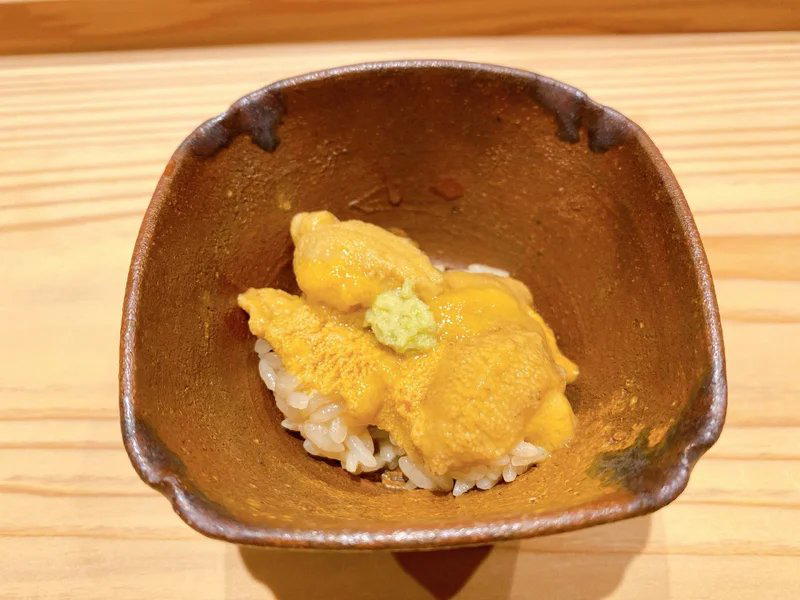
Warm and inviting with shoji paper shades, hinoki counter, relaxing atmosphere, and serene water fountain sounds.