


La Liste Top Restaurants · Tabelog Gold #5
Our verdict
A nine-seat counter in Yakuin places Fukuoka sushi in the national conversation without copying Tokyo’s old Edomae script. Chikamatsu, led by Nobuhiro Sakanishi, carries Tabelog Gold recognition for 2026, a 4.60 score, La Liste’s 89-point rating, and a ranked position on Opinionated About Dining’s Japan list, making it a serious reference point for Kyushu sushi.

Pearl is the En Primeur Club membership app, where members save venues, book tables and use the concierge.
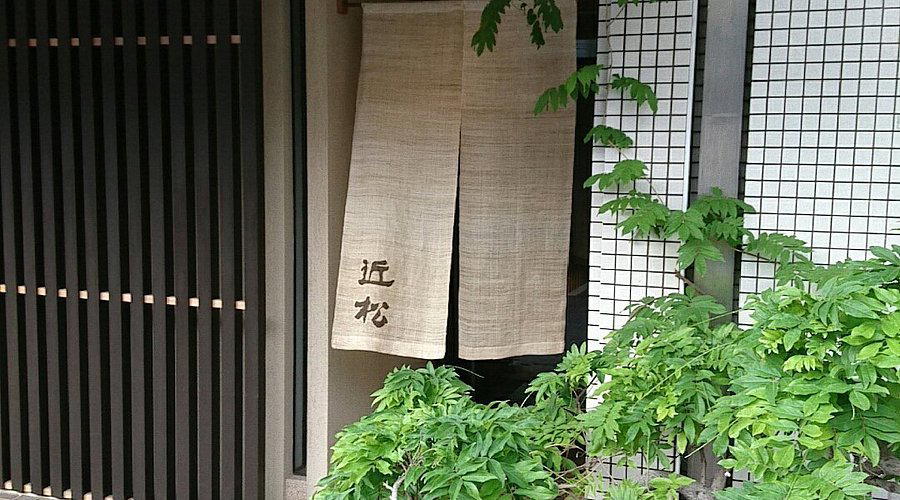
Yakuin slows the meal before it begins. Central Fukuoka’s commercial rhythm gives way to smaller streets, apartment blocks, clinics, and discreet ground-floor addresses: urban quiet suited to a sushi counter built on compression, not display. Fukuoka sushi is often misread through Tokyo expectations, yet the city’s counter culture has its own logic: proximity to Kyushu waters, a smaller high-end dining circuit, and clients who value control over spectacle.
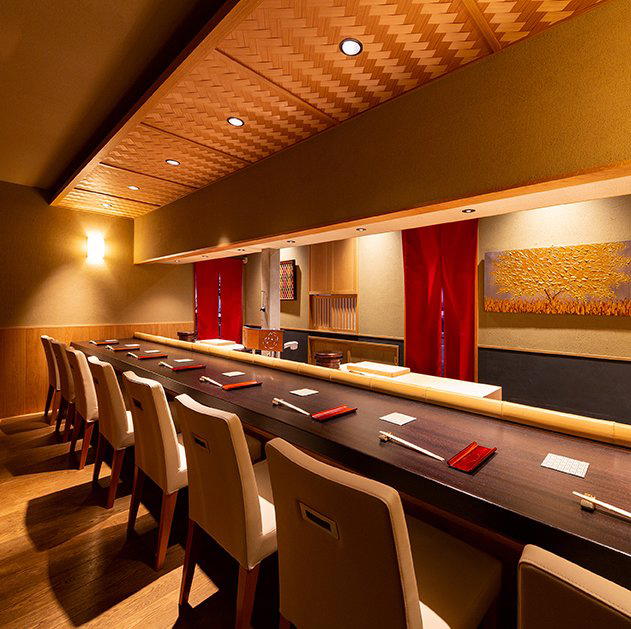
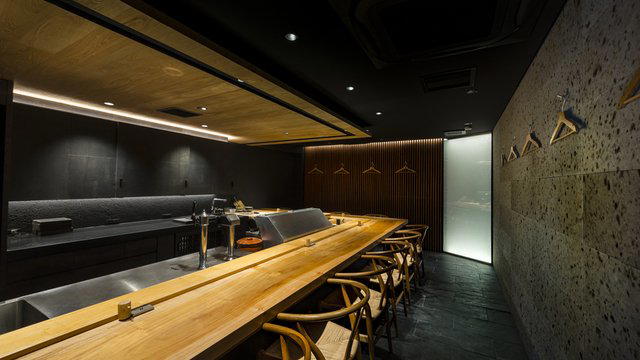
Chikamatsu works in that narrow register. The room has nine counter seats, keeping the experience orthodox: chef, rice, fish, timing, and almost no distraction. Nobuhiro Sakanishi gives the counter its authorship, but its Edomae position is the sharper point. Fukuoka’s strongest counters need not imitate Ginza to be serious. They borrow Edomae discipline, especially sequence and handling, then let Kyushu sourcing and local expectations pull the meal away from Tokyo replica.
Kyushu sushi with Edomae discipline, not Tokyo mimicry
Sushi’s tension between tradition and modernity is often framed too crudely: aged versus fresh, red vinegar versus white, Tokyo versus everywhere else. Fukuoka complicates that map. Kyushu and nearby waters shape what a serious counter can emphasize. At this tier, modernity is less novelty than selection pressure: fewer seats, controlled pacing, tighter beverage alignment, and the expectation that each counter has a point of view without becoming theatre.
Chikamatsu’s public signals place it in that severe category. Tabelog lists it as a 2026 Gold Award winner with a 4.60 score, and records Gold recognition in 2025, 2024, 2022, and 2021, plus Silver recognition in several earlier years. Repeated recognition matters more than one burst of attention: it suggests durability in a national sushi culture where consensus is difficult and diners punish inconsistency quickly.
Opinionated About Dining ranked Chikamatsu on its 2026 Japan restaurants list, and La Liste assigns it 89 points for 2026. Those outside signals do not explain the food, but frame the competition: not merely a strong local counter, but part of the national conversation around sushi outside Tokyo. In Fukuoka, that conversation also includes Sushi Gyoten, Sushi Karashima, Gahoujin 我逢人, Morita, and Kotan, useful reference points for the city’s compact serious sushi field.
The Edomae inheritance here is format rather than nostalgia. Counter seating, chef-led progression, and disciplined handling anchor the meal in classical sushi grammar. The modern side appears in Fukuoka counters becoming destinations for diners who know the Tokyo hierarchy and want a different regional expression. A decade ago, many international diners treated regional sushi as secondary. In 2026, Fukuoka’s stronger counters are judged on their own terms.
The counter format keeps the argument tight
A nine-seat counter is not neutral. It changes economics, pacing, and expectations. Small counters in Japan do not just feel intimate; they narrow the margin for error. Rice temperature, handoff rhythm, and beverage timing have nowhere to hide. The absence of private rooms reinforces that logic: this is not a flexible hospitality shell, but a focused counter experience.
That compactness also shapes comparison. Large luxury restaurants can dilute identity across rooms, menus, and service modes. Serious sushi counters work oppositely. Fewer seats mean reputation depends on repetition: the same counter, sequence discipline, and narrow expectations night after night. Chikamatsu’s repeated Tabelog Award history, including 2026 Gold status, fits accumulated trust rather than publicity heat.
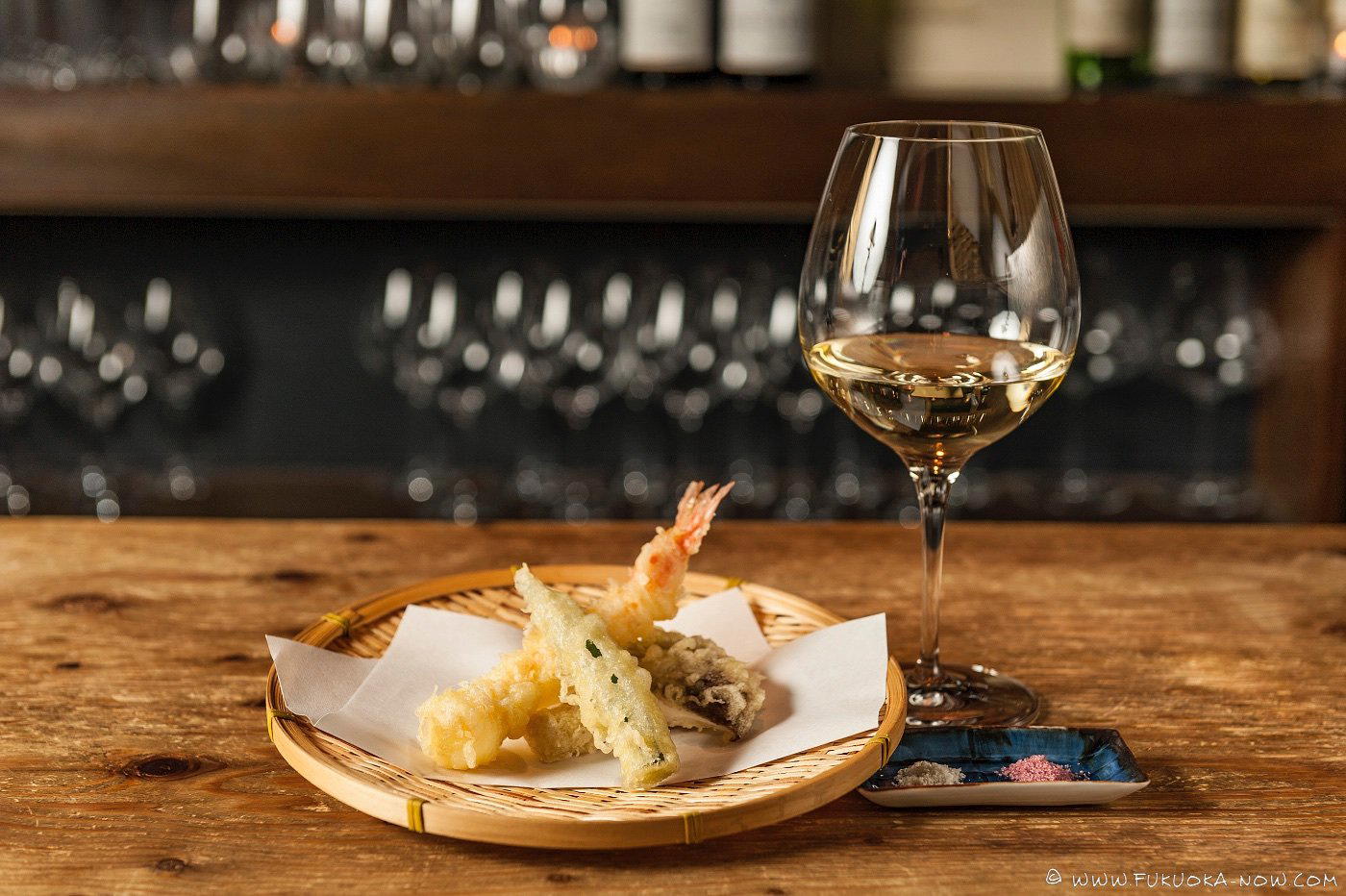
Fukuoka’s advantage is restraint. The city is large enough for destination dining, but not so saturated with luxury sushi that every counter needs a loud differentiator. That leaves room for confidence rather than performance. Sake, shochu, and wine on the drink side also reflect Kyushu dining culture. Sake is the conventional pairing language, shochu belongs naturally to the region, and wine is now part of contemporary counter vocabulary across Japan.
For a broader Japan itinerary, compare practically rather than sentimentally. Tokyo still offers density and historical hierarchy, while Osaka brings a different appetite and commercial rhythm, seen in AKA to SHIRO, Sushi in Osaka and the more casual cross-category sprawl around.cafe in Osaka. Fukuoka’s value is concentration: a smaller field where a handful of counters carry much of the city’s high-end sushi argument.
How to read Chikamatsu in a Fukuoka itinerary
Think of Chikamatsu as a regional benchmark for diners already interested in Japanese counter culture. It is not for learning sushi casually, nor for a group seeking a flexible night out. The category is narrower: a formal counter for diners who care about the difference between Edomae inheritance and regional interpretation, and understand Fukuoka’s strength as compression rather than abundance.
Its Yakuin position also explains the experience. This is neither the open-bright tourist centre nor the late-night density of the busiest entertainment zones. Yakuin and nearby Yakuin Odori suit restaurants dependent on regulars, introductions, and serious repeat dining. That neighbourhood character matters as much as the awards, placing the counter inside Fukuoka’s lived dining map rather than a hotel-district visitor circuit.
Build the broader Fukuoka plan with contrast. Sushi can anchor one evening, but the city rewards movement across categories: the restaurant scene beyond counters in our full Fukuoka restaurants guide, hotel positioning in our full Fukuoka hotels guide, drinking rooms in our full Fukuoka bars guide, regional wine context in our full Fukuoka wineries guide, and cultural planning through our full Fukuoka experiences guide. Fukuoka is not explained by one luxury meal. Its appeal lies between exacting counters, ramen culture, seafood markets, neighborhood drinking, and Kyushu hospitality.
For readers comparing Japan broadly, Chikamatsu belongs with serious counters in other cities, not as an alternative Tokyo. 3110, Sushi in Tokyo points to the capital’s dense sushi field, while unrelated but useful national contrasts such as -Grilled beef Sukiyaki- KAMAKURA TANUKIAN 鎌倉 たぬき庵 in Kamakura. 鮪と炭火焼き うお炭 秋葉原店 in Tokyo.know in Kumamoto, (Shoku) Vietnam in Kawasaki, and [Curry Senmon Ten] Maruyama Kyoju. in Sapporo show how varied Japan’s dining map becomes beyond one prestige category.
The point is simple: Chikamatsu belongs to the disciplined side of modern Japanese sushi. Its modernity is quiet: regional confidence, controlled counter scale, repeated national recognition, and refusal to treat Fukuoka as a secondary stage for Tokyo-style sushi. For diners who already understand the form, that is why it matters.
Frequently asked questions
What type of food is Chikamatsu known for?
Chikamatsu serves Sushi cuisine.
What's Chikamatsu's location?
Chikamatsu is located in Fukuoka.
What are the operating hours at Chikamatsu?
Hours at Chikamatsu: Hours: Monday Closed Tuesday 12–2 pm, 6–9:30 pm Wednesday 6–9:30 pm Thursday 6–9:30 pm Friday 6–9:30 pm Saturday 6–9:30 pm Sunday 6–9:30 pm.
What is Chikamatsu known for?
Chikamatsu is primarily known for Sushi in Fukuoka.
A Credentials Check
Nearby venues at a similar price tier for orientation.
| Venue | Cuisine | Price | Awards | Notes |
|---|---|---|---|---|
| ChikamatsuThis venue (the venue you are viewing) | Edomae Sushi Omakase | $200–300 | La Liste Top Restaurants · Tabelog Gold #5 | Not listed |
| Sushi Gyoten | 3-Star Michelin Edomae Omakase | Not listed | La Liste Top Restaurants · Tabelog Bronze #89 | Chūō |
| Imoto | Modern Kyoto Kaiseki | $200–300 | Tabelog Bronze #133 | Chūō |
| Sushi Karashima | Kyushu-Style Edomae Omakase | $200–300 | Tabelog Bronze #165 | Chūō |
| Sushi Osamu | Traditional Japanese Omakase Sushi | $150–200 | Tabelog Bronze #342 | Minami |
| 嗣味 | Modern Japanese Omakase | $200–300 | Not listed | Chūō |
Recognition history
Dated appearances from independent guides and award organizations, with the underlying list record or original source where available.
La Liste Top Restaurants
La Liste
Opinionated About Dining Top Restaurants in Japan Ranked #12
Opinionated About Dining
Tabelog Gold #5
Tabelog
Full recognition history (9 entries)
La Liste Top Restaurants
La Liste
Opinionated About Dining Top Restaurants in Japan Ranked #22
Opinionated About Dining
Tabelog Gold
Tabelog
Tabelog 100 #76 · No. 76
Tabelog · Tabelog 100 - Sushi - WEST - 2025
Opinionated About Dining Top Restaurants in Japan Ranked #34
Opinionated About Dining
Opinionated About Dining Top Restaurants in Japan Ranked #17
Opinionated About Dining
Continue exploring
More in Fukuoka
Restaurants in Fukuoka
All restaurants in Fukuoka →
Details
- Intimate
- Elegant
- Minimalist
- Sophisticated
- Special Occasion
- Date Night
- Chefs Counter
- Sake Program
- Local Sourcing
- Omakase
- Counter Dining
- Sake
Current opening hours
- Monday
- Closed
- Tuesday
- 12–2 PM, 6–9:30 PM
- Wednesday
- 6–9:30 PM
- Thursday
- 6–9:30 PM
- Friday
- 6–9:30 PM
- Saturday
- 6–9:30 PM
- Sunday
- 6–9:30 PM
Hours can change for holidays and private events. Hours as of .
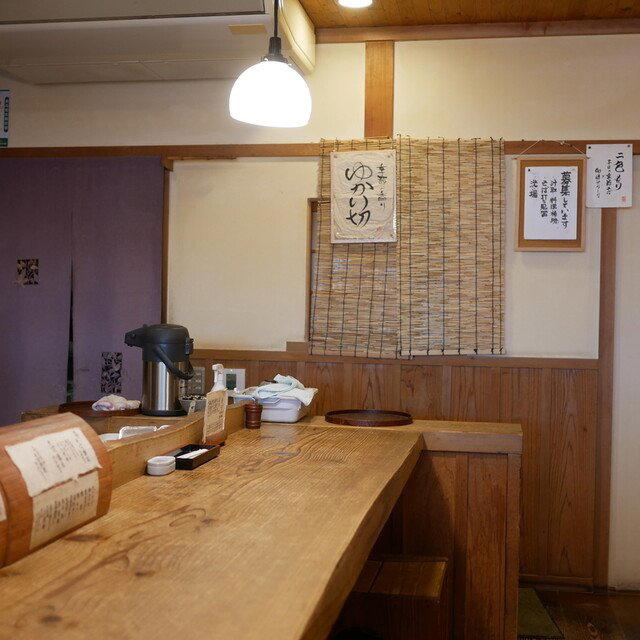
Intimate counter seating in a serene, minimalist space with stylish and relaxing atmosphere focused on the chef's craft.