Beijing Da Dong sits in Dongcheng's Dongsishi lane and has built one of the capital's most recognised reputations for Peking duck, drawing a broad spectrum of diners from local regulars to visiting critics. The restaurant occupies multiple floors and operates at a scale that few Beijing duck houses attempt while still maintaining a kitchen focused on one central technique. For visitors mapping premium Chinese dining in the capital, it belongs in the same conversation as the city's most discussed Chinese tables.
Pearl is the En Primeur Club membership app — saves, bookings, and concierge access live there. Same editors, same standards.
- Address
- China, Beijing, Dongcheng, Dongsishi Aly, ä¸ååæ¡ç²22å·åæ°ä»åå¡å¤§å¦1-2å± é®æ¿ç¼ç
- Phone
- +861051690329
- Website
- wheretoflyy.wordpress.com
- Directions
- Get directions
 Saves & bookings on Pearl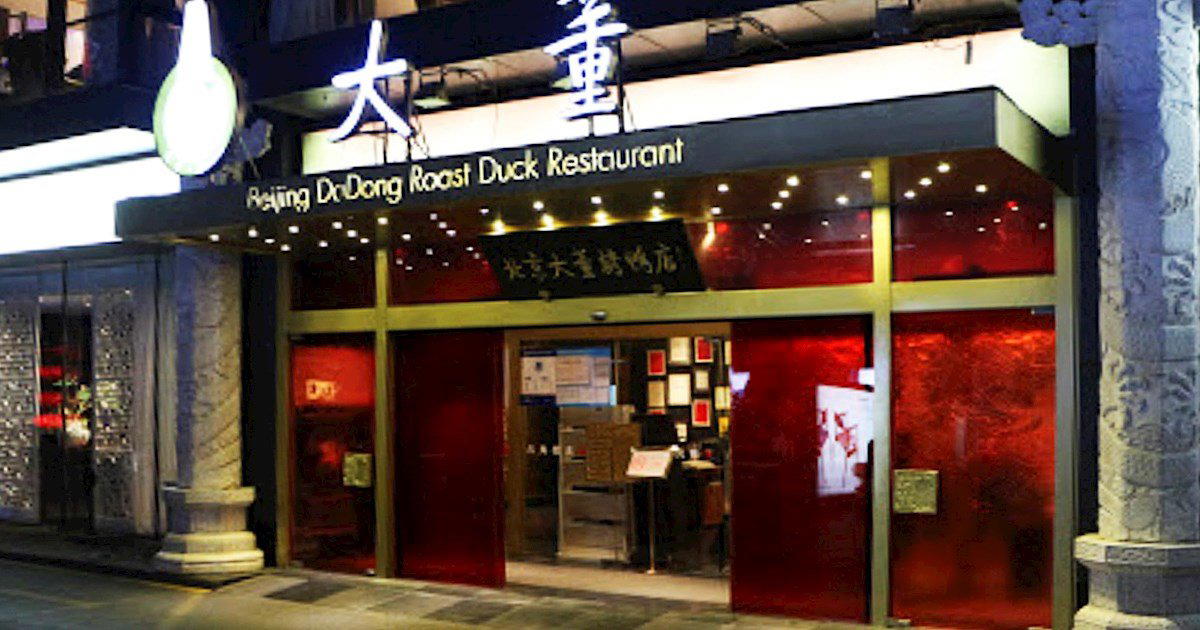
The Ritual of the Duck: How Beijing Orders, Carves, and Eats
Walk into a serious Beijing duck house and the choreography begins before the first course arrives. The carver appears tableside, knife angled with the confidence of someone who has done this several thousand times, and the duck is broken down into a sequence that most diners in other cities never witness: first the skin, lacquered and separated while it still holds its crispness, then the flesh, then the carcass directed toward soup if the table requests it. This is not theatre layered on top of food, it is the food. Understanding that sequence is the key to reading Beijing Da Dong, which has built its public identity on this exact ritual executed at consistent scale in the Dongcheng district, on the first and second floors of a commercial building along Dongsishi lane.
Beijing duck houses occupy a distinct category in the capital's dining hierarchy. They are neither the tasting-menu operations that Beijing's higher price tiers increasingly resemble, see Lamdre or King's Joy at the ¥¥¥¥ vegetarian end, nor the neighbourhood canteens that anchor everyday eating. They sit in the middle tier of ceremony: structured enough to require some protocol knowledge, casual enough that families, business tables, and solo diners coexist in the same dining room. Da Dong has occupied this middle ground, which explains both its reach and its polarising reviews among purists who prefer a smaller, more austere approach.
The Pacing of a Duck Meal
The dining ritual at a serious duck house follows a logic that differs from most multi-course Chinese formats. The duck itself is not an opening, it arrives mid-meal, after cold dishes and appetisers have set the register, and it demands a specific eating tempo. The skin goes first, dipped or wrapped with condiments at the table's discretion, and it must be eaten quickly before the crispness softens. The flesh follows at a slightly more relaxed pace. Then the meal either continues with additional dishes or closes with the soup made from the carcass, a broth that functions as both punctuation and pragmatic use of the whole bird.
Da Dong's particular contribution to this tradition has been the lean-skin method, which reduces the subcutaneous fat layer compared with older preparation styles. The result is a duck where the skin carries less richness but more structural crispness. Whether that trade-off suits a given diner's preference is a matter of taste rather than quality, some regulars of older Beijing duck houses find it drier; others consider it a cleaner finish. Both positions are defensible, and that tension is worth understanding before booking.
Where Da Dong Sits Among Beijing's Serious Tables
Beijing's premium Chinese dining has expanded considerably in the past decade, with Michelin's Beijing guide and the broader critical conversation pulling attention toward formats like Jingji for classical Beijing cuisine and Xin Rong Ji (Xinyuan South Road) at the summit of the Taizhou price tier. Da Dong operates in a different register from both: it is a high-volume specialist rather than a refined multi-regional experience. That volume is not a flaw, it reflects a deliberate choice to make a technically demanding preparation available to a broad dining public, which is its own form of ambition. Comparing Da Dong to the intimacy of Chao Shang Chao (Chaoyang)'s Chao Zhou focus misreads what each restaurant is trying to do.
Across China, the question of what defines a premium Chinese dining experience has become more complicated as restaurants in other cities have developed distinct regional identities. Ru Yuan in Hangzhou, Fu He Hui in Shanghai, and Imperial Treasure Fine Chinese Cuisine in Guangzhou each anchor their reputation in a regional tradition that differs significantly from Beijing's duck-centred ceremonial dining. Da Dong's position remains tied specifically to the capital's own culinary identity. Peking duck is not a dish that travels easily out of context, and Da Dong has not tried to be something it isn't.
What the Dining Room Tells You
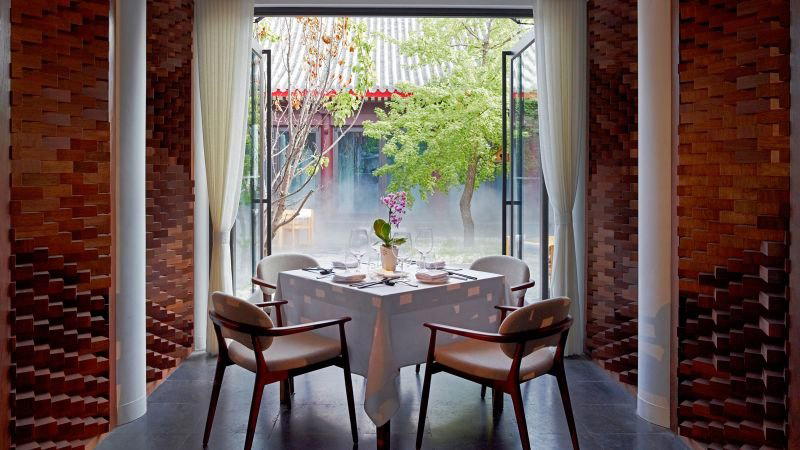
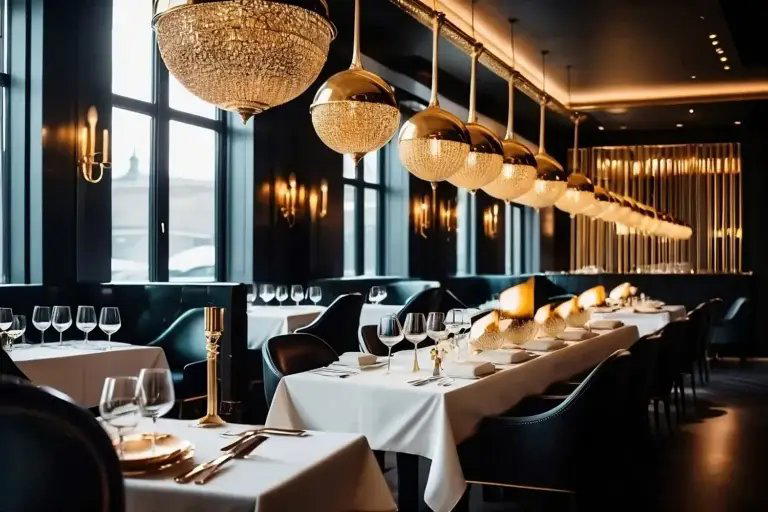
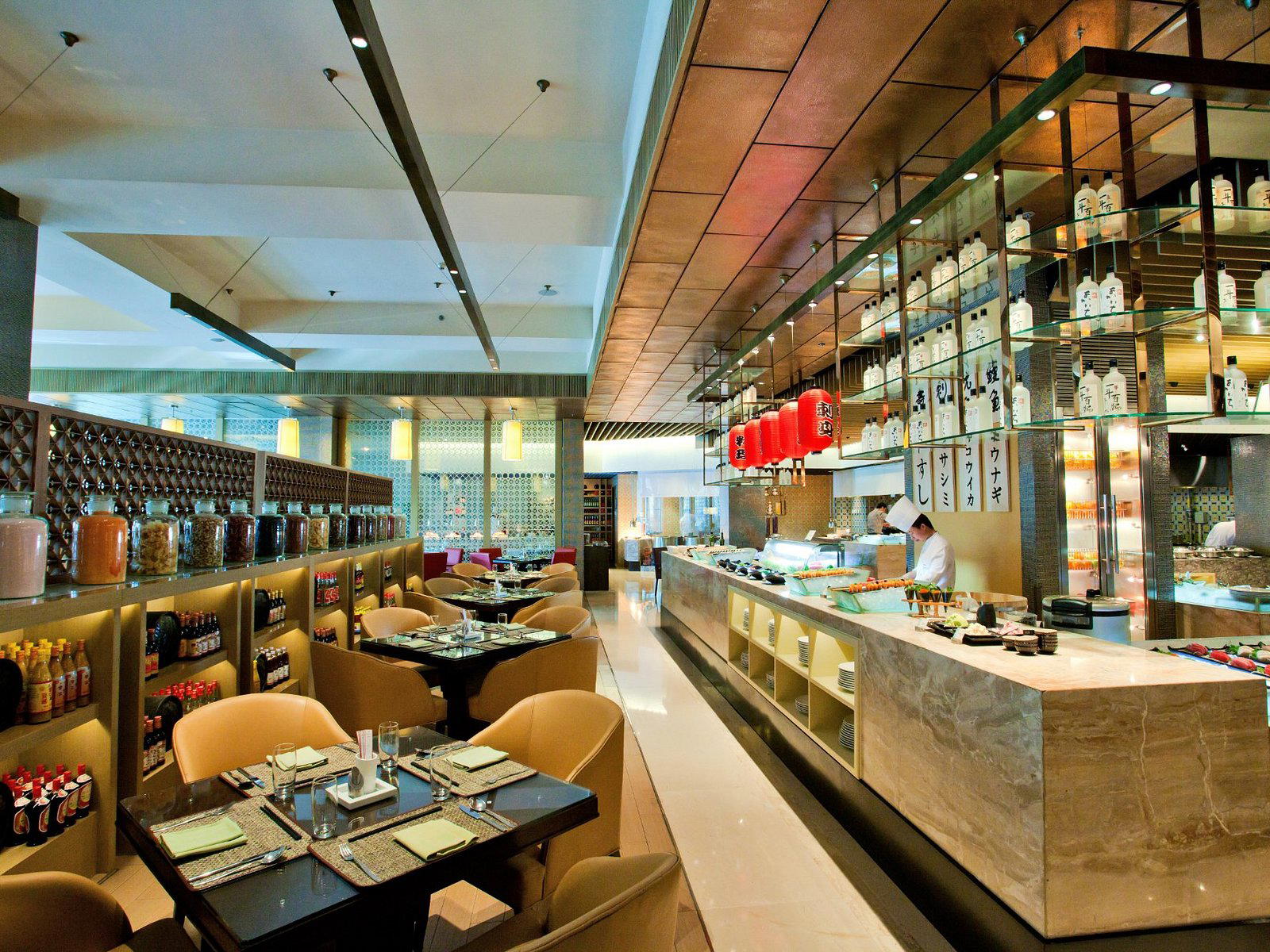
The Dongcheng location operates across two floors, which signals a scale of operation that few specialist duck restaurants attempt. Multi-floor layouts in Beijing duck houses typically indicate one of two things: either a kitchen organised to handle simultaneous large-table bookings for corporate and family dining, or a venue that has expanded demand beyond what a single-floor room can absorb. In Da Dong's case, both apply. The dining room is designed for groups as much as couples, with table configurations that accommodate the whole-duck format, you need space for the carving board, the condiment spread, the supplementary dishes, and the traffic of service staff that a live tableside preparation requires.
Le Bernardin in New York City and Lazy Bear in San Francisco both manage the tension between high occupancy and ritualised service in their own ways, the former through brigade discipline, the latter through a communal format. Beijing duck houses solve the same problem differently: the carver is the specialist, the kitchen is the engine, and the table is the stage.
Planning a Visit
Reservations at the Dongsishi lane location are advisable, particularly for dinner on weekdays and throughout the weekend. The restaurant draws both international visitors treating the duck meal as a Beijing landmark experience and local diners returning on a rotating basis, which means walk-in availability at peak hours is unreliable. Arriving during a lunch service on a weekday offers more flexibility. The surrounding Dongcheng area provides useful before-and-after context: the neighbourhood sits within reasonable distance of the hutong areas, and the building's commercial-block setting is characteristic of how Beijing's established restaurant addresses often operate, functional exterior, serious interior focus.
Those exploring Chinese regional cooking across multiple cities might compare Da Dong's Beijing-specific tradition with what Chef Tam's Seasons in Macau, Xin Rong Ji in Chengdu, Dai Yuet Heen in Nanjing, Fleurs Et Festin in Xiamen, Shang Palace in Yangzhou, Wenru No.9 in Fuzhou, and Pingjiangsong in Suzhou each represent in their own culinary traditions.
Cuisine Context
Comparable venues nearby, for context on price, style, and recognition.
| Venue | Cuisine | Price | Notes |
|---|---|---|---|
| Beijing Da DongThis venue — the venue you are viewing | Modern Peking Duck | $$$$ | Not listed |
| Chaoshangchao Zhengda Store | Chaoshan / Chaozhou Fine Dining | $$$$ | Chaoyang District |
| JINGJI Aristocrat Cuisine by Rong | Royal Chinese Fine Dining | $$$$ | Chaoyang District |
| Pure Lotus | Precise Modern Vegetarian Chinese | $$$$ | Tuanjiehu |
| 游龙饭庄 | Traditional Beijing Imperial Cuisine | $$$ | Chongwen District |
| Vege Wonder | Modern Chinese Vegetarian | $$$$ | Dongcheng |
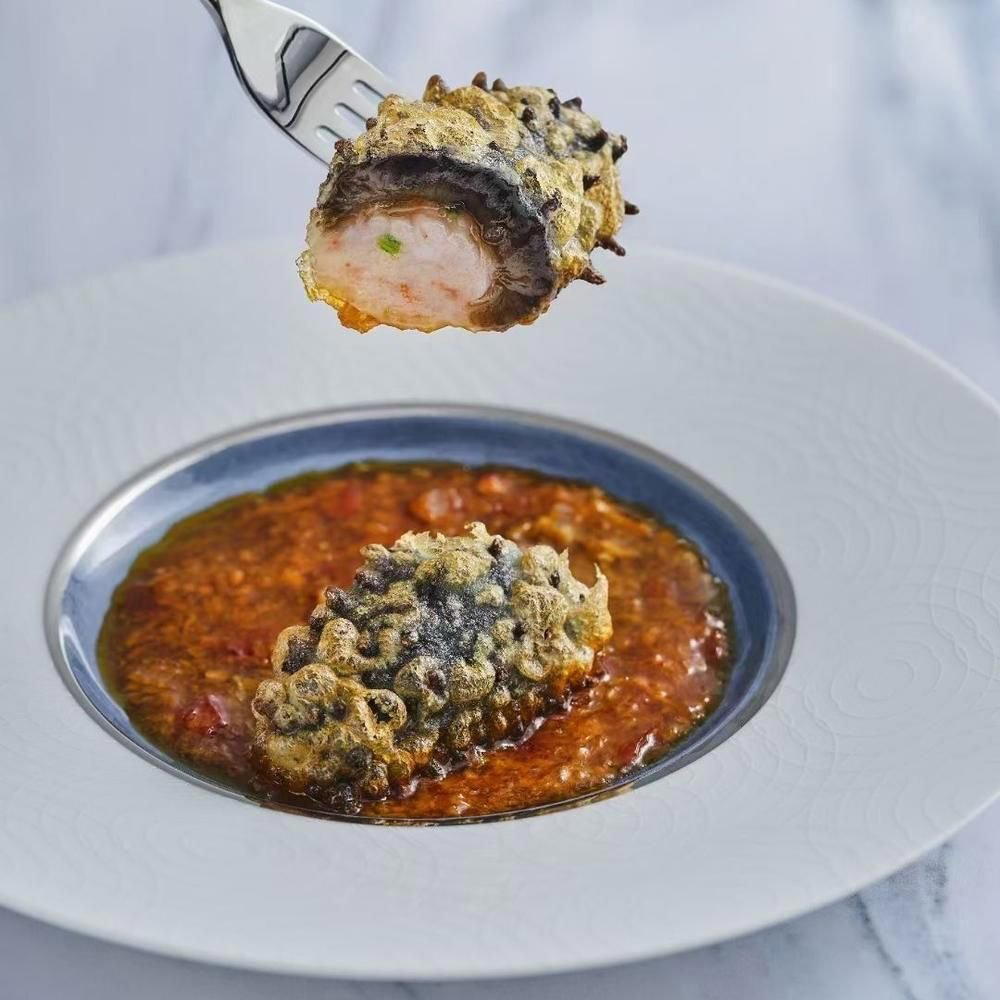
At a Glance
- Elegant
- Sophisticated
- Modern
- Special Occasion
- Business Dinner
- Group Dining
- Celebration
- Private Dining
- Open Kitchen
Current opening hours
- Monday
- 11 AM–10 PM
- Tuesday
- 11 AM–10 PM
- Wednesday
- 11 AM–10 PM
- Thursday
- 11 AM–10 PM
- Friday
- 11 AM–10 PM
- Saturday
- 11 AM–10 PM
- Sunday
- 11 AM–10 PM
Hours can change for holidays and private events. Last verified .
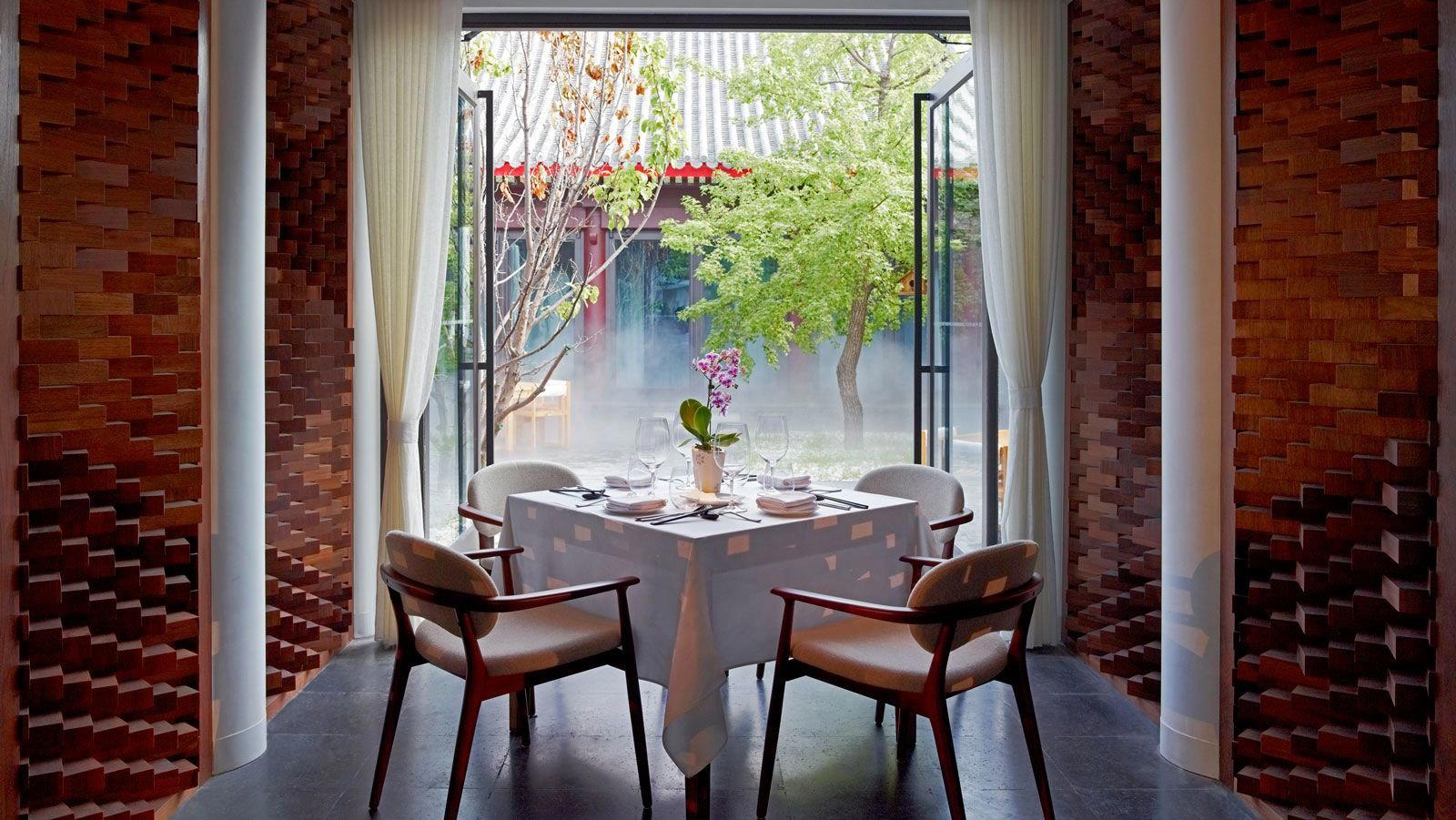
Elegant dining room with huge windows, beautifully set tables featuring porcelain duck chopstick rests, and walls painted with leaves and bamboo.