Our verdict
A neighbourhood sushi counter in Nagano's Kurita district, 松栄寿司東口店 sits within the quieter residential fabric east of the city centre, where sushi traditions follow a more grounded, local register than the formal omakase counters of Japan's major cities. For visitors tracing Nagano's dining scene beyond its alpine resort reputation, this address offers a different entry point into the prefecture's food culture.

Pearl is the En Primeur Club membership app — saves, bookings, and concierge access live there. Same editors, same standards.
- Address
- 大字栗田286-24, 長野市, 長野県, 380-0921
- Directions
- Get directions
The menu
What to order
- おまかせ握り寿司
- 旬彩握り寿司コース
Sushi in Nagano: Reading the Room Before the Meal
Japan's inland prefectures occupy a complicated position in the national sushi conversation. Without direct port access, cities like Nagano have historically built their sushi culture around fish transported from the Sea of Japan coast, particularly Niigata and Kanazawa, or sourced from the Pacific via the Chuo corridor. The result is a sushi tradition that differs meaningfully from Tokyo's hyper-precise omakase counters or Osaka's pressed and marinated formats. Nagano's sushi counters tend to operate with a neighbourhood logic: regular clientele, familiar formats, and a relationship to local ingredients — river fish, mountain vegetables, regional rice — that coastal cities rarely integrate into the genre. Harutaka in Tokyo or the counters around Gion Sasaki in Kyoto represent the formal, destination-driven tier. 松栄寿司東口店 operates at a different register entirely.
Located at 大字栗田286-24 in the 380-0921 postal zone east of Nagano city centre, the address places the restaurant in Kurita, a district whose character is residential and local-facing rather than tourist-oriented. This is not the dining corridor that visitors typically follow from Nagano Station toward the Zenkoji temple precinct. Getting here requires deliberate intent, which is itself a signal about the audience this counter serves: it is, in the main, a restaurant for people who live nearby rather than for travellers assembling a destination itinerary.
What the Progression of a Meal Tends to Look Like Here
At neighbourhood sushi counters across Japan's interior cities, the arc of a meal typically differs from the omakase progression that international visitors associate with the form. The tasting sequence at coastal, high-profile counters, a curated movement from lighter white fish through fatty tuna, uni, and tamago, reflects the chef's command over a live narrative. In neighbourhood formats, the sequencing is often more conversational: the diner's preferences shape the order, the tempo loosens, and set pieces give way to a more reciprocal rhythm between counter and guest.
For a counter in Kurita, the meal likely begins with the kind of opening moves that establish this register immediately. Nimono or a small vinegared preparation might precede the nigiri sequence, grounding the meal in the washoku logic that inland Japanese sushi has preserved more consciously than its coastal counterparts. The middle section of a neighbourhood sushi meal in this part of Nagano often features fish that reflect the prefecture's supply geography: buri and tai sourced from Niigata markets, freshwater preparations from regional rivers, and seasonal vegetables that appear in ways a purely coastal counter would have no occasion to use. This integration of mountain-and-sea sourcing is less a philosophy than a practical inheritance, and it gives inland sushi its distinct character when the kitchen is working with it honestly.
The close of the meal at counters of this type typically involves tamago and miso soup, but the pacing toward that conclusion tends to be unhurried. Neighbourhood sushi in Japan's mid-sized cities functions partly as social infrastructure: the counter is a place where regulars eat slowly, talk between pieces, and order additional items based on conversation rather than a fixed progression. Visitors who approach it with the same expectations as a formal Tokyo omakase will misread the format. Those who adjust their tempo to match will find the experience considerably more rewarding.
Nagano's Dining Context: Where This Counter Fits
Nagano's restaurant scene has developed in layers that reflect the city's dual identity as a prefectural capital and an access point for the surrounding alpine region. The international dining presence, represented by addresses like Fogliolina della Porta Fortuna for Italian and Chinese Sai Muen for Sichuan and dim sum, serves a different function than the city's neighbourhood Japanese counters. The resort and hotel dining tier, anchored by properties like Bleston Court Yukawatan, targets a visitor demographic with different expectations and price points. And then there is the stratum of local counters, izakayas, and family-run sushi shops that function as the city's everyday dining fabric.
松栄寿司東口店 belongs to that third category. In a city where Aoitou and ca'enne represent more destination-oriented dining, and where the broader Japanese dining scene includes high-formal counters like HAJIME in Osaka or the produce-driven rigor of Goh in Fukuoka, the local neighbourhood sushi counter exists in a different tier altogether. For context on the regional sushi tradition, comparable inland formats appear at addresses like this counter in Nanao on the Noto Peninsula, where Sea of Japan sourcing is similarly central, or seasonal Japanese dining operations like those in Takashima along the Lake Biwa corridor. For a broader view of the Japanese dining scene and how its various tiers interact, Atomix in New York City offers an instructive point of comparison for how Japanese culinary logic travels and transforms in international contexts, as does the French-inflected seafood rigour of Le Bernardin for understanding what separates neighbourhood craft from destination-level ambition.
Within Nagano specifically, the east-side location in Kurita means the counter serves a catchment that includes residential districts rather than tourist corridors. This shapes everything from opening hours to menu composition to the social atmosphere at the counter. Comparable dynamics appear at neighbourhood counters in other mid-sized Japanese cities: the local dining culture in Sapporo or the neighbourhood logic of spots like this address in Nishikawa Machi follow a similar resident-first orientation. For those building a fuller picture of Nagano's dining geography, our full Nagano restaurants guide maps the different tiers and neighbourhoods more completely. A yakitori-focused comparison is available through Birdland in Sakai, which illustrates how Japanese grill traditions develop their own local registers in smaller cities. The Korean-inflected fine dining of akordu in Nara rounds out the picture of how secondary Japanese cities handle the intersection of tradition and ambition.
Planning a Visit: What to Bear in Mind
For a neighbourhood counter in this part of the city, walk-in availability during lunch hours is plausible at many equivalent addresses, though dinner service at sushi counters in Japan frequently operates with some degree of advance coordination, particularly for groups. The address at 大字栗田286-24 is accessible from Nagano city centre by local transport or a short taxi ride east of the station. Visiting alongside other east-side Nagano stops, rather than combining with venues in the Zenkoji temple district, makes logistical sense.
Frequently asked questions
What should I expect atmosphere-wise at 松栄寿司東口店?
The address at 大字栗田286-24 places this counter in the residential Kurita district, east of Nagano's main station area, which points toward a local neighbourhood format rather than a destination dining room. Expect a compact, familiar setting where regulars drive the room — the kind of counter where ordering habits and seating arrangements follow unspoken local conventions. Noise levels and formality tend to sit well below the Ginza-style omakase benchmark.
Where is 松栄寿司東口店 in Nagano?
松栄寿司東口店 is located at 大字栗田286-24, 長野市, 長野県, 380-0921, Nagano.
Is 松栄寿司東口店 a good option for non-Japanese speakers visiting Nagano?
No English-language website or menu has been confirmed for this address, and the Kurita district location suggests a clientele drawn primarily from the surrounding Nagano residential area rather than international tourism. Non-Japanese speakers should be prepared for a counter where communication relies on pointing, basic Japanese phrases, or a translation app — a common situation at neighbourhood sushi-ya in cities like Nagano that sit outside the main tourist corridors. Having the address written in Japanese (大字栗田286-24, 長野市) is useful for navigation.
What's the best thing to order at 松栄寿司東口店?
What can be said about neighbourhood sushi counters in Nagano's inland context is that freshwater and mountain-adjacent ingredients — particularly trout, carp preparations, and locally sourced produce — often appear alongside conventional neta in ways that distinguish them from coastal equivalents. Asking the itamae what's arrived that day is the reliable approach at counters in this category.
Is 松栄寿司東口店 reservation-only?
Reservation policy for this address has not been confirmed through EP Club's database, and no phone or website contact is currently listed. At neighbourhood counters in mid-sized Japanese cities like Nagano, walk-in seats are often available on weekday evenings, while weekends and local holidays can fill quickly through word-of-mouth regulars. Arriving early in a session — typically when evening service opens — is the practical hedge if advance booking cannot be arranged.
What's 松栄寿司東口店 best at?
Its position in Kurita, a residential neighbourhood in Nagano city, aligns it with the category of locally embedded sushi counters that prioritise repeat clientele over destination-seeking visitors — a format where consistency across seasons tends to matter more than headline dishes. That context is the most honest frame for setting expectations.
Reputation First
A quick peer reference to anchor this venue in its category.
| Venue | Cuisine | Price | Awards | Notes |
|---|---|---|---|---|
| 松栄寿司東口店This venue — the venue you are viewing | 本格握り寿司 | $30–50 | Not listed | Not listed |
| Kikuzushi | Edomae Sushi | $50–100 | Tabelog Silver #54 | Sushi |
| Fogliolina della Porta Fortuna | Award-Winning Italian Fine Dining | $100–150 | Tabelog Silver #21 | Italian |
| Bleston Court Yukawatan | Nippon French | $300–500 | Tabelog Bronze #37 | Not listed |
| ca’enne | Wood-Fired Italian | $150–200 | Tabelog Bronze #43 | Not listed |
| Chinese Sai Muen | Sichuan Chinese Dim Sum | $30–50 | Tabelog Bronze #292 | Chinese, Sichuan, Dim sum & Yum cha, JPY 4,000 - JPY 4,999 JPY 3,000 - JPY 3,999 |
Continue exploring
More in Nagano
Restaurants in Nagano
Browse all →

Hotels in Nagano
Browse all →

Wineries in Nagano
Browse all →

Details
- Classic
- Cozy
- Elegant
- Business Dinner
- Group Dining
- Casual Hangout
- Open Kitchen
- Private Dining
- Sake Program
- Local Sourcing
- A La Carte
- Counter Dining
- Sake Program
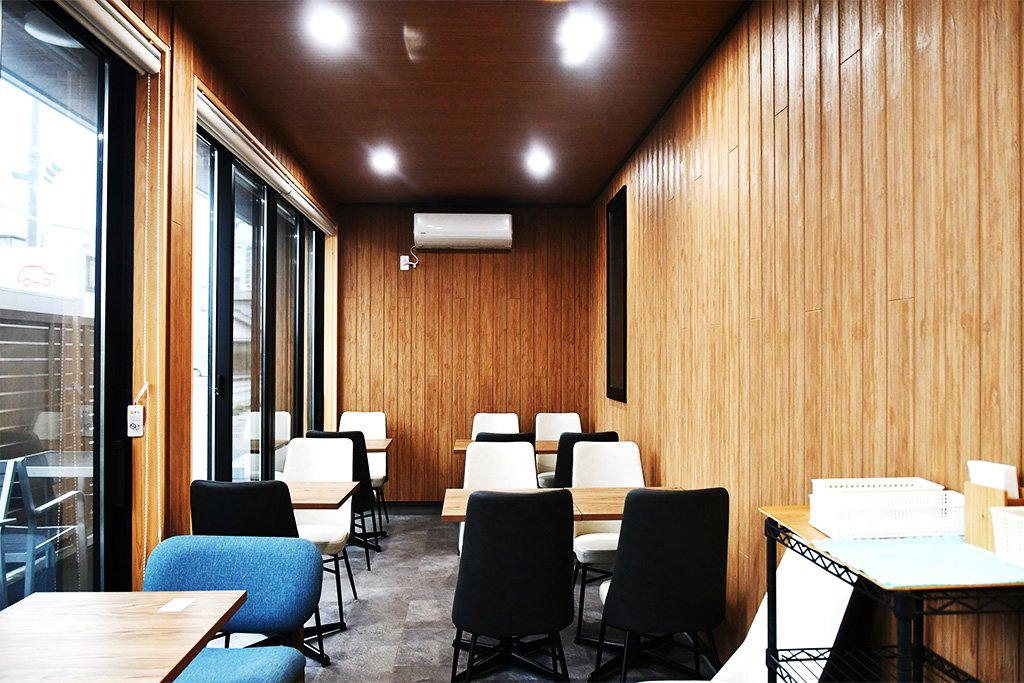
シンプルでスタイリッシュな和モダン空間、オシャレで落ち着いた雰囲気。