Our verdict
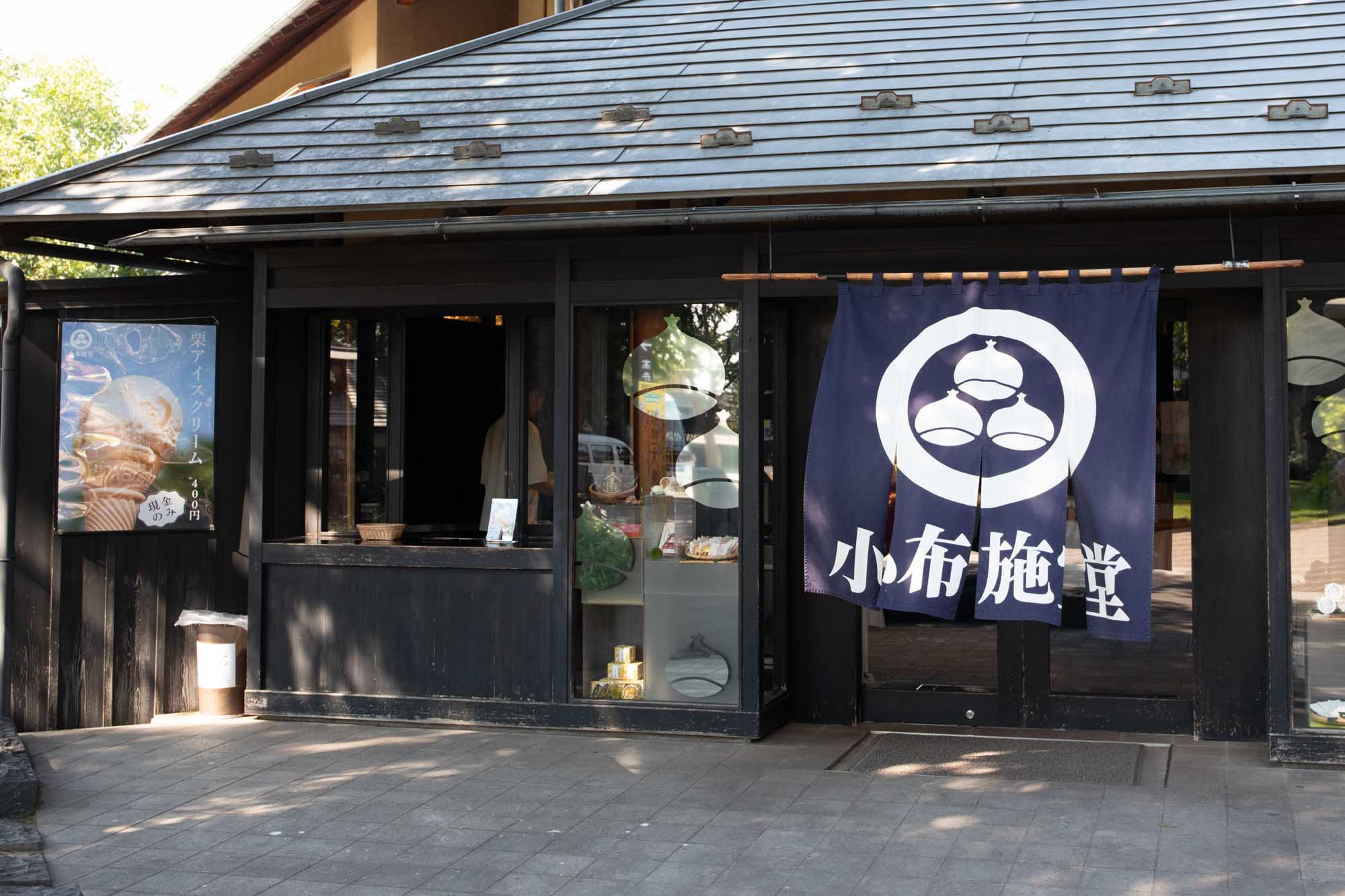
Obusedo sits in Obuse, one of Nagano Prefecture's most culturally layered small towns, where chestnut confectionery tradition and a serious arts legacy set a different tone from the alpine resort circuit. Against Nagano's wider dining field, it occupies a distinct position rooted in place and local ingredient culture. Visitors making the short train ride from Nagano city find a dining context that rewards attention to season and provenance.

Pearl is the En Primeur Club membership app — saves, bookings, and concierge access live there. Same editors, same standards.
- Address
- 808 Obuse, Kamitakai District, Nagano 381-0201, Japan
- Phone
- +81 26-247-2027
- Hours
- Daily 9 AM–5 PM
- Website
- obusedo.com
- Directions
- Get directions
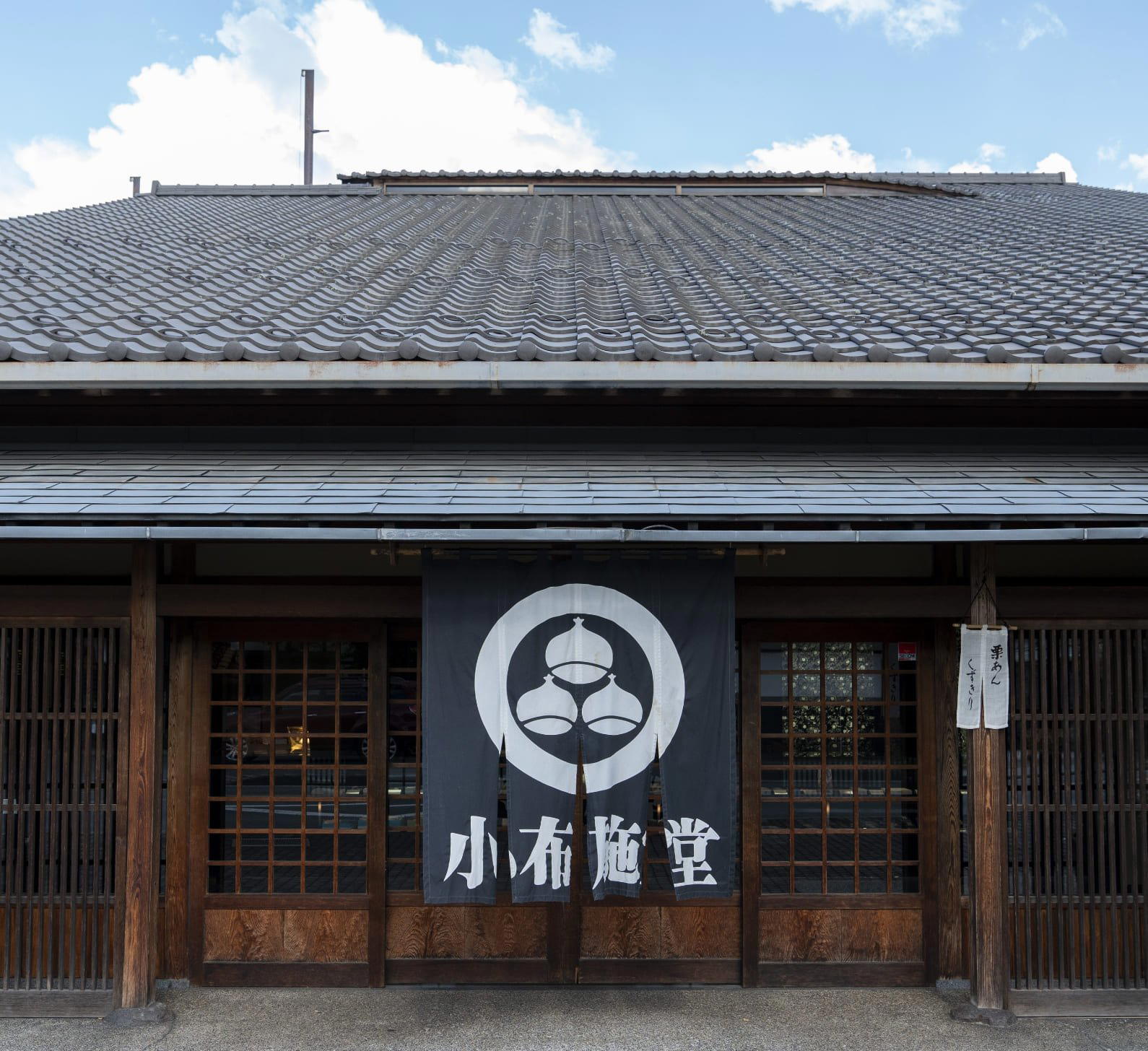
A Small Town With an Outsized Culinary Identity
Nagano Prefecture divides, culinarily speaking, into two broad zones: the resort corridor running through Hakuba and Shiga Kogen, where international visitor volume has shaped menus toward accessibility, and the quieter inland towns where local tradition has had room to develop on its own terms. Obuse sits firmly in the second category. The town's reputation rests on centuries of chestnut cultivation and a serious arts legacy tied to Hokusai's later years, and that combination of agricultural depth and cultural seriousness has produced a dining character unlike anything in the prefecture's ski-belt.
It is the kind of place where ingredient provenance is not a marketing afterthought but a structural fact of the local economy. The chestnuts grown in the Chikuma River basin around Obuse have defined local confectionery for generations, and the broader agricultural output of the surrounding valley, including buckwheat, mountain vegetables, and river fish, gives any kitchen operating here a genuinely distinctive pantry to draw from. Obusedo, as a dining address in this town, inherits that context whether it courts it explicitly or not.
Where Obuse Sits Relative to Nagano's Dining Field
Nagano city itself has developed a credible fine dining tier. Aoitou represents the kind of restrained Japanese cooking that has found a national audience, and Bleston Court Yukawatan anchors the luxury hotel end of the market in Karuizawa, drawing visitors who combine resort stays with serious dining. Further into the prefecture, ca'enne and Fogliolina della Porta Fortuna demonstrate that European cooking traditions have found a foothold in the region, while Chinese Sai Muen covers Sichuan and dim sum territory at accessible price points between JPY 3,000 and JPY 4,999.
Obuse, by contrast, operates outside that urban concentration. A restaurant here is not competing for the same walk-in traffic or business lunch market that shapes Nagano city's dining rhythm. The visitor arriving in Obuse has already made a deliberate decision to leave the prefectural capital, typically via the Nagano Electric Railway's roughly 30-minute run from Nagano station. That self-selecting visitor profile tends to reward kitchens that take a more specific, less broadly accommodating approach to what they serve.
The Wider Context: Japan's Small-Town Fine Dining Tradition
Japan has a well-documented tradition of serious cooking finding homes in small, non-metropolitan settings. The logic is partly economic (lower overheads allow for more ingredient investment) and partly cultural (proximity to primary producers enables the kind of daily market relationship that city kitchens replicate only with difficulty). Restaurants in comparable small-town positions across Japan, from Takashima in Shiga Prefecture to Nanao on the Noto Peninsula, have built significant reputations precisely because their location imposed discipline and ingredient specificity that urban settings rarely require.
That pattern extends nationally. Establishments like Gion Sasaki in Kyoto and HAJIME in Osaka demonstrate what happens when a kitchen commits fully to regional identity at the highest level. At the other end of the scale, places like venues in Sapporo and Nishikawa Machi show that compelling cooking exists well beyond Japan's three major metropolitan regions. Obuse belongs to this broader geography of deliberate, place-rooted dining.
Seasonal Timing and the Chestnut Factor
If there is a single piece of practical intelligence that shapes a visit to any Obuse restaurant, it is the chestnut harvest. Nagano's chestnut season runs roughly from late August through October, and the concentration of visitors in Obuse during that window is significant enough to affect both availability and atmosphere. Arriving in the shoulder period, either the early autumn weeks before peak foliage season or the late spring months when the town is quieter, tends to produce a more considered dining experience. The Nagano Electric Railway runs directly to Obuse station, making the logistics of a day trip from Nagano city direct, though visitors combining Obuse with Zenkoji Temple or the broader Nagano city restaurant circuit will find an overnight stay more practical.
The seasonal calendar matters beyond chestnuts. Mountain vegetables in spring, river fish through summer, and the full range of Nagano's cold-climate produce in winter all feed into any kitchen operating here with a serious ingredient program. The prefecture's altitude, with most of the valley floor sitting above 350 metres and the surrounding ranges climbing considerably higher, produces growing conditions that compress flavour in ways that lower-altitude agriculture does not.
Planning a Visit
Specific booking details for Obusedo, including hours, reservation method, and current pricing, are best confirmed directly through current local sources before travel, as operational specifics in smaller Japanese restaurants can shift seasonally. The Nagano Electric Railway connection from Nagano station to Obuse takes approximately 30 minutes and runs regularly throughout the day, making the town accessible as a standalone excursion. Visitors who have already explored the wider Nagano dining field through venues like Harutaka in Tokyo or Goh in Fukuoka will find that Obuse offers a register that those more metropolitan settings cannot replicate. For a fuller picture of what Nagano Prefecture offers across price points and cuisines, the EP Club Nagano restaurants guide covers the region's dining field in depth.
For international reference points, the contrast between a kitchen like Le Bernardin in New York City and a small-town Japanese dining address in Obuse is instructive: both operate with serious intent, but the latter achieves its effect through geographic specificity rather than institutional scale. Similarly, the way Atomix in New York City foregrounds Korean culinary identity within a fine dining framework offers a useful parallel to how Obusedo's setting encourages a kitchen to foreground what is distinctively Nagano. Other Japanese regional comparisons include akordu in Nara and Birdland in Sakai, both of which demonstrate how non-capital Japanese cities sustain serious dining through local credential rather than metropolitan traffic.
Frequently asked questions
Is Obusedo a good destination for travellers combining Nagano's food scene with a day trip from the city?
Obuse is accessible from Nagano city by the Nagano Electric Railway, making it a workable day-trip pairing with the city's own emerging fine dining tier. Restaurants like Nagano city's Aoitou represent the restrained, nationally recognised end of the prefecture's cooking, while Obuse venues like Obusedo operate within a smaller-town tradition with a sharper seasonal focus. The combination gives a more complete read of what Nagano prefecture produces at the table.
What's the must-try dish at Obusedo?
That said, any visit timed to Nagano's chestnut season — running roughly from late September through October — gives the kitchen its most distinctive local ingredient. Obuse is one of Japan's foremost chestnut-producing towns, and local restaurants orient their seasonal menus around it accordingly.
How hard is it to get a table at Obusedo?
Current reservation availability at Obusedo is best confirmed through local booking channels or directly with the venue, as lead times vary by season. Autumn, when Nagano's chestnut harvest draws visitors to Obuse, is the period most likely to see capacity pressure. Planning at least several weeks ahead during September and October is the conservative approach.
What's the signature at Obusedo?
Obusedo sits in Obuse, Nagano — a town whose culinary identity is shaped more decisively by its chestnut harvest than perhaps anywhere else in Japan. That geographic fact tends to define what a kitchen here does at its most distinctive. Precise dish details should be confirmed with the venue directly, as menus shift with the season.
How does Obusedo handle allergies?
No allergy or dietary policy is documented publicly for Obusedo. As with most serious Japanese restaurants operating seasonal menus, communicating dietary requirements at the time of reservation — rather than on arrival — gives the kitchen the best chance of accommodating them. Contacting the venue directly ahead of your visit is the practical step.
Is Obusedo overpriced or worth every penny?
Restaurants in small Nagano towns like Obuse generally operate at lower overhead than their Nagano city or Tokyo counterparts, which can translate into value at comparable cooking levels. Confirming current menu prices directly with the restaurant before booking is the clearest way to set expectations.
When should I go to Obusedo?
Autumn is the period most aligned with what Obuse, Nagano does best: the chestnut harvest runs from late September into October and shapes the seasonal cooking of restaurants in the town. Winter brings Nagano's ski corridor to life but shifts visitor traffic away from Obuse itself. For anyone prioritising the table over the slopes, September through early November is the window that makes the most culinary sense.
A Tight Comparison
Comparable venues nearby, for context on price, style, and recognition.
| Venue | Cuisine | Price | Awards | Notes |
|---|---|---|---|---|
| ObusedoThis venue — the venue you are viewing | Traditional Japanese Chestnut Cuisine | $20–30 | Not listed | Not listed |
| 松栄寿司東口店 | 本格握り寿司 | $30–50 | Not listed | 栗田, 本格握り寿司 |
| すし築地日本海 長野駅前店 | Authentic Edomae Sushi & Izakaya | $30–50 | Not listed | Nagano Station (Zenkokuji-guchi), Authentic Edomae Sushi & Izakaya |
| Nagano Meijitei (明治亭) | Nagano Sauce Katsudon | $10–20 | Not listed | Nagano Station, Nagano Sauce Katsu-don Specialist |
| Unagi Honda | Traditional Japanese Unagi (Eel) Kabayaki | $30–50 | Tabelog 100 #60 | Iiyama, Traditional Japanese Unagi (Eel) Kabayaki |
| いろは堂 | Nagano Oyaki (Stuffed Dumplings) | $10–20 | Not listed | Oniyari, Nagano Oyaki (Stuffed Dumplings) |
Continue exploring
More in Nagano
Restaurants in Nagano
Browse all →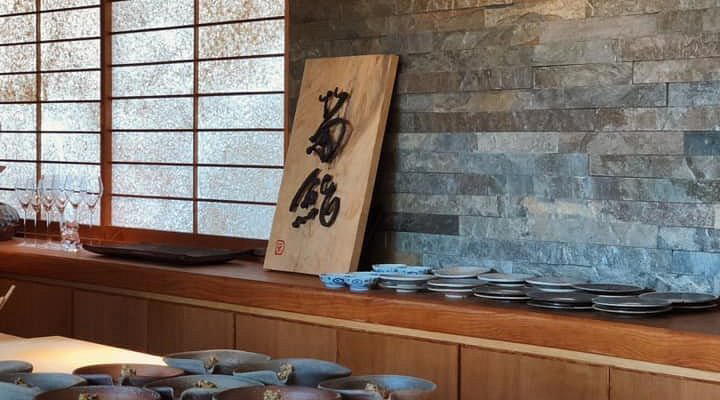

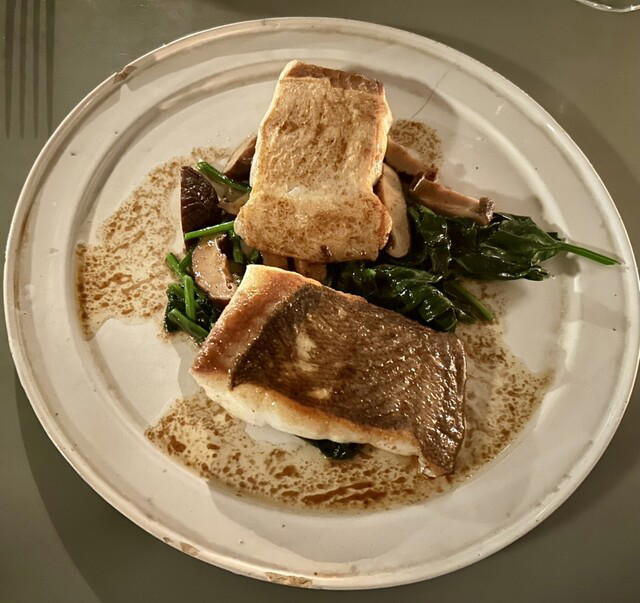
Hotels in Nagano
Browse all →


Wineries in Nagano
Browse all →

Details
- Cozy
- Classic
- Casual Hangout
- Standalone
- Sake Program
- Local Sourcing
- Set Menu
- Sake Program
Current opening hours
- Monday
- 9 AM–5 PM
- Tuesday
- 9 AM–5 PM
- Wednesday
- 9 AM–5 PM
- Thursday
- 9 AM–5 PM
- Friday
- 9 AM–5 PM
- Saturday
- 9 AM–5 PM
- Sunday
- 9 AM–5 PM
Hours can change for holidays and private events. Last verified .
Quiet and peaceful atmosphere in the back area of the shop with a classic, cozy feel.