
Michelin Selected
A Michelin Selected ryokan in Togakushi, one of Nagano's most architecturally and spiritually distinct mountain zones, Awai Togakushi offers the kind of stillness that comes only from deliberate remoteness. The property sits at 1,200 metres in a cedar-forest corridor historically tied to Shugendo mountain asceticism. For travellers who measure accommodation by spatial quality and landscape integration rather than lobby scale, it occupies a precise and considered niche.

Pearl is the En Primeur Club membership app — saves, bookings, and concierge access live there. Same editors, same standards.
- Address
- 3390 Togakushi, Nagano, 381-4101, Japan
- Phone
- +81 26-219-3444
- Website
- awai-togakushi.com
- Directions
- Get directions
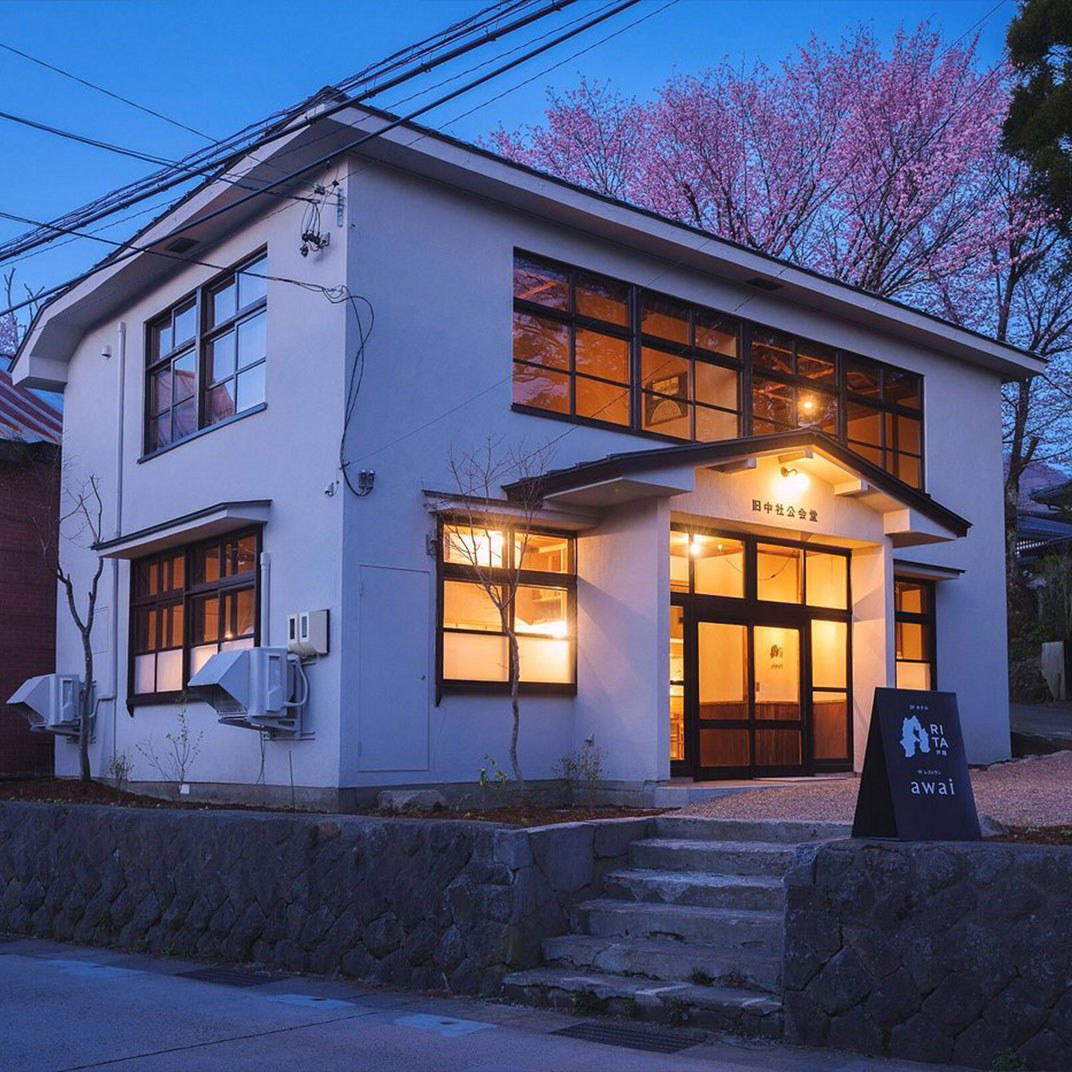
Where the Architecture Begins Before You Enter
In the Togakushi highlands, roughly 45 kilometres northwest of Nagano city, the built environment is held in check by the forest. Ancient sugi cedars line the approach roads in formations that have been maintained for centuries, and properties that understand this landscape use the approach itself as part of the guest experience. Awai Togakushi, a Michelin Selected property in the 2025 Michelin Hotels guide, operates inside this tradition: the physical address at 3390 Togakushi places it deep in the Togakushi-Okumiya zone, where the density of the canopy sets the terms of arrival before any building comes into view.
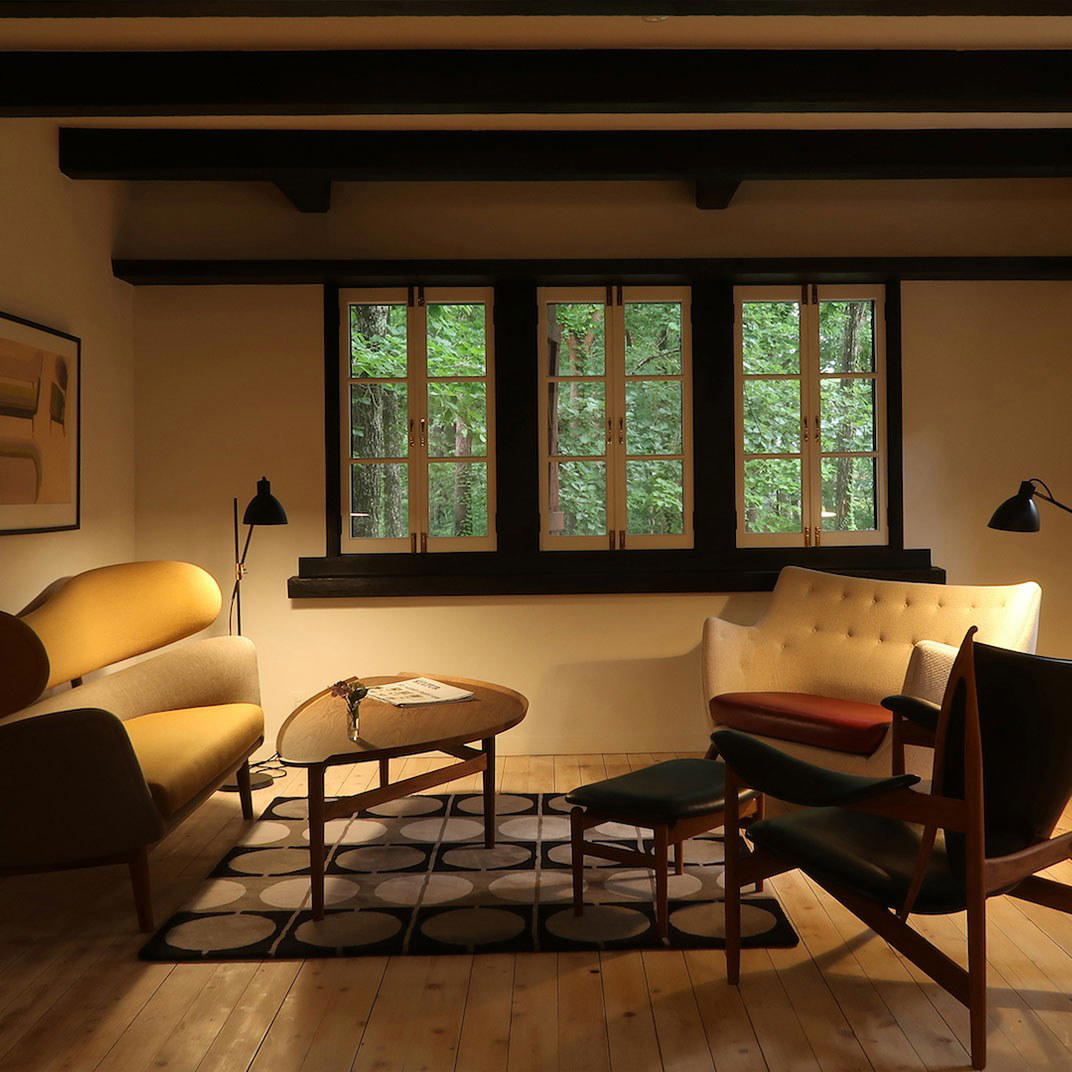
The design language of ryokan in mountain Nagano has shifted in recent decades. Where older properties leaned on heavy timber construction and dark interiors that read as historicist, a generation of more considered properties has moved toward spatial restraint: fewer decorative elements, materials that weather deliberately rather than resist aging, and sight lines drawn through screens and garden compositions toward the tree line or mountain ridges beyond. Awai Togakushi belongs to this quieter architectural register, where what is removed from a room matters as much as what is placed in it.
Togakushi as Architectural Context
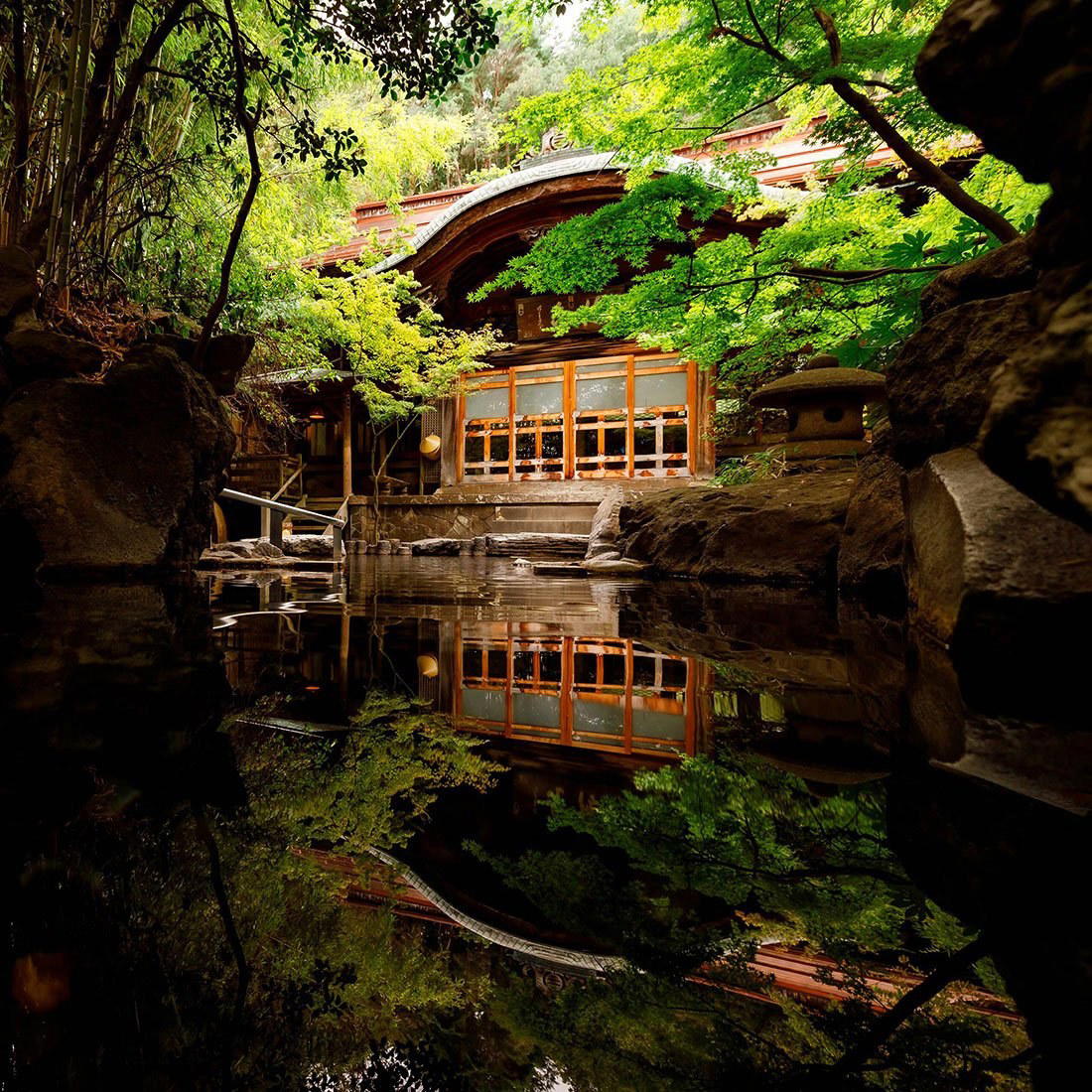
Understanding Awai Togakushi requires understanding what Togakushi is as a place. The plateau sits at around 1,200 metres on the flank of Mount Togakushi, whose caldera rim forms the backdrop to the main shrine complex. For centuries the area functioned as a centre of Shugendo mountain practice, and the spatial logic of the place reflects that history: long processional axes through cedar canopy, buildings that sit below the tree line rather than asserting against it, a landscape organised around concealment and gradual revelation rather than panoramic display.
That tradition shapes what premium accommodation here looks like. Unlike mountain resort zones where siting logic prioritises ski lift proximity or lake views, Togakushi properties are evaluated on how well they hold the register of the place. Forest integration, materials sourced from or consistent with the local cedar tradition, the quality of interior light filtered through screens and garden layers — these are the criteria that matter in this micro-region. The Michelin hotel selection process, which considers physical quality, service continuity, and place-responsiveness, identified Awai Togakushi as meeting that threshold in its 2025 sweep of Nagano properties.
The Space as Primary Experience
Ryokan at this tier in mountain Nagano are small by design. Limiting key count is not an aesthetic preference alone; it is a spatial argument. Low capacity preserves acoustic quiet, keeps communal bath ratios workable at the times that matter (early morning, just before dinner), and allows staff to maintain the kind of attentive service rhythm that larger properties calibrate by procedure rather than attention. Awai Togakushi's position in the Michelin Selected category places it alongside properties where that ratio is taken seriously.
The interior spatial hierarchy in traditional Japanese inn design follows a well-established logic: arrival spaces that decompress, corridor sequences that slow movement, room thresholds that mark a distinct transition from circulation to habitation. Rooms in properties of this type typically face a garden or natural composition rather than a road or service area, and the tokonoma alcove, where a scroll and a single seasonal object anchor the room's aesthetic axis, remains the design focal point even in modernised interpretations. How Awai Togakushi interprets these conventions against the particular light and vegetation of the Togakushi zone is the central architectural question the property poses to its guests.
Michelin's 2025 hotel selection across Japan spans properties from central Tokyo to remote island prefectures, but its mountain ryokan cohort has a recognisable shape. Properties like Gora Kadan in Hakone and Zaborin in Kutchan represent the category's design-forward mountain tier, where architectural specificity and landscape integration are explicit editorial priorities. Asaba in Izu and Fufu Nikko in Nikko map onto a parallel tradition of forest-adjacent properties where ceremonial approach and interior quietude are the primary offering. Awai Togakushi competes in this second group, where the sacred geography of the site is doing active architectural work.
Within Nagano prefecture specifically, the accommodation offer ranges from large ski-resort hotels like Hakuba Tokyu Hotel to historically rooted spa properties such as Kyukaruizawa Kikyo, Curio Collection by Hilton. Awai Togakushi sits in a distinct sub-tier: small, forest-embedded, and oriented around the spiritual-aesthetic register of Togakushi rather than resort amenities or high-altitude sport. The comparison set is not other Nagano hotels; it is forest ryokan across Japan's major mountain zones. For a broader view of what that prefecture offers across price points and styles, our full Nagano restaurants and hotels guide maps the range in detail.
Comparable spatial thinking appears at properties elsewhere in Japan: Kamenoi Besso in Yufu and Nishimuraya Honkan in Kinosaki-cho both operate in the tradition of deeply place-rooted ryokan where site and architecture are inseparable arguments. Satoyama-Jujo in Niigata takes a similar approach in a rice-farming village context. Benesse House in Naoshima represents a different resolution of the same question — how to build a hospitality space that amplifies rather than competes with its landscape, but through a contemporary art museum framework rather than a ryokan one.
Planning a Stay
Togakushi is accessible from Nagano city by road in approximately one hour, with bus services running from Nagano Station on a schedule that thins considerably outside peak seasons. The zone divides into three shrine precincts (Okusha, Chusha, Hosha), and the Okusha cedar avenue is the most visited single element, typically drawing crowds on summer weekends and autumn foliage weekends in October. Arriving outside those windows, particularly in early spring or on weekday mornings in late autumn, gives the approach road and shrine precincts the silence their spatial design assumes.
Winter in Togakushi brings significant snowfall, the plateau receives some of the heaviest accumulation in Nagano prefecture, and the aesthetic of the cedar avenue under snow is a specific argument for December and January visits, provided access conditions are checked carefully. For travellers combining the property with wider Japan itineraries, the regional property tier that includes Fufu Kyu-Karuizawa Restful Forest in Karuizawa and Nasu Mukunone in Nasu offers comparable forest-ryokan logic at different geographic anchors, while urban departures from Bvlgari Hotel Tokyo in Tokyo or HOTEL THE MITSUI KYOTO in Kyoto serve as contrast poles for travellers building itineraries around the range of Japanese hospitality rather than one register alone.
Comparison Snapshot
| Venue | Price | Awards |
|---|---|---|
| Awai TogakushiThis venue — the venue you are viewing | $300–500 | Michelin Selected |
| Bvlgari Hotel Tokyo | Not listed | 3 Michelin Keys · World's 50 Best #24 |
| Aman Kyoto | Not listed | 2 Michelin Keys · World's 50 Best #74 |
| Aman Tokyo | Not listed | 2 Michelin Keys · World's 50 Best #11 |
| Palace Hotel Tokyo | Not listed | 3 Michelin Keys · World's 50 Best #73 |
| Amanemu | Not listed | 3 Michelin Keys · La Liste Top Hotels |
Recognition history
Dated appearances from independent guides and award organizations, with the underlying list record or original source where available.
Michelin Selected
Michelin
Continue exploring
More in Nagano
Hotels in Nagano
Browse all →
Restaurants in Nagano
Browse all →
Wineries in Nagano
Browse all →
Details
- Quiet
- Scenic
- Rustic
- Minimalist
- Intimate
- Romantic Getaway
- Wellness Retreat
- Weekend Escape
- Historic Building
- Panoramic View
- Wi Fi
- Restaurant
- Air Conditioning
- Free Parking
- Mountain
Deeply relaxing and memorable with immaculate, spacious rooms offering mountain views in a serene, nature-harmonious setting.