
Tabelog Bronze #514
Our verdict
Yamanomi (Ishiusuhiki Soba Kobo Yama no Mi) is a seasonal soba specialist in Yamanouchi, Nagano Prefecture, operating from late April to mid-November with lunch service only. It has held Tabelog Bronze status in 2022, 2025, and 2026, carries a score of 4.13, and has appeared in the Tabelog Soba East Top 100 every year from 2017 through 2025. Lunch runs JPY 2,000–2,999.

Pearl is the En Primeur Club membership app — saves, bookings, and concierge access live there. Same editors, same standards.
- Address
- Inaba, Nagano, 380-0911, Japan
- Phone
- +81 855-92-5552
- Hours
- Mon–Fri 11:30 AM–2 PMSat–Sun Closed
- Website
- tabelog.com
- Directions
- Get directions
The menu
What to order
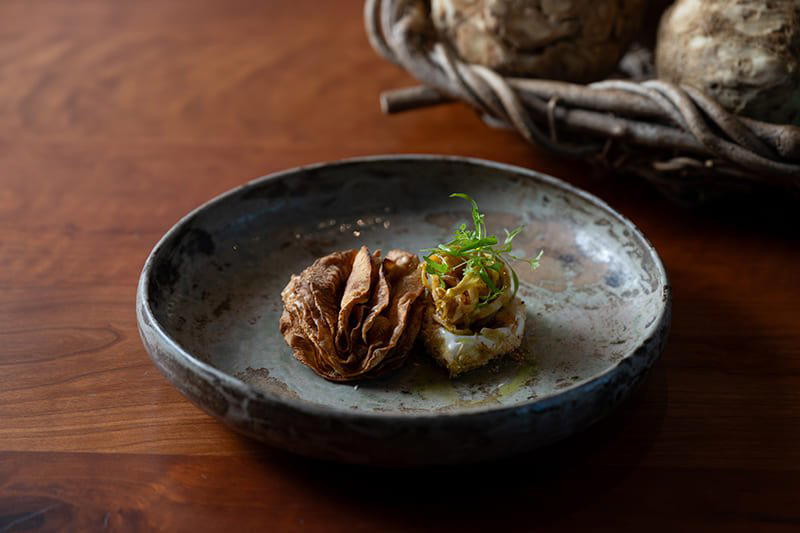
- Hand-ground soba dumplings
- Freshly made soba noodles
- Stone-baked soba pizza
A Seasonal Counter at the Edge of the Ski Slopes
Getting to Yamanomi already tells you something about where Japanese soba culture can take you. The restaurant sits within the Kita Shiga Holiday Inn complex in Yamanouchi, a mountain town in Shimotakai District leading known internationally for its ski terrain and the snow monkeys of Jigokudani. There is no train station at the door. Visitors arrive by private car, taxi from Iiyama Station on the Hokuriku Shinkansen, or taxi from Yudanaka Station on the Nagano Electric Railway. The road itself closes under snow, which is why the kitchen operates only from late April to mid-November each year. The season is not a marketing decision; it is a geographical one.
That seasonal rhythm places Yamanomi in a specific tier of Japanese dining: the specialist counter that functions on its own schedule, draws visitors from outside its immediate neighbourhood, and earns a following through consistency rather than convenience. Within Nagano Prefecture, it occupies a different register from city-centre options like Kikuzushi or European-trained rooms such as Fogliolina della Porta Fortuna. The draw here is a single discipline: hand-ground soba, prepared with water from the North Shiga mountains.
What Seven Consecutive Tabelog 100 Selections Mean in Practice
Japan's soba scene is large enough that national recognition carries genuine weight. The Tabelog Soba Top 100 list, covering East Japan, has included Yamanomi every year from 2017 to 2025, a run of consistency that few regional specialists match. The restaurant also holds Tabelog Bronze Awards for 2022, 2025, and 2026, with a current score of 4.13. For context, the Tabelog Bronze tier covers restaurants that clear a meaningful threshold on Japan's most-used dining review platform, and the Soba Top 100 East is a category-specific list compiled separately from general ratings.
Reaching a list once can reflect timing or novelty; appearing across eight consecutive years of selection (2017–2025) reflects a kitchen that holds its standard across seasons, staffing cycles, and the inherent variability of working with a single primary ingredient. Compared with Nagano city-centre dining at places like ca'enne or Bleston Court Yukawatan, Yamanomi operates at a much lower price point, in a narrower format, with a shorter weekly schedule, and has still maintained national category recognition across most of the past decade.
For readers who have experienced the careful formalism of leading soba counters in Tokyo or the disciplined seasonal menus at places like Harutaka in Tokyo or Gion Sasaki in Kyoto, Yamanomi fits a recognisable pattern: a specialist producer working in a format where the craft itself is the entire proposition.
The Booking Architecture
Yamanomi operates Thursday through Monday, closed Tuesday and Wednesday, with service running from 11:30 to 14:30. Two confirmed reservation slots exist: 11:30 and 13:00. A 12:00 slot may be available on weekdays subject to capacity, but the restaurant asks visitors to confirm directly. Reservations can be made up to the day before service.
The seasonal closure runs from late November to late April, which eliminates a substantial portion of the year. Visitors planning around ski season in North Shiga will find the restaurant closed during peak winter months, when it operates a separate facility on the slopes. That winter operation serves different dishes in a different context; the soba programme described here belongs to the warm-season restaurant. The formal venue website is listed at hdayi.com/yamanomi/ but hours and specific operating days require verification before travel, as they shift within the season.
Practically, this means the planning window is tighter than many visitors expect. Arrive in the Yamanouchi area between May and mid-November, confirm operating days and slot availability through the restaurant's contact channels, and book before the day-prior cutoff. The access logistics (private car or taxi, no direct public transport to the site) add another planning layer that rewards treating this as a dedicated lunch excursion rather than a spontaneous stop.
Parking is available. The restaurant accepts credit cards, electronic money, and QR code payments. Children are welcome, and children's chairs are provided, which places it among the more accessible specialist dining options in the region compared with some strict counter formats.
Soba as a Regional Identity in Nagano
Nagano Prefecture has one of the strongest regional identities in Japanese soba. The combination of high altitude, cold water, and cultivated buckwheat agriculture has made the prefecture a reference point for the grain in the way that certain French regions anchor their wine varieties. Soba produced and milled in the mountains differs from urban restaurant soba in sourcing terms: the grain travels a shorter distance, the water used for preparation comes from local sources, and the altitude affects buckwheat flavour development in ways that producers and specialists note consistently.
Yamanomi's kitchen grinds its own buckwheat using a stone mill, a practice that places it within a narrower subset of soba specialists even within Nagano. Most soba restaurants source pre-milled flour; the on-site grinding step gives the kitchen direct control over the flour's freshness and texture in a way that most operations do not replicate. This is the technical foundation for the awards record: the Tabelog Top 100 selection process rewards precision over presentation, and hand-milled soba cooked in a mountain-water environment is as precise a production approach as the category offers.
For visitors building a Japan itinerary that extends beyond the main urban dining circuits, the soba discipline in Nagano represents something that a meal at HAJIME in Osaka or Atomix in New York City cannot provide: a place-specific grain tradition, prepared in the location where the ingredients originate. That context is part of what Yamanomi sells, whether or not it frames things that way.
Within Nagano's broader dining scene, the prefecture also supports Italian-influenced kitchens, sushi specialists, and Chinese restaurants such as Chinese Sai Muen at a higher price tier. The soba category sits apart from all of those: lower average spend (JPY 2,000–2,999 at Yamanomi), higher ingredient specificity, and a much more compressed service window. See our full Nagano restaurants guide for a wider map of where Yamanomi fits within the prefecture's dining spread.
Planning Your Visit
Yamanomi operates from late April to mid-November, Thursday and Friday through Monday, 11:30 to 14:30 only. It is closed Tuesday, Wednesday, and through the winter season due to snow-road closures. Access requires a private car or taxi from Iiyama Station (Hokuriku Shinkansen) or Yudanaka Station (Nagano Electric Railway). Parking is on-site. Reservations are accepted until the day before, with confirmed slots at 11:30 and 13:00. Given the seasonal and weekly constraints, booking immediately upon confirming your travel dates is the direct approach. The venue does not publish a phone number through its main listing; contact is available through the Tabelog page or website. Drink options include sake (nihonshu) and wine. Private rooms are not available. The venue does not have a dress code on record.
For a broader view of what the region offers, see our guides to Nagano hotels, Nagano bars, Nagano wineries, and Nagano experiences. For context on the broader regional dining picture in Japan, see our features on akordu in Nara and Goh in Fukuoka, or the 1000 in Yokohama for a different lens on Japanese tasting-menu culture.
Frequently asked questions
Does Yamanomi have a Michelin star or similar recognition?
Yamanomi has received recognition including: {"Year":"2026","Award Source":"Tabelog","Award Type":"The Tabelog Award","Award Group":"bronze","Award Group Rank":"514","Restaurant Name":"Ishiusuhiki Soba Kobo Yama no Mi","Score":"4.13","Budget":"Dinner: -; Lunch: JPY 2,000 - JPY 2,999",….
What's Yamanomi's location?
Yamanomi is located at Inaba, Nagano, 380-0911, Japan, Nagano.
What's the best thing to order at Yamanomi?
Yamanomi's focus is soba, and that is what draws visitors making the journey to the Kita Shiga slopes. The menu changes by season and period, so specific offerings are worth confirming before you visit. Reservations can be made until the day before, which also gives you a chance to ask what is available.
Is Yamanomi open every day?
Hours at Yamanomi: Mon, Fri, Sat, Sun 11:30 - 14:30.
What has Yamanomi built its reputation on?
Consecutive recognition across seven years of Tabelog's Soba Top 100 for East Japan, plus three Tabelog Bronze Awards (2022, 2025, 2026), with a current score of 4.13. That run places it among a small group of soba counters in Nagano Prefecture that Tabelog's reviewer base has consistently rated at the national level. The restaurant operates in a short seasonal window, from late April to mid-November, which keeps the volume limited and the focus narrow.
How does Yamanomi handle allergies?
Soba contains buckwheat, a common allergen, so contacting the restaurant directly before visiting is advisable. Reservations are accepted until the day before, giving you an opportunity to raise any dietary concerns at that point.
Price and Positioning
Comparable venues nearby, for context on price, style, and recognition.
| Venue | Cuisine | Price | Awards | Notes |
|---|---|---|---|---|
| YamanomiThis venue — the venue you are viewing | Japanese Soba | $20–30 | Tabelog Bronze #514 | Not listed |
| 松栄寿司東口店 | 本格握り寿司 | $30–50 | Not listed | 栗田, 本格握り寿司 |
| Mumyo | Modern Japanese Kaiseki | $150–200 | Tabelog Bronze #293 | Chino, Modern Japanese Kaiseki |
| Grill The Butcher Nagano (グリル ザ ブッチャー 長野) | Shinshu Beef Steakhouse | $20–30 | Not listed | Nagano Station, Shinshu Beef Steakhouse |
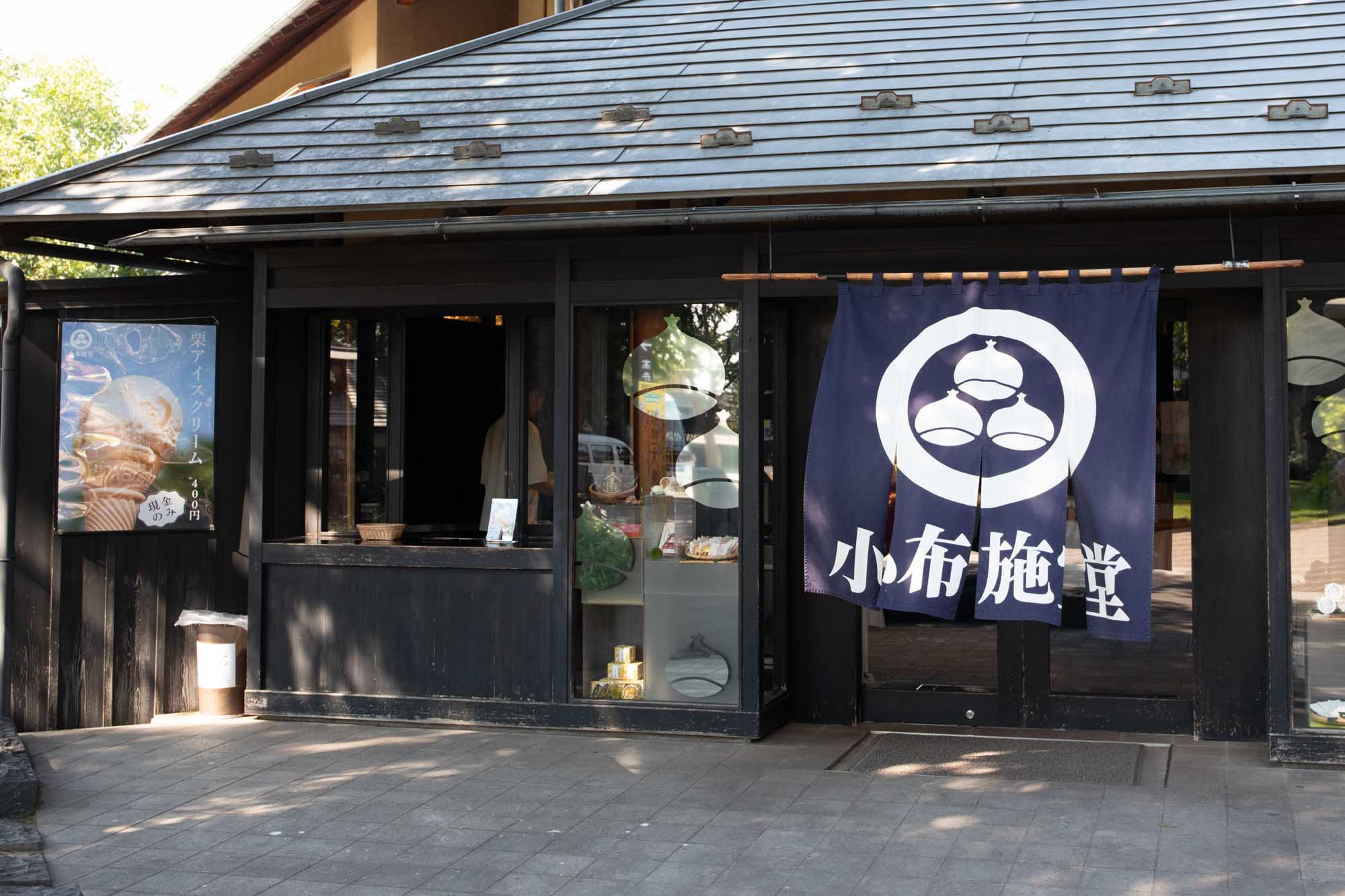
| Obusedo | Traditional Japanese Chestnut Cuisine | $20–30 | Not listed | Obuse-machi, Traditional Japanese Chestnut Cuisine |
| いろは堂 | Nagano Oyaki (Stuffed Dumplings) | $10–20 | Not listed | Oniyari, Nagano Oyaki (Stuffed Dumplings) |
Recognition history
Dated appearances from independent guides and award organizations, with the underlying list record or original source where available.
Tabelog Bronze #514
Tabelog
Full recognition history (3 entries)
Tabelog Bronze
Tabelog
Tabelog 100 #81 · No. 81
Tabelog · Tabelog 100 - Soba - EAST - 2025
Continue exploring
More in Nagano
Restaurants in Nagano
Browse all →
Hotels in Nagano
Browse all →
Wineries in Nagano
Browse all →
Details
- Scenic
- Rustic
- Quiet
- Solo
- Casual Hangout
- Special Occasion
- Standalone
- Panoramic View
- Local Sourcing
- Mountain
- Set Menu
Current opening hours
- Monday
- 11:30 AM–2 PM
- Tuesday
- 11:30 AM–2 PM
- Wednesday
- 11:30 AM–2 PM
- Thursday
- 11:30 AM–2 PM
- Friday
- 11:30 AM–2 PM
- Saturday
- Closed
- Sunday
- Closed
Hours can change for holidays and private events. Last verified .
A serene mountainside setting with a quiet, destination feel, focused on soba and surrounding highland scenery rather than urban polish.