Our verdict
A sushi-focused address in the station-adjacent dining corridor of central Nagano, すし築地日本海 長野駅前店 occupies a two-floor space at the base of Chiyoda Building on Minami-Senchō. The format sits within a category of mid-tier sushi chain restaurants that trade on Tsukiji-branded provenance, placing it in a different tier from Nagano's independent sushi counters.

Pearl is the En Primeur Club membership app — saves, bookings, and concierge access live there. Same editors, same standards.
- Address
- 南千歳1-19-3 (千歳ビル 1F-2F), 長野市, 長野県, 380-0823
- Directions
- Get directions
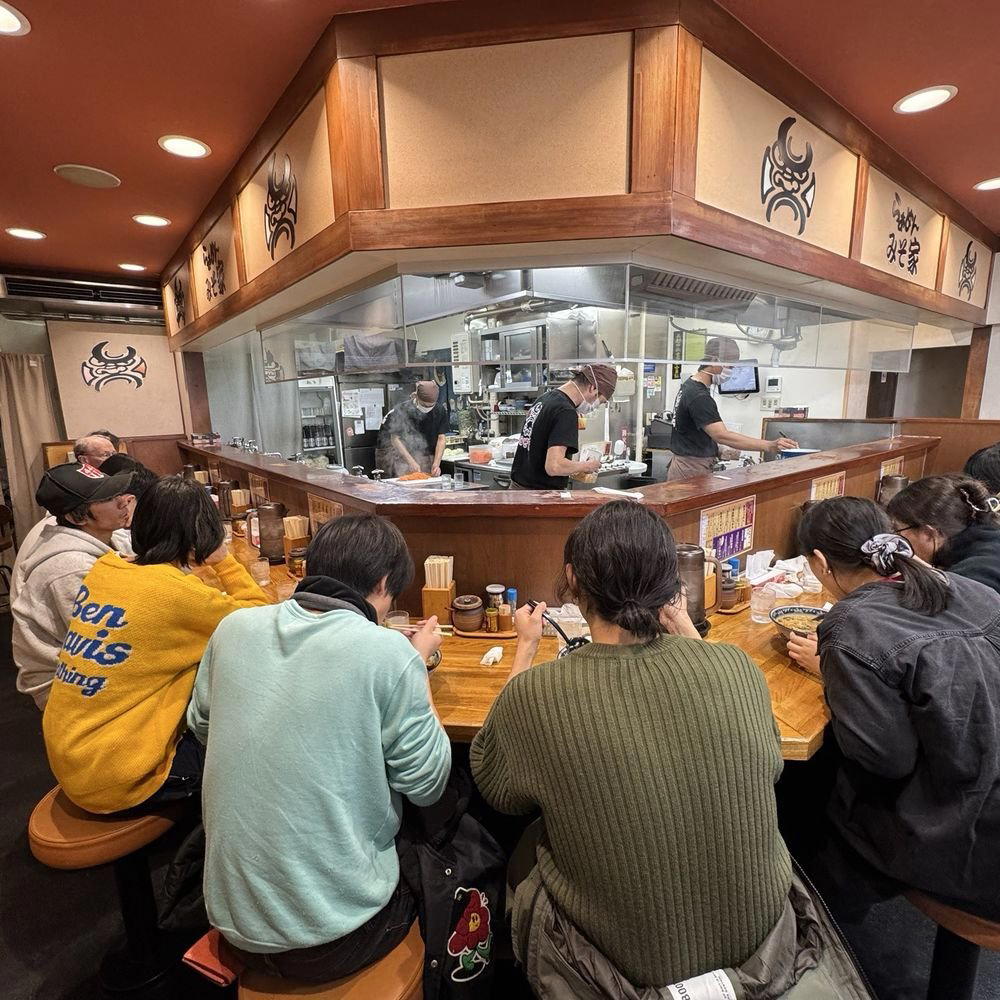
The menu
What to order
- Edomae nigiri sushi
- Toro (fatty tuna)
- Karei nimushi (simmered flounder)
- Ankimo (monkfish liver)
- Chirashi sushi
Station-Adjacent, Chain-Affiliated: Where Sushi築地日本海 Sits in Nagano's Dining Picture
The area immediately around Nagano Station has developed into a predictable pattern found in many Japanese prefectural capitals: an outer ring of izakayas and ramen shops giving way, as you move closer to the station exits, to multi-floor restaurant buildings where branded chains and independent operators share stairwells. Minami-Senchō, the address where すし築地日本海 長野駅前店 occupies the first and second floors of the Chiyoda Building at 1-19-3, falls squarely into this transit-adjacent category. The physical container here is a two-level format, which in the Tsukiji Nihonkai chain typically means ground-floor counter seating and an upper floor configured for group tables — a layout designed to absorb the variable demand of a station-side location, from solo diners catching a train to larger parties looking for a direct sushi spread after a day in the mountains.
That two-floor arrangement is worth understanding as architecture before it is understood as a dining choice. Chains operating in this format engineer their spaces for throughput rather than contemplation: wider aisles, brighter lighting, and table configurations that can be quickly rearranged. This is not the intimate eight-seat counter of Nagano's more considered sushi addresses, nor the tatami-room formality of a traditional kaiseki house. Knowing that distinction up front prevents misaligned expectations.
The Tsukiji Nihonkai Model and What It Means for Nagano Diners
The Tsukiji Nihonkai brand draws on the provenance signal of Tsukiji, the former wholesale fish market in Tokyo that, even after the market's relocation to Toyosu in 2018, continues to function as a powerful shorthand for fresh fish sourcing in the popular imagination. Chain operators using this branding position themselves against the perception of Tsukiji-grade seafood at accessible prices, which is a different competitive argument from the one being made by independent sushi counters that source directly from specific fishing communities or regional markets. In a landlocked prefecture like Nagano, where proximity to the sea is not a given and where fresh fish logistics require deliberate supply-chain management, that Tsukiji association carries particular commercial logic.
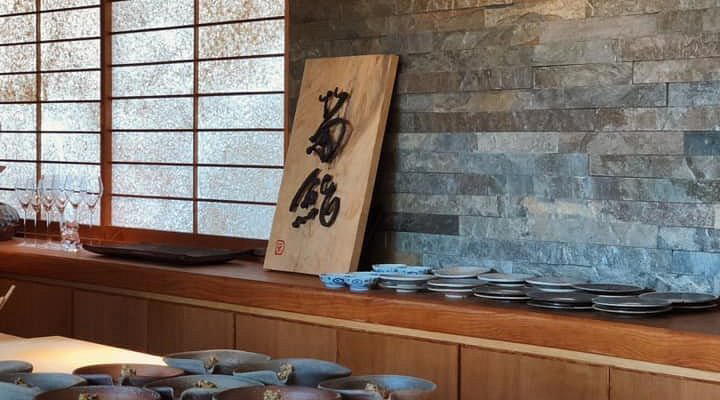
Nagano's sushi scene, at its more independent end, includes operators like Kikuzushi, which competes on the basis of individual craft and local relationships. すし築地日本海 長野駅前店 addresses a different segment entirely: diners for whom reliability, speed, and a recognizable framework matter more than provenance storytelling. For travellers arriving from Tokyo or Osaka on the shinkansen and wanting a prompt, competent sushi meal before heading into the mountains or onward to ski areas, the station-proximity logic is direct. For deeper engagement with Nagano's dining range, venues like Aoitou, ca'enne, or Fogliolina della Porta Fortuna (Italian) represent a different register entirely, as does Chinese Sai Muen (Chinese, Sichuan, Dim sum & Yum cha) for those inclined toward Sichuan-inflected cooking.
Design Logic: Reading the Space
The Chiyoda Building ground floor placement, the kind of retail-base positioning common in Japanese urban development, means the restaurant's façade functions as a street-level signal to passing foot traffic rather than as a destination that requires a deliberate journey. First and second floor restaurant operations of this type tend to differentiate by floor: the ground level absorbs quick-turnaround dining and counter seating where it exists, while the upper floor handles sit-down group configurations. This stacking model is widespread in Japanese chain restaurant design and reflects an efficient use of expensive station-area real estate.
What the physical space does not typically offer, in this format, is the kind of architectural particularity that defines Nagano's more characterful dining rooms. The Bleston Court Yukawatan operates within a mountain resort setting with a completely different spatial register. The Tsukiji Nihonkai format, by contrast, is a standardized interior language: branded materials, consistent signage, and a dining room calibrated for familiarity rather than surprise. That is a deliberate design decision rather than a limitation, it reduces friction for first-time visitors and delivers legible cues about price, format, and pacing before they sit down.
Nagano in the Broader Japan Sushi Context
To understand what すし築地日本海 長野駅前店 is not, it helps to know what the wider Japan sushi spectrum looks like. At the high end of omakase dining nationally, counters like Harutaka in Tokyo represent the reference point for hand-formed nigiri at the highest technical level. In Kyoto, Gion Sasaki places Japanese fine dining in a kaiseki framework. These are category anchors that sit well above the station-chain tier. Within Japan's mid-tier sushi chain segment, the Tsukiji Nihonkai model competes on volume, accessibility, and the reassurance of a national brand, characteristics that serve specific traveller needs without attempting to replicate the craft of dedicated independent counters.
For travellers interested in Japanese fine dining more broadly across regions, HAJIME in Osaka, akordu in Nara, and Goh in Fukuoka each represent strong regional propositions in their own right. Within the seafood-forward category, regional Japanese sushi also surfaces in distinctive forms at addresses like 一本杉 川島壽し in Nanao and 鳥羽屋 in Nishikawa Machi, both operating at a more independent scale. For comparison outside Japan entirely, the discipline of seafood-forward cooking at the fine dining level is examined at Le Bernardin in New York City.
Planning a Visit: Practical Notes
すし築地日本海 長野駅前店 is located at Minami-Senchō 1-19-3 in the Chiyoda Building, within walking distance of Nagano Station's central exits, the station-side positioning that defines its primary audience. For a wider orientation to Nagano's dining options across categories and price tiers, the full Nagano restaurants guide maps the city's range from casual to formal.
Travellers planning broader itineraries across Japan's secondary cities will find useful regional comparisons at 夕朱山乃 in Sapporo, 湖畔荘 in Takashima, and Birdland in Sakai. For those curious about Korean-inflected fine dining in New York as a contrast point to Japanese formats, Atomix in New York City operates in a different culinary tradition but at a comparable level of deliberate curation.
Frequently asked questions
What's the address for すし築地日本海 長野駅前店?
すし築地日本海 長野駅前店 is located at 南千歳1-19-3 (千歳ビル 1F-2F), 長野市, 長野県, 380-0823, Nagano.
How does the Tsukiji Nihonkai brand identity affect what you get at the Nagano Station branch?
Tsukiji Nihonkai uses the Tsukiji name as a provenance signal — a reference to Tokyo's former wholesale fish market — which positions the chain around seafood credibility rather than chef-driven omakase. At the 長野駅前店 in Nagano, that translates to a standardised menu framework shared across the brand's locations, rather than a locally curated or seasonally improvised selection. Diners in Nagano get the consistency and recognisability of that chain model, set inside the Chiyoda Building a short walk from the station's central exits.
Should I book すし築地日本海 長野駅前店 in advance?
No reservation method is confirmed for this location. Station-adjacent chain sushi restaurants in Nagano's mid-tier segment typically absorb walk-in traffic across lunch and early dinner, with peak pressure on weekend evenings near central exits. Arriving outside the 12:00–13:30 lunch window reduces wait time at this type of Chiyoda Building ground-floor operation.
The Short List
Comparable venues nearby, for context on price, style, and recognition.
| Venue | Cuisine | Price | Awards | Notes |
|---|---|---|---|---|
| すし築地日本海 長野駅前店This venue — the venue you are viewing | Authentic Edomae Sushi & Izakaya | $30–50 | Not listed | Not listed |
| Sobanomi | Togakushi Soba | $20–30 | Tabelog 100 #53 | Togakushi, Togakushi Soba |
| Ramen Mugi Hitotsubu | Ramen shop in rural Nagano | $10–20 | Tabelog 100 #71 | Matsukawa Village, Kitaazumi District, Ramen shop in rural Nagano |
| いろは堂 | Nagano Oyaki (Stuffed Dumplings) | $10–20 | Not listed | Oniyari, Nagano Oyaki (Stuffed Dumplings) |
| Mendo Kirinji | Ramen shop | $10–20 | Tabelog 100 #18 | Not listed |
| Nagano Meijitei (明治亭) | Nagano Sauce Katsudon | $10–20 | Not listed | Nagano Station, Nagano Sauce Katsu-don Specialist |
Continue exploring
More in Nagano
Restaurants in Nagano
Browse all →
Hotels in Nagano
Browse all →
Wineries in Nagano
Browse all →
Details
- Lively
- Classic
- Elegant
- Casual Hangout
- Group Dining
- Solo
- After Work
- Open Kitchen
- Private Dining
- Beer Program
- Sake Program
- Sustainable Seafood
- Counter Dining
- A La Carte
- Omakase
- Sake
- Beer
- Pescatarian Friendly
Bright and clean with a lively atmosphere; first floor features an open counter where diners can watch sushi preparation, second floor offers private dining spaces.