Our verdict
Aoitou operates within Nagano's quieter tier of Japanese counter dining, where the meal follows the kitchen's sequence and the sourcing reflects the prefecture's alpine agriculture. The format rewards guests who arrive with patience and some familiarity with counter etiquette. For those building a Nagano itinerary around a serious meal, it sits within a city whose food culture is more local than internationally mapped.

Pearl is the En Primeur Club membership app — saves, bookings, and concierge access live there. Same editors, same standards.
- Address
- Nagano, Japan
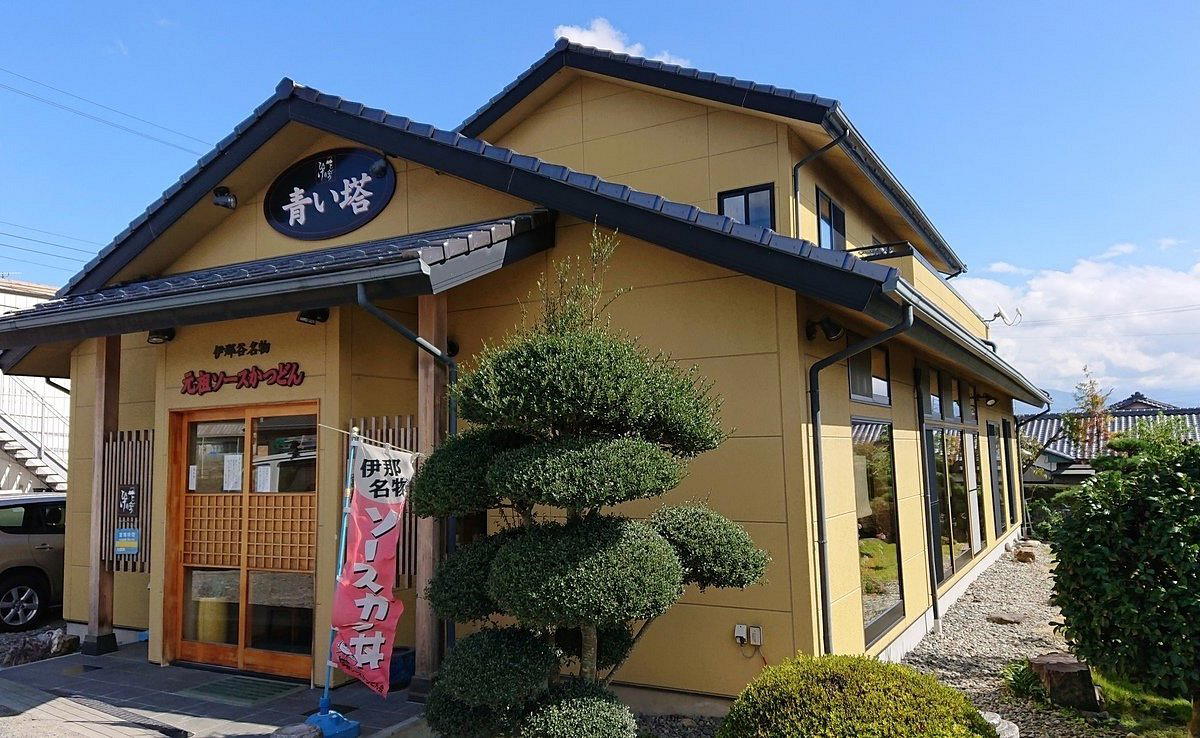
The menu
What to order
- ロースカツ丼
- 海老とヒレカツのレディース丼
A Quiet Counter in the Mountains
Nagano sits at an elevation that changes how a meal feels. The air carries a distinct chill even in late spring, and the city's dining rooms reflect that: quieter, more deliberate, less theatrical than the restaurant floors of Tokyo or Osaka. It is in this context that Aoitou operates, a counter in a city that rewards patience and attentiveness over spectacle. Approaching a venue like this in Nagano means accepting a different pace from the outset, one where the ritual of the meal takes precedence over its performance.
The Dining Ritual in Japan's Alpine Interior
Japanese counter dining has its own grammar. The guest arrives, is seated, and submits to a sequence determined by the kitchen. This is not merely a preference but a structural contract: the chef controls pacing, temperature, and progression, and the diner's role is to receive that structure with attention. In cities like Kyoto and Tokyo, this form has been well documented. What is less examined is how it translates in a secondary city like Nagano, where the same tradition operates without the scrutiny of international press and with a more local, repeat-visitor clientele.
Aoitou sits within that context. Nagano's dining culture has been shaped by its position as a mountain prefecture, its winters long, its local agriculture anchored in cold-weather produce, fermented foods, and mountain game. Counter restaurants here tend to draw on that regional specificity rather than mirroring the cosmopolitan ambitions of the metropolis. For the reader comparing this experience to, say, Harutaka in Tokyo or Gion Sasaki in Kyoto, the frame of reference must shift: the register here is quieter, the sourcing more visibly local, the pace slower by design.
Nagano's Dining Scene and Where Aoitou Fits
The city supports a range of dining formats that reflect its dual identity as a domestic tourist hub and an agricultural prefecture. Western-influenced restaurants have a real foothold: Fogliolina della Porta Fortuna covers Italian, French restaurant "la rencontre" covers French, and ca'enne occupies its own niche within the local scene. Chinese formats also appear: Chinese Sai Muen covers Sichuan and dim sum at a mid-range price point. Bleston Court Yukawatan represents a more resort-oriented tier, anchored in Karuizawa rather than the city center.
Aoitou, based on its name and Nagano address, likely fits within the Japanese counter format that runs parallel to these Western-influenced rooms. That tier in Nagano tends to be quieter in its marketing and more dependent on local reputation than on international booking platforms. For broader reference across Japan's secondary-city fine dining circuits, see venues like Goh in Fukuoka or akordu in Nara, which operate in similarly overlooked cities with serious culinary ambitions. Further afield, HAJIME in Osaka illustrates how a regional city can anchor a dining destination of international reach.
For a full picture of what Nagano's restaurants offer across cuisines and price points, our full Nagano restaurants guide maps the current field.
What the Counter Format Demands of Its Guest
Counter dining in Japan places specific expectations on the person seated at it. Reservations typically require commitment in advance, often through a Japanese-language interface or via a ryokan concierge if the guest is staying locally. Cancellations are taken seriously; no-shows at small counters are a genuine economic problem, and the etiquette around this has hardened over the past decade, particularly at venues with limited covers.
Timing is dictated by the kitchen. A typical Japanese counter meal at this level runs between two and three hours, with courses arriving on the kitchen's schedule rather than on request. This is not a format suited to guests who need to leave by a fixed time unless that constraint is communicated clearly at booking. The pacing is part of the experience; rushing it would be a category error, like listening to a symphony at double speed.
Dietary restrictions are handled differently in Japanese counter dining than in Western tasting menu formats. The kitchen builds its sequence in advance and adapting it mid-service is structurally difficult. The expectation, in most Japanese fine dining settings, is that restrictions are declared at the time of booking rather than at the table. Guests with significant dietary needs should confirm in writing before arrival and allow the kitchen time to adjust.
Regional Comparisons Worth Making
Nagano's position in Japan's culinary geography is instructive. It is not a food city in the way Kyoto or Fukuoka are, with entrenched traditions that draw international pilgrimage. But it is a city with serious local food culture: its soba, its miso, its mountain vegetables, and its winter game have real identities rooted in climate and altitude. Counter restaurants that take this seriously can produce meals that feel more regional than refined, which is a different ambition from Tokyo's pursuit of technical perfection.
Consider the approach of a venue like this in Nanao on the Noto Peninsula, or the range of regional counter formats visible in cities like Sapporo and Takashima. The common thread is sourcing specificity: the chef uses what the prefecture produces, and the meal is a document of that geography rather than an exercise in cosmopolitan ambition.
Internationally, readers who have tracked the evolution of high-attention counter dining at venues like Atomix in New York City or the classical French precision of Le Bernardin in New York City will recognize the underlying logic: the meal is a structured argument, and the guest is invited to follow it.
Planning a Visit
Nagano city is accessible by shinkansen from Tokyo in approximately 90 minutes, which makes it a realistic day trip or short-stay destination for visitors based in the capital. The practical difficulty is not geography but information: venues operating in this tier in secondary Japanese cities often lack English-language booking infrastructure, and contact details may not be findable through standard international channels. A hotel concierge in Nagano, or a specialist Japan travel operator, is often the most reliable route to a confirmed reservation at a counter like Aoitou. As with other small-format Japanese dining rooms at venues in the broader region, advance planning of at least several weeks is reasonable; same-week availability is unlikely at any serious counter operating locally.
Those building a longer Nagano itinerary can use the meal as an anchor and arrange day trips around it: the temples of the Zenkoji district, the Togakushi shrine complex, or the ski terrain of Shiga Kogen depending on the season. The winter months bring Nagano's alpine character into sharpest focus, which makes the warmth of a counter meal feel particularly earned. The broader sweep of what the city offers across cuisine types is mapped across our Nagano restaurant coverage, which includes venues from yakitori specialists to multi-format Japanese counters.
Frequently asked questions
Would Aoitou be comfortable with kids?
Counter dining in Japan generally demands quiet attentiveness from everyone at the table, and Nagano's more considered dining rooms are no exception. Aoitou's format, built around a sequenced kitchen-led experience, is better suited to older children or teenagers who can hold their focus through a multi-course sitting. Younger children would likely find the pace difficult, and the intimate counter environment amplifies any disruption.
What's the overall feel of Aoitou?
Aoitou operates within Nagano's restrained dining culture, where the mountain setting informs the mood as much as the room itself. Expect something closer to quiet concentration than convivial noise — the counter format puts the kitchen at the centre of attention. It is a composed, deliberate environment rather than a social one.
Is Aoitou worth travelling to Nagano specifically for, and how does it fit into a broader trip?
Nagano is reachable by shinkansen from Tokyo in approximately 90 minutes, making it a viable short-stay destination rather than a dedicated food-city pilgrimage. Aoitou sits within a dining scene that reflects Nagano's dual character — an agricultural prefecture and a domestic tourist hub — which gives it a regional specificity that restaurants in Kyoto or Tokyo rarely offer. Pairing a meal at Aoitou with Nagano's wider appeal, including its mountain access and temple culture, produces a more complete case for the trip.
What do regulars order at Aoitou?
At a counter in this format, the kitchen sets the sequence rather than the guest choosing individual dishes. Regulars in Japan's counter dining tradition tend to place trust in the chef's progression rather than directing specific courses. Nagano's position as an agricultural prefecture means seasonal produce from the surrounding highlands typically anchors whatever the kitchen is running.
How hard is it to get a table at Aoitou?
Nagano's position as a shinkansen-accessible destination from Tokyo — roughly 90 minutes — means demand from visiting diners adds pressure to local capacity. Contacting the venue directly is the only reliable path to current availability.
What is Aoitou known for?
Aoitou is associated with Nagano's quieter, more considered end of the dining spectrum — counter-format hospitality grounded in the rhythms of Japan's alpine interior. The city sits within a prefecture known for agricultural produce, cold-climate ingredients, and a dining culture shaped by domestic tourism and local tradition rather than international food-press attention. That relative obscurity is part of what defines Aoitou's appeal to guests seeking out Nagano specifically.
Can Aoitou adjust for dietary needs?
Counter dining in Japan operates on a kitchen-led sequence, which means dietary accommodations are typically arranged at the time of booking rather than on arrival. Whether Aoitou can flex its menu for specific requirements is best confirmed directly with the venue before reserving. Disclosing restrictions in advance is standard practice at this format of restaurant across Japan.
Style and Standing
Comparable venues nearby, for context on price, style, and recognition.
| Venue | Cuisine | Price | Awards | Notes |
|---|---|---|---|---|
| AoitouThis venue — the venue you are viewing | Japanese Sauce Katsudon | $10–20 | Not listed | Not listed |
| 蕎麦処 そばの実 | Togakushi Soba | $20–30 | Tabelog 100 #53 | Togakushi |
| いろは堂 | Nagano Oyaki (Stuffed Dumplings) | $10–20 | Not listed | Oniyari |
| すし築地日本海 長野駅前店 | Authentic Edomae Sushi & Izakaya | $30–50 | Not listed | Nagano Station (Zenkokuji-guchi) |
| Nagano Meijitei (明治亭) | Nagano Sauce Katsudon | $10–20 | Not listed | Nagano Station |
| Uzura Ya | Traditional Togakushi soba restaurant | $20–30 | Tabelog 100 #52 | Togakushi |
Continue exploring
More in Nagano
Restaurants in Nagano
Browse all →
Hotels in Nagano
Browse all →
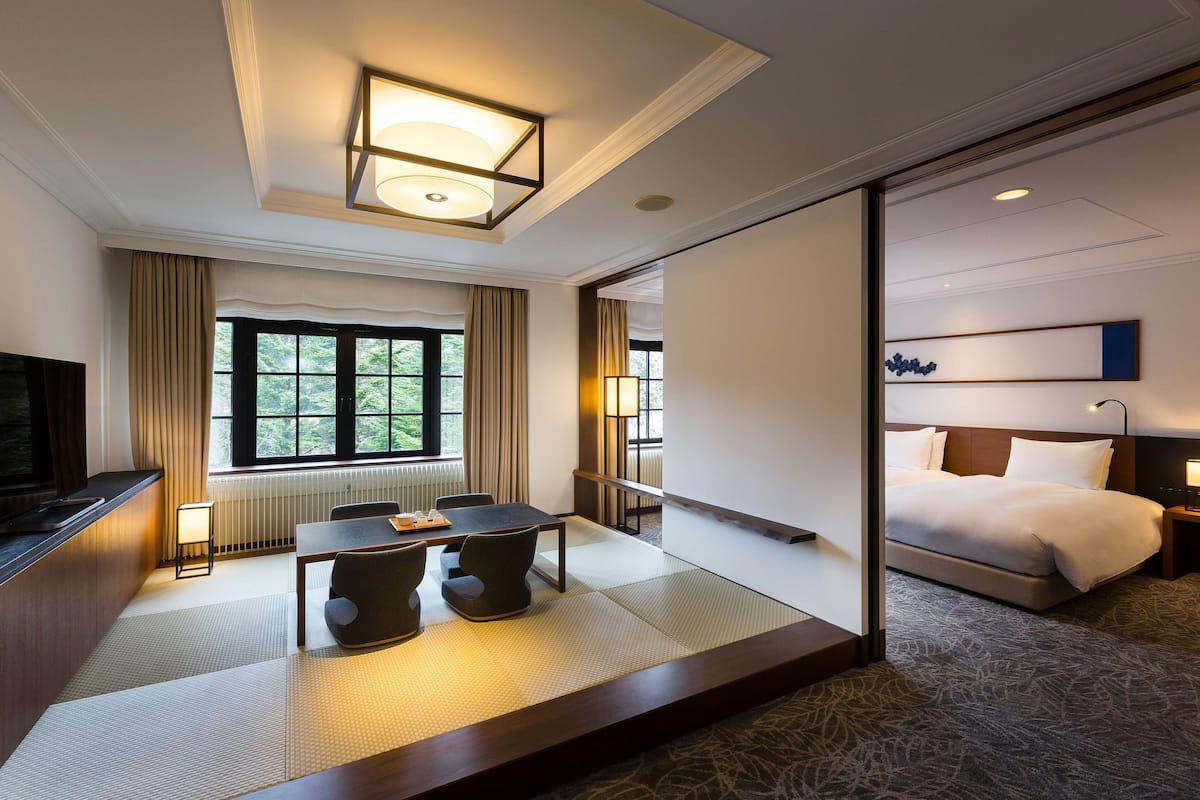
Wineries in Nagano
Browse all →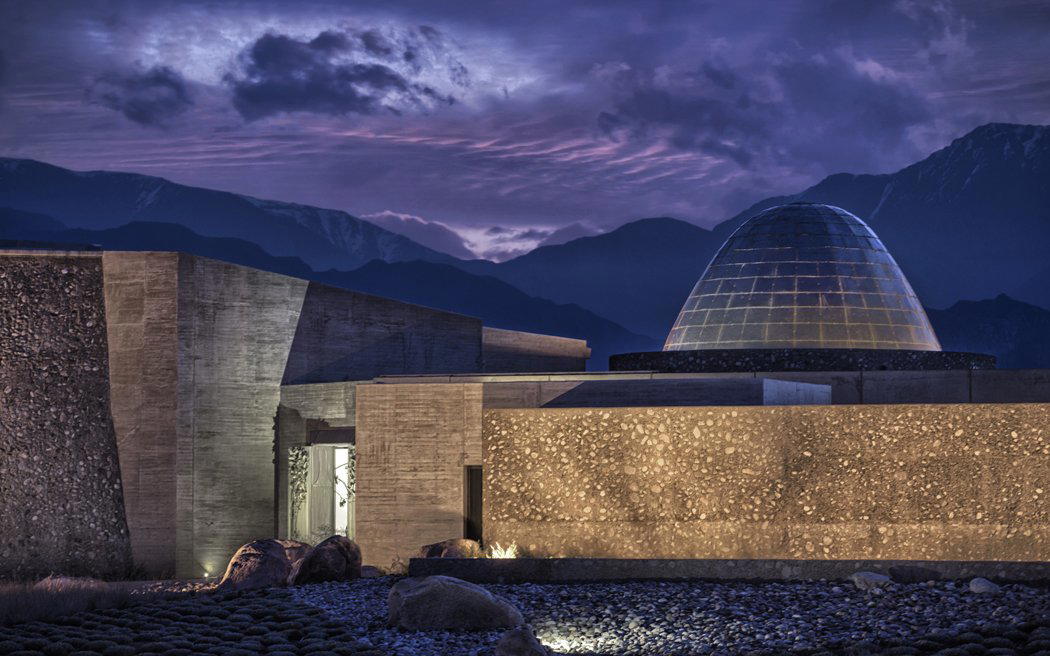

Details
- Casual Hangout
- A La Carte