

Tabelog Silver #21
Our verdict
A single-group-per-day Italian house restaurant in the Karuizawa highlands, Fogliolina della Porta Fortuna has held the Tabelog Silver Award every year from 2018 through 2026 and carries a 4.44 score. Chef Kobayashi Koji works in a six-seat setting where the pace is set by the seasons, the forest light, and a wine list built for food pairing rather than display.

Pearl is the En Primeur Club membership app — saves, bookings, and concierge access live there. Same editors, same standards.
- Address
- 2147-689 Nagakura, Karuizawa, Kitasaku District, Nagano 389-0111, Japan
- Phone
- +81 90-7956-8109
- Hours
- Mon–Fri 12–5 PMSat–Sun Closed
- Website
- hitosara.com
- Directions
- Get directions
- Booking
- Book on the venue's website
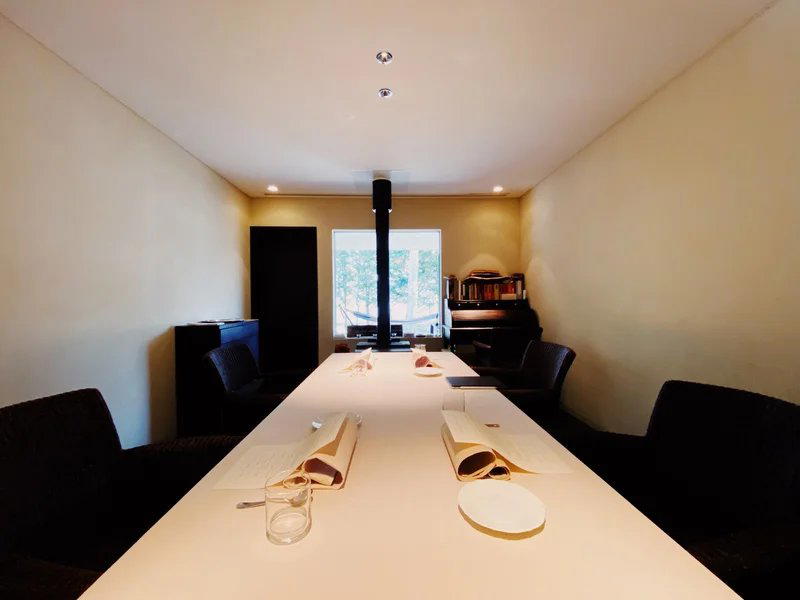
Where the Forest Sets the Table
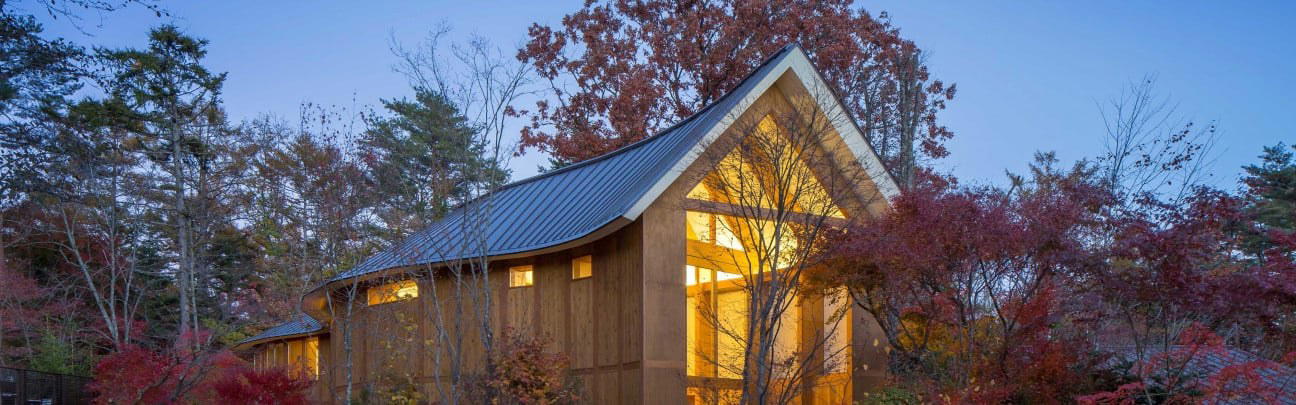
The road into Naka-Karuizawa past the Shiotsubo Onsen Hotel entrance does not announce what is waiting at the end of it. A small path off National Route 146, a few parking spaces, a house tucked among the larch and birch that define this part of the Kitasaku highlands: arriving here feels less like entering a restaurant and more like being received into a private residence where lunch happens to take the better part of an afternoon. That sensation is not accidental. The format at Fogliolina della Porta Fortuna, a six-seat room serving one group per day on a reservations-only basis, is organized around the conditions of a particular place rather than around the logic of a dining-room operation.
Karuizawa occupies a rare position in Japanese leisure geography. At roughly 1,000 metres above sea level, the plateau has attracted Tokyo's summer migration for well over a century, and the dining ecosystem that has developed around it is correspondingly serious. The resort town supports a higher density of award-recognized restaurants per head than most regional Japanese cities, and the comparison set runs across categories: the French-influenced Bleston Court Yukawatan, the Italian ca'enne, and broader Nagano options including Kikuzushi for sushi. Within that context, Fogliolina sits at the more private, lower-volume end of the spectrum.
The Logic of One Group a Day
Japan has developed a distinctive sub-category of Italian dining that has no direct European equivalent: small-scale house restaurants, often outside major cities, where a single chef interprets Italian technique through locally available ingredients and operates on terms that prioritize quality over throughput. These establishments tend to draw loyal followings from Tokyo precisely because the distance and exclusivity make the meal feel earned. Fogliolina della Porta Fortuna fits that pattern closely. Reservations require a complete introduction, capacity is capped at four guests during the standard season, and the service window runs roughly 12:00 to 17:00, meaning the meal occupies the full middle of the day.
The Tabelog community has evaluated this format consistently. The restaurant has held the Tabelog Silver Award in every year from 2018 through 2026, a run of eight consecutive years that places it in a cohort of fewer than a hundred restaurants across all of Japan at that recognition level in any given year. Its 2026 score of 4.44 and its repeated selection for the Tabelog Italian EAST “Tabelog 100” in 2021, 2023, and 2025 confirm that the user-review base in Japan, which is both large and methodologically demanding, regards this as a reference-level Italian address in the eastern half of the country. For comparison, the Italian category at the top of the Tabelog rankings nationally includes restaurants like LA CASA DI Tetsuo Ota in the same region, which signals how competitive the Nagano Italian tier has become.
Italian Cuisine, Japanese Setting: The Wine and Food Question
The editorial angle that makes Fogliolina worth examining carefully is not its format or its awards in isolation, but what those things imply about how Italian food and Italian wine function when they are transplanted into a rural Japanese setting with maximum culinary attention and minimum commercial noise. In the major Italian restaurants of Tokyo and Osaka, the sommelier role has professionalized to the point where it mirrors what you would find at comparable addresses in Milan or Rome. Wine lists at those addresses can run to hundreds of labels, and the pairing logic follows a recognizable international grammar. At a six-seat house restaurant in the Karuizawa mountains, the equation is different.
When food and wine are considered together at this scale, the relationship between them tends to be more direct and less mediated by a formal wine program. The chef's judgment about what to pour with each course carries more weight than a written list, and the sourcing constraints of a rural location in Nagano prefecture mean that the wine selection reflects practical decisions rather than comprehensive cellar ambition. What the format does suggest is that the Italian principle of pairing wine regionally, matching the rhythm of the food rather than building a parallel performance, has an easier time expressing itself in a room this small than in a conventional restaurant setting. The parallel, at a different price point and scale, exists at Italian addresses in Japan such as cenci in Kyoto, where a tasting menu format similarly structures the relationship between cuisine and wine.
For those comparing Italian in Japan at the upper price tier, it is worth noting that international references like 8 1/2 Otto e Mezzo Bombana in Hong Kong operate with full sommelier programs and large-format wine lists, whereas the appeal here is the opposite: the absence of apparatus, the presence of a specific place.
Seasonal Operation and the Summer Shift
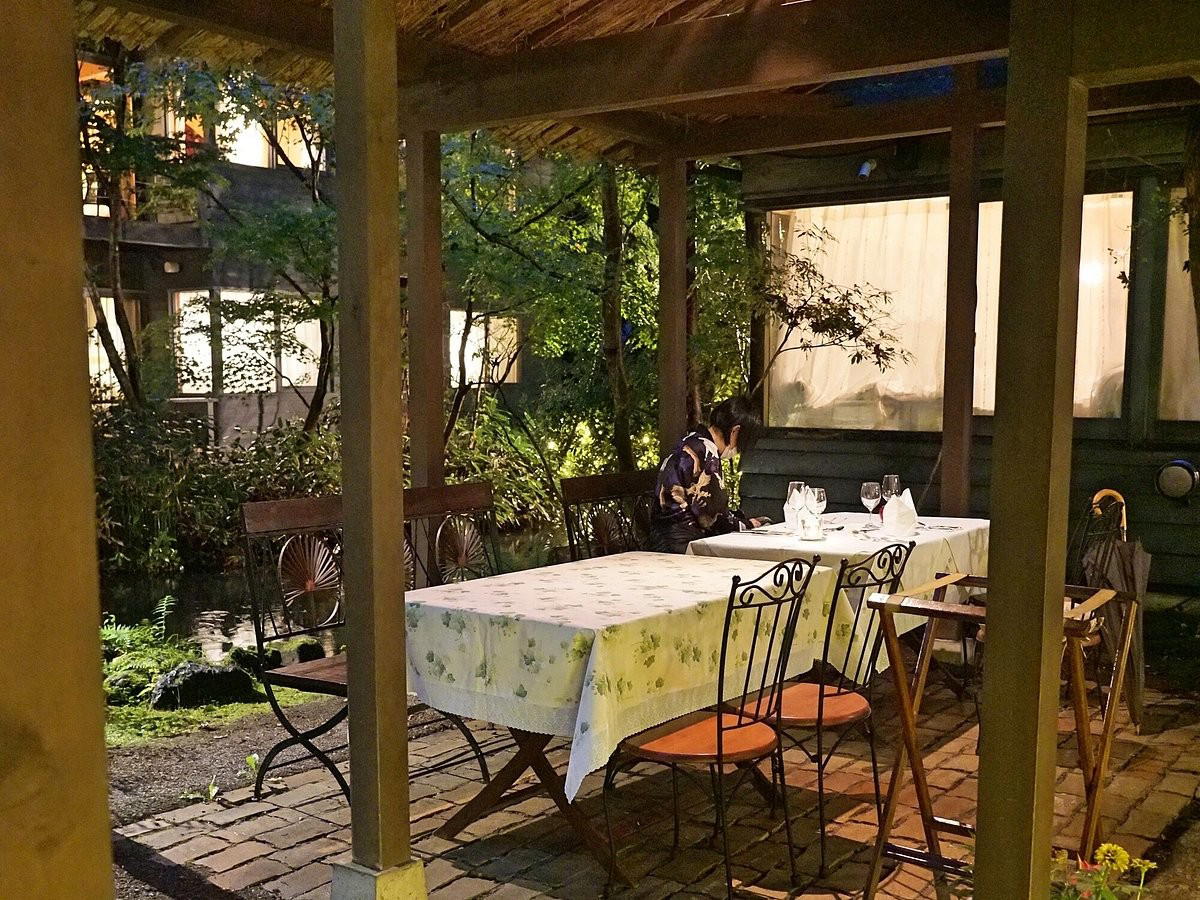
One of the more consequential details about Fogliolina is that it does not operate as itself year-round. During July and August, the property converts to Alberini, an open-air format using the lawn garden and terrace with capacity expanded to twenty seats. The Fogliolina format, with its six-seat interior and one-group-per-day rule, closes for the Alberini period. The length of that closure varies from year to year. This means that the experience most people associate with the restaurant's awards record is a seasonal one, available outside the summer high season when Karuizawa is at its busiest as a resort destination. The shoulder seasons, late spring and autumn in particular, align well with both the intimate indoor format and the natural environment that gives the restaurant part of its character. Autumn in the Kitasaku highlands, when the larch turn, is a different sensory backdrop from summer, and the food at a restaurant this attentive to its surroundings can reasonably be expected to reflect that.
Planning a Visit
Getting there requires a small degree of navigation. From Karuizawa Shinkansen station, the Tabelog directions recommend a taxi and asking for “Kobayashi's Shop in front of the Shiotsubo Onsen Hotel entrance.” The taxi ride is approximately 15 minutes outside peak season and can extend to over 30 minutes in summer traffic. By car, the route runs along National Route 146 past the Hoshino area and turns left at the path just past the Shiotsubo Onsen Hotel entrance. Parking for three cars is available on site.
Reservations are accepted only by complete introduction, and the one-group-per-day structure means availability is genuinely limited regardless of lead time. The budget range runs from JPY 40,000 to JPY 49,999 per person for both lunch and dinner, with some reviews indicating spending in the JPY 50,000 to JPY 59,999 range. Credit cards (Visa, Mastercard, JCB, American Express) are accepted. The private room accommodates four to six people. Children are welcome. The restaurant opened on 23 January 2011 and has maintained its awards record continuously since 2018.
For those building a broader Nagano itinerary around this reservation, the full context across dining categories is available in our full Nagano restaurants guide, alongside our full Nagano hotels guide, our full Nagano bars guide, our full Nagano wineries guide, and our full Nagano experiences guide. For comparison across Japan’s broader fine dining range, relevant reference points include HAJIME in Osaka, Harutaka in Tokyo, Gion Sasaki in Kyoto, akordu in Nara, Goh in Fukuoka, and 1000 in Yokohama, each operating in a different format but at a comparable level of commitment to the dining experience. Closer to home in Nagano, Chinese Sai Muen represents the range of serious cooking available across cuisines in the broader prefecture.
What to Know Before You Go: Signature Dishes
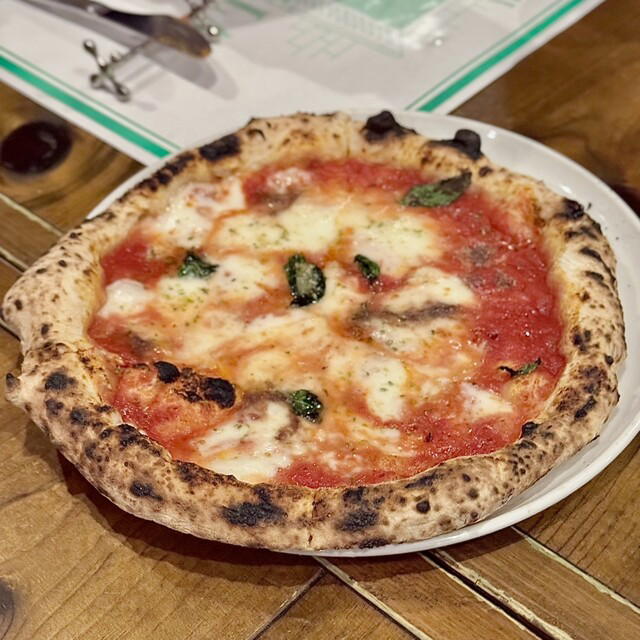
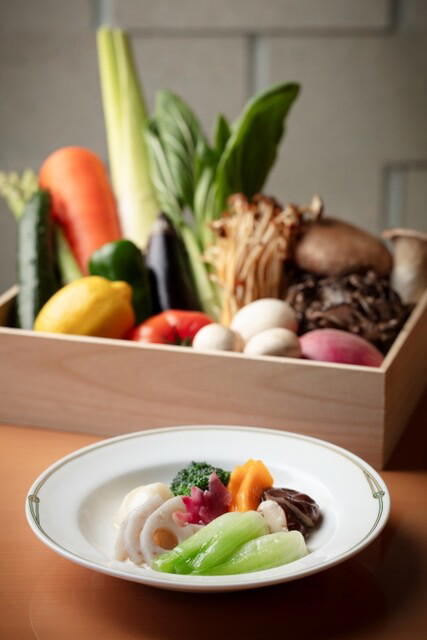
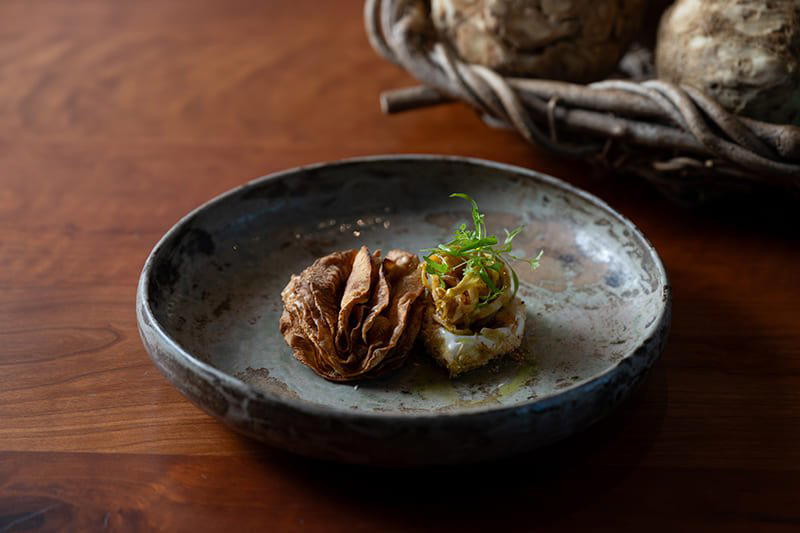
The Tabelog record and publicly available documentation do not specify individual dishes on the menu at Fogliolina della Porta Fortuna, and the menu changes with the seasons and the chef’s decisions. Inventing a signature dish here would misrepresent a restaurant whose entire operating model is built around the absence of a fixed, repeatable product. What the format and the award record together indicate is that Chef Kobayashi Koji’s Italian cooking, practiced over more than a decade at this address, has been consistently evaluated as among the strongest in eastern Japan. The Tabelog 100 selection and the consecutive Silver Awards from 2018 to 2026 are the most verifiable indicators of what to expect. For current menu information, contact via the reservation process is the appropriate channel, given that the restaurant operates without a public website and that hours and closed days are confirmed directly with the venue before each visit.
Frequently asked questions
Is Fogliolina della Porta Fortuna award-winning?
Fogliolina della Porta Fortuna has received recognition including: {"Year":"2026","Award Source":"Tabelog","Award Type":"The Tabelog Award","Award Group":"silver","Award Group Rank":"21","Restaurant Name":"Fogliolina della Porta Fortuna","Score":"4.44","Budget":"Dinner: JPY 40,000 - JPY 49,999; Lunch: JPY ….
What's the signature dish at Fogliolina della Porta Fortuna?
Tabelog's record and publicly available documentation do not specify individual dishes at Fogliolina. The menu changes and is not published in advance, which is consistent with the single-group-per-day format at this Karuizawa house restaurant. Expect a course-based Italian meal priced at JPY 40,000–49,999 per person, confirmed across multiple Tabelog review cycles. For current menu details, check the venue's official channels at 0267-41-0612.
How do I find Fogliolina della Porta Fortuna?
Fogliolina della Porta Fortuna is located at 2147-689 Nagakura, Karuizawa, Kitasaku District, Nagano 389-0111, Japan, Nagano.
Who's behind the kitchen at Fogliolina della Porta Fortuna?
The chef associated with Fogliolina della Porta Fortuna is Kobayashi Koji.
The Essentials
| Venue | Cuisine | Price | Awards | Notes |
|---|---|---|---|---|
| Fogliolina della Porta FortunaThis venue — the venue you are viewing | Award-Winning Italian Fine Dining | $100–150 | Tabelog Silver #21 | Not listed |
| Kikuzushi | Edomae Sushi | $50–100 | Tabelog Silver #54 | Sushi |
| Bleston Court Yukawatan | Nippon French | $300–500 | Tabelog Bronze #37 | Not listed |
| ca’enne | Wood-Fired Italian | $150–200 | Tabelog Bronze #43 | Not listed |
| Chinese Sai Muen | Sichuan Chinese Dim Sum | $30–50 | Tabelog Bronze #292 | Chinese, Sichuan, Dim sum & Yum cha, JPY 4,000 - JPY 4,999 JPY 3,000 - JPY 3,999 |
| Mumyo | Modern Japanese Kaiseki | $150–200 | Tabelog Bronze #293 | Not listed |
Recognition history
Dated appearances from independent guides and award organizations, with the underlying list record or original source where available.
Opinionated About Dining Top Restaurants in Japan Ranked #125
Opinionated About Dining
Tabelog Silver #21
Tabelog
Full recognition history (5 entries)
Opinionated About Dining Top Restaurants in Japan Ranked #96
Opinionated About Dining
Tabelog 100 #42 · No. 42
Tabelog · Tabelog 100 - Italian - EAST - 2025
Tabelog Silver
Tabelog

Details
- Intimate
- Elegant
- Cozy
- Rustic
- Sophisticated
- Special Occasion
- Private Dining
- Local Sourcing
- Mountain
- Garden
Current opening hours
- Monday
- 12–5 PM
- Tuesday
- 12–5 PM
- Wednesday
- 12–5 PM
- Thursday
- 12–5 PM
- Friday
- 12–5 PM
- Saturday
- Closed
- Sunday
- Closed
Hours can change for holidays and private events. Last verified .
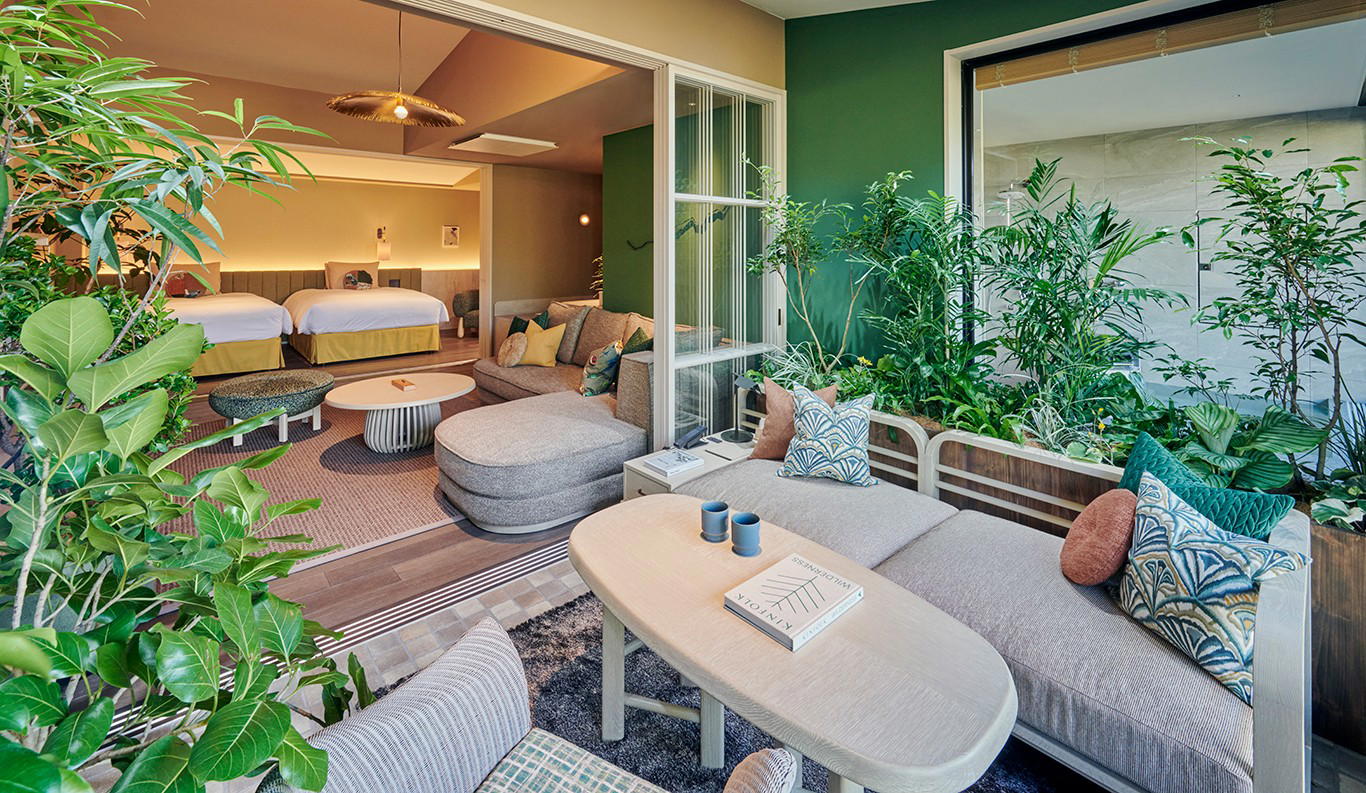
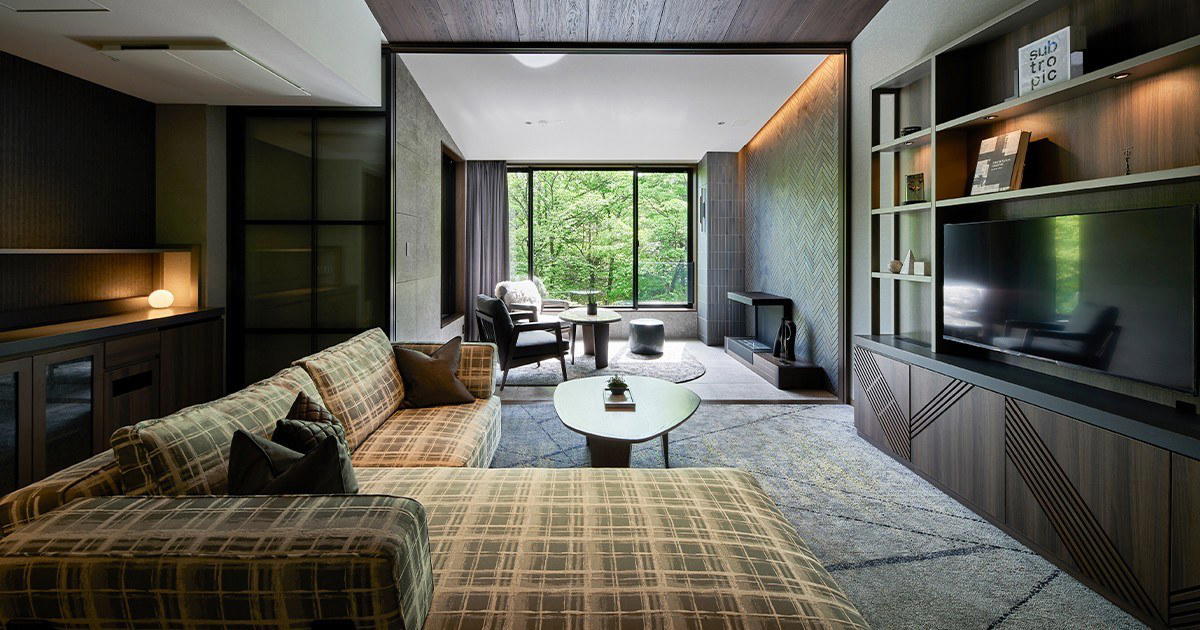
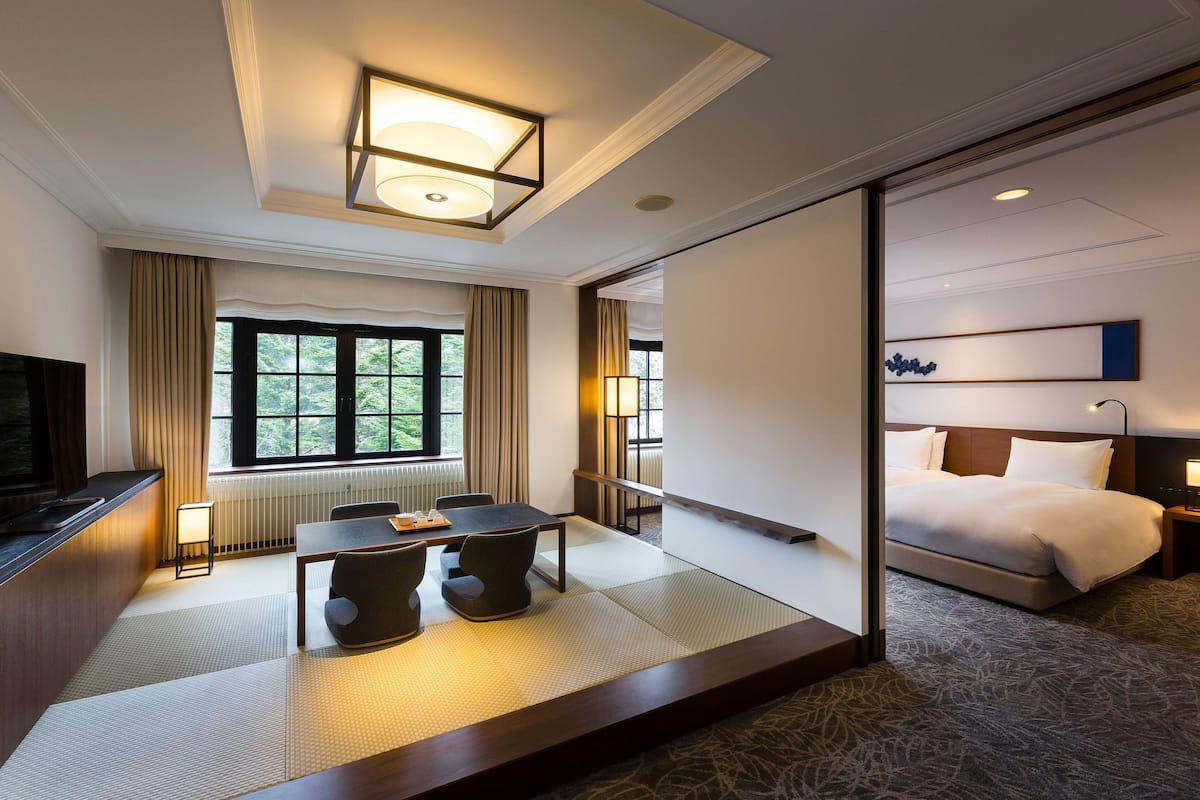
Relaxing stylish space set in Karuizawa mountains with seasonal views, open terrace in summer, and heartwarming light filtering through leaves.