
Falstaff Winery - Listed
Fukuju Sake places a historic Japanese brewing name inside Nagano’s wider craft-drink conversation, with a heritage signal dating to 1751 and a visitor format built around sake education rather than casual bar service. The draw is the structure: guided tasting, brewery context, and a calm cultural setting suited to travelers who want sake treated with the seriousness often reserved for wine estates.

Pearl is the En Primeur Club membership app — saves, bookings, and concierge access live there. Same editors, same standards.
- Address
- Nagano, Japan
- Directions
- Get directions

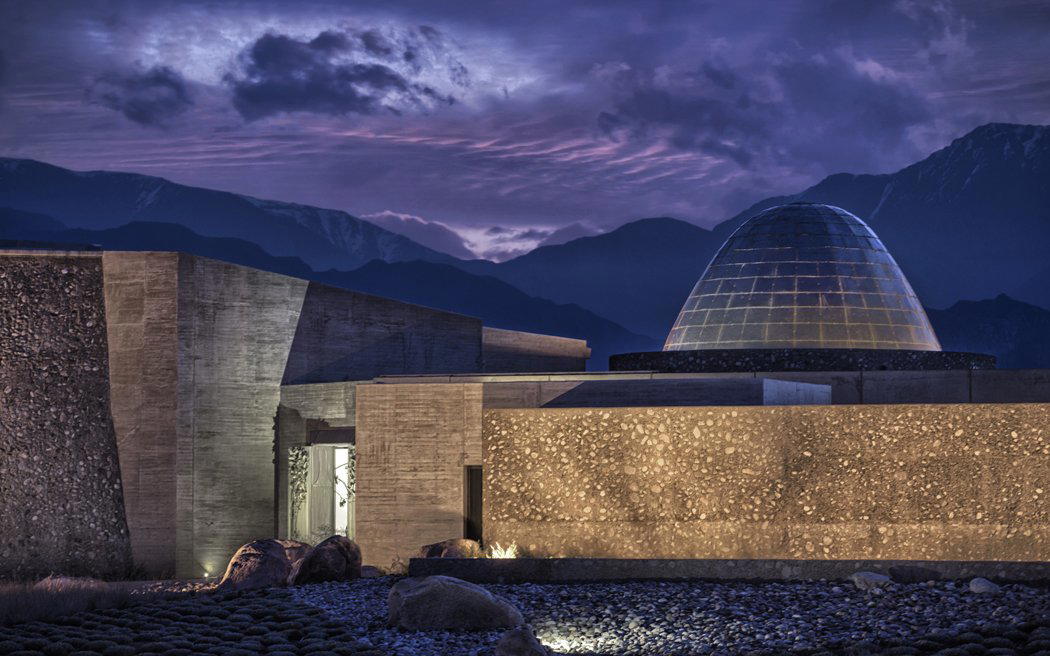
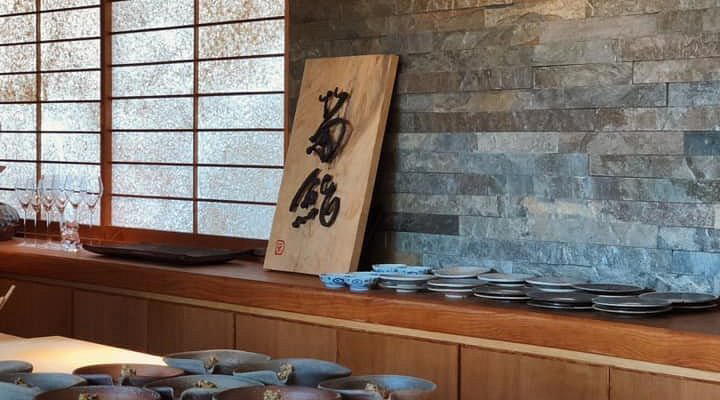
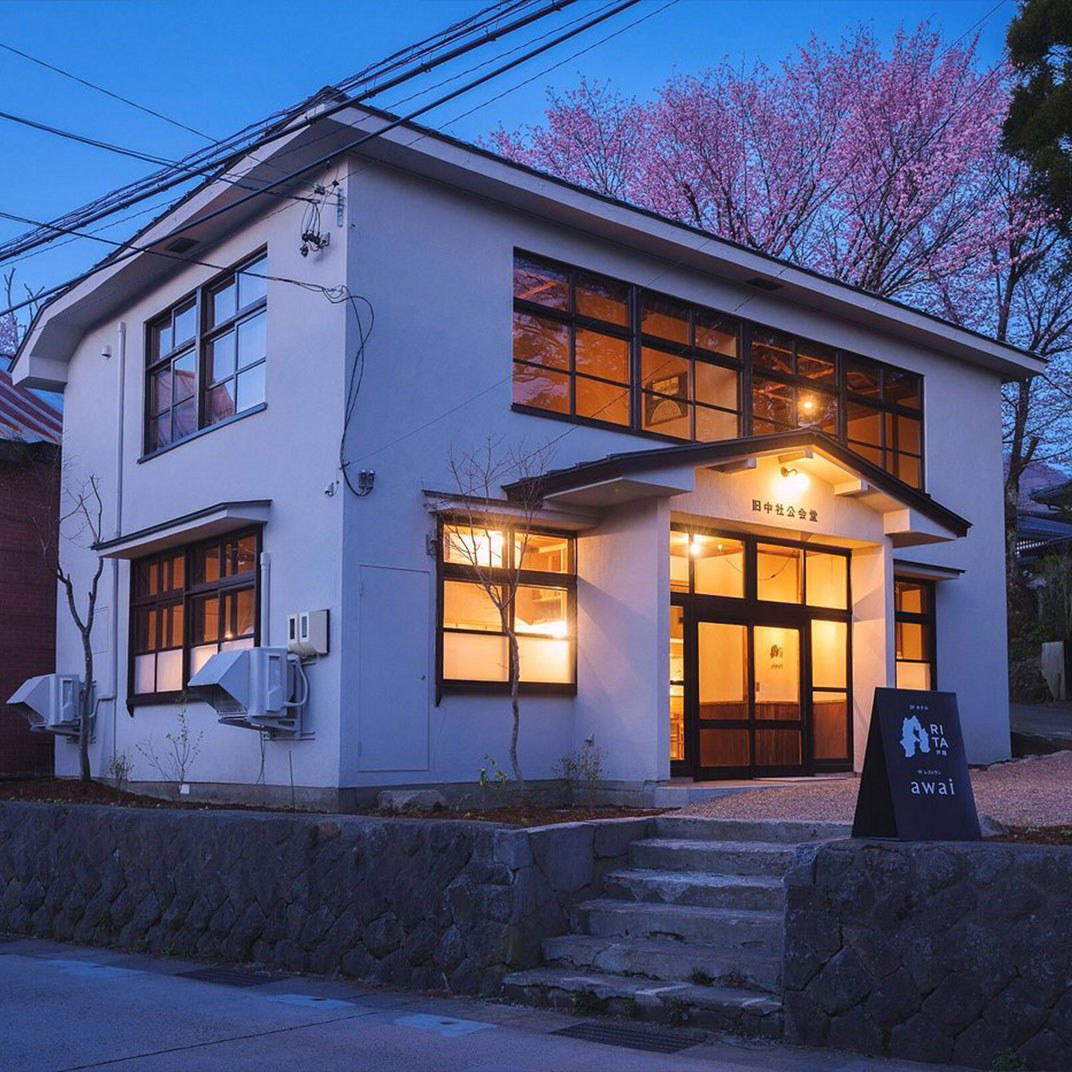
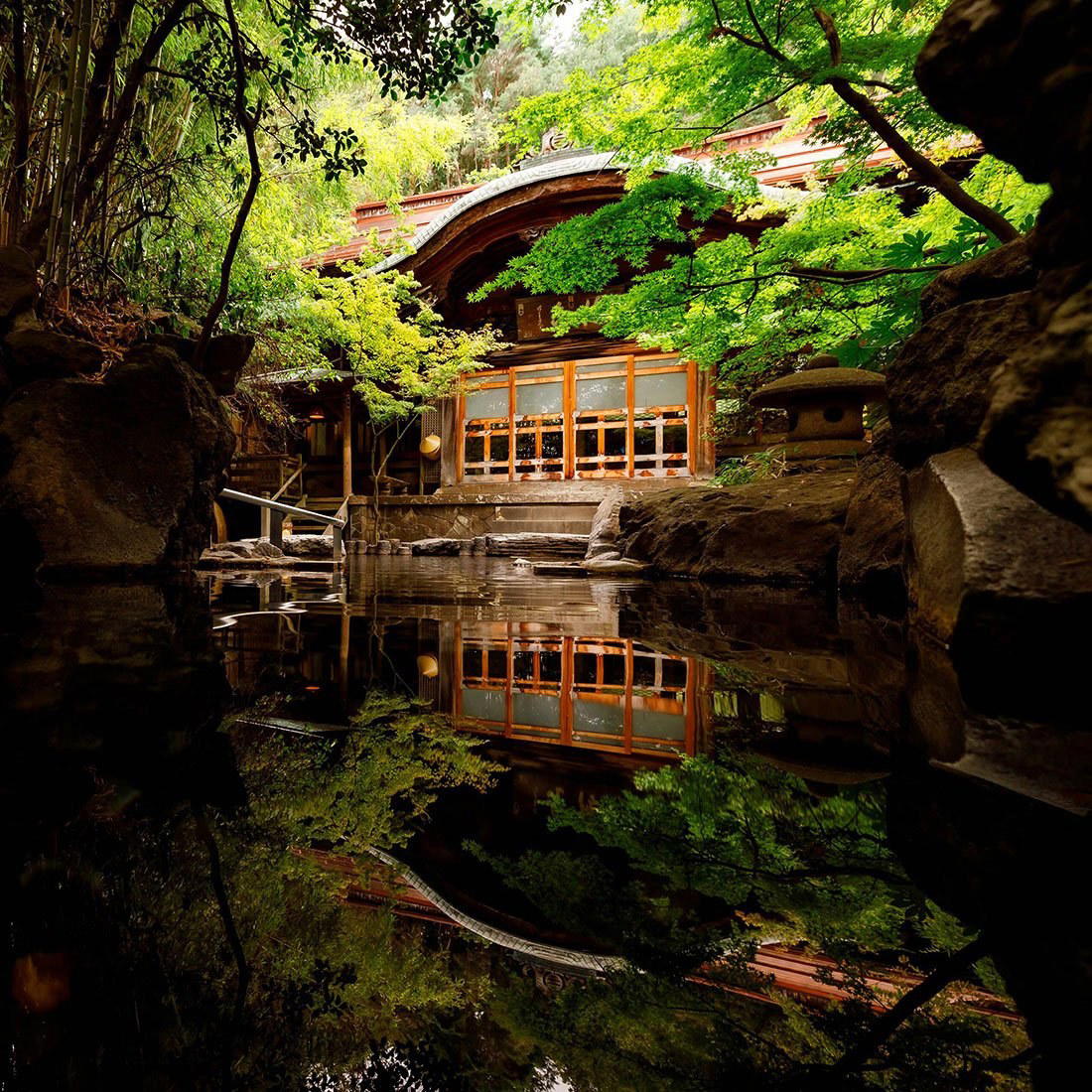
Fukuju Sake in Nagano is best framed as a cultural sake-brewery visit rather than a conventional restaurant or bar stop. The picture is of a historic sake brewery complex with traditional wooden brewery buildings, contemporary visitor facilities, and calm surroundings suited to learning about craft. The emphasis is on atmosphere and structured tours focused on craftsmanship, not on claims about menus, bottle lists, awards, or service formats. Approached this way, the venue reads less like a place to drop in for a single drink and more like a setting where the physical environment helps explain why sake is treated as a craft tradition.
For travelers building a Nagano itinerary, the useful approach is to treat Fukuju Sake as a place for context: a setting where architecture, brewery atmosphere, and guided explanation can shape the visit. Specific details such as tour length, languages, reservation rules, tastings, pairings, and opening hours should be confirmed directly before planning around them. That caution matters because the experience depends on practical arrangements as much as on the appeal of the brewery setting itself.
A sake visit built around craft rather than spectacle
The strongest reason to consider Fukuju Sake is its brewery-complex atmosphere. Traditional wooden brewery buildings and newer visitor facilities create a calm, cultural setting, while the structured tour focus points toward craftsmanship rather than quick consumption. That makes it a better fit for travelers who want to understand the setting and craft context behind sake than for anyone simply looking for a generic drink stop. The appeal is not built around spectacle, novelty, or a checklist of pours, but around the slower pleasure of being in a place designed around production, history, and explanation.
The safe editorial frame is direct: Fukuju Sake offers a historic brewery environment in Nagano and a structured way to engage with sake craftsmanship. Details beyond that should be checked with the venue before visiting. This keeps expectations grounded and avoids turning a cultural brewery visit into something it has not been to be.
That distinction is useful for travelers planning a broader itinerary. Sake breweries are often most rewarding when approached through setting and craft rather than through the expectations of a restaurant, wine bar, or cocktail venue. Here, the appeal is the calm brewery setting and the chance to place sake within a cultural craft context. Visitors who arrive with that mindset are likely to read the buildings, visitor spaces, and guided elements as part of one larger experience rather than as background to a standard drinking stop.
How Nagano changes the reading of the glass
What can be said is that Fukuju Sake sits in Nagano and presents a historic sake-brewery complex atmosphere, with tours centered on craftsmanship. That location gives the stop a particular usefulness within a Nagano trip: it can help make sake feel connected to place, setting, and local travel rhythm, without requiring unsupported claims about specific bottles or tasting lineups.
That makes the venue most useful for travelers who want a measured, interpretive stop. Rather than chasing unsupported claims about signature bottles, awards, pairings, or tasting formats, visitors should focus on what is confirmed: a calm cultural environment, traditional wooden brewery architecture, contemporary visitor facilities, and a structured introduction to craft. In practice, that means judging the visit by how well it adds context to sake as a brewed product and cultural object, not by restaurant-style markers such as menu breadth or bar service.
For a wider Nagano plan, place Fukuju Sake alongside other dining, drinking, hotel, and experience options in the city and region without assuming details that have not been verified. It can function as the sake-focused cultural stop in an itinerary, while other Nagano venues can cover meals, bars, lodging, or additional activities. This keeps the brewery’s role clear: it is best used to add depth and craft context to a trip, rather than to stand in for every drinking or dining need.
Who should put this on a Nagano drinking itinerary
Fukuju Sake is a stronger choice for travelers who value setting and explanation than for those looking for a fast, casual drink. The atmosphere points to calm surroundings, historic brewery buildings, and structured tours focused on craftsmanship. That makes it especially relevant for visitors interested in sake craftsmanship and brewery architecture. It also suits travelers who prefer a slower, more interpretive stop, where the value lies in understanding the environment around the drink as much as the drink itself.
The price positioning is listed as $$$, so the editorial case should rest on the cultural and craft setting rather than on value claims or inclusions. Before visiting, confirm practical details such as hours, booking requirements, tour availability, language support, and any tasting or purchase options directly with the venue. Those checks are especially important if the brewery is being used as an anchor in the day rather than as a flexible add-on.
Within a Nagano itinerary, Fukuju Sake works well as a focused sake-culture stop. Its strengths are atmosphere, brewery heritage, and a structured craft-oriented visit, rather than unsupported specifics about food service, awards, seat counts, or beverage programs. For the right traveler, that restraint is part of the appeal: the venue is most persuasive when read as a calm introduction to sake craftsmanship within a historic brewery setting.
Recognition history
Dated appearances from independent guides and award organizations, with the underlying list record or original source where available.
Falstaff Winery - Listed
Falstaff
Details
- Classic
- Scenic
- Well Known
- Elegant
- Intimate
- Group Outing
- Wine Education
- Special Occasion
- Solo Exploration
- Celebration
- Historic Building
- Estate Grounds
- Private Tasting
- Sustainable
- Guided Tour With Tasting
- Free Tasting At Brewery Shop
- Premium Tour With Kaiseki Meal
- Reservation Only Private Tour
- Japanese
- English
Historic sake brewery complex atmosphere with a mix of traditional wooden brewery buildings and contemporary visitor facilities, offering calm, cultural surroundings typical of Nada sake breweries and structured tours focused on craftsmanship and history.