
Tabelog 100 #53
Our verdict
Sobanomi brings Nagano's soba tradition into focus, operating in a prefecture where buckwheat cultivation has shaped local cooking for centuries. The restaurant sits within a regional dining scene that has drawn increasing attention from visitors seeking an alternative to the urban kaiseki circuit. For anyone tracing Japan's craft grain culture, Nagano is the logical starting point.

Pearl is the En Primeur Club membership app, where members save venues, book tables and use the concierge.
The menu
What to order
- Juwari soba
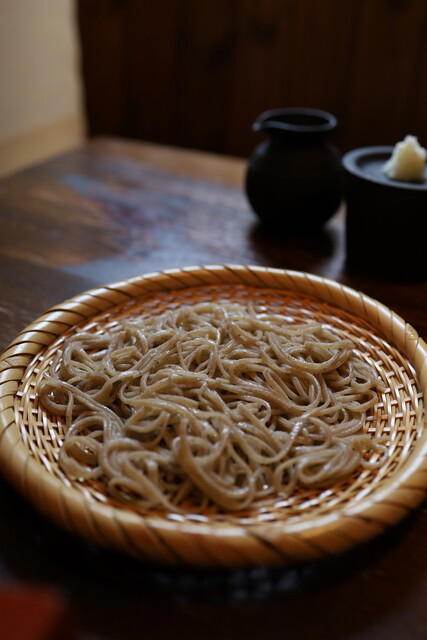
- Zaru soba
- Kake soba
Buckwheat Country: What Nagano's Soba Scene Tells You About Japan
There is a particular quality to a room built around a single ingredient. In Nagano's leading soba establishments, the aesthetic choices are not decorative; they reflect the discipline of a craft that leaves nowhere to hide. Stone-ground flour, cold mountain water, and a cook's hands are the only variables. Sobanomi operates inside this tradition, in a prefecture that has long been considered Japan's primary reference point for buckwheat noodle culture.
Nagano's claim on soba is not merely geographical. The prefecture's altitude, cold winters, and clean water sources produce buckwheat with a mineral intensity that lowland regions rarely match. The season matters acutely: shin-soba, the freshly harvested buckwheat milled in autumn, typically from late October through November, delivers a fragrance and colour that distinguishes the crop from flour stored across the year. For anyone planning a visit around sensory specificity, that harvest window is the most concentrated period in the Nagano soba calendar.
The Grammar of a Soba Counter
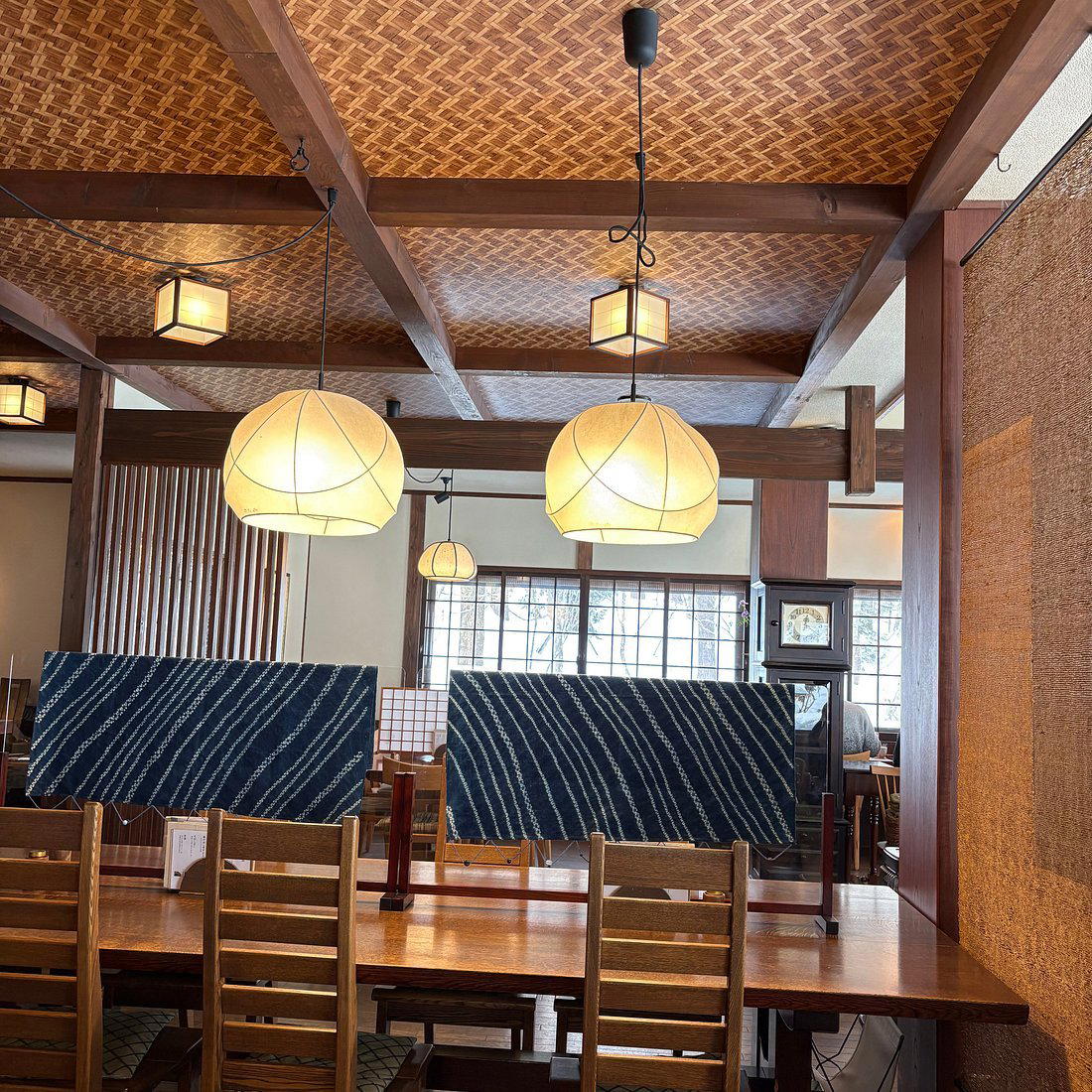
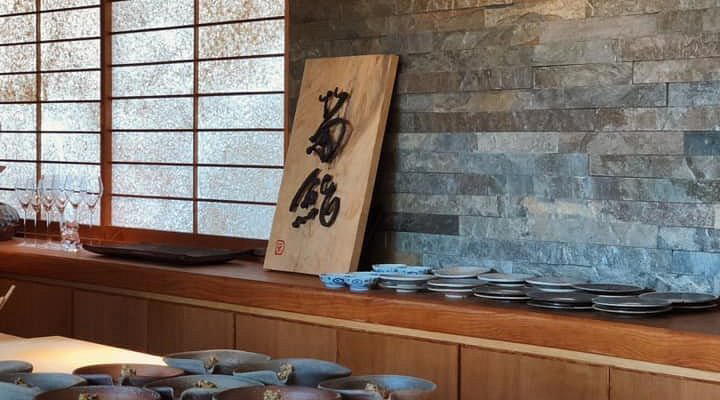
The physical environment of a serious soba-ya communicates its priorities before a bowl arrives. Counter seating allows observation of the kneading and cutting process; the ratio of buckwheat to wheat flour (typically expressed as a percentage, with juwari meaning 100 percent buckwheat and hachiwari meaning 80 percent) shapes both the texture and the structural fragility of the noodle. A higher buckwheat ratio produces a noodle that breaks more easily but carries more of the grain's characteristic earthiness. The dipping broth, katsuobushi-based and calibrated to local taste, acts as a second flavour layer rather than a dominant one.
Sobanomi works within this grammar. The restaurant's position in Nagano city places it at the intersection of local craft tradition and the visitor traffic that has grown steadily since the 1998 Winter Olympics redirected international attention toward this mountainous corridor. That combination of local rootedness and external visibility has shaped the dining character of the city more broadly: the serious places keep their format disciplined, while the pressure of tourism has produced a lower tier of restaurants built more for throughput than technique.
Nagano's Dining Scene in Wider Context
Nagano is not operating in isolation from the larger conversation about Japanese regional cooking. Across the country, smaller cities have built credible dining scenes that now register on the same radar as urban centres. Gion Sasaki in Kyoto and HAJIME in Osaka represent the high-formality end of that regional spectrum, while places like Goh in Fukuoka and akordu in Nara illustrate how smaller cities have found a distinct register that is neither imitative of Tokyo nor purely traditional. Nagano's contribution sits in a different category: it is defined less by chef-driven innovation than by ingredient fidelity, where the quality of the buckwheat and the precision of the milling are the relevant measures of seriousness.
Within Nagano itself, the dining picture has diversified considerably. Fogliolina della Porta Fortuna represents the Italian end of the local spectrum, drawing on regional ingredients for a European format, while Bleston Court Yukawatan and ca'enne occupy different positions in the city's contemporary and European-influenced tier. Chinese Sai Muen handles the Sichuan and dim sum end of things, with lunch covers priced in the JPY 3,000 to JPY 4,999 range. Aoitou completes a scene that has moved well beyond a single culinary identity. Against that variety, a focused soba counter like Sobanomi serves a specific function: it anchors the city's cuisine to the grain that gave Nagano its culinary reputation in the first place.
Beyond Nagano, Japan's regional craft dining culture surfaces in places like Nanao, Sapporo, Takashima, and Nishikawa Machi, each with a local ingredient or technique at its centre. The pattern is consistent: the most coherent regional restaurants organise themselves around what the land actually produces rather than importing a format from elsewhere. Birdland in Sakai illustrates the same logic at the level of a single protein. And at the highest formality level globally, Le Bernardin in New York City and Atomix in New York City show how ingredient specificity can organise an entire dining philosophy at scale. Harutaka in Tokyo applies the same discipline to fish. Sobanomi applies it to a noodle.
What to Know Before You Go
Nagano city is accessible by Hokuriku Shinkansen from Tokyo in roughly 90 minutes, a journey that has made it a realistic day trip, though the density of the dining and outdoor offerings justifies at least one overnight stay. Soba restaurants in Japan typically run lunch and early dinner services, with some closing once the day's dough is finished, which is an operational reality rather than a marketing device. Visiting on a weekday reduces the competition for seats that weekend domestic tourism generates. If the timing aligns, the period from late October through November, when shin-soba is being served across the prefecture, is when the seasonal argument for a Nagano visit becomes most concrete.
For a broader picture of what the city offers across cuisines and price points, the EP Club Nagano restaurants guide maps the full range. Sobanomi occupies one specific coordinate within that map: the place where Nagano's defining grain is treated as subject matter rather than side dish.
Frequently asked questions
How does Sobanomi fit into Nagano's reputation as Japan's leading soba prefecture?
Nagano, historically known as Shinshu, is the region most associated with high-altitude buckwheat cultivation in Japan, and that provenance shapes what soba-ya here can reasonably offer. Sobanomi operates within this context, drawing on locally grown buckwheat in a city that has built a credible argument for being Japan's most serious soba destination. For visitors making the roughly 90-minute Shinkansen journey from Tokyo, the Nagano soba circuit is a primary draw, and Sobanomi is part of that conversation.
What dish is Sobanomi famous for?
Sobanomi is a soba specialist in Nagano, a prefecture that produces some of Japan's most respected buckwheat. The house focus is hand-cut soba noodles, prepared in the tradition of Shinshu soba, the regional style that has made Nagano the reference point for this format across Japan. The kitchen's output reflects the single-ingredient discipline that defines serious soba-ya culture.
Do I need a reservation for Sobanomi?
Nagano's most focused soba counters often fill quickly, particularly at lunch, and Sobanomi draws from both local regulars and visitors arriving via the Hokuriku Shinkansen from Tokyo in under 90 minutes. Booking ahead is advisable, especially for weekend sittings or if you are travelling specifically for the meal.
What's the defining dish or idea at Sobanomi?
The central idea at Sobanomi is the discipline of a single ingredient done at a high level. In Nagano's soba culture, that means buckwheat grown in elevation conditions that concentrate its flavour, milled with attention to texture, and cut by hand. The room and the menu both communicate that nothing competes with the noodle itself.
Can Sobanomi accommodate dietary restrictions?
A soba counter format built around buckwheat noodles is naturally well-suited to those avoiding meat, and many traditional soba broths are kombu- or katsuobushi-based. However, buckwheat itself is a significant allergen, and anyone with a gluten sensitivity should note that wheat is frequently blended into noodle dough in a ratio called ni-hachi. Confirming specifics directly with the venue before visiting is advisable.
Peers You’d Cross-Shop
Comparable venues nearby, for context on price, style, and recognition.
| Venue | Cuisine | Price | Awards | Notes |
|---|---|---|---|---|
| SobanomiThis venue (the venue you are viewing) | Togakushi Soba | $20–30 | Tabelog 100 #53 | Not listed |
| Grill The Butcher Nagano (グリル ザ ブッチャー 長野) | Shinshu Beef Steakhouse | $20–30 | Not listed | Nagano Station |
| 松栄寿司東口店 | 本格握り寿司 | $30–50 | Not listed | 栗田 |
| Aoitou | Japanese Sauce Katsudon | $10–20 | Not listed | 西箕輪 |
| すし築地日本海 長野駅前店 | Authentic Edomae Sushi & Izakaya | $30–50 | Not listed | Nagano Station (Zenkokuji-guchi) |
| Ramen Mugi Hitotsubu | Ramen shop in rural Nagano | $10–20 | Tabelog 100 #71 | Matsukawa Village, Kitaazumi District |
Recognition history
Dated appearances from independent guides and award organizations, with the underlying list record or original source where available.
Tabelog 100 #53 · No. 53
Tabelog · Tabelog 100 - Soba - EAST - 2025
Continue exploring
More in Nagano
Restaurants in Nagano
All restaurants in Nagano →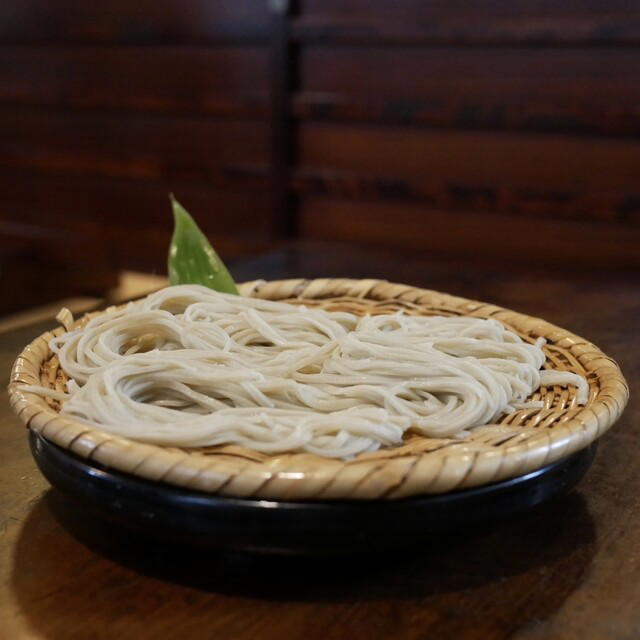


Details
- Quiet
- Cozy
- Scenic
- Solo
- Family
- Open Kitchen
- Local Sourcing
- Mountain
- A La Carte
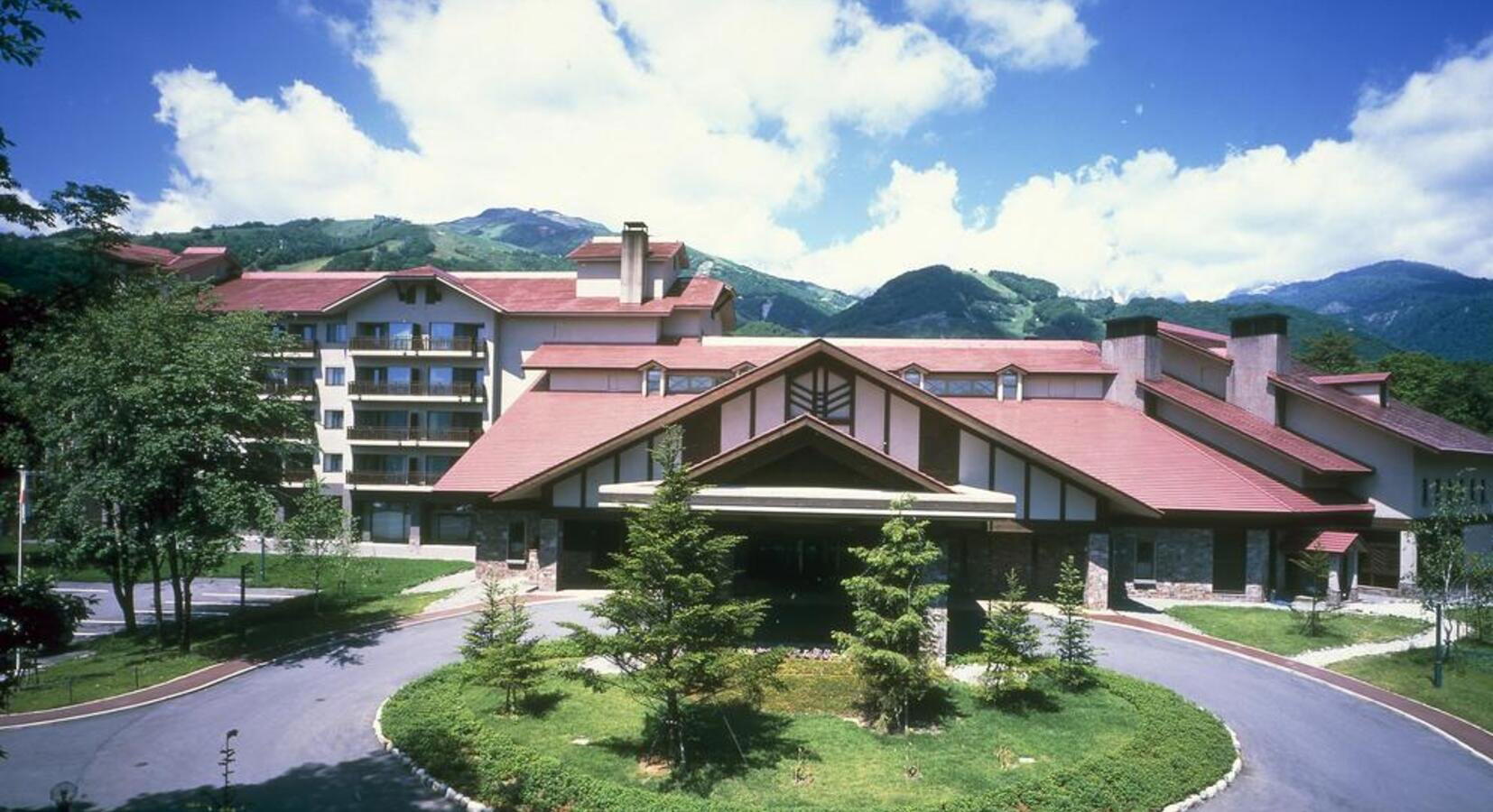
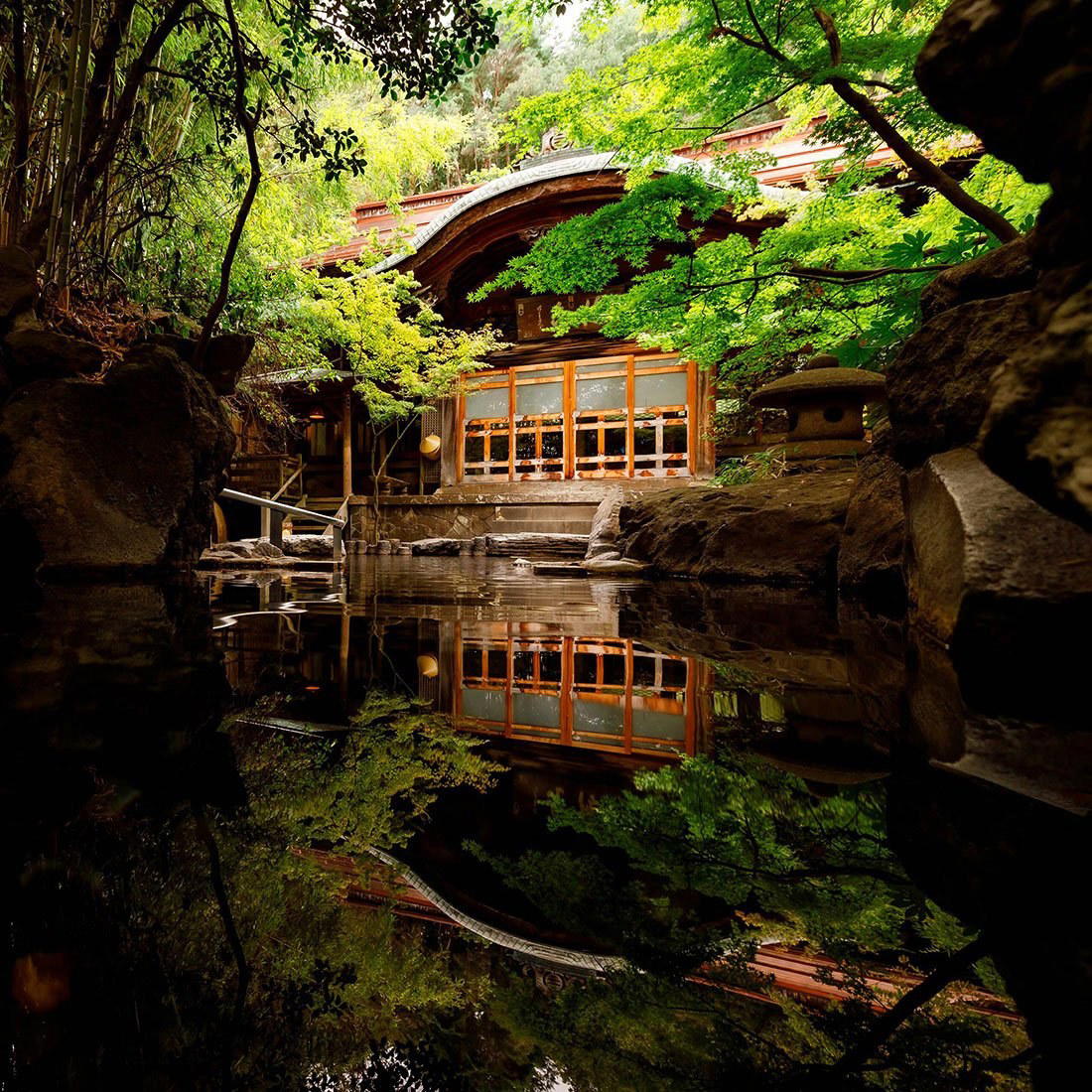
Quiet and relaxing atmosphere with large windows overlooking a peaceful forest that changes with the seasons.