Our verdict
In Kanazawa's residential Shimeino district, 八や occupies a quieter register than the city's headline kaiseki addresses, drawing on the Hokuriku region's exceptional larder — snow crab, noto beef, and coastal seafood — through technique that reads as considered rather than theatrical. For travellers who have covered the main circuit of Kanazawa dining, 八や offers a different angle on the same extraordinary ingredient base.

Pearl is the En Primeur Club membership app — saves, bookings, and concierge access live there. Same editors, same standards.
- Address
- 示野中町1-71-7, 金沢市, 石川県, 920-0058
- Directions
- Get directions
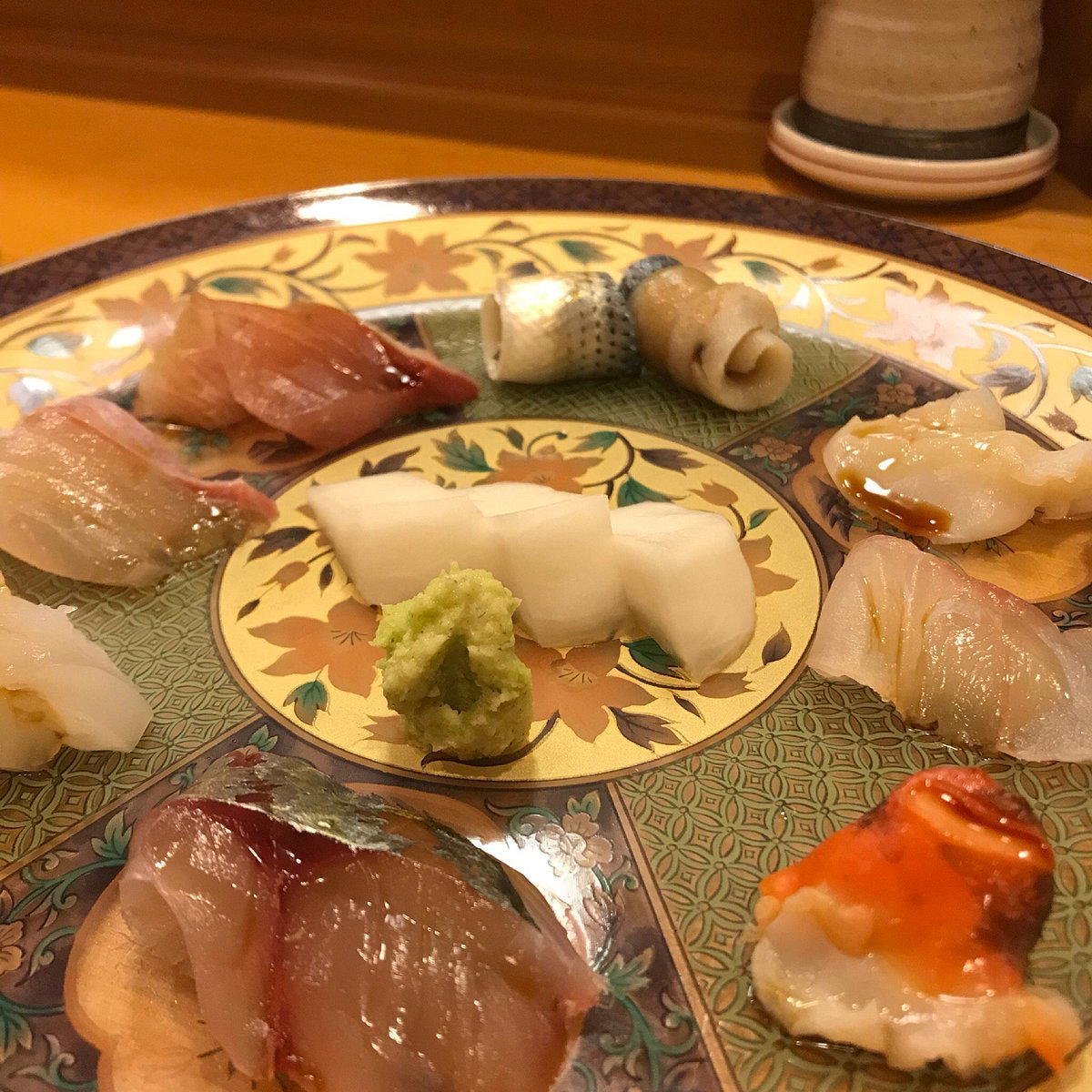
The menu
What to order
- Amaebi
- Nodoguro
- Uni
A Residential Address in a City Built on Ingredient Wealth
Kanazawa's culinary reputation rests on a specific geographical argument: proximity to the Sea of Japan, the Noto Peninsula's farming traditions, and mountain watersheds that produce some of the country's most consistent seasonal ingredients. That argument plays out most visibly along the city's established kaiseki corridor, at addresses like Dokkan or through the refined sweetshop tradition at Amanatto Kawamura. 八や sits at a different coordinate — both geographically and conceptually. The address in Shimeino Nakamachi, a quieter residential pocket of the city at 示野中町1-71-7, places it well outside the tourist circuit. Arriving here is an exercise in attention: the neighbourhood offers none of the visual cues that typically signal a destination restaurant.
That gap between setting and seriousness is itself a recognisable pattern in Japanese dining. Some of the country's most deliberate cooking happens in exactly these kinds of locations, where the absence of foot traffic removes any obligation to perform for passing eyes. The room and the approach can be shaped entirely around the people who made the effort to find it.
The Hokuriku Larder and What It Demands of a Kitchen
Kanazawa's ingredient story is well-documented but worth stating precisely. The city sits at the edge of a prefectural larder that includes Noto Peninsula vegetables grown in mineral-rich coastal soil, yellowtail (buri) harvested from cold-season Sea of Japan waters, snow crab from the Echizen and Kaga fisheries, and rice from Ishikawa's river-fed paddy districts. This is not a general abundance — it is a highly specific seasonal system, and the leading kitchens in the region time their menus around it with some precision.
The editorial angle at 八や, as far as it can be read from available information, appears to sit at the intersection of that Hokuriku ingredient base and technique that draws on broader reference points. Kanazawa has historically been a city where culinary insularity was never quite as absolute as in Kyoto, the port history brought outside influence, and the city's merchant culture created an appetite for refinement that didn't demand purity of origin. That context makes it a natural location for cooking that takes local product seriously while applying methods developed elsewhere. You see this dynamic at the Japan-Spain crossover at Budoonomori Les Tonnelles, and in different registers across the city's more adventurous kitchens.
For comparison, this approach has precedents at the national level. HAJIME in Osaka built a three-Michelin-star case for Japanese ingredients treated through a rigorous French lens. Gion Sasaki in Kyoto works the opposite direction, keeping kaiseki structure intact while allowing seasonal flexibility. akordu in Nara brings Basque technique to ancient-capital produce. 八や belongs to this broader national conversation about what local ingredients require, or can absorb, from globally trained method.
Kanazawa's Dining Tiers and Where This Address Fits
The city's restaurant market sorts into several recognisable tiers. At the leading end, kaiseki houses with established lineage and multi-decade reputations occupy a premium bracket with booking lead times to match. A second tier includes more focused, often younger operations that work specific traditions, yakitori at addresses comparable to the craft-focused Hamagurizaka Maekawa format, or highly specialised single-category rooms. A third tier covers the accessible, high-frequency end, represented in its most democratic form by chains like Go! Go! Curry, which has its own cult following rooted in Kanazawa's specific curry culture.
八や reads as a second-tier address in the more considered sense: a kitchen operating with clear intent, outside the obvious tourist channels, and drawing a clientele that knows where it is going. This is the tier that rewards advance research. Comparable ambition at this scale appears across Japan's regional cities, at Goh in Fukuoka and at regional specialists like 三本木川魚店 in Nanao and 夕佳亭九 in Sapporo, where serious cooking operates well outside the internationally indexed circuit. Even further afield, the dynamic of technique-meets-local-produce animates internationally recognised addresses like Atomix in New York City, where Korean heritage meets fine-dining architecture, and Le Bernardin in New York City, which built its reputation on the argument that technique should serve the ingredient rather than override it.
The Broader Kanazawa Circuit
Travellers building an itinerary around serious eating in Kanazawa will find that the city rewards a structured approach. The gold-leaf craft shops around Hakuichi anchor one end of the cultural-culinary trail; the Omicho market district provides the ingredient context that makes the city's restaurant ambitions legible. For anyone working through the full tier of options, our full Kanazawa restaurants guide maps the scene from kaiseki to casual. Regional day-trip options worth noting include 湖畔荘麦 in Takashima and 旅館屋 in Nishikawa Machi, both of which operate in the same tradition of regionally anchored, quietly serious cooking. For yakitori of a different register, Birdland in Sakai offers a Kansai-adjacent comparison point. And for those tracing the high-precision sushi side of Japan's ingredient-forward cooking, Harutaka in Tokyo sets a useful benchmark for what temperature, aging, and restraint can produce from the same northern waters that supply Kanazawa's fish markets.
Planning a Visit
This is not unusual for smaller Japanese operations at this level of seriousness; the absence of an English-language presence is itself a signal about the intended clientele. The Shimeino Nakamachi address (示野中町1-71-7, Kanazawa, Ishikawa 920-0058) is accessible by taxi from the city centre in under fifteen minutes. Walk-in dining is not advisable without confirmation, at a kitchen operating at this scale and specificity, the mise en place is typically calibrated to a set number of covers.
Frequently Asked Questions
What's the must-try dish at 八や?
What the Kanazawa context suggests is that the kitchen's ingredient work will centre on whatever the Hokuriku season is producing at its peak, snow crab in winter, coastal fish through spring and summer, mountain vegetables across the transitional months. Addresses working at this level and in this city tend to let those cycles drive the menu rather than anchoring to signature dishes. For the closest published comparison of technique meeting regional produce, Gion Sasaki in Kyoto offers a sense of how seriously this culinary tradition treats seasonal specificity.
Do they take walk-ins at 八や?
Walk-in dining at 八や is not confirmed and, given the residential location, limited capacity, and absence of published hours, is not advisable. Kanazawa's more serious kitchens, including those in the kaiseki bracket and focused single-category rooms, typically operate on reservation-only formats, with covers planned days or weeks in advance. The lack of a published website or phone number suggests the venue operates through direct contact or referral rather than open-access booking. A hotel concierge with local dining knowledge is the most practical first point of contact for travellers without a Japanese-language reservation capability.
How does 八や fit into Kanazawa's wider tradition of locally sourced, technique-driven cooking?
Kanazawa has a documented history of supporting serious cooking that takes Ishikawa Prefecture's ingredient wealth as its foundation, a tradition reinforced by the city's proximity to Noto Peninsula producers, Sea of Japan fisheries, and mountain foraging grounds. 八や's residential address and apparent absence from international dining indexes places it in a category of locally embedded kitchens that serve a community audience rather than a tourist one. This is a credible position in a city where the ingredient quality is high enough to sustain serious cooking across multiple formats and price points, from the kaiseki tier down through focused specialists. For travellers building a Kanazawa itinerary, it represents the kind of address that rounds out a picture of the city's dining culture beyond its headline names.
A Lean Comparison
| Venue | Cuisine | Price | Awards | Notes |
|---|---|---|---|---|
| 八やThis venue — the venue you are viewing | Omakase Sushi | $100–150 | Not listed | Not listed |
| Kataori | Hyperseasonal Hokuriku Kaiseki Omakase | $200–300 | World's 50 Best #82 · La Liste Top Restaurants | Kaiseki |
| Respiracion | Modern Spanish with Kanazawa Ingredients | $200–300 | World's 50 Best #92 · La Liste Top Restaurants | Innovative Spanish |
| Sushi Kibatani | Edomae-Style Hokuriku Omakase | $150–200 | Tabelog Bronze #174 | Chinese |
| Zeniya | Kaga-Style Kaiseki | $200–300 | La Liste Top Restaurants · Relais Chateaux Award | Kaiseki |
| Hamagurizaka Maekawa | Yakitori | $150–200 | Not listed | Not listed |
Continue exploring
More in Kanazawa
Restaurants in Kanazawa
Browse all →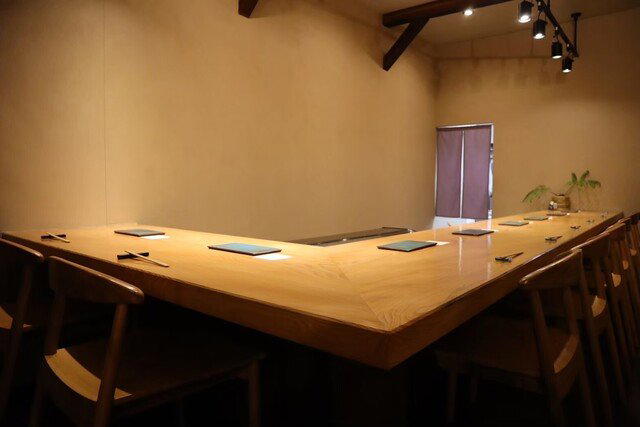
Bars in Kanazawa
Browse all →
Hotels in Kanazawa
Browse all →
Wineries in Kanazawa
Browse all →
Details
- Intimate
- Elegant
- Sophisticated
- Date Night
- Special Occasion
- Chefs Counter
- Sake Program
- Local Sourcing
- Omakase
- Counter Dining
- Sake
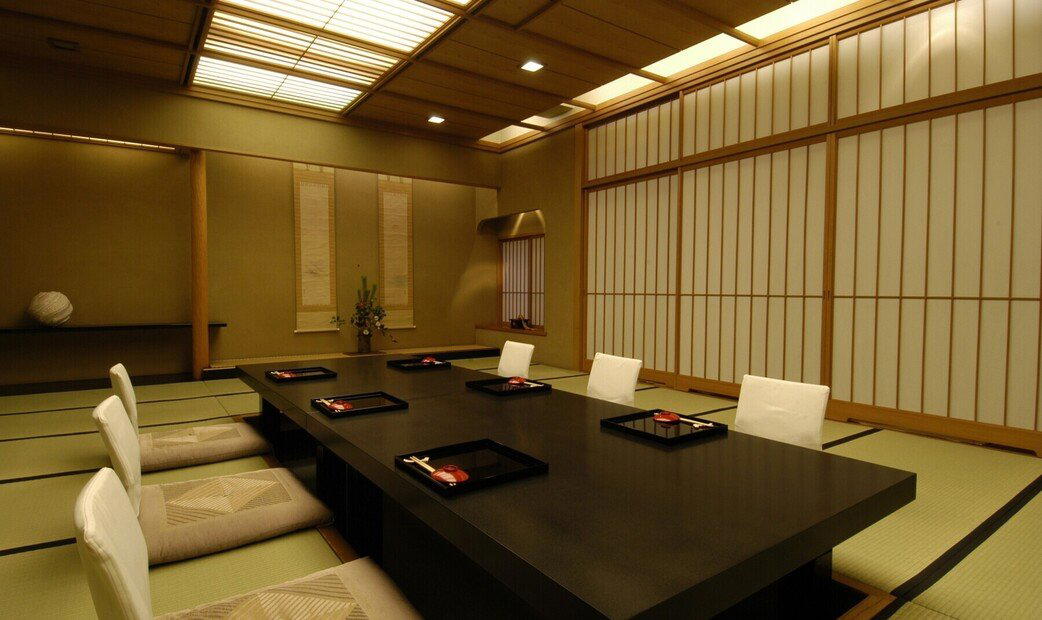
Relaxing and intimate atmosphere with counter seating and tatami private room.