
Restaurant Artisan places Yokohama’s French-bistro thread in a sharper register: Tabelog French EAST 100 selection in 2025, a wine-bar dimension, and a room scaled for both counter dining and table service. In Nihonodori, it reads less like destination formal French than a collaborative city restaurant, where kitchen, wine service, and floor pacing define the experience.
Pearl is the En Primeur Club membership app — saves, bookings, and concierge access live there. Same editors, same standards.
- Address
- Japan, 〒231-0021 Kanagawa, Yokohama, Naka Ward, Nihonodori, 36 シティタワー横濱, 2F
- Phone
- +81 45-228-8189
- Website
- artisan-yokohama.com
 Saves & bookings on Pearl
Nihonodori gives Yokohama dining a particular frame: broad pavements, civic architecture, port-city scale, and a calmer tempo than the eating streets around the station. French cooking makes sense here. Yokohama has always absorbed foreign formats and made them feel local, from hotel dining rooms to bistros built for wine, conversation, and repeat neighbourhood use. Restaurant Artisan belongs to that lineage, not as ceremonial grand dining, but as a compact French, bistro, and wine-bar address with enough recognition to sit above the casual middle.
The clearest trust signal is its selection for Tabelog French EAST 100 in 2025, with earlier selection in 2023. That matters because Yokohama’s French scene competes differently from Tokyo’s: fewer rooms trade on scarcity alone, and more depend on regulars, wine service, and a format that can work at lunch, dinner, and lighter occasions. Against Yokohama peers, the positioning is telling. Du Vin HACHISCH sits in a higher spend bracket, Manchin ro Honten occupies a Chinese banquet lineage, Sisiliya works the pizzeria register, Juraku serves a low-cost local lane, and Yakitori Midori pushes into grilled-skewer seriousness. Restaurant Artisan’s lane is French-bistro discipline with wine-bar flexibility.
French-bistro Yokohama, with the wine program doing real work
Modern Japanese French dining often splits between two poles: tasting-menu formality and bistro looseness. The more interesting middle ground is where a restaurant can carry technique without turning the room into a hushed temple. Artisan’s category mix, French, bistro, and wine bar, points to that middle ground. The food focus is described around vegetables, fish, health-conscious options, and vegetarian accommodation, which places the kitchen closer to contemporary bistro sensibility than old-school sauce-and-meat heaviness.
The team dynamic is the useful lens here. A sommelier is listed, wine is a marked part of the program, cocktails are available, and BYO is part of the service framework. Those details suggest a room where the floor is not ornamental. In a serious bistro, the meal often depends on the conversation between kitchen rhythm and glassware: dishes need enough clarity to handle wine, while service has to read whether the table wants a full evening or a controlled meal before moving on. That collaborative model is where this category either works or collapses.
Yokohama diners have strong alternatives when they want a narrower brief. For yakitori, 1000 (Yakitori (Grilled chicken skewers)) and specialist counters answer a different craving. For Chinese and local comfort registers, Aichun and Anzen Shokudo map another side of the city. Curry houses such as Ajowan and Alpenjiro Honten show how broad the Yokohama table can be. Artisan is for the moment when French structure, wine service, and a civilised room matter more than single-dish specialisation.
A room scaled for pacing rather than spectacle
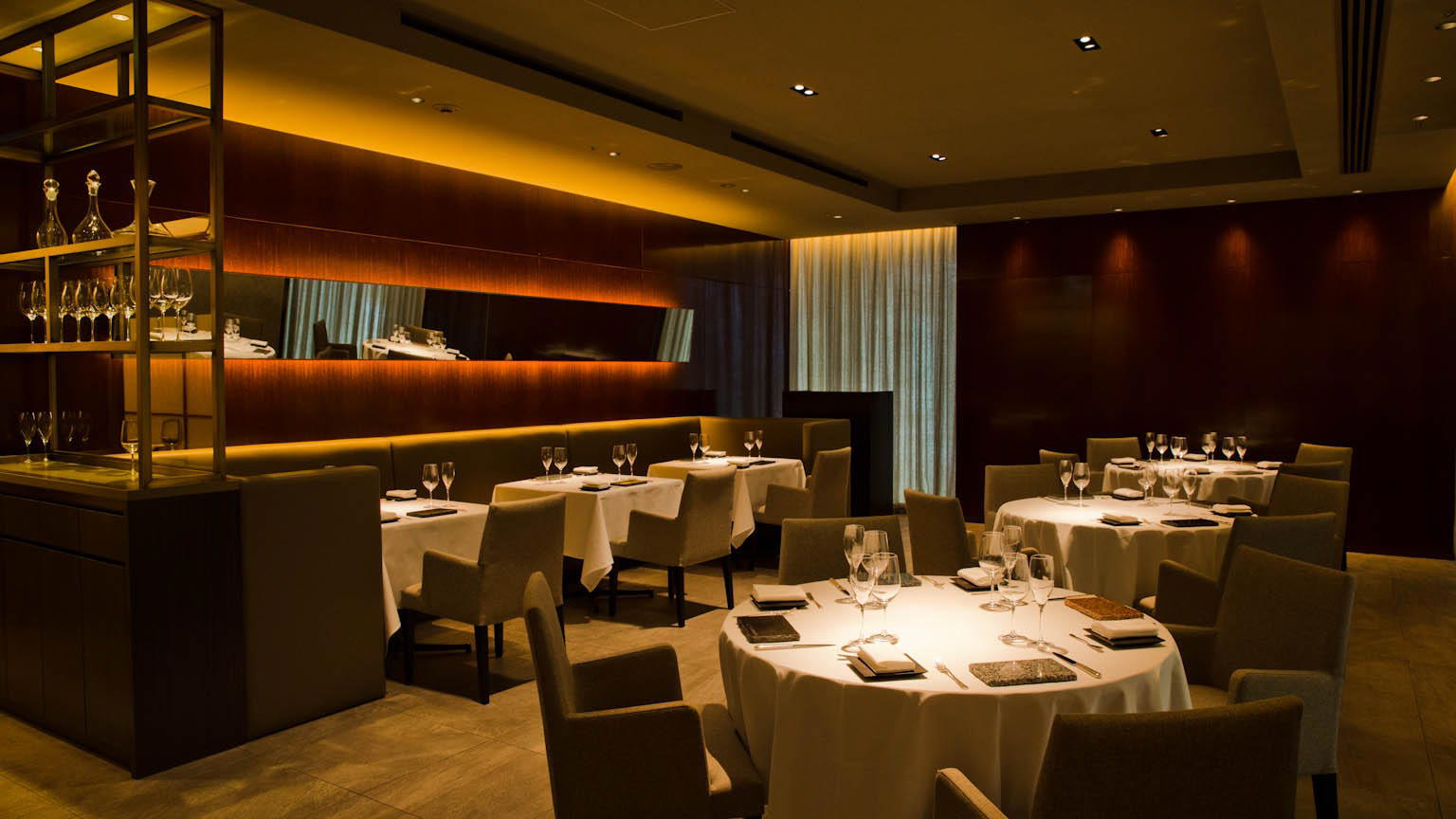
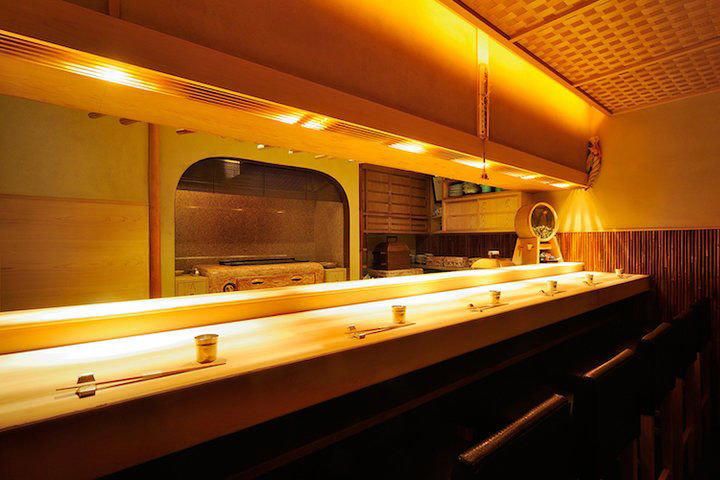
The scale is part of the argument. With 32 seats, including counter and table seating, the restaurant has enough capacity to feel social without becoming anonymous. Counter seats change the way French dining reads in Japan: the meal becomes less about the formal dining-room hierarchy and more about immediacy, timing, and the kitchen’s cadence. Table seating, meanwhile, keeps it viable for small groups, family meals with school-age children, and celebrations that need more privacy of conversation even without private rooms.
That versatility matters in Yokohama, where dining often has to serve residents and visitors in the same room. The city’s premium restaurants do not all chase the same theatre as Tokyo counters. Some win by being usable: polished enough for a planned dinner, relaxed enough for a weekday lunch, and structured enough for wine. Artisan’s non-smoking policy, casual dress code, and payment-forward setup add to that contemporary, low-friction read, while the Tabelog French EAST 100 selection keeps it from being dismissed as merely convenient.
The wider Yokohama decision tree is worth reading before booking a meal around the city. Our full Yokohama restaurants guide is the natural next reference for comparing cuisines and neighbourhoods, while Our full Yokohama hotels guide, Our full Yokohama bars guide, Our full Yokohama wineries guide, and Our full Yokohama experiences guide help place dinner inside a larger itinerary. Yokohama rewards that kind of planning because its dining culture is spread across port, station, Chinatown, and residential pockets rather than compressed into a single restaurant district.
Who should choose this over a narrower specialist table
Choose this style of room when the group needs range. A French-bistro wine-bar format is better for mixed appetites than a counter built around one product, and the listed vegetarian options, fish focus, and vegetable emphasis make it more adaptable than many meat-led Japanese formats. It is also a better fit when the wine conversation matters. A sommelier-led floor can turn a meal from competent to coherent, especially in a room where French cooking is not separated from bistro ease.
The restaurant’s opening in 2018 also places it in a post-natural-wine, post-casualisation era of Japanese French dining. By then, younger diners had already pushed against stiff luxury codes, while older diners still expected polish and pacing. The stronger restaurants from that period tend to succeed by balancing both: enough informality to feel current, enough discipline to justify repeat meals. Artisan’s profile fits that pattern.
For travellers building a wider Japan dining itinerary, the comparison can stretch beyond Yokohama without forcing equivalence. A beef-focused table such as -Grilled beef Sukiyaki- KAMAKURA TANUKIAN 鎌倉 たぬき庵 in Kamakura, a Tokyo izakaya-grill address like. 鮪と炭火焼き うお炭 秋葉原店 in Tokyo, or casual regional stops such as.cafe in Osaka.know in Kumamoto, (Shoku) Vietnam in Kawasaki, and [Curry Senmon Ten] Maruyama Kyoju. in Sapporo all answer different questions. Even overseas Japanese-adjacent references such as Jōdo Saké Bar in Los Angeles and Onigiri Time in Pasadena underline the same point: format shapes expectation. Artisan’s expectation is not spectacle. It is a composed Yokohama French meal where kitchen, sommelier, and floor need to move as one system.
The Minimal Set
Comparable venues to anchor price and recognition.
| Venue | Cuisine | Price | Notes |
|---|---|---|---|
| Restaurant ArtisanThis venue — the venue you are viewing | Not listed | $$$ | Not listed |
| Bashamichi Jubankan | Not listed | $$$ | Naka, French / Western-style |
| Un Petit Paquet | Aoba, French patisserie & cakes | $$ | Not listed |
| Boulangerie 14 Ku | Kōhoku, French-style bakery & cafe | $$ | Not listed |
| BAR THREE MARTINI | Naka, Classic Japanese cocktail bar | $$$ | Not listed |
| Sushi Tsugu | Naka, Edomae Sushi Omakase | $$$ | Not listed |
Recognition history
Dated appearances from independent guides and award organizations, with the underlying list record or original source where available.
Tabelog 100 #53 · No. 53
Tabelog · Tabelog 100 - French - EAST - 2025









At a Glance
- Elegant
- Modern
- Sophisticated
- Romantic
- Date Night
- Business Dinner
- Group Dining
- Special Occasion
- After Work
- Wine Cellar
- Standalone
- Design Destination
- Extensive Wine List
- Craft Cocktails
Current opening hours
- Monday
- 11:30 AM–10 PM
- Tuesday
- 11:30 AM–10 PM
- Wednesday
- Closed
- Thursday
- 11:30 AM–10 PM
- Friday
- 11:30 AM–10 PM
- Saturday
- 9 AM–10 PM
- Sunday
- 9 AM–10 PM
Hours can change for holidays and private events. Last verified .
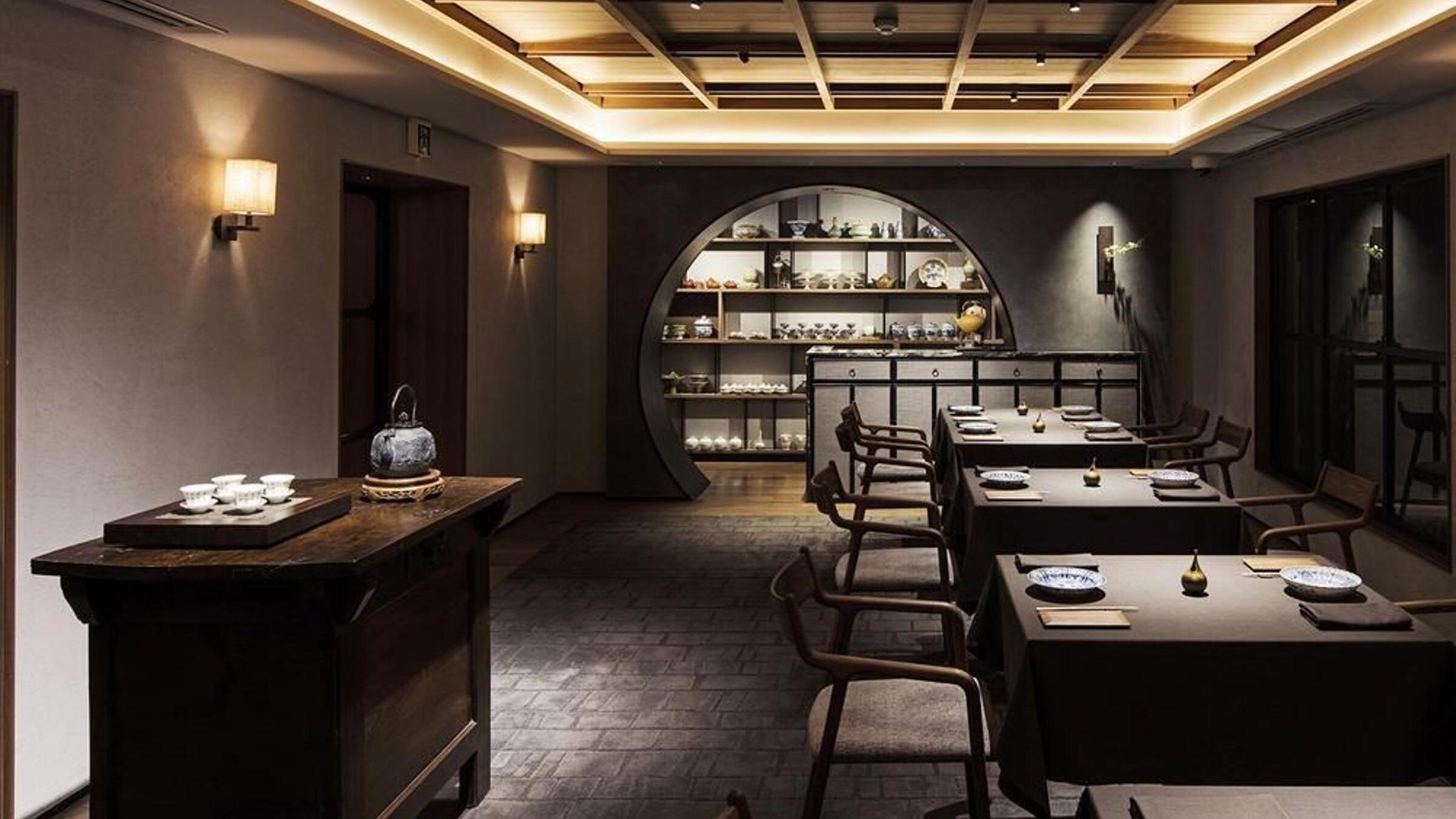
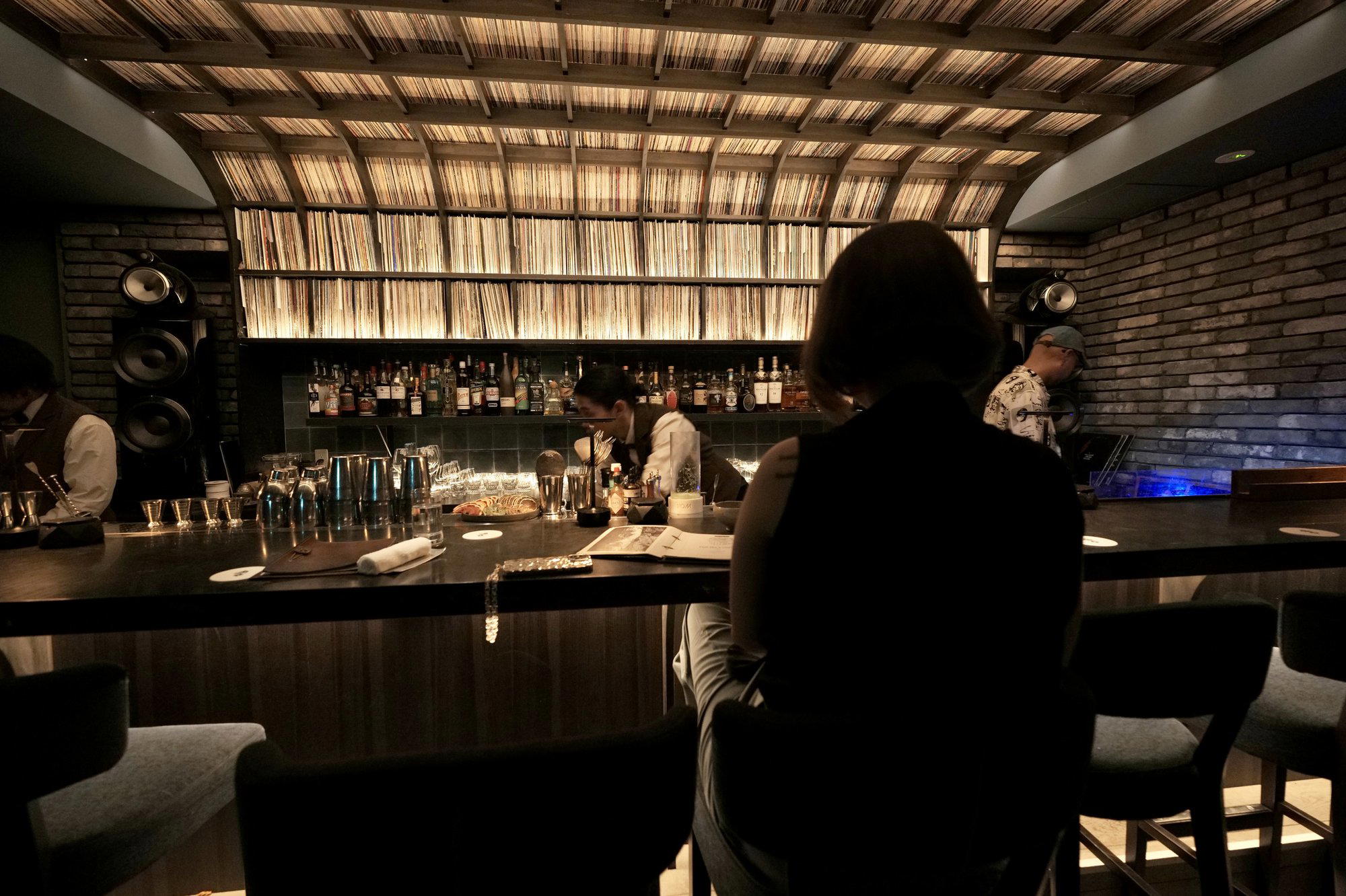
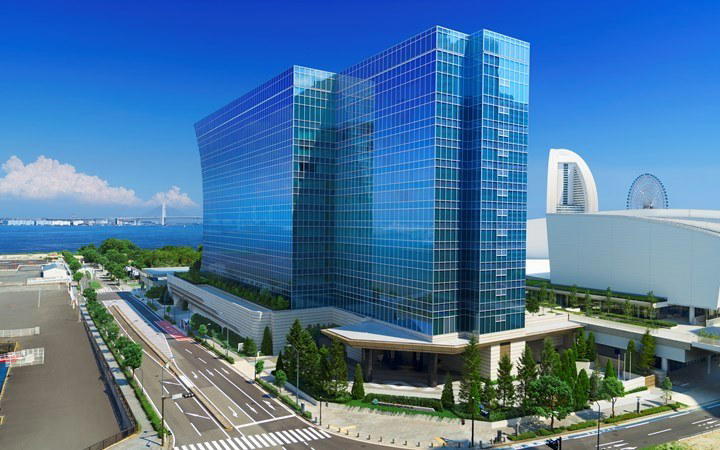
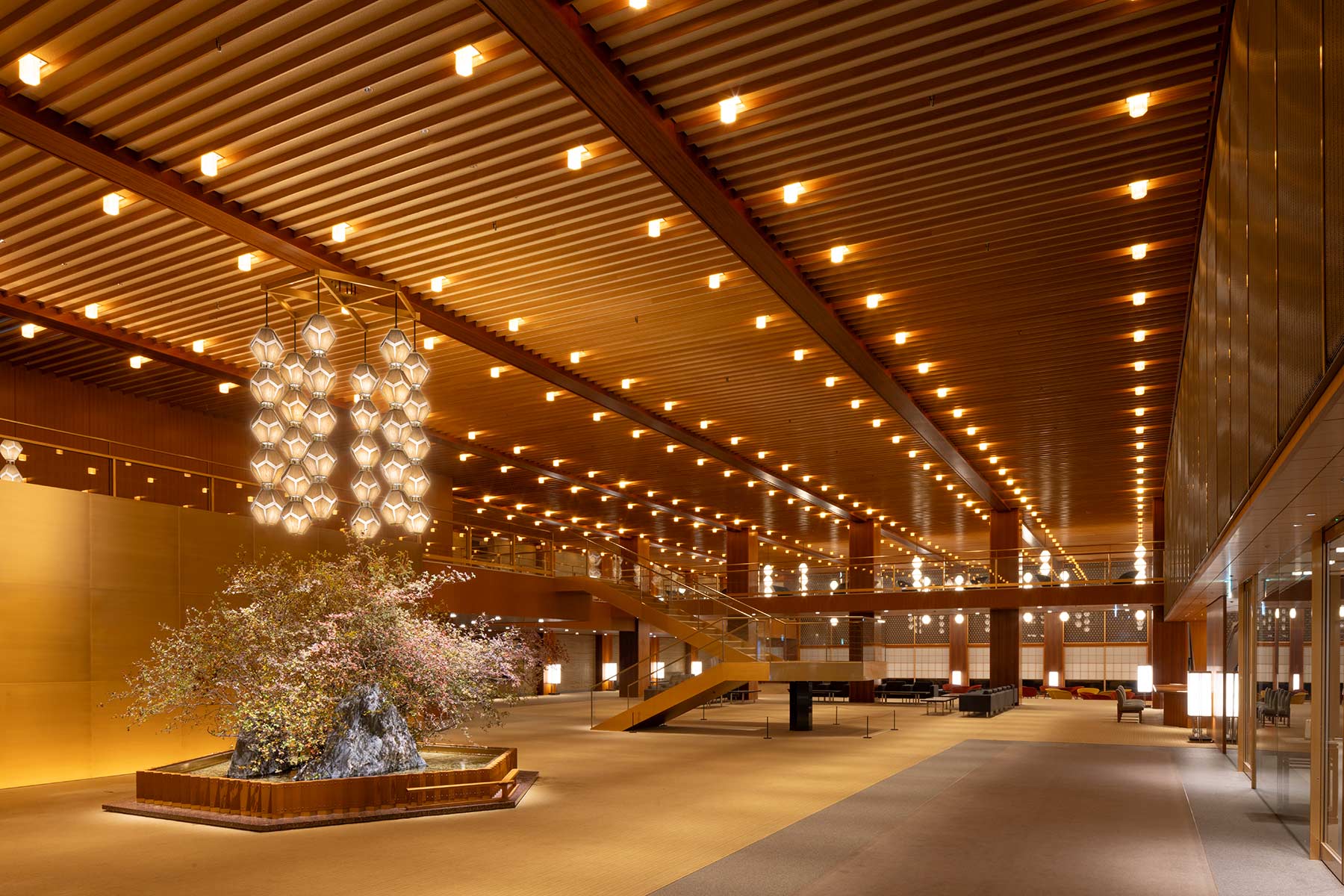
Upscale bistro atmosphere in a modern high-rise, with polished yet relaxed dining room suited to dates and business meals, softened lighting at night, and a wine-focused bar feel.