




2 Michelin Keys · Michelin Guide New Hotels New Hotel · Travel + Leisure It List Hotels
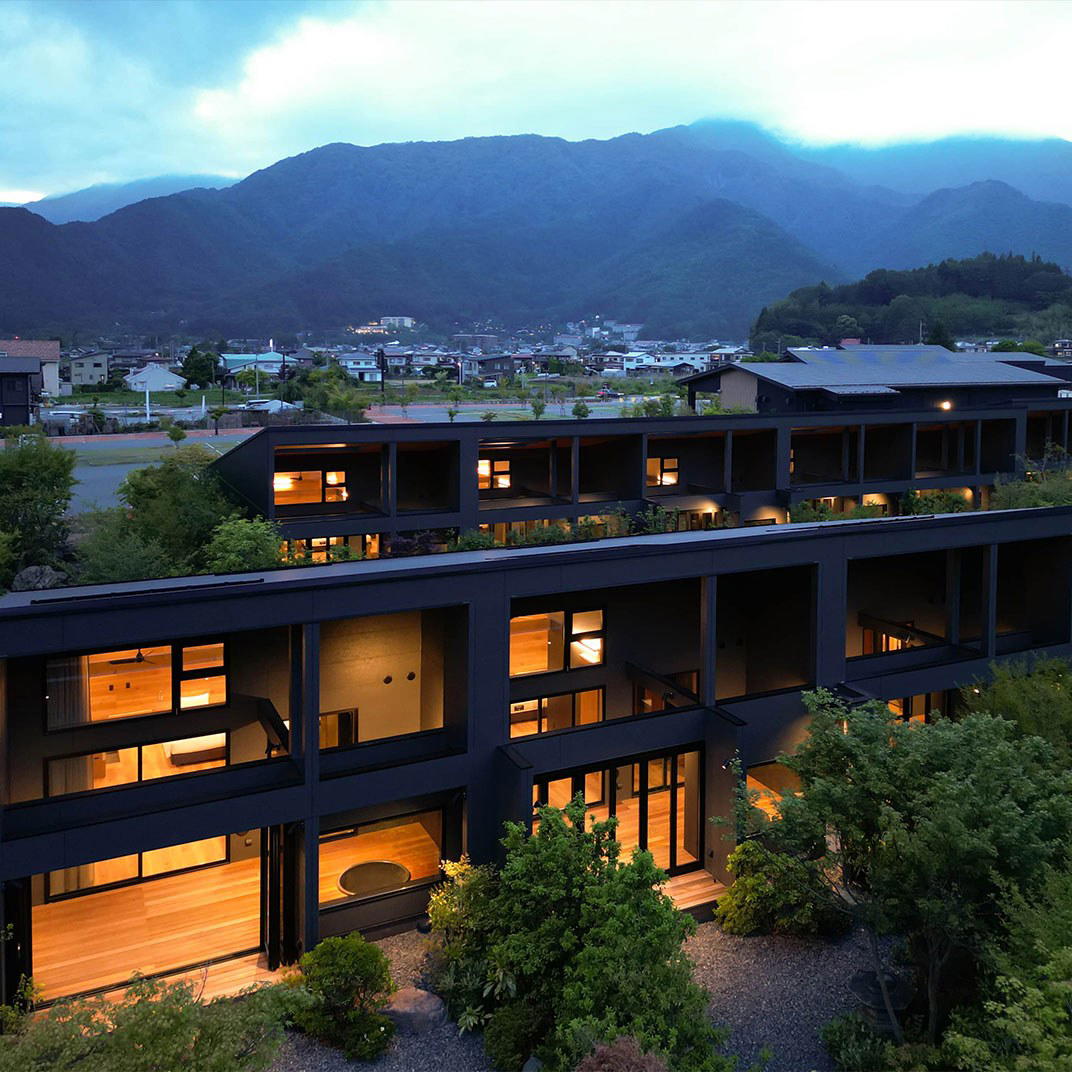
On the Subashiri trail along Mount Fuji's eastern flank, Gora Kadan Fuji translates the brand's Hakone design language into a property oriented entirely around Japan's most recognizable peak. Forty-two tatami-floored accommodations, four distinct dining formats, and thermal spring baths fed by snowmelt groundwater place it among the more architecturally coherent luxury ryokan options in the greater Fuji area. Rates start from around $428 per night.

Pearl is the En Primeur Club membership app — saves, bookings, and concierge access live there. Same editors, same standards.
- Address
- 110番地1 Subashiri, Oyama, Sunto District, Shizuoka 410-1431, Japan
- Phone
- +81 120-131-331
- Website
- gorakadan.com
- Directions
- Get directions
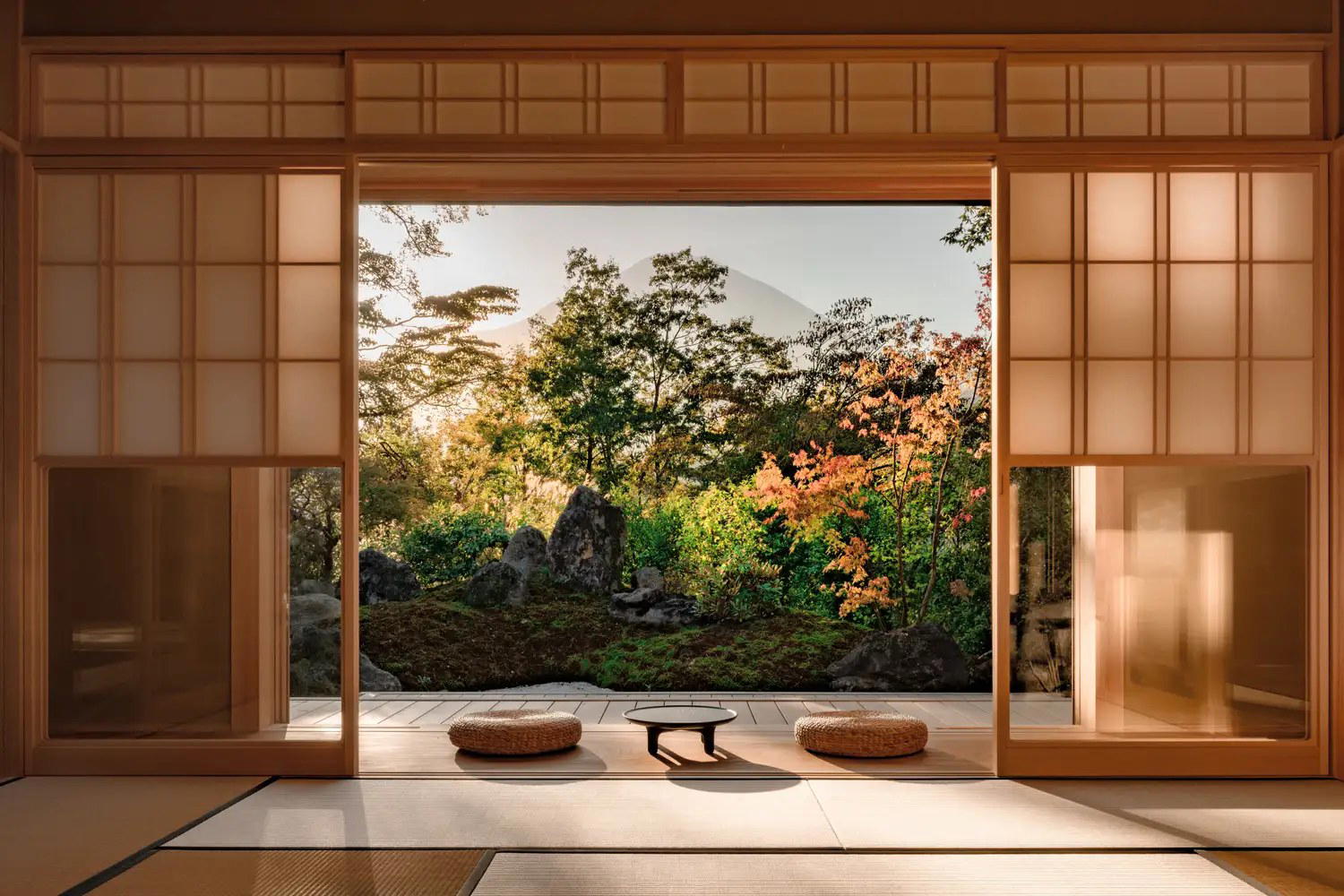
A Mountain as Architectural Brief
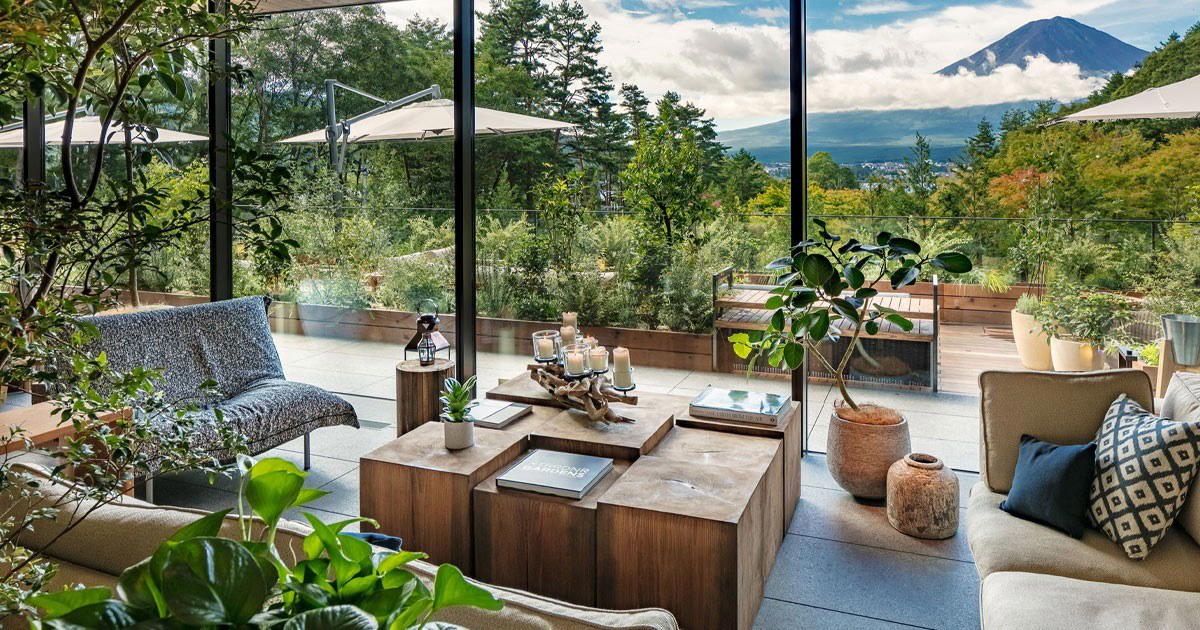
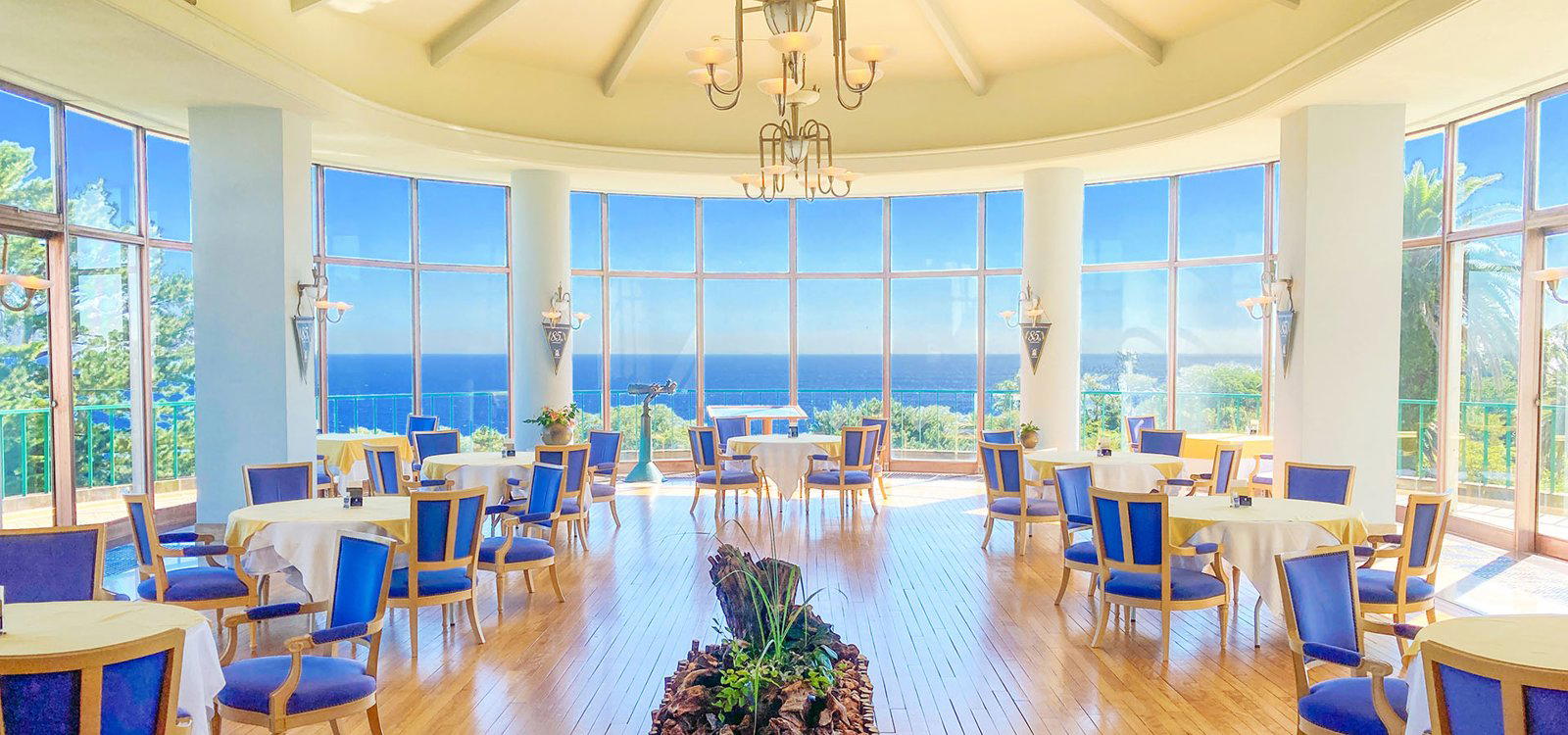
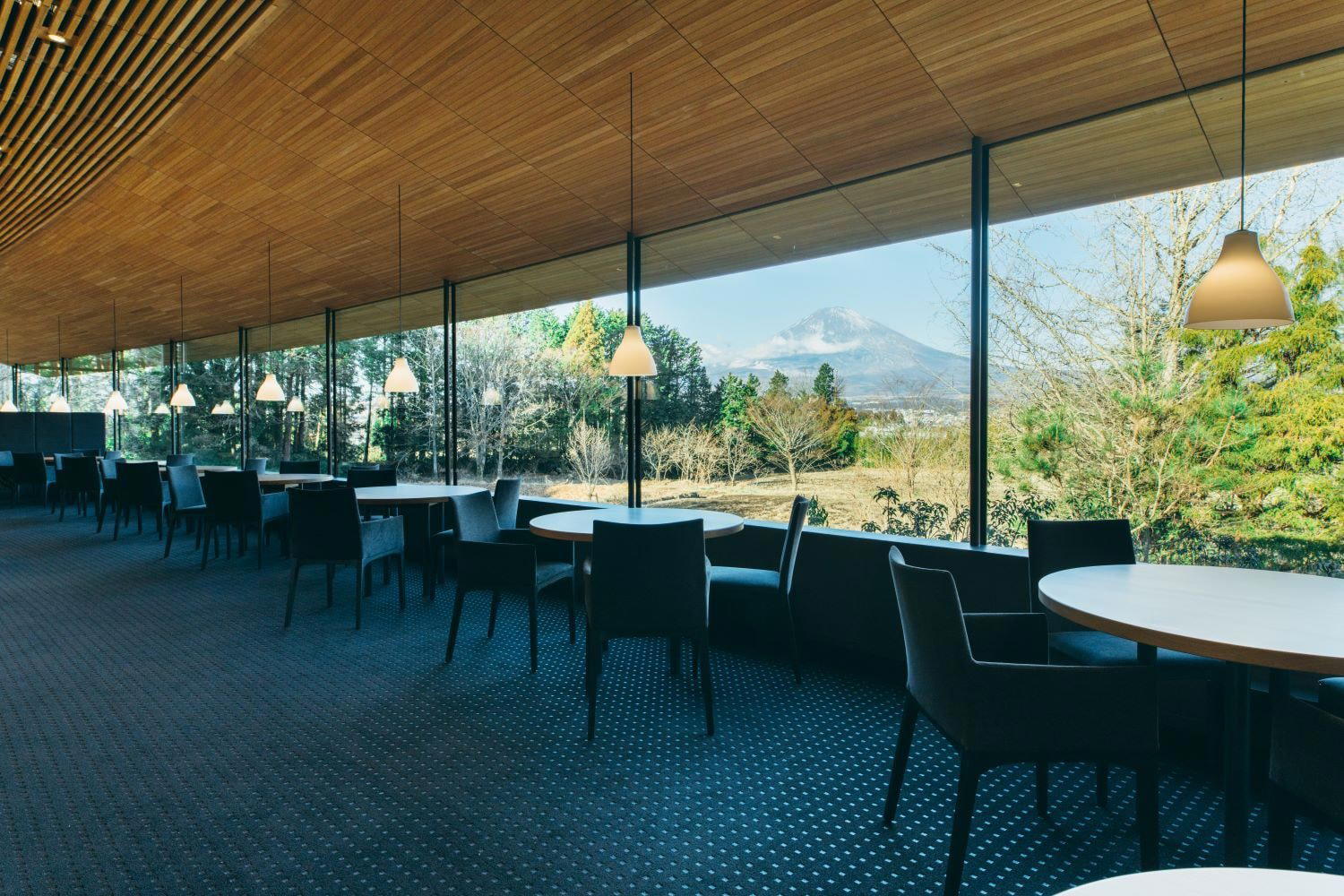
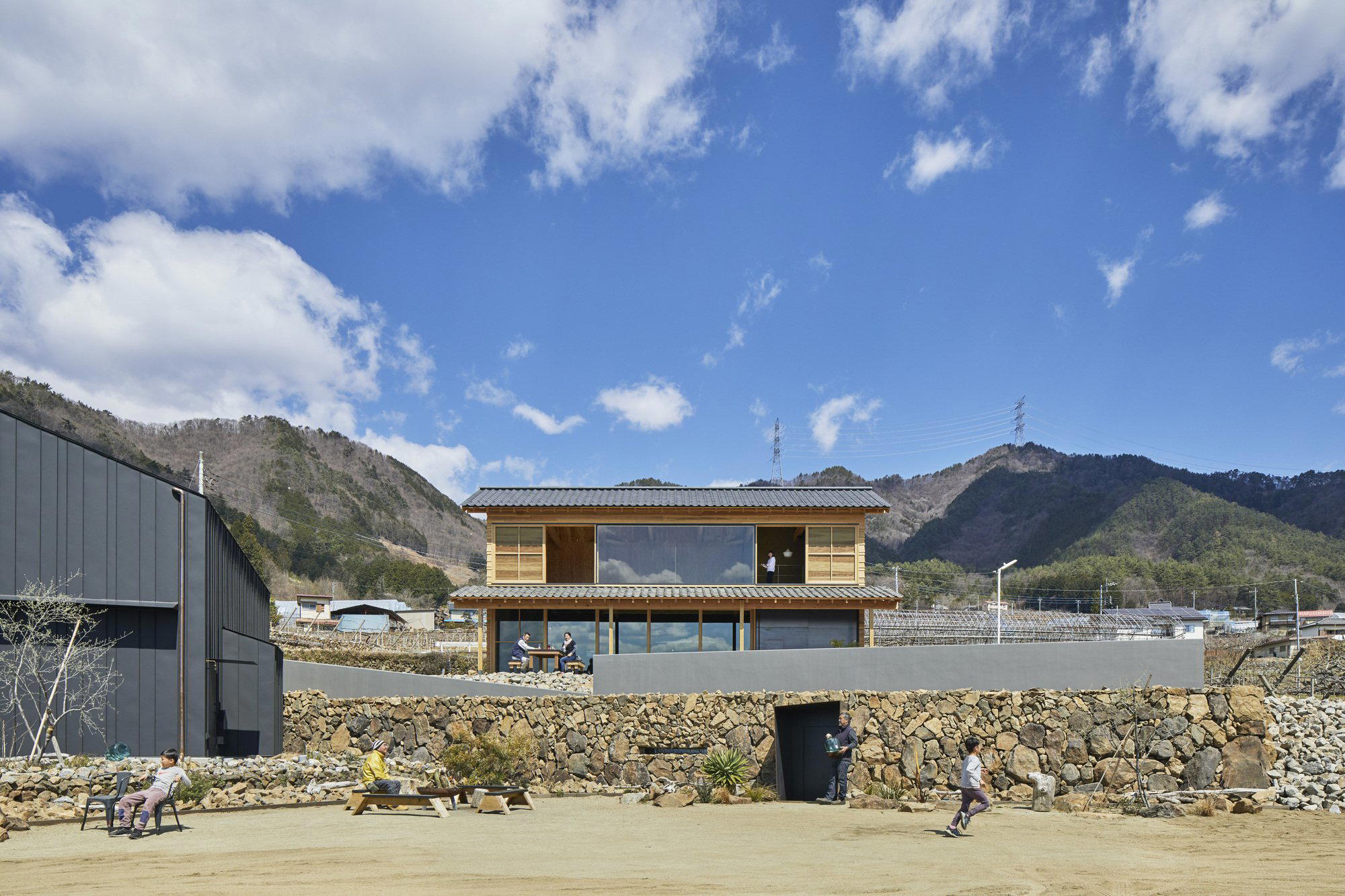
The east face of Mount Fuji has always been the quieter approach. While the Kawaguchiko shore draws the selfie crowds and the Fujinomiya side handles most of the pilgrim traffic, the Subashiri trail corridor in Oyama, Shizuoka Prefecture, operates at a different register: fewer buses, longer sightlines, and a cleaner angle on the peak as dawn light catches the snow from the northeast. Gora Kadan Fuji is built around that orientation, and the design decisions that follow from it are not incidental. Every key architectural element, from the grand lobby's floor-to-ceiling glazing to the outdoor observation deck adjacent to the glass-walled arrival lounge, has been positioned to frame the mountain as a living backdrop rather than a postcard view. The approach is disciplined: when the mountain is visible, it dominates; when cloud cover drops, the property's interior logic has to carry the experience on its own terms.
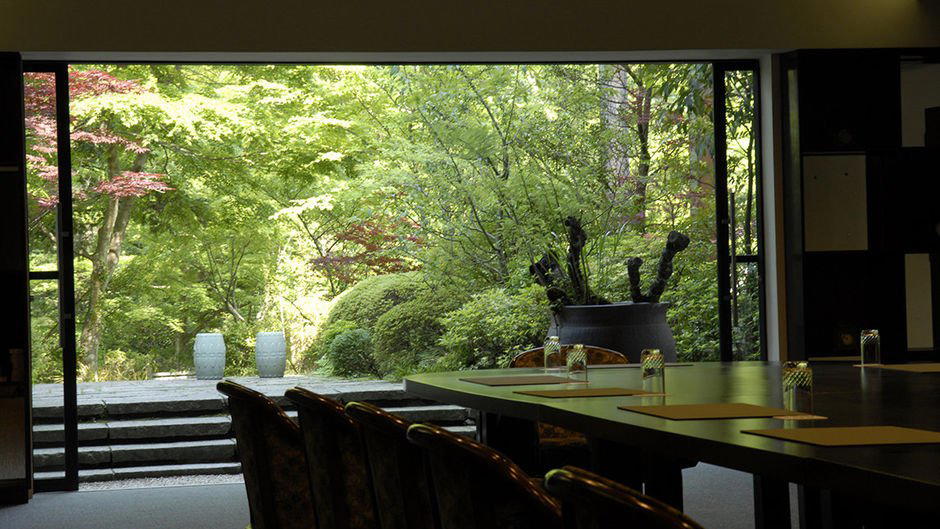
For those who know Gora Kadan in Hakone, the design vocabulary here is recognizable. Cedar and cypress appear throughout the structure in a way that references classical ryokan construction without replicating it: the joinery is too precise, the proportions too considered, for this to be nostalgia architecture. What the Hakone property established as a template, the Fuji outpost extends into a context where the site itself is more demanding. Framing a World Heritage site from every principal vantage point is not simply a landscaping exercise; it requires a building that knows when to recede.
The 42 Accommodations and How They Sit on the Site
The property holds 39 suites and three villas, all furnished with tatami mats, shoji screens, and private tubs fed by hot spring water. The material palette runs to granite, paper, and cypress, a combination that keeps the rooms grounded in tactile tradition while reading as contemporary rather than period reconstruction. Wild Sogetsu ikebana arrangements and abstract artworks appear through the property in a way that reads as considered curation rather than decorative filler: Sogetsu is the avant-garde school of ikebana, so the choice signals a deliberate departure from the conventional floral arrangements most luxury ryokan deploy.
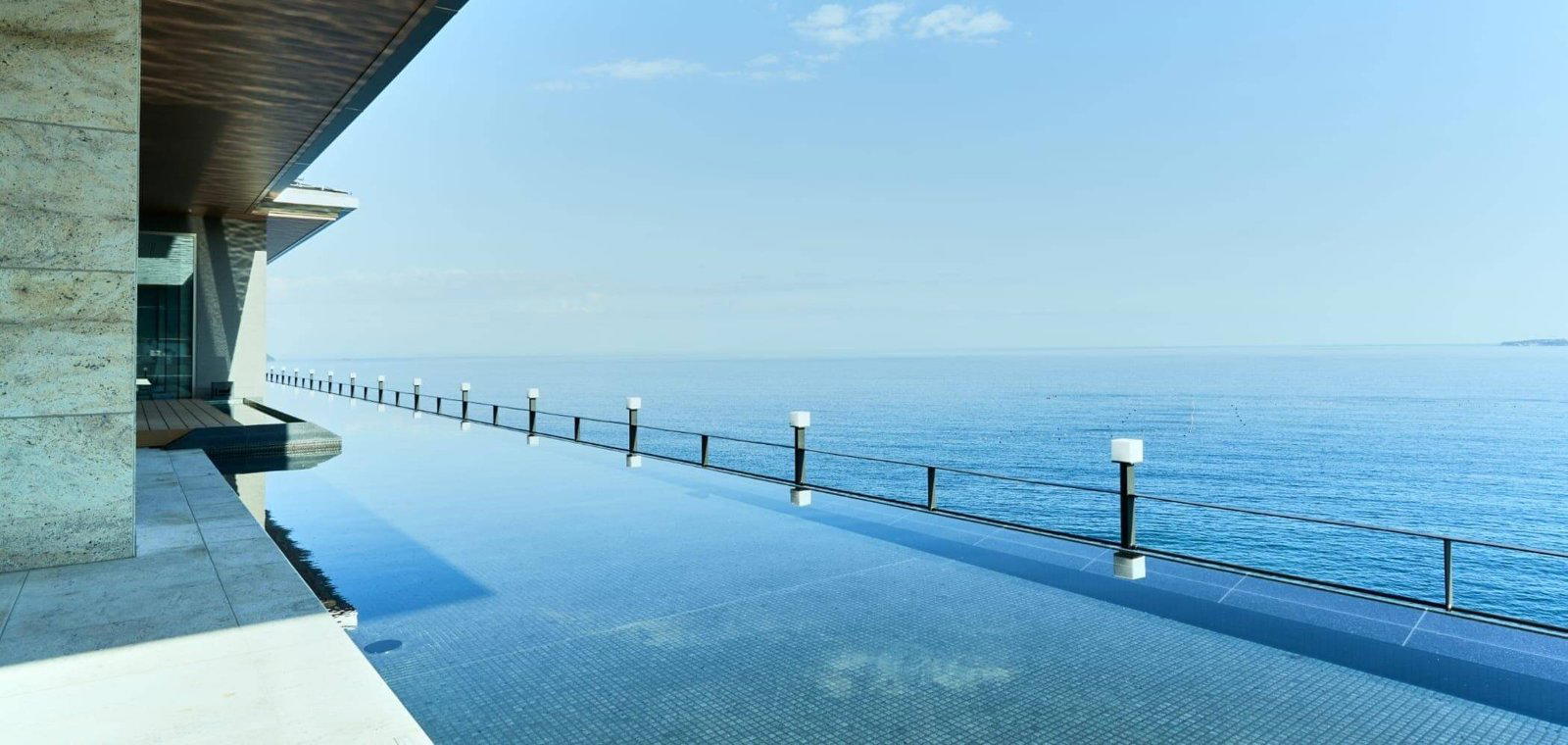
Among the villa tier, the Villa Hare (pronounced "ha-ray") is the largest footprint on the property, organized around a private swimming pool whose surface, on a clear morning, reflects the mountain directly. The villa configuration suits parties who want separation from the communal rhythms of the main building, and the pool orientation is specifically calibrated for the pre-dawn summer window when Fuji's slopes catch the first red light of sunrise. At 4:20 a.m. in summer, that window is narrow and requires some commitment, but the geometry of the site rewards it. For comparable private-pool ryokan formats elsewhere in Japan, Zaborin in Kutchan and Amanemu in Mie occupy a similar tier, though neither shares the Fuji framing.
Four Dining Formats, One Mountain Address
The broader ryokan category in Japan has consolidated around kaiseki as the dominant dining format, with most properties offering one formal multicourse option and little else. Gora Kadan Fuji takes a different position by running four distinct formats under one roof, plus a fifth option at the adjacent golf course across the street. Kaiseki Cuisine Kadan delivers elaborate multicourse menus served on antique tableware, which places it inside the traditional formal register. Sushi Fuji Takumi operates as a small-counter format where seafood from nearby coastal waters becomes seasonal nigiri. Kappo, the seven-seat counter, offers a more interactive format than kaiseki: closer to the kitchen, fewer ritual barriers between chef and guest. Teppanyaki Fuji Kanda addresses the carnivore bracket with rare-breed Kagoshima beef on the iron plate.
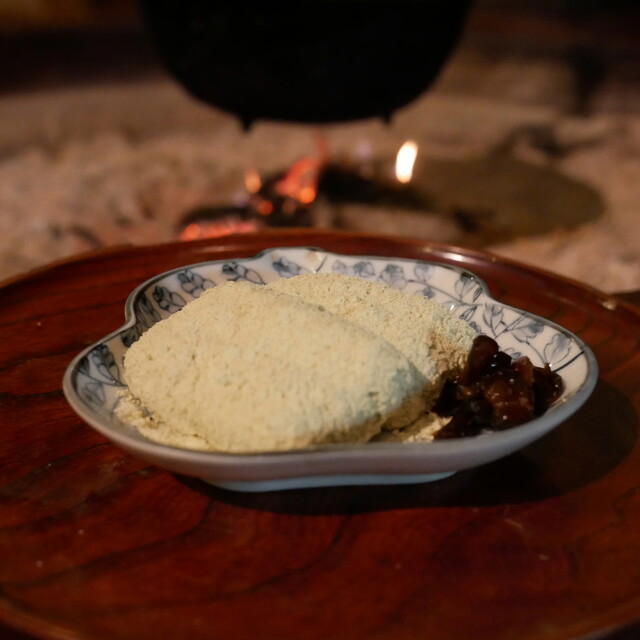
Running four formats at this scale requires kitchen discipline that a single-format property does not. The upside for guests is optionality across a stay of several nights, a consideration that matters more at a property positioned as a seasonal return destination rather than a single-night transit point. The breakfast format, built around locally sourced ingredients presented in small individual dishes, belongs to the communal dining tradition that most formal ryokan maintain regardless of dinner format diversity.
Thermal Infrastructure and the Spa Program
Onsen access is foundational to the ryokan proposition, and Gora Kadan Fuji draws from underground springs supplemented by snowmelt groundwater, a source that gives the water a particular mineral character associated with Fuji's volcanic geology. The property operates both communal and private onsen baths alongside an indoor heated pool and outdoor hot tub. The communal baths follow the gender-separated soaking tradition standard across Japanese hot spring resorts, while private tubs in every accommodation allow guests to work on their own schedule.
The spa program moves beyond the thermal basics. Treatments use fermented rice koji, tachibana citrus, and silk as active ingredients, materials drawn from Japanese agricultural and craft traditions rather than international spa brand formulations. One treatment, described as "Head Immersion Therapy," runs carbonated hot spring water over the scalp in a format closer to hydrotherapy than conventional massage. A fitness center rounds out the wellness infrastructure at a level unusual for properties of this room count. Among comparably positioned ryokan, Asaba in Izu and Nishimuraya Honkan in Kinosaki-cho offer strong onsen credentials, though neither carries the same breadth of supplementary wellness programming.
How Gora Kadan Fuji Sits in the Wider Ryokan Field
Japan's premium ryokan market has diverged over the past decade between properties that optimize for traditional ceremony and those that integrate contemporary design and multi-format amenity sets without abandoning the tatami-and-onsen core. Gora Kadan Fuji belongs to the second group. The Fuji Speedway corridor adds another dimension: Fuji Speedway Hotel operates at the opposite end of the design spectrum, a motorsport-themed property that draws a completely different guest profile to the same general municipality.
Within the Gora Kadan brand, the Fuji property is the newer, larger sibling to the Hakone original, carrying the same design language into a site that is more exposed, more weather-dependent, and more dramatically oriented toward a single natural landmark. For guests choosing between them, the Hakone property sits inside a denser hospitality ecosystem with more secondary options; the Fuji property asks for a more deliberate stay, ideally over multiple nights, with the mountain itself as the primary reason to be there.
Rates start from approximately $428 per night, with other room categories from $854 inclusive of two daily meals. The property is located at 110-1 Subashiri, Oyama, Sunto, Shizuoka Prefecture. The Subashiri fifth station trailhead is accessible from the property for guests who want to engage directly with the mountain on foot during the summer climbing season (typically July to early September). For a broader picture of accommodation and dining options in the area, see our full Oyama restaurants guide. Guests considering Japan's wider luxury hotel field can compare notes at Bvlgari Hotel Tokyo in Tokyo and HOTEL THE MITSUI KYOTO in Kyoto, which represent the urban end of the country's premium accommodation spectrum.
A Quick Peer Check
Comparable venues nearby, for context on price, style, and recognition.
| Venue | Cuisine | Awards | Notes |
|---|---|---|---|
| Gora Kadan FujiThis venue — the venue you are viewing | Contemporary ryokan rooted in Japanese heritage with modern architecture | 2 Michelin Keys · Michelin Guide New Hotels New Hotel | Not listed |
| Fuji Speedway Hotel | Motorsport-themed luxury resort | 1 Michelin Key | Oyama |
| ふふ 河口湖 | Small luxury forest resort seamlessly integrated with Mt. Fuji and Lake Kawaguchi nature. | 2 Michelin Keys | Fujikawaguchiko |
| Regent Kyoto | An upper-luxury urban retreat that integrates a historic Kyoto garden and century-old ryotei into a small-scale, heritage-rich estate in the Okazaki cultural district. | Not listed | Okazaki |
| Shiroiya Hotel | Contemporary art and architecture hotel in renovated historic ryokan with brutalist concrete and green tower extension. | Michelin Selected · Mr & Mrs Smith Seal of Approval | city center |
| TRUNK(HOTEL) | Boutique hotel rooted in local community with artisan craftsmanship. | Michelin Selected · Design Hotels Member | Shibuya |
Recognition history
Dated appearances from independent guides and award organizations, with the underlying list record or original source where available.
Michelin 2 Keys
Michelin
Michelin Guide New Hotels New Hotel
Michelin Guide New Hotels
AFAR Best New Hotels
AFAR · AFAR 40 Best New Hotels 2026
Conde Nast Hot List Hotels
Conde Nast
Relais Chateaux Award
Relais Chateaux
Full recognition history (7 entries)
Travel + Leisure It List Hotels
Travel + Leisure
Michelin Selected
Michelin
Continue exploring
More in Oyama
Hotels in Oyama
Browse all →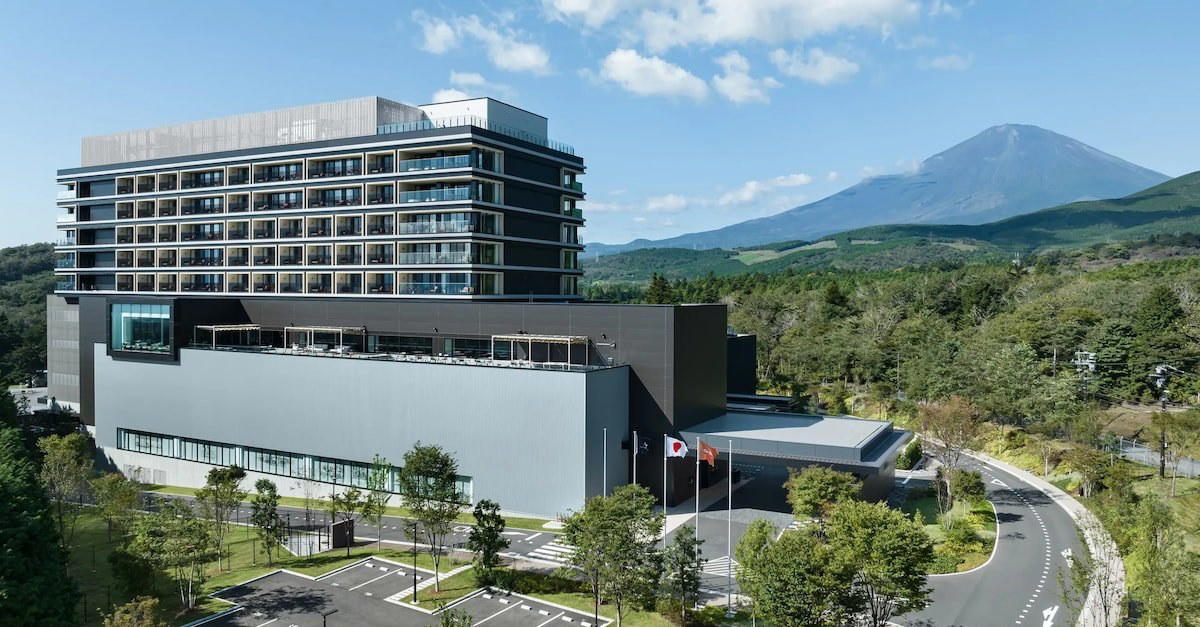
Bars in Oyama
Browse all →
Restaurants in Oyama
Browse all →
Wineries in Oyama
Browse all →
Details
- Quiet
- Elegant
- Scenic
- Sophisticated
- Intimate
- Ornate
- Honeymoon
- Romantic Getaway
- Wellness Retreat
- Anniversary
- Weekend Escape
- Panoramic View
- Private Villa
- Golf Course
- Spa
- Pool
- Fitness Center
- Wi Fi
- Restaurant
- Room Service
- Mountain
- Garden
Refined tranquility with natural light, harmonious blend of earth, water, fire, and wood elements creating a serene, nature-rooted atmosphere.