Chuka Soba Uezu

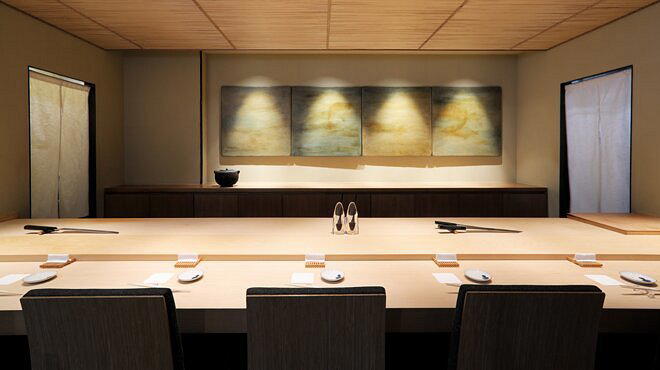
Chuka Soba Uezu puts Yamanashi into the serious ramen conversation through a compact counter format, ramen and tsukemen focus, and repeated selection in Tabelog’s Ramen EAST 100 from 2022 through 2025. The draw is not luxury theater but concentration: a 12-seat, counter-only room in Showa where sourcing, broth discipline, and regional placement matter more than ceremony.
Pearl is the En Primeur Club membership app — saves, bookings, and concierge access live there. Same editors, same standards.
- Address
- 59-1 Shimizuarai, Showa, Nakakoma District, Yamanashi 409-3867, Japan
- Phone
- +81 55-287-8894
- Website
- sites.google.com
 Saves & bookings on Pearl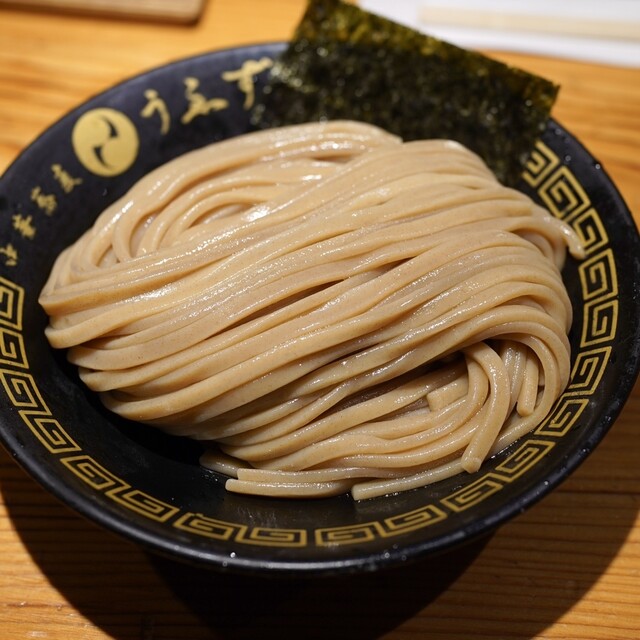
Approaching a serious ramen counter in regional Japan is a different proposition from arriving at a dining room built for spectacle. The cues are quieter: a small frontage, a short menu category, the practical rhythm of people eating alone, and a room designed around the bowl rather than the table. In Showa, Nakakoma-gun, that format carries particular weight because Yamanashi is not Tokyo, Osaka, or Fukuoka; a ramen shop here has to earn attention without the automatic footfall of a capital-city station district.
Chuka Soba Uezu belongs to that narrower class of regional ramen counters whose reputation travels beyond its postcode. Its repeated selection in Tabelog’s Ramen EAST 100, covering 2022, 2023, 2024, and 2025, gives it a measurable signal in a category where hype can move faster than consistency. The listed categories, ramen and tsukemen, place the shop in a tradition where sourcing is judged through extraction, noodle structure, and the relationship between soup and tare rather than through luxury ingredients presented by name.
Regional ramen judged by broth discipline, not dining-room polish
Japan’s ramen hierarchy is unusually unforgiving because it prices everyday comfort against obsessive technical standards. A bowl can sit in the low-thousands of yen and still be evaluated with the intensity diners reserve for tasting-menu counters. That tension explains why a Yamanashi ramen shop selected for a major eastern-Japan ramen list matters: the achievement is less about expense than about repeatable craft under high turnover conditions.
The ingredient-sourcing question in ramen is rarely visible in the way it is at sushi or kaiseki. Diners do not see the full chain of bones, dried seafood, aromatics, wheat, soy, and oils. They read it through density, clarity, salinity, and how the noodles hold shape from first bite to last. Tsukemen sharpens that scrutiny because the noodle is not submerged in soup; texture, temperature, and dipping concentration become the meal’s structure. A counter-only shop with 12 seats gives little space for distraction, so the food has to carry the argument on its own.
There is also lineage to consider, but it should be treated as context rather than biography. The shop is noted as the first store outside Chiba Prefecture to separate from Chukasoba Tomita in Matsudo, a reference point that helps explain why a suburban Yamanashi address appears in eastern-Japan ramen conversations. That connection places the counter within a style of ramen culture where apprenticeship, separation, and local adaptation can matter as much as neighborhood demand.
Why the Showa location changes the reading of the bowl
Location changes expectations. In central Tokyo, an acclaimed ramen counter is often folded into a wider itinerary of hotels, bars, shopping, and train transfers. In Nakakoma-gun, the decision feels more deliberate. The surrounding dining scene is not absent, but it is less compressed, and that gives a ramen counter different editorial force: it becomes a reason to understand how regional Japan sustains specialist food culture outside the major tourist grid.
That is useful for travelers building a broader Yamanashi route. The area rewards planning across categories, from food to lodging to outdoor time, rather than a single-meal dash. For wider context, start with Our full Nakakoma-gun restaurants guide, then map the trip against Our full Nakakoma-gun hotels guide, Our full Nakakoma-gun bars guide, Our full Nakakoma-gun wineries guide, and Our full Nakakoma-gun experiences guide. The point is not to turn ramen into an all-day production; it is to understand that a low-priced counter can anchor a high-intent food day.
Compared with out-of-metro peers in the provided set, the price and format sit closer to casual regional dining than to destination tasting rooms or dinner-led yakitori counters. Yakitori 58 occupies a higher evening spend bracket, while chainizu dainingu masamune sits in a different dining category altogether. Kitchen Umagoya is a more relevant comparison on price, though not on ramen specialization. That distinction matters: Chuka Soba Uezu is not competing on breadth. It is competing on focus.
How to fold it into a Japan food itinerary
For visitors tracking Japan through specialist counters rather than hotel dining rooms, this is the sort of stop that makes sense alongside a wider survey of regional styles. EP Club’s Japan restaurant archive ranges from coastal beef and sukiyaki formats such as -Grilled beef Sukiyaki- KAMAKURA TANUKIAN 鎌倉 たぬき庵 in Kamakura to Tokyo charcoal and tuna cooking at . 鮪と炭火焼き うお炭 秋葉原店 in Tokyo, Osaka cafe culture at .cafe in Osaka, Kumamoto’s .know in Kumamoto, and Kawasaki’s (Shoku) Vietnam in Kawasaki. Those comparisons are not about sameness; they show how Japanese dining rewards specificity over category prestige.
The same lens applies beyond ramen. Curry in Sapporo at [Curry Senmon Ten] Maruyama Kyoju. in Sapporo, Kyoto dining at [ki:] in Kyoto, Nara beef culture at #肉といえば松田 奈良本店 in Kashihara, and Kanazawa’s casual burger format at 1/3 HAMBURGER FACTORY in Kanazawa all sit in separate lanes. For North American readers calibrating casual Japanese food formats, Jōdo Saké Bar in Los Angeles, Onigiri Time in Pasadena, 1000 in Yokohama, and 1000mヒュッテ 1000m Hut in Kutchan underline the same lesson: format tells the diner what to expect before any plate arrives.
The practical reading is simple. This is a counter-led ramen and tsukemen address with limited seating, a non-smoking setup, QR payment support through PayPay, and a price band that keeps the experience in everyday Japan rather than luxury dining. Its appeal lies in the gap between modest spend and serious recognition. For travelers who judge food by sourcing translated into technique, not by ceremony, that gap is exactly the reason to pay attention.
In Context: Similar Options
Comparable venues by cuisine and price in the same metro.
| Venue | Cuisine | Price | Awards | Notes |
|---|---|---|---|---|
| Chuka Soba UezuThis venue — the venue you are viewing | Tonkotsu-gyokai ramen & tsukemen | $$ | , | |
| Boteyan (ぼてやん多奈加) | Square Okonomiyaki Specialist | $$ | , | Toyama Station area |
| 八千代 | Tonkatsu & Fried Foods | $$ | , | Toyosu |
| Houtou Fudou (ほうとう不動) | Traditional Yamanashi Houtou Noodles | $$ | , | Fujikawaguchiko |
| Grill The Butcher Nagano (グリル ザ ブッチャー 長野) | Shinshu Beef Steakhouse | $$ | , | Nagano Station |
| Kawakami-an | Authentic Shinshu Soba & Duck Specialties | $$ | , | Karuizawa Ginza |
Continue exploring
More in Nakakoma-gun
Restaurants in Nakakoma-gun
Browse all →
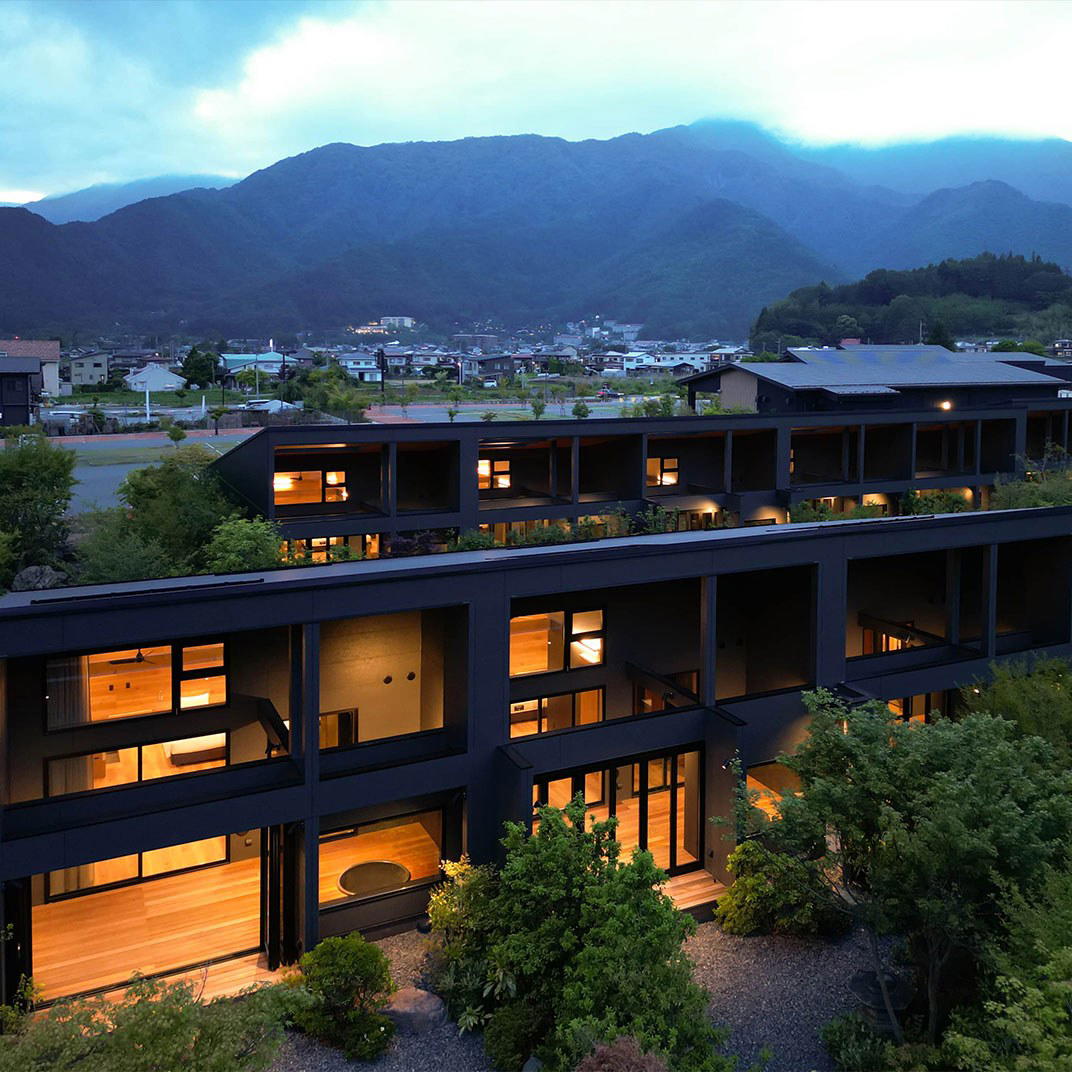
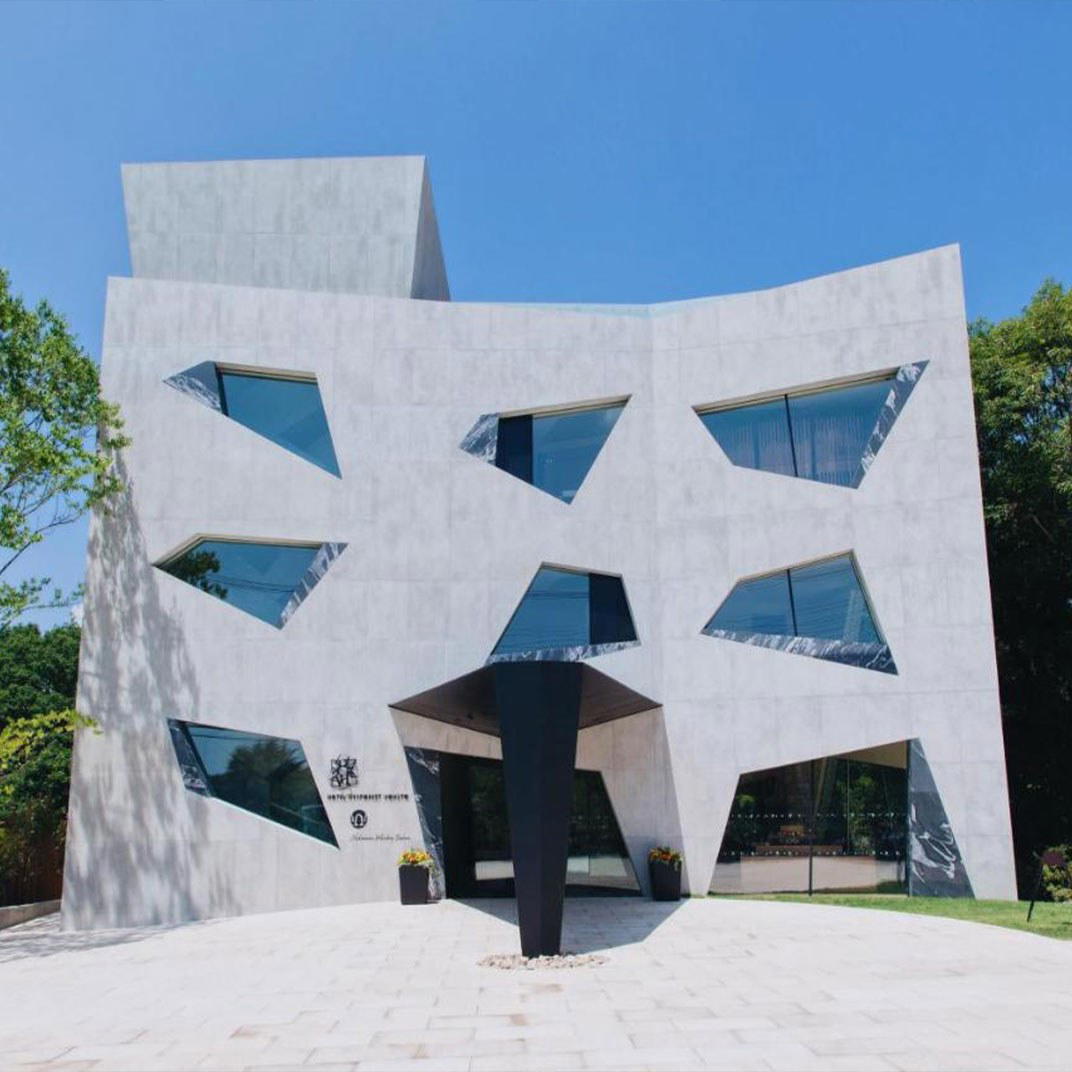
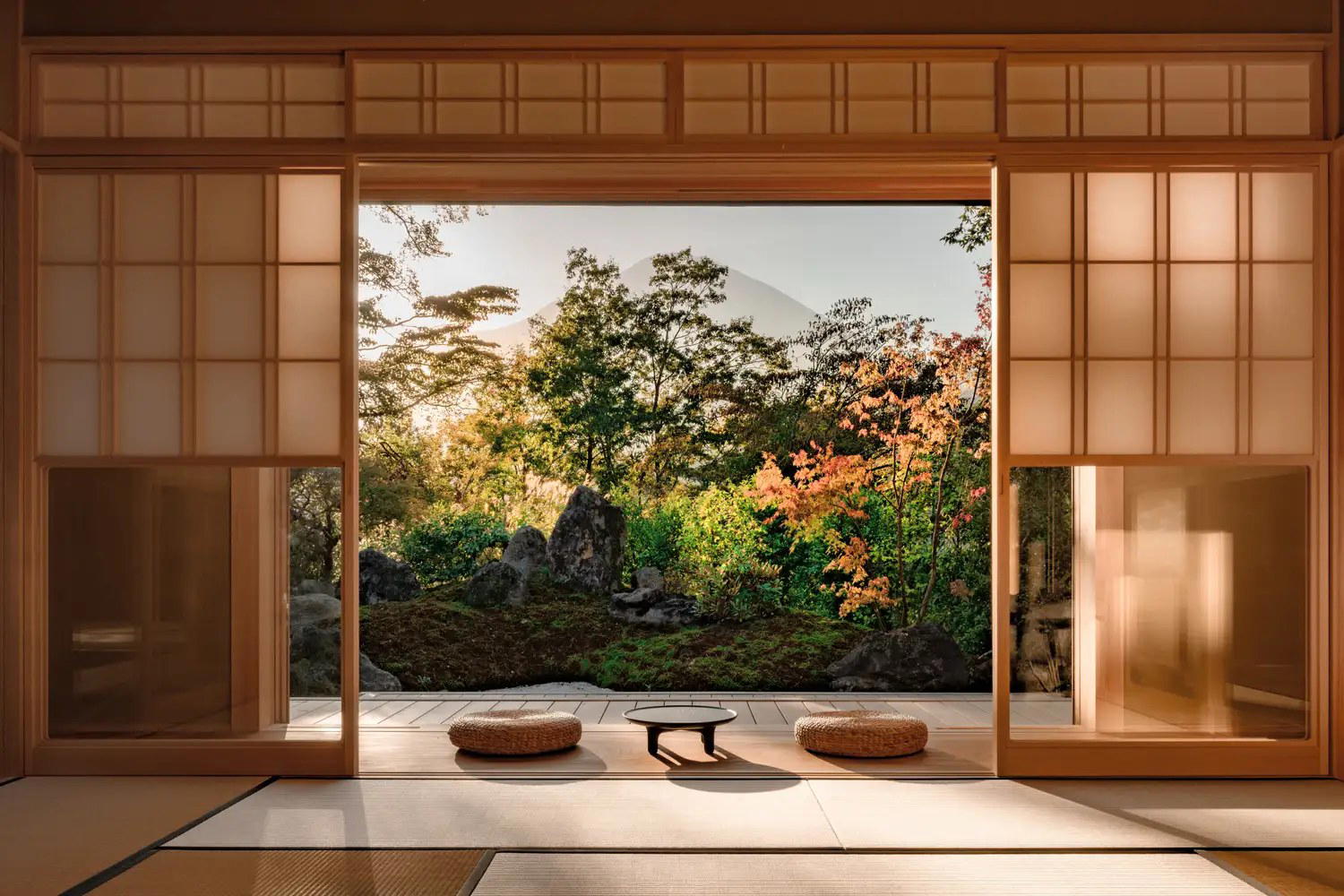
Hotels in Nakakoma-gun
Browse all →
Wineries in Nakakoma-gun
Browse all →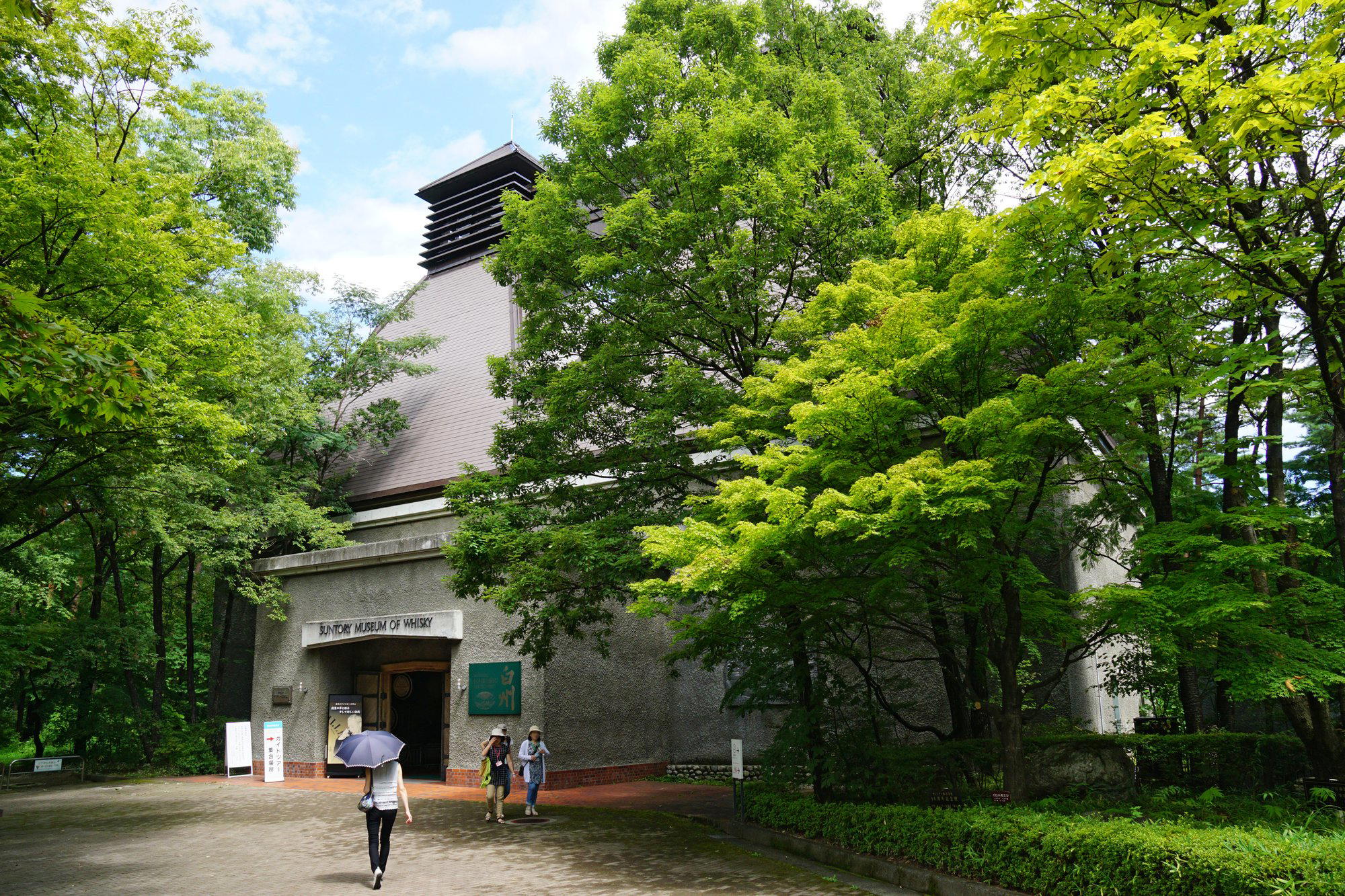
At a Glance
- Lively
- Cozy
- Hidden Gem
- Solo
- Casual Hangout
- Standalone
- Local Sourcing
A small counter-only ramen shop with a casual, functional feel where guests focus on the bowl; it can feel bustling at lunch with a steady line of ramen fans but remains relaxed and unpretentious.