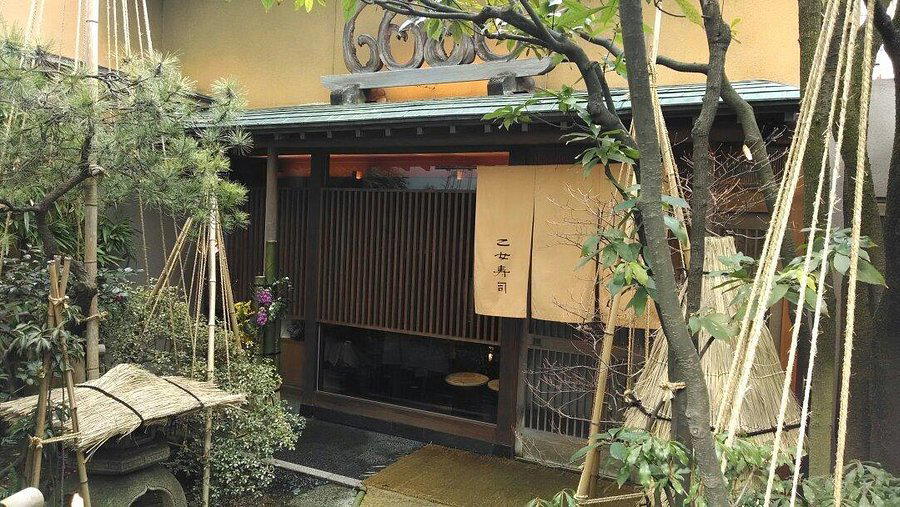
Located at 13-7 Yasuecho in Kanazawa's Ishikawa prefecture, 鮨中誠 sits within a city whose seafood tradition rivals any in Japan.
Pearl is the En Primeur Club membership app — saves, bookings, and concierge access live there. Same editors, same standards.
- Address
- 13-7 Yasuecho, Kanazawa, Ishikawa 920-0854, Japan
- Phone
- +819061047757
- Website
- tablecheck.com
- Directions
- Get directions
 Saves & bookings on Pearl
Planning Around Kanazawa's Most Opaque Counters
Kanazawa has developed a particular dining culture in which the restaurants with the least online presence often occupy the most serious tier. This is not an accident. In a city that has spent decades resisting the standardisation of Japanese fine dining, a number of its counter restaurants operate almost entirely through word-of-mouth referral, with no English-language booking infrastructure and no visible awards trail. 鮨中誠, addressed at 13-7 Yasuecho in Ishikawa, sits within that pattern. For visitors planning a serious dining itinerary through Japan's Hokuriku region, understanding how to approach venues of this type is arguably more useful than any single menu detail.
What Yasuecho Says About the Venue's Position
The Yasuecho address places 鮨中誠 in a residential-commercial district that runs adjacent to Kanazawa's older machiya townhouse grid. Kanazawa's dining geography tends to concentrate its most considered counters away from the obvious tourist corridors near Higashi Chaya and Kenrokuen. Yasuecho sits within that quieter orbit, the kind of address where local clientele outnumber visitors and where a restaurant's reputation is built through return visits rather than first-time discovery. That address pattern is common across Japan's second-tier cities, where counter sushi and kaiseki operations maintain deliberate invisibility as a function of capacity management rather than secrecy. Compare this positioning with Amanatto Kawamura, another Kanazawa venue that occupies a similarly considered niche, or with Dokkan, which represents a different point on the city's dining register.
The Booking Reality for Venues Without a Public Profile
The editorial angle here is logistical, and it matters. When a venue carries no phone number in public databases, no website, no hours listing, and no awards citation in the available record, the planning process changes entirely. This is not unusual for Kanazawa's most local-facing counters. The booking pathway for restaurants of this profile typically runs through one of three routes: a Japanese-speaking contact who can make a direct call, a hotel concierge at a property with strong local restaurant relationships, or a curated booking service that operates in the Hokuriku region specifically. Visitors who approach Kanazawa dining through aggregator platforms or English-language reservation systems will miss this category of restaurant almost entirely. That is the practical consequence of the opacity, and it is worth planning around before arrival rather than discovering on the ground.
For context, Kanazawa's premium restaurant tier sits alongside other serious regional Japanese dining destinations. In Kyoto, Gion Sasaki represents a well-documented version of the same precision-focused kaiseki tradition, with a full public booking infrastructure. In Osaka, HAJIME operates at the Michelin three-star level within a system that accommodates international visitors. In Fukuoka, Goh offers another model of regional Japanese fine dining with a more accessible entry point. The contrast between those operations and what 鮨中誠 appears to represent is instructive: venues with no public digital footprint in Japan are not failed operations. They are often the opposite.
Kanazawa's Seafood Context
Whatever 鮨中誠 serves, the city's ingredient context is relevant. Kanazawa draws from the Sea of Japan via Omicho Market, one of Japan's most productive seafood markets for cold-water species. The Hokuriku coast yields nodoguro (blackthroat seaperch), crab in season from November through March, and a range of flatfish and shellfish that do not reliably appear in Tokyo's Tsukiji or Toyosu supply chains. Counter restaurants in Kanazawa that source directly from Omicho are working with a seasonal ingredient rotation that gives the city's dining calendar a different rhythm from the capital's. A venue at Yasuecho, at the scale that local-facing counters in this district tend to operate, would be expected to work within that same regional supply logic. For comparison within Kanazawa's restaurant range, Budoonomori Les Tonnelles represents the city's French-influenced tier, while Hakuichi occupies a different segment of the local culinary identity.
How This Fits Into Japan's Regional Counter Scene
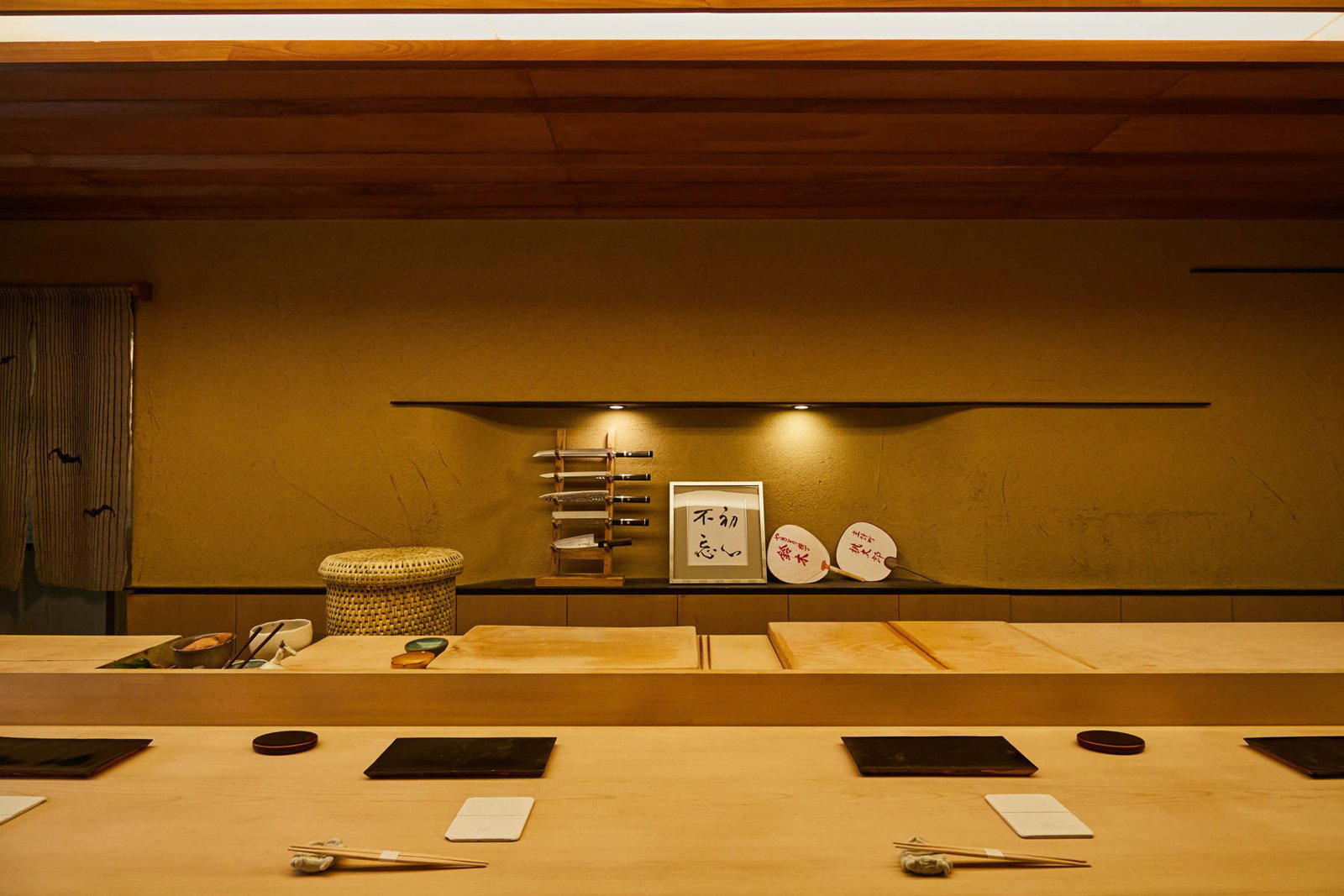
Japan's most compelling counter restaurants outside Tokyo and Kyoto share a structural characteristic: they serve a primarily local clientele, they do not pursue international press coverage, and their quality signal travels through a different network than the Michelin circuit. 鮨中誠 fits the profile of a restaurant in this category. It is worth comparing with venues like Harutaka in Tokyo, where the counter format is similarly intimate but the booking infrastructure is fully public, or with akordu in Nara, where a European-trained chef has built a regional counter operation with international reach. The contrast makes the Kanazawa venue's positioning clearer: it operates in the local-first tier, which in Japan often correlates with seriousness of product rather than the reverse. Other regional examples that illustrate this pattern include affetto akita in Akita, Aji Arai in Oita, and Akakichi in Imabari, each of which represents the regional-counter model in a different prefecture.
Planning Your Visit
The Yasuecho address is within walkable range of central Kanazawa, and the city itself is served by the Hokuriku Shinkansen from Tokyo, with a journey time of approximately two and a half hours. Kanazawa Station provides access to the city's main dining and cultural districts within a short taxi or bus ride. Given the absence of a public phone number, website, or confirmed hours in the available record, the most reliable path to a reservation at 鮨中誠 is through a concierge with verified local connections. Attempting to walk in is a viable approach for some Kanazawa counters, but at venues of this profile, seats at the counter are typically allocated well in advance. Visitors building a broader Kanazawa itinerary should consult our full Kanazawa restaurants guide for additional options across the city's dining register, including Go! Go! Curry for a casual local institution at the opposite end of the formality scale. For context on comparable international fine dining planning, Le Bernardin in New York City and Lazy Bear in San Francisco illustrate how booking-led venues at the premium counter tier operate with full transparency, a contrast that clarifies what the Kanazawa model requires of visitors in terms of preparation. Abon in Ashiya and Ajidocoro in Yubari District round out the regional counter picture for visitors touring western and northern Japan.
Fast Comparison
| Venue | Cuisine | Price |
|---|---|---|
| 鮨ä¸èªThis venue — the venue you are viewing | This venue | Not listed |
| Kataori | Kaiseki | Kaiseki |
| Respiracion | Innovative Spanish | Innovative Spanish |
| Zeniya | Kaiseki | Kaiseki |
| Sushi Kibatani | Chinese | Chinese |
| Hamagurizaka Maekawa | Yakitori | Yakitori |
Continue exploring
More in Kanazawa
Restaurants in Kanazawa
Browse all →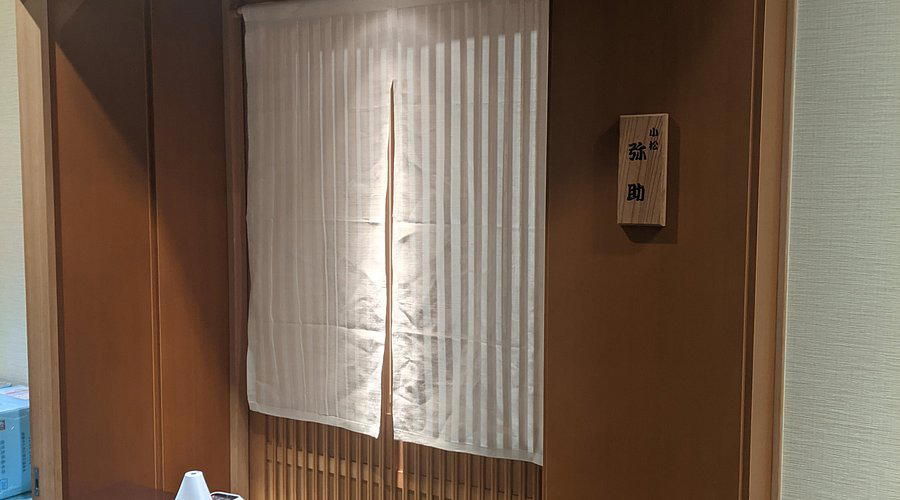
Bars in Kanazawa
Browse all →
Hotels in Kanazawa
Browse all →
Wineries in Kanazawa
Browse all →
At a Glance
- Special Occasion
- Chefs Counter
- Sake Program
Know Before You Go
- Getting there
- 13-7 Yasuecho, Kanazawa, Ishikawa 920-0854, Japan