
Shizenha Ramen Kagura puts Kanazawa ramen in a quieter register: small room, low price band, and repeat Tabelog Ramen WEST 100 recognition from 2017 through 2025. The draw is not spectacle but the city’s ingredient-minded noodle culture, with ramen and dumplings served in a 17-seat house-restaurant format in Teramachi.
Pearl is the En Primeur Club membership app — saves, bookings, and concierge access live there. Same editors, same standards.
- Address
- 石川県金沢市寺町1-20-10
- Phone
- +81762805010
- Website
- tabelog.com
 Saves & bookings on Pearl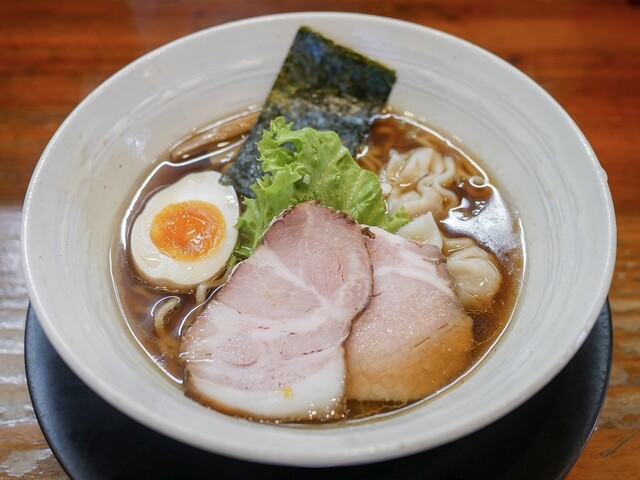
Teramachi’s restaurant rhythm is quieter than Kanazawa’s station-side dining blocks: residential streets, temple approaches, and small rooms where pace matters more than décor. Here, ramen is not a late-night fallback or tourist refuel, but a compact study in broth, noodle, seasoning, and sourcing discipline, at a price tier with little room for waste or theatrical plating.
Shizenha Ramen Kagura sits in Kanazawa’s category of serious everyday cooking: modest in spend, exacting in implication. Listed for ramen and dumplings, it has 17 seats and has repeatedly appeared in Tabelog’s Ramen WEST 100 selections, including 2017, 2018, 2019, 2020, 2021, 2022, 2024, and 2025. That pattern matters more than one badge. In Japan’s ramen culture, repeat recognition usually signals consistency in a format where small shifts in soup concentration, noodle handling, and daily volume can change the meal.
Kanazawa ramen with an ingredient-first temperament
Kanazawa’s food identity is often framed through seafood, Kaga vegetables, wagashi, and formal ryotei culture, but its casual cooking has its own precision. A ramen shop here competes not only with other noodle counters, but with a broader local expectation that ingredients justify themselves. That is the useful lens: ramen as a daily bowl shaped by restraint, not excess.
The name suggests a natural-leaning sensibility, but the stronger editorial point is structural. At a JPY 1,000 to JPY 1,999 band, ingredient choices must be disciplined rather than decorative. Ramen at this level depends on allocation: what goes into the soup base, how seasoning is balanced, and how dumplings sit beside noodles without turning the meal into a heavy set. No named dish needs inventing to see the logic. The appeal lies in cooking where sourcing decisions are compressed into a bowl rather than announced through a tasting menu.
That makes it a counterpoint to Kanazawa’s ceremonial dining. The city’s formal end is represented by 金茶寮本店, 料亭 穂濤, 料理 小松, Komatsu, and リストランテ ラヴィータ, where meals are built around sequence, service, and occasion. Ramen asks a different question: how much character can a kitchen express in a short, repeatable format? Shizenha Ramen Kagura has earned attention because the answer appears steady across years, not because the room imitates fine dining.
For travelers mapping a broader eating day, that distinction helps. Kanazawa can absorb both formats: a quiet noodle lunch in Teramachi, wagashi or tea culture elsewhere, and a more formal dinner if the itinerary allows. For neighborhood context and adjacent dining ideas, Our full Kanazawa restaurants guide is the better planning layer; for a sweet stop with local relevance, Amanatto Kawamura sits in a different but related Kanazawa tradition of ingredient clarity and craft.
A small house-restaurant format, not a ramen theme park
The physical format is part of the argument. Seventeen seats, including counter seating and three tables, create a room where turnover and timing shape the experience. This is the opposite of the high-volume ramen hall model common in larger Japanese cities. The scale rewards directness: arrive, eat, leave space for the next party. Families and solo diners are both suitable, placing the restaurant in a practical local register rather than a hushed destination-only category.
The setting also changes the visitor decision. Teramachi is not built solely around tourists moving from one attraction to the next. It suits travelers giving Kanazawa enough time to move beyond the castle-garden axis and into residential food streets. Ramen here is not a substitute for the city’s seafood or kaiseki culture; it shows how Kanazawa handles casual excellence without abandoning local restraint.
Operational details matter because they affect the meal more than adjectives. Reservations are unavailable, the restaurant is non-smoking, take-out is offered, and payment is cash-only: credit cards, electronic money, and QR code payments are not accepted. Parking is unusually concrete for a small Japanese restaurant, with eight spaces in front and to the side and three spaces across the street. The nearest station is Nomachi, while the Teramachi 1-chome bus stop places the room into a more natural city route. Soup can run out before scheduled closing, so late arrivals carry more risk than early lunch or the beginning of dinner service.
That last point is common in serious ramen culture. A shop built around daily soup production is not an all-day utility; it works within a finite batch. Treat timing as part of the format, not an inconvenience. In a city where a long dinner may be planned around seafood, sake, or ryotei service, this is the kind of lunch that should sit early rather than as an afterthought.
How it fits a Kanazawa itinerary
Shizenha Ramen Kagura suits travelers who want one casual meal with real local weight, especially between temple-area wandering and a later reservation. It is less compelling for diners seeking a long, comfort-led sit or visible luxury. The room’s economy is the point: a compact counter-and-table setup, ramen and dumplings, a narrow spend, and repeat recognition in a competitive western Japan ramen field.
Kanazawa rewards this calibration. A high-low itinerary should not mean careless at one end and polished at the other; it should mean choosing honest formats. Pair a ramen stop with a hotel base chosen for access rather than ornament through Our full Kanazawa hotels guide, then use Our full Kanazawa bars guide if the evening calls for a quieter drink. Broader cultural planning belongs in Our full Kanazawa experiences guide, while wine-focused travelers can check Our full Kanazawa wineries guide for regional context.
For readers comparing casual Japanese formats across EP Club, the contrast is instructive. 333, Aburi Niku Garan, Ajiraku Yumemi, and 1/3 HAMBURGER FACTORY show how Kanazawa’s casual register extends beyond noodles. Farther afield, -Grilled beef Sukiyaki- KAMAKURA TANUKIAN 鎌倉 たぬき庵 in Kamakura. 鮪と炭火焼き うお炭 秋葉原店 in Tokyo.cafe in Osaka.know in Kumamoto, (Shoku) Vietnam in Kawasaki, [Curry Senmon Ten] Maruyama Kyoju. in Sapporo, Jōdo Saké Bar in Los Angeles, and Onigiri Time in Pasadena underline the same editorial truth: informal formats can carry serious decisions about sourcing, repetition, and restraint.
How It Stacks Up
Comparable venues by cuisine and price in the same metro.
| Venue | Cuisine | Price | Notes |
|---|---|---|---|
| Shizenha Ramen KaguraThis venue — the venue you are viewing | Natural additive‑free ramen | $$ | Not listed |
| Ajiraku Yumemi | Kanazawa izakaya with local seafood and sake | $$ | Kanazawa |
| Teuchi Soba Koyori | Handmade Soba Noodle Shop | $$ | Kanazawa |
| Go! Go! Curry (ゴーゴーカレー) | Kanazawa Katsu Curry | $$ | Kanazawa Station |
| Amanatto Kawamura | Traditional Japanese Sweets and Amanatto | $$ | Kanazawa |
| 立喰い鮨優勝 | Standing Sushi | $$ | Kanazawa Port |
Recognition history
Dated appearances from independent guides and award organizations, with the underlying list record or original source where available.
Tabelog 100 #54 · No. 54
Tabelog · Tabelog 100 - Ramen - WEST - 2025
Continue exploring
More in Kanazawa
Restaurants in Kanazawa
Browse all →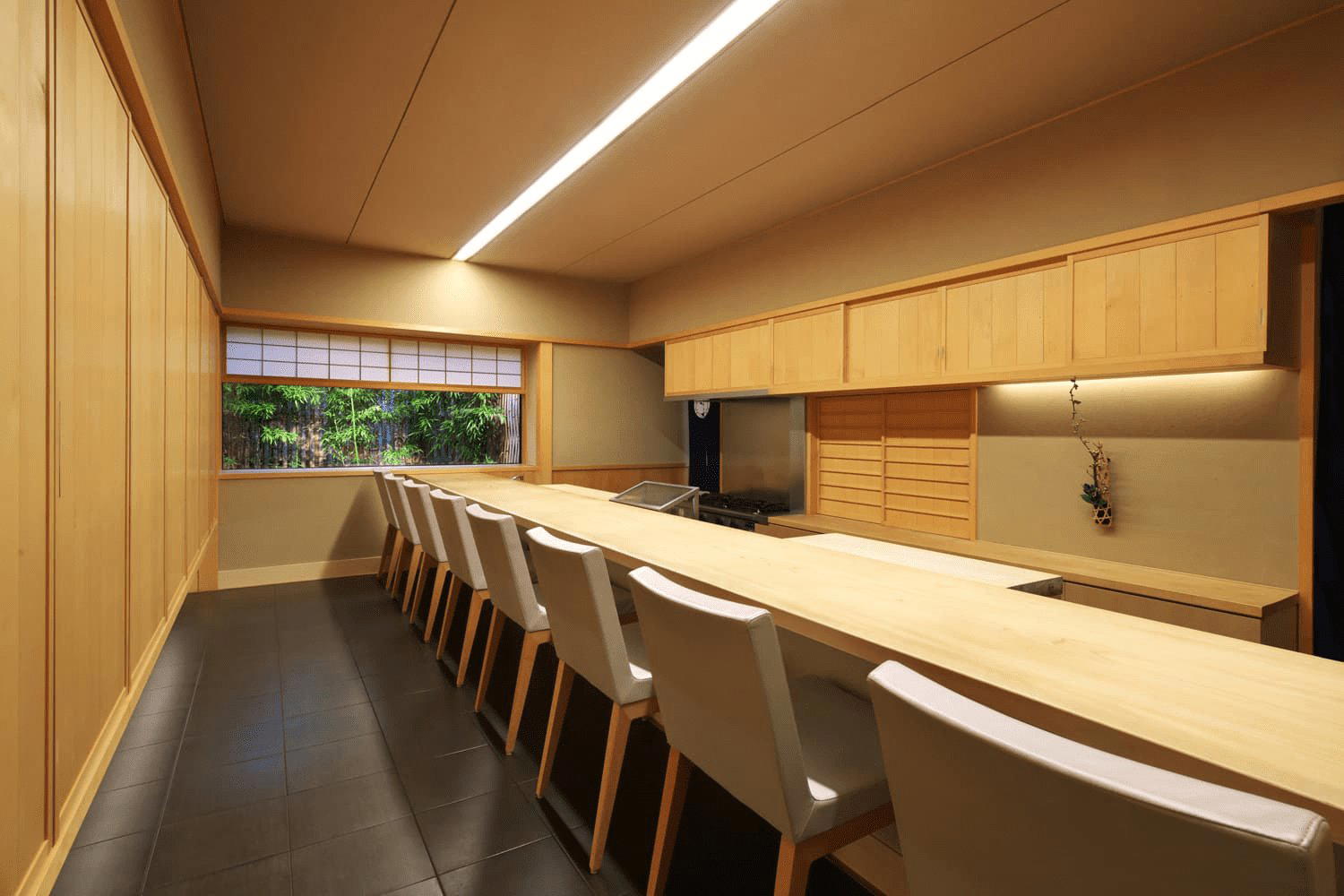
At a Glance
- Cozy
- Quiet
- Classic
- Solo
- Family
- Casual Hangout
- Group Dining
- Standalone
- Organic
- Local Sourcing
A small house-turned-ramen-shop with counter and simple table seating, non‑smoking and relaxed, often described as gentle, cozy, and welcoming for both solo diners and families.