
Tabelog 100 #68
Our verdict
Ajiraku Yumemi is a Kanazawa izakaya built around Ishikawa seafood, local sake, and a room format that can handle counter dining as well as larger tatami gatherings. Its Tabelog 100 Izakaya WEST 2025 selection places it in a more serious bracket than the casual tavern label suggests, with value coming from regional specificity rather than luxury staging.

Pearl is the En Primeur Club membership app — saves, bookings, and concierge access live there. Same editors, same standards.
- Address
- 1 Chome-3-33 Honmachi, Kanazawa, Ishikawa 920-0853, Japan
- Phone
- +81 76-255-3999
- Hours
- Mon–Tue 6–10 PMWed ClosedThu–Fri 6–10 PMSat 5:30–10 PMSun Closed
- Website
- ne.jp
- Directions
- Get directions
The menu
What to order
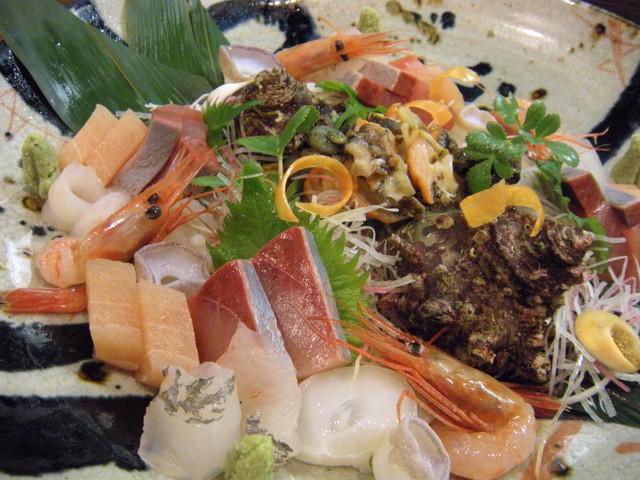
- Seasonal local sashimi from Okunoto
- Noto jidori (local chicken) dishes
- Noto pork dishes
- Kaga vegetable specialties
Honmachi runs to a different rhythm than Kanazawa’s museum-and-garden circuit. Near the station, the evening crowd is practical: office dinners, diners off trains, families, and sake drinkers who know an izakaya can be casual in format and serious in sourcing. Ajiraku Yumemi sits between everyday tavern and destination seafood room, where the category matters as much as the name on the door.
Kanazawa’s dining identity is often reduced to seafood and gold leaf, but geography explains it better: the Sea of Japan, Noto producers, Kaga vegetables, and a long local appetite for nihonshu. Izakaya culture turns those elements into dinner rather than ceremony. Grilled fish, sashimi, simmered dishes, fried plates, chicken, pork, vegetables, and sake can share the table without kaiseki pacing or sushi’s narrow focus. That flexibility is the value: range, locality, and enough informality to order by appetite.
Seafood izakaya value in a city that takes fish seriously
Read this room not as a bargain substitute for formal Japanese dining, but as a category with its own hierarchy. Kanazawa has polished restaurants where bills rise quickly with course structure, counter theatre, or premium beef. BIRD and Restaurant Ennu sit in a higher dinner band, while Sumi Sakana Sakana Wanaka and Shusui Daigo operate closer to the same spend level. Ajiraku Yumemi competes through fish, sake, and regional ingredients rather than tasting-menu choreography.
The cuisine label is broad: izakaya, Japanese cuisine, and seafood. In Ishikawa, a seafood-led izakaya is not just snacks with drinks; it is a flexible format for a region where the catch can define the table. The stated emphasis on fish, Noto chicken, Noto pork, Kaga vegetables, and local sake gives the meal a clear regional frame without formal omakase structure. For travelers, that can be more revealing than another high-control counter, because one table can move across the prefecture’s pantry.
Recognition separates serious izakaya from generic station-area dining. Selection for Tabelog 100 Izakaya WEST 2025, with prior selections in 2024, 2022, and 2021, is meaningful in this category. Tabelog’s Hyakumeiten lists are not Michelin equivalents, but for Japan’s everyday-to-specialist genres they mark sustained local attention. A 3.64 Tabelog score adds context: this is not trading only on transport convenience, but placed inside a competitive west Japan izakaya conversation.
A room built for counter drinkers, tatami groups, and sake-led dinners
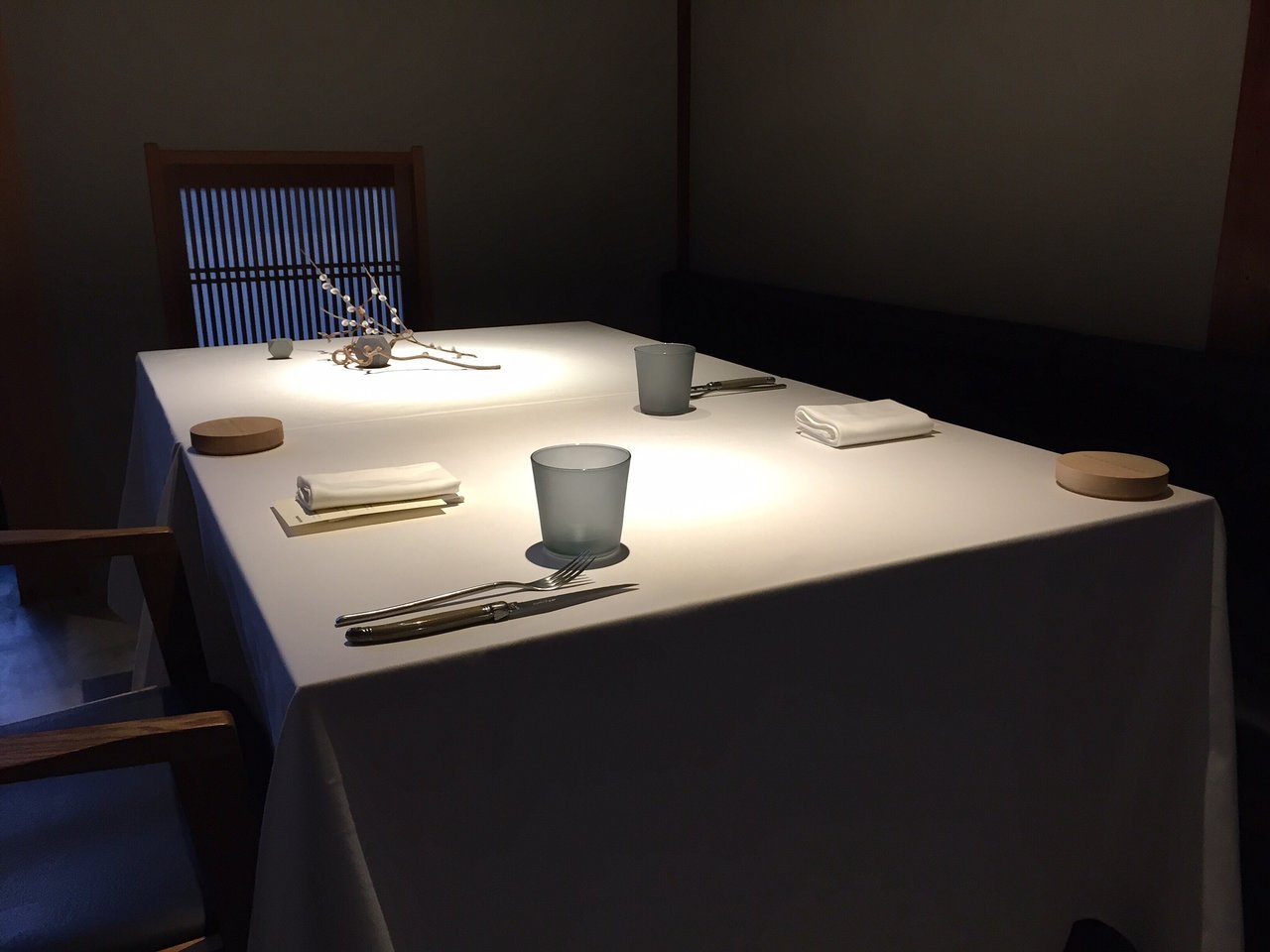
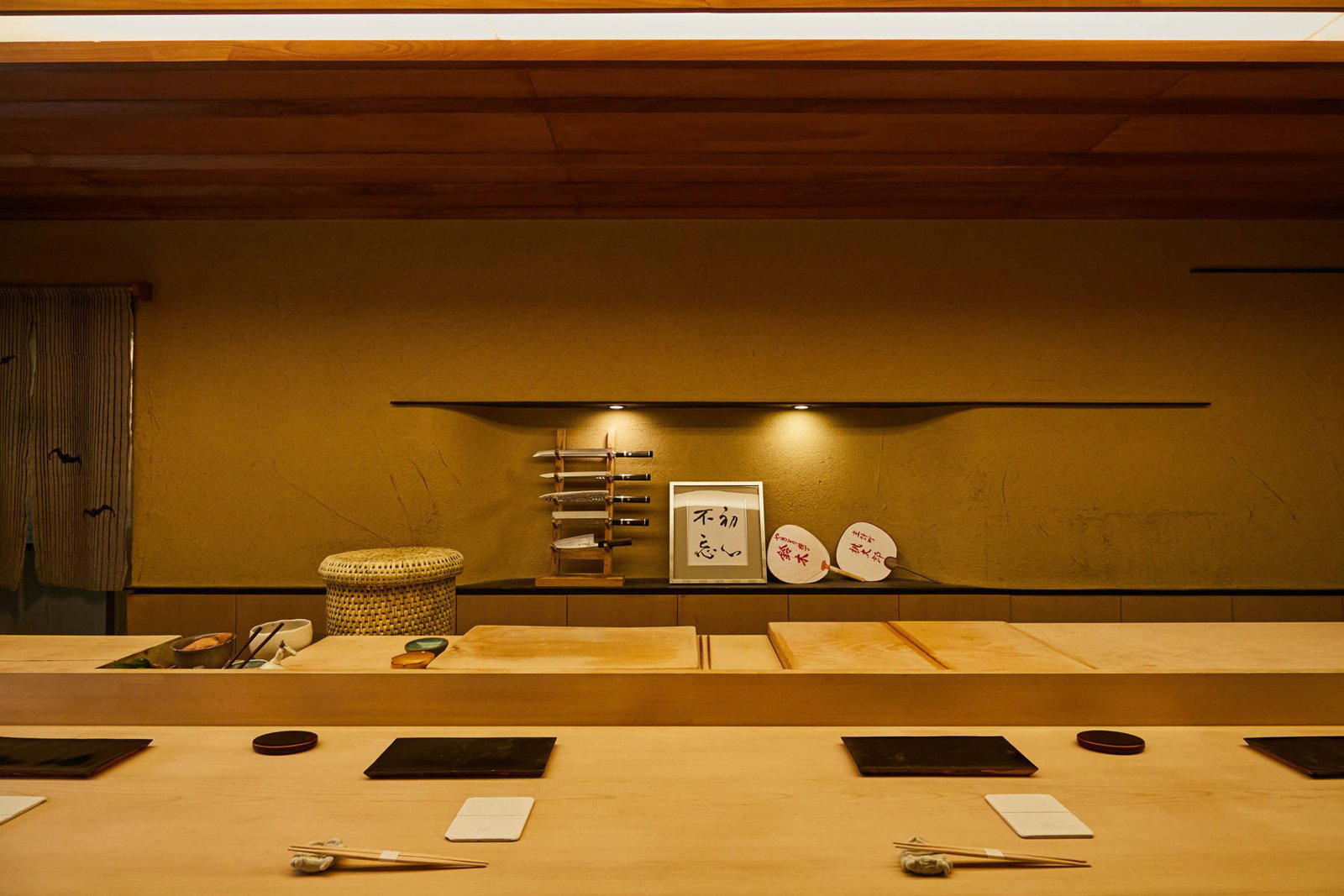
The format explains who should book. There are 53 seats across counter, sunken kotatsu, and tatami seating. In Kanazawa, many better seafood counters suit pairs more than groups; here, a solo diner or couple can take the counter, while friends or family can share plates and sake. Private rooms are listed for several group sizes, giving the venue a social range many small izakaya lack.
That structure changes the value calculation. At a strict counter restaurant, spend often buys proximity to technique. At a broader izakaya, it buys choice: fish, meat, vegetables, rice or closing dishes, sake, shochu, and wine if the table wants it. The drinks program is described around sake, shochu, wine, and particular attention to nihonshu, the right hierarchy for Ishikawa. Kanazawa’s stronger dinners reward drinkers who stay local rather than default to international labels.
The December 2009 opening is another trust signal. In a city with strong domestic tourism and shifting station-area traffic, staying relevant for more than a decade requires repeat local use, not only traveler discovery. The family-friendly note and non-smoking policy place it closer to modern regional dining than old tavern nostalgia, useful for visitors who want izakaya form without smoke-heavy rooms or a bar-only mood.
How to place it within a Kanazawa dining itinerary
For a short stay, schedule this when the itinerary needs Kanazawa specificity without a long formal progression. Kaiseki frames the city through season and service; sushi narrows the focus to rice, fish, and counter craft. This izakaya gives a broader read: local seafood, sake, vegetables, and group-style ordering in one meal. It is especially sensible after a day of Kanazawa sightseeing heavy hitters, when a rigid course dinner can feel like work.
It also fits a wider look at the city’s dining range, from casual imports and specialist sweets to yakiniku, Spanish cooking, and high-touch Japanese rooms. Useful reference points include 1/3 HAMBURGER FACTORY, 333, Aburi Niku Garan, Amanatto Kawamura, and Arroz (Spanish). For planning beyond one dinner, use Our full Kanazawa restaurants guide, alongside Our full Kanazawa hotels guide, Our full Kanazawa bars guide, Our full Kanazawa wineries guide, and Our full Kanazawa experiences guide.
Readers building a wider Japan file can compare how regional comfort formats shift by city: -Grilled beef Sukiyaki- KAMAKURA TANUKIAN 鎌倉 たぬき庵 in Kamakura frames beef through a different tradition. 鮪と炭火焼き うお炭 秋葉原店 in Tokyo points toward tuna and charcoal in the capital.cafe in Osaka sits in a different casual register, and.know in Kumamoto, (Shoku) Vietnam in Kawasaki, and [Curry Senmon Ten] Maruyama Kyoju. in Sapporo show how genre and locality pull Japanese city dining in different directions. Abroad, Jōdo Saké Bar in Los Angeles and Onigiri Time in Pasadena show how Japanese drinking and comfort-food formats translate outside Japan, often with more explanation and less regional immediacy.
The editorial case for Ajiraku Yumemi is strongest for diners who measure value by regional density. The spend buys a Kanazawa izakaya with repeated Tabelog recognition, seating variety for different party styles, and a meal anchored in Ishikawa ingredients and sake. In a city where seafood can become formal quickly, that balance is useful: serious enough to plan around, relaxed enough to let dinner behave like dinner.
Frequently asked questions
What's the price range at Ajiraku Yumemi?
Pricing at Ajiraku Yumemi is listed as JPY 6,000 - JPY 7,999.
Is Ajiraku Yumemi open every day?
Hours at Ajiraku Yumemi: Mon: 6–10 PM; Tue: 6–10 PM; Wed: Closed; Thu: 6–10 PM; Fri: 6–10 PM; Sat: 5:30–10 PM; Sun: Closed.
Where is Ajiraku Yumemi located?
Ajiraku Yumemi is located in Kanazawa.
What's the signature at Ajiraku Yumemi?
There is no single named signature dish in the public record. The clearest draw is the fish-focused izakaya format, with Noto seafood and sake setting the tone for dinner at this Kanazawa address, and the Tabelog 100 Izakaya WEST 2025 selection confirms its standing. Check the venue's official channels for the latest details.
Recognition, Side-by-Side
Comparable options at the same price tier.
| Venue | Cuisine | Price | Awards | Notes |
|---|---|---|---|---|
| Ajiraku Yumemi | Kanazawa izakaya with local seafood and sake | Not listed | Not listed | Kanazawa |
| Go! Go! Curry (ゴーゴーカレー) | Kanazawa-Style Japanese Curry | $10–20 | Not listed | Kanazawa Station |
| Aburi Niku Garan | Yakiniku Izakaya | $30–50 | Tabelog 100 #92 | Kanazawa |
| HUNI | Modern Japanese Izakaya Fusion | $30–50 | Not listed | Kanazawa |
| のとめぐり | Hokuriku Conveyor Belt Sushi | $20–30 | Not listed | Hirooka |
| Kuroyuri (黒百合) | Traditional Kanazawa Oden Izakaya | $20–30 | Not listed | Kanazawa Station |
Recognition history
Dated appearances from independent guides and award organizations, with the underlying list record or original source where available.
Tabelog 100 #68 · No. 68
Tabelog · Tabelog 100 - Izakaya - WEST - 2025
Continue exploring
More in Kanazawa
Restaurants in Kanazawa
Browse all →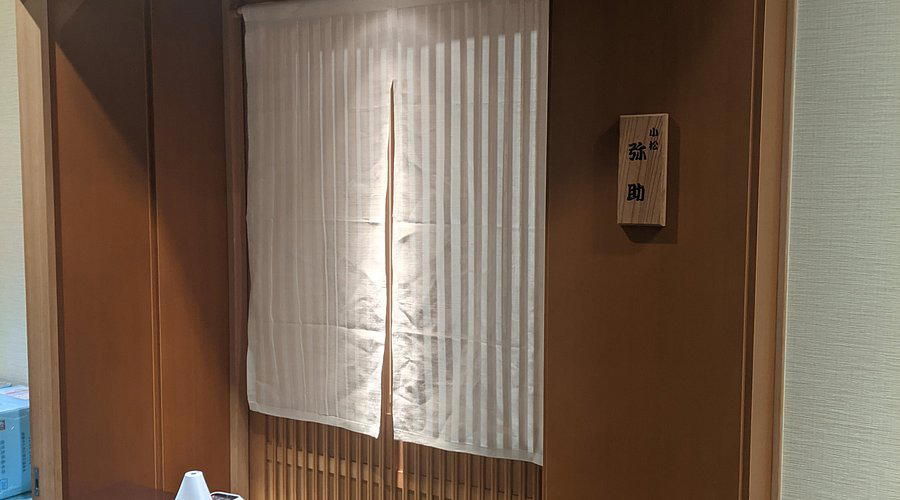
Bars in Kanazawa
Browse all →
Hotels in Kanazawa
Browse all →
Wineries in Kanazawa
Browse all →
Details
- Cozy
- Intimate
- Classic
- Casual Hangout
- After Work
- Group Dining
- Date Night
- Solo
- Late Night
- Standalone
- Historic Building
- Sake Program
- Beer Program
- Local Sourcing
- A La Carte
- Small Plates
- Counter Dining
- Sake
- Beer
Current opening hours
- Monday
- 6–10 PM
- Tuesday
- 6–10 PM
- Wednesday
- Closed
- Thursday
- 6–10 PM
- Friday
- 6–10 PM
- Saturday
- 5:30–10 PM
- Sunday
- Closed
Hours can change for holidays and private events. Last verified .
Warm, traditional izakaya atmosphere with counter and tatami seating, a slightly hidden "hideout" feel near Kanazawa Station, and a relaxed, friendly vibe suited to lingering over drinks and shared dishes in the evening.