か茂免 occupies a quietly serious position within Nagoya's kaiseki tradition, operating from Shirakabe in Higashi Ward, a neighbourhood of preserved merchant townhouses and old-money restraint. The format here follows the pacing and ritual of formal Japanese dining rather than the spectacle of destination restaurants. For visitors mapping premium Japanese cuisine beyond Tokyo and Kyoto, this address rewards attention.
Pearl is the En Primeur Club membership app — saves, bookings, and concierge access live there. Same editors, same standards.
- Address
- 4 Chome-85 Shirakabe, Higashi Ward, Nagoya, Aichi 461-0011, Japan
- Phone
- +81529318506
- Website
- ka-mo-me.com
- Directions
- Get directions
 Saves & bookings on Pearl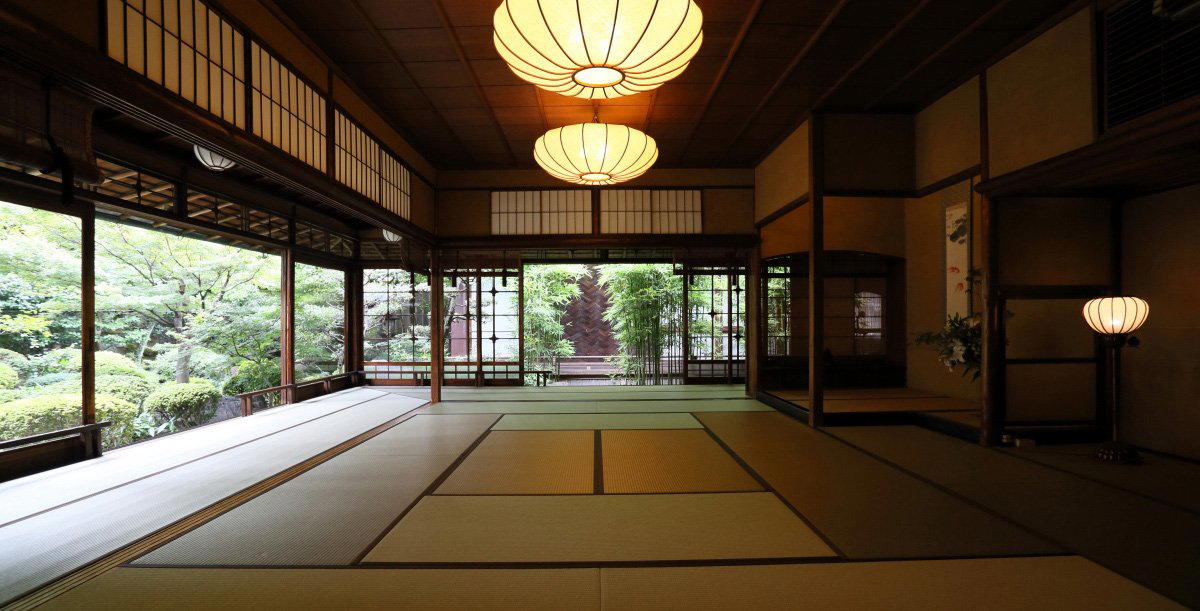
Shirakabe and the Weight of Formality
Higashi Ward's Shirakabe district arrives as a tonal shift from Nagoya's commercial centre. The whitewashed earthen walls that give the neighbourhood its name, shirakabe translates directly as white wall, line streets that have resisted the visual noise of modern retail. か茂免 sits within that register, its address at 4 Chome-85 Shirakabe placing it inside a precinct where the approach to a meal is understood as part of the meal itself.
This is not incidental geography. In Japan's formal dining tradition, the walk to a restaurant, the garden path, the threshold, and the waiting room are all understood as belonging to the experience of eating. Kaiseki-style establishments in particular have long treated spatial sequencing as a form of hospitality: the guest is composed before they sit, the environment calibrates expectation. Shirakabe, with its measured architectural character, provides that framing.
The Ritual Architecture of a Formal Japanese Meal
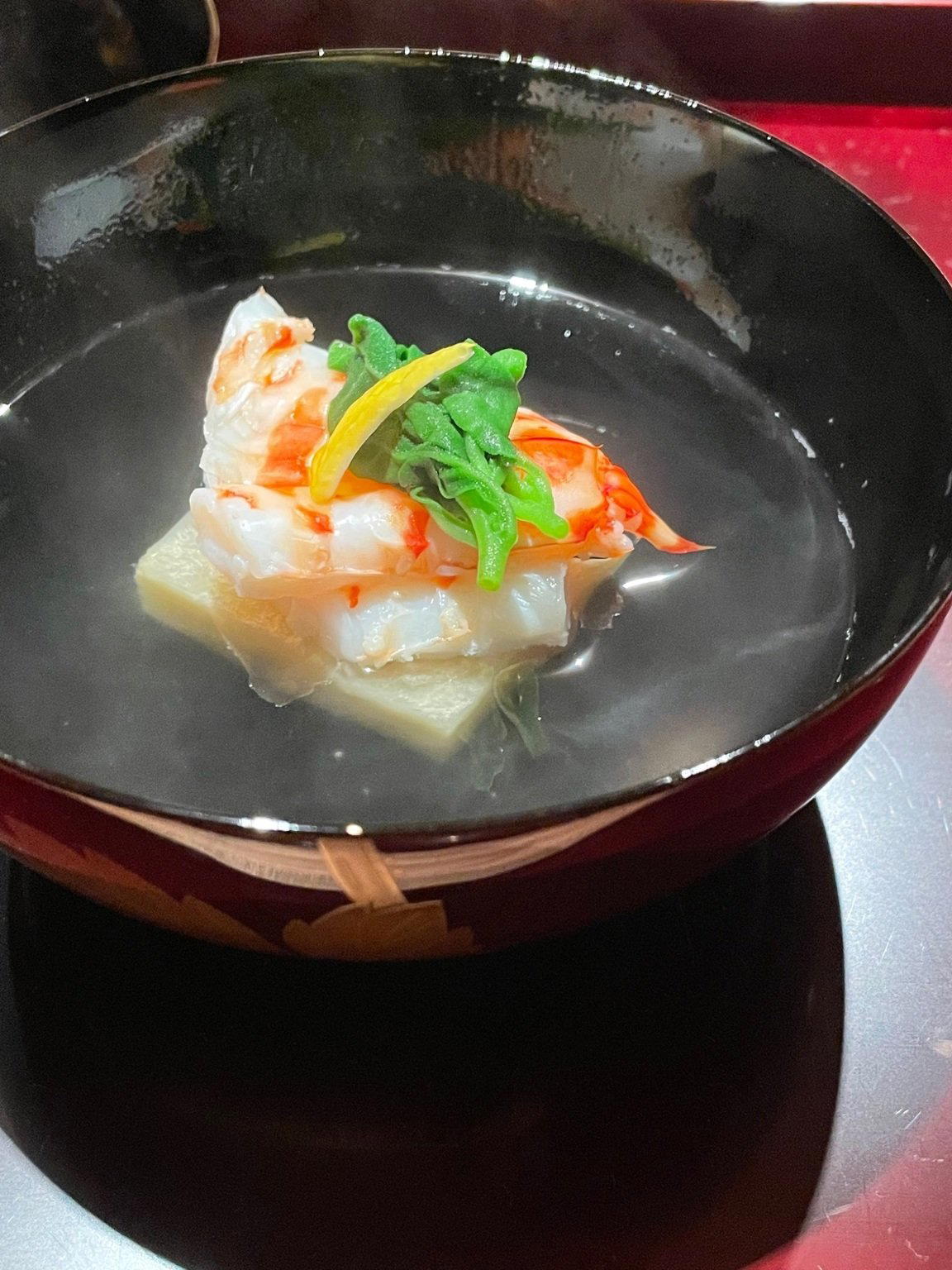
Japanese kaiseki, derived from the tea ceremony tradition of serving food before matcha, operates on a discipline of pacing that has no close Western equivalent. Courses arrive in a fixed order that moves from lighter to heavier, from raw to cooked, from delicate to assertive. Each stage is designed to accumulate rather than surprise: the diner is not interrupted but carried. This is a fundamentally different model from the tasting-menu format that dominates premium European dining, where individual dishes compete for attention.
At the high end of the Nagoya restaurant scene, which includes addresses like Atsuta Horaiken (あつた蓬莱軒 本店) for deep-rooted regional tradition and Italian-influenced rooms like cucina Wada and Bacio, ka Momen occupies a different position: one defined by adherence to Japanese dining ritual rather than the fusion or European-inflected formats that have become prominent in the city's premium tier. For visitors accustomed to the kaiseki tradition encountered in Kyoto, the register will be familiar; for those arriving from European tasting menus, the pacing requires a different kind of attention.
The etiquette of a formal Japanese meal rewards preparation. Arriving precisely on time is not courtesy but protocol. Conversation is modulated to the room. The ceramics and lacquerware that carry the food are themselves objects of consideration; it is common practice to hold a piece, examine it, acknowledge it before eating. These gestures are not performance, they are the grammar of the meal.
Nagoya in the Context of Japan's Regional Fine Dining
Japan's premium dining ecosystem is often mapped through Tokyo and Kyoto, with Osaka and Fukuoka acknowledged as secondary nodes. Nagoya occupies an interesting position in this geography: large enough to sustain multiple serious dining rooms, distinct enough in culinary character to maintain its own identity, but underrepresented in international editorial coverage relative to its actual depth.
The city's indigenous food culture, anchored in miso-heavy preparations, kishimen flat noodles, and the hitsumabushi eel tradition, runs in parallel to its fine-dining tier rather than through it. Premium Japanese restaurants in Nagoya draw on seasonal produce and fish supply chains that operate across the country, and the kaiseki tradition here connects to the same sourcing networks that supply comparable rooms in Gion Sasaki in Kyoto or HAJIME in Osaka.
Regional distinctions in kaiseki tend to be subtle: the ratio of dashi to seasoning, the preference for particular fish or vegetables, the weight given to the rice course. These are differences that a careful diner notices over multiple meals rather than on a first visit. What remains consistent across geographies is the structural logic of the meal and the relationship between host and guest that the format encodes.
Positioning and Peer Context
Nagoya's formal Japanese dining rooms sit within a national conversation that includes kaiseki addresses across Japan's major cities. Rooms like Harutaka in Tokyo and akordu in Nara operate in different formats and registers but share the same expectation of attentive, paced engagement from the diner. Further afield, Goh in Fukuoka demonstrates how regional fine dining can maintain national relevance through precise craft rather than scale or spectacle.
For visitors building a Japan itinerary around formal dining, Nagoya sits between Tokyo and Osaka and is workable as a dedicated dining stop rather than a detour. Addresses like か茂免, located in a residential neighbourhood of genuine architectural character, represent a type of dining room that does not need to compete for visibility.
Comparable formal dining outside Japan, Le Bernardin in New York City or Atomix in New York City, share the commitment to pacing and ritual, though through entirely different culinary traditions. The connective tissue is the understanding that premium hospitality is a structured act, not a series of improvised gestures.
Planning a Visit
か茂免 operates in the Shirakabe district of Higashi Ward, a neighbourhood best approached with time to walk rather than a taxi to the door. Reservations are essential; contacting the restaurant directly or working through a hotel concierge in Nagoya is the reliable method. Dress should align with the register of the room: subdued, considered, without strong fragrance.
For visitors building out a broader Nagoya dining programme, the city's offer extends well beyond this register. Chez Kobe and Cucina Italiana Gallura represent different points on the city's premium spectrum, and Atsuta Horaiken remains the reference address for the regional hitsumabushi tradition. Across Japan's regional dining network, addresses like 一本杉川嶋 in Nanao, 夕が亭 in Sapporo, 湖籟庵 in Takashima, 庄羽屋 in Nishikawa Machi, and Birdland in Sakai each illustrate how Japan's formal dining tradition distributes itself across geography without concentrating solely in its largest cities.
Side-by-Side Snapshot
Comparable venues nearby, for context on price, style, and recognition.
| Venue | Cuisine | Price | Notes |
|---|---|---|---|
| か茂免This venue — the venue you are viewing | Traditional Japanese Kaiseki & Fugu | $$$$ | Not listed |
| Nako Tei | Luxury Japanese Teppanyaki | $$$$ | Nakamura |
| Myoan | Seasonal Japanese Kappo / Kaiseki | $$$$ | Higashi |
| Teppan Dining Shuu Sakae ten | Creative Wagyu Teppanyaki | $$$$ | Naka |
| Setsugekka Nagoya | Premium Wagyu Niku Kappo | $$$$ | Nakamura |
| Mikan Kotohogi | Seasonal Japanese Kaiseki | $$$ | Higashi |
Continue exploring
More in Nagoya
Restaurants in Nagoya
Browse all →
At a Glance
- Classic
- Elegant
- Cozy
- Quiet
- Scenic
- Business Dinner
- Special Occasion
- Celebration
- Private Event
- Private Dining
- Garden
- Sake Program
- Local Sourcing
- Garden
Current opening hours
- Monday
- 11:30 AM–3 PM, 5:30–10 PM
- Tuesday
- 11:30 AM–3 PM, 5:30–10 PM
- Wednesday
- 11:30 AM–3 PM, 5:30–10 PM
- Thursday
- 11:30 AM–3 PM, 5:30–10 PM
- Friday
- 11:30 AM–3 PM, 5:30–10 PM
- Saturday
- 11:30 AM–3 PM, 5:30–10 PM
- Sunday
- 11:30 AM–3 PM, 5:30–10 PM
Hours can change for holidays and private events. Last verified .
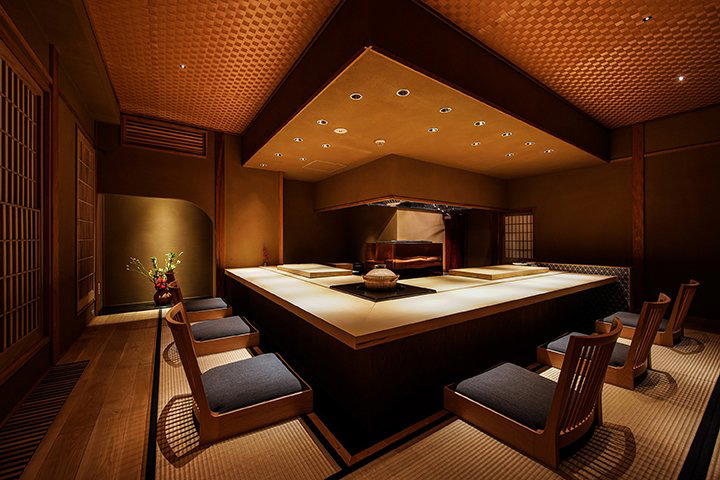
閑静で風雅な庭園ビュー個室中心の落ち着いた空間、畳の回廊と座敷が昔ながらの趣を伝える