
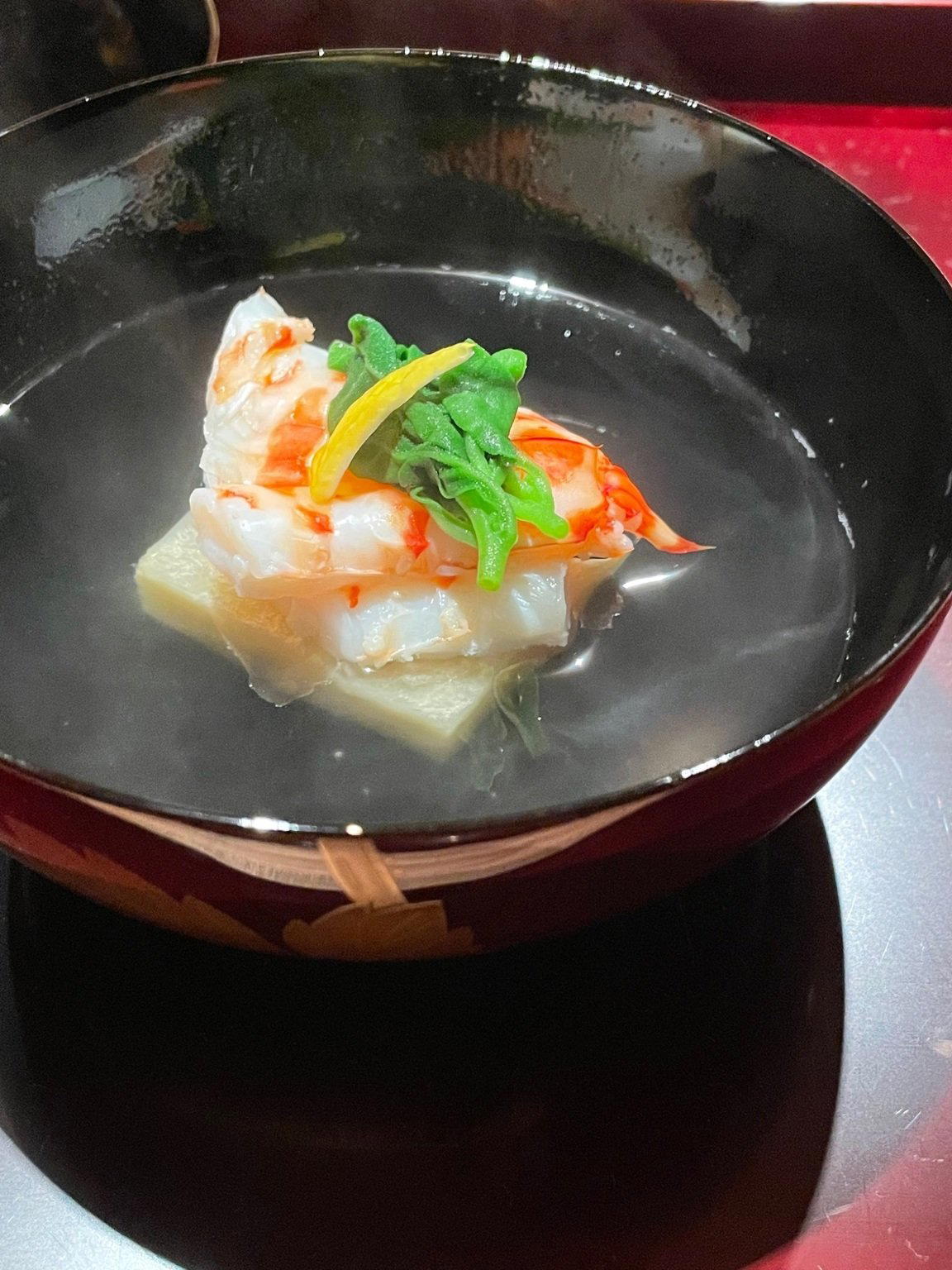
Mikan Kotohogi sits in Nagoya’s small, serious tier of Japanese cuisine: nine seats, dinner-only service, and selection for Tabelog Japanese cuisine EAST “Tabelog 100” in 2021, 2023, and 2025. Its appeal is less about spectacle than discipline, with a format that rewards diners interested in seasonality, restraint, and the low-waste logic built into traditional Japanese kitchens.
Pearl is the En Primeur Club membership app — saves, bookings, and concierge access live there. Same editors, same standards.
- Address
- Japan, 〒461-0001 Aichi, Nagoya, Higashi Ward, Izumi, 2 Chome−1−28 ヴィアーレ ストーリア 2A-2
- Phone
- +81 80-2726-3335
- Website
- res-reserve.com
 Saves & bookings on Pearl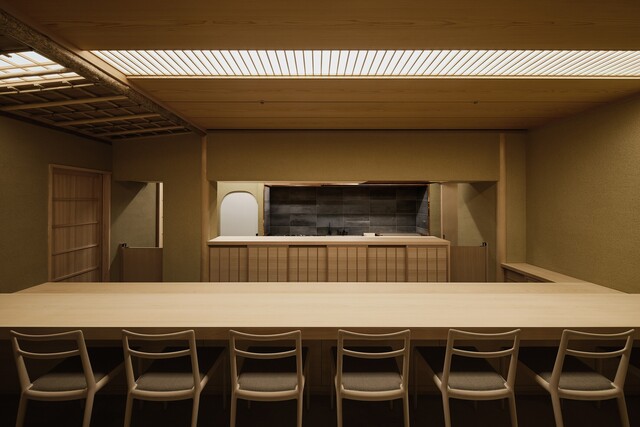
Izumi is one of Nagoya’s calmer dining districts, with the city’s sharper restaurants often tucked above street level rather than staged for passing traffic. In that setting, Mikan Kotohogi belongs to a Japanese dining tradition where the room, the pacing, and the number of seats matter as much as the cooking category. Nine seats create a narrow margin for waste and error: purchasing, preparation, and service have to be controlled, and the meal depends on a kitchen thinking in portions rather than abundance.
That scale matters in Nagoya, a city better known internationally for miso katsu, hitsumabushi, and commuter-friendly comfort food than for destination Japanese counters. The higher-priced end of the city’s Japanese cuisine scene is quieter and more appointment-driven. Mikan Kotohogi, selected for Tabelog Japanese cuisine EAST “Tabelog 100” in 2021, 2023, and 2025, sits in that serious bracket, with a dinner price range of JPY 30,000 to JPY 39,999 and a format aimed at diners who understand that restraint is not the same as austerity.
A nine-seat Japanese counter where seasonality does the heavy lifting
Environmental consciousness in Japanese fine dining rarely announces itself through slogans. It appears in the older grammar of the cuisine: seasonal purchasing, trim-minded preparation, broths and garnishes that use ingredients with precision, and a service model that avoids feeding an anonymous crowd. At a nine-seat restaurant, over-ordering has consequences. The small room forces a closer relationship between the number of guests expected and the amount of produce, fish, and prepared components required for the evening.
This is where Mikan Kotohogi’s positioning becomes more interesting than a simple price tag. At the lower end of Nagoya dining, places such as Gin no Kura Honten operate around everyday affordability, while LAO PASA sits in a casual midrange lane. Chisouan Hijiri and Kofukusai Kamekichi move into a more deliberate dinner tier, and Ciotto Giotto prices higher still in a different culinary register. The restaurant’s bracket is not casual luxury; it is the small-seat Japanese cuisine tier, where the cost reflects labor, sourcing discipline, and limited capacity rather than theatrical excess.
The Tabelog recognition is useful because it places the restaurant inside a broader East Japan Japanese-cuisine conversation, not merely a Nagoya one. Tabelog’s Hyakumeiten lists reward consistency and public diner confidence over flash, which suits this category. For travelers, that matters: Nagoya has fewer globally familiar fine-dining signposts than Tokyo or Kyoto, so repeated inclusion in a category list gives a clearer signal than a decorative dining room or a long menu description.
Nagoya's quieter luxury is built on control, not volume
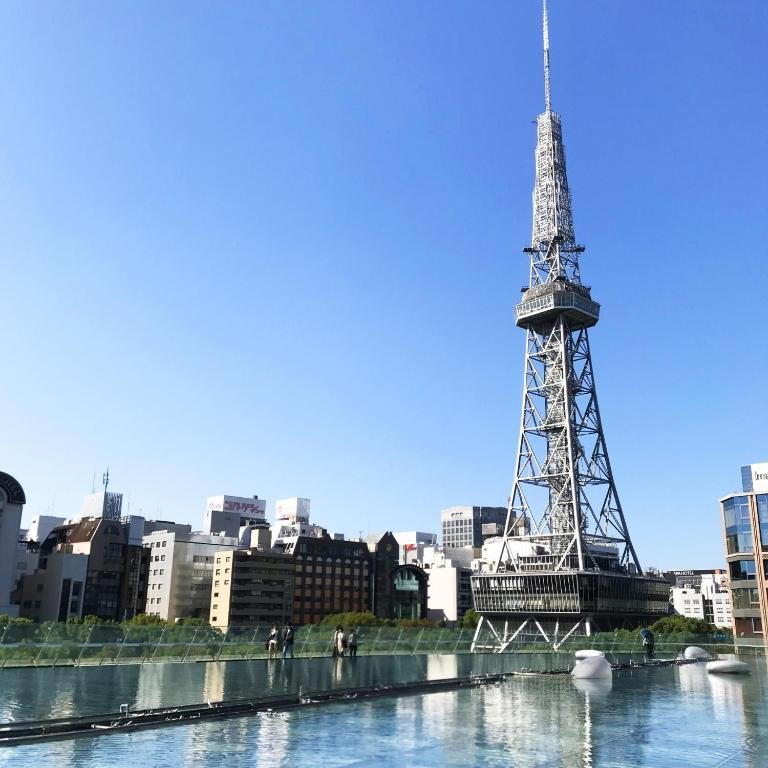
Nagoya’s dining identity is often misunderstood by visitors who pass through between Tokyo and Kyoto. The city’s strength is not only local comfort dishes, but also the way regional capital supports precise, low-capacity restaurants without turning every serious table into an international performance. Izumi and the Higashi Ward side of the city suit that mood: central enough for destination dining, restrained enough to avoid the tourist churn of station-side restaurant floors.
In sustainability terms, this kind of restaurant occupies an older, less branded model. A small Japanese kitchen cannot hide behind scale. The format pushes careful buying and a short feedback loop between reservation count and preparation. Non-smoking service also fits the contemporary expectation for a dining room where aroma and pacing are protected. Private rooms are not part of the setup, which keeps the focus on the shared rhythm of a compact restaurant rather than compartmentalized entertaining.
There is a cultural point here as well. Japanese cuisine has long treated seasonality as structure rather than decoration. That does not require naming specific ingredients to understand the stakes: menus in this tier are expected to move with the calendar, and the diner pays for timing, judgment, and restraint. In a city with plenty of inexpensive, high-satisfaction eating, a JPY 30,000-plus Japanese dinner needs to justify itself through precision. The repeated Hyakumeiten selections suggest that local and regional diners see that precision clearly enough to return to it.
How to read it against the rest of Nagoya
For visitors mapping a Nagoya trip, the restaurant makes the strongest case as the serious Japanese dinner rather than the broad introduction to the city’s food culture. The first-time Nagoya itinerary still needs local staples and casual counters; this is the reservation for a narrower question: how does the city handle refined Japanese cuisine when it is not borrowing Kyoto’s temple-town imagery or Tokyo’s global chase for prestige?
That distinction matters when comparing across categories. A hotel dining room may offer ease, a bar may carry the evening after dinner, and a casual restaurant may explain Nagoya faster. This restaurant explains a different side of the city: compact, seasonal, and governed by the economics of a room with only nine seats. It is a fit for diners who value quiet concentration over menu sprawl, and for travelers who want one dinner that shows how Nagoya participates in Japan’s higher-end Japanese cuisine conversation without turning the meal into a performance piece.
For broader trip planning, use Our full Nagoya restaurants guide alongside Our full Nagoya hotels guide, Our full Nagoya bars guide, Our full Nagoya wineries guide, and Our full Nagoya experiences guide. Nearby and related restaurant pages include 1022, 451, Aaron, Alan., and All Day Dining Montmartre. Wider Japan and Japanese-dining references include -Grilled beef Sukiyaki- KAMAKURA TANUKIAN 鎌倉 たぬき庵 in Kamakura. 鮪と炭火焼き うお炭 秋葉原店 in Tokyo.cafe in Osaka.know in Kumamoto, (Shoku) Vietnam in Kawasaki, [Curry Senmon Ten] Maruyama Kyoju. in Sapporo, Jōdo Saké Bar in Los Angeles, and Onigiri Time in Pasadena.
City Peers
Comparable venues to anchor price and recognition.
| Venue | Cuisine | Price | Notes |
|---|---|---|---|
| Mikan KotohogiThis venue — the venue you are viewing | Seasonal Japanese Kaiseki | $$$ | Not listed |
| Yakiniku Taiga | Modern wagyu yakiniku | $$$ | Naka |
| Kappo Yabushita | Traditional Japanese Kappo | $$$ | Naka |
| Hikizan Tashizan | Modern Yakitori Counter | $$$ | Chikusa |
| Kikkou Hanare | Seasonal Omakase Sushi Counter | $$$ | Nishi |
| Otoubashi Sumiy | Seasonal Japanese Kaiseki | $$$ | Nakagawa |
Recognition history
Dated appearances from independent guides and award organizations, with the underlying list record or original source where available.
Tabelog 100 #33 · No. 33
Tabelog · Tabelog 100 - Japanese cuisine - EAST - 2025
Continue exploring
More in Nagoya
Restaurants in Nagoya
Browse all →
At a Glance
- Cozy
- Intimate
- Classic
- Elegant
- Date Night
- Special Occasion
- Business Dinner
- Celebration
- Solo
- Standalone
- Design Destination
- Sake Program
- Local Sourcing
Current opening hours
- Monday
- 5:30–8 PM, 8:30–11 PM
- Tuesday
- 5:30–8 PM, 8:30–11 PM
- Wednesday
- Closed
- Thursday
- 5:30–8 PM, 8:30–11 PM
- Friday
- 5:30–8 PM, 8:30–11 PM
- Saturday
- 5:30–8 PM, 8:30–11 PM
- Sunday
- 5:30–8 PM, 8:30–11 PM
Hours can change for holidays and private events. Last verified .
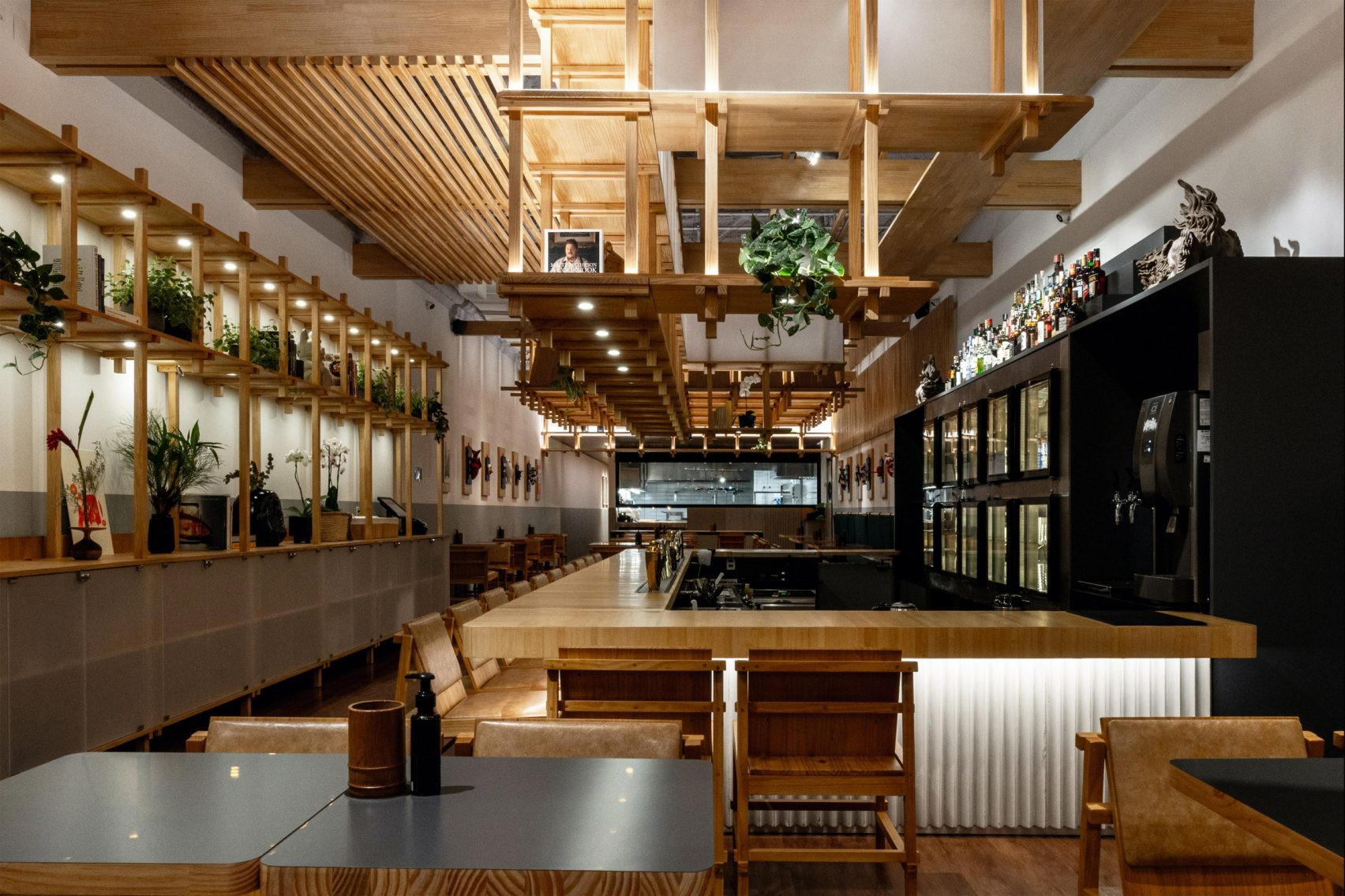
A small, quietly elegant Japanese dining room with counter seating and a few tables, warm lighting, and a calm, refined atmosphere suited to focused appreciation of seasonal dishes and sake.