Located in Kanazawa's Hikosomachi district, this address sits within one of Japan's most celebrated food cities, where Kaga cuisine traditions and proximity to Noto Peninsula seafood set a high baseline for any kitchen. The venue occupies a neighbourhood that rewards those who walk slowly and pay attention to what the streets are actually telling them about how Kanazawa eats.
 Discover on Pearl
Pearl is the En Primeur Club membership app — saves, bookings, and concierge access live there. Same editors, same standards.
- Address
- 1 Chome-8-26 Hikosomachi, Kanazawa, Ishikawa 920-0901, Japan
- Phone
- +815058708418
- Website
- kibatani.com
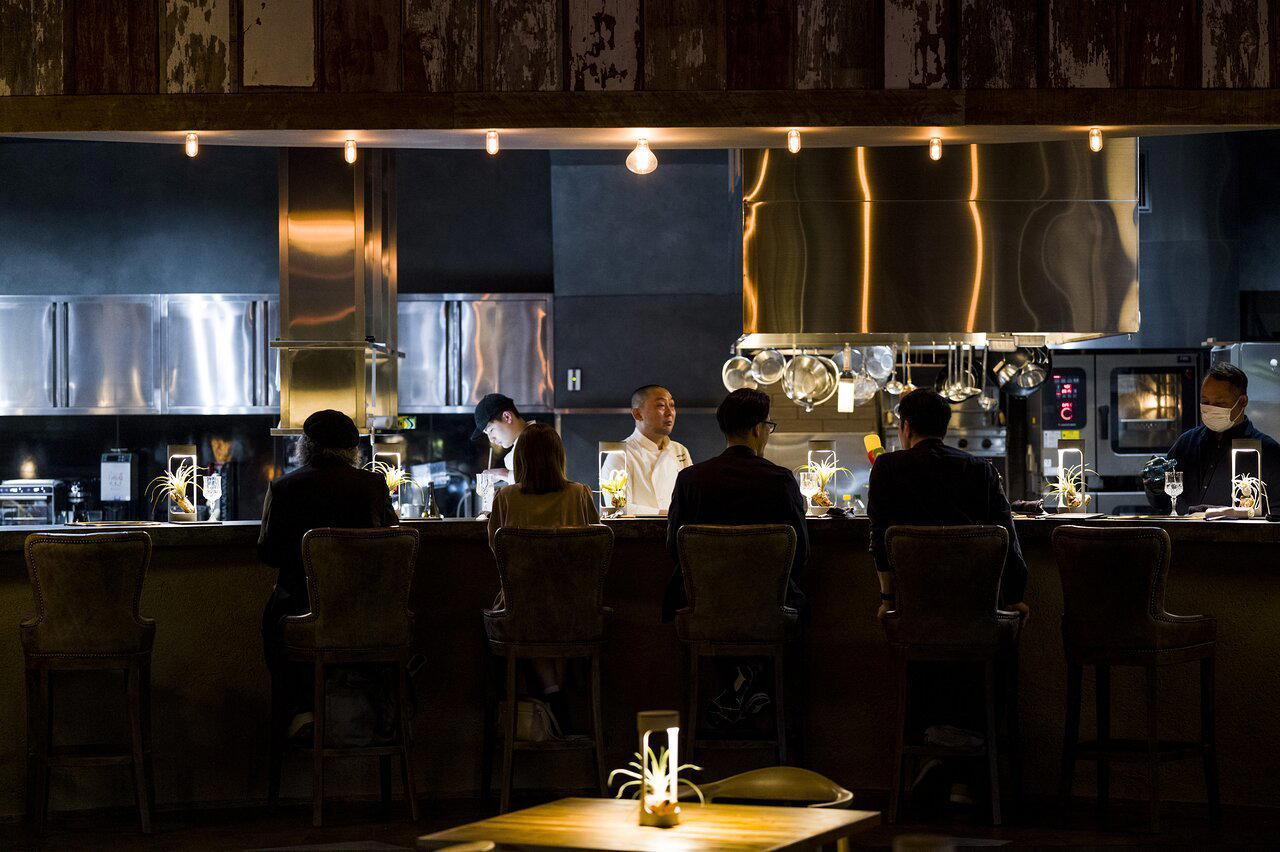
What Hikosomachi Tells You Before You Sit Down
鮨 æ¨å ´è°· is a restaurant in Kanazawa, Japan, serving Traditional Kaga Kaiseki, with a Google rating of 4.5 from 198 reviews. Kanazawa has spent decades resisting the gravitational pull of Tokyo's dining monoculture, and the Hikosomachi area is one of the places where that resistance is most legible. The address at 1 Chome-8-26 Hikosomachi sits inside a city that has been described by food historians as Japan's most self-sufficient regional food culture, a claim that holds up when you consider the combination of Noto Peninsula seafood, Kaga vegetables cultivated over centuries, and a merchant-class tradition that demanded sophisticated food without the ostentation of Kyoto's imperial register. Walking into this neighbourhood, the architecture narrows, the pace drops, and the logic of the city shifts from transit to dwelling. That shift matters for how you eat here.
Kanazawa's dining culture tends to express itself most clearly in the gap between what it shows and what it withholds. Storefronts are often deliberately underwritten, a暖簾 (noren) curtain, a small lantern, a name card. The theatrics are saved for what arrives at the table, not what draws you through the door. This is a city where the comparison set for any serious kitchen is not Tokyo or Osaka but the local tradition itself, which means the pressure to perform is internal rather than competitive in a metropolitan sense. Places like Dokkan and kaiseki rooms such as Zeniya have built reputations over years precisely by holding to that inward standard.
The Sensory Register of a Kanazawa Kitchen
The sensory character of serious dining in Kanazawa is built around restraint applied with precision rather than minimalism for its own sake. Kaga cuisine, the regional idiom that frames the city's food identity, operates with a preference for technique that draws out umami from the ingredient rather than adding to it. The smell of dashi prepared from local kombu and katsuobushi in a Kanazawa kitchen has a particular weight to it, less sharp than the broths you encounter in Tokyo ramen shops, more integrated, more patient. That olfactory register is a reliable signal of where a kitchen sits in its own tradition.
Sound, too, carries meaning. The controlled percussion of a kaiseki service, lacquerware lids lifted, ceramic set down, the low register of a staff exchange, operates differently from the open-kitchen energy of a Western tasting counter. Silence is not absence here; it is the medium through which care is communicated. For comparison, think of how Gion Sasaki in Kyoto or HAJIME in Osaka each use the acoustic design of their rooms to shape the pace of eating. Kanazawa kitchens tend to pull further toward the quiet end of that spectrum.
Light in Hikosomachi's older dining rooms is typically warm and directional, enough to read the colour of a dish without washing it out. The presentation of Kaga cuisine has historically prioritized natural colour over architectural plating: the deep red of snow crab roe, the translucent white of winter yellowtail, the muted green of fu (wheat gluten) shaped and coloured to suggest the season. These are not decorative choices but a form of communication about provenance and timing that a trained diner learns to read across a full service.
Where Kanazawa Fits in Japan's Regional Dining Picture
Japan's regional dining geography has shifted meaningfully over the past decade. Cities like Fukuoka, Nara, and Akita have developed dining identities distinct enough to draw international visitors specifically for the food, a pattern visible in the growing critical attention paid to rooms like Goh in Fukuoka, akordu in Nara, and affetto akita in Akita. Kanazawa has occupied a different position in that map: not a city building a new identity, but one defending and refining an old one. The food infrastructure here, the Omicho market, the sake breweries, the preserved samurai and geisha districts, supports a culinary culture that has been continuous rather than reinvented.
That continuity means Kanazawa kitchens are typically evaluated against a local standard first. The comparison is not with Harutaka in Tokyo or Le Bernardin in New York City but with the long line of Kaga-tradition kitchens that have shaped what this city expects from a serious meal. This is a meaningful distinction: it places the emphasis on depth of knowledge rather than breadth of innovation, and it rewards diners who arrive with some understanding of what they are eating and why.
Hikosomachi is best approached in the evening, when the streets take on the quality the district is known for locally.
What the Address Implies About the Format
Kanazawa's food culture spreads across formats that range from the street-level directness of Go! Go! Curry to the refined register of kaiseki rooms and specialty counters. The Hikosomachi address places this venue within the older, more residential grain of the city, a zone that typically hosts smaller-format operations rather than large dining rooms. That spatial context is relevant: Kanazawa's most serious kitchens have historically operated with limited covers, which means service attention per diner is higher but availability requires planning. The comparison holds with other craft-focused venues in the city like Amanatto Kawamura and Hakuichi, each of which occupies a niche built on depth of specialization rather than volume.
For diners working through the wider Kanazawa picture, Budoonomori Les Tonnelles represents the French-inflected end of the city's range, while Hamagurizaka Maekawa holds a position in the yakitori tier. The city's dining breadth across format and price point is one of its arguments for multiple visits. For those calibrating their regional Japan itinerary further, comparable depth exists at Aji Arai in Oita, Akakichi in Imabari, Ajidocoro in Yubari District, and Abon in Ashiya, each operating within its own regional idiom, and Lazy Bear in San Francisco offers a useful reference point for the communal-format dining that has increasingly influenced how progressive Japanese kitchens think about service pacing.
Planning Your Visit
Kanazawa's dining season peaks in winter, when snow crab (zuwaigani) season runs from November through March and the city's seafood counters operate at the highest level of their annual cycle. Spring brings the bamboo shoots and mountain vegetables that define the transitional kaiseki repertoire. The Hikosomachi district is reachable on foot from Kanazawa Station in roughly twenty to twenty-five minutes, or by the Kanazawa Loop Bus which connects the major cultural districts. Kanazawa rewards the kind of planning that leaves some flexibility in it.
Comparable Venues
Comparable venues nearby, for context on price, style, and recognition.
| Venue | Cuisine | Price | Notes |
|---|---|---|---|
| 鮨 æ¨å ´è°·This venue — the venue you are viewing | Traditional Kaga Kaiseki | $$$ | |
| くら竹 | Kanazawa Sushi Omakase | $$$ | Kanazawa |
| Sushi Ikuta | Seasonal Edomae-Style Sushi Omakase | $$$ | Kanazawa |
| 333 | Hinai Chicken Yakitori | $$$ | Kanazawa |
| Ajiraku Yumemi | Kanazawa izakaya with local seafood and sake | $$ | Kanazawa |
| Sushi Dokoro Mekumi | Traditional Japanese Omakase | $$$$ | Nonoichi |
Continue exploring
More in Kanazawa
Restaurants in Kanazawa
Browse all →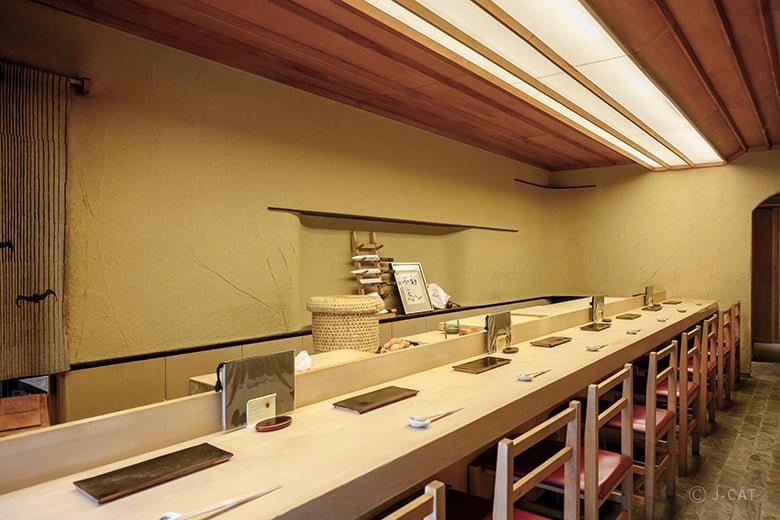
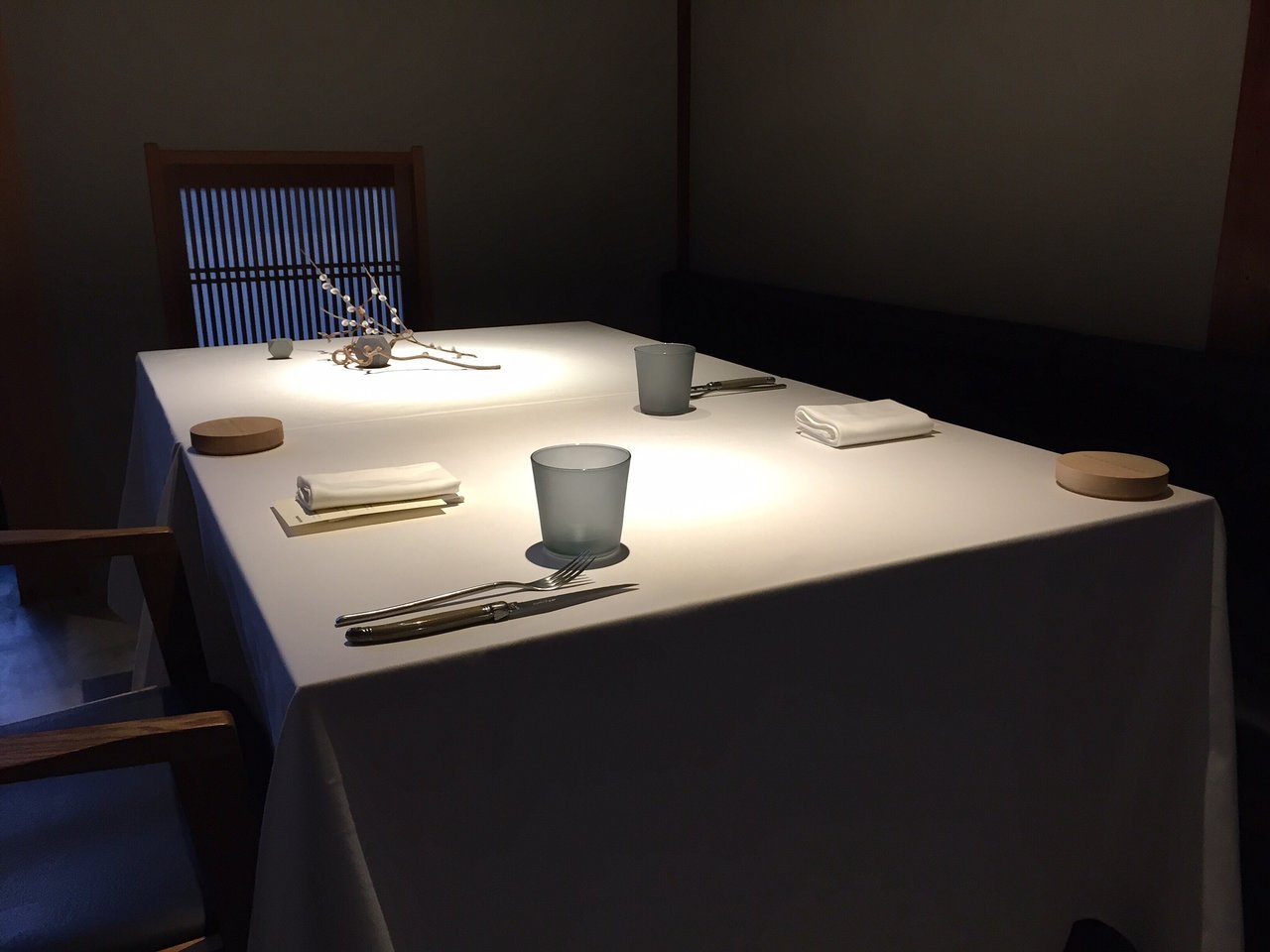
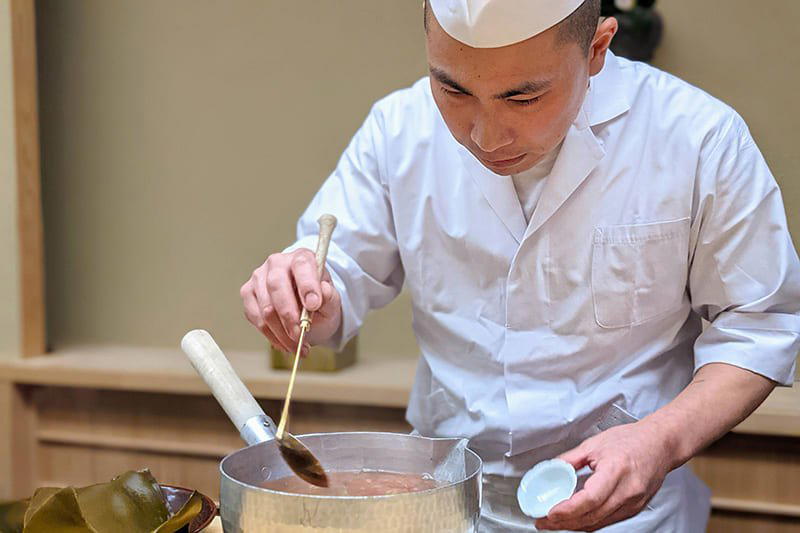
At a Glance
- Classic
- Elegant
- Intimate
- Special Occasion
- Date Night
- Chefs Counter
- Open Kitchen
- Local Sourcing
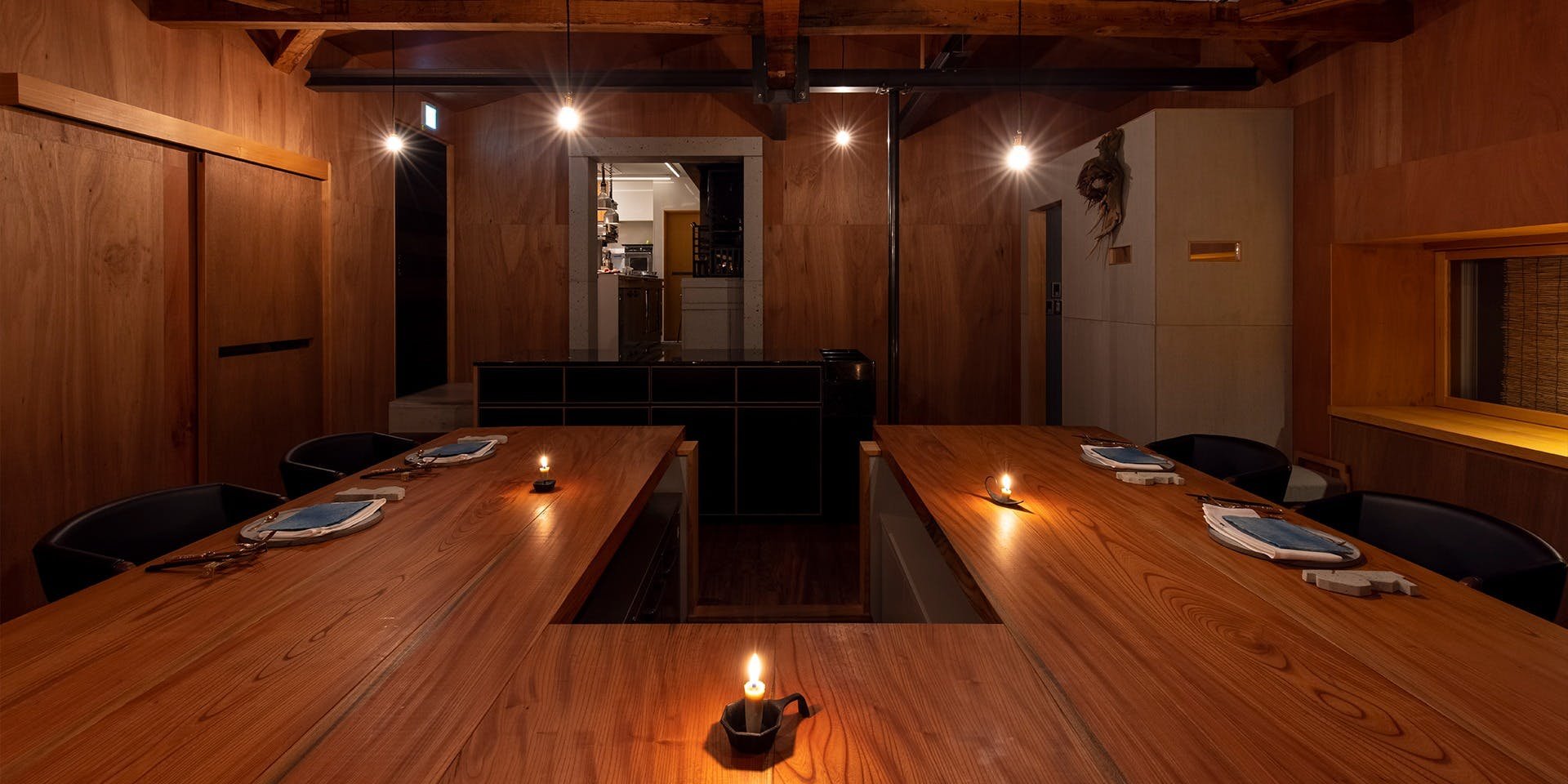
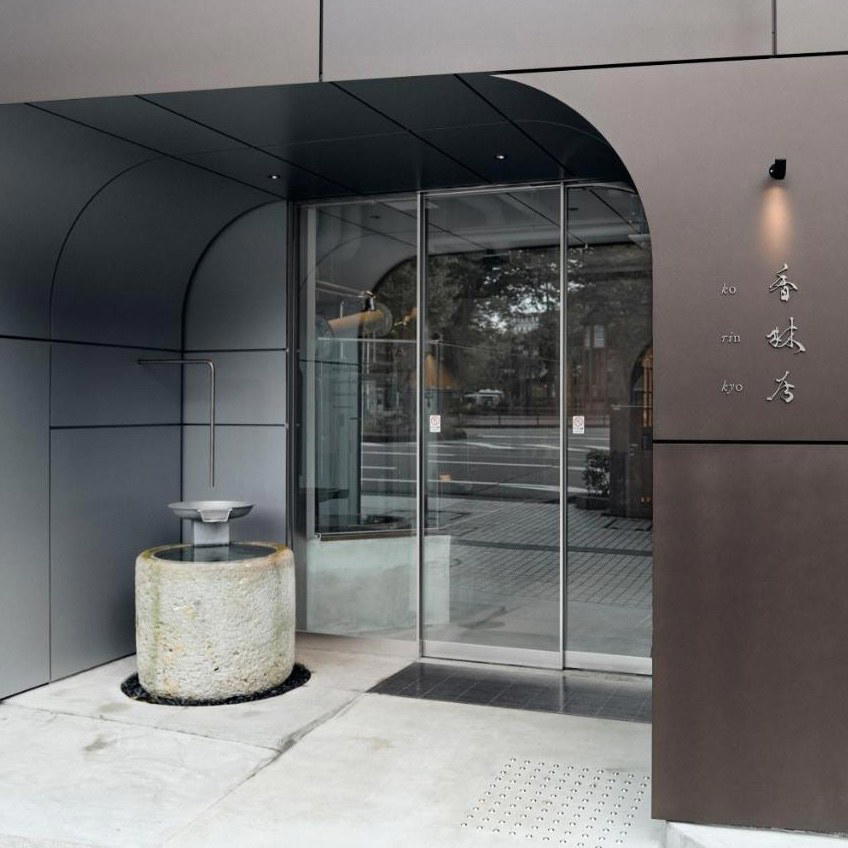
Refined and serene with traditional Japanese aesthetic, intimate counter and table seating creating an exclusive dining atmosphere.