
Tabelog 100 #57
Our verdict
Kanazawa’s dinner culture often moves between seafood formality, kappo counters, and compact specialist rooms. 333 belongs to the city’s focused chicken-and-yakitori tier, with a 14-seat format, counter seating, wine and sake, and selection for Tabelog 100 Chicken Cuisine 2025 placing it in a national conversation rather than a purely local one.

Pearl is the En Primeur Club membership app, where members save venues, book tables and use the concierge.
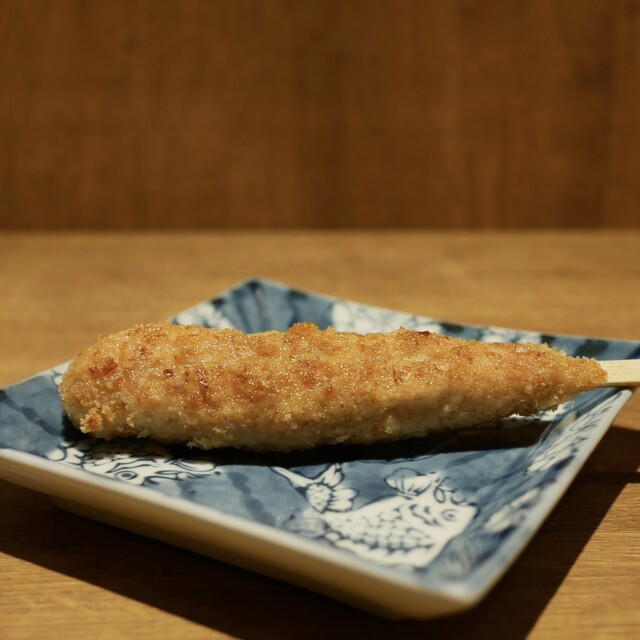
Horikawamachi is close enough to Kanazawa Station to feel practical, but the dining mood shifts quickly beyond the ticket gates and hotel lobbies. The area’s better small restaurants trade on compression: short walks, narrow rooms, counter seats, and menus for diners who know Kanazawa’s food culture is not only snow crab, sushi, or kaiseki formality. Chicken cookery has its own grammar here, and 333 sits in that tighter, casual evening register.
Yakitori in Japan is often misread by visitors as simple grilling. At serious counters it is closer to butchery, heat management, and pacing. Different cuts need different timing; salt and tare are structural, not decorative; and the counter matters because sequence shapes the meal as much as individual skewers. In a city where seafood gets louder travel attention, a compact chicken specialist adds another view of how Kanazawa eats after dark.
Chicken cookery gives Kanazawa a counterpoint to seafood formality
Kanazawa’s reputation is tied to the Sea of Japan, Kaga vegetables, lacquerware hospitality, and the refined visual codes of tea culture. That context can flatten the city into one dining expectation: polished seafood, high ceremony, and tourist-facing omakase. The stronger reading is broader. The city supports high-spend counters such as ORIGO and Koide, everyday bowls at Menya Taiga, and mid-priced specialist rooms where technique is concentrated rather than theatrical.
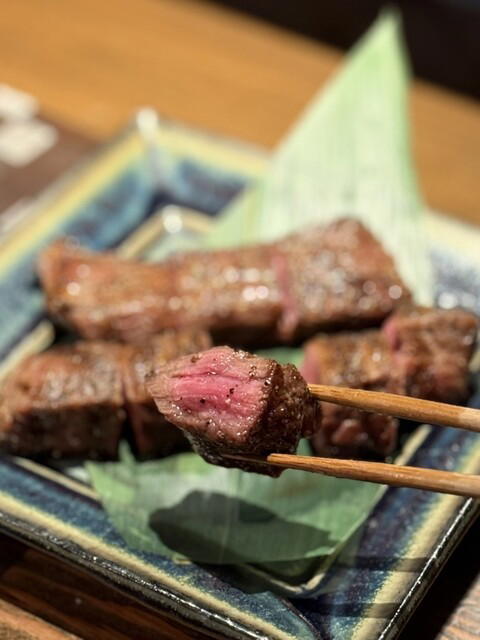
333 fits that middle register. Its published dinner spend of JPY 6,000 to JPY 7,999 places it alongside Shusui Daigo rather than the city’s JPY 20,000-plus counters. That comparison helps with planning and category. This is not Kanazawa’s luxury seafood lane. It is a tighter chicken-dishes and yakitori format where value sits in cut selection, grill discipline, drink pairing, and the pace of a small room.
The Tabelog 100 Chicken Cuisine 2025 selection is the clearest external signal. Tabelog’s Hyakumeiten lists are category-based, so the recognition places the restaurant among chicken specialists rather than general fine-dining rooms. For travelers, that distinction matters more than a generic popularity claim. It says the restaurant is judged by toriryori standards: skewers, chicken dishes, and the expectations of diners who know the category.
Drink culture also changes the frame. Wine and sake both appear in the listed drinks, reflecting a broader shift in Japanese grill dining. Yakitori counters once leaned heavily on beer, shochu, and casual sake; contemporary specialist rooms increasingly treat chicken as a pairing subject with range for acidity, mineral sake, and lighter reds or whites. Without a grand tasting-menu structure, the format can still carry a deliberate evening.
A 14-seat room keeps the focus on sequence and heat
Scale is part of the argument. The restaurant lists 14 seats: six counter seats and two four-seat tables. That puts the counter at the centre without excluding small groups. In yakitori, counter proximity is not just atmosphere; it is how diners read the work. Grill, pacing, and handoff between courses are clearer when the room is small enough for rhythm to stay visible.
Private rooms are not part of the setup, and the room is non-smoking. Those details matter in Japan’s casual grill culture, where older izakaya habits can still shape expectations. Here the signals point to a cleaner, meal-focused format: compact room, counter seating, reservations available, and credit-card acceptance for major cards. The absence of parking also nudges the restaurant into a station-area dining pattern rather than a car destination.
The useful comparison is with how different Kanazawa price tiers behave. Menya Taiga occupies a quick, low-spend ramen lane; ORIGO and Koide sit in a higher dinner bracket; Komatsu Yasuke represents the city’s sushi gravity. 333 suits diners who want craft without the cost or ceremony of Kanazawa’s more formal counters. It is sharper than treating the city as a seafood-only itinerary.
For a wider map of the city, Our full Kanazawa restaurants guide gives the broader dining spread, while Our full Kanazawa hotels guide, Our full Kanazawa bars guide, Our full Kanazawa wineries guide, and Our full Kanazawa experiences guide place dinner within a fuller stay. Nearby and related Kanazawa listings include 1/3 HAMBURGER FACTORY, Aburi Niku Garan, Ajiraku Yumemi, Amanatto Kawamura, and Arroz (Spanish).
How to read the reservation before choosing the night
The restaurant operates in the dinner hours and closes on Thursday, making it better for an evening built around the table than a spontaneous late add-on. Reservations are available, and the small seat count gives that detail weight. A 14-seat yakitori room does not need a long waitlist to become difficult on weekends; capacity alone makes advance planning sensible.
The station-side location also changes how to use it. Visitors staying near Kanazawa Station can treat dinner here as a low-friction first or final night, especially when a long kaiseki meal would be too formal. Diners staying around Korinbo or the historic districts should see it as a deliberate hop toward the station area, not a natural extension of a Higashi Chaya or Kenrokuen walking day.
Editorial read is clear: choose 333 when the evening is about Japanese grill craft rather than the city’s seafood prestige. It offers a category-specific award signal, compact format, and spend level that keeps the meal grounded. That combination is increasingly valuable in Kanazawa, where the better-known dining story can crowd out smaller traditions hiding in plain sight.
For readers comparing Japan-focused formats beyond Ishikawa, the broader EP Club archive includes -Grilled beef Sukiyaki- KAMAKURA TANUKIAN 鎌倉 たぬき庵 in Kamakura. 鮪と炭火焼き うお炭 秋葉原店 in Tokyo.cafe in Osaka.know in Kumamoto, (Shoku) Vietnam in Kawasaki, [Curry Senmon Ten] Maruyama Kyoju. in Sapporo, Jōdo Saké Bar in Los Angeles, and Onigiri Time in Pasadena.
Frequently asked questions
What time does 333 open and close?
Hours at 333: Mon: 5–11 PM; Tue: 5–11 PM; Wed: 5–11 PM; Thu: Closed; Fri: 5–11 PM; Sat: 5–11 PM; Sun: 5–11 PM.
What should I budget for a meal at 333?
Pricing at 333 is listed as JPY 6,000 - JPY 7,999 View spending breakdown.
How do I find 333?
333 is located in Kanazawa.
What is 333 known for?
333 is known for chicken dishes and yakitori in Kanazawa, with a 14-seat room that includes six counter seats. It was selected for Tabelog 100 Chicken Cuisine 2025, placing it in a documented category of note in Ishikawa.
Pricing, Compared
Side-by-side context: comparable cuisine and price.
| Venue | Cuisine | Price | Awards | Notes |
|---|---|---|---|---|
| 333This venue (the venue you are viewing) | Hinai Chicken Yakitori | $50–100 | Tabelog 100 #57 | Not listed |
| Tachigui Sushi Yusho | Standing Sushi | $20–30 | Not listed | Kanazawa Port, Standing Sushi |
| 乙女寿司 | Traditional Japanese Omakase | $150–200 | Tabelog Bronze #346 | Kanazawa, Traditional Kanazawa Kaiseki |
| Tempura Miyashita | Seasonal Tempura Kaiseki | $50–100 | Not listed | Kanazawa, Seasonal Tempura Kaiseki |
| くら竹 | Kanazawa Sushi Omakase | $50–100 | Not listed | Kanazawa, Kanazawa Sushi Omakase |
| Shusui Daigo | Japanese Izakaya | $30–50 | Tabelog 100 #94 | Kanazawa, Japanese Izakaya |
Recognition history
Dated appearances from independent guides and award organizations, with the underlying list record or original source where available.
Tabelog 100 #57 · No. 57
Tabelog · Tabelog 100 - Chicken cuisine - 2025
Continue exploring
More in Kanazawa
Restaurants in Kanazawa
All restaurants in Kanazawa →
Hotels in Kanazawa
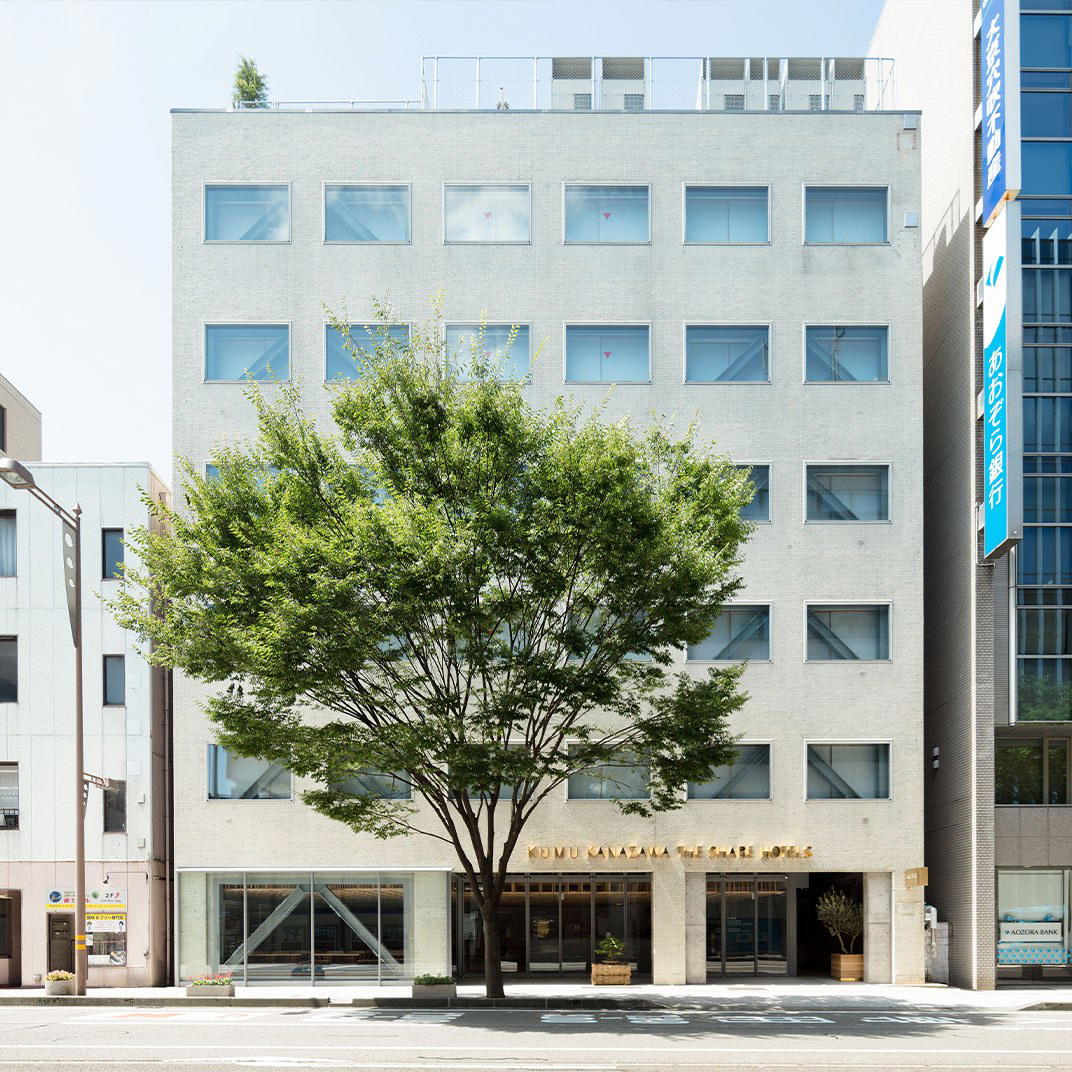
All hotels in Kanazawa →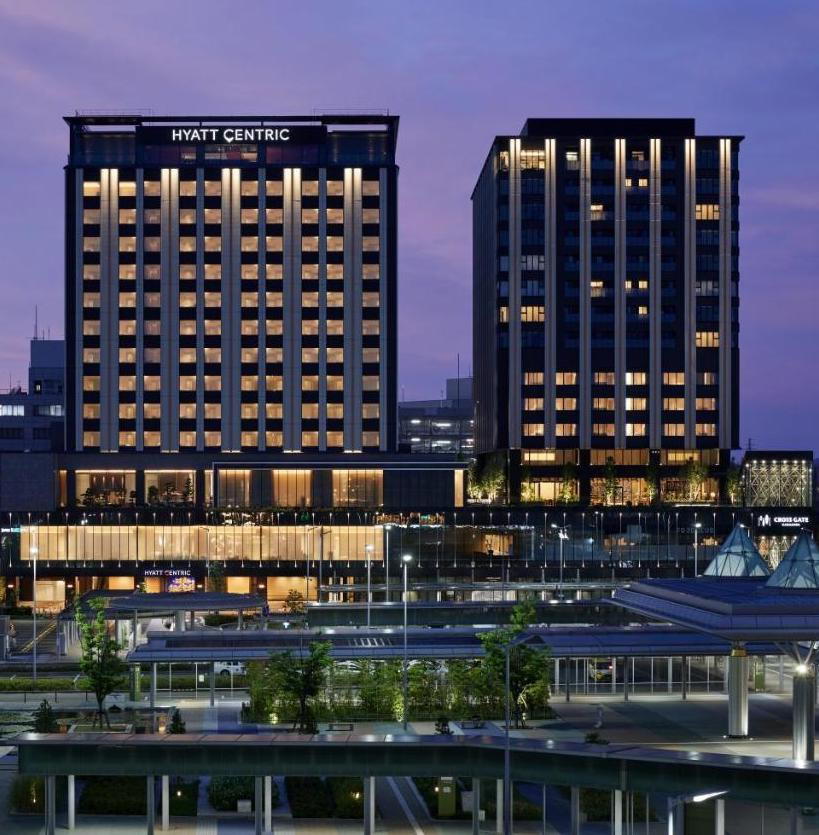
Wineries in Kanazawa
Browse all →
Details
- Cozy
- Intimate
- Date Night
- Special Occasion
- Sake Program
- Local Sourcing
- A La Carte
- Small Plates
Current opening hours
- Monday
- 5–11 PM
- Tuesday
- 5–11 PM
- Wednesday
- 5–11 PM
- Thursday
- Closed
- Friday
- 5–11 PM
- Saturday
- 5–11 PM
- Sunday
- 5–11 PM
Hours can change for holidays and private events. Hours as of .
Cozy, small husband-and-wife-run spot with nostalgic, intimate atmosphere.