Our verdict
Situated in Saga Tenryuji, the forested western corridor that frames Arashiyama's bamboo groves and temple precincts, 京都嵐山 嵯峨本陣 occupies a location where Kyoto's landscape and dining traditions converge. The address places it within one of the city's most historically weighted neighbourhoods, distinct from the downtown kaiseki circuit centred on Gion and Higashiyama. For travellers already moving through western Kyoto, the setting itself shapes the terms of the visit.

Pearl is the En Primeur Club membership app, where members save venues, book tables and use the concierge.
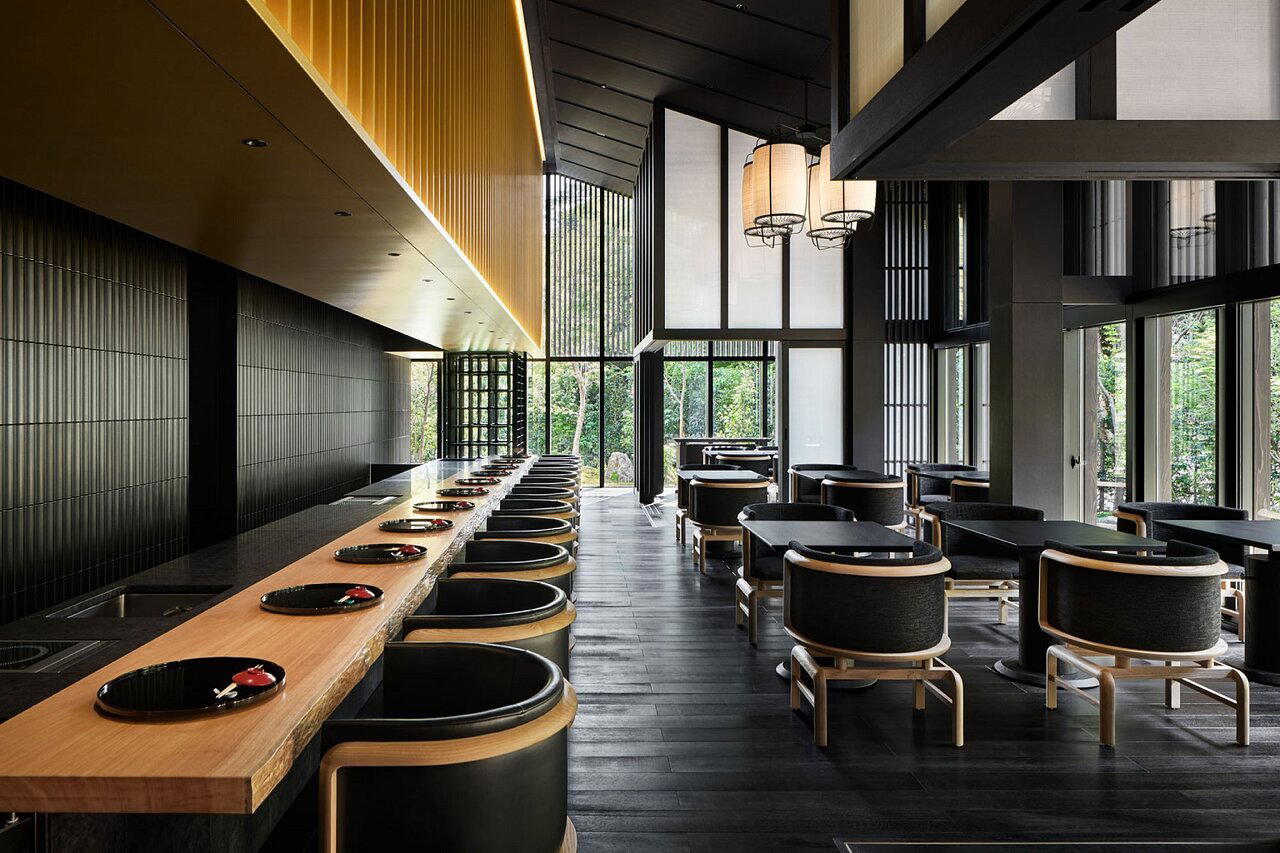
Where Western Kyoto Eats Differently
The dining geography of Kyoto is not uniform. Most of the city's recognised kaiseki houses, from the multi-generational counters of Higashiyama to the Gion addresses that define the city's premium tier, operate within a relatively compact arc on the eastern side of the city. Western Kyoto, anchored by the Arashiyama district and the sub-neighbourhood of Saga Tenryuji, operates on different terms. The temples here are older and less trafficked by the lunch-tour circuit; the streets narrow into residential lanes that discourage the kind of tourist volumes Gion absorbs by mid-morning. Dining in this quarter tends to reflect that character: fewer venues, slower rhythm, a guest base that has made a deliberate westward transit.
京都嵐山 嵯峨本陣 sits in that western corridor, addressed to Sagatenryuji Susukinobabacho in Ukyo Ward, a postcode that places it within walking range of Tenryuji, one of Kyoto's UNESCO-designated Zen temple gardens, and the bamboo grove path that links the temple to the Oi River. The location is not incidental. In a city where neighbourhood address functions as a shorthand for the type of experience on offer, a Saga Tenryuji address signals something different from a Gion address: more space, more temple adjacency, and a dining context shaped by the ceremonial weight of the surroundings rather than by the competitive density of the downtown kaiseki strip.
The Arashiyama Dining Context
Arashiyama has long operated as a day-trip destination within Kyoto's internal tourism logic, which means its restaurant trade divides sharply between venues serving the transit crowd and those drawing guests who have come specifically to eat. The latter category is smaller and tends toward formats that reward slower visits: kaiseki-style progressions that use seasonal Kansai produce, lunch services calibrated to temple-visit schedules, and properties where the garden or river view is integrated into the meal's architecture rather than treated as a backdrop.
The broader Kyoto kaiseki scene, represented at its most decorated tier by houses like Kikunoi Honten, Hyotei, and Gion Sasaki, concentrates award recognition on the eastern side of the city. Mizai and Isshisoden Nakamura extend that cluster further. Western Kyoto's dining offer is less catalogued by the major award circuits, which may reflect the area's different guest mix as much as any difference in quality.
For context on how this fits within the city's broader offer, our full Kyoto restaurants guide maps the city's dining by neighbourhood and format, useful if you are building an itinerary that spans both eastern and western Kyoto.
Placing Saga Tenryuji on Kyoto's Dining Map
The Sagatenryuji sub-district occupies a specific position within Arashiyama: closer to the temple precincts than to the Togetsukyo bridge area, which draws the highest foot traffic in the broader district. Dining addresses in this immediate area tend to serve guests already committed to the western quarter, visitors staying in Arashiyama ryokan, walkers completing the Sagano trail, or travellers making the JR San-in Line or Randen tram journey from Kyoto's central districts. The transit time from central Kyoto (roughly 20 to 30 minutes depending on route) is enough to separate this quarter from the downtown dining circuit and give it a distinct identity.
That identity has parallels elsewhere in Japan's regional dining geography. Destinations like akordu in Nara or Abon in Ashiya operate in cities adjacent to major culinary hubs but develop their own terms of reference, drawing guests who are specifically seeking the experience their location enables rather than the nearest proxy for a metropolitan benchmark. Western Kyoto's dining operates with a similar logic: the Arashiyama address is itself part of the offer.
Planning a Visit to Western Kyoto
Practical planning for a meal in this part of Kyoto differs from the standard kaiseki booking exercise. The eastern Kyoto houses, operating near Gion, Higashiyama, or the Karasuma corridor, are easily combined with other dinner-district activity. A Saga Tenryuji address rewards a different itinerary structure: arriving early enough to walk the temple garden before the midday crowds, eating in the area, and returning to central Kyoto in the early afternoon, or alternatively booking accommodation in Arashiyama itself and treating the district as a base rather than an excursion.
Visitors building a multi-city Kansai itinerary might also consider how western Kyoto connects to Osaka's dining circuit via the Hankyu or JR lines. HAJIME in Osaka represents the kind of formal, award-bearing destination that anchors a multi-night Kansai stay; pairing it with a Arashiyama experience in Kyoto offers contrast in both format and geography. Further afield, Goh in Fukuoka and Harutaka in Tokyo represent the kind of recognised precision-format dining that serious Japan itineraries typically anchor around, with Kyoto's western corridor offering a counterpoint in atmosphere and pace.
For travellers whose reference points extend beyond Japan, Le Bernardin in New York City and Lazy Bear in San Francisco represent the kind of sustained-recognition, format-specific dining that Kyoto's kaiseki circuit benchmarks against internationally. The comparison is useful precisely because it highlights what makes the Kyoto experience, in any of its neighbourhoods, structurally different from Western tasting-menu formats: the seasonal rigidity, the ingredient sourcing hierarchy, and the way service tempo is calibrated to the menu's progression rather than to table-turn economics.
Other Japan destinations worth considering for a longer itinerary include affetto akita in Akita, aki nagao in Sapporo, Aji Arai in Oita, Ajidocoro in Yubari District, and Akakichi in Imabari, each representing a different regional register of Japanese dining outside the Kyoto-Osaka-Tokyo triangle.
Frequently asked questions
What's 京é½åå åµå±±æ¬åº's location?
京é½åå åµå±±æ¬åº is located at Japan, ã616-8385 Kyoto, Ukyo Ward, Sagatenryuji Susukinobabacho, ï¼ï¼, Kyoto.
What is the signature dish at 京都嵯峨 嵐山本店?
Given the restaurant's location in Sagatenryuji, Ukyo Ward, western Kyoto, it sits within a dining corridor shaped by temple-town provisioning traditions rather than the kaiseki orthodoxy of Higashiyama. check the venue's official channels or check local listings for current menu specifics.
Can I walk in to 京é½åå åµå±±æ¬åº?
Reservations are recommended for 京é½åå åµå±±æ¬åº in Kyoto. Confirm current policy via the venue's official channels.
Can I walk in to 京都嵯峨 嵐山本店?
Walk-in availability at this address in Sagatenryuji, Ukyo Ward has not been confirmed from available data. Arashiyama restaurants in the temple precinct area tend to draw a mix of day-trip visitors and local regulars, which can affect seat availability at peak hours. Booking ahead is advisable, particularly on weekends and during autumn foliage season when western Kyoto sees its highest foot traffic.
A Tight Comparison
A quick peer reference to anchor this venue in its category.
| Venue | Cuisine | Price | Awards | Notes |
|---|---|---|---|---|
| 京é½åå åµå±±æ¬åºThis venue (the venue you are viewing) | Traditional Kyoto Kaiseki | Not listed | Not listed | Not listed |
| Gion Sasaki | Modern Kaiseki | $300–500 | 3 Michelin Stars · La Liste Top Restaurants | Kaiseki, Japanese |
| cenci | Innovative Italian-Japanese Fusion | $100–150 | 1 Michelin Star · World's 50 Best #76 | Italian |
| Ifuki | Sumibi Kappo Kaiseki | $200–300 | 2 Michelin Stars · La Liste Top Restaurants | Kaiseki |
| Kyokaiseki Kichisen | Kyoto Kaiseki | $200–300 | 2 Michelin Stars · La Liste Top Restaurants | Japanese |
| Kyo Seika | Modern Chinese Fine Dining | $150–200 | 1 Michelin Star · Tabelog Bronze #216 | Chinese |
Continue exploring
More in Kyoto
Restaurants in Kyoto
All restaurants in Kyoto →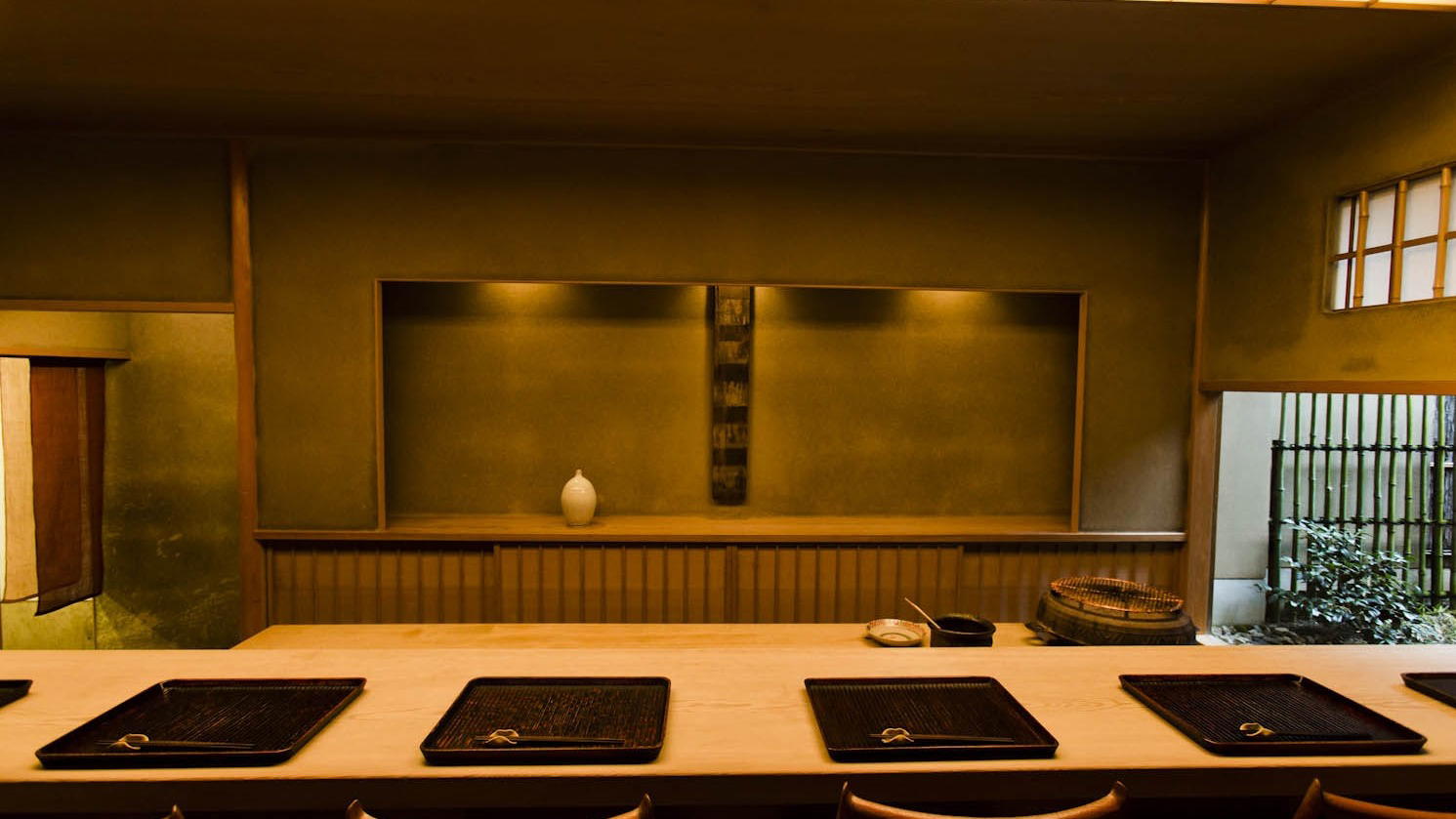
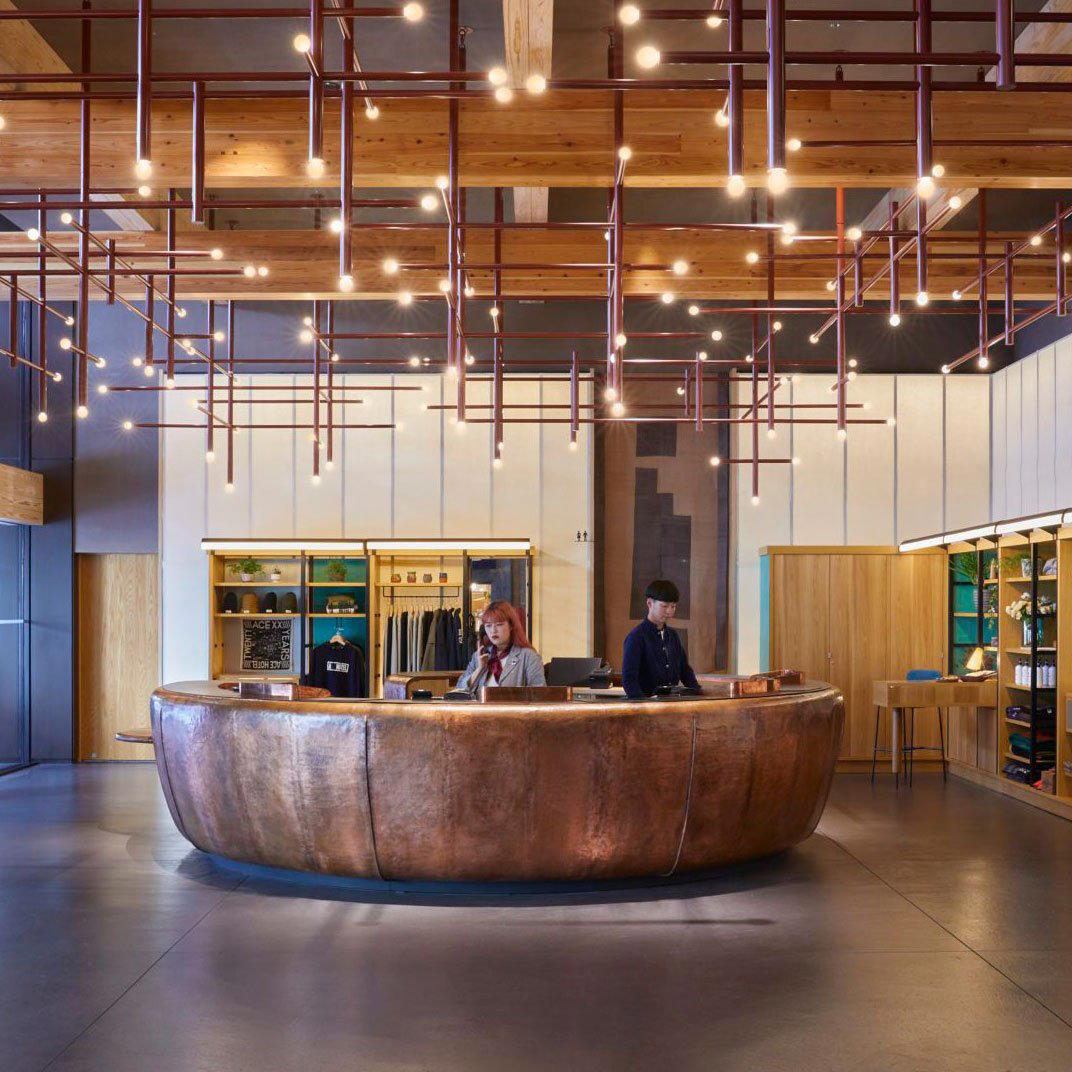
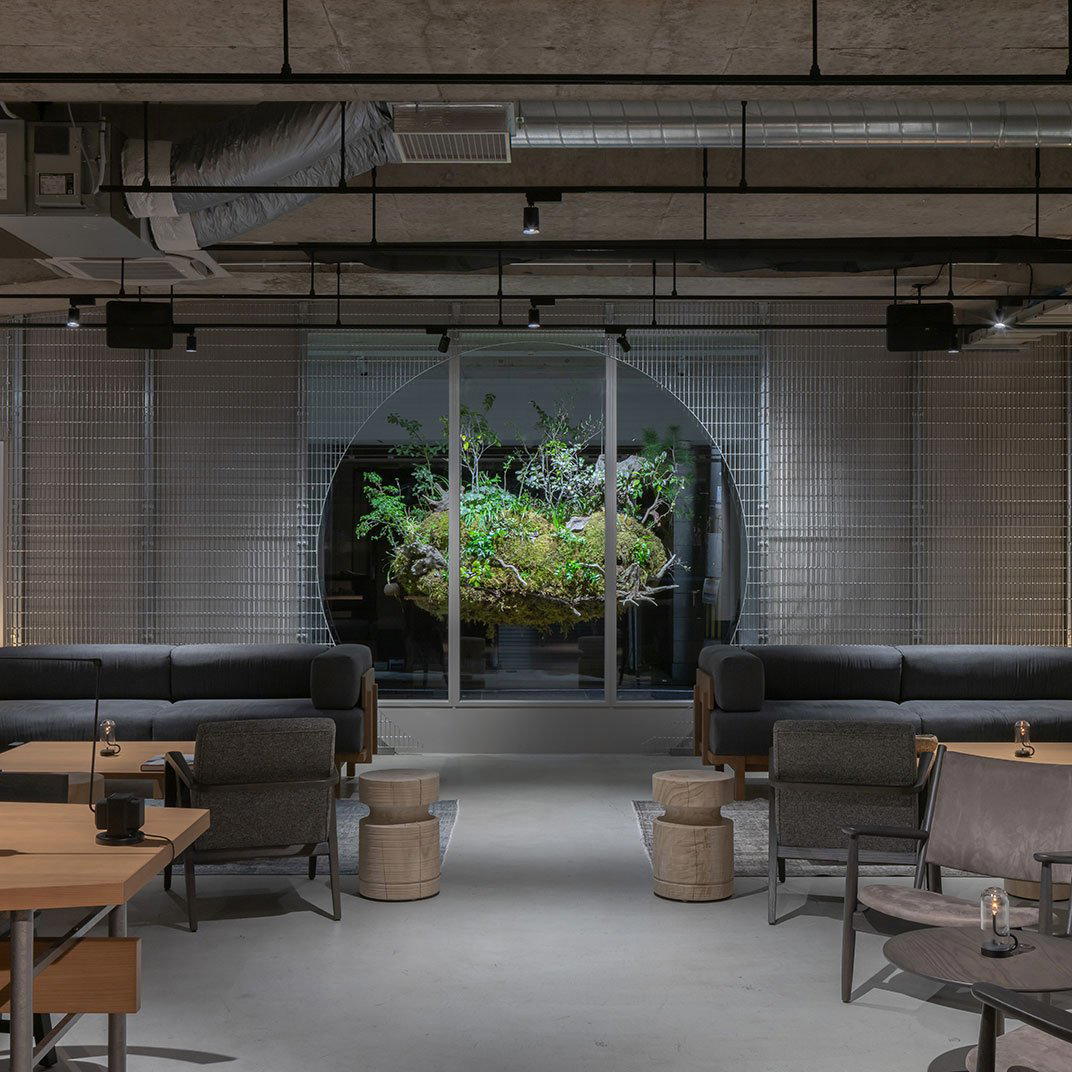
Bars in Kyoto
All bars in Kyoto →
Hotels in Kyoto
All hotels in Kyoto →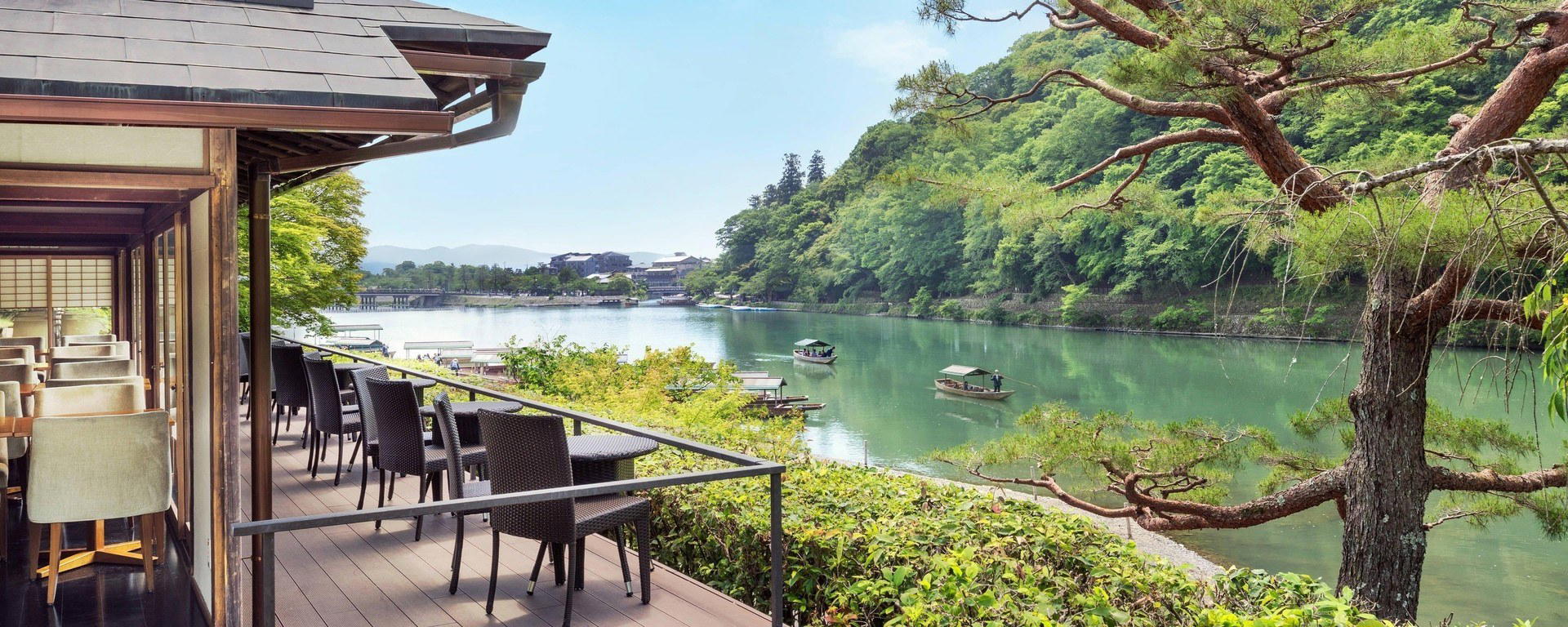
Wineries in Kyoto
Browse all →
Details
- Classic
- Elegant
- Intimate
- Special Occasion
- Date Night
- Historic Building
- Local Sourcing
- Set Menu
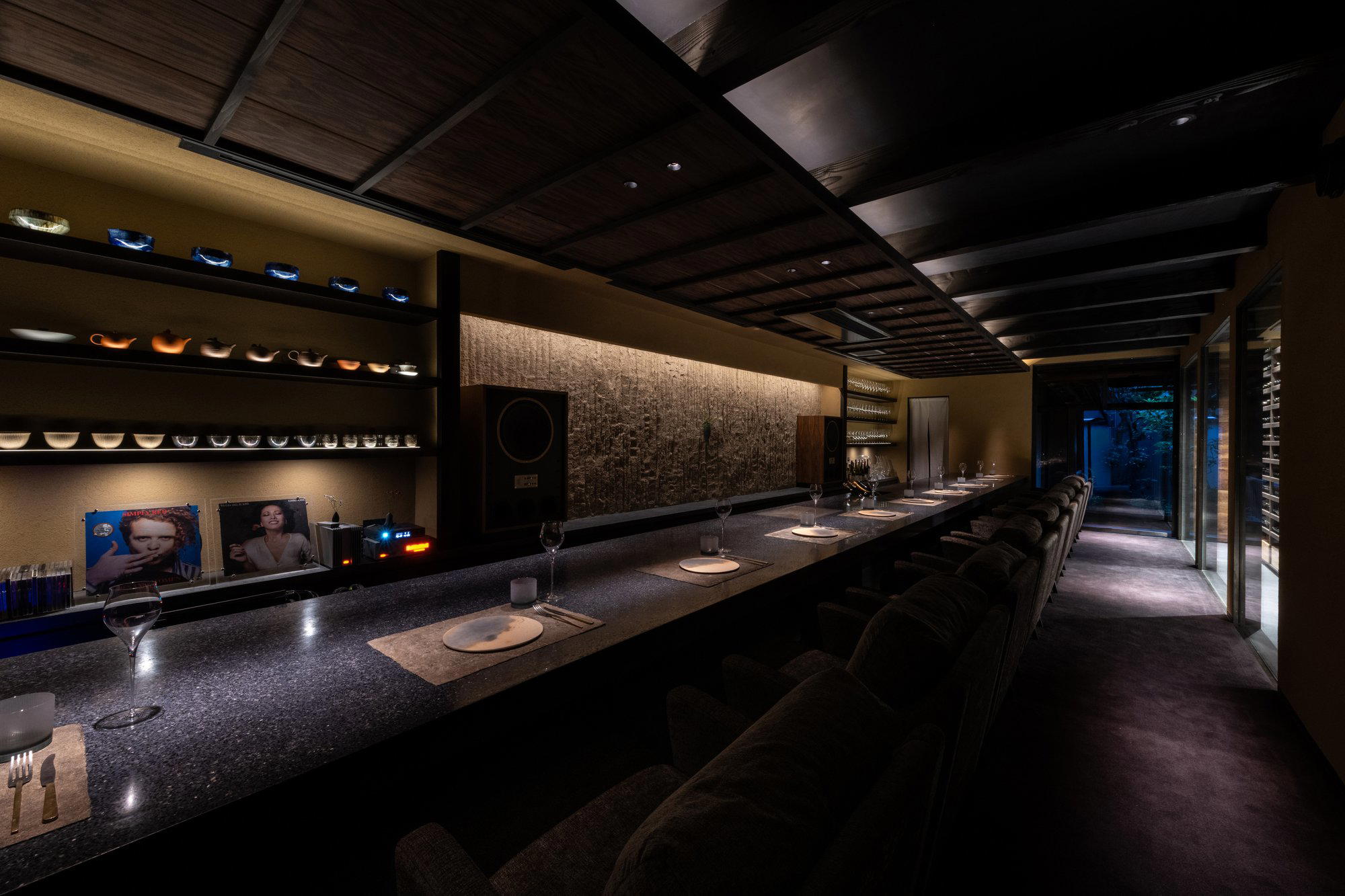
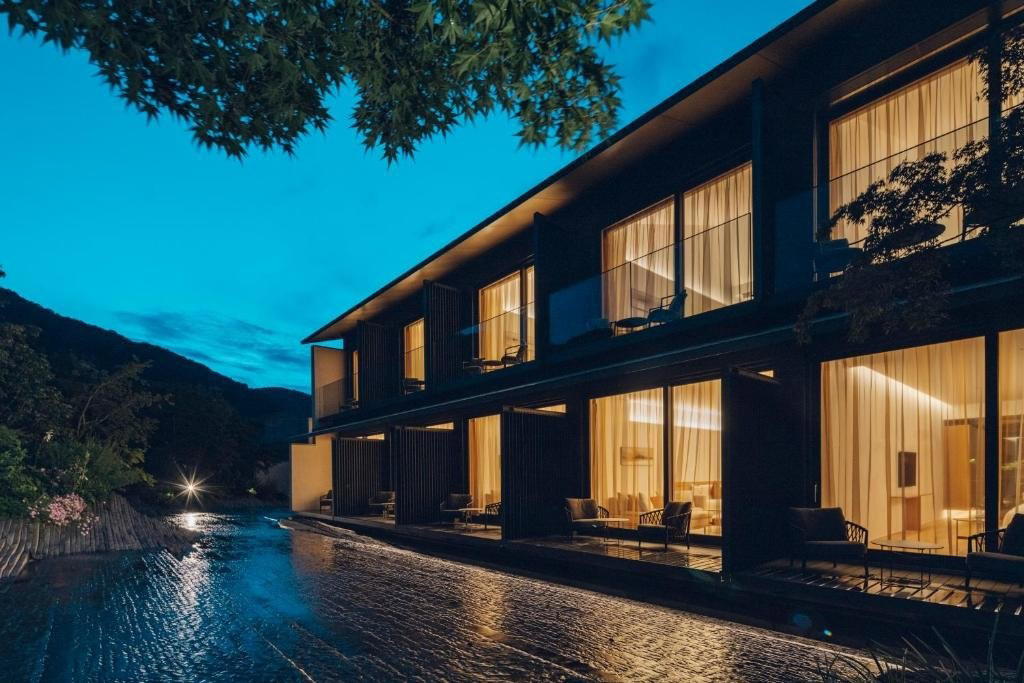
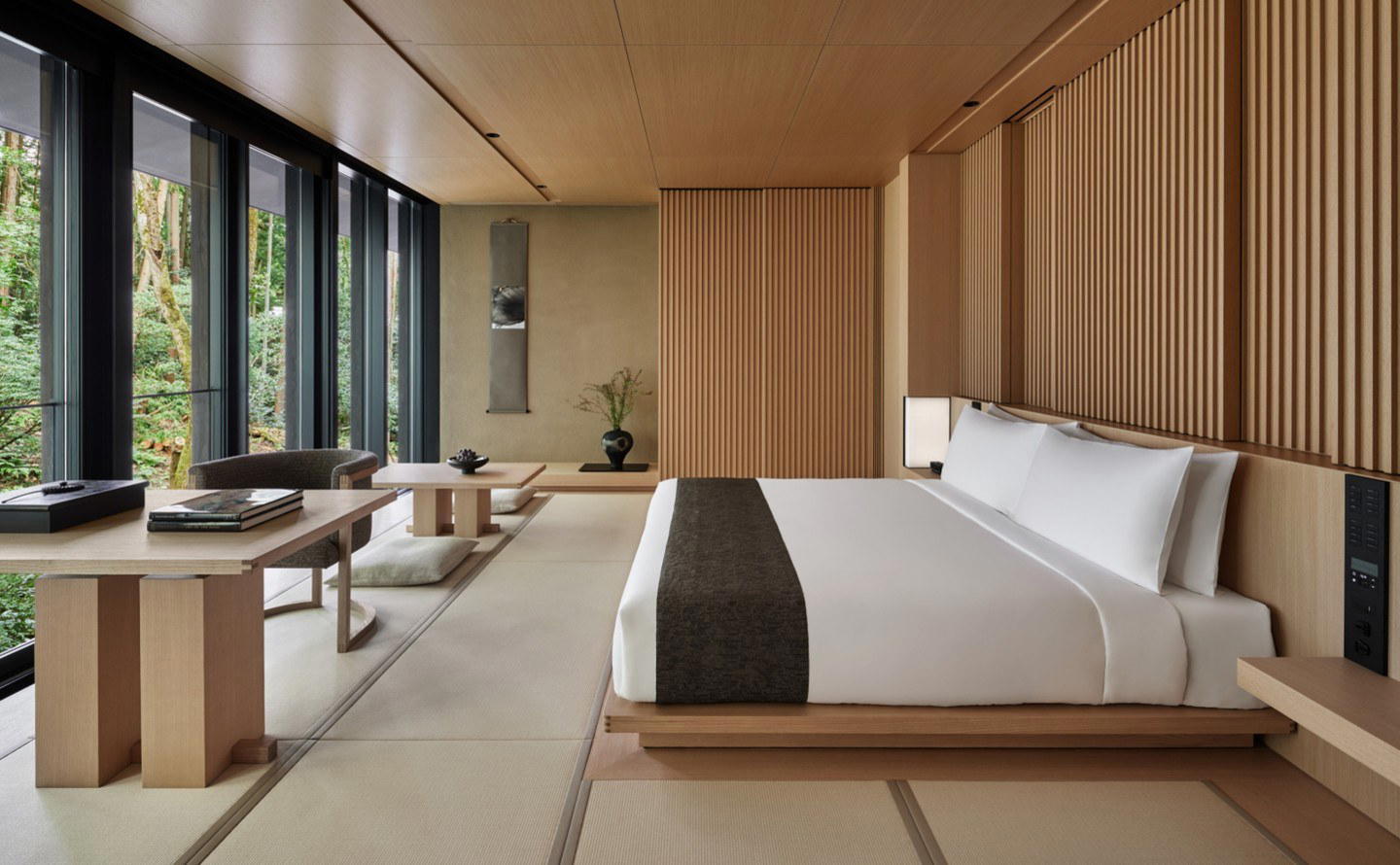
Intimate and refined with traditional wooden interiors, soft lighting, and a serene atmosphere reflecting classical Kyoto aesthetics.