
Tabelog 100 #90
Our verdict
ル・タン・ペルデュ occupies a ground and first-floor space in Sakae's Commo Grand Building, placing French-influenced dining within Nagoya's broader European restaurant corridor. The venue's name, French for 'lost time', signals a menu philosophy built around considered pacing rather than speed. For context on how it sits within the city's dining scene, see our full Nagoya restaurant guide.

Pearl is the En Primeur Club membership app, where members save venues, book tables and use the concierge.
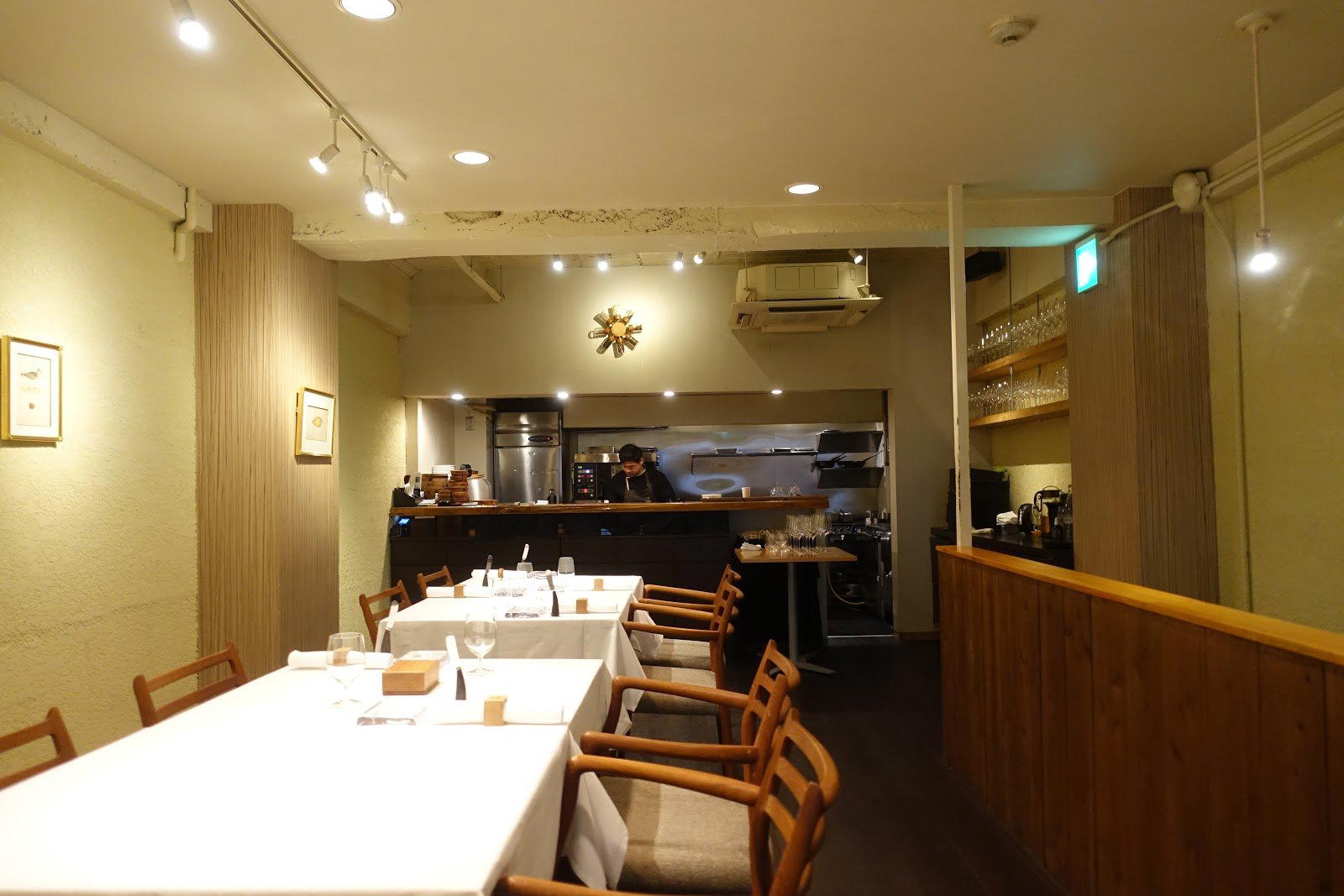
Sakae's French Register: Where ル・タン・ペルデュ Sits in Nagoya's European Dining Corridor
Nagoya's Sakae district has spent the last two decades quietly assembling one of Japan's more coherent mid-city European dining corridors. Unlike Tokyo's Ginza, where French and Italian restaurants cluster around a visible luxury retail spine, Sakae's restaurant density is embedded in office-and-residential mixed-use blocks, the kind of address that rewards the reader who knows where to look rather than the tourist following a hotel concierge map. ル・タン・ペルデュ, on the ground and first floors of the Commo Grand Building on Sakae 2-chome, occupies exactly this register: a French-leaning address in a neighbourhood that has been accumulating serious European-format restaurants without the fanfare of Japan's more media-saturated dining cities.
The name itself, French for 'lost time,' a direct reference to Proust's À la recherche du temps perdu, is an immediate signal about the pacing ambition of the format. Restaurants that invoke literary memory in their naming are rarely interested in rapid-turnover covers. In Nagoya's dining context, where several European restaurants have built loyal local followings by prioritising repeat diners over tourist volume, this positioning is a meaningful differentiator. For a broader map of where this restaurant sits relative to Nagoya's full dining scene, the full Nagoya restaurants guide provides the necessary context.
Menu Architecture: What the Structure Reveals
French restaurants in Japan, particularly those outside Tokyo and Osaka, have generally taken one of two structural approaches over the past decade. The first is the classical grand menu approach: multi-course tasting sequences that mirror the grandes maisons of Paris and Lyon, emphasising technique demonstration and seasonal progression. The second is a more contemporary bistro-influenced format, where shorter menus and à la carte flexibility allow the kitchen to respond quickly to market produce without the logistical overhead of a long omakase-style progression.
ル・タン・ペルデュ's Proust-derived name places it closer to the first tradition in ambition, if not necessarily in scale. A restaurant invoking literary time, specifically the idea that sensory experience can recover lost moments, is signalling that the meal itself is the medium, not merely the delivery mechanism for calories. This is the kind of framing that shapes how menus are sequenced: dishes are not isolated plates but stations in a narrative arc, where the progression from opener to dessert carries the same weight as the thematic movement in a long novel.
For comparison, the French dining format in Japan's other major markets has followed distinct trajectories. HAJIME in Osaka operates at the apex of the Japanese French tradition, holding three Michelin stars and functioning as a reference point for the country's most technically demanding European kitchens. Gion Sasaki in Kyoto represents a different integration, where kaiseki structure and French technique are woven together for an audience that expects seasonal Japanese produce to be the dominant narrative. Nagoya's French addresses, including ル・タン・ペルデュ, occupy a third space: European-format restaurants that serve a local business and residential audience rather than a tourist-driven or international-critic-facing one.
Nagoya's Position in Japan's European Restaurant Hierarchy
It is worth understanding why Nagoya remains less discussed than Osaka, Kyoto, or Fukuoka in international food media despite having a concentrated and serious dining scene. The city's restaurant culture is largely self-sufficient: driven by local industry wealth (automotive and manufacturing sectors generate a high per-capita dining expenditure), loyal repeat-diner patterns, and limited dependence on tourism-driven covers. This means restaurants here are built for longevity and consistency rather than for the kind of media moment that generates international recognition.
This contrasts with the positioning of restaurants in more media-visible cities. Harutaka in Tokyo and Atomix in New York City both operate in environments where international press coverage is both a marketing asset and a validation signal. Nagoya's serious restaurants, including those in the European format, tend to accumulate credibility through local critic recognition and word-of-mouth among the city's business community rather than through anglophone food media cycles.
Within Nagoya's own European restaurant set, the range is genuinely broad. cucina Wada and Cucina Italiana Gallura represent the Italian end of the corridor, while Bacio and Chez Kobe bring additional European-influenced perspectives. The traditional Japanese anchors, including Atsuta Horaiken, the reference address for Nagoya's famous hitsumabushi eel preparation, serve a different function entirely, demonstrating how deep the city's own culinary tradition runs alongside its imported European formats.
Beyond Nagoya, Japan's regional French and European dining scene also includes notable addresses in smaller and less-visited markets. akordu in Nara has built a reputation for Spanish-influenced technique applied to local produce. Goh in Fukuoka operates in a city that has increasingly positioned itself as a serious dining destination in its own right. More remote regional addresses, including 一本杉川島製菓 in Nanao, 大友家族亭 in Sapporo, 湖畔亭 in Takashima, 旅羽屋 in Nishikawa Machi, and Birdland in Sakai, reflect how Japan's serious dining culture extends well beyond its three primary metropolitan markets. Internationally, Le Bernardin in New York City remains the global reference for French technique applied with discipline and consistency across decades of operation.
Know Before You Go
Frequently asked questions
What part of town is ル・タン・ペルデュ in?
ル・タン・ペルデュ is located at Japan, 〒460-0008 Aichi, Nagoya, Naka Ward, Sakae, 2 Chome−1−14 コモングランドビル1F.2F, Nagoya.
How does ル・タン・ペルデュ fit into Nagoya's French dining scene compared to Tokyo or Osaka?
Nagoya receives less coverage in international food media than Tokyo or Osaka, but Sakae has assembled a concentrated European dining corridor that merits attention on its own terms. ル・タン・ペルデュ, positioned in Naka Ward's commercial centre, represents the more formal French register within that local hierarchy rather than a casual bistro offering. Nagoya's French restaurants generally draw a local professional clientele rather than travelling food media, which keeps the scene less publicised but operationally serious.
What should I order at ル・タン・ペルデュ?
The venue sits within Nagoya's Sakae district, which has developed a coherent French dining corridor drawing on both classical and contemporary European structures. French restaurants in Japan at this level typically organise around set-course formats rather than à la carte, so the kitchen's sequencing is worth following rather than rearranging.
Can I walk in to ル・タン・ペルデュ?
Walk-in availability at French restaurants in Nagoya's Sakae corridor is limited on weekends and particularly for dinner service, when set-course formats make table timing less flexible. ル・タン・ペルデュ occupies the ground and second floors of Common Grand Building at 2 Chome-1-14 Sakae, Naka Ward, a location with enough foot traffic to make spontaneous visits plausible at lunch. Contacting the venue directly before arriving is the safer course, especially for parties of more than two.
Cost and Credentials
Comparable venues nearby, for context on price, style, and recognition.
| Venue | Cuisine | Price | Awards | Notes |
|---|---|---|---|---|
| ル・タン・ペルデュThis venue (the venue you are viewing) | Modern Natural French | $50–100 | Tabelog 100 #90 | Not listed |
| restaurant.m | Modern French | Not listed | Tabelog 100 #85 | Naka, Modern French |
| ラ・ヴァガボンド | Modern French Fine Dining | $200–300 | Tabelog Bronze #236 | Naka, Modern Artistic French Fine Dining |
| マスドラヴァンド | Classic French Fine Dining | $150–200 | Tabelog Bronze #257 | Higashi, Classic French Fine Dining |
| ビストロ ラヴィ | French Bistro | $50–100 | Not listed | Chikusa, French Bistro |
| With | Seasonal French in Nagoya | $50–100 | Tabelog 100 #16 | Meitō, Seasonal French in Nagoya |
Recognition history
Dated appearances from independent guides and award organizations, with the underlying list record or original source where available.
Tabelog 100 #90 · No. 90
Tabelog · Tabelog 100 - French - EAST - 2025
Continue exploring
More in Nagoya
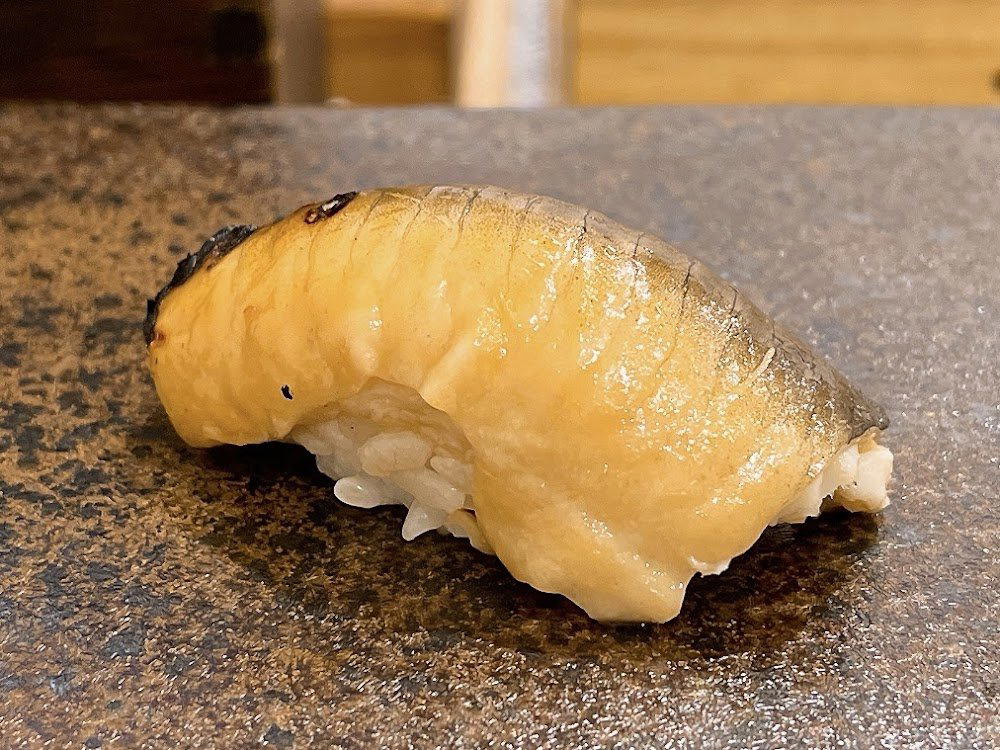
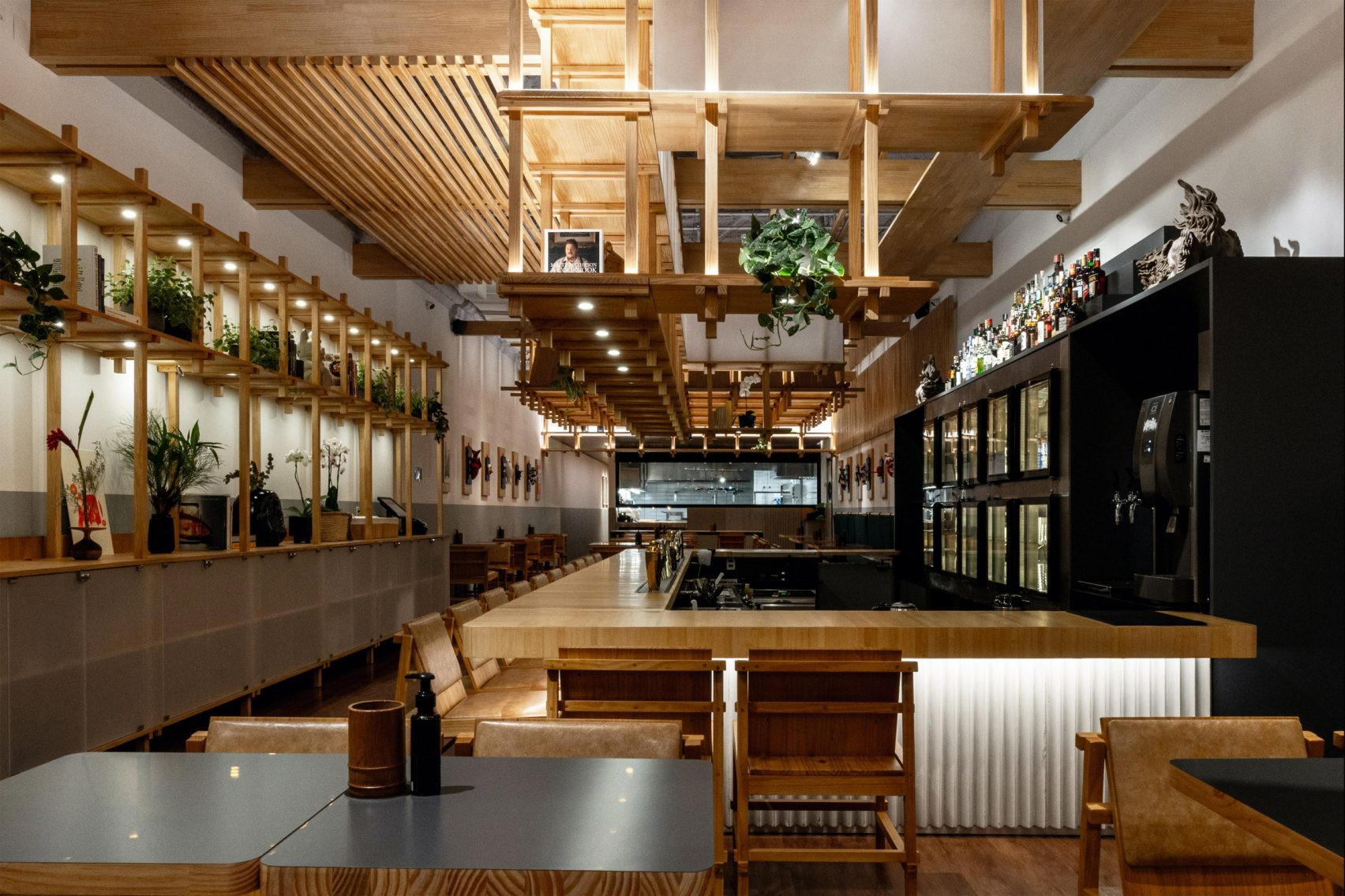
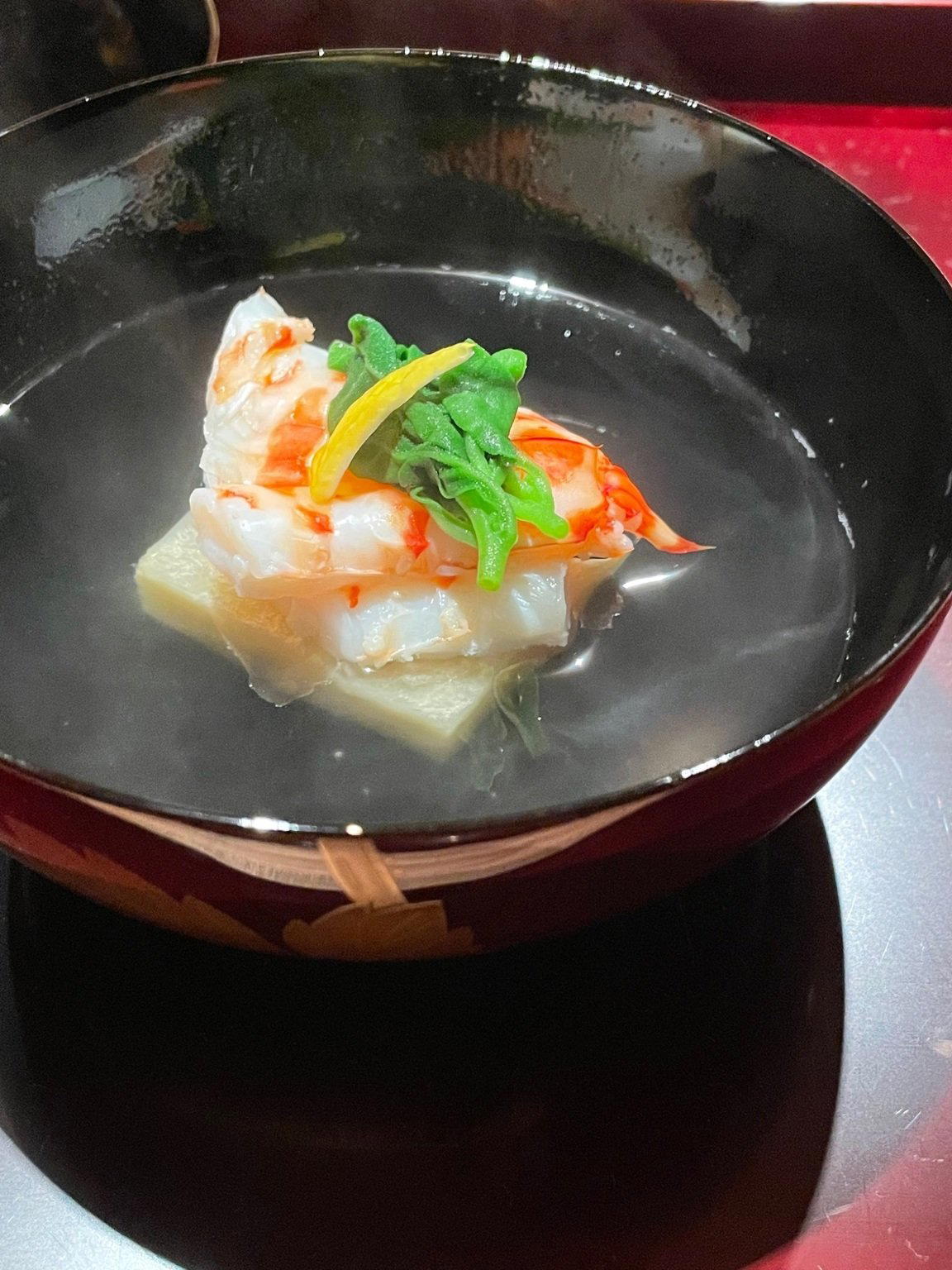
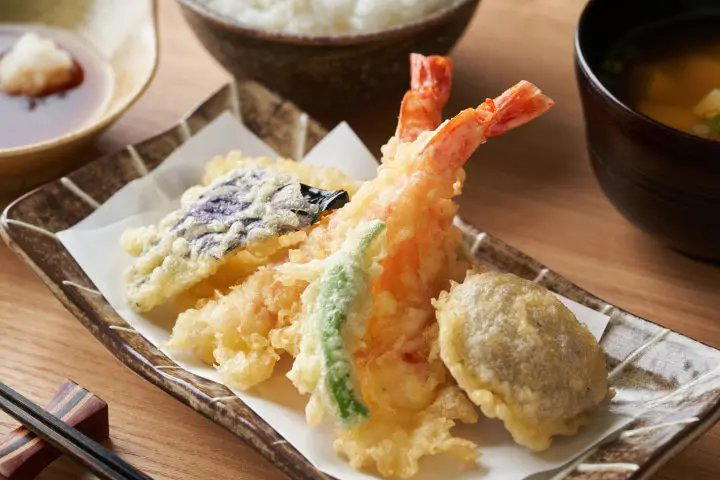
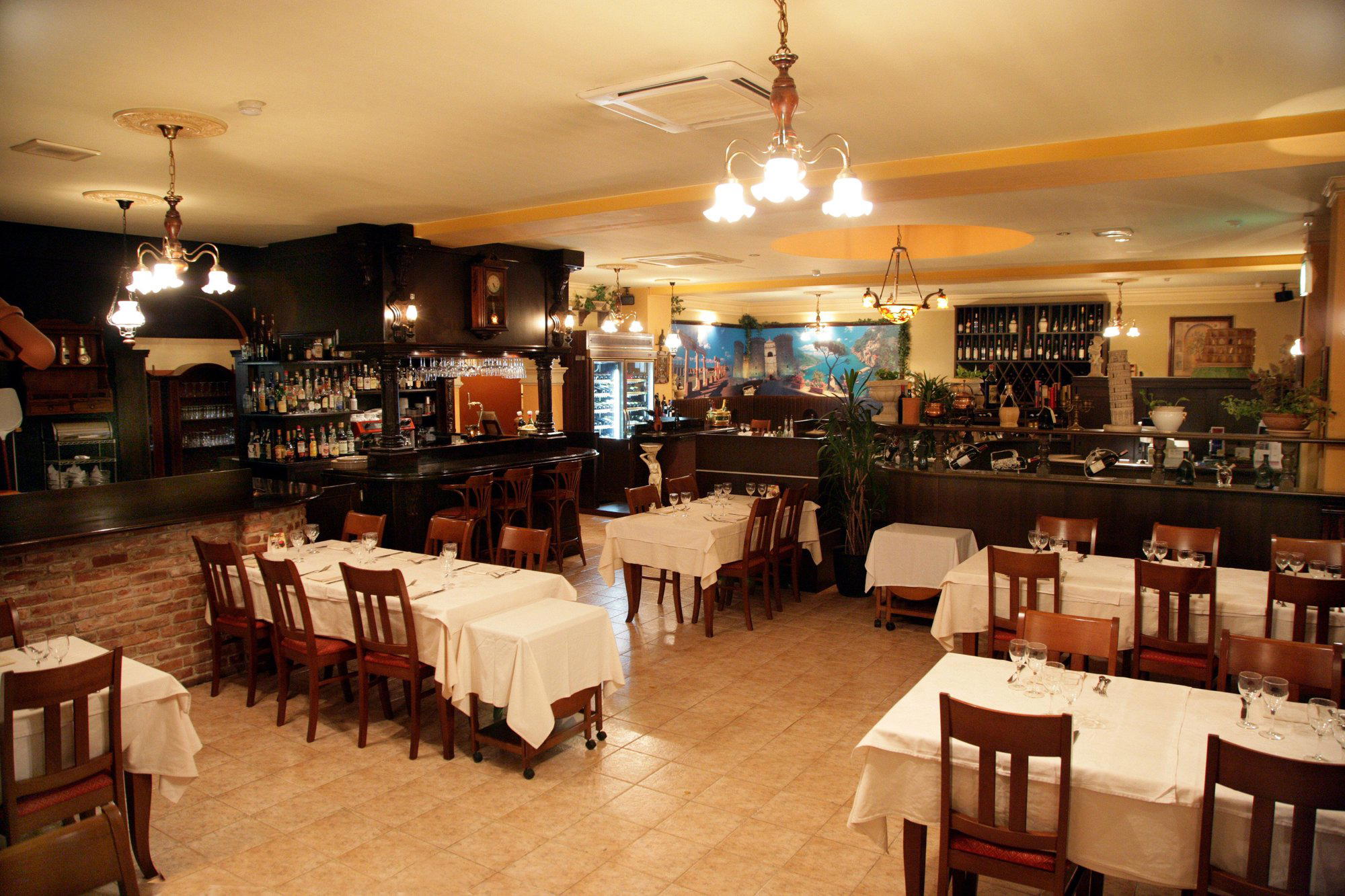
ル・タン・ペルデュ
The wine
- Wine program
- Deep wine list
- Extensive wine list
- Sake program
Details
- Elegant
- Sophisticated
- Intimate
- Date Night
- Special Occasion
- Wine Cellar
- Extensive Wine List
- Sake Program
- Local Sourcing
- A La Carte
Current opening hours
- Monday
- 6–9 PM
- Tuesday
- 6–9 PM
- Wednesday
- 6–9 PM
- Thursday
- 6–9 PM
- Friday
- 6–9 PM
- Saturday
- 6–9 PM
- Sunday
- Closed
Hours can change for holidays and private events. Hours as of .
Charming and artistic atmosphere with beautifully plated dishes that tell a story, creating an elegant dining experience.