ラ・ヴァガボンド sits in Nagoya's Chiyoda district, a neighbourhood where European-inflected dining has quietly built a reputation distinct from the city's more celebrated eel and kishimen traditions. The address places it among a cohort of Nagoya restaurants that treat ingredient sourcing as the primary editorial statement, positioning the kitchen closer to French and Italian peers in other Japanese cities than to the local comfort-food mainstream.
Pearl is the En Primeur Club membership app — saves, bookings, and concierge access live there. Same editors, same standards.
- Address
- 2 Chome-14-24 Chiyoda, Naka Ward, Nagoya, Aichi 460-0012, Japan
- Phone
- +81522537343
- Website
- lavagabonde.jp
 Saves & bookings on Pearl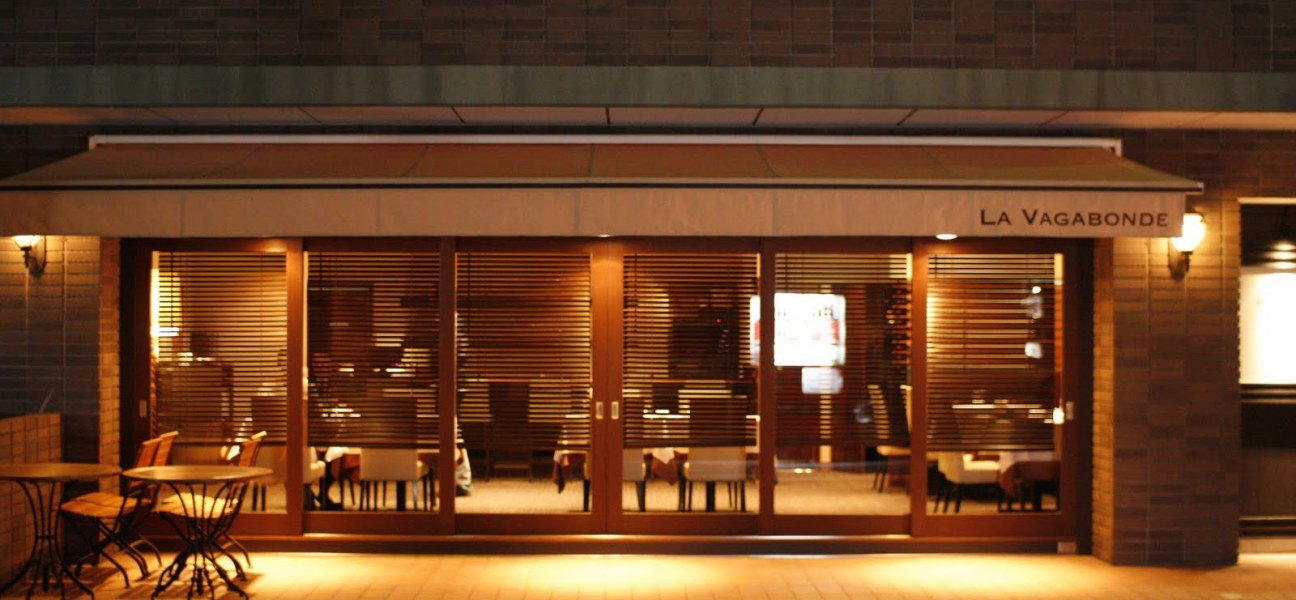
Chiyoda, Naka Ward: Where Nagoya's European Dining Finds Its Footing
ラ・ヴァガボンド is a modern artistic French fine dining restaurant in Nagoya, Aichi, with an essential reservation policy and a price point of about $150 per person. Nagoya's dining identity is most often told through its own lexicon: hitsumabushi at Atsuta Horaiken (あつた蓬莱軒 本店), thick miso over pork, kishimen in clear broth. The city's European-focused restaurants occupy a quieter tier in that conversation, which is partly why addresses like ラ・ヴァガボンド in Chiyoda, Naka Ward, accumulate a loyal local following before outside attention catches up. Chiyoda sits within the central Naka Ward grid, close enough to Nagoya's business core to draw working professionals at lunch, far enough from the Sakae entertainment belt that the room tends toward the deliberate rather than the celebratory. That geography shapes the kind of cooking that survives here: sourcing-led, seasonally calibrated, and dependent on repeat custom rather than tourist throughput.
The Sourcing Frame: What Arrives at the Kitchen and Why It Matters
Across Japan's mid-tier European restaurants, the split between ingredient-led kitchens and technique-first kitchens defines comparable venues more clearly than cuisine label alone. Kitchens that prioritise where produce comes from and time their menus around agricultural and fishing calendars operate differently from those that build signature dishes and hold them year-round. ラ・ヴァガボンド's address in the Aichi prefecture context matters here: Aichi sits within reach of Mikawa Bay seafood, Chita Peninsula agriculture, and the Nōbi Plain's vegetable production. A restaurant working from those local supply chains has access to produce that rarely travels far before service, which is a structural advantage that kitchens in more internationally visible Japanese cities often surrender in favour of prestige imported goods.
That sourcing logic connects the restaurant to a broader shift visible across Japan's serious European dining rooms. At HAJIME in Osaka, the kitchen's philosophy orbits local and seasonal Japanese produce rendered through a French architectural vocabulary. At Gion Sasaki in Kyoto, kaiseki form meets hyper-regional sourcing so specific that menus change not just by season but by week. The same instinct, expressed through a European lens, is what gives a Nagoya address like ラ・ヴァガボンド its clearest competitive positioning: not as a replica of something from Paris or Milan, but as a kitchen rooted in Aichi's actual supply geography.
Nagoya's European Dining Tier: Where This Address Sits
Among Nagoya's European-influenced tables, the competitive set is smaller than it looks. Italian addresses like Bacio, cucina Wada, and Cucina Italiana Gallura each stake out a distinct position, and the French-leaning room at Chez Kobe represents a different approach to the same general European register. What these venues share is a local clientele that evaluates them against a relatively mature palate for imported cuisine formats, developed across decades of Nagoya's exposure to European culinary influence through its manufacturing and business elite. The restaurant enters that conversation from Chiyoda, a postcode that does not carry the immediate recognition of Higashiyama or Sakae but that supports serious dining through neighbourhood density rather than destination traffic.
Compared with European-influenced kitchens in Japan's other secondary cities, Nagoya's scene benchmarks reasonably well. Goh in Fukuoka represents what a sourcing-led European kitchen can achieve when it commits to regional produce with precision and earns sustained critical attention as a result. akordu in Nara shows how a small-city address can punch into national conversation through ingredient discipline and format coherence. Both offer a reference point for what the ingredient-sourcing frame can produce when executed at the highest level, and both illustrate why the question for a Nagoya kitchen is not whether local produce is available but whether the kitchen's approach to it is sufficiently rigorous to define the dining experience end to end.
The Name and What It Signals
La Vagabonde, in French, carries a meaning of wandering or roaming, a name that European restaurants in Japan have occasionally adopted to signal movement between influences or a refusal to be fixed to a single culinary tradition. Whether the restaurant's kitchen operates in that between-traditions mode or takes a more committed position within a single European lineage is not stated here. What the name does signal is a European-language orientation, placing the restaurant in conversation with francophone or broadly continental culinary vocabulary rather than with Japanese genre labels. That positioning distinction matters for how the sourcing angle reads: a kitchen operating between French and Italian registers will typically source differently from one committed to a single tradition's ingredient hierarchies.
Restaurants that work in this cross-European space often find their most coherent identity through the produce they anchor to rather than through technique borrowed from a single national tradition. At the far end of that spectrum, Harutaka in Tokyo demonstrates how rigorous sourcing can become the legible identity of a counter even within a tightly defined Japanese format. The lesson transfers: in any culinary register, the question of where ingredients come from and how that determines the menu's structure is especially durable editorial argument a kitchen can make.
Planning Your Visit
Know Before You Go
- Address: 2 Chome-14-24 Chiyoda, Naka Ward, Nagoya, Aichi 460-0012, Japan
- District: Chiyoda, Naka Ward, central Nagoya
- Booking: Essential
- Price range: About $150 per person
- Hours: Mon: 6–10 PM; Tue: 6–10 PM; Wed: 6–10 PM; Thu: 6–10 PM; Fri: 12–3 PM, 6:30–10 PM; Sat: 12–3 PM, 6:30–10 PM; Sun: Closed
- Leading approach: Naka Ward is accessible via Nagoya subway; the Chiyoda address is within the central grid
Compact Comparison
Comparable venues nearby, for context on price, style, and recognition.
| Venue | Cuisine | Price | Notes |
|---|---|---|---|
| ラ・ヴァガボンドThis venue — the venue you are viewing | Naka, Modern Artistic French Fine Dining | $$$ | Not listed |
| L'atelier Izumi | Higashi, French Teppanyaki & Wine Bar | $$$ | Not listed |
| restaurant.m | Naka, Modern French | $$$ | Not listed |
| ビストロ ラヴィ | Chikusa, French Bistro | $$$ | Not listed |
| Garden Restaurant Tokugawaen | Not listed | $$$ | Higashi, Japanese-French Fine Dining in a Historic Garden |
| Rose Room Nagoya | Naka, Teppanyaki & French Fine Dining | $$$ | Not listed |
Continue exploring
More in Nagoya
Restaurants in Nagoya
Browse all →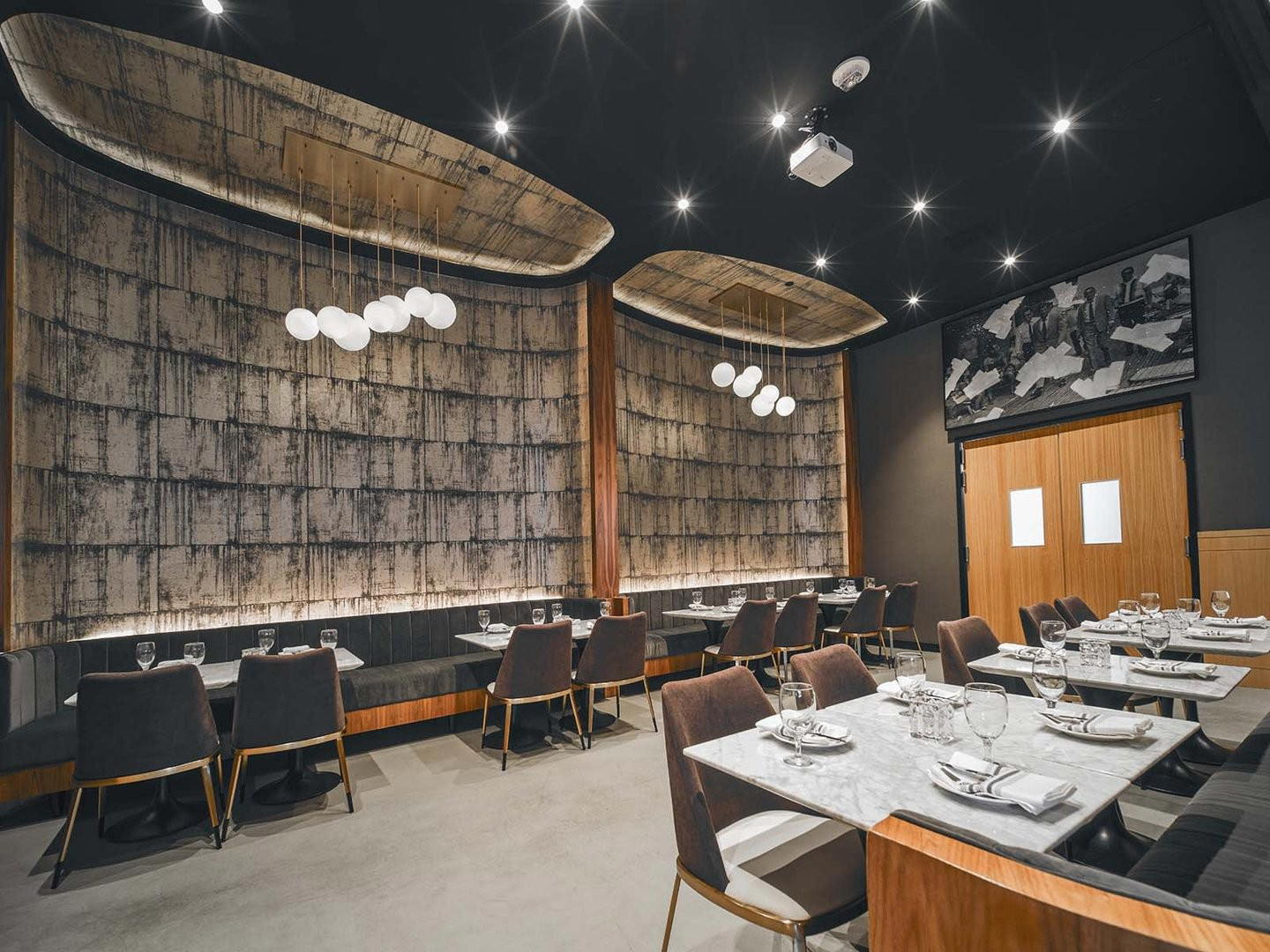
At a Glance
- Elegant
- Sophisticated
- Intimate
- Date Night
- Special Occasion
- Business Dinner
- Sake Program
- Extensive Wine List
- Local Sourcing
Current opening hours
- Monday
- 6–10 PM
- Tuesday
- 6–10 PM
- Wednesday
- 6–10 PM
- Thursday
- 6–10 PM
- Friday
- 12–3 PM, 6:30–10 PM
- Saturday
- 12–3 PM, 6:30–10 PM
- Sunday
- Closed
Hours can change for holidays and private events. Last verified .
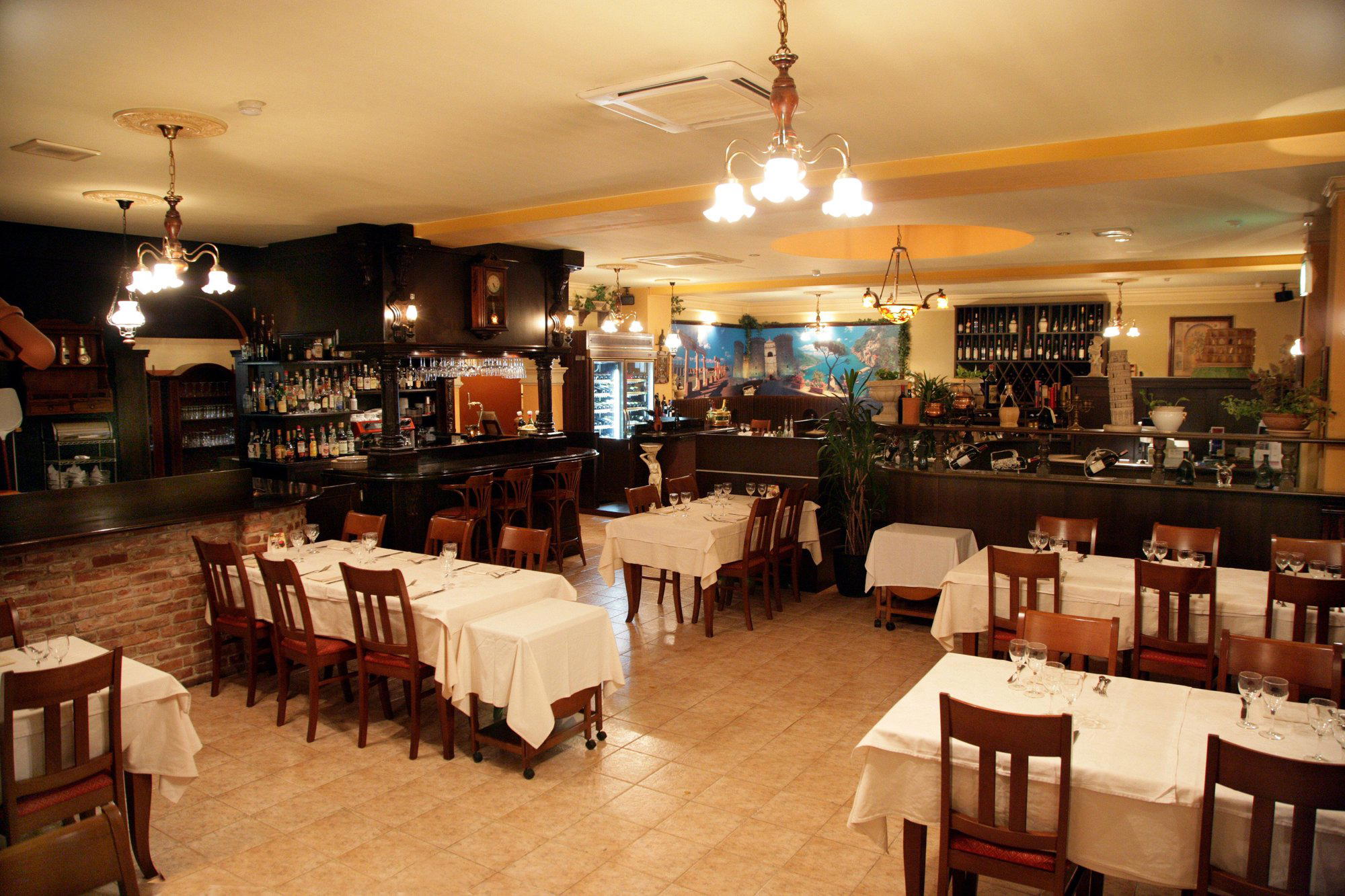
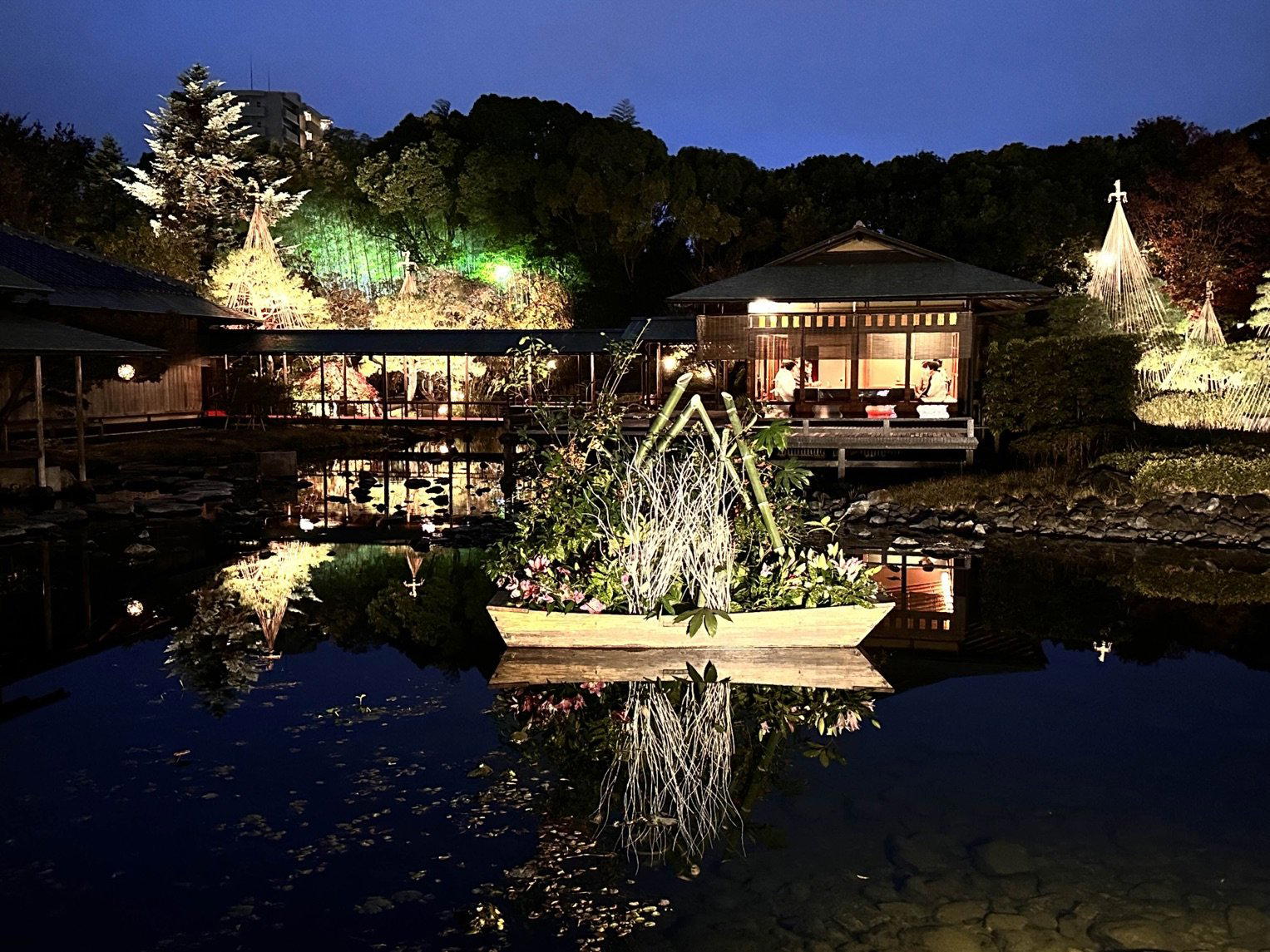
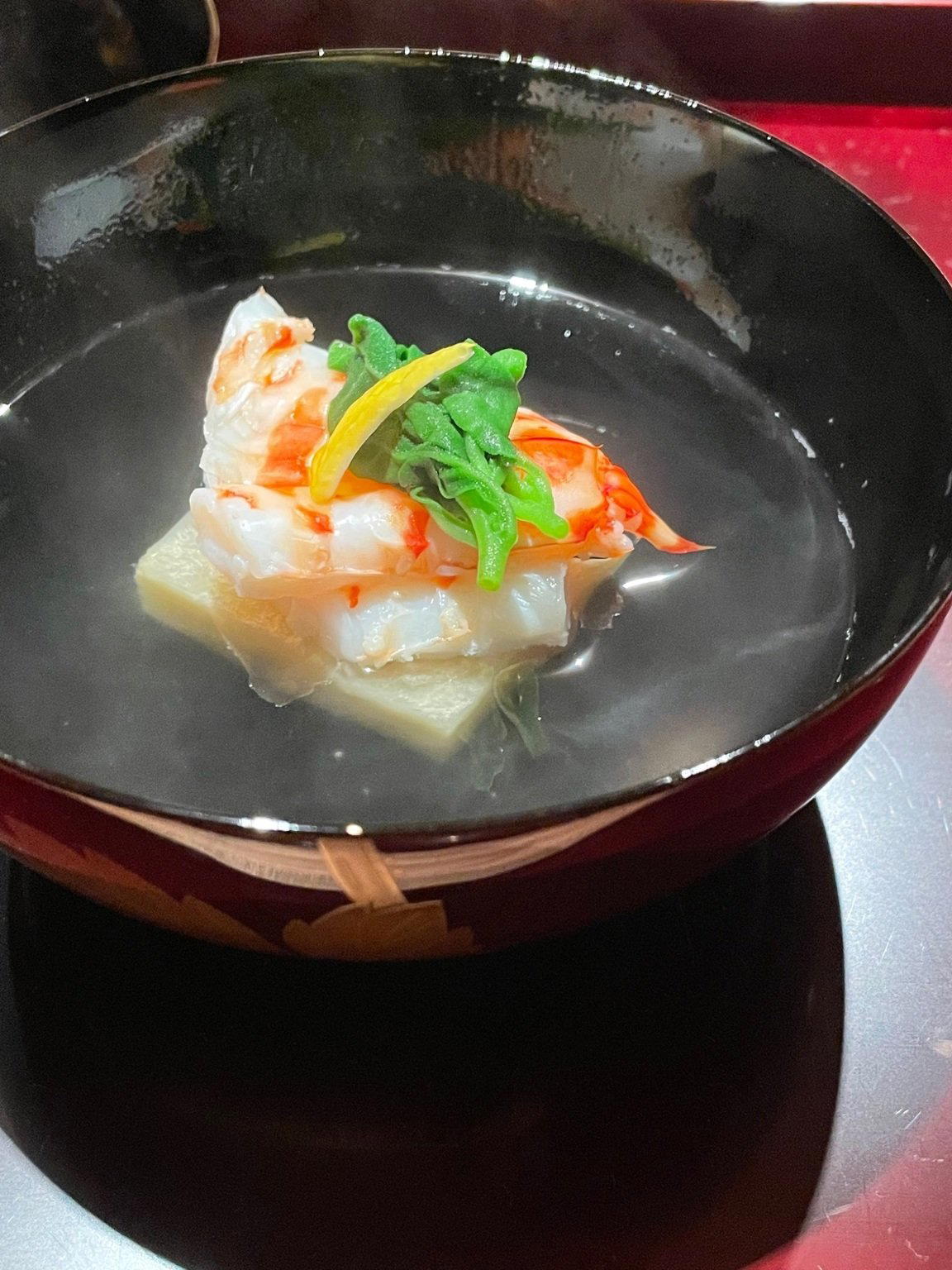
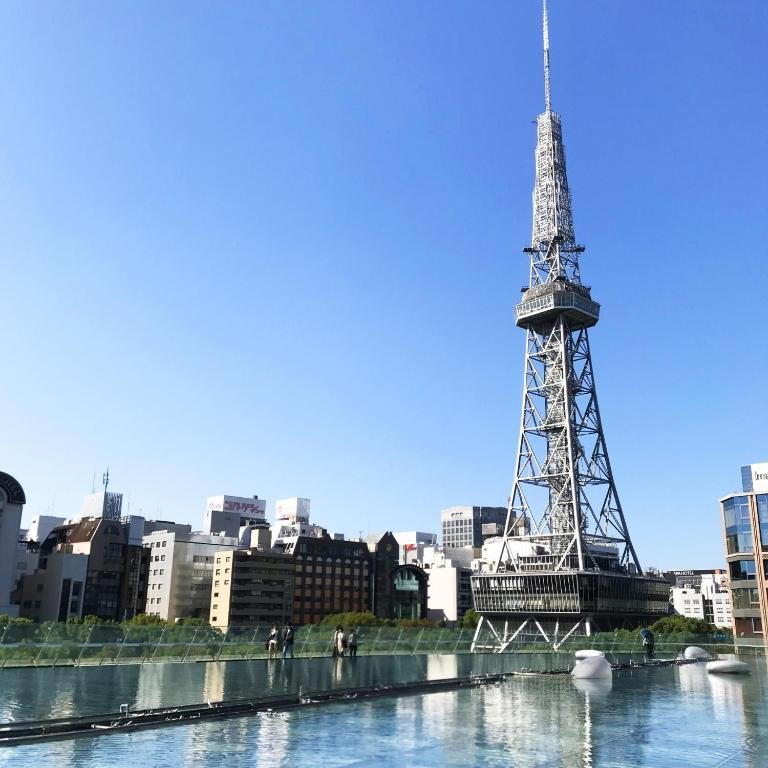
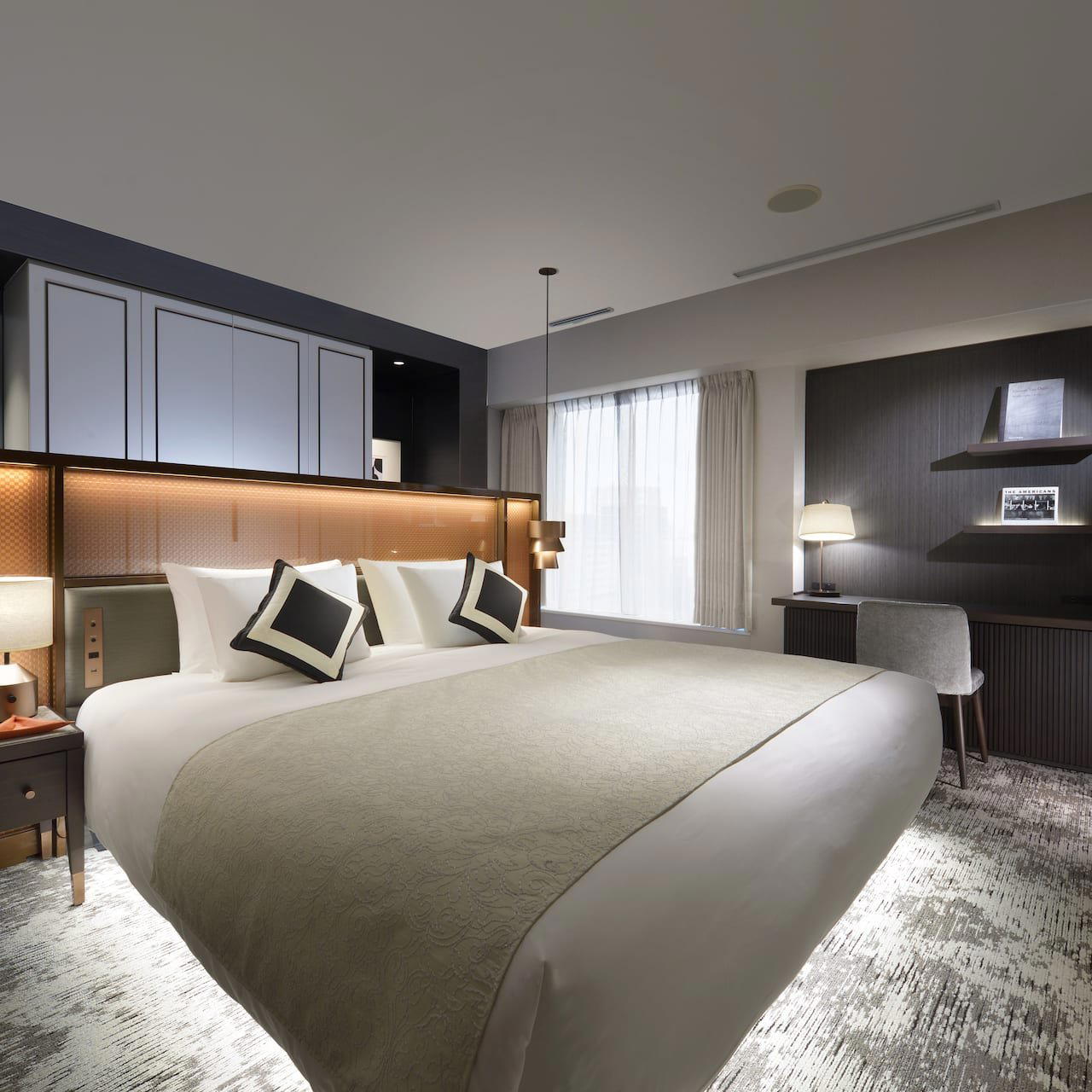
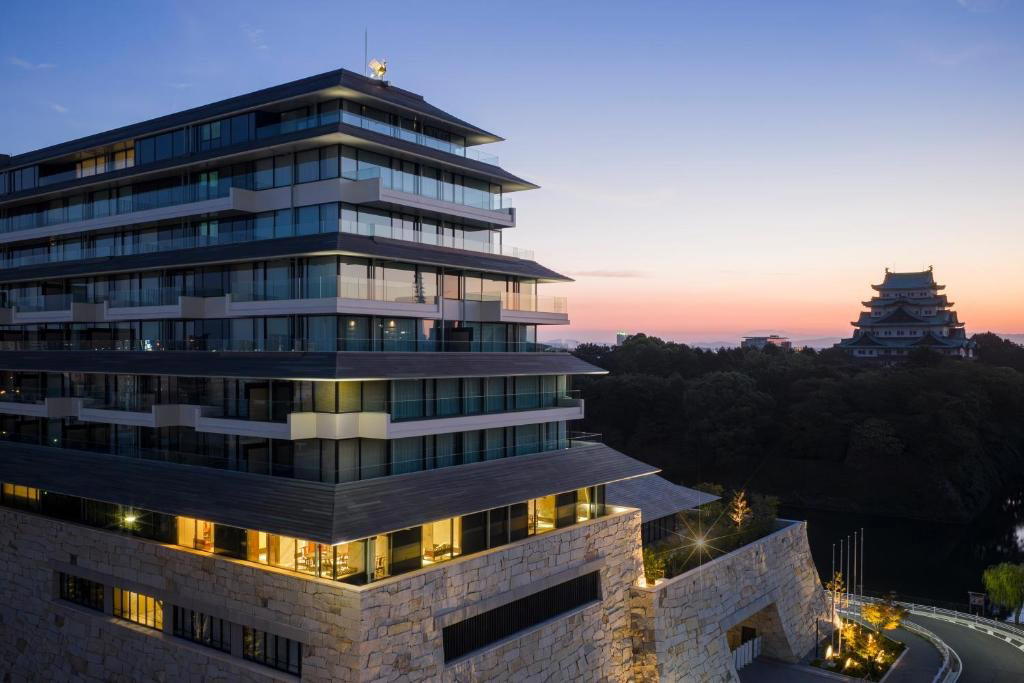
Refined and artistic ambiance with an open terrace facade giving a cafe-like first impression, leading to an elegant, calm interior.