
Tabelog 100 #85
Our verdict
restaurant.m occupies a second-floor address in Sakae, Nagoya's most commercially dense district, where the city's appetite for European-influenced dining intersects with serious wine programming. Precise information on format, chef, and pricing remains limited in public records, but its Sakae placement puts it squarely within Nagoya's mid-to-upper dining tier. Reservation timing and current menu details are best confirmed directly with the venue.

Pearl is the En Primeur Club membership app, where members save venues, book tables and use the concierge.
Sakae and the Shape of Nagoya Dining
Nagoya occupies an unusual position in Japan's dining conversation. Large enough to sustain a serious restaurant culture, yet consistently overshadowed by Osaka, Kyoto, and Tokyo in the international press, the city rewards patience from those willing to look past its industrial reputation. Sakae, the commercial and entertainment core of Naka Ward, is where that culture concentrates. Department store dining floors, street-level izakayas, and second-floor specialty restaurants coexist within a few city blocks, and it is in this layered environment that restaurant.m holds its address at 2 Chome-15-16 Sakae.
The second-floor position matters in a city like Nagoya. Street-level visibility drives volume; second floors self-select for diners who arrive with intent. That spatial logic has long shaped the premium end of Japanese urban dining, from Tokyo to Fukuoka, and Nagoya applies it consistently across its better-regarded independent rooms. Walking up to restaurant.m, the transition from street noise to something quieter is part of the format's implicit contract with its guests.
The Wine Angle: How Nagoya Positions Its Cellar Programs
Across Japan's second-tier cities, the restaurants that develop genuine critical traction tend to do so partly on the strength of their beverage programs. A compelling wine list does several things simultaneously: it signals investment, it attracts a repeat clientele with broader spending horizons, and it forces kitchen discipline, since a serious cellar demands food that can hold its own alongside structured, aged bottles. In Nagoya specifically, where the corporate dining culture is substantial and expense-account meals are common, wine lists tend to skew toward European classics rather than the natural-wine-forward selections that now dominate younger Tokyo rooms.
This is the context in which restaurant.m's wine program, whatever its current depth and curation, should be read. Sakae restaurants operating at the premium tier routinely compete on cellar strength as much as on food alone. Burgundy, Bordeaux, and northern Italian appellations appear with regularity across this segment, selected less for novelty than for reliability across a business-dinner clientele that knows what it wants. The sommelier's role in rooms like this is less about advocacy for obscure producers and more about precision: matching bottle age to kitchen output, reading the table, and keeping service invisible.
For context on what serious wine-driven dining looks like elsewhere in Japan at this tier, HAJIME in Osaka and Gion Sasaki in Kyoto both demonstrate how tightly a beverage program can be wound into the overall dining proposition. akordu in Nara takes a different approach, anchoring its wine selection in Spanish and natural producers, which illustrates how much regional character shapes cellar decisions even within Japan. Restaurant.m's placement in Nagoya's corporate-leaning Sakae district points toward a more conventional, depth-over-novelty approach to curation.
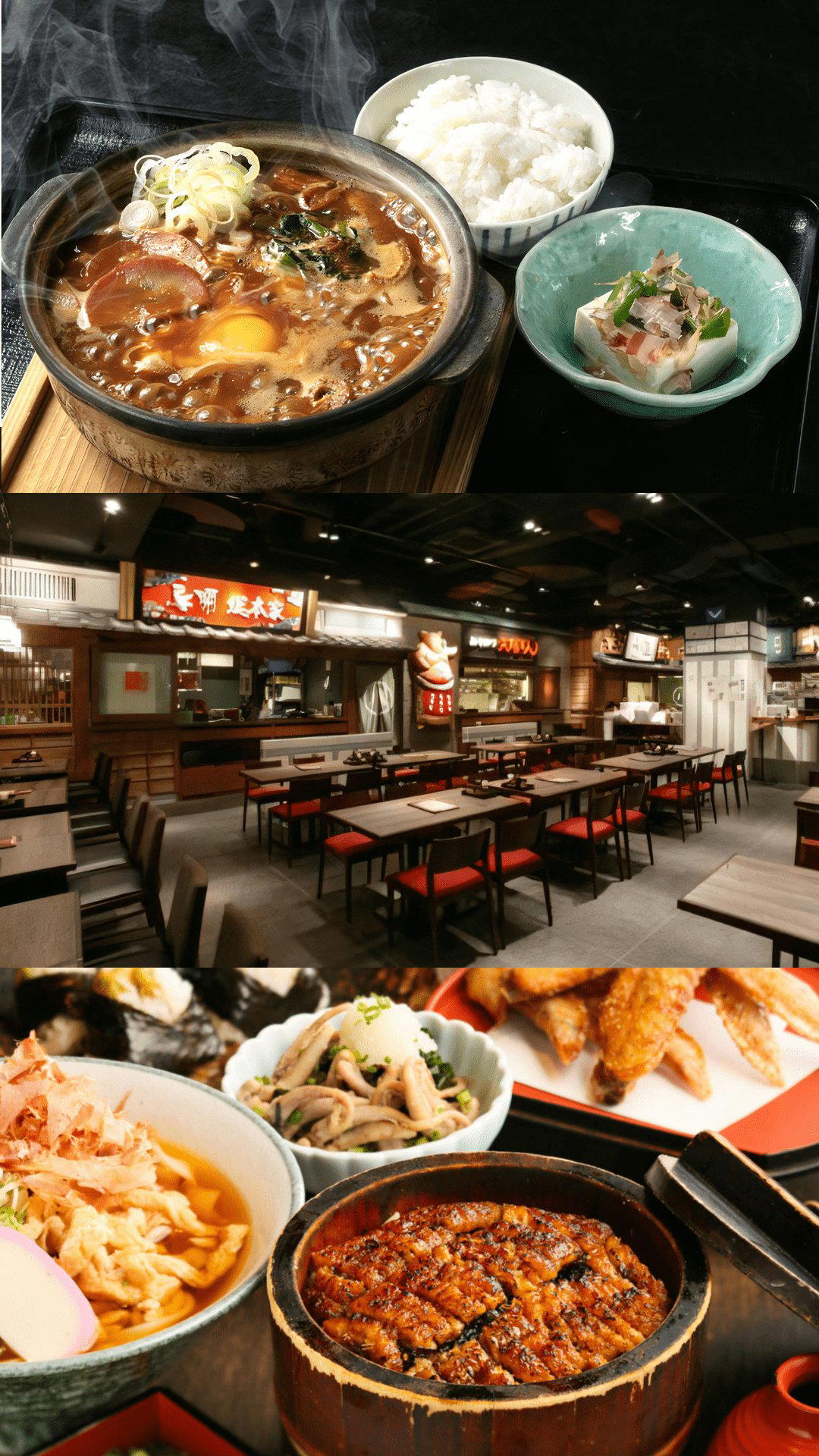
Positioning restaurant.m within Nagoya's dining map requires understanding how the city's restaurant culture fragments. On one end sits the deeply local: Atsuta Horaiken, the city's most referenced hitsumabushi house, operates in an entirely different register, one built around a regional specialty that exists almost nowhere else in Japan with the same institutional weight. On the other end, European-format rooms like Bacio, Chez Kobe, cucina Wada, and Cucina Italiana Gallura compete within a tighter bracket where wine, service formality, and menu structure are the primary differentiators.
Restaurant.m sits in this second group by location and apparent format. The mid-block Sakae address, the second-floor positioning, and the abbreviated name convention all point toward a room that prioritizes a certain kind of discretion. In Japan's premium independent restaurant market, discretion is itself a signal: rooms with the highest demand rarely need aggressive street presence.
Beyond Nagoya, Japan's broader network of serious independent rooms provides useful comparison. Harutaka in Tokyo and Goh in Fukuoka each operate in formats where the wine and beverage program is considered as seriously as the kitchen. The same logic applies to well-regarded rooms in smaller cities: 一本杉 川嶋 in Nanao, 夕佳亭山乃 in Sapporo, and 湖畔荘 in Takashima each demonstrate that Japan's more geographically dispersed dining culture sustains serious programming well outside the major metropolitan centres. 庄内屋 in Nishikawa Machi and Birdland in Sakai round out a picture of how Japan's independent dining scene operates at significant depth in secondary cities.
For a global reference point, Le Bernardin in New York City represents how a wine list can serve as an institutional anchor for a dining room with a long critical track record, while Atomix in New York City shows how a younger, more conceptually ambitious room builds credibility through a beverage program that earns attention independently of the kitchen.
Planning a Visit
Restaurant.m's address places it within comfortable walking distance of Sakae Station, served by the Higashiyama and Meijo subway lines, making access from central Nagoya direct. The Sakae district is dense enough that arrival on foot from a nearby hotel is feasible for most guests staying in Naka Ward.
Because public records for restaurant.m carry limited detail on format, pricing, hours, and booking method, prospective visitors should confirm current operational specifics directly with the venue before travel. This is standard practice for independent rooms in Japan at this tier, where reservation policies and opening patterns can shift seasonally and are rarely maintained in real time on third-party platforms. For a broader orientation to Nagoya's dining options, our full Nagoya restaurants guide maps the city's key neighbourhoods and restaurant categories with more granular context.
Frequently asked questions
Where exactly is restaurant.m?
restaurant.m is located at Japan, 〒460-0008 Aichi, Nagoya, Naka Ward, Sakae, 2 Chome−15−16 コンフォートæ 2階, Nagoya.
Is restaurant.m in Nagoya suitable for a business dinner or special occasion?
The second-floor Sakae address and the independent-room format common to this part of Naka Ward typically suit occasions where privacy and focused service matter more than a buzzy room. Nagoya's serious independent restaurants in this neighbourhood tend to keep covers low, which makes them a natural fit for client dinners or celebratory meals. Confirming the current format and booking policy directly with the venue is advisable before planning around it.
What do people recommend at restaurant.m?
Specific dishes from restaurant.m's menu are not on the public record in enough detail to cite with confidence. What the Sakae address and second-floor room format do suggest is a focused, counter-style approach rather than a broad à la carte operation, the kind of format where the kitchen's direction, not individual orders, shapes the meal. Anyone with firsthand knowledge of the current menu would be the better source here.
How hard is it to get a table at restaurant.m?
No confirmed booking lead time or reservation channel is currently documented for restaurant.m. In Nagoya's Sakae district, independent rooms at this positioning tier often fill weeks out, particularly on weekends, and tend to operate through telephone or in-person reservations rather than third-party platforms. Contacting the venue directly is the safest approach until more booking data enters the public record.
What makes restaurant.m worth seeking out?
Nagoya sits in an awkward position in Japan's dining press: large enough to support serious independent kitchens, yet consistently underreported relative to Tokyo and Osaka. restaurant.m's placement in Sakae, the city's commercial and dining core, within walking distance of Sakae Station, puts it in the company of the rooms that have quietly built Nagoya's reputation among travellers who move beyond the obvious cities. The honest case for seeking it out rests on that local positioning rather than a documented awards trail.
How It Stacks Up
Comparable venues nearby, for context on price, style, and recognition.
| Venue | Cuisine | Price | Awards | Notes |
|---|---|---|---|---|
| restaurant.mThis venue (the venue you are viewing) | Modern French | Not listed | Tabelog 100 #85 | Not listed |
| マスドラヴァンド | Classic French Fine Dining | $150–200 | Tabelog Bronze #257 | Higashi |
| ビストロ ダイア | Neo French Bistro | Not listed | Not listed | Shinei |
| ラ・ドゥ―ル | French Restaurant | Not listed | Tabelog 100 #14 | Chikusa |
| Bistrot L'Ampoule | Seasonal French Bistrot with Natural Wine | $50–100 | Tabelog 100 #93 | Naka |
| ラ・ヴァガボンド | Modern French Fine Dining | $200–300 | Tabelog Bronze #236 | Naka |
Recognition history
Dated appearances from independent guides and award organizations, with the underlying list record or original source where available.
Tabelog 100 #85 · No. 85
Tabelog · Tabelog 100 - French - EAST - 2025
Continue exploring
More in Nagoya
Details
- Elegant
- Sophisticated
- Modern
- Date Night
- Special Occasion
- Business Dinner
- Design Destination
- A La Carte
Current opening hours
- Monday
- 11:30 AM–2:30 PM, 6–10 PM
- Tuesday
- Closed
- Wednesday
- Closed
- Thursday
- 11:30 AM–2:30 PM, 6–10 PM
- Friday
- 11:30 AM–2:30 PM, 6–10 PM
- Saturday
- 11:30 AM–2:30 PM, 6–10 PM
- Sunday
- 11:30 AM–2:30 PM, 6–10 PM
Hours can change for holidays and private events. Hours as of .
Sophisticated and elegant atmosphere focused on refined French dining.