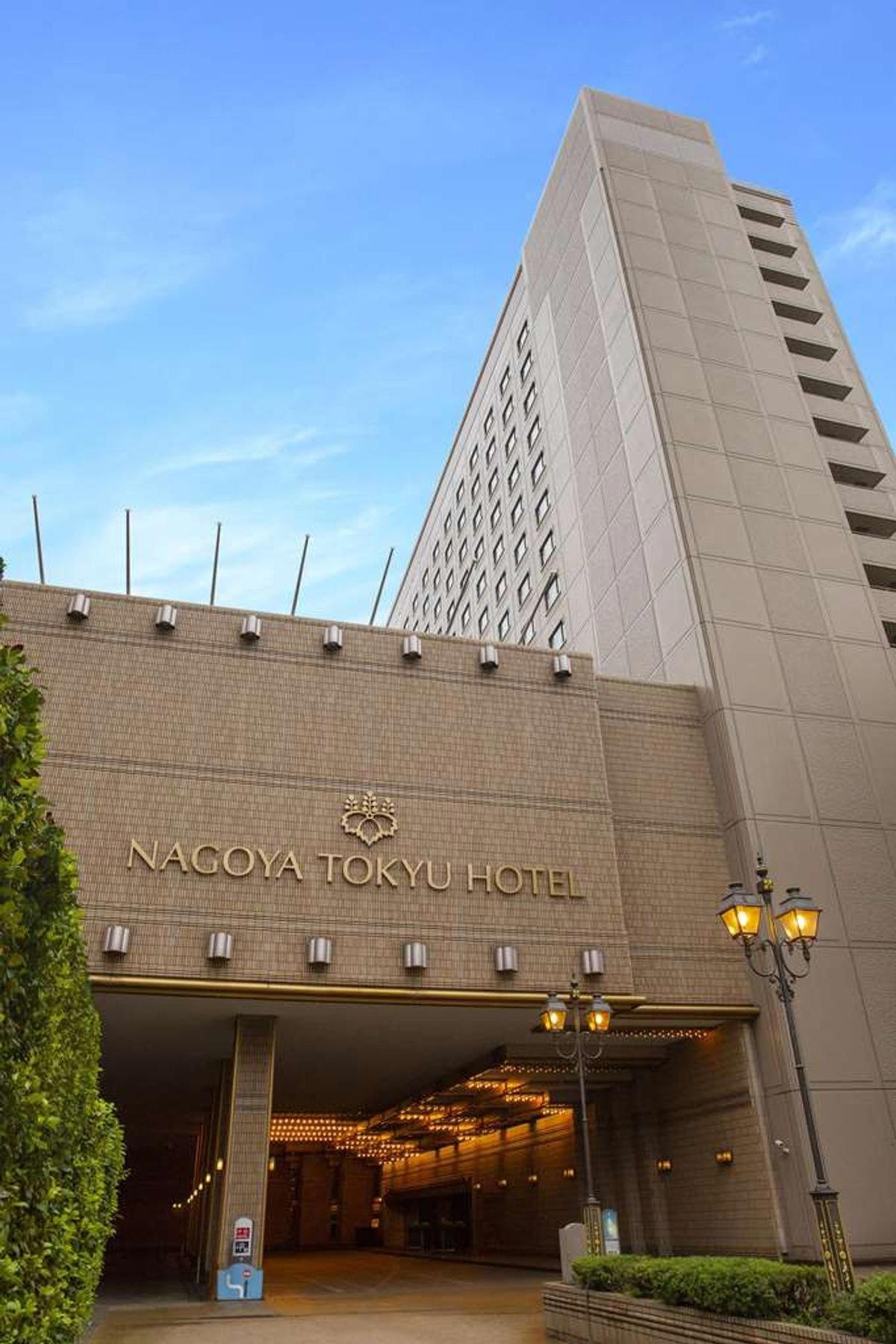
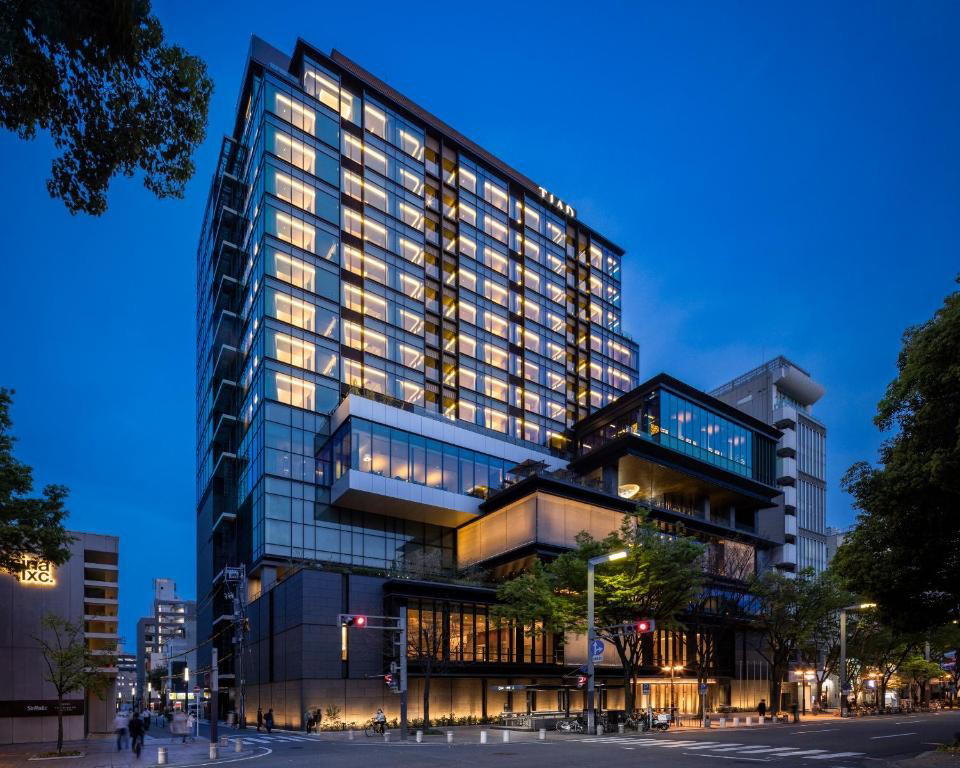
Located in the basement of Hotel MyStays Nagoya Sakae in Higashisakura, マスドラヴァンド occupies a position in one of Nagoya's most active dining corridors. The venue's Naka Ward address places it within reach of the city's broader restaurant circuit, from long-established eel houses to newer European-inflected tables. For those building a Nagoya itinerary, it warrants consideration alongside the neighbourhood's varied dining options.
Pearl is the En Primeur Club membership app — saves, bookings, and concierge access live there. Same editors, same standards.
- Address
- Japan, 〒460-0005 Aichi, Nagoya, Naka Ward, Higashisakura, 2 Chome−23−22 ホテル マイステイズ 名古屋 栄 B1
- Phone
- +81523252587
- Website
- masdelavande.com
- Directions
- Get directions
 Saves & bookings on Pearl
Higashisakura and the Basement Dining Tier
Nagoya's Naka Ward has developed a layered dining geography over the past decade. Street-level and upper-floor restaurants draw foot traffic from Sakae's commercial core, but the ward's basement venues operate on different terms: lower overheads, controlled atmospherics, and a clientele that tends to arrive with purpose rather than impulse. マスドラヴァンド sits in this lower tier, occupying basement space within Hotel MyStays Nagoya Sakae on Higashisakura, an address that places it a short distance from both the Oasis 21 area and the quieter residential edges of Higashisakura 2-chome. The surrounding block includes a mix of hotel dining, independent restaurants, and izakaya-style operations, meaning competition is visible and the bar for holding repeat custom is functional rather than theoretical.
Basement dining in Japanese city hotels exists on a spectrum. At one end, hotel F&B outlets default to convenience formats aimed at in-house guests. At the other, basement spaces get leased to independent operators who treat the location as an incubator: lower visibility, lower rent, and the freedom to build a following through word of mouth rather than passing trade. The Higashisakura corridor leans toward the latter pattern, where a number of basement and ground-floor venues have built reputations that extend beyond the immediate hotel context. Whether マスドラヴァンド fits that independent-operator model or functions closer to an in-house hotel offering is a distinction that shapes how to read it within the neighbourhood's dining structure, and how to plan a visit accordingly.
The Lunch and Dinner Question in Nagoya's Mid-City Restaurants
Across Nagoya's Naka Ward, the gap between daytime and evening service has become one of the more useful lenses for planning where to eat and when. At the higher end of the city's dining circuit, venues like Atsuta Horaiken (あつた蓬莱軒 本店), whose hitsumabushi format draws queues that peak around midday, or the Italian tables in Sakae that operate compressed lunch menus for the office crowd, the daytime service is often the more accessible entry point, with shorter waits, condensed formats, and price points that sit meaningfully below the evening equivalent.
For venues operating inside hotel buildings, this daytime-evening divide tends to sharpen further. Lunch service in a hotel basement often serves a dual audience: hotel guests who want proximity and locals who want value. Evening service typically shifts toward a more deliberate dining occasion, with longer average stays, higher spend per cover, and menus that expand or reconfigure. In Nagoya's competitive mid-city tier, where venues like Bacio, cucina Wada, and Cucina Italiana Gallura each operate distinct lunch and dinner propositions, the question of when to visit is as consequential as where.
What the Higashisakura address does suggest is that the venue operates within a neighbourhood where lunch-hour demand from nearby offices and hotels creates a reliable daytime trade, while evening service draws from a wider catchment across Naka Ward and Sakae. Visitors planning a single visit should consider which format aligns with their itinerary: midday visits to this corridor tend to move faster and reward spontaneity, while evenings reward advance planning.
Nagoya in a Broader Japanese Dining Context
Placing any Nagoya venue in the national conversation requires acknowledging the city's position in Japan's dining hierarchy. Nagoya has historically occupied a middle tier between the Michelin-dense circuits of Tokyo, Kyoto, and Osaka and the more regional identities of cities like Fukuoka or Sapporo. That positioning has shifted in recent years. The Tokai region's food culture, built on miso-katsu, hitsumabushi, kishimen, and tebasaki, has gained international recognition, and the city's higher-end restaurant scene has grown alongside it, with European-trained chefs and omakase operators establishing footholds in Sakae and the surrounding wards.
The comparison set matters here. Dining at the level of HAJIME in Osaka, Harutaka in Tokyo, or Gion Sasaki in Kyoto involves a completely different planning calculus, months-ahead reservations, formal dress codes, and prix-fixe commitments, than dining in Nagoya's mid-city hotel corridor. For travellers building a multi-city Japan itinerary that might include akordu in Nara, Goh in Fukuoka, or further-afield stops at venues like 一本木 勝川製 in Nanao or 鶯羽屋 in Nishikawa Machi, Nagoya functions as a logical transit hub rather than a culinary endpoint. That context shapes how much planning energy to invest in any single Nagoya venue.
The neighbouring reference points, 夫代山乃 in Sapporo, 湖畔荘 in Takashima, or Birdland in Sakai, represent the geographic range of venues that share relevant dining category positioning. Internationally, the standards set by operations like Le Bernardin in New York City or Atomix in New York City frame what stronger examples from any given category looks like, which helps calibrate expectations when assessing mid-tier city venues anywhere in Japan.
Also worth cross-referencing in Nagoya's European-influenced tier: Chez Kobe, which operates in a French-adjacent register that has built a local following over time.
Planning a Visit
The Hotel MyStays Nagoya Sakae address in Higashisakura 2-chome is within walking distance of Sakae Station, served by the Higashiyama and Meijo subway lines. The basement location within the hotel means the entrance requires some orientation on arrival, look for the hotel building itself rather than street signage for the restaurant.
Comparable Spots, Quickly
Comparable venues nearby, for context on price, style, and recognition.
| Venue | Cuisine | Price | Notes |
|---|---|---|---|
| マスドラヴァンドThis venue — the venue you are viewing | Classic French Fine Dining | $$$ | Not listed |
| Salamanger de Casino | French bistro | $$$ | Nakamura |
| ビストロ ラヴィ | French Bistro | $$$ | Chikusa |
| Restaurant Loire French | Classic French Fine Dining | $$$ | Naka |
| Rose Room Nagoya | Teppanyaki & French Fine Dining | $$$ | Naka |
| ル・タン・ペルデュ | Modern Natural French | $$$ | Naka |
Continue exploring
More in Nagoya
Restaurants in Nagoya
Browse all →

At a Glance
- Classic
- Elegant
- Sophisticated
- Date Night
- Special Occasion
- Business Dinner
- Hotel Restaurant
- Extensive Wine List
Current opening hours
- Monday
- 6–11 PM
- Tuesday
- 6–11 PM
- Wednesday
- 6–11 PM
- Thursday
- 6–11 PM
- Friday
- 6–11 PM
- Saturday
- 6–11 PM
- Sunday
- Closed
Hours can change for holidays and private events. Last verified .
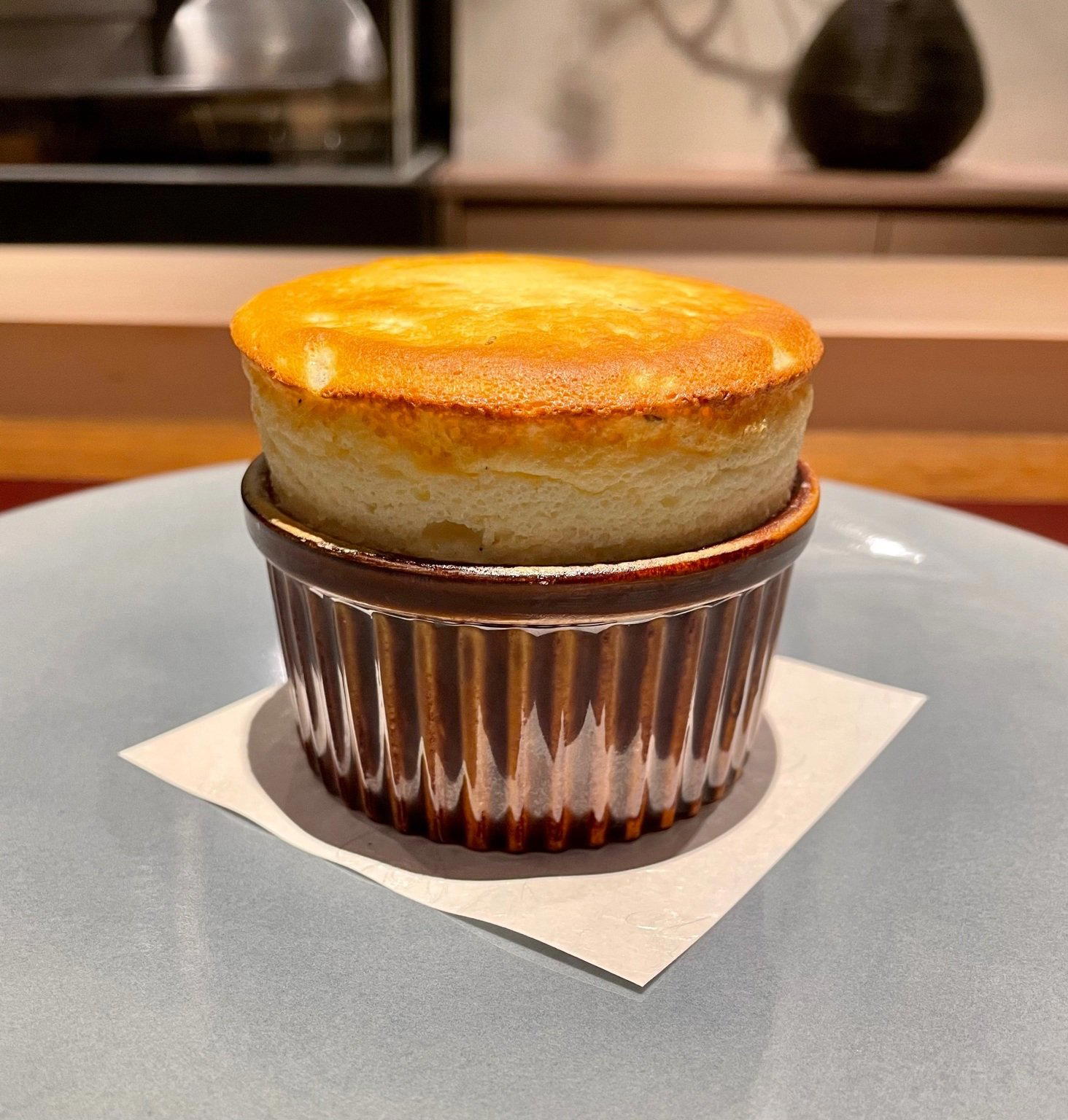
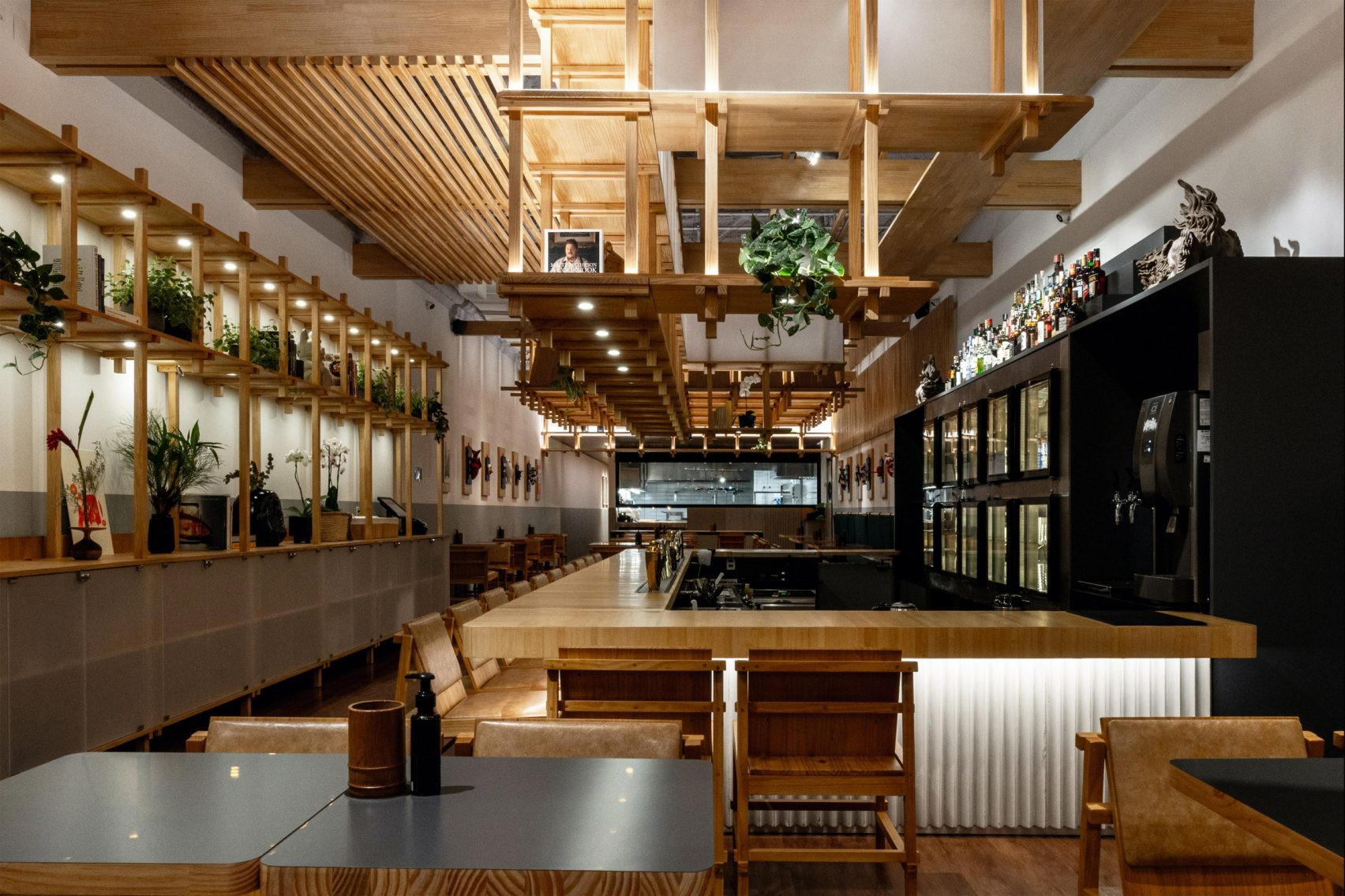
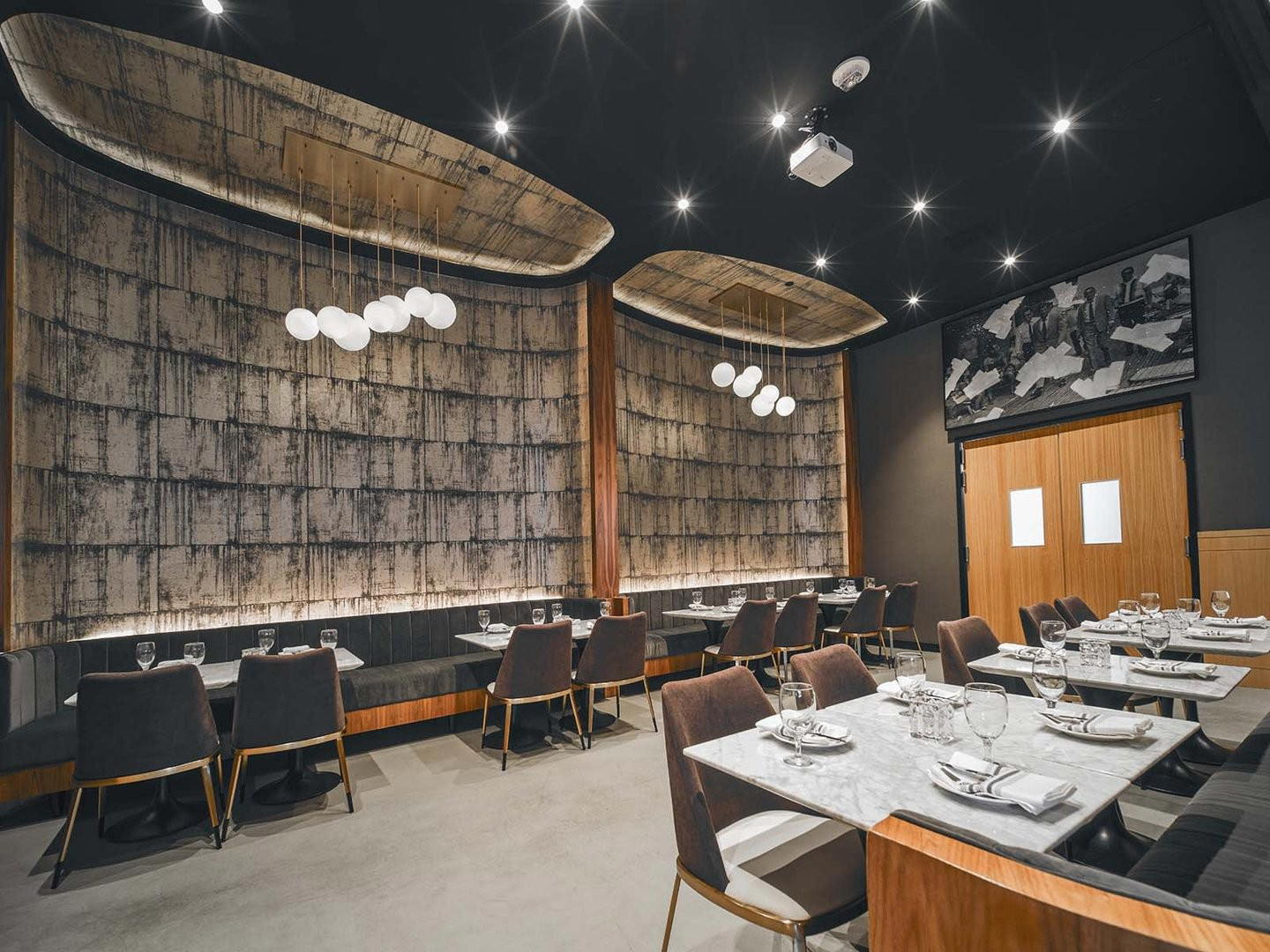
Warm and inviting classic French atmosphere.