A bistro in Nagoya's Chikusa Ward operating from a ground-floor space in the Ikegami Creil building, ビストロ ラヴィ sits within a neighbourhood that has developed a quiet density of European-influenced dining over the past decade. The address places it away from Sakae's busier commercial corridors, making it a destination rather than a walk-in option for most visitors to the city.
Pearl is the En Primeur Club membership app — saves, bookings, and concierge access live there. Same editors, same standards.
- Address
- Japan, ã464-0073 Aichi, Nagoya, Chikusa Ward, å種åº7, é«è¦2ä¸ç®7-10æ± ä¸ãã¯ã¬ã¤ãã«1F
- Phone
- +81527347979
- Directions
- Get directions
 Saves & bookings on Pearl
Chikusa Ward and the Drift Toward Neighbourhood Bistros
Nagoya's dining geography has never been as centralised as Tokyo's or as neighbourhood-defined as Kyoto's. For much of the city's modern restaurant history, serious eating clustered around Sakae and the areas immediately around major transit hubs. Over the past decade, however, a counter-movement has taken shape: smaller European-format restaurants have opened in residential wards, trading high footfall for a quieter, more deliberate clientele. Chikusa Ward sits inside that shift. Its streets hold a mix of long-established coffee shops, independent retailers, and a growing set of bistro-format addresses that serve the ward's residential population as much as they draw visitors from elsewhere in the city.
ビストロ ラヴィ occupies the ground floor of the Ikegami Creil building in the Takaminé district of Chikusa Ward. That address is specific in ways that matter: it is not a converted warehouse or a laneway address fashioned for visual drama, but a street-level commercial space in a mid-density residential pocket. This kind of placement is increasingly common among the more interesting European bistros in Japanese provincial cities. The room does not announce itself through an elaborate facade, and that restraint sets an expectation before you have crossed the threshold.
The Physical Container: What the Space Communicates
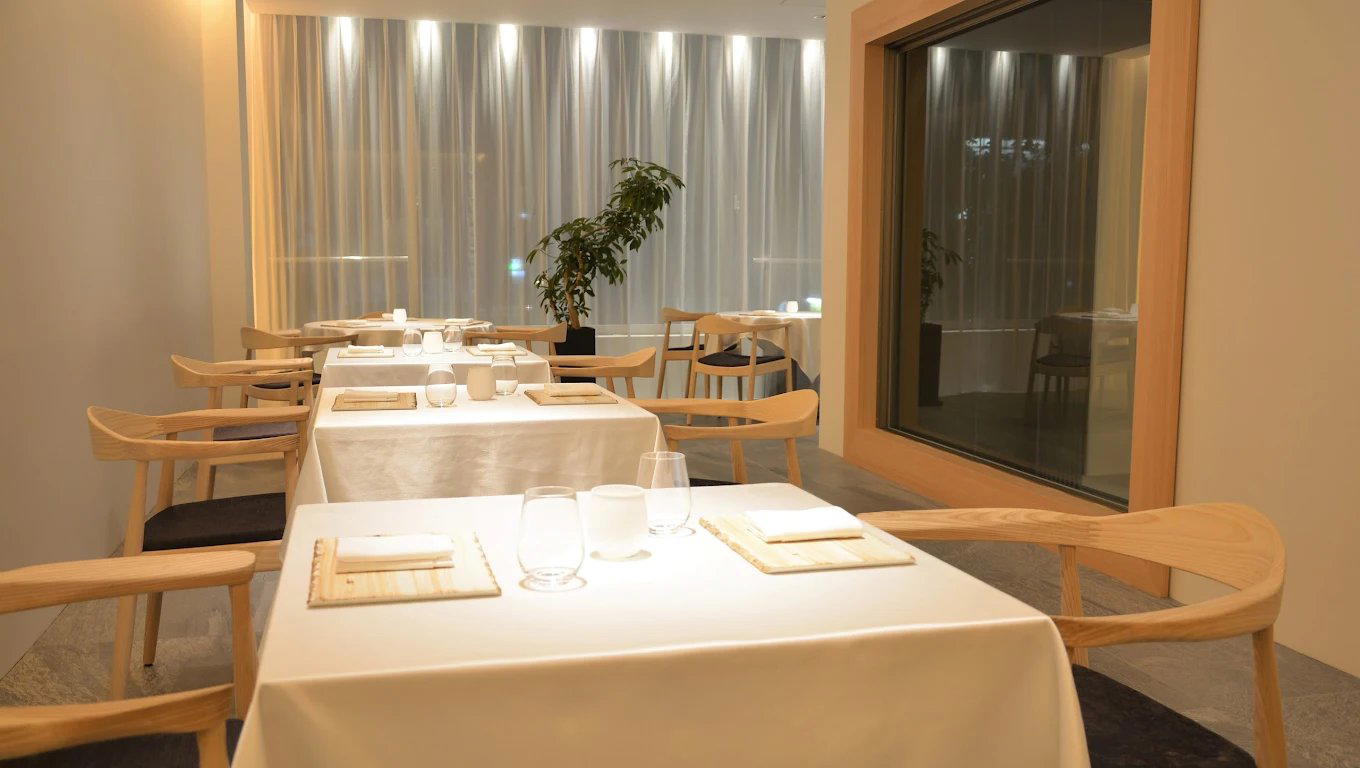
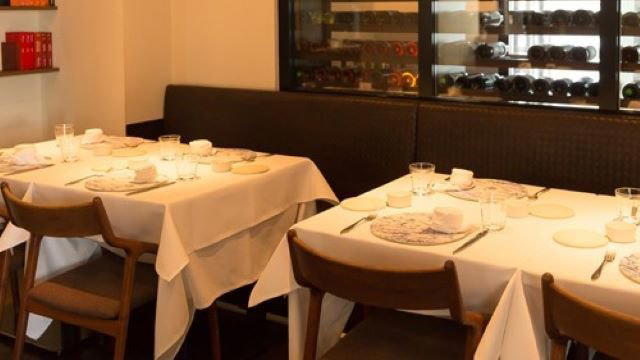
Ground-floor bistro spaces in Japanese residential blocks operate under particular spatial constraints. Ceiling heights are modest, sight lines are short, and the distance between the entrance and the kitchen is compressed. In the hands of operators who understand these limits, compression becomes atmosphere rather than inconvenience. The intimacy that a small room produces in this context is structural, not manufactured through styling choices layered over a larger shell.
The Ikegami Creil building provides the kind of neutral residential architecture that places the interior work entirely in the hands of the operator. How a bistro of this format furnishes and arranges its space within those parameters says a great deal about its operating philosophy. Tight seating plans signal a preference for turnover; more generously spaced tables signal an intention to hold guests for the duration of a longer meal. The bistro format itself, when executed seriously in Japan, tends toward the latter: a meal that extends across multiple courses and requires the room to accommodate sustained occupation of each seat.
For visitors arriving from the direction of Kakuozan or Chikusa stations, the walk through the ward gives a sense of the neighbourhood's character before any particular destination comes into view. This is not Nagoya's showpiece dining district, and that absence of showpiece energy is precisely the point. Addresses like this one ask for a degree of intention from the guest that more prominent locations do not require.
Where ビストロ ラヴィ Sits in Nagoya's European Dining Range
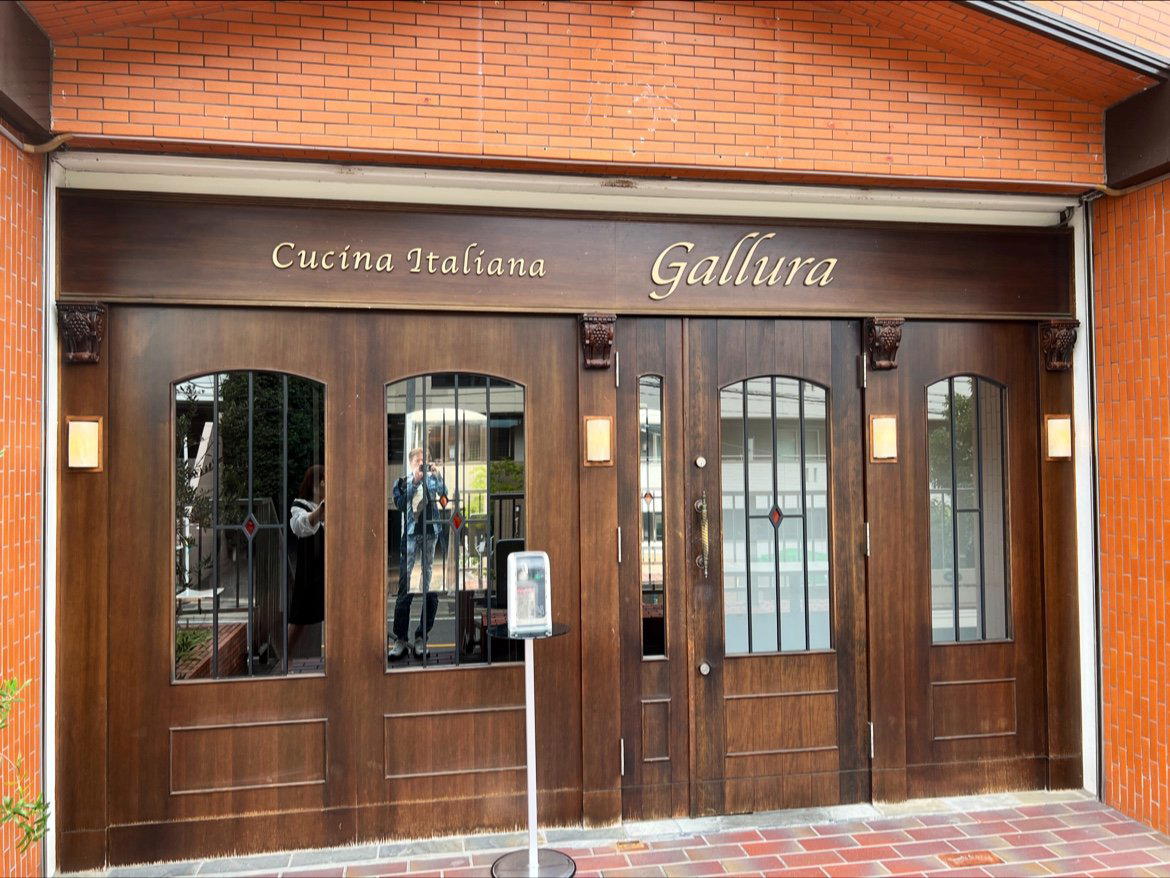
Nagoya's European restaurant tier spans a considerable range. At one end, the city holds Italian addresses with long track records and established local followings: Bacio and Cucina Italiana Gallura represent different expressions of Italian cooking with distinct positioning in the local market. French-inflected cooking appears in formats ranging from contemporary tasting menus to more casual bistro arrangements. Chez Kobe occupies a particular position in the French register, while cucina Wada takes a different approach to Italian technique in the city's dining mix.
The bistro format specifically sits between the casualness of a neighbourhood café and the ceremony of a full tasting-menu restaurant. In Japanese cities, this middle register is often where the most practically interesting eating occurs: the kitchen has enough ambition to produce technically considered food, but the format keeps the experience accessible to guests who are not organizing an evening around a special occasion. For context on how this tier functions across Japan's restaurant culture more broadly, Gion Sasaki in Kyoto and HAJIME in Osaka represent the upper end of that ambition curve, while neighbourhood-format addresses like ビストロ ラヴィ serve a different function in the same ecosystem.
Nagoya also carries the weight of its own culinary traditions. Atsuta Horaiken, the city's reference-point unagi address, represents a strand of Nagoya dining that is entirely local in its logic. European bistros operate alongside these traditions rather than in competition with them, drawing a clientele that moves between both registers depending on occasion and appetite. Our full Nagoya restaurants guide maps this range in more detail.
The Bistro Format Across Japan's Secondary Cities
The neighbourhood bistro has found consistent footing in Japanese cities outside Tokyo and Osaka over the past fifteen years. In Fukuoka, addresses like Goh demonstrate how smaller cities can sustain serious European-influenced cooking when the local population has the appetite for it. In Nara, akordu has built a following that draws guests from well beyond the city's tourist radius. The pattern suggests that the format's viability in provincial Japan is not accidental: it responds to a real demand among local residents for serious food in formats that do not require the logistical commitment of a multi-hour tasting menu.
Further afield, addresses like 一本木 名川制 in Nanao and 北大納屋乃 in Sapporo illustrate how this dynamic plays out in cities with very different demographic and geographic profiles. The common thread is a residential or semi-residential address, a room of limited scale, and a kitchen operating at a level of technical care that outpaces the modesty of the surroundings. 湖畔荘廂 in Takashima and 庄羽屋 in Nishikawa Machi extend this further into rural and semi-rural contexts. For reference points outside Japan, Le Bernardin in New York City and Atomix in New York City represent how the European-trained technical register anchors itself at the upper end of a major metropolitan market, a useful contrast for understanding where the neighbourhood bistro sits on that continuum. Birdland in Sakai and Harutaka in Tokyo add further points of comparison across different Japanese cities and formats.
Planning a Visit
Chikusa Ward is accessible from central Nagoya via the Higashiyama subway line, with Chikusa and Kakuozan stations both within walking distance of the Takaminé district. The ground-floor location in the Ikegami Creil building is a direct street address rather than a concealed or refined space, which simplifies arrival. Given the venue's neighbourhood positioning and the typical capacity constraints of ground-floor bistro spaces in residential blocks, booking ahead is the appropriate approach rather than arriving without a reservation.
How ビストロ ラヴィ Nagoya compares with similar nearby venues.
| Venue | Price |
|---|---|
| Yakiniku Hakushu Kassai | JPY 10,000 - JPY 14,999 |
| Kajikawa | JPY 10,000 - JPY 14,999 JPY 6,000 - JPY 7,999 |
| LECRIN DE YUMIKO | JPY 2,000 - JPY 2,999 |
| Housa Saryo | JPY 20,000 - JPY 29,999 JPY 10,000 - JPY 14,999 |
At a Glance
- Cozy
- Elegant
- Intimate
- Romantic
- Date Night
- Special Occasion
- Open Kitchen
- Sake Program
Current opening hours
- Monday
- 5 PM–12 AM
- Tuesday
- 5 PM–12 AM
- Wednesday
- 5 PM–12 AM
- Thursday
- 5 PM–12 AM
- Friday
- 5 PM–12 AM
- Saturday
- 5 PM–12 AM
- Sunday
- Closed
Hours can change for holidays and private events. Last verified .
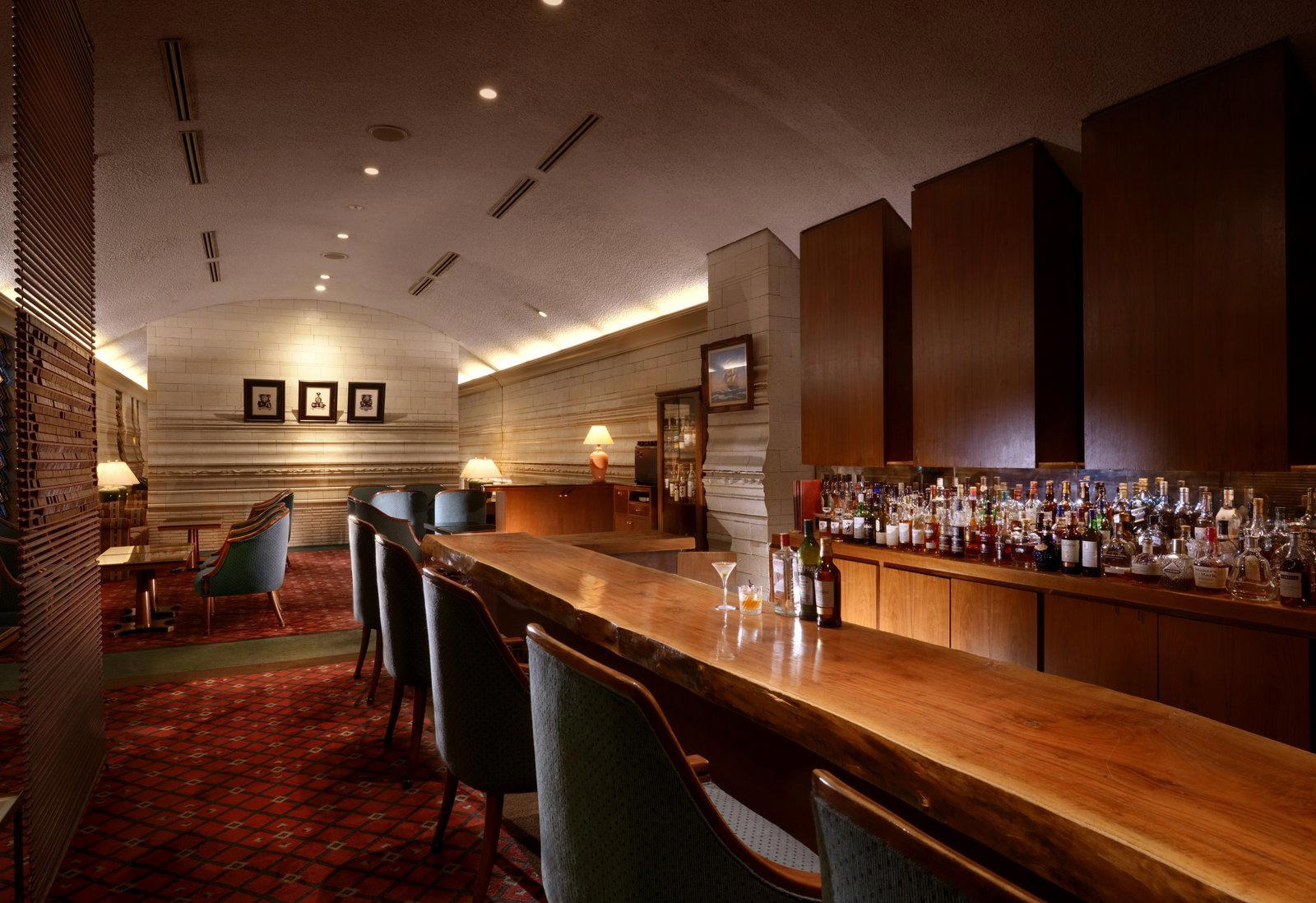
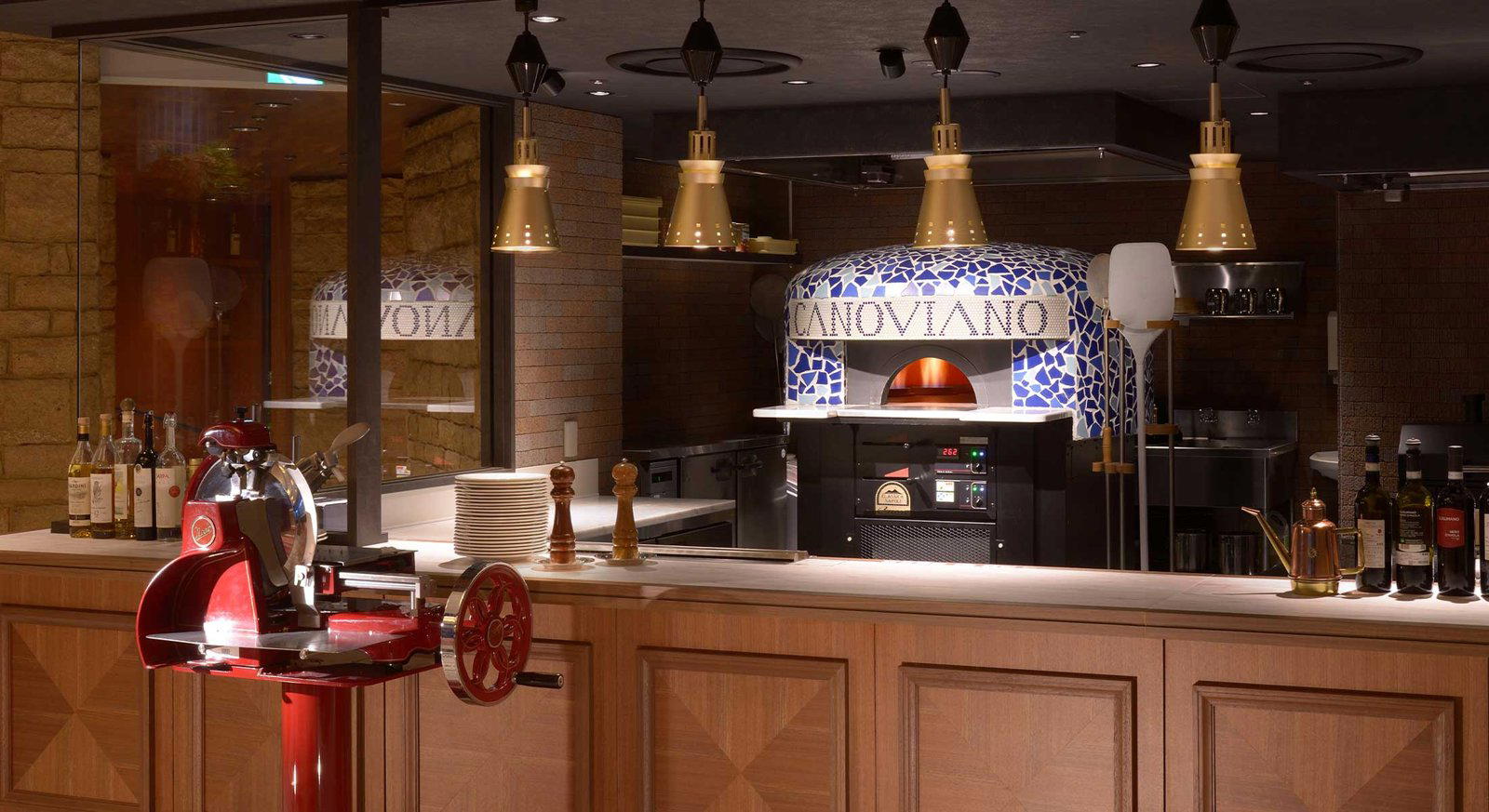
Warm and welcoming with a moody atmosphere, featuring a counter overlooking the open kitchen for an intimate dining experience.
Know Before You Go
- Getting there
- Japan, ã464-0073 Aichi, Nagoya, Chikusa Ward, å種åº7, é«è¦2ä¸ç®7-10æ± ä¸ãã¯ã¬ã¤ãã«1F