Our verdict
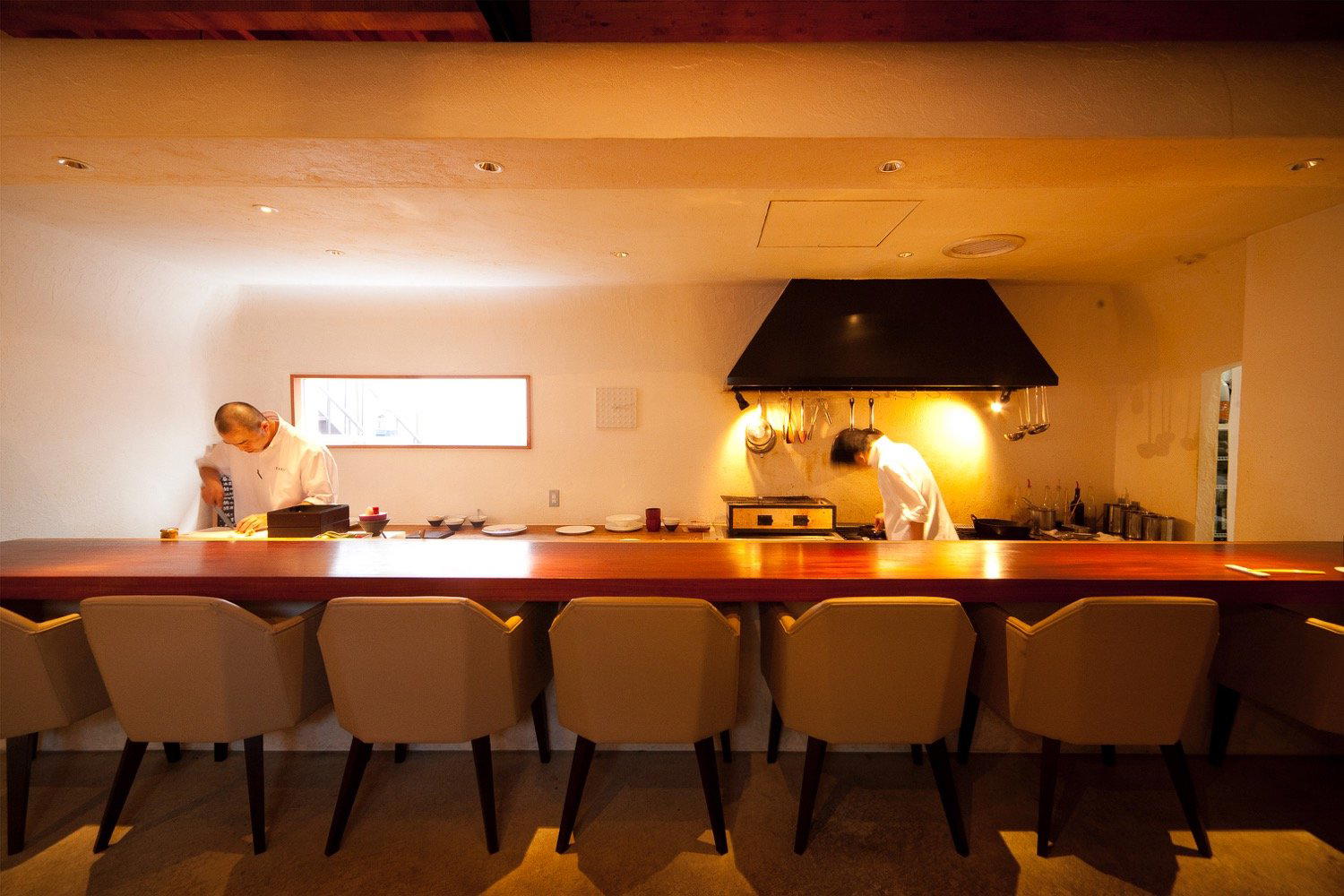
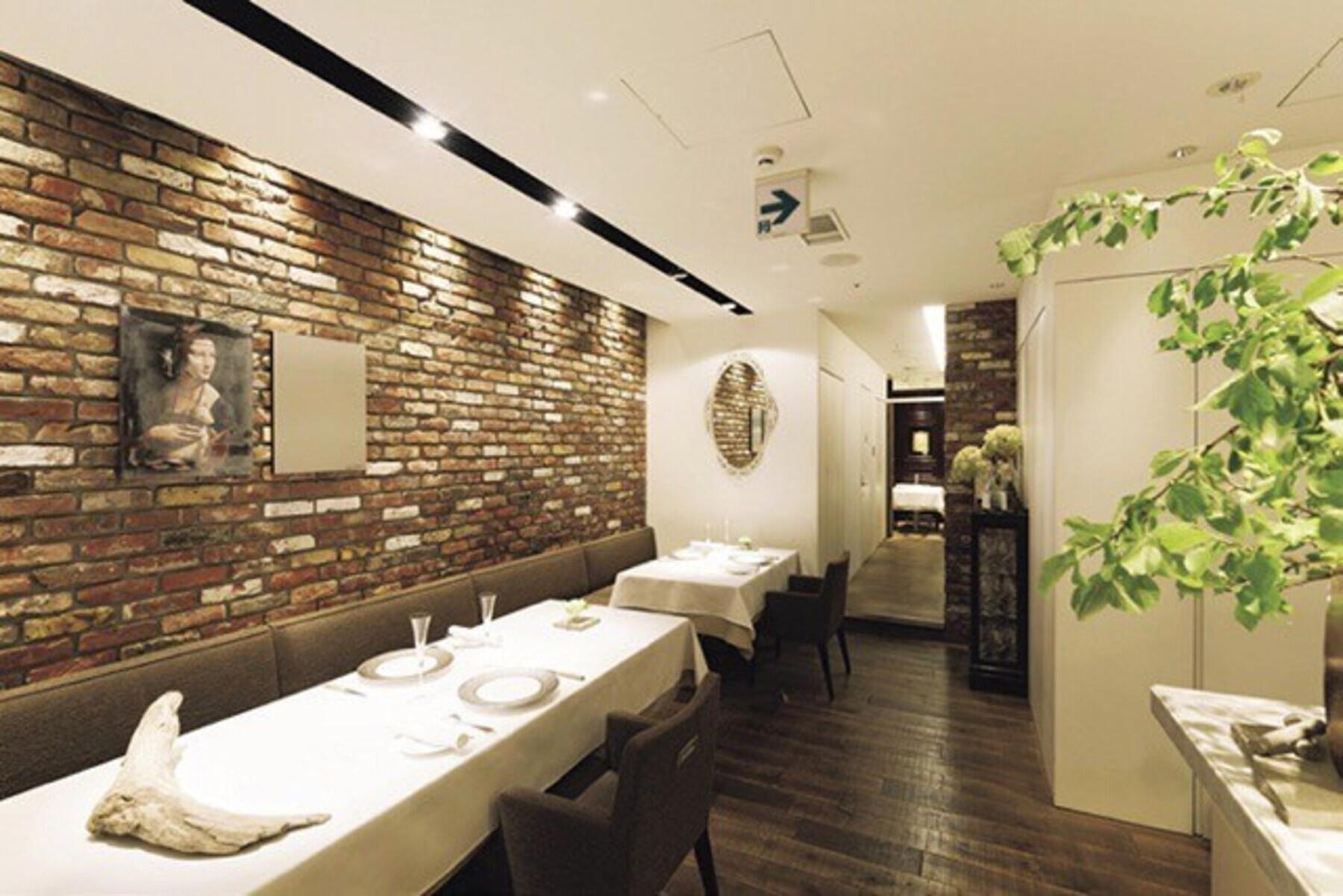
In Sapporo's Chuo Ward, タテオカ タケシ occupies a position within the city's compact tier of destination restaurants where the menu architecture does most of the talking. Compared to the kaiseki formalism of venues like Hanakoji Sawada or the sushi precision of Arima, it represents a distinct register in Hokkaido's dining conversation.

Pearl is the En Primeur Club membership app, where members save venues, book tables and use the concierge.
Sapporo's Dining Register and Where タテオカ タケシ Sits
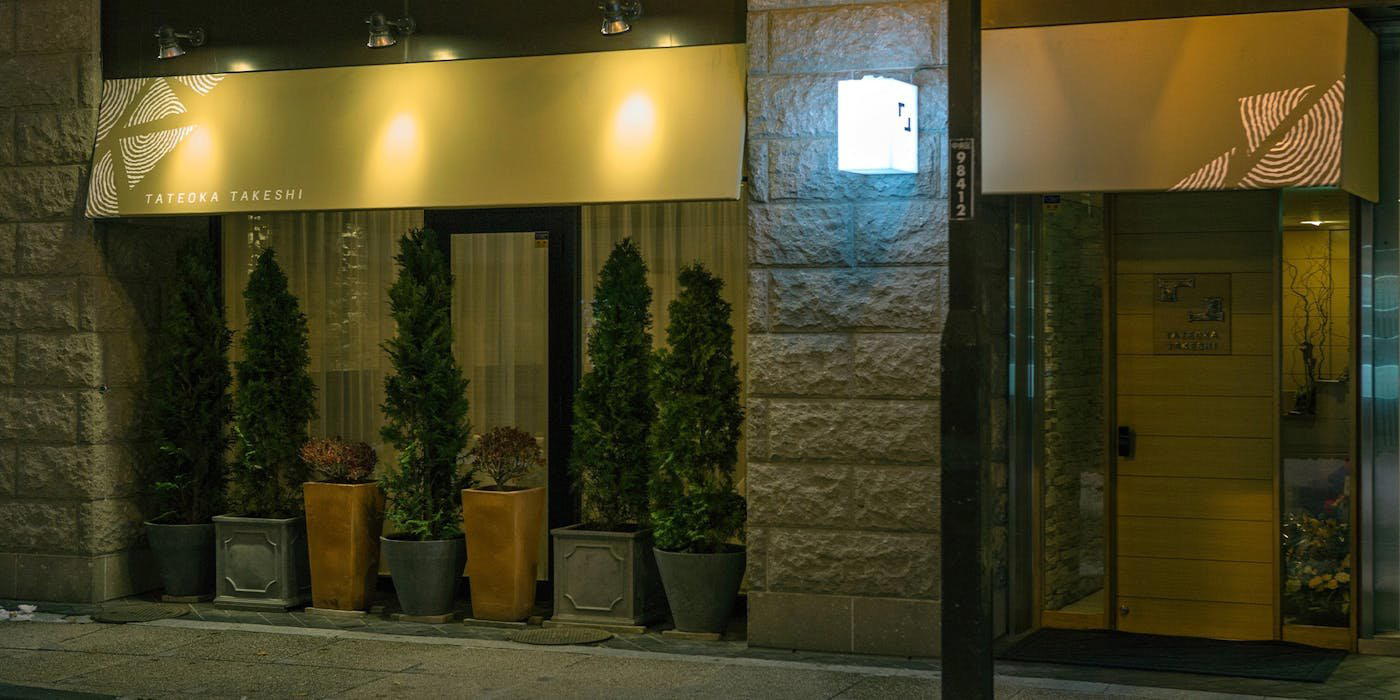
Sapporo occupies an unusual position in Japan's restaurant geography. It is far enough from Tokyo, Osaka, and Kyoto to develop its own culinary character, yet connected enough to absorb national trends. The city's Chuo Ward, the dense central district that runs from Odori Park south through Susukino, concentrates most of the serious dining: kaiseki counters, sushi bars with tight seasonal rotations, and a smaller cohort of venues that resist easy categorisation. タテオカ タケシ, located on Minami 3 Jonishi in Chuo Ward, sits inside that last group. Its address, on the ground floor of the KT3条ビル along the Miyuki-dori corridor, places it in a part of central Sapporo where restaurants tend to operate for a local clientele rather than tourist foot traffic. That positioning matters: venues in this zone earn their reputation through repeat visits and word-of-mouth rather than guidebook placement.
Across Sapporo's more documented dining tier, the reference points are well established. Hanakoji Sawada (Kaiseki) represents the city's formal kaiseki tradition; Arima (Sushi) anchors the precision sushi end of the spectrum. タテオカ タケシ operates in a different register, one where the menu structure, rather than the format category, defines the experience. That distinction matters when choosing between Sapporo's destination restaurants. For context on the broader scene, our full Sapporo restaurants guide maps the city's dining tiers in detail.
Menu Architecture as the Defining Signal
In Japanese dining, the way a menu is structured communicates almost as much as what appears on it. A kaiseki sequence signals deference to seasonal rhythm and classical proportion. An omakase counter signals trust transferred entirely to the chef. A la carte menus in serious Japanese restaurants are rarer and make a different argument: that individual dishes are confident enough to stand alone, without the scaffolding of a fixed progression. The menu architecture at any given restaurant in Sapporo's middle-to-upper tier tells you something about its relationship with the diner, how much control it wants to retain, and how it thinks about the evening's pacing.
What can be said with confidence is that the venue's location and local reputation place it within a cohort of Sapporo restaurants where format is deliberate rather than inherited. This is not a city where restaurants default to a fixed template. The venues that operate in Chuo Ward's less tourist-facing corridors have typically made considered choices about whether to run fixed menus, table service, or counter formats, and those choices shape the entire visit. The appropriate step before booking is to verify current format and pricing directly with the restaurant.
Elsewhere in Japan, menu architecture has become one of the more legible signals of a restaurant's competitive positioning. At HAJIME in Osaka, the fixed progression is highly controlled and conceptually framed. At Gion Sasaki in Kyoto, the kaiseki structure carries deep seasonal logic. Sapporo's own Higebozu and Hidetaka each represent distinct approaches to how a menu is organised and paced.
Hokkaido's Ingredient Advantage and What It Means for Any Serious Restaurant Here
Whatever the menu structure at タテオカ タケシ, the ingredient context of operating in Hokkaido is worth understanding. The island supplies a disproportionate share of Japan's dairy, seafood, and produce. Crab from the Sea of Japan and the Okhotsk Sea, sea urchin from the coastal towns around Hakodate and Rishiri, lamb from Tokachi, and potatoes and corn from the central agricultural belt all reach Sapporo's serious restaurants with a proximity advantage that kitchens in Tokyo or Osaka cannot replicate. This is not incidental to the quality of dining in the city; it is structural. Venues like aki nagao have built their reputations partly on this supply logic.
For any restaurant operating at a serious level in Sapporo's Chuo Ward, the decision of how to handle Hokkaido's ingredient surplus is a defining one. Does the kitchen foreground local produce as the explicit subject of the menu, or does it treat regional sourcing as a baseline rather than a statement? Both are legitimate approaches, and the answer shapes the kind of evening a visitor can expect. Comparable decisions play out at precision-focused restaurants across Japan, from Harutaka in Tokyo to Goh in Fukuoka, each of which situates local sourcing differently within its menu logic.
The Broader Regional Context: Small-Format Dining Beyond the Major Cities
Japan's most discussed restaurants tend to cluster in Tokyo, Osaka, and Kyoto. But a parallel tier of destination dining has developed in regional cities and smaller towns, often operating with less international visibility but comparable seriousness of purpose. Sapporo is the most prominent example in the north, but the pattern extends across the country. akordu in Nara, Bistro Ange in Toyohashi, and venues in less-trafficked locations like 一本杉 川島製 in Nanao and 羽根屋 in Nishikawa Machi all represent the same broader shift: serious cooking operating outside the circuits that international food media covers most densely.
In this context, タテオカ タケシ's location in central Sapporo gives it access to both a local dining culture that expects quality and an infrastructure of ingredients and suppliers that supports it. The city has enough of a restaurant ecosystem, with peers like Birdland in Sakai or international reference points like Le Bernardin in New York City and Atomix in New York City representing different models of how serious restaurants communicate their identity through format and menu design, to make the comparative framework meaningful.
Planning a Visit
The address on Minami 3 Jonishi, Chuo Ward, places the restaurant in a walkable part of central Sapporo, accessible from the Susukino subway station on the Namboku and Toei lines. Direct inquiry with the restaurant, or confirmation through a current Japanese dining platform, is the appropriate route for booking and pricing. Given that venues of this type in Sapporo's Chuo Ward tend to operate with limited covers and high repeat-visit rates, advance contact is advisable rather than walk-in. Seasonal timing also matters in Hokkaido: the ingredient calendar shifts significantly between summer and winter, and the menu at any serious restaurant in this region will reflect that cycle.
Frequently asked questions
How do I find タテオカ タケシ?
タテオカ タケシ is located at Japan, 〒060-0063 Hokkaido, 札幌市中央区Chuo Ward, Minami 3 Jonishi, 2 Chome, KT3条ビル1F(都通り側), Sapporo.
What's the best thing to order at タテオカ タケシ?
Given the venue's location in Sapporo's Chuo Ward, any serious kitchen here has direct access to Hokkaido's benchmark produce, Yūbari melon, Hidaka kelp, Erimo sea urchin, so dishes built around local seasonal ingredients are the logical focus. Confirming current offerings directly with the venue before visiting is advisable.
What's the best way to book タテオカ タケシ?
The venue is located at KT3条ビル1F on Minami 3 Jonishi, 2 Chome in Sapporo's Chuo Ward, and visiting or contacting the building directly is the most reliable starting point. For smaller-format restaurants in Sapporo's Chuo Ward, walk-in enquiries during off-peak hours often open conversations that online channels do not.
What makes タテオカ タケシ worth seeking out?
タテオカ タケシ operates in Sapporo's Chuo Ward, a neighbourhood that has quietly developed a tier of serious dining distinct from Tokyo's more documented restaurant circuit. Hokkaido's role as Japan's primary agricultural and seafood-producing island gives any kitchen here a structural ingredient advantage that coastal city restaurants cannot replicate by supply chain alone. The address on Minami 3 Jonishi places it within walking distance of Sapporo's central dining corridor.
Just the Basics
Comparable venues nearby, for context on price, style, and recognition.
| Venue | Cuisine | Price | Awards | Notes |
|---|---|---|---|---|
| タテオカ タケシThis venue (the venue you are viewing) | One Michelin-Star French with Hokkaido Seasonal Tempura | Not listed | Not listed | Not listed |
| L’Espérance | Vegan French Fusion | $30–50 | We're Smart World 4 Radishes | Chūō, Vegan French Fusion |
| ゴーシェ | French Wild Game Bistro | $50–100 | Tabelog 100 #81 | Chūō, French Wild Game Bistro |
| Sapporo Kanihonke (札幌かに本家 すすきの店) | Hokkaido Crab Specialty | Not listed | Not listed | Susukino, Hokkaido Crab Specialty |
| Gyo Sai | Seasonal Seafood Izakaya & Sake Bar | $50–100 | Tabelog 100 #13 | Chūō, Seasonal Seafood Izakaya & Sake Bar |
| Shinohei | Reservation-only Wagyu Shabu-shabu | $50–100 | Tabelog 100 #63 | Chūō, Reservation-only Wagyu Shabu-shabu |