Crab has defined Sapporo Kanihonke since the chain's founding in 1971, and the Susukino branch carries that focus into one of the city's most active entertainment districts. The restaurant sits on Minami Rokujō Nishi, a short walk from Susukino Station, and its 280-seat capacity across tatami rooms and sunken-table arrangements reflects a deliberate scale: large enough to absorb group bookings, structured enough to preserve the formality that crab kaiseki-style dining tends to require. The menu centres on crab in its various preparations, with shabu shabu among the formats on offer. Hokkaido's proximity to the Sea of Japan and the Okhotsk Sea makes Sapporo a logical home for this kind of specialisation: the prefecture accounts for a substantial share of Japan's domestic crab catch, and restaurants operating here at this price tier (around ¥5,500 per person) are drawing on supply chains that most crab-focused venues elsewhere in Japan cannot access as directly. The interior design choices, tatami seating and sunken tables in particular, place the experience closer to a traditional Japanese dining room than to the open-plan crab halls found in tourist-facing parts of Hokkaido. At roughly 280 seats, the space is generous without feeling anonymous. That combination of scale and traditional format has made the Kanihonke name a reference point for crab dining in Sapporo across several decades. Visitors should confirm current operating hours and status directly with the venue before planning around it.
- Address
- Sapporo, Japan
- Directions
- Get directions
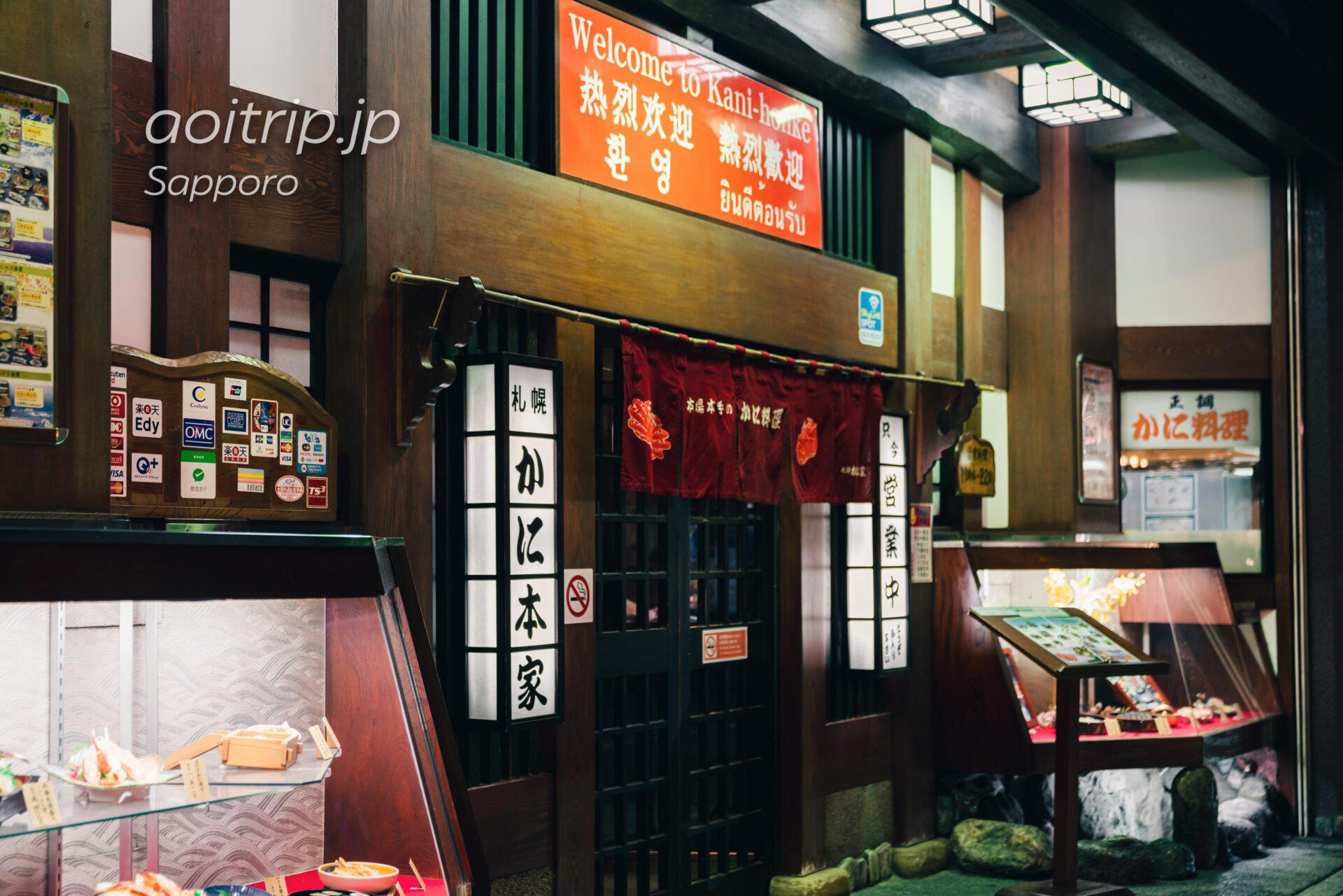
Crab has defined Sapporo Kanihonke since the chain's founding in 1971, and the Susukino branch carries that focus into one of the city's most active entertainment districts. The restaurant sits on Minami Rokujō Nishi, a short walk from Susukino Station, and its 280-seat capacity across tatami rooms and sunken-table arrangements reflects a deliberate scale: large enough to absorb group bookings, structured enough to preserve the formality that crab kaiseki-style dining tends to require.
The menu centres on crab in its various preparations, with shabu shabu among the formats on offer. Hokkaido's proximity to the Sea of Japan and the Okhotsk Sea makes Sapporo a logical home for this kind of specialisation: the prefecture accounts for a substantial share of Japan's domestic crab catch, and restaurants operating here at this price tier (around ¥5,500 per person) are drawing on supply chains that most crab-focused venues elsewhere in Japan cannot access as directly.
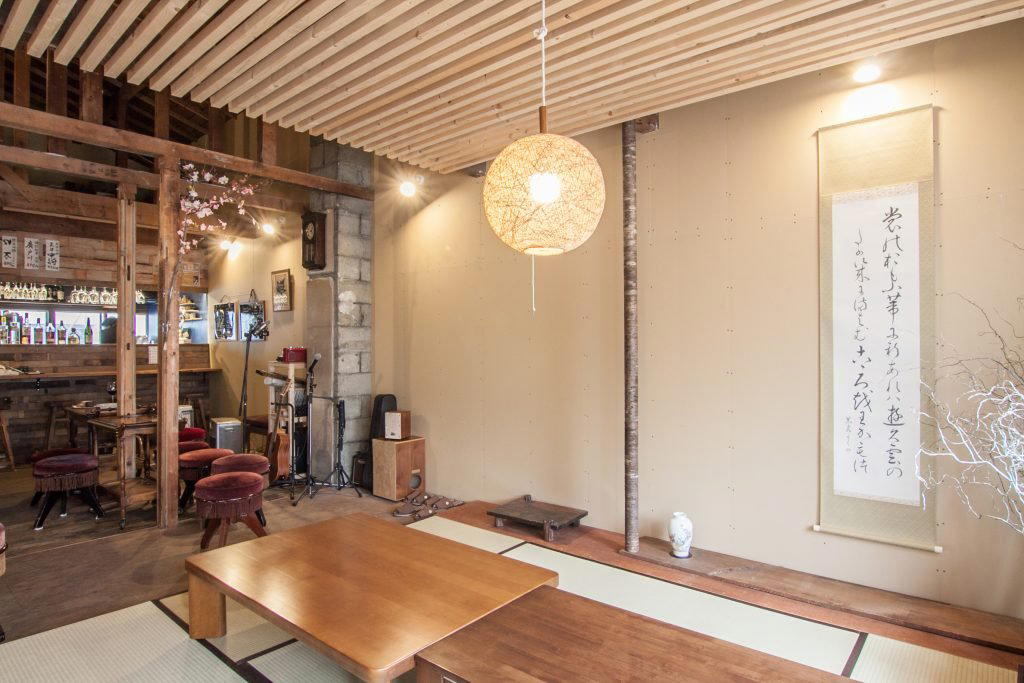
The interior design choices, tatami seating and sunken tables in particular, place the experience closer to a traditional Japanese dining room than to the open-plan crab halls found in tourist-facing parts of Hokkaido. At roughly 280 seats, the space is generous without feeling anonymous. That combination of scale and traditional format has made the Kanihonke name a reference point for crab dining in Sapporo across several decades. Visitors should confirm current operating hours and status directly with the venue before planning around it.
Comparable venues nearby, for context on price, style, and recognition.
| Venue | Cuisine | Price | Notes |
|---|---|---|---|
| Sapporo Kanihonke (札幌かに本家 すすきの店)This venue — the venue you are viewing | Hokkaido Crab Specialty | $$$ | Not listed |
| Oryori Fujita | Traditional Japanese Omakase / Kaiseki | $$$ | Chūō |
| Picante Sapporo ekimae ten | Sapporo soup curry | $$ | Chūō |
| European Curry KEN | European-style Japanese curry | $$ | Higashi |
| Le Coq | Yakitori Izakaya | $$ | Chūō |
| Susukino Yakiniku Kiraku | Japanese Yakiniku BBQ | $$$ | Chūō |
Continue exploring
More in Sapporo
Restaurants in Sapporo
Browse all →
At a Glance
- Classic
- Elegant
- Group Dining
- Special Occasion
- Celebration
- Private Dining
- Sake Program
- Sustainable Seafood
Current opening hours
- Monday
- 4–10:30 PM
- Tuesday
- 4–10:30 PM
- Wednesday
- 4–10:30 PM
- Thursday
- 4–10:30 PM
- Friday
- 4–10:30 PM
- Saturday
- 4–10:30 PM
- Sunday
- 4–10:30 PM
Hours can change for holidays and private events. Last verified .
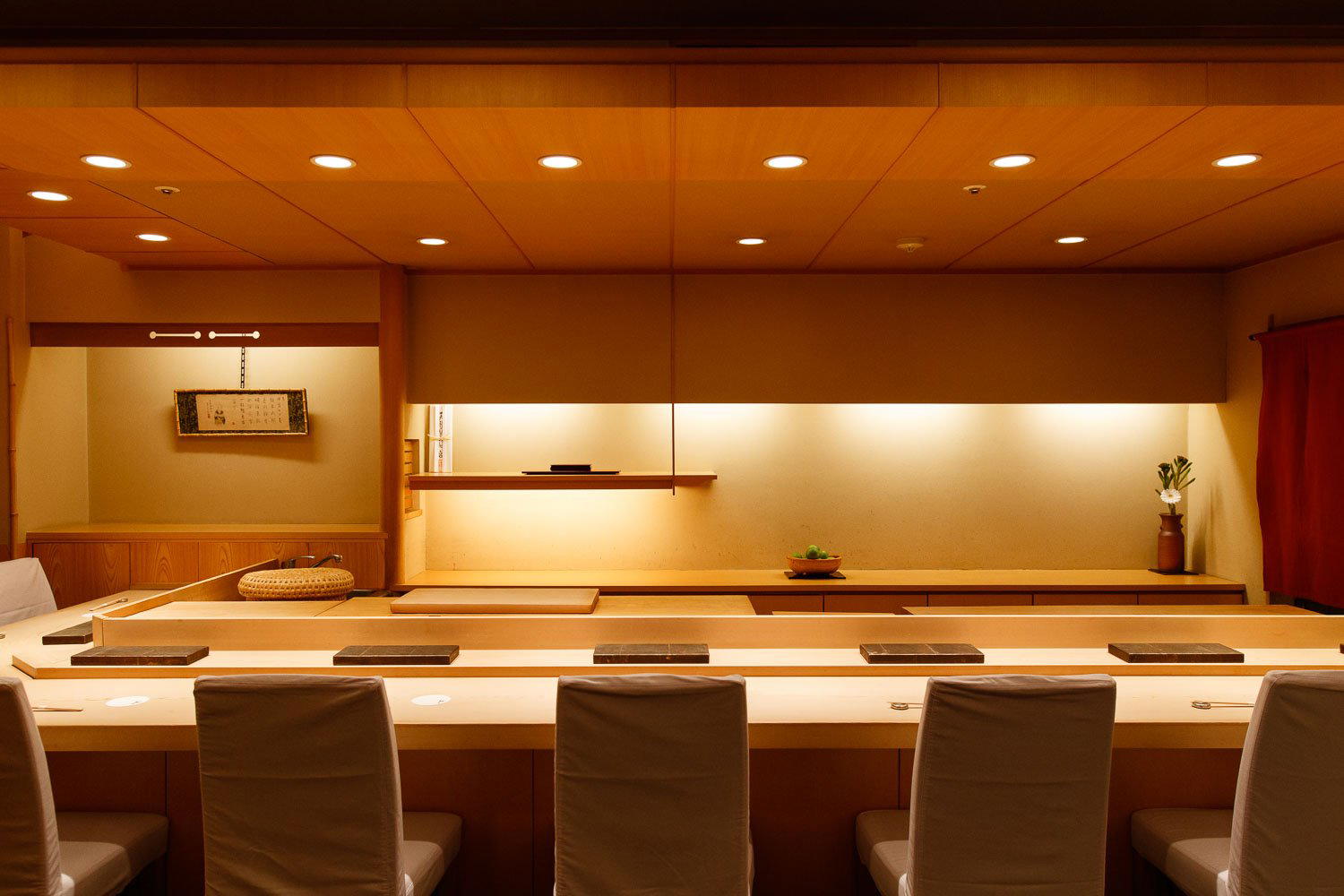
Traditional Japanese ambiance with private rooms, offering an elegant and classic dining atmosphere.