
We're Smart World 4 Radishes
Our verdict
Sapporo's vegan Franco-Japanese counter at Urasan-do Terrace makes a clear argument: plant-based cooking and classical French technique belong together. Seasonal Hokkaido produce drives a menu that is colorful, ingredient-led, and occasionally surprising. For travellers seeking something outside the city's dominant sushi and kaiseki axis, L'Espérance is the most considered detour on the table.

Pearl is the En Primeur Club membership app, where members save venues, book tables and use the concierge.
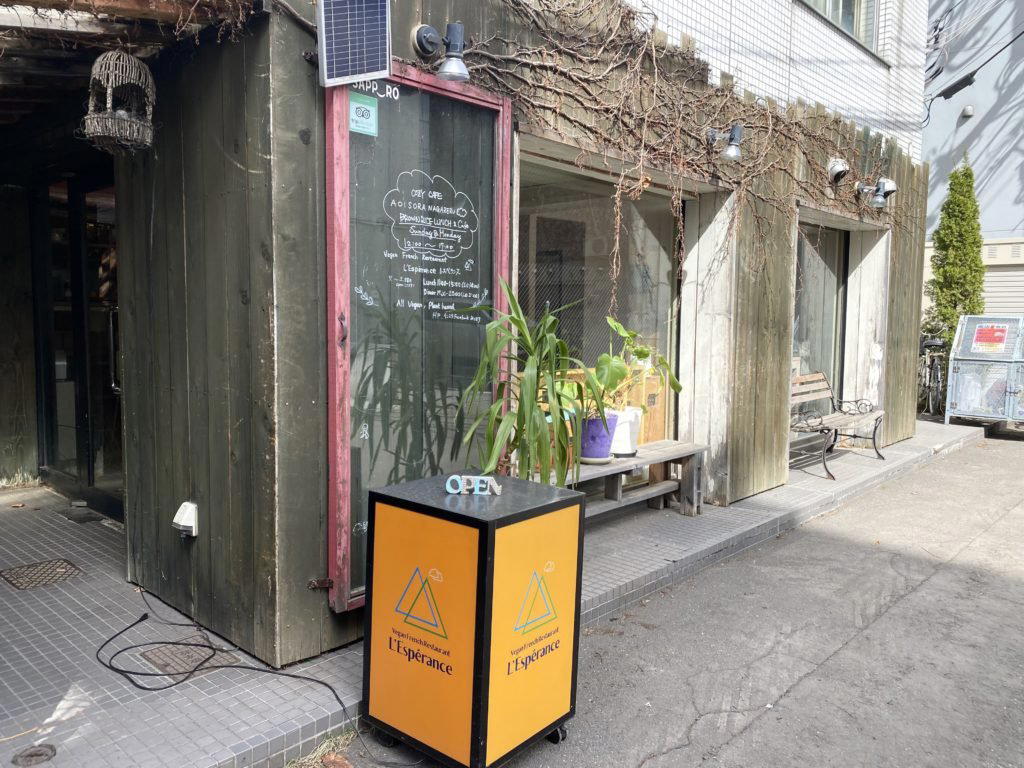
Where Hokkaido's Larder Meets a French Kitchen Without Meat
Sapporo's dining reputation is built on animal protein. Genghis Khan lamb, Hokkaido crab, miso ramen with pork bone broth, omakase counters stacked with sea urchin from the Okhotsk coast. Against that backdrop, a vegan restaurant drawing simultaneously on French culinary structure and Japanese seasonal philosophy is not a modest proposition. It is a deliberate counter-argument about what Hokkaido's ingredients can do when the protein is removed entirely and the vegetables are allowed to carry the full weight of the plate.
L'Espérance operates from Urasan-do Terrace in Chuo Ward, a district that already holds some of the city's more considered dining addresses. The building sits south of Odori, in the quieter residential-commercial mix that separates the grid's shopping core from the residential blocks further west. Walking toward it from the main avenues, the pace slows noticeably. It is the kind of approach that signals a meal designed for attention rather than throughput.
The Ingredient Argument: Why Hokkaido Makes This Work
The credibility of plant-based French-Japanese cooking anywhere in Japan rests almost entirely on the quality of what grows there. Hokkaido has a specific and well-documented advantage: a cooler continental climate, rich volcanic soils, and an agricultural infrastructure that produces vegetables of unusual density and sweetness. Asparagus from Kyogoku, corn from Kami-furano, potatoes from Tokachi, and a growing range of heritage root vegetables from small farms across the island give any serious kitchen here access to raw material that can hold its own against meat-led European preparations. The seasonal calendar also forces discipline. A menu that changes with Hokkaido's growing seasons cannot rely on year-round consistency from imported produce; it has to build around what is available and what is at its finest. That constraint, in practice, is what makes ingredient-led cooking coherent rather than arbitrary.
L'Espérance positions itself squarely within this logic. The kitchen is described as working with high-quality, seasonal ingredients, and the Franco-Japanese combination reads as a method for showcasing rather than obscuring them. French technique, with its emphasis on reduction, emulsification, and structured saucing, gives plant material a richness that would otherwise require fat from animal sources. Japanese precision in knife work and plating amplifies color and textural contrast. The result is described as colorful and playful, which in this context means the cooking trusts its ingredients to provide visual and flavor complexity without relying on meat as a structural shortcut.
For context on how ingredient sourcing defines culinary identity across Japan's higher-end restaurants, the pattern is consistent. Gion Sasaki in Kyoto and Hanakoji Sawada (Kaiseki) in Sapporo itself both draw their seasonal authority from the discipline of working within what each month produces. Bleston Court Yukawatan in Nagano applies a comparable French-Japanese framework to its mountain-season produce. The underlying argument is the same across all of them: sourcing is not a selling point but a structural decision that determines what the kitchen can and cannot do.
The Franco-Japanese Framework
The intersection of French and Japanese cooking has a long history in Japan, running from the post-war adoption of Western techniques through to contemporary chefs who train in Lyon or Paris before returning to open in Tokyo or Osaka. What is less common is that hybrid framework applied strictly to vegan cooking. Most Franco-Japanese restaurants in Japan operate at the luxury end of the protein spectrum. HAJIME in Osaka and Harutaka in Tokyo occupy that tier, where French classical structure frames the finest available seafood and meat. akordu in Nara takes the French-Japanese crossover in a more idiosyncratic regional direction. L'Espérance takes the same structural logic and strips it of animal products entirely, which repositions the question from "which proteins?" to "which preparations make vegetables worth this level of attention?"
The description of the kitchen as "sometimes surprising" is worth pausing on. In vegan tasting formats, surprise usually comes from preparation rather than ingredient identity. Fermentation, compression, unexpected temperatures, and textural contrasts achieved through plant-based fats and stocks are the technical vocabulary. French classical training provides the scaffolding; the Japanese sensibility provides the restraint that stops the technique becoming performative. When both are present, the result is cooking that makes sense even if it does not follow any obvious precedent.
Sapporo's Dining Context and L'Espérance's Position in It
Sapporo's restaurant scene at the serious end is dominated by seafood-forward omakase and kaiseki in formats that reflect the city's position as the gateway to Hokkaido's coastal and agricultural wealth. Arima (Sushi) and aki nagao represent the city's strength in precision Japanese formats. Higebozu and Hidetaka extend the range into the city's broader dining character. Against this field, a restaurant that chooses vegan as a non-negotiable position, and frames that choice through a French kitchen, occupies genuinely distinct territory. It is not a health-food detour. It is a cooking philosophy applied with the same seriousness the city's leading fish counters bring to their sourcing and service.
For those building a multi-day Sapporo itinerary, the full picture is available through our full Sapporo restaurants guide. The city's accommodation options are covered in our full Sapporo hotels guide, and the bar and drinks scene is mapped in our full Sapporo bars guide. Wine-focused travellers will find relevant detail in our full Sapporo wineries guide, and broader programming options sit in our full Sapporo experiences guide.
Internationally, the combination of plant-based conviction and classical European technique has precedent at restaurants like Le Bernardin in New York City, where ingredient integrity drives menu decisions above everything else, and in chefs like Emeril's in New Orleans, where sourcing philosophy shapes the broader kitchen identity. Goh in Fukuoka demonstrates how a Japanese kitchen can absorb global influences while remaining firmly rooted in what the immediate region produces. L'Espérance belongs in that broader conversation, specifically the strand of it that asks what happens when technique and terroir are the only tools available.
Planning Your Visit
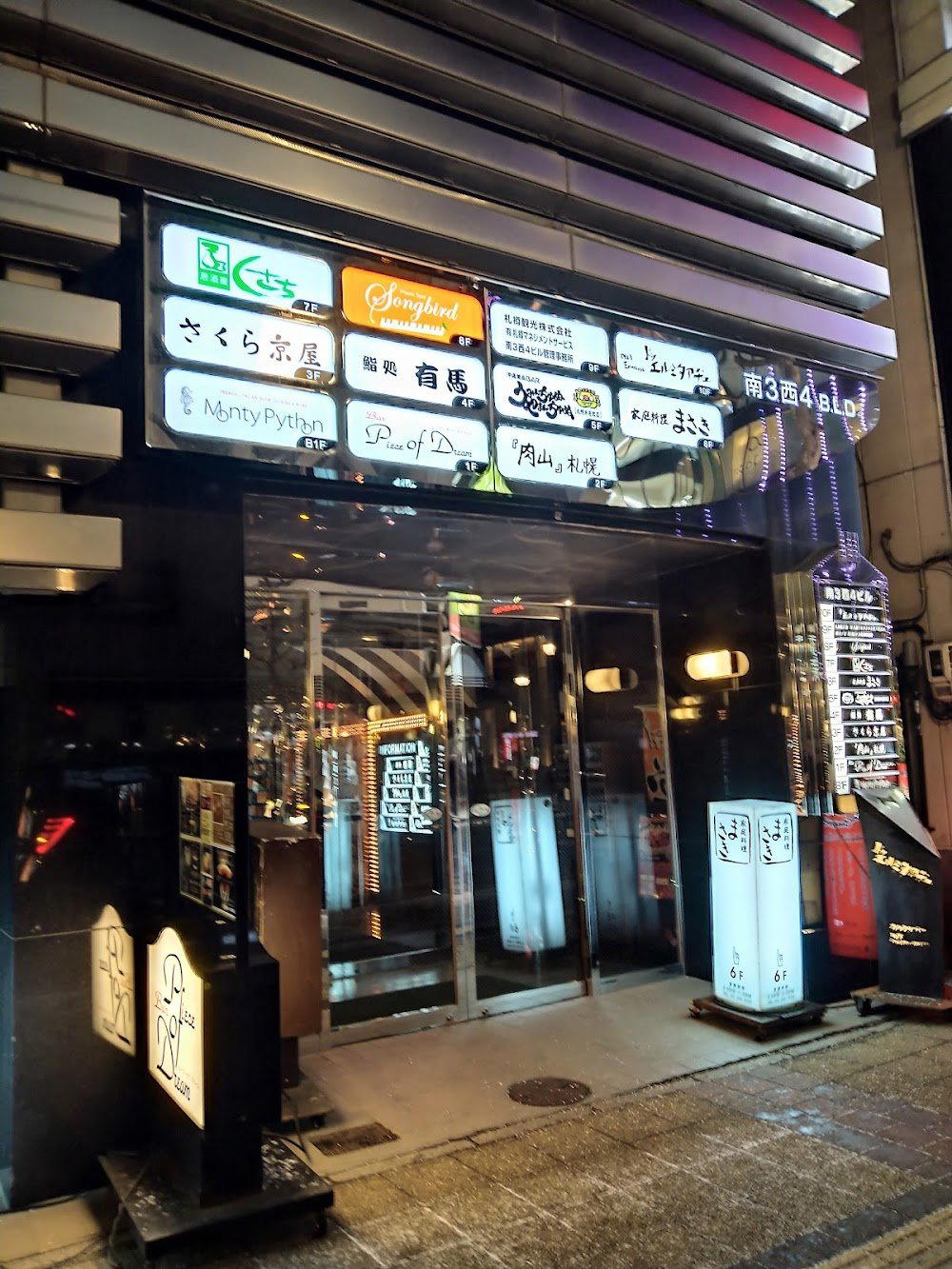
L'Espérance is located at 22 Chome-1-7 Minami 1 Jonishi, Chuo Ward, Sapporo, within the Urasan-do Terrace building. Chuo Ward is the city's central district, accessible from Sapporo Station and the Odori subway interchange, and Minami 1 Jo sits a short distance south of the main Odori park axis. Given the restaurant's specific dietary position, it makes sense to confirm the current menu format and any minimum group size requirements before visiting.
Frequently asked questions
What awards or recognition does L’Espérance have?
L’Espérance has received recognition including: L'Espérance chooses vegan with conviction. Being plant-based is therefore in its DNA. Yet it is a combination of Japanese and French cuisine. The result is a colorful, playful, and sometimes surprising kitchen. We are certainly fans as the ….
Where do I go for L’Espérance?
L’Espérance is located at Japan, 〒064-0801 Hokkaido, Sapporo, Chuo Ward, Minami 1 Jonishi, 22 Chome−1−7 裏参道テラス, Sapporo.
Can I walk in to L’Espérance?
Reservations are recommended for L’Espérance in Sapporo. Confirm current policy via the venue's official channels.
Is L'Espérance good for families?
The plant-based French-Japanese format at L'Espérance suits families with older children or those who eat vegan, since the menu is built around seasonal Hokkaido produce rather than the standard Sapporo staples of crab or lamb. Younger children accustomed to conventional Japanese restaurant menus may find the offering unfamiliar. The Chuo Ward location in Urasan-do Terrace is central and easy to reach, which helps with logistics.
Comparable Venues
Comparable venues nearby, for context on price, style, and recognition.
| Venue | Cuisine | Price | Awards | Notes |
|---|---|---|---|---|
| L’EspéranceThis venue (the venue you are viewing) | Vegan French Fusion | $30–50 | We're Smart World 4 Radishes | Not listed |
| レ カネキヨ ビストロノミーフランセーズ | Bistronomie Française | $50–100 | Not listed | Nishi |
| タテオカ タケシ | One Michelin-Star French with Hokkaido Seasonal Tempura | Not listed | Not listed | Chūō |
| La Sante | Seasonal French using Hokkaido ingredients | $100–150 | Tabelog 100 #45 | Chūō |
| Moliere Montagne | French fine dining in the Hokkaido mountains | $200–300 | Tabelog 100 #5 | Not listed |
| BAR YAMAZAKI | Classic Japanese cocktail bar | $30–50 | Tabelog 100 #24 | Chūō |
Recognition history
Dated appearances from independent guides and award organizations, with the underlying list record or original source where available.
We're Smart World 4 Radishes
We're Smart World
Continue exploring
More in Sapporo
Restaurants in Sapporo
All restaurants in Sapporo →![[Curry Senmon Ten] Maruyama Kyoju. restaurant in Sapporo](https://cdn.enprimeurclub.com/storage/v1/object/public/images/rehost/ccd9bb9e-2fd2-483e-85fa-c573b12dbc08/hero1.jpg?width=3840&quality=75)
Bars in Sapporo
All bars in Sapporo →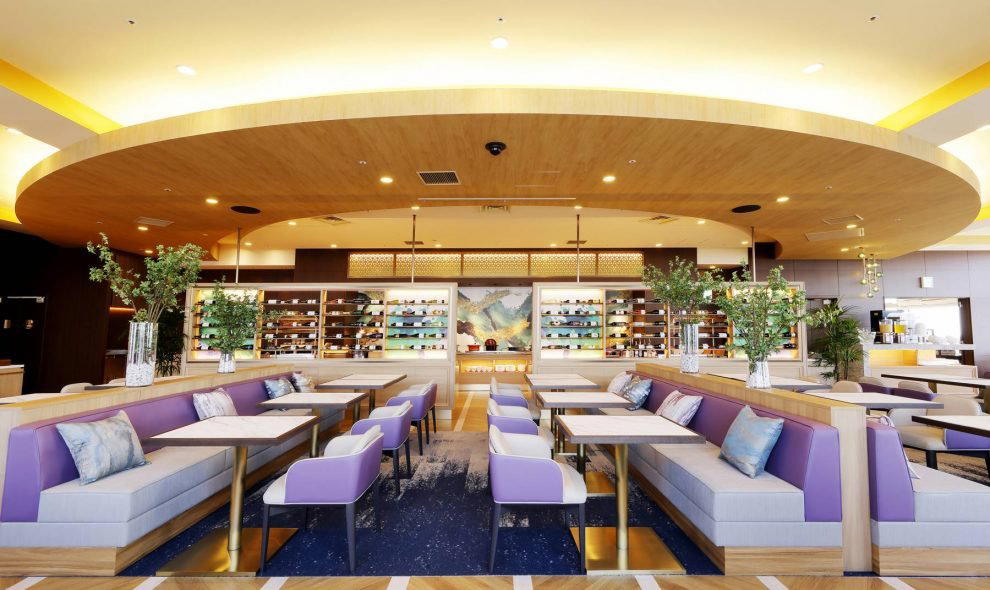





Details
- Cozy
- Intimate
- Elegant
- Date Night
- Special Occasion
- Open Kitchen
- Sake Program
- Local Sourcing
- Organic
- Omakase
- Tasting Menu
- Vegan Options
- Vegetarian Friendly
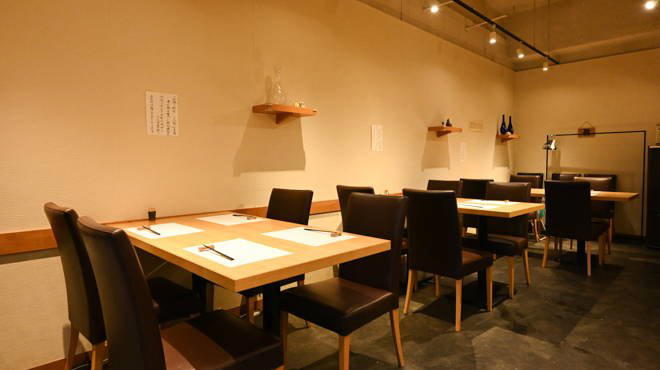
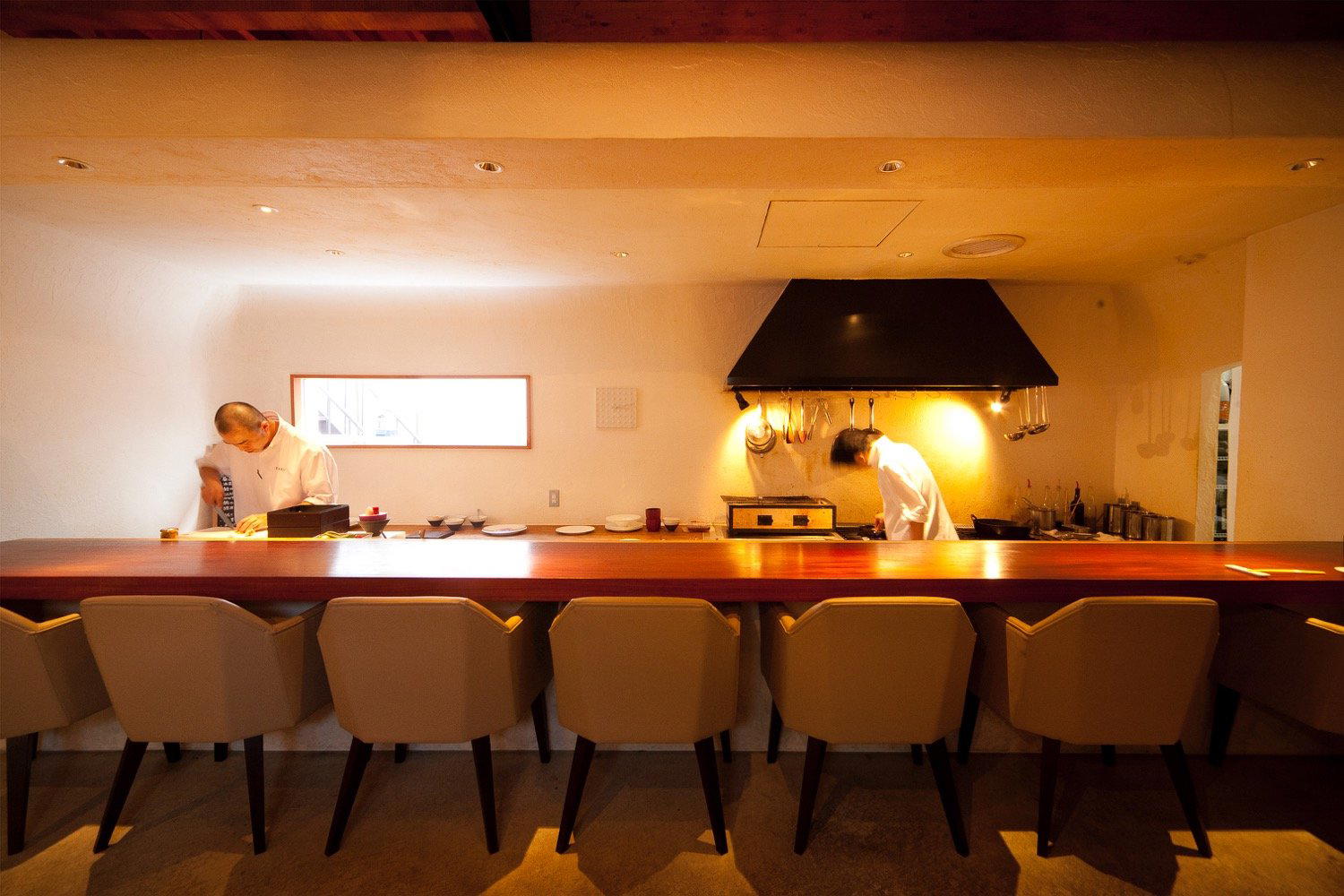
Cozy and intimate with warm lighting, open kitchen view, soft music, and a fancy yet casual atmosphere.